

Las Terrenas has the most established European expat community in the DR. It combines beach living with good infrastructure, French-influenced restaurants, and a surprisingly cosmopolitan social scene for a small town. It is the top choice for French and European expats who want beach life with conveniences.

Is Las Terrenas right for you?
Las Terrenas is the best fit for French and European expats who want beach living combined with a social scene and good food. Remote workers who value lifestyle over cost, retirees who want a walkable community, and digital nomads wanting to slow down for several months will all find it suits them. Families with young children also do well here: it is one of the few beach towns in the DR with international schools, though the long drive to serious hospital care is the trade-off to weigh. It is not the right choice for those on a tight budget, people who dislike heat and humidity, or anyone who needs quick access to advanced medical care.
What the scores mean
Las Terrenas is more expensive than most of the DR but affordable by European and North American standards. A furnished one-bedroom in the town centre runs $650 to $1,000 per month, rising to $1,000 to $1,500 for a two-bedroom near the beach. Groceries cost more than Santo Domingo because much is imported for the expat market, but eating at local comedores (cheap Dominican lunch spots) costs under $5.
Las Terrenas is considered one of the safer expat destinations in the DR. The town has a visible tourist police presence and the main expat areas are well-lit and walkable. Petty theft (scooter theft especially) does occur, so basic precautions apply.
The town has a public hospital, the Hospital Municipal Pablo Antonio Paulino (opened May 2021 with 30 beds, an emergency area, three operating theatres and basic lab and imaging), plus small private clinics for consultations and minor emergencies. For anything serious, major surgery, specialist care, advanced diagnostics, residents travel to Santo Domingo or Santiago (2.5 to 3 hours) or fly home. Most long-term expats carry international health insurance. Named facilities and access: the public hospital and a basic private clinic in Las Terrenas handle routine and minor issues, and Samana town (about 45 minutes west) has limited options. The best hospitals in the country are in Santo Domingo (about 2.5 to 3 hours south), with Santiago a similar distance for good regional facilities. Emergency: 911. Tourist police (POLITUR): 809-200-3500.
Fibre connections from Claro and Altice are available throughout the town centre and main residential areas. Most apartments are pre-wired. Speeds of 50 to 100 Mbps are typical and sufficient for remote work, video calls, and streaming. Outlying areas like El Portillo and Cosón have slower connections.
Las Terrenas punches well above its size in lifestyle. The dining scene is genuinely excellent: French-trained chefs running beach restaurants, Italian owners with wood-fired ovens, and a rotating cast of international cuisine that most cities of 40,000 cannot match. The beach is minutes from the town centre. Social life centres on a handful of well-established expat bars.
The best food shopping on the peninsula, with European-style supermarkets, French bakeries and delis serving the expat community. Banks, pharmacies and hardware are all in town. The trade-off is distance: a big shopping run means a long drive off the peninsula.
Monthly budget breakdown
Map of Las Terrenas
Neighbourhoods in Las Terrenas
El Pueblo (Town Centre)
The commercial and social heart. Best for walkability, restaurants, and nightlife. Noisier than other areas.
Playa Las Ballenas
Beach strip just west of the centre, named for the three islets offshore. Popular with French and Italian long-term residents. Quieter than the centre.
La Punta
Upscale peninsula area with exclusive properties and the best beach access. Premium pricing.
Playa Bonita →
West of the centre, about 3 km out. One of the most beautiful beaches in the area, with surf schools on the sand and few crowds. Needs a scooter or car.
El Portillo →
East of town, 8 to 10 km out. Quieter and more residential, with the kite beach and a few hotels and villas. Needs a scooter or car.
Cosón →
The most remote and exclusive area, at the far western end of the coast beyond Playa Bonita. Minimal services but exceptional privacy and beach.
Is Las Terrenas safe?
Las Terrenas is one of the safer towns in the Dominican Republic for expats. The DR Living Index gives it a safety score of 8 out of 10. The main expat areas are well-lit, walkable at night, and patrolled by POLITUR (tourist police). Serious crime is rare.
The town has an established European community (French and Italian residents who have lived here for decades) and that keeps the social environment close-knit. Information about any incidents moves fast through local Facebook groups, which is a practical safety net. Petty theft happens, scooter theft especially, so keep it locked. Use established taxi services after dark and do not leave cameras on the beach.
Emergency contact: 911. Tourist police (POLITUR): 809-200-3500. The nearest full hospitals are in Santo Domingo or Santiago, about 2.5 to 3 hours away; the town’s own public hospital (Pablo Antonio Paulino) covers emergencies and basic surgery. Most long-term expats carry international health insurance for this reason.
Las Terrenas neighbourhoods in more detail
Las Terrenas is a small town but neighbourhood choice matters for your experience. The main areas each have a distinct character.
Town Centre (El Pueblo)
The most walkable area with the highest concentration of restaurants, cafes, shops, and expat amenities. Noisy at night due to bars and traffic but unbeatable for convenience. Best for those who want to be in the middle of things without needing a car.
Playa Las Terrenas / Playa Las Ballenas
The main beach strip running west from town. Well-developed with beachfront restaurants and apartment blocks. Quieter than the centre at night. Popular with French and European long-term residents. Walking distance to town but far enough to feel residential.
La Punta
Upscale area on the peninsula at the western end of town. More exclusive, quieter, and favoured by higher-budget expats and property owners. Less walkable to town amenities but offers privacy and quality. Beachfront properties here command a significant premium.
Playa Bonita
West of town, about 3 km or 10 minutes by scooter. Quieter, more residential, and less touristy. Playa Bonita is arguably the most beautiful beach in the area, with surf schools on the sand. No real walking infrastructure but peaceful. Requires a scooter or car.
El Portillo
East of town, 8 to 10 km out, about 20 to 25 minutes by scooter. The kite beach, with a few hotels and villas and a well-known beach restaurant. Popular with expats who want separation from the main town bustle. Requires a scooter or car.
Coson
The most remote and exclusive area, at the far western end of the coast beyond Playa Bonita. Very quiet, low density, and home to some of the most expensive properties in Las Terrenas. Limited dining and shopping options. Only suitable for those who prioritise privacy and do not mind driving for everything.
How Las Terrenas compares to other DR beach towns
Las Terrenas is one of six DR beach towns compared in depth in the DR beach towns guide for expats. The guide ranks Cabarete, Sosúa, Las Galeras, Cap Cana and Bayahibe alongside Las Terrenas on cost, internet speed, remote work infrastructure and beach quality.
Living in Las Terrenas: the honest picture
What works well
- Walkable beach town centre
- Strong French and European community
- Excellent restaurants and cafes for the size
- Growing but not overrun by tourism
- Good fibre internet in town
- Scooter-friendly layout
Watch out for
- Roads are rough: potholes and wet-season flooding make a 4WD or high-clearance vehicle effectively essential
- Imported groceries and European-style dining cost more than most of the DR
- Limited English in local services
- Can feel isolated from the rest of the DR
- Humid year-round
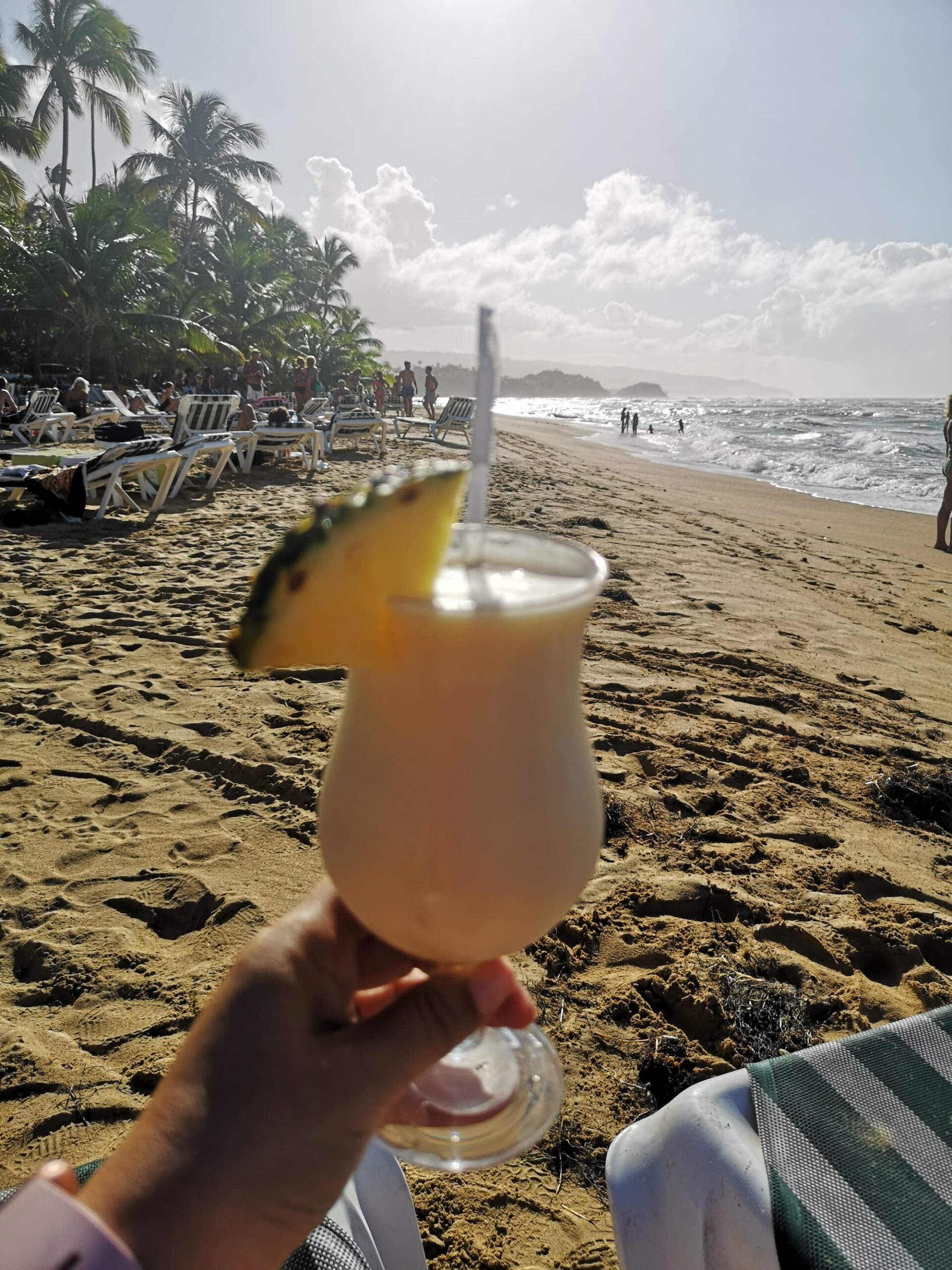
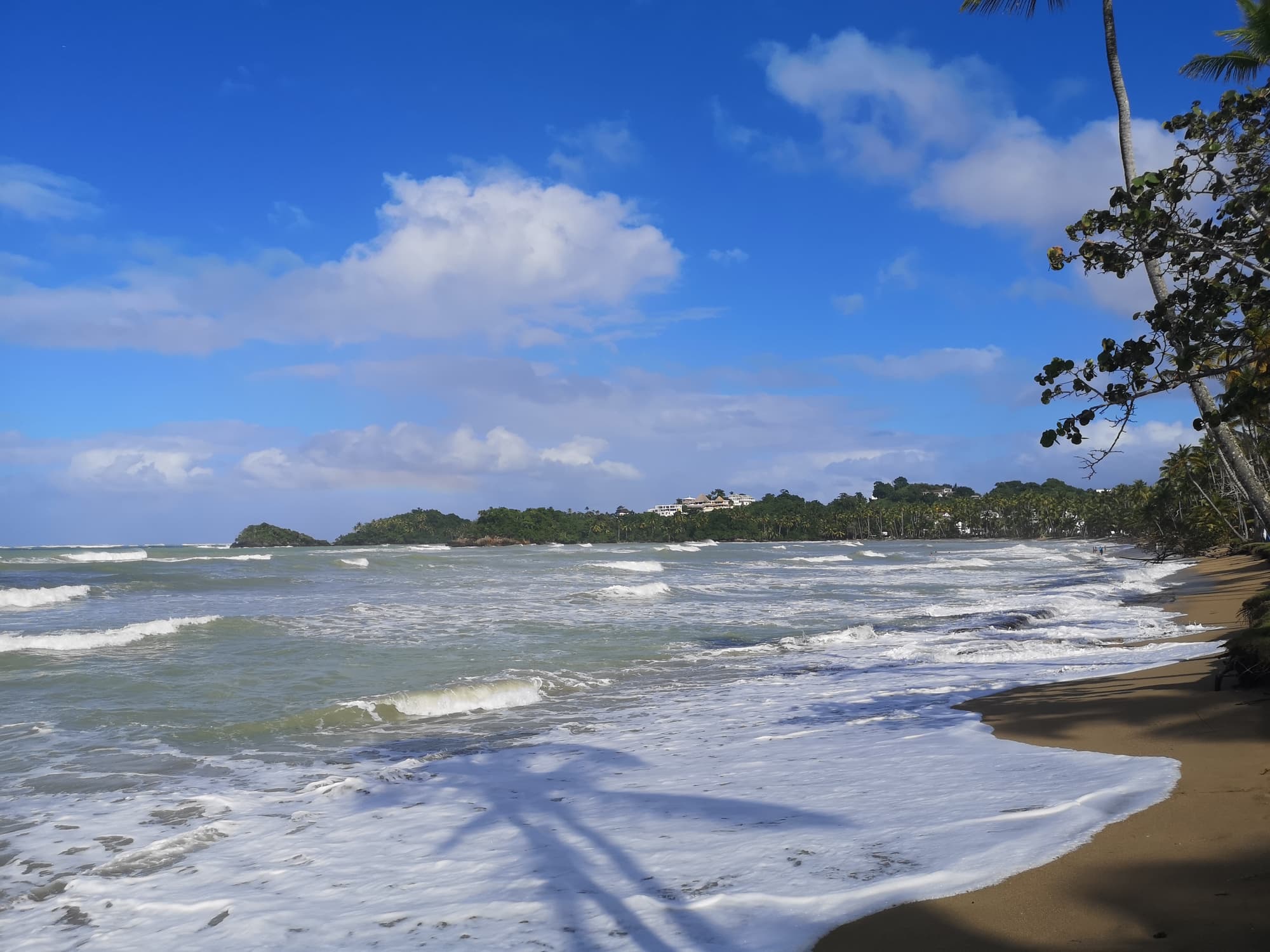
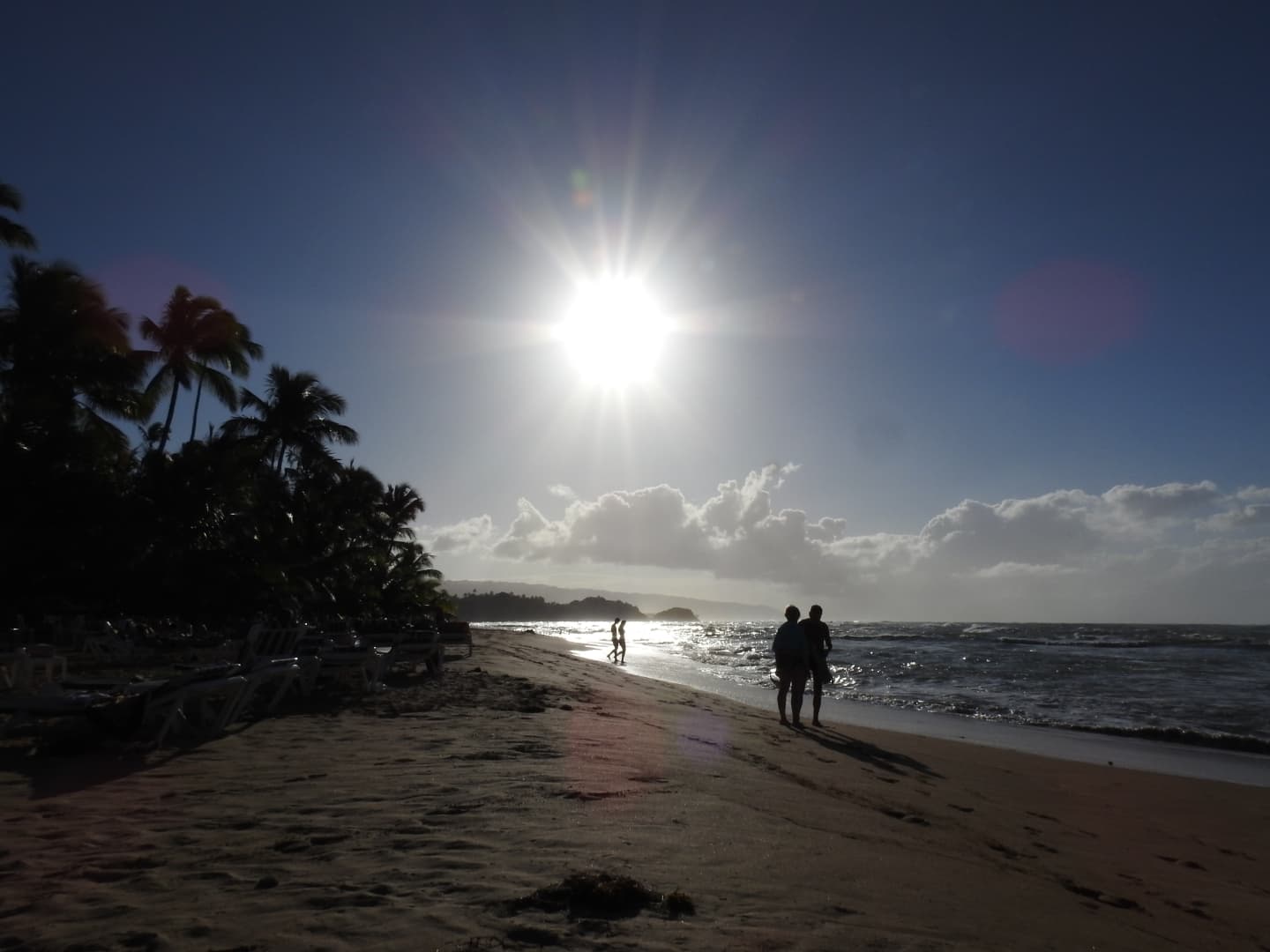
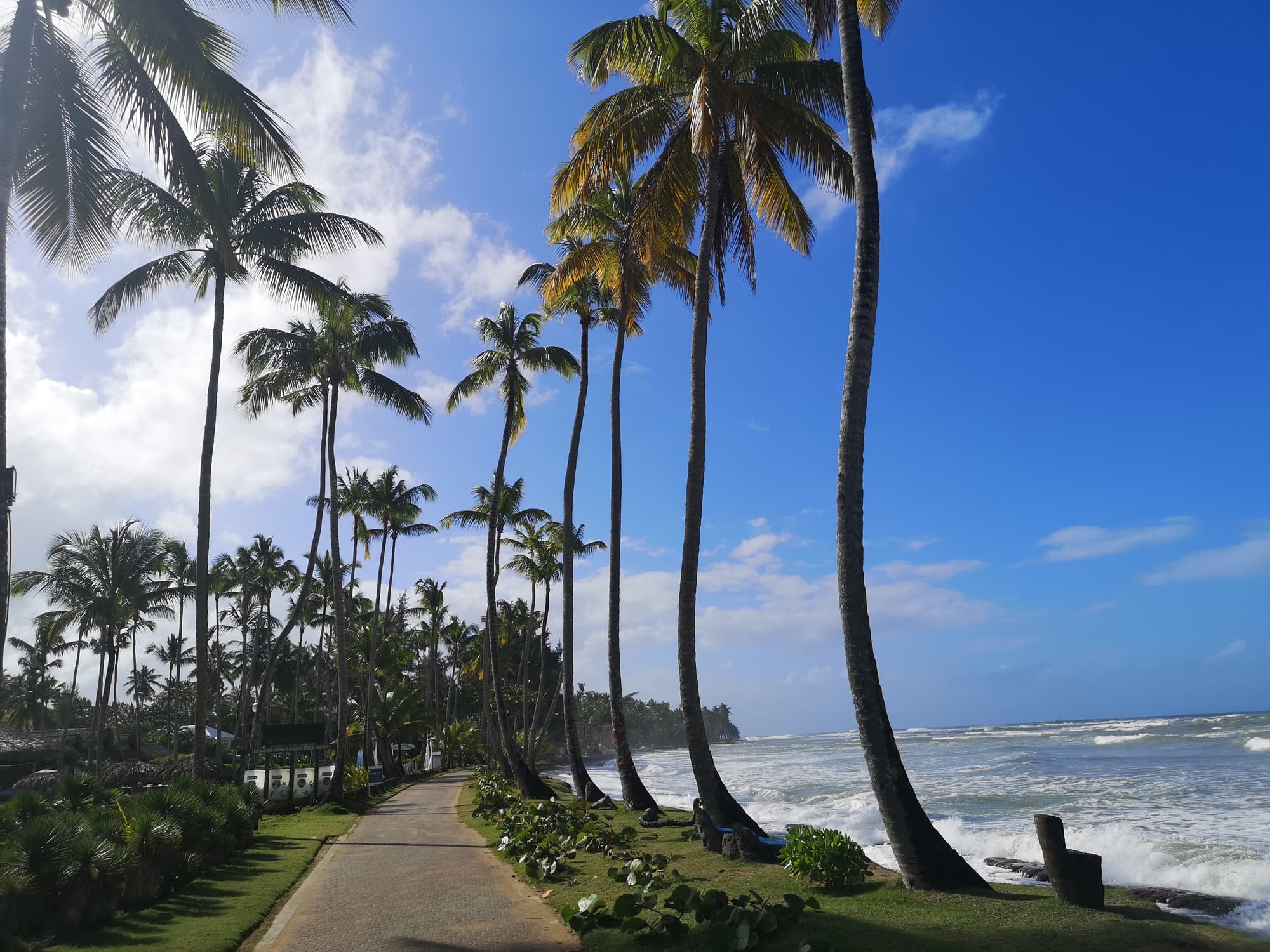
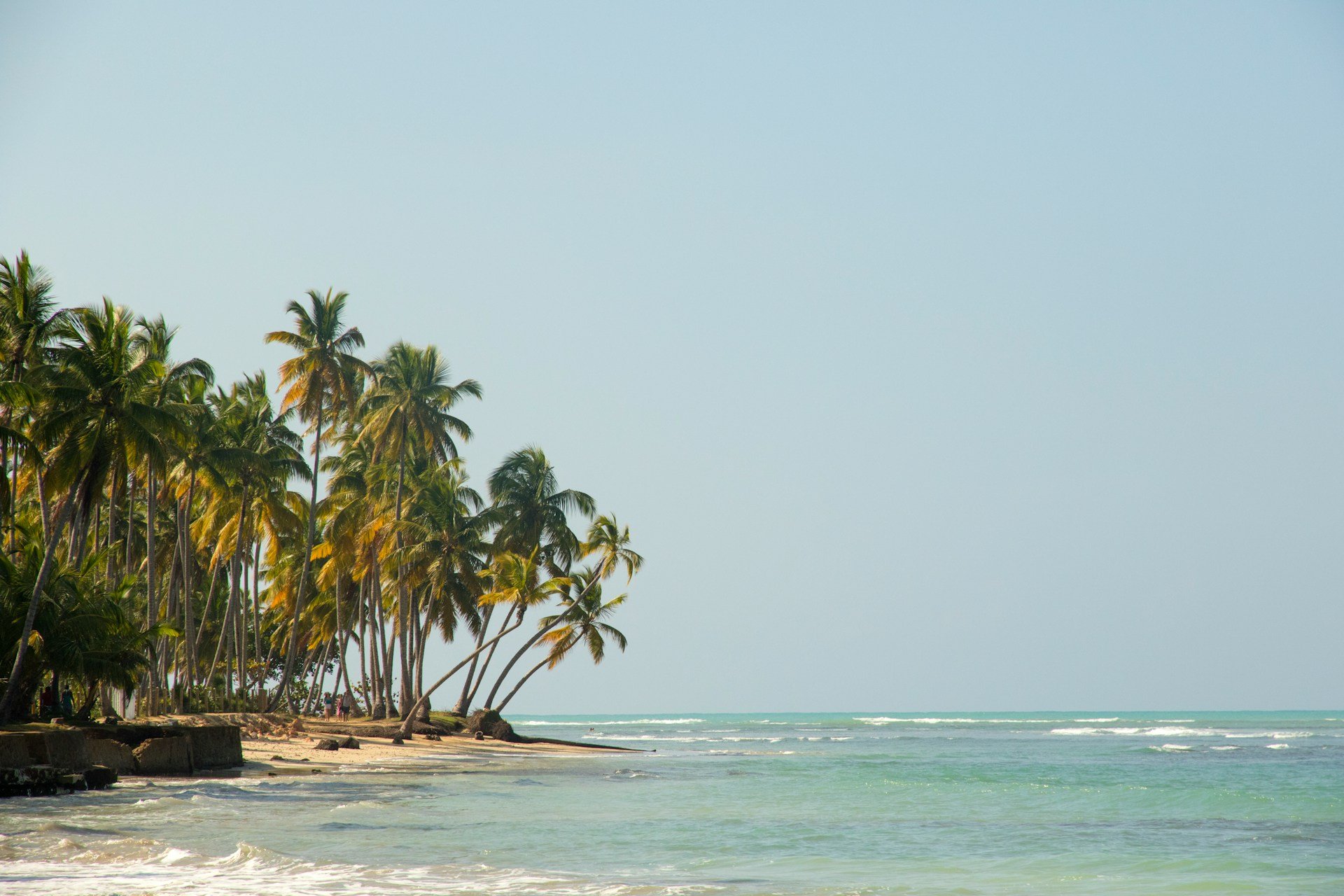
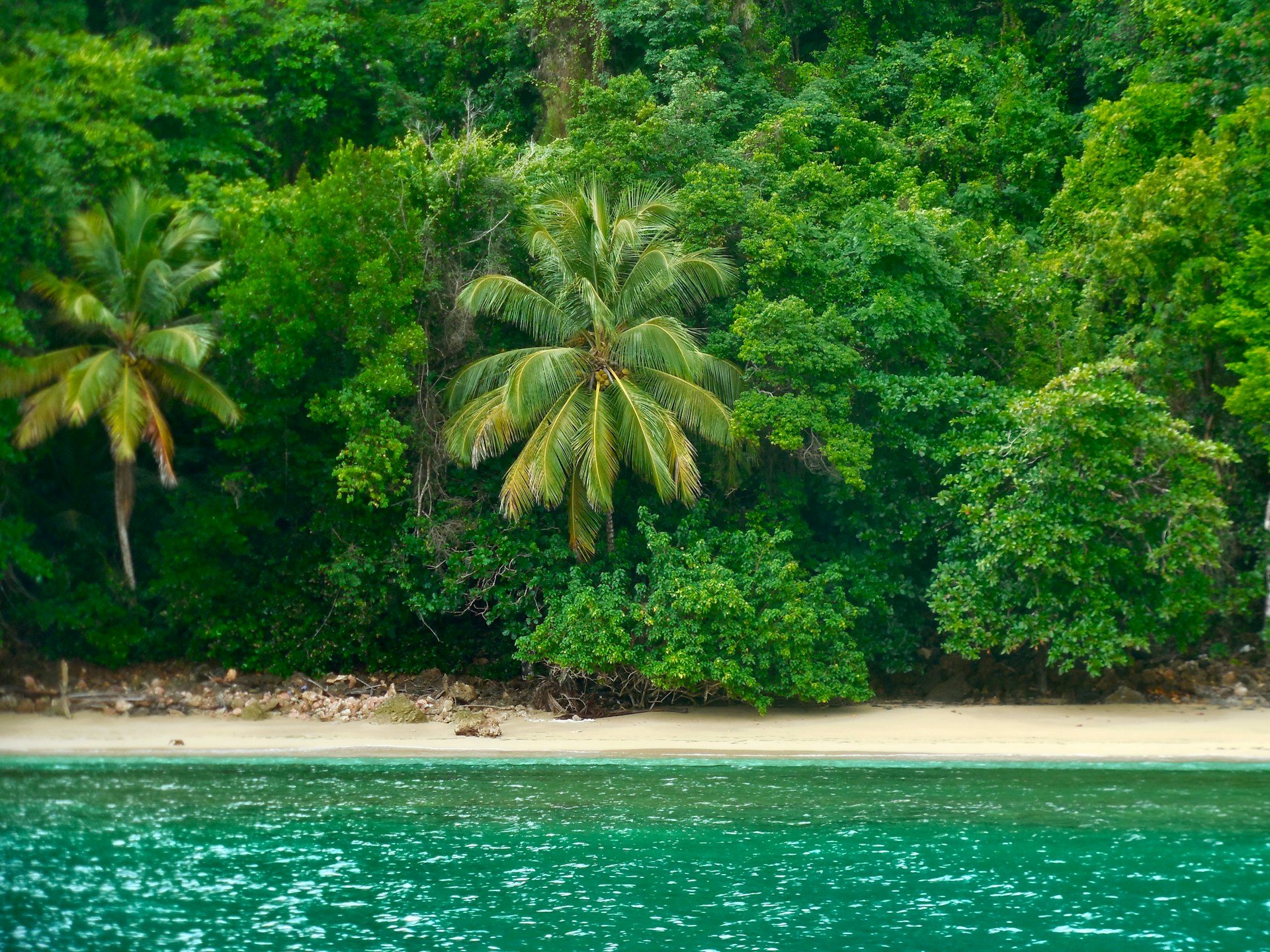
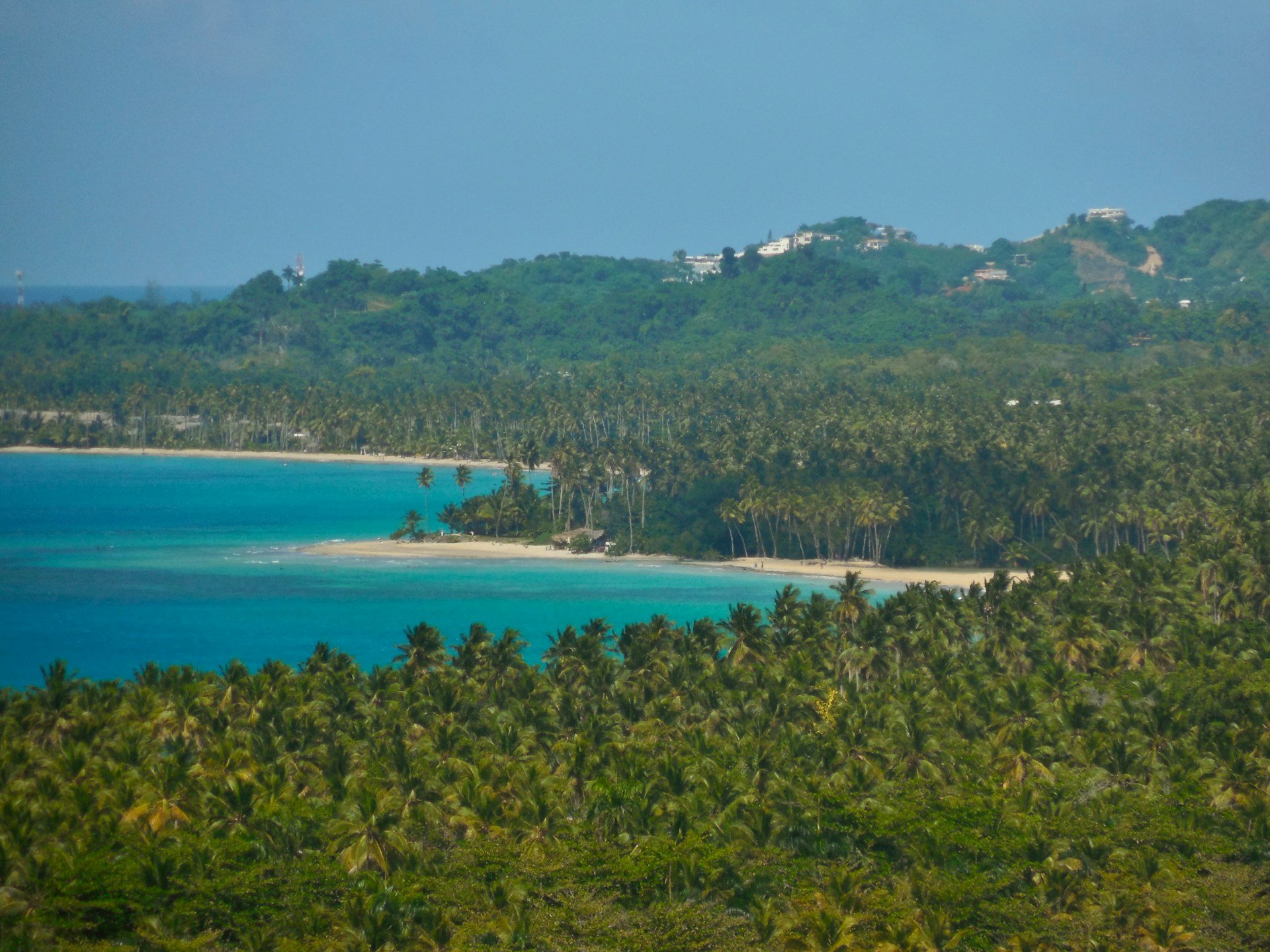
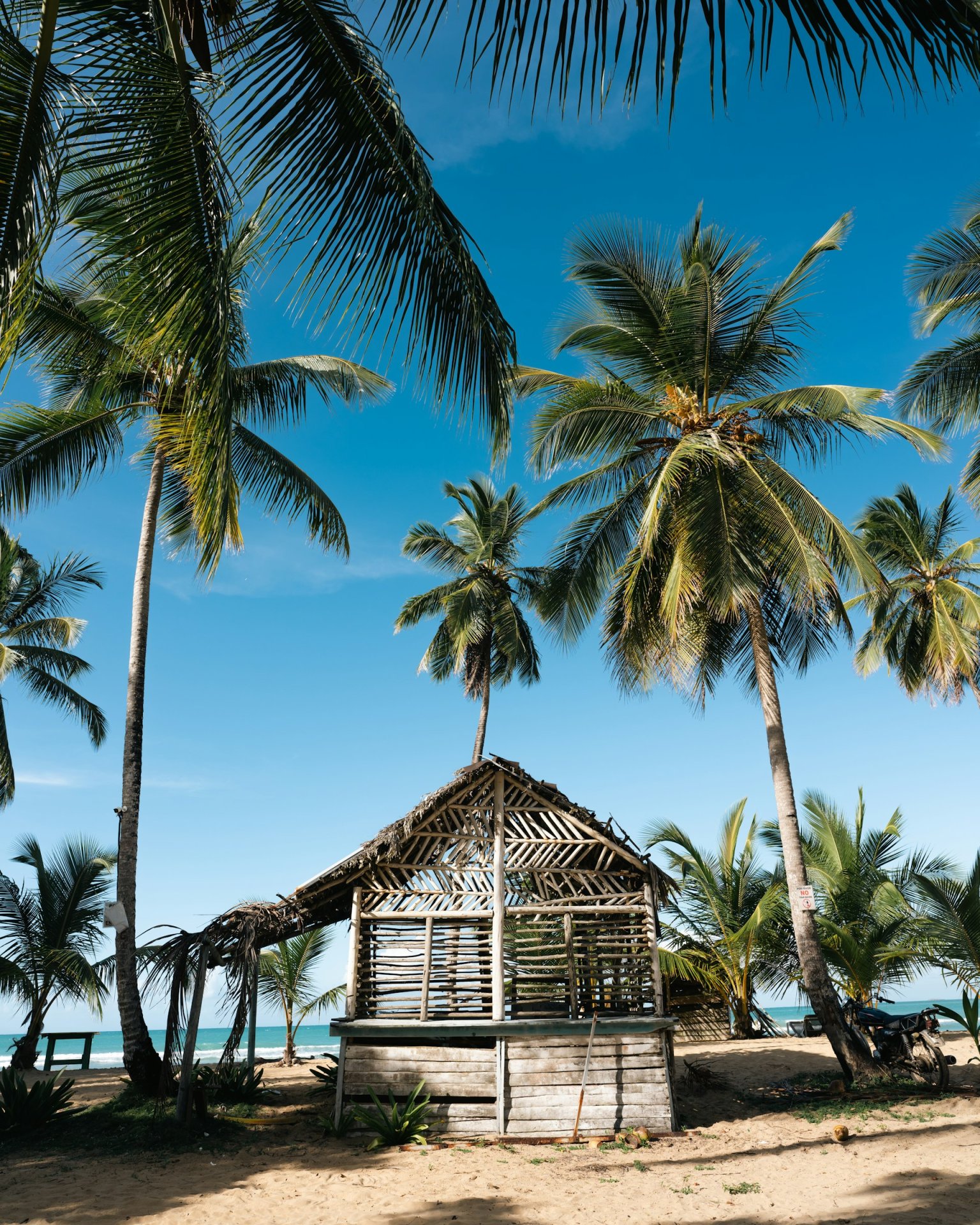
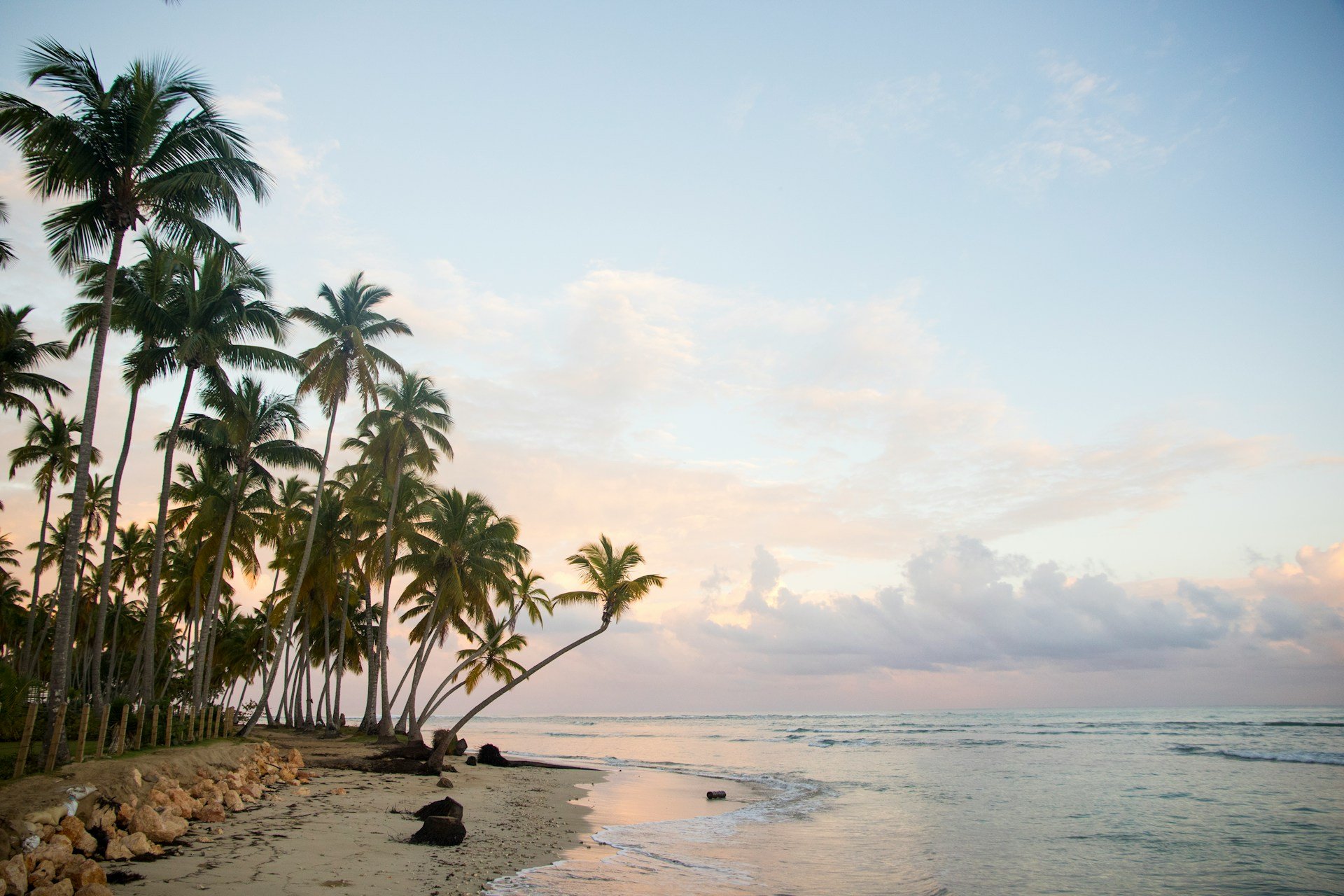
Photos from Las Terrenas

Frequently asked questions
Generally yes. It has a calm, small-town feel and the expat community is well established enough that people know each other. The main beach strip is safe to walk at night. Normal precautions apply: do not flash expensive gear, use trusted taxis after dark. Serious crime is rare and the local community is quick to share information through expat groups on Facebook.
Yes. Las Terrenas is one of the few beach towns in the DR where a family with school-age children can make it work. Schools in town include ISLA Academy (Pre-K to 12, taught mainly in English) and the Lycée Français International de Las Terrenas for families who want the French curriculum. Places can be tight, so apply as part of the move plan rather than after you land, and visit in person before you sign a lease. The honest weak spot for families is healthcare: the clinic in town handles minor issues, but anything serious means Santo Domingo or Santiago, each around 2.5 to 3 hours away.
It has the most organised expat infrastructure outside Santo Domingo. French, Italian, and Swiss residents have been coming since the 1980s, and that has produced real European-standard restaurants, reliable property agents, and a community that knows how the Dominican system works. If you speak French, you will feel at home quickly. The two main beaches, Playa Bonita and Playa Las Ballenas, are genuinely beautiful and not overcrowded.
Better than it was three years ago, but not Cabarete-level. Fibre is available in parts of town, but coverage is patchier in the surrounding hills. Most expats in the centre get workable speeds on Claro or Altice fibre. If you are working remotely and your building is outside the main grid, test speeds before you commit to a long-term rental. Mobile data on WIND or Claro is a solid backup.
The easiest route is to fly into El Catey International Airport (AZS) on the Samaná Peninsula, which has direct flights from some North American cities and European connections via Santo Domingo or Punta Cana. Driving from Santo Domingo takes about 2.5 hours via the Samaná highway. The road through Los Haitises scenic route is beautiful but slower. There is no direct fast bus; most people drive or use private transfer.
Not as much more as people assume. On the June 2026 cost matrix, rent in Las Terrenas is actually lower than Cabarete (a typical one-bed around $650 against $1,050), but groceries and restaurants cost more because so much is imported for the European market. A two-bedroom apartment near the beach runs $1,000 to $1,500/mo. Groceries from local markets are cheap; imported European products less so. Budget $1,500 to $2,500/mo for a comfortable lifestyle with occasional dining out.