
Moca sits at about 185 m on the Cibao valley floor, with the Cordillera Septentrional rising behind it toward the north coast. It is a quiet provincial capital with strong agricultural traditions. Coffee and tobacco are still grown in the area. Very few foreigners live here.

Is Moca right for you?
People who want extreme affordability and authentic Dominican provincial life, with occasional north coast access. Spanish fluency is non-negotiable.
Is Moca safe?
Moca scores 7.0 out of 10 for safety on the DR Living Index. A calm, traditional provincial capital with a strong community feel and low crime. Daily life needs little more than ordinary caution.
The safety card below has the full picture for Moca, and the DR safety guide covers the whole country.
What the scores mean
Local-priced and affordable, with no expat or tourist markup anywhere. Rent and everyday costs are among the gentler in the Cibao.
A calm, traditional provincial capital with a strong community feel and low crime. Daily life needs little more than ordinary caution.
Everyday clinics and pharmacies in town, with Santiago's full hospital network 30 to 45 minutes away for anything more involved.
Reasonable fibre coverage helped by its closeness to Santiago, giving workable speeds in most of town if not the fastest in the region.
Quiet, agricultural and deeply Dominican, built around coffee, tobacco and craft traditions. There is little aimed at foreigners and few organised activities, so the appeal is authenticity and calm.
Moca handles the everyday: supermarkets, banks, pharmacies and hardware, all at local prices. There is nothing aimed at expats and little in the way of malls or boutiques, but Santiago is 30 to 45 minutes away and covers everything else.
Map of Moca
Living in Moca
Moca is for people who want a real small Dominican city at real small-city prices. The coffee from the surrounding highlands is excellent and the pace is genuinely relaxed. Santiago is close enough that you are not completely cut off from urban amenities. If you want quieter Cibao life without city prices, Moca is worth considering.
Living in Moca: the honest picture
What works well
- Very low cost of living, from $750/mo
- About an hour from the north coast beaches over the Jamao road
- 45 minutes from Santiago's full city services
- Green farmland in the foothills of the Cordillera Septentrional
- Authentic provincial life with zero tourist economy
Watch out for
- No expat community or English-language services whatsoever
- Limited employment opportunities for foreigners
- Internet less developed than coast or Santiago
- Small provincial city with limited nightlife and dining
- Spanish fluency required for all basic functions
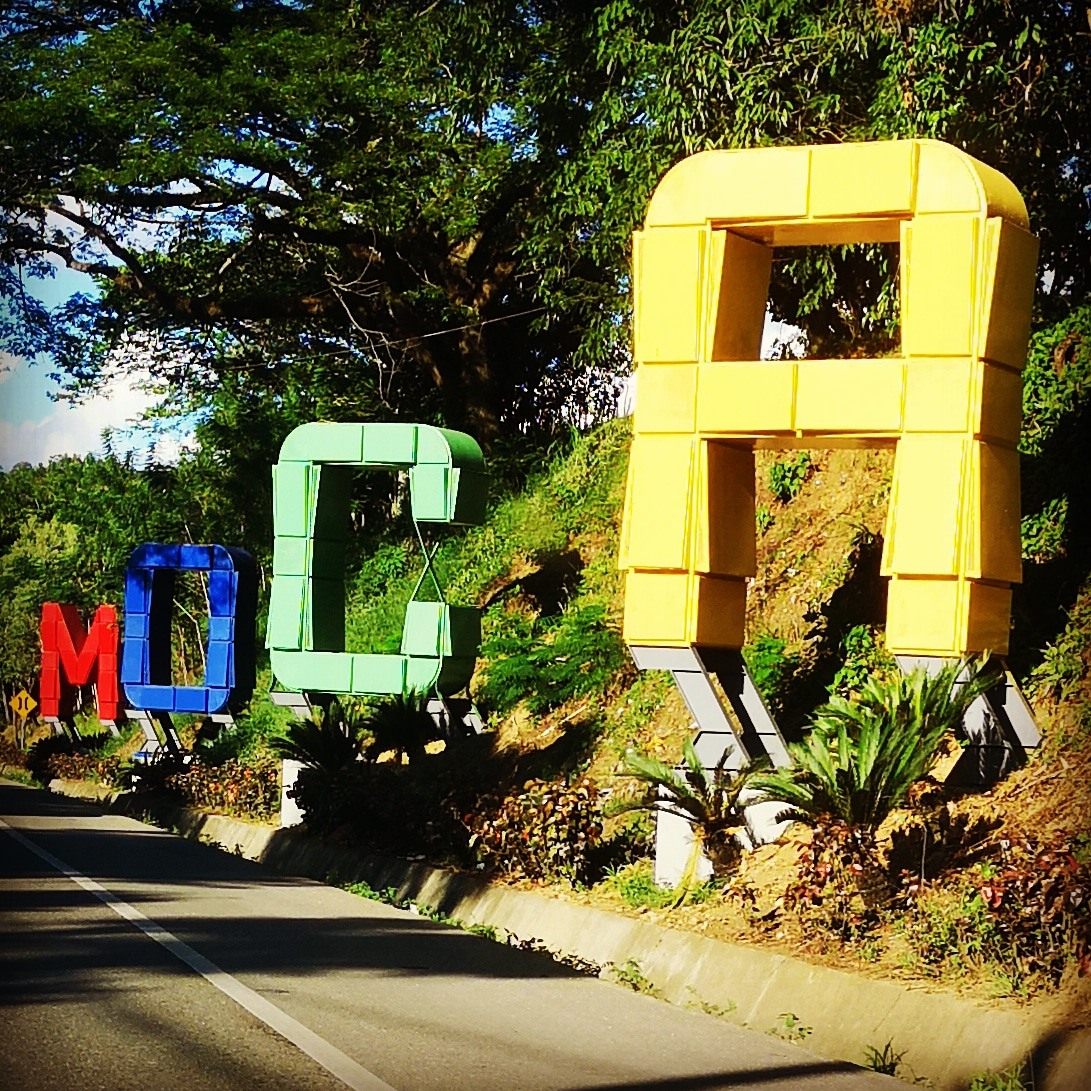
Photos from Moca
Frequently asked questions
The drive to Sosúa or Cabarete is 58 to 69 km over the Jamao mountain road, about 1 hour to 1 hour 20 minutes, and the road has had long stretches in poor repair. Santiago is 31 km, about 45 minutes. If you work remotely and want absolute minimum cost while keeping north coast access, Moca is a logical base. The trade-off is that Moca itself has little expat infrastructure and you are living entirely in a Dominican context. That suits some people exactly.
The Espaillat province has a strong folk guitar tradition, particularly in the romantic-feeling style called bachata before it became the international genre it is now. Some of the earlier bachata composers and musicians came from this region. It is not a performance tourism attraction but it is part of the local identity in a genuine way. Local bars and informal gatherings are where you encounter it.
Provincial capital services: a hospital, banks, supermarkets, pharmacies, schools, guagua connections to Santiago and the coast. Nothing aimed at foreigners. Healthcare is basic; Santiago handles anything complex. Internet has improved but is not reliable for heavy remote work. It functions as a Dominican provincial capital, no more and no less.
As a day trip from Cabarete or Santiago, yes. The farmland and the Cordillera Septentrional foothills around Moca are scenic, and the Jamao road itself is one of the prettier drives in the Cibao. The town centre has older provincial character and the Sagrado Corazón de Jesús church. If you are interested in local coffee culture, it is worth a few hours. It is about an hour from the coast over the mountains, so a long but doable combination with a beach day. As a long-term base, it is niche and requires real commitment to Spanish-only living.