

Puerto Plata is the provincial capital of Puerto Plata province and the most authentically Dominican urban option on the North Coast. It has proper city infrastructure, a functioning hospital, government offices, a university, supermarkets, and a commercial centre, at prices well below Santo Domingo. The expat community is smaller than Cabarete or Sosúa but growing, attracted by the low cost and urban functionality. The cable car up Pico Isabel de Torres, colonial architecture in the historic zone, and Fort San Felipe are genuine attractions that most North Coast visitors miss entirely.

Is Puerto Plata right for you?
Puerto Plata suits expats who want proper urban infrastructure at very low cost, those interested in living in a genuinely Dominican environment, and retirees who want city amenities without capital prices. It is less suited to those who want the active sports or nomad scene of Cabarete or the walkable beach life of Sosúa.
What the scores mean
Puerto Plata is the cheapest urban option on the North Coast and one of the most affordable cities in the DR. A quality furnished apartment runs $400 to $800 per month. Local markets, transport, and entertainment are all priced at Dominican rather than expat levels. The score of 8.0 reflects strong affordability by any DR standard.
Puerto Plata is safe in the main residential and commercial areas but requires more neighbourhood awareness than the smaller beach towns. Standard Dominican city precautions apply: choose your neighbourhood carefully, avoid unfamiliar areas at night, and use taxis over walking late. The score of 6.5 reflects a city where expats in good areas feel comfortable.
Puerto Plata has the best healthcare on the North Coast outside Santiago. There are several private clinics and the government hospital is functional. The Dr. José Gregorio Hernández hospital serves the province. For serious specialist care, Santiago (1.5 hours) remains the realistic option. The score of 6.5 reflects above-average North Coast provision. Named facilities: Centro Medico Bournigal is the top private hospital in the province, JCI-accredited with English-speaking staff. Clinica Brugal is a secondary option. For advanced care, Santiago HOMS is about 90 minutes away, or Santo Domingo.
Urban fibre is well-established throughout Puerto Plata's residential areas. The city's size has attracted good provider coverage from Claro and Altice. Speeds of 30 to 100 Mbps are standard. The score of 7.5 reflects reliable connectivity that supports remote work.
Puerto Plata offers more authentically Dominican urban life than the beach towns. The Malecón is pleasant for evening walks, the historic zone has genuine colonial architecture and the Amber Museum, and local food is excellent and cheap. Playa Dorada is accessible by taxi. The score of 7.0 reflects solid lifestyle value for those who want urban texture and Dominican character over beach-town resort life.
Proper city retail: La Sirena, supermarkets, malls, banks, dealerships and every trade. Puerto Plata serves as the shopping hub for the whole north coast, and prices run lower than in the tourist towns down the road.
Map of Puerto Plata
Neighbourhoods in Puerto Plata
Zona Colonial
The historic city centre. Colonial architecture, Fort San Felipe, and the most atmospheric streets in the city.
Playa Dorada
The main beach zone east of the city. All-inclusive resorts dominate but residential options exist. Good beach.
Costámbar
Gated residential community west of town. Beach club and pool. Popular with long-term expats and retirees.
Cofresí
Quieter beach area west of the city. Some residential development and smaller-scale tourism.
Los Jardines
Main upper-middle residential area above the city centre. Better construction standards and quieter streets.
Living in Puerto Plata: the honest picture
What works well
- Cheapest urban option on the North Coast
- Best healthcare on the North Coast outside Santiago
- Genuine colonial city character
- Cable car, fort, and cultural attractions
- Full urban infrastructure at low price
Watch out for
- Power cuts still hit several areas multiple times a week in peak summer, and older apartments lack generator backup
- Less beach-focused than Cabarete or Sosúa
- Smaller expat community
- More Spanish needed than beach towns
- Main beach (Playa Dorada) requires transport
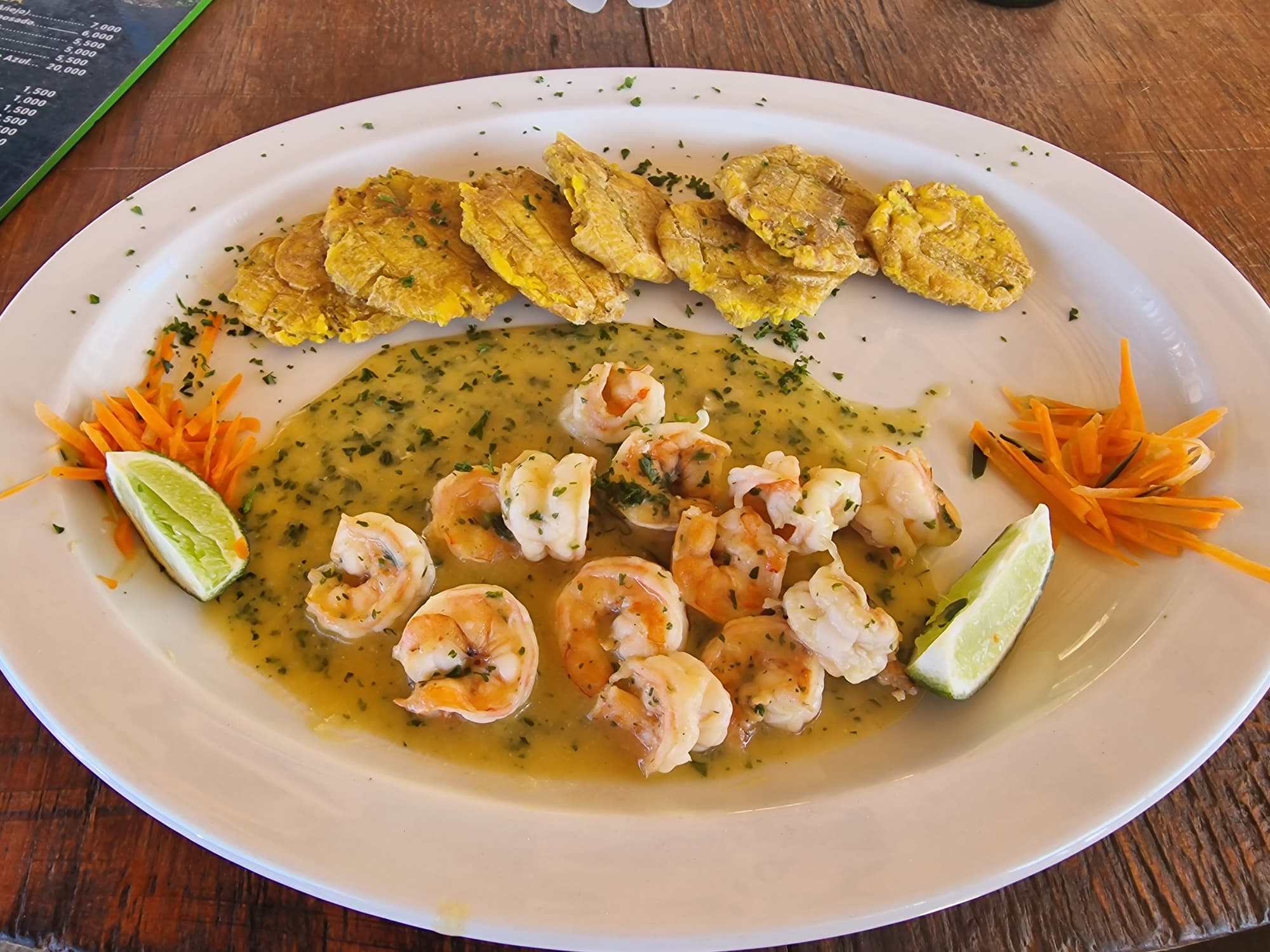
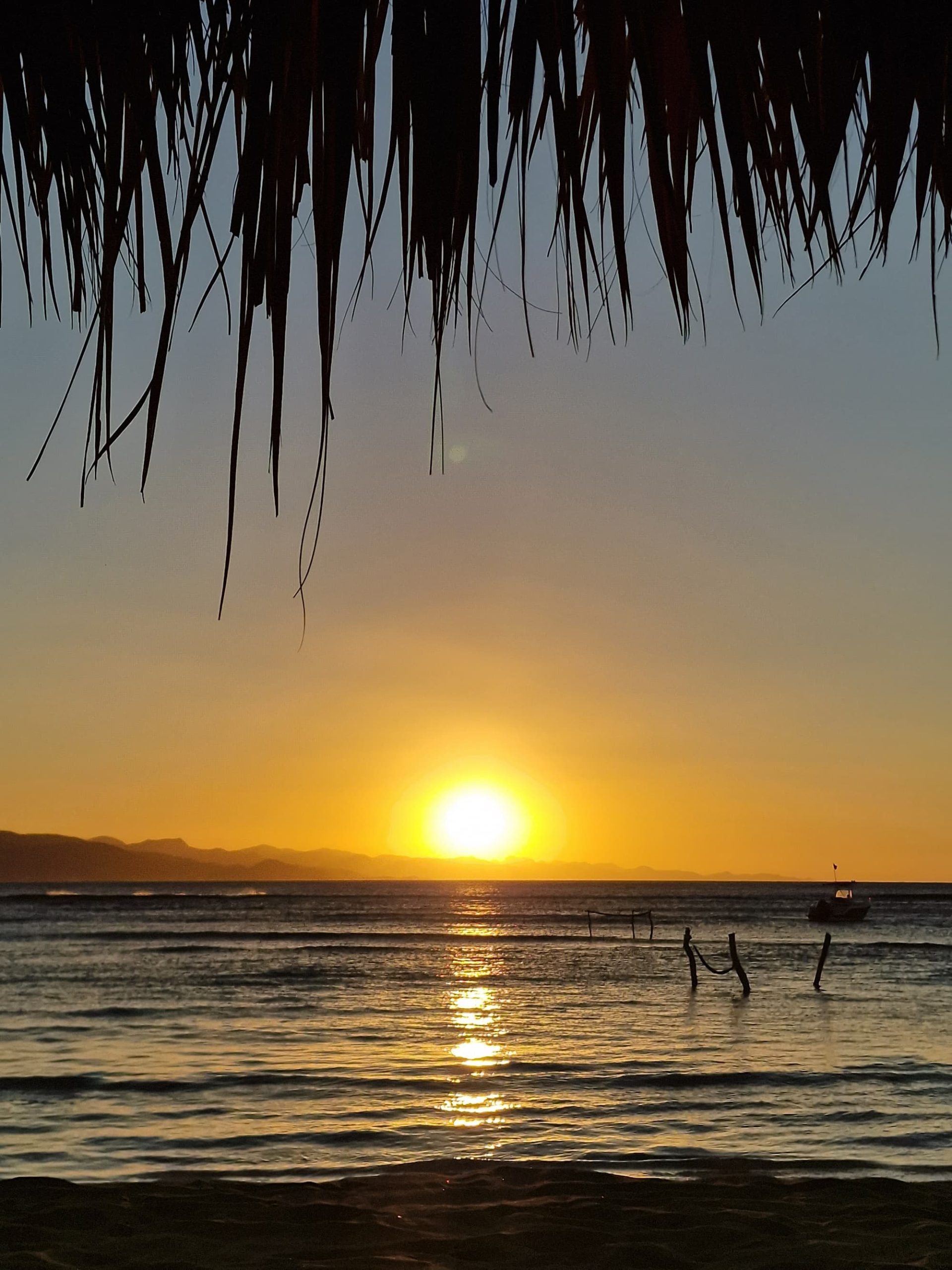
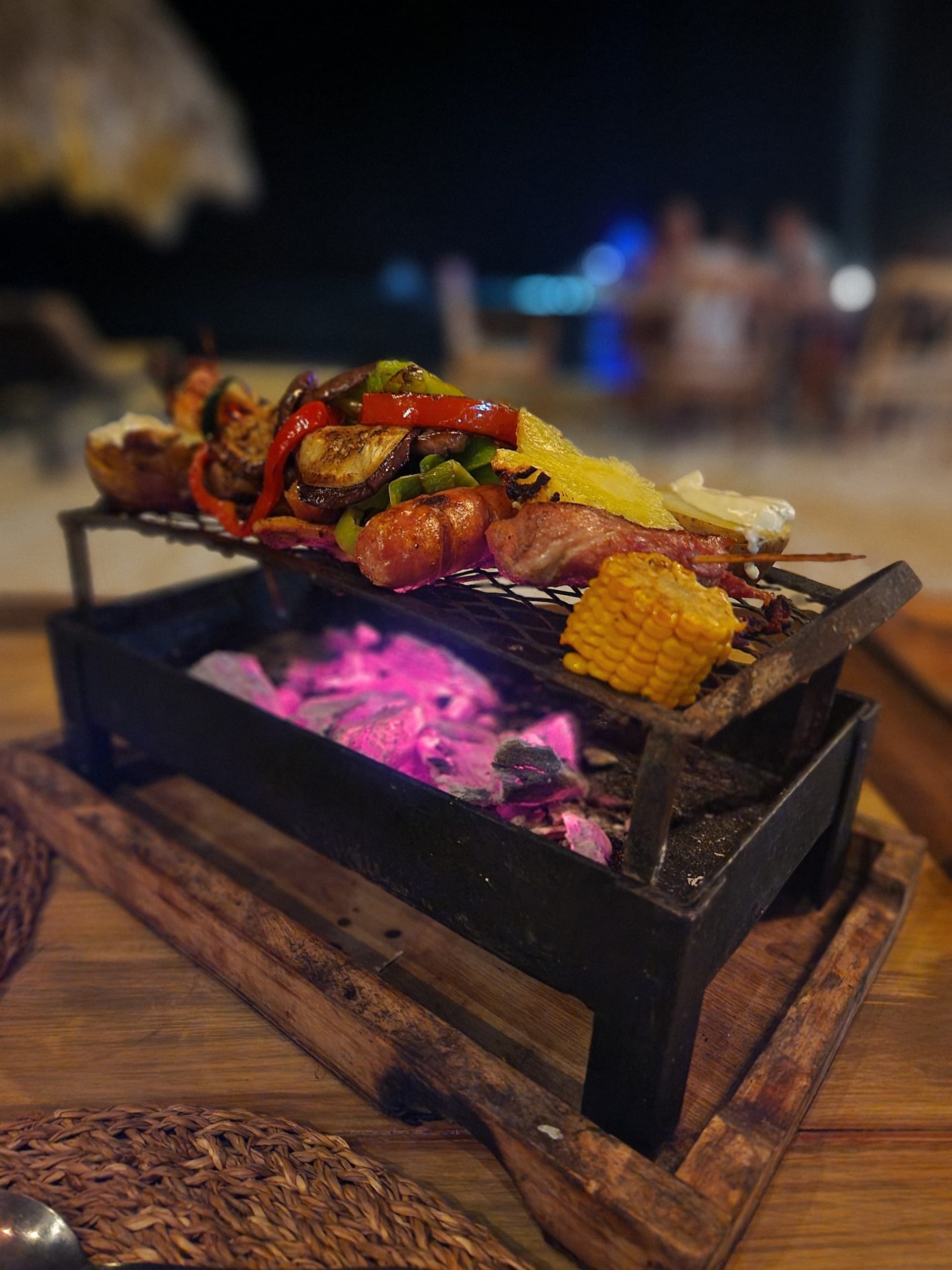
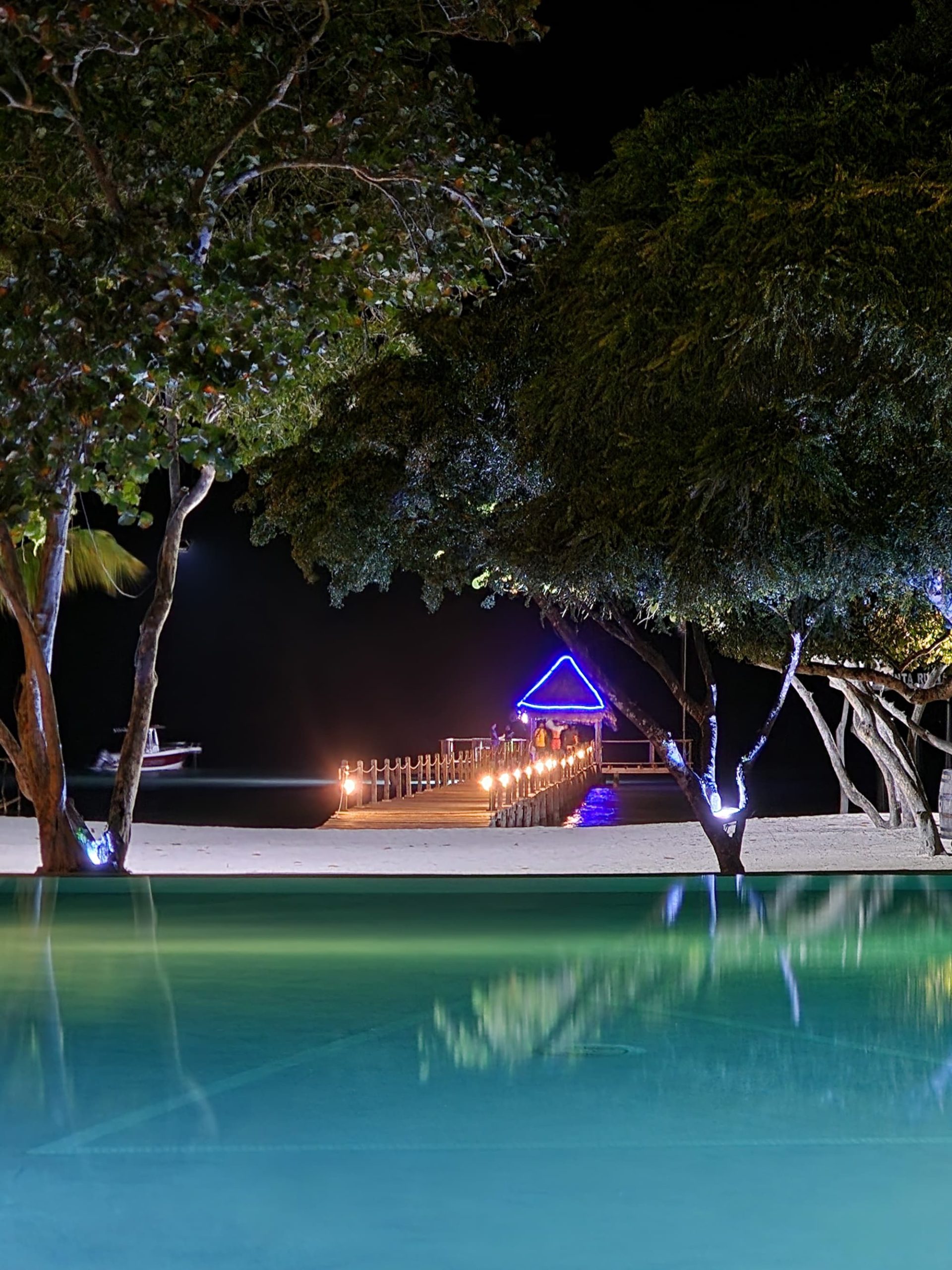
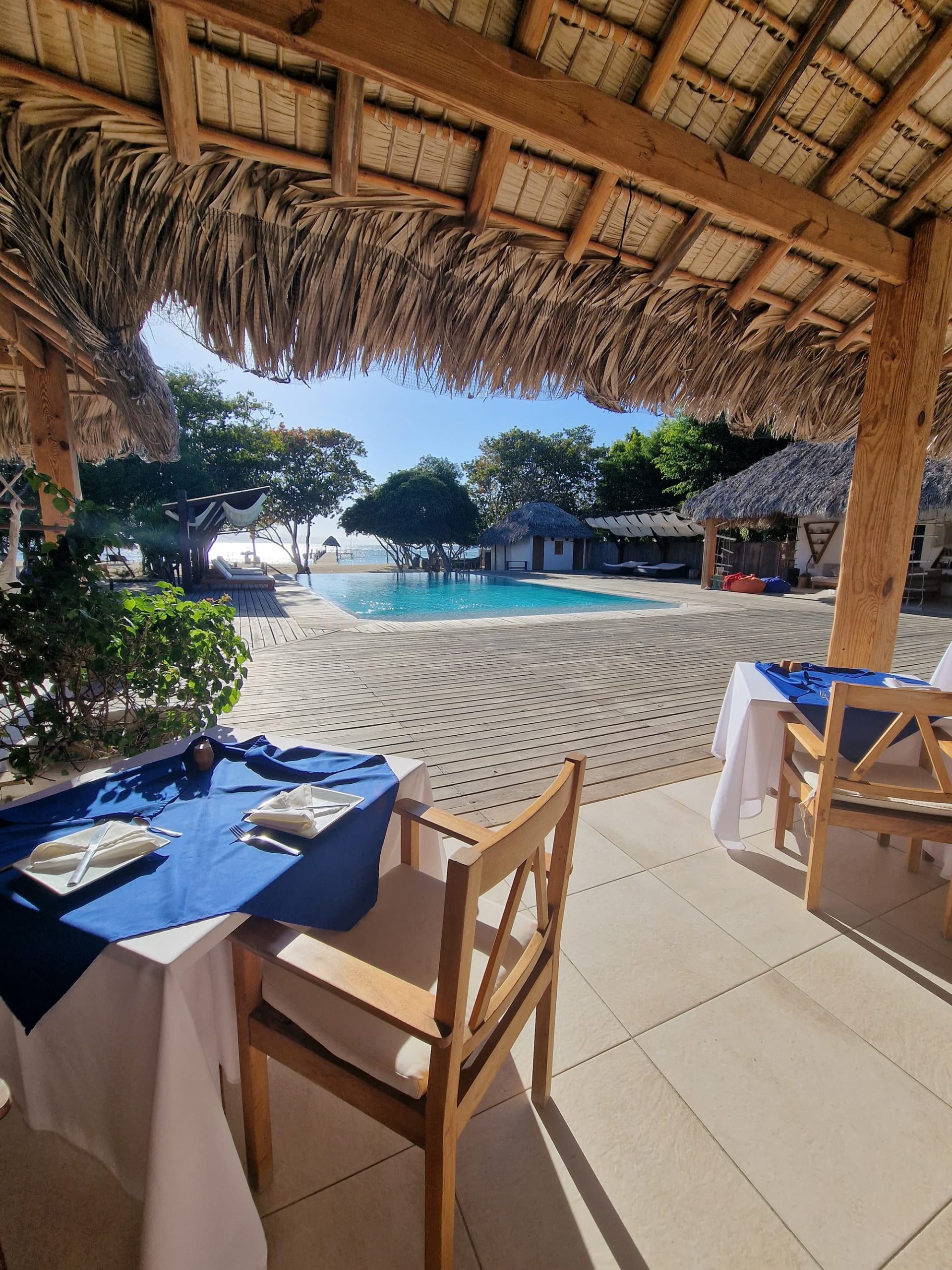
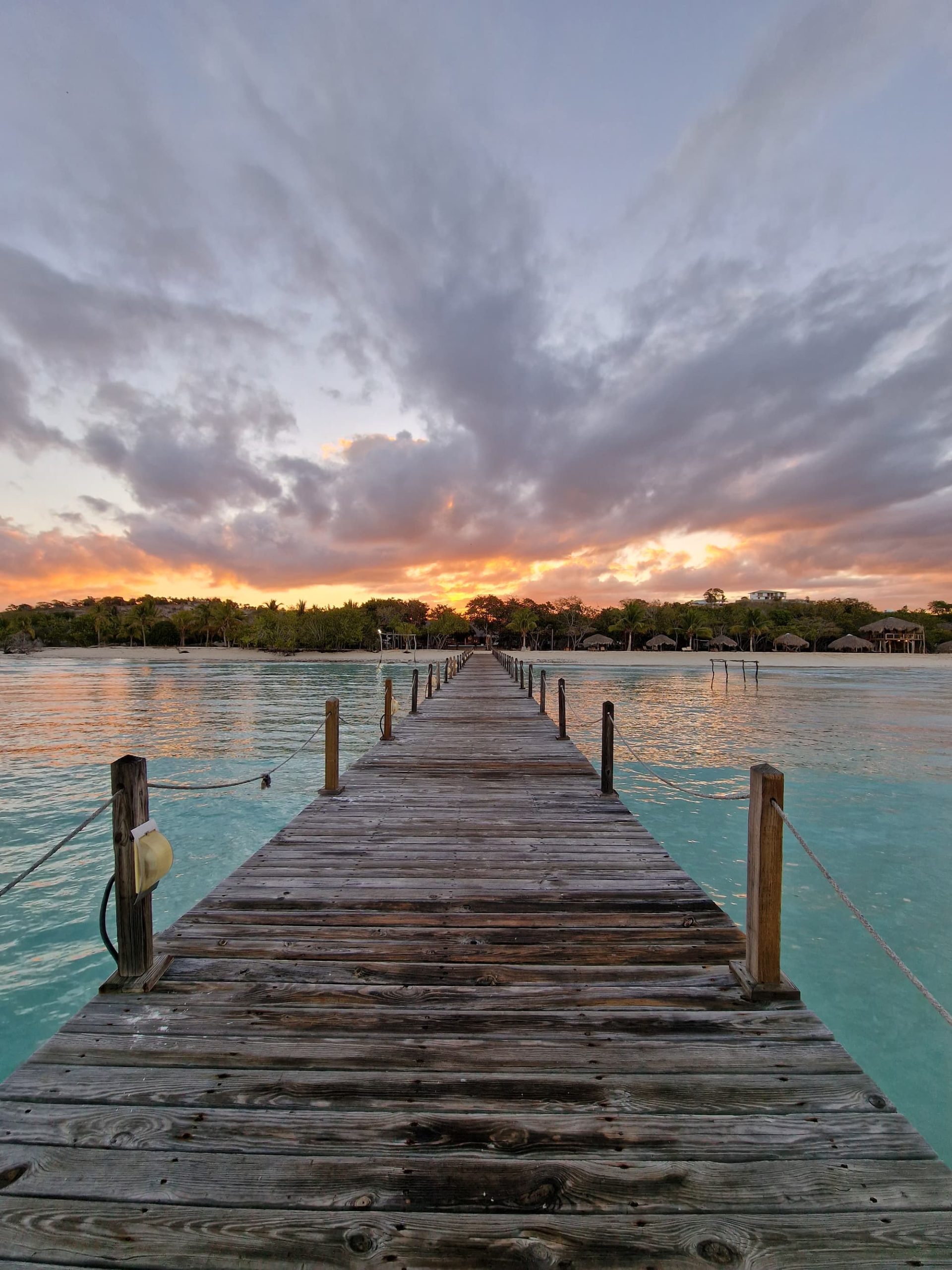
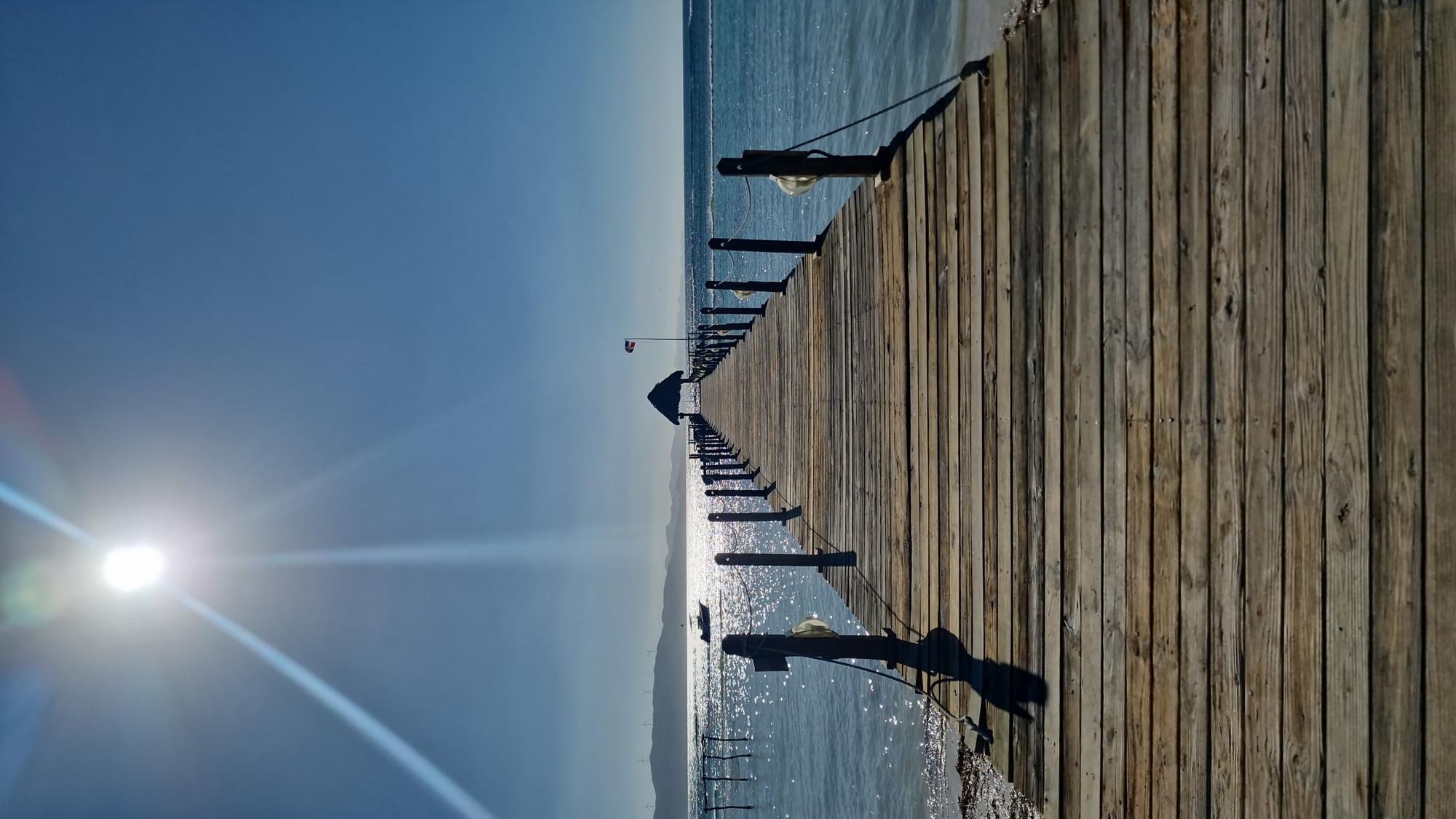
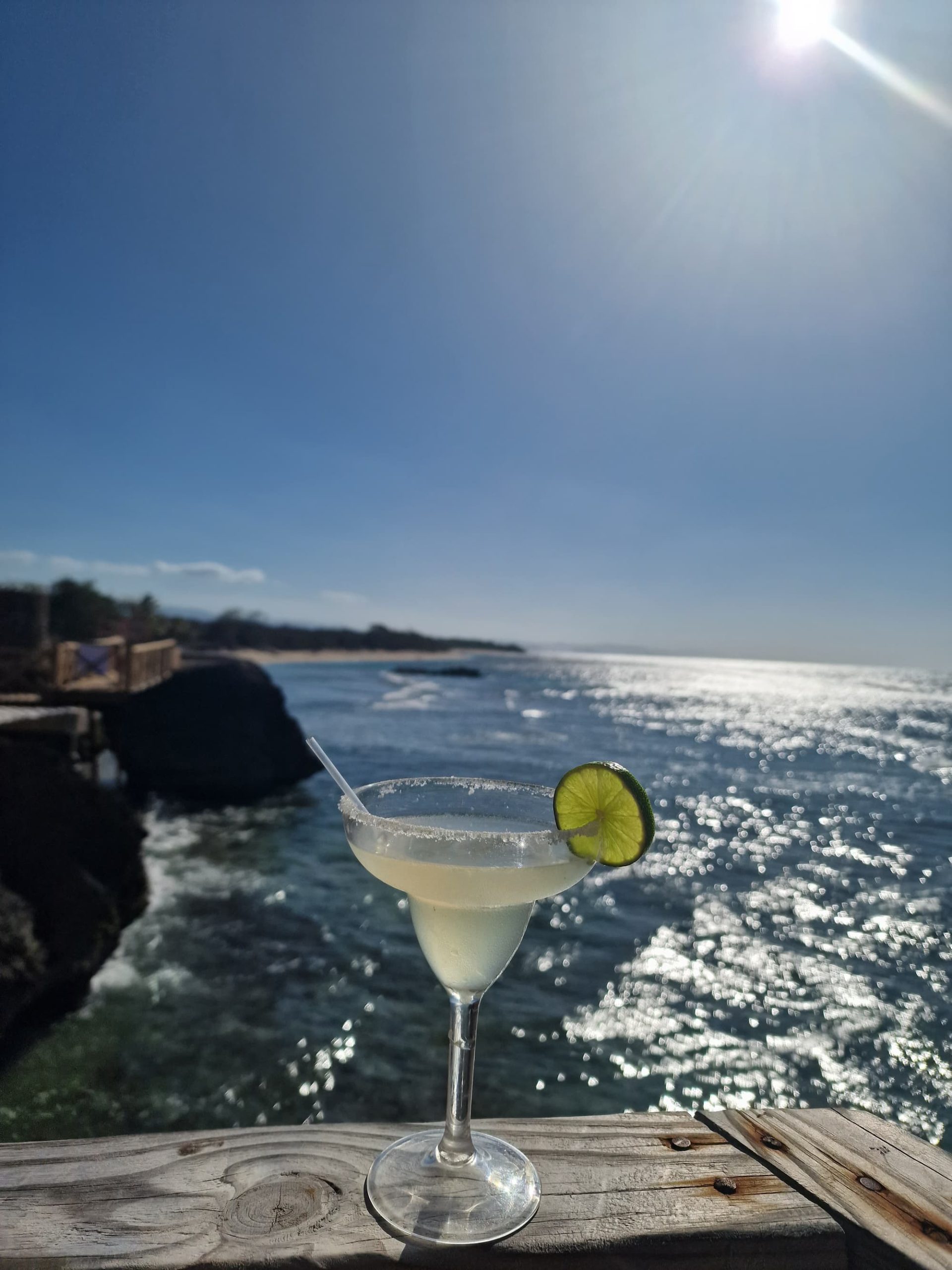
Photos from Puerto Plata
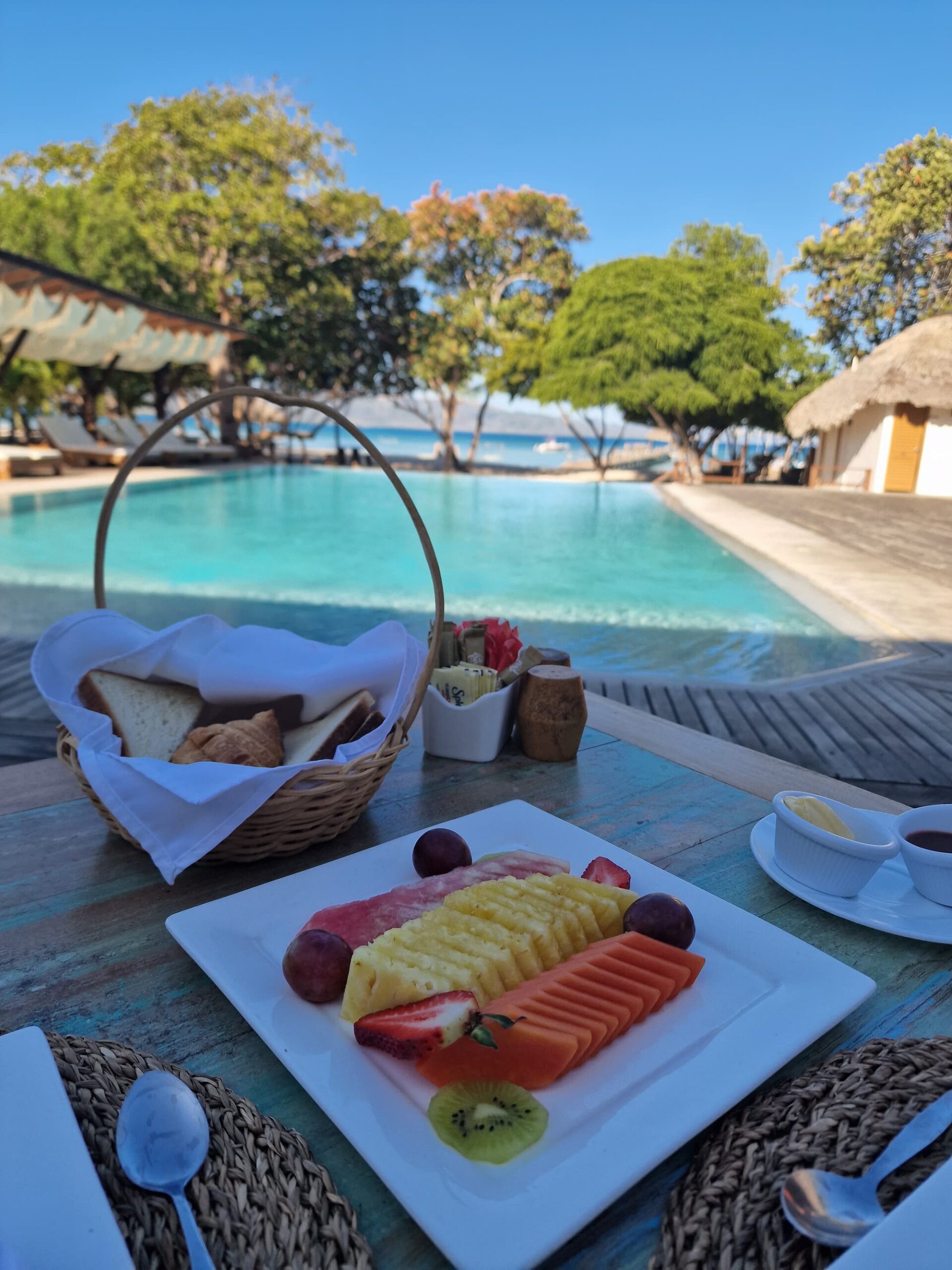
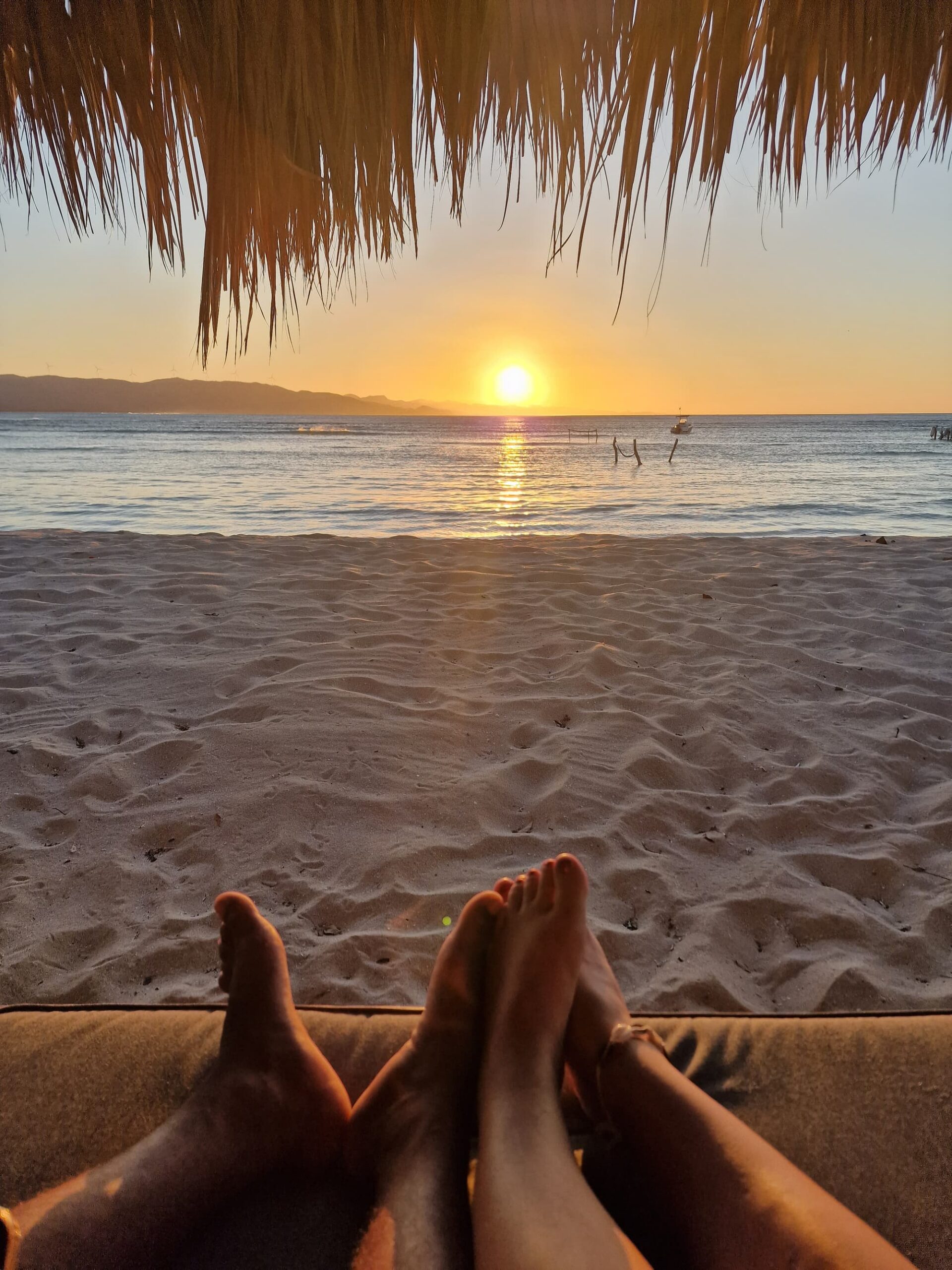
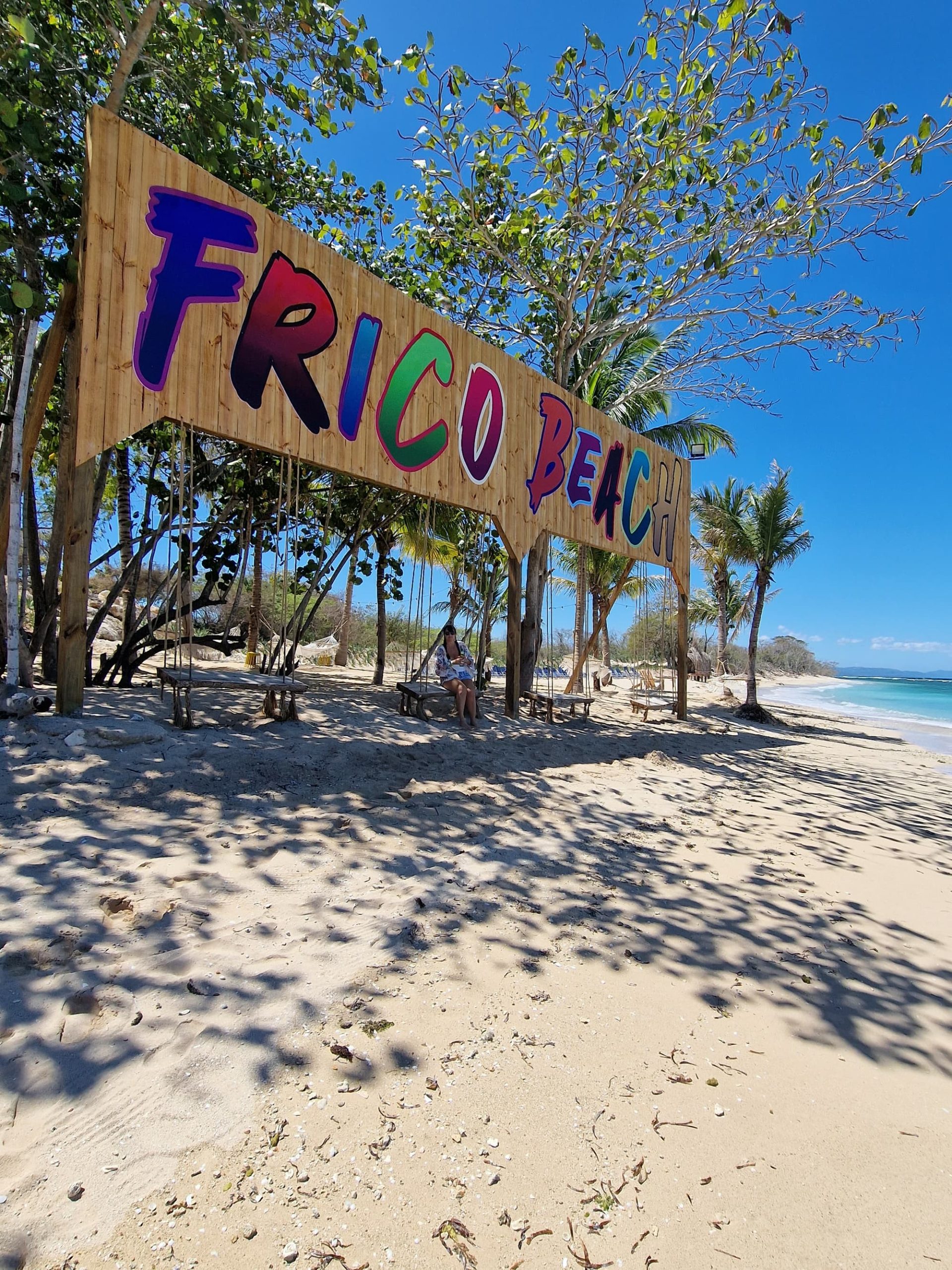
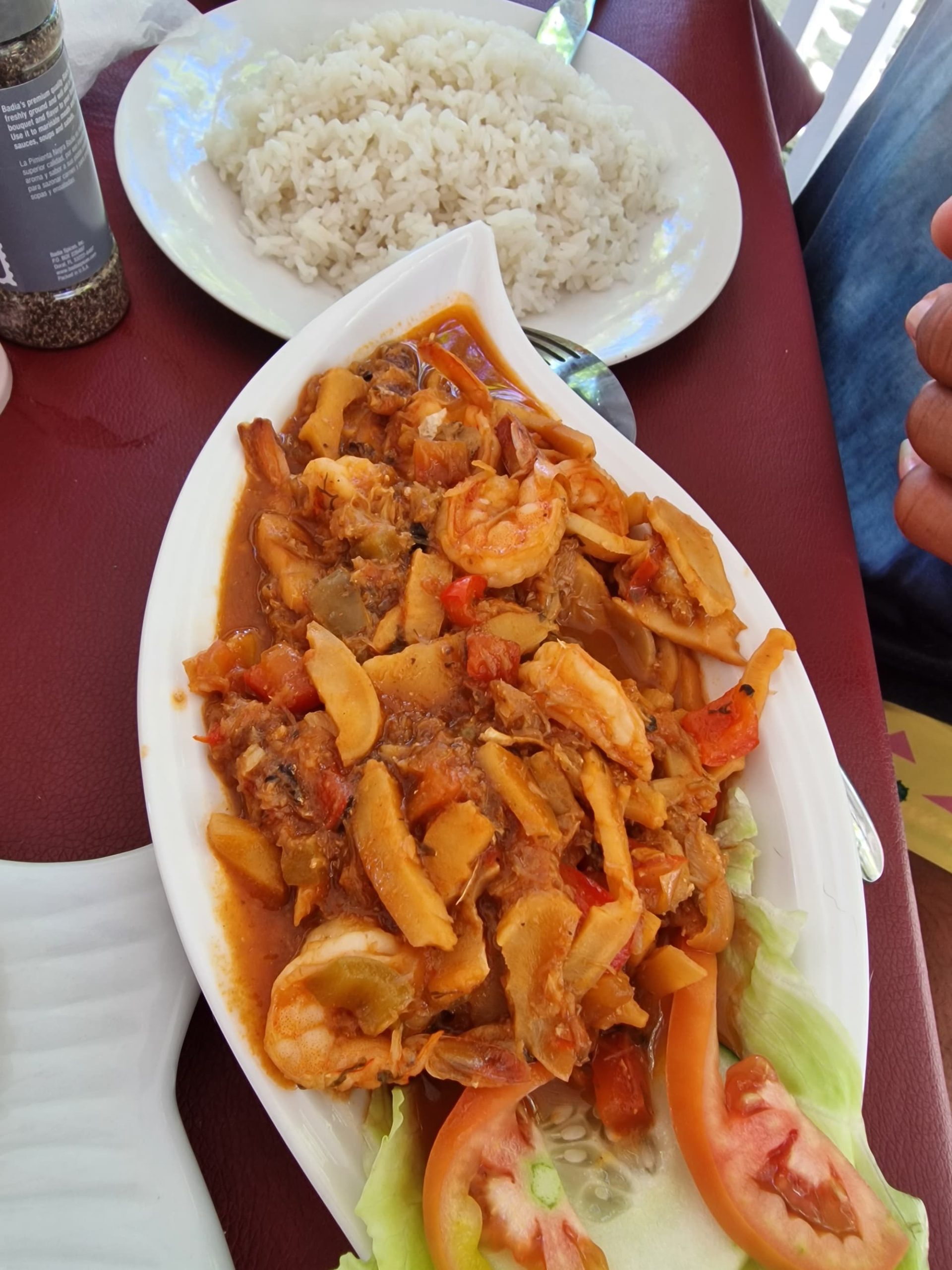
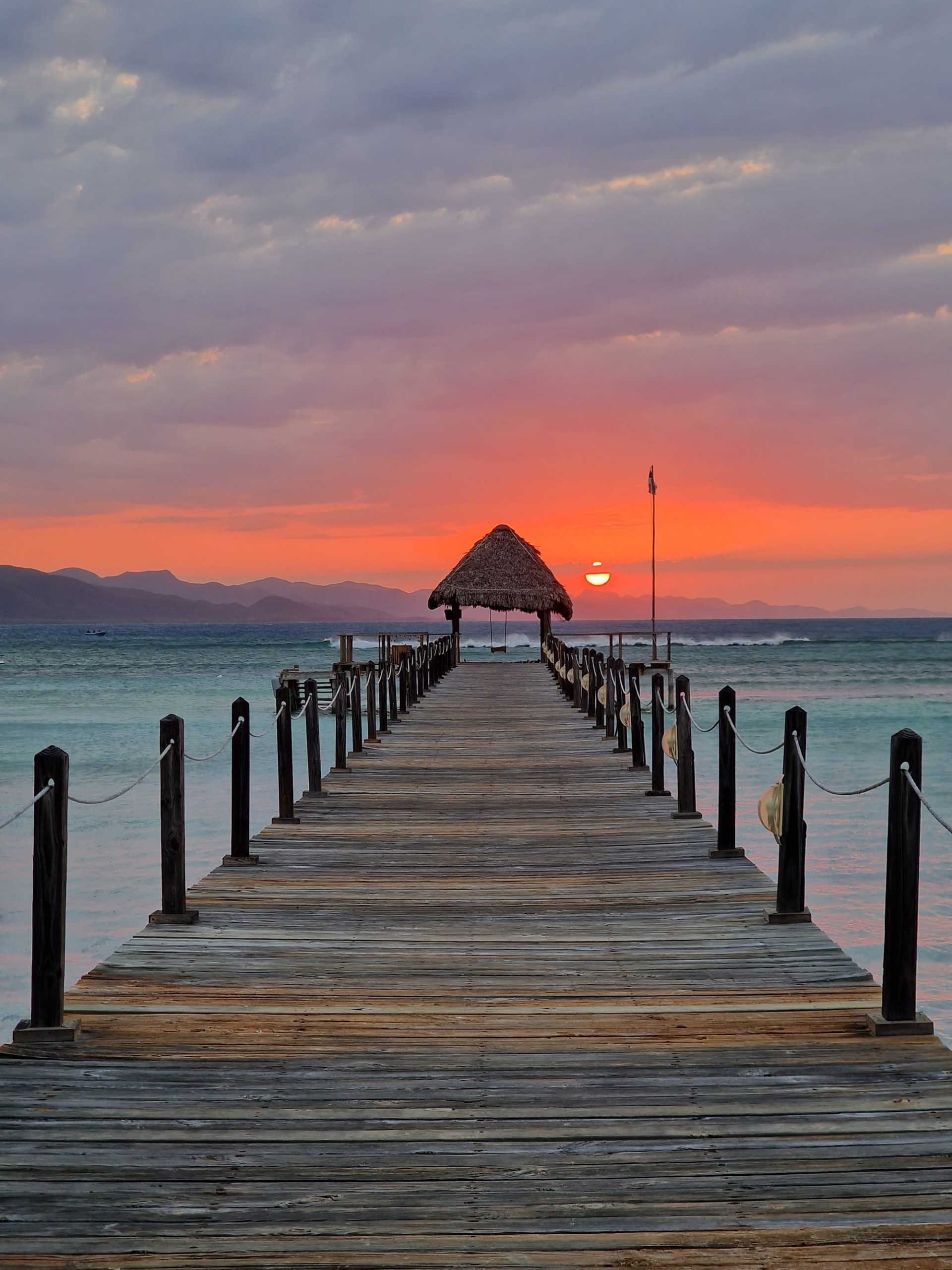
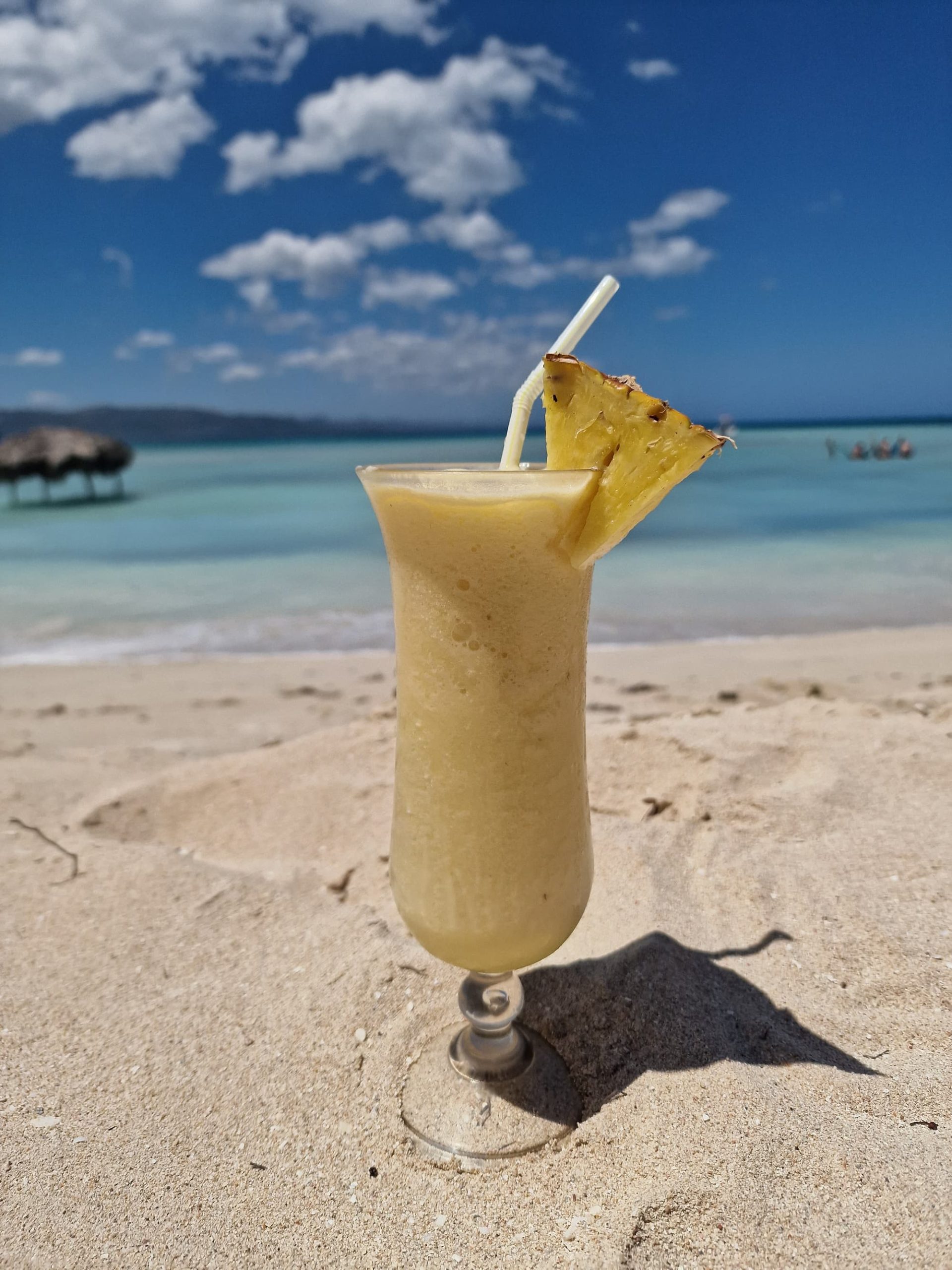
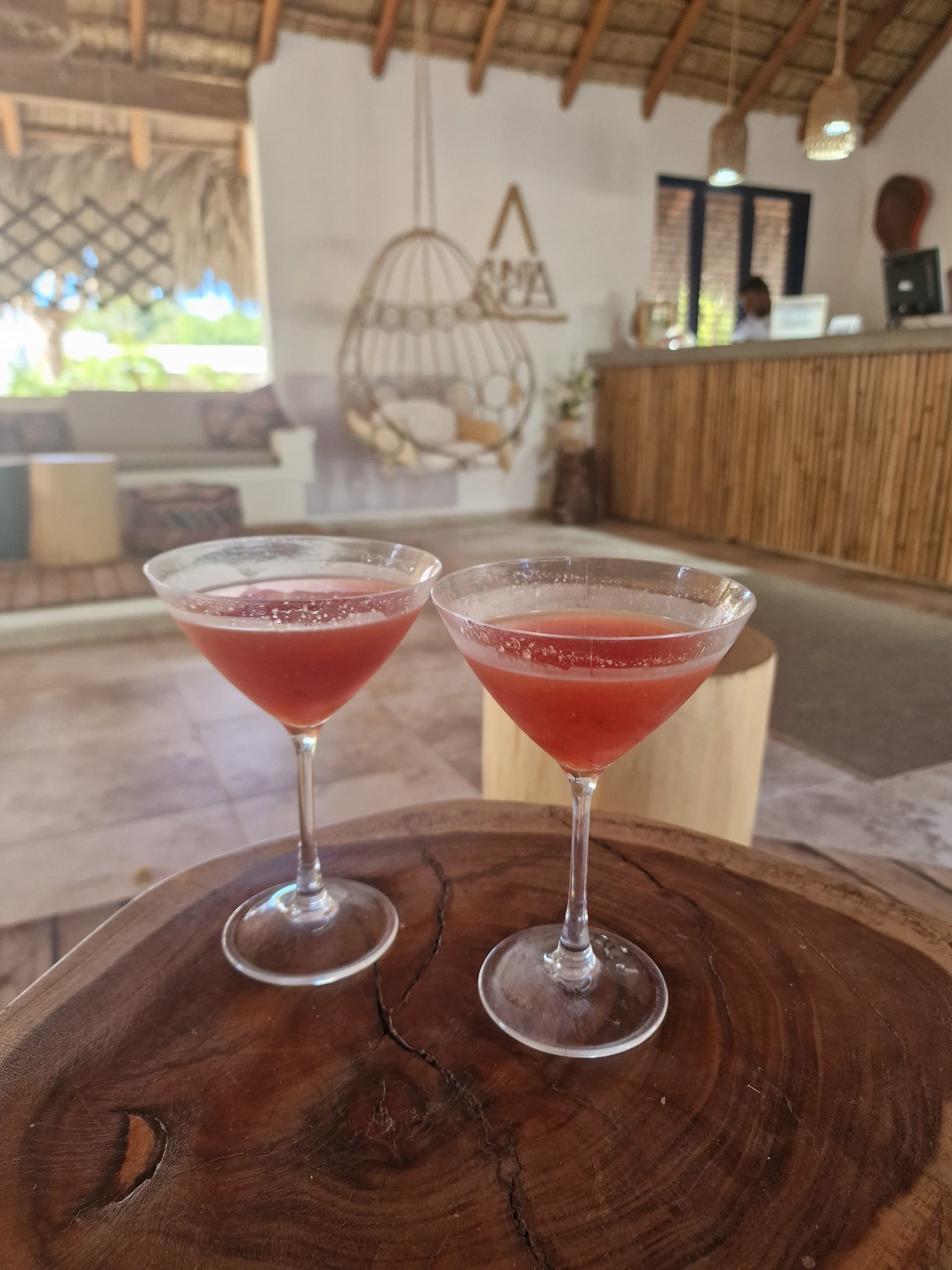
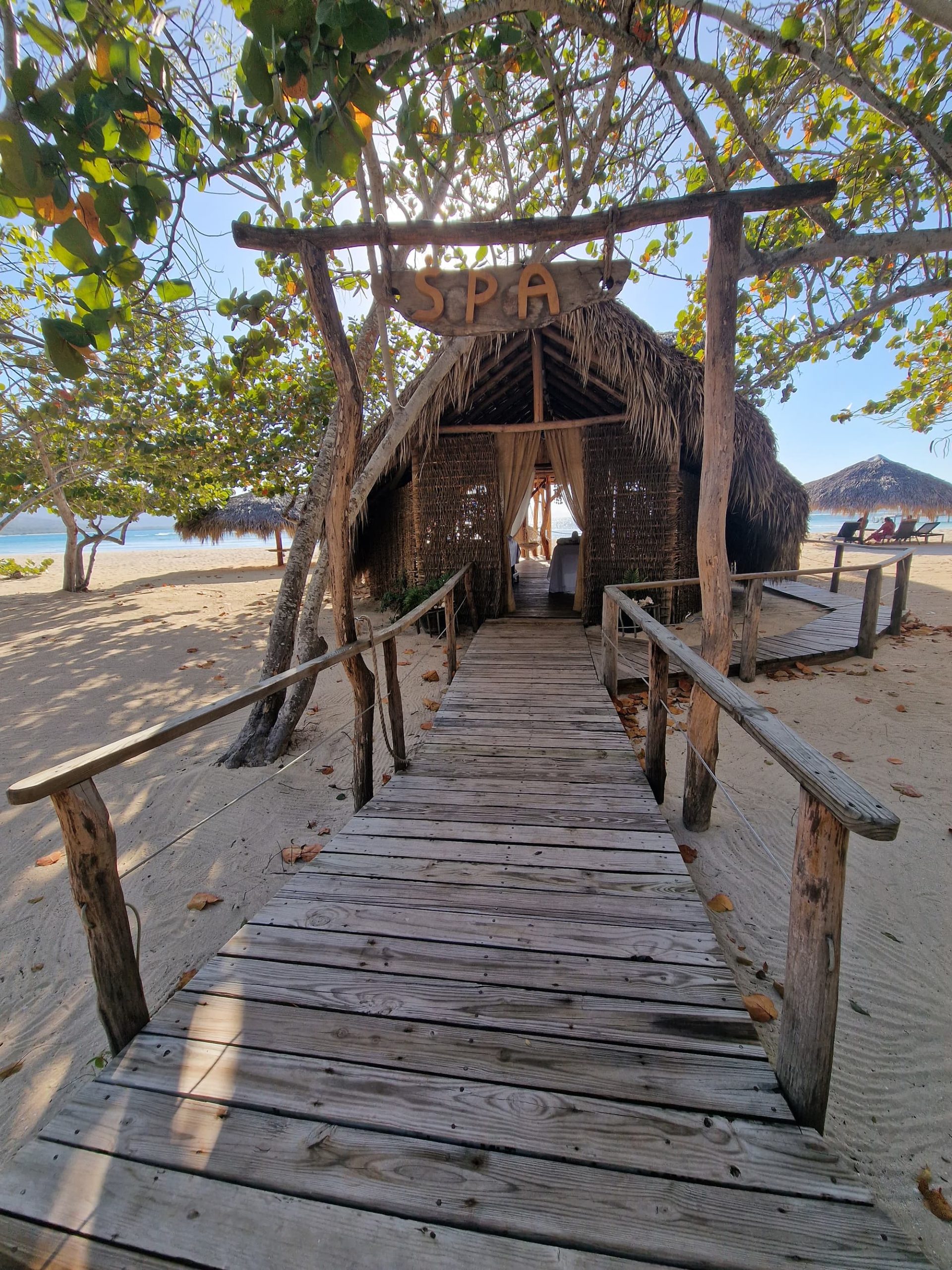
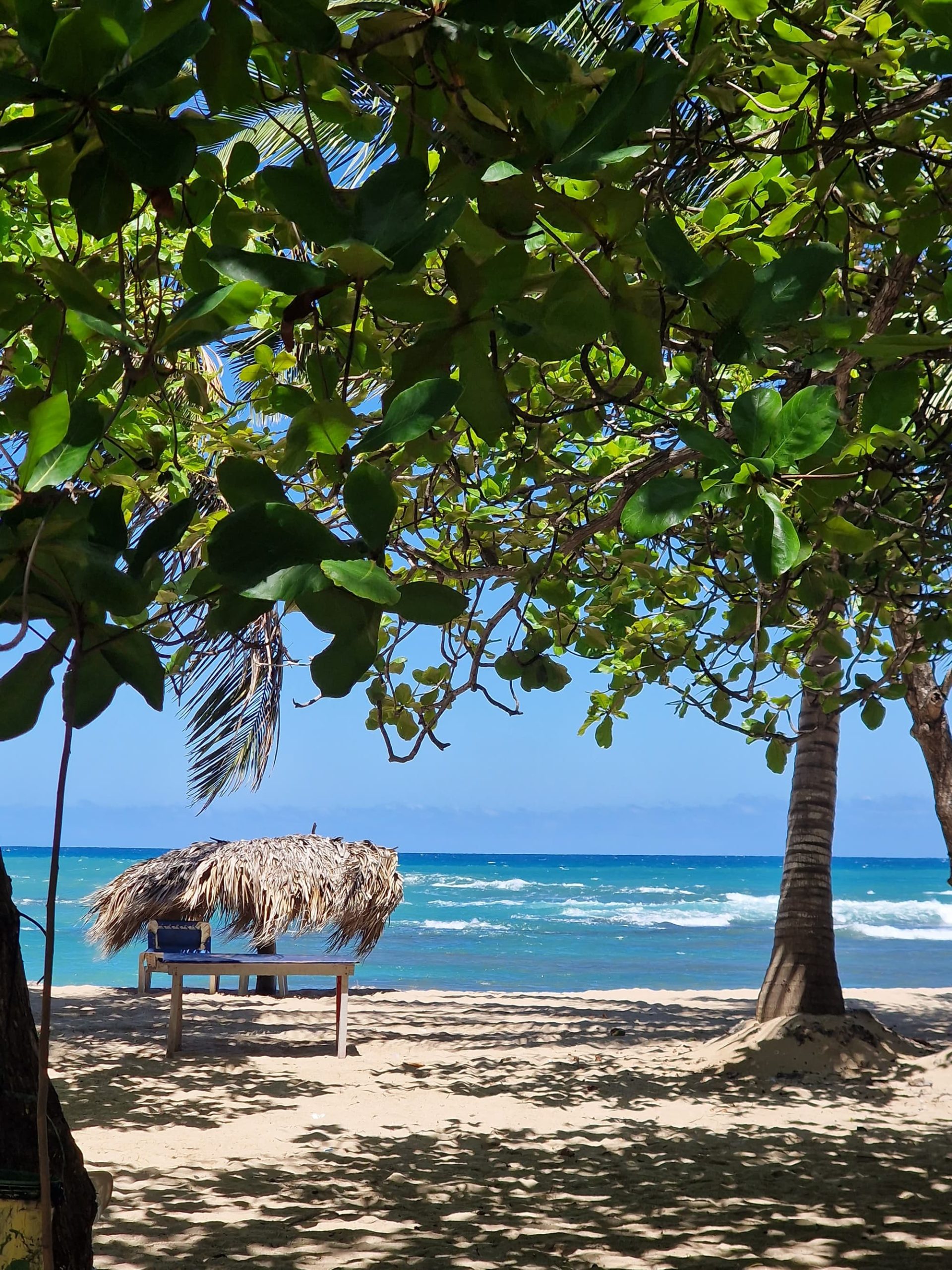
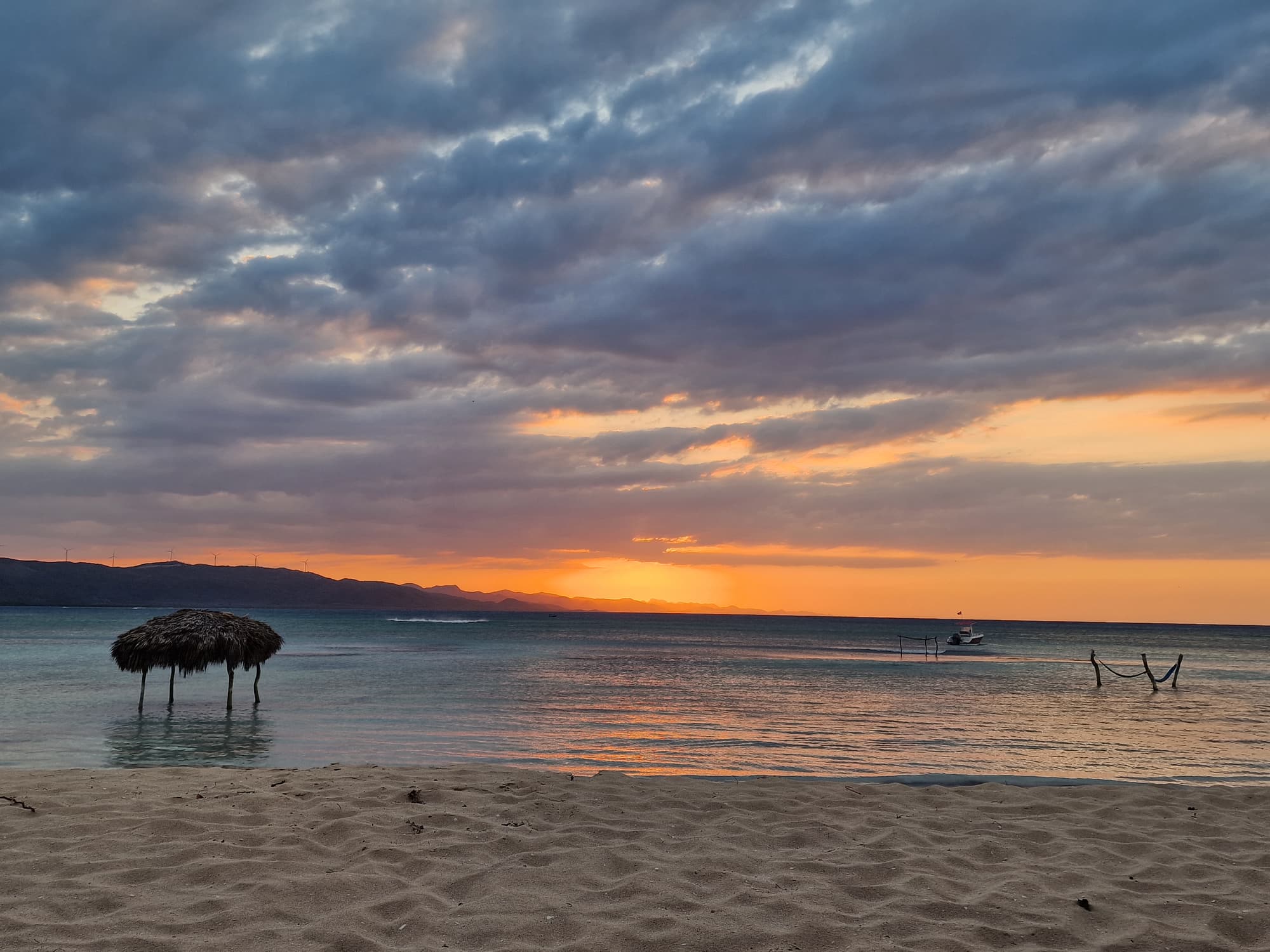
Showing 24 of 98 photos
Frequently asked questions
The cable car up Pico Isabel de Torres gives a panoramic view of the coast and there is a Christ the Redeemer statue at the top. The Amber Museum in a Victorian mansion on Calle Duarte is genuinely good. Fort San Felipe is the oldest European fort in the Americas. The Malecón waterfront is Victorian-era and well-maintained for a city of this size. Puerto Plata has real heritage that Cabarete and Sosúa do not.
Yes, though it has less expat infrastructure than Cabarete. Private clinics are decent by north coast standards. Supermarkets, banks, and shopping are better than anywhere else on the north coast. Internet is available. It is more of a real Dominican city than an expat enclave, which suits some people perfectly. Spanish helps a lot here.
About 20 to 30 percent cheaper for comparable accommodation. A two-bedroom apartment runs $700 to $1,100/mo in a decent part of the city. Daily costs are lower because you are shopping in local markets and Dominican supermarkets rather than expat-oriented shops. The trade-off is less English-language infrastructure and a busier, noisier city environment.
Better than anywhere else on the north coast outside of going to Santiago. Bournigal Hospital is the main private facility and handles most things competently. For serious cardiac, specialist, or surgical cases, most expats go to Santiago (1.5 hours) or Santo Domingo (3.5 hours). Private health insurance is essential across all north coast locations.
The Malecón is a seafront boulevard with Victorian architecture and a pleasant walk, but it is not a swimming beach. The water in the Puerto Plata bay is less clear than Cabarete or Sosúa and the beach itself is not the draw. You live near the Malecón for the city character, restaurants, and evening activity, not for beach access. For beach, you drive to Costámbar, Playa Dorada, or Sosúa.