

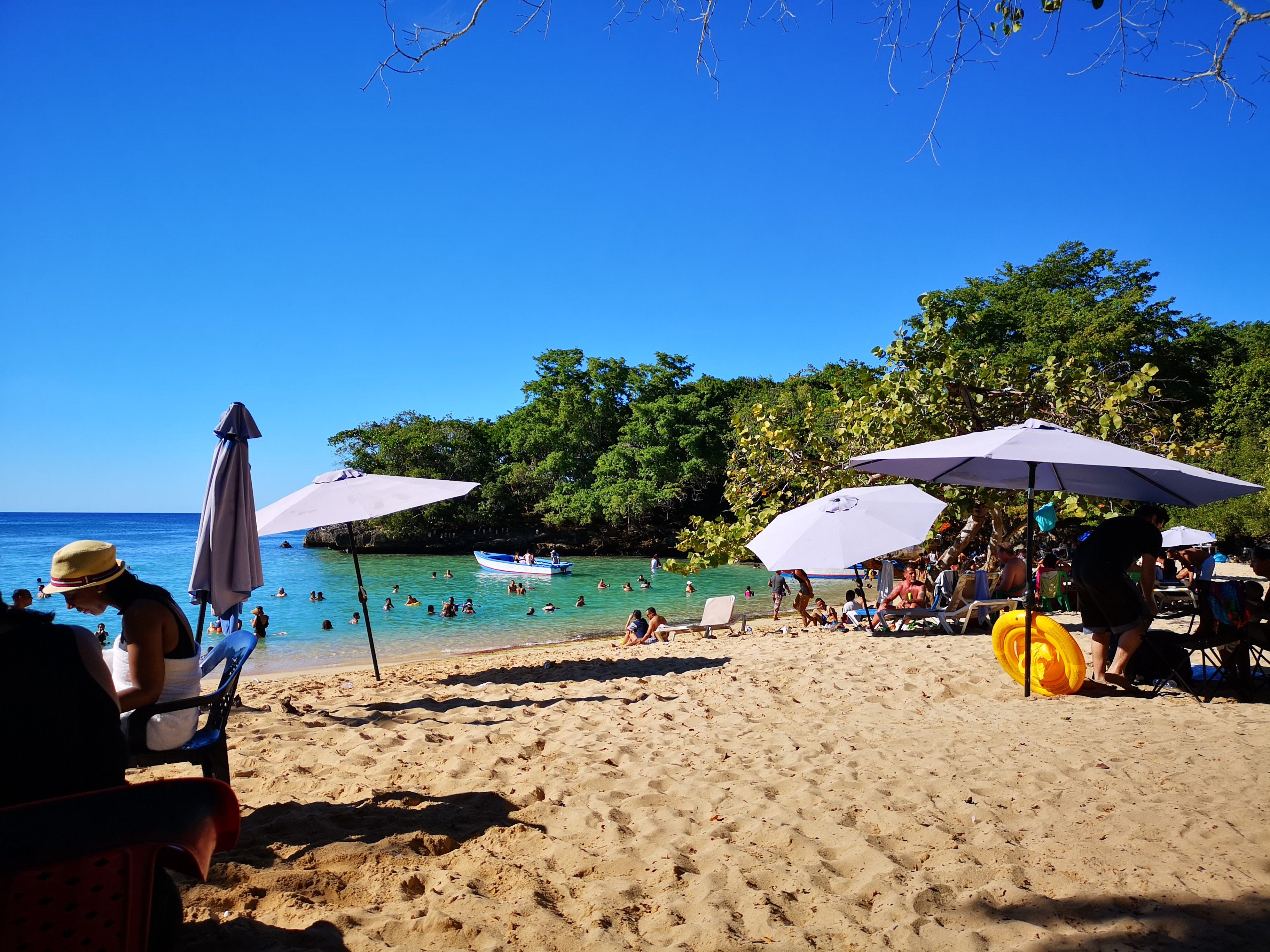
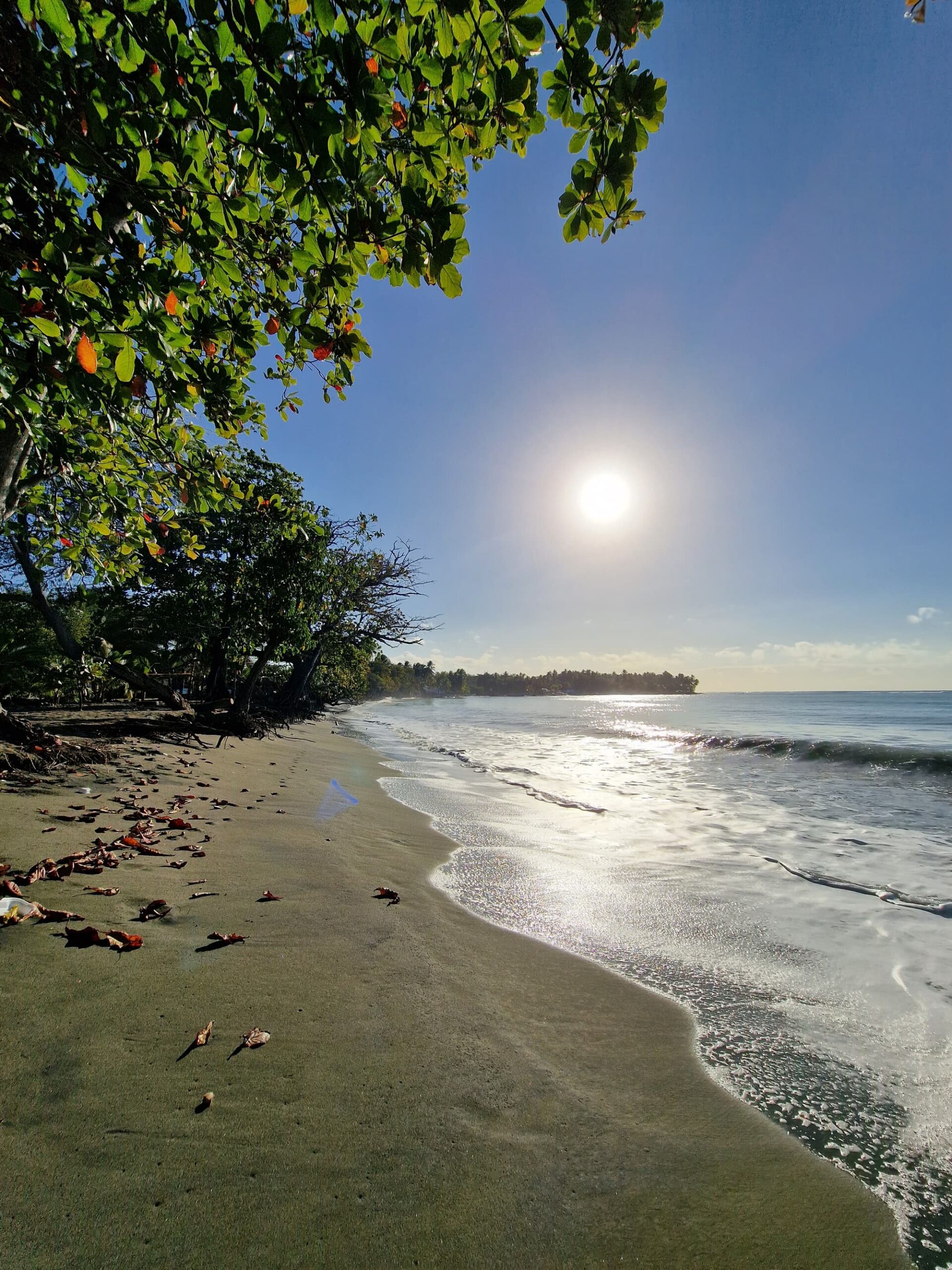
Nagua sits on the Atlantic coast of Maria Trinidad Sanchez province, between the better-known North Coast and the Samana Peninsula. It is not on most expat radar and has almost no international tourism infrastructure. The coastline around Nagua has some long, undeveloped beaches that are largely local. The town is functional and Dominican in character. It is a genuine off-the-radar option for people who want Atlantic coast living at very low cost without any of the expat infrastructure.
Is Nagua safe?
Nagua scores 7.0 out of 10 for safety on the DR Living Index. A quiet provincial coastal town with low crime and an easygoing pace. The usual small-town caution is enough, and nights feel calm rather than tense.
The safety card below has the full picture for Nagua, and the DR safety guide covers the whole country.
What the scores mean
One of the cheapest places to live on the Atlantic coast. Long-term rents are low, produce is farm-fresh and priced for locals, and there is no tourist markup on anything.
A quiet provincial coastal town with low crime and an easygoing pace. The usual small-town caution is enough, and nights feel calm rather than tense.
Basic locally. The public Hospital Provincial Dr. Antonio Yapor Heded handles emergencies and routine care, and private clinics and pharmacies cover everyday needs. The town's second public hospital, Dr. Carlos A. Zafra, is being demolished and rebuilt as a 48-bed maternal and child hospital with intensive care and a helipad, announced in June 2026. Anything serious means the hospitals in San Francisco de Macorís about an hour away, or the north-coast facilities.
Fibre reaches parts of town but coverage is patchy, and speeds are workable rather than fast. Fine for browsing and calls, less certain for heavy remote work without a backup line.
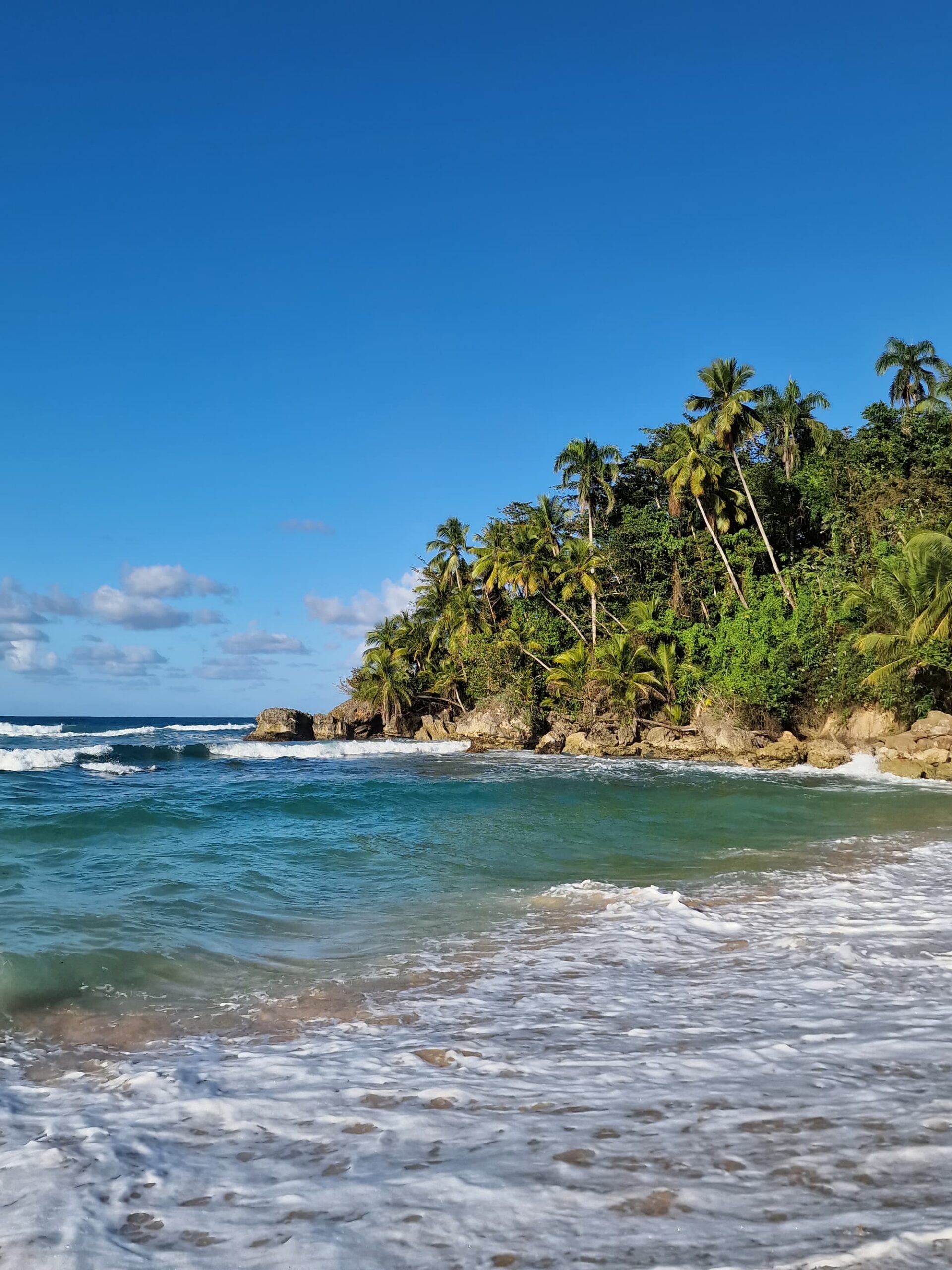
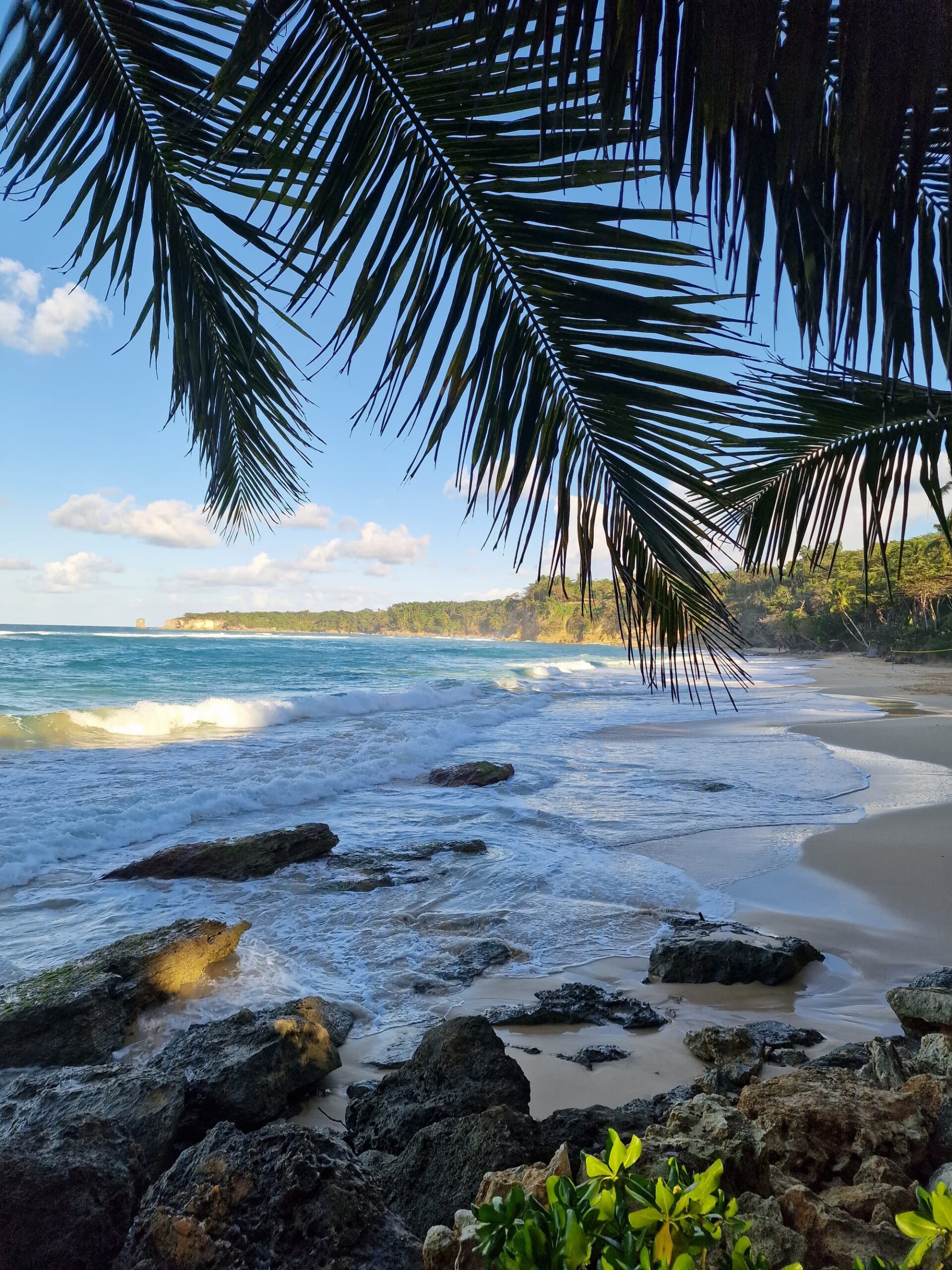
Quiet, authentic and firmly Dominican, with wild Atlantic beaches like Playa Caletón nearby. There is almost no expat scene and little organised social life, which suits people who want immersion over convenience.
A functional service town with supermarkets, banks, pharmacies and farm-fresh produce moving through daily. There is nothing aimed at expats, and for bigger shopping you are about an hour from San Francisco de Macorís or 90 minutes from the north coast strip.
Map of Nagua
Living in Nagua
Nagua is for people who have already done the DR and want something completely different. It is not for first arrivals. The town is unremarkable, but the surrounding coast and countryside have a rawness that more developed areas have lost. If you want to be left alone and pay almost nothing for the privilege, Nagua delivers.
Living in Nagua: the honest picture
What works well
- Undiscovered and undeveloped Atlantic coastline
- Very low cost of living
- No tourist crowds
- Genuine local Dominican character
- Reasonable road connections along the coast
Watch out for
- No expat community
- Very limited services and infrastructure
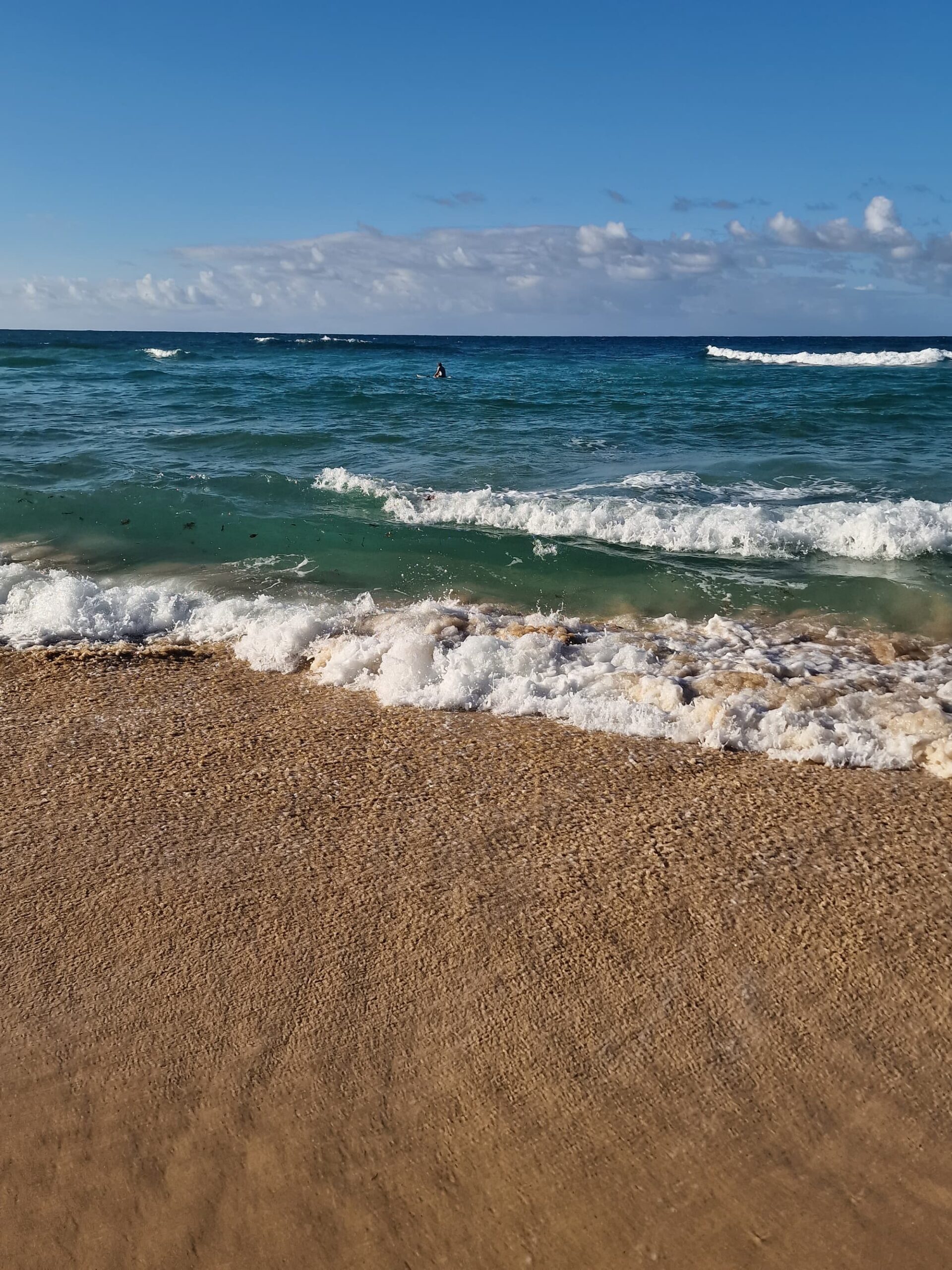
- Rough Atlantic surf, not ideal for swimming
- Nearest airport (Samaná El Catey, about 30 minutes) has only a thin seasonal schedule, so most flights still mean a long drive
- Not for first-time DR arrivals
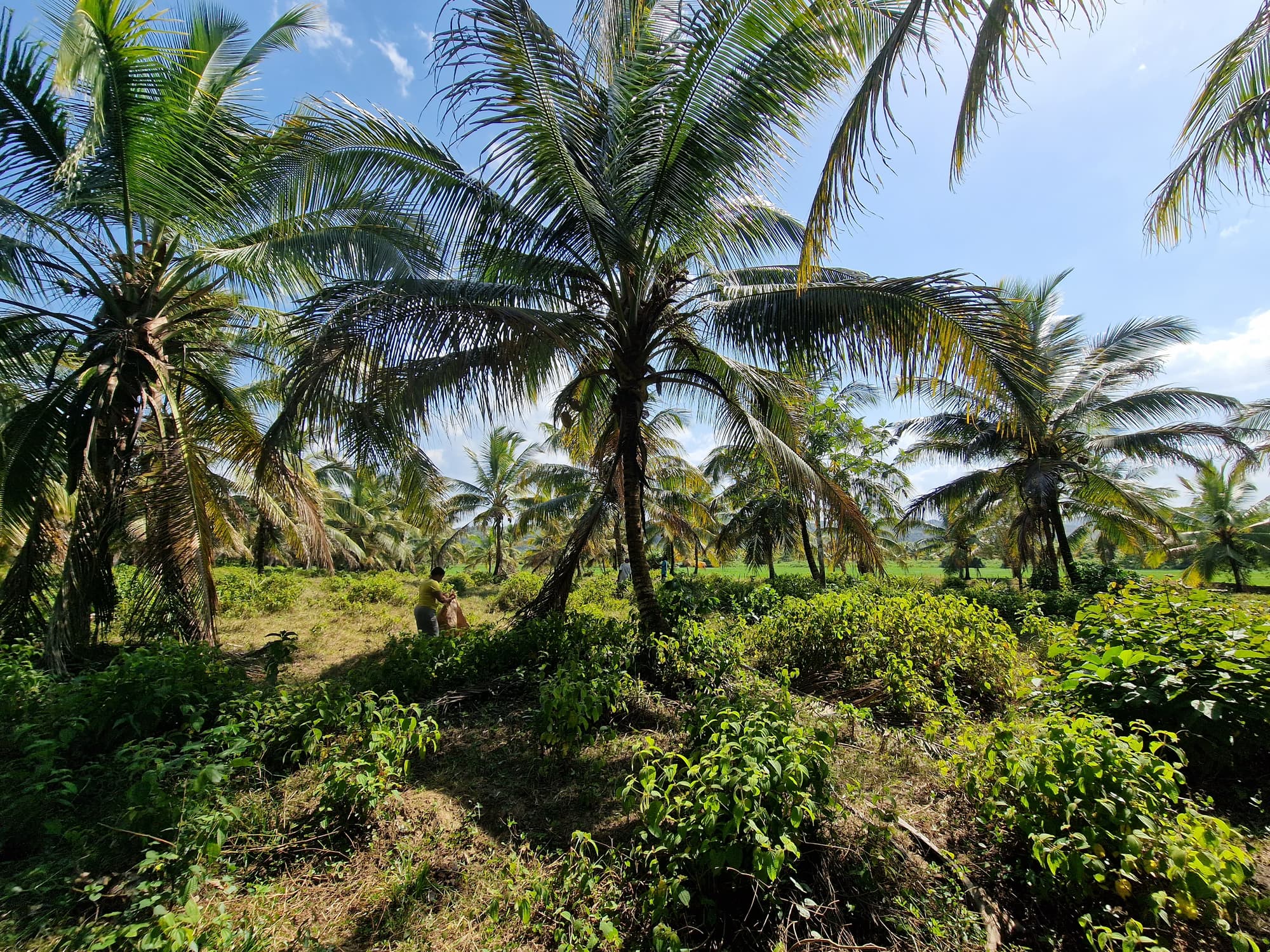
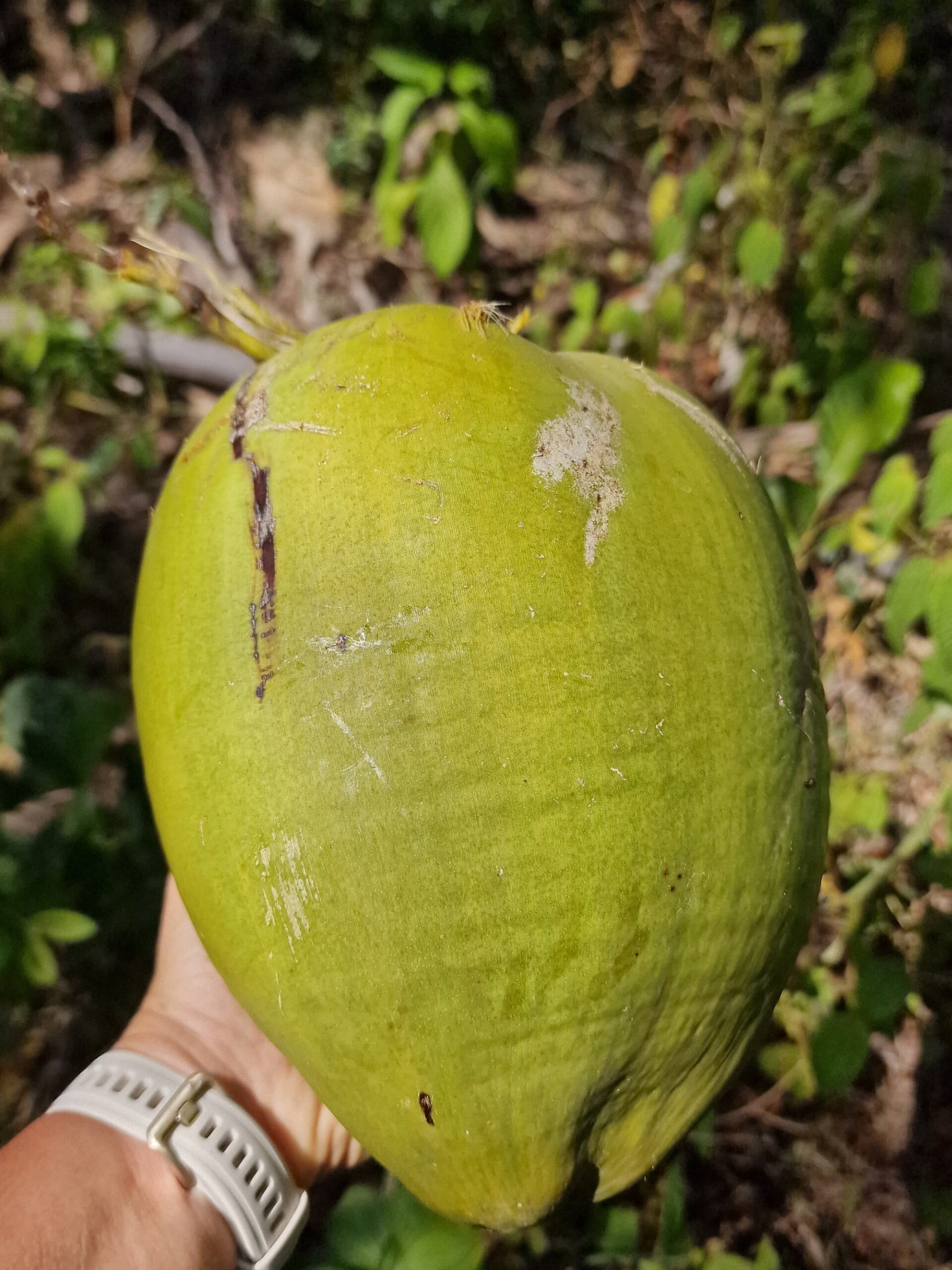
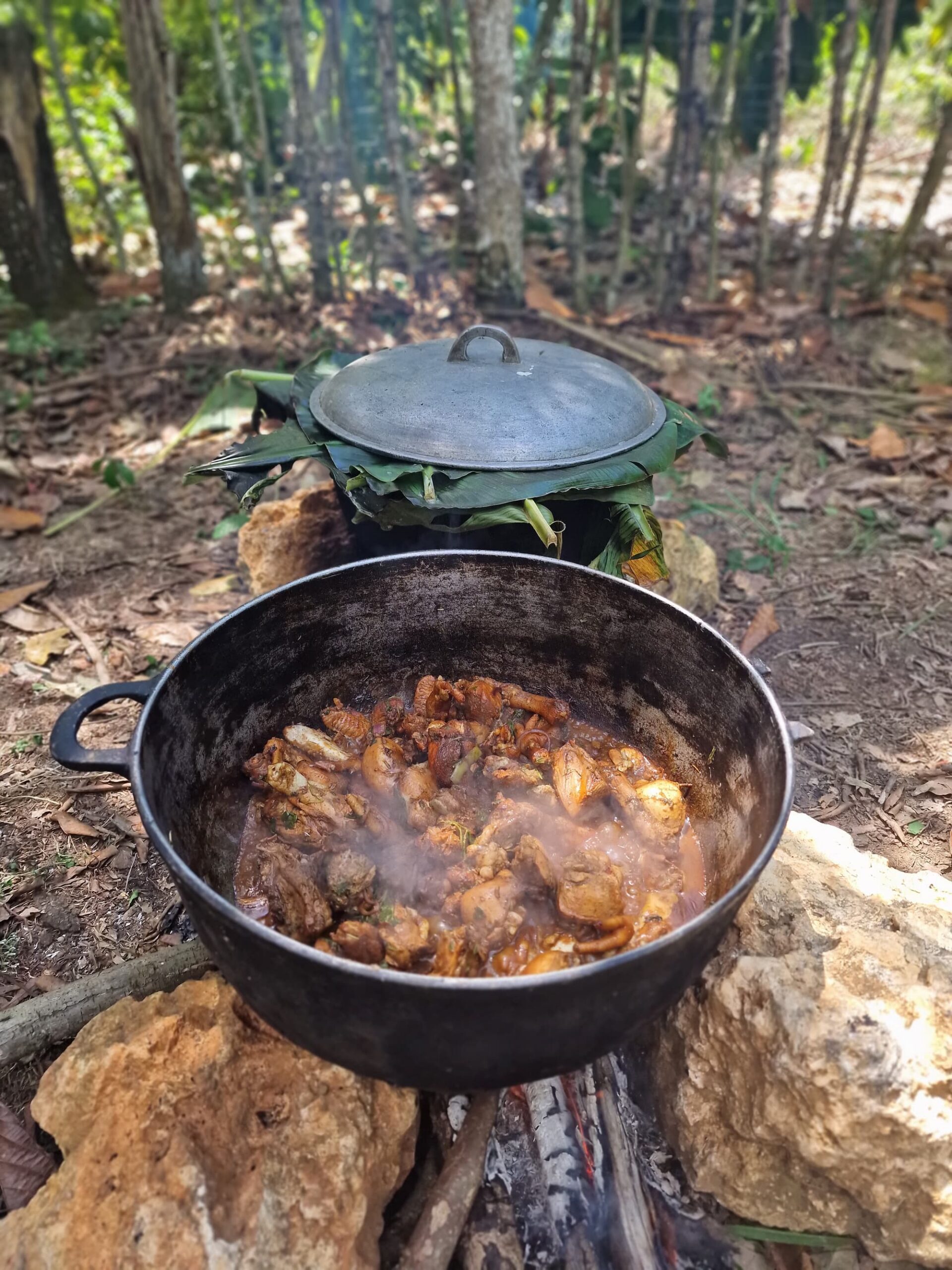
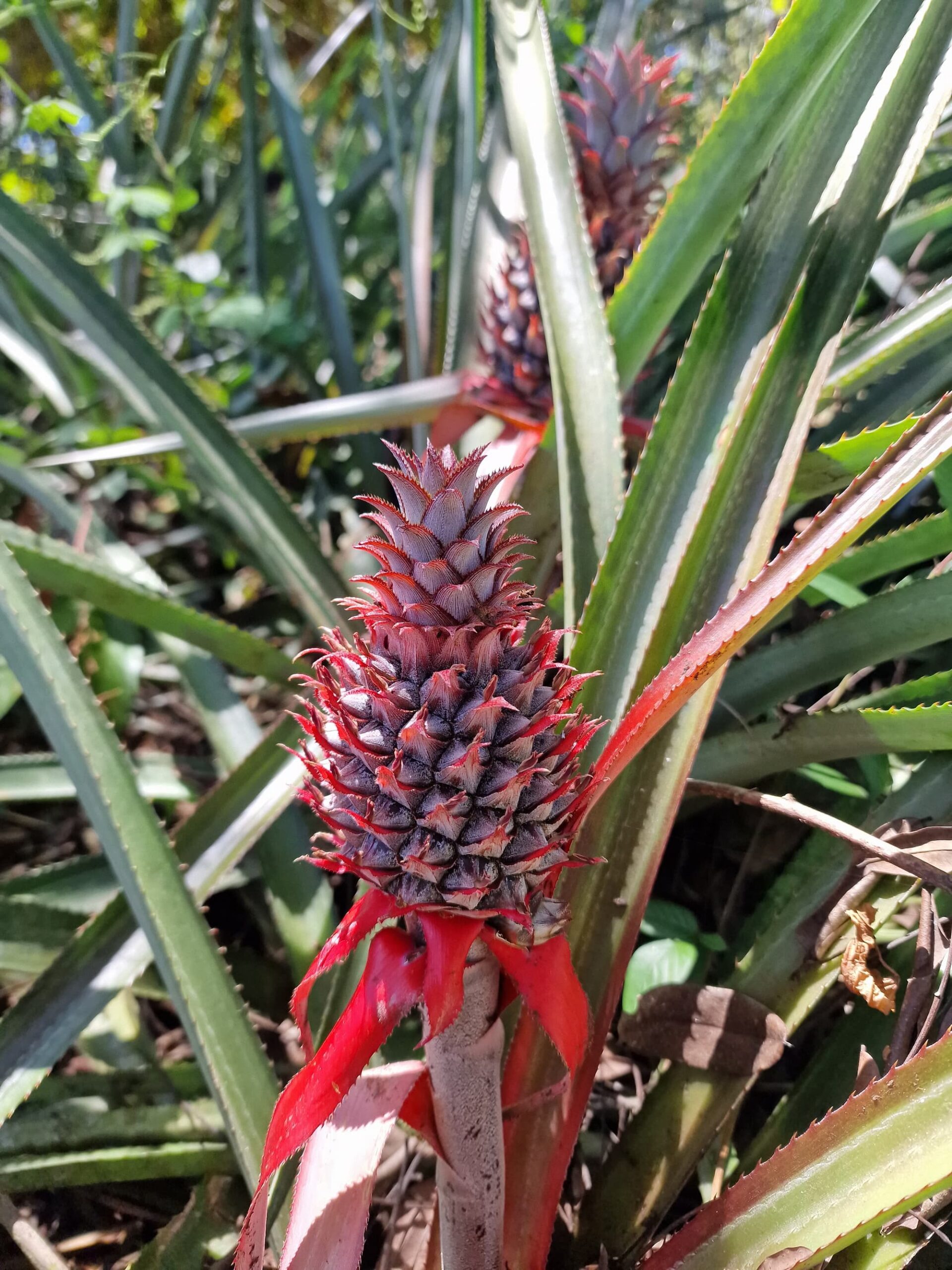
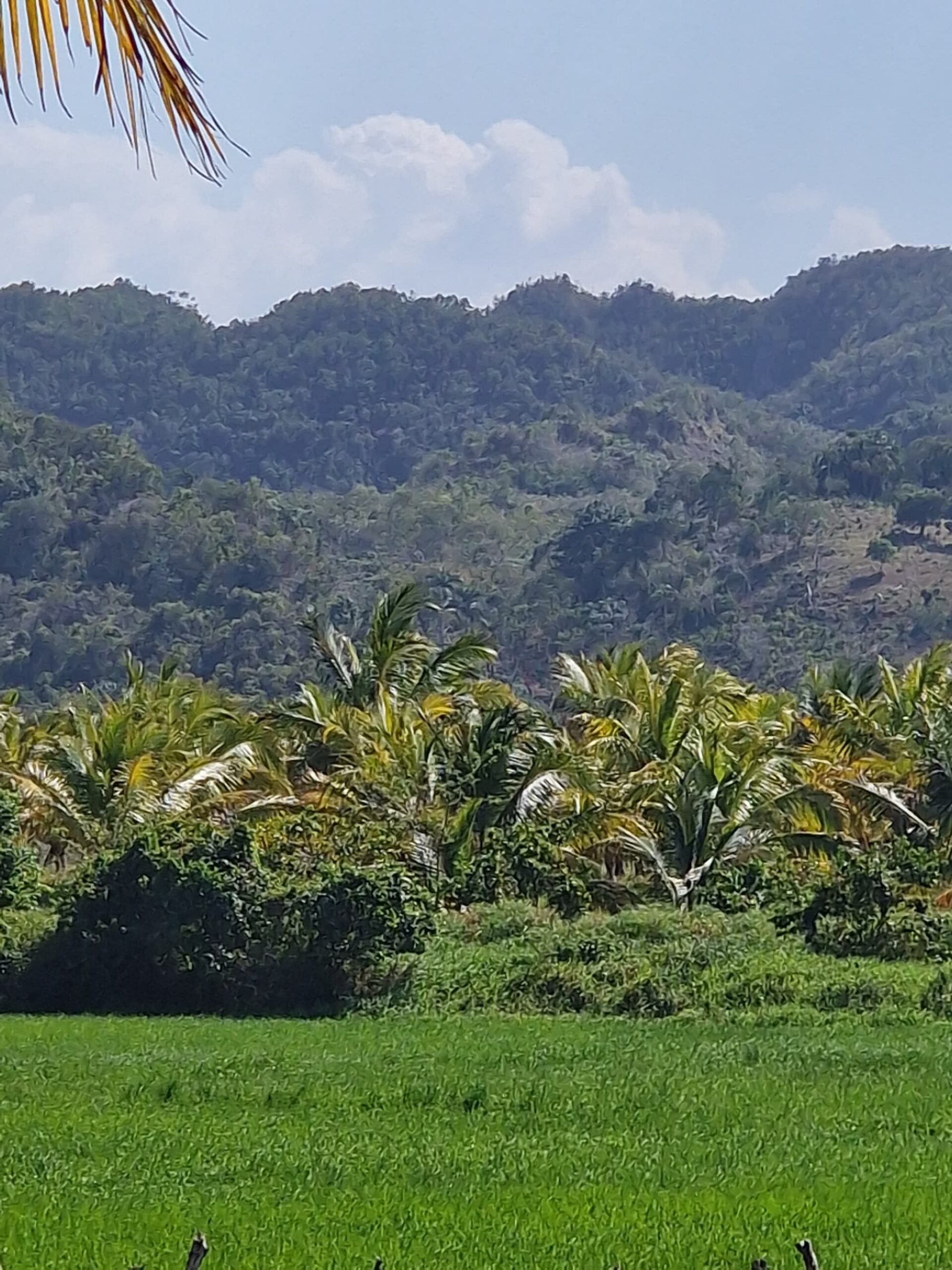
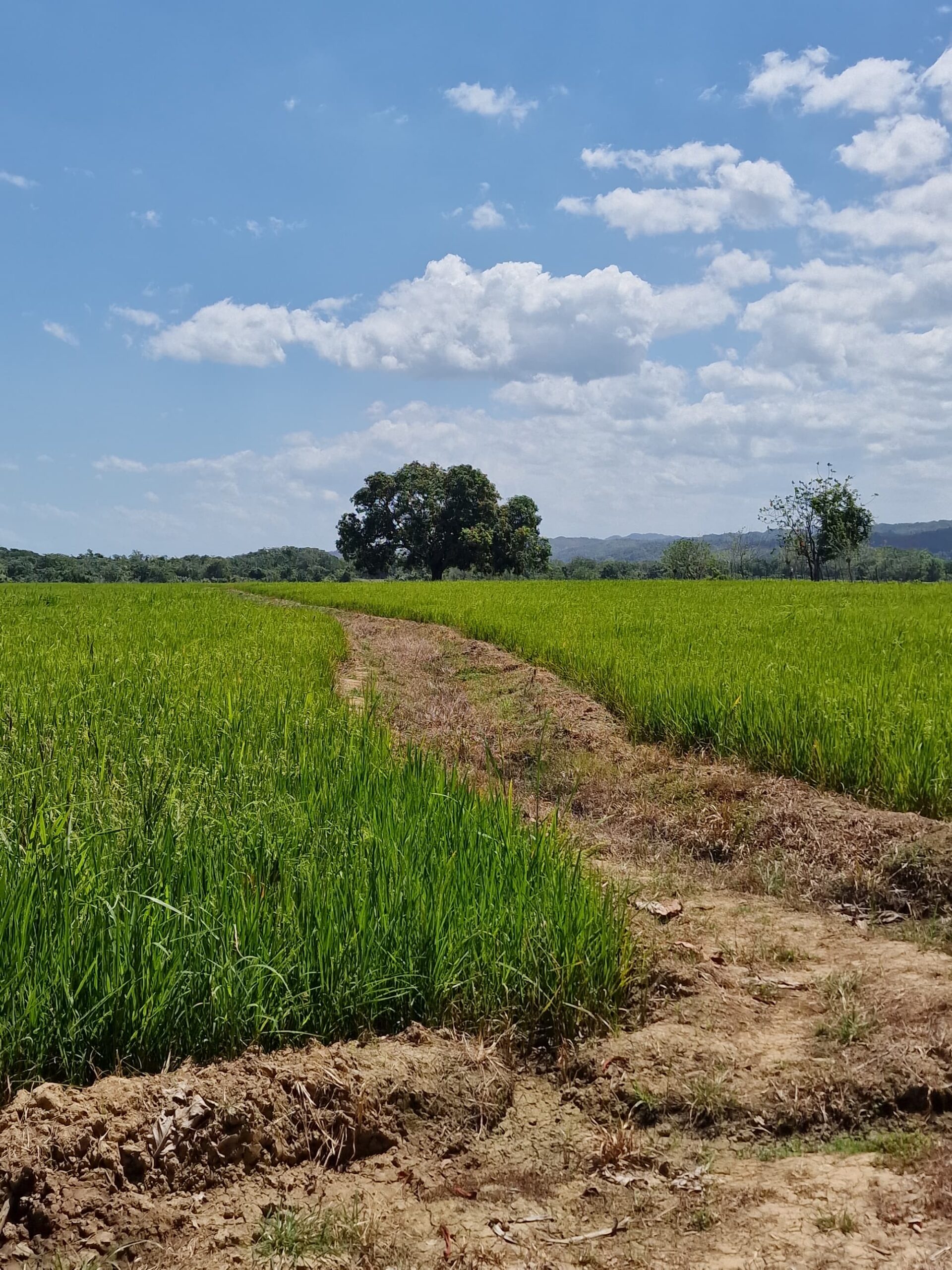
Photos from Nagua
Frequently asked questions
Playa Grande is about 50 minutes west of Nagua, between Cabrera and Río San Juan, and it is genuinely one of the most beautiful beaches in the DR. It is a long, palm-backed Atlantic beach with powerful waves, so not for calm swimming, but visually dramatic. The Playa Grande golf course above the cliffs is a full 18-hole Robert Trent Jones Sr. design, reworked by Rees Jones in 2015. Playa Caletón, nearby, is inside a protected cove with calmer water for swimming. Together they are worth a visit even if you are not staying in Nagua.
Realistic if you want total immersion in Dominican life and have no need for expat infrastructure. There are almost no other foreigners here. Spanish is the only option. Services exist: banks, hospitals, markets, transport links to Samaná and Santiago. But nothing is set up for foreigners. Cost is low, around $700 to $1,200/mo. If you want to learn the DR from the inside, Nagua does that.
Functional but not fast. Claro and Altice have coverage in town. Mobile data is the most reliable fallback. Fibre reaches parts of the centre. For occasional use and basic remote work with patience, it works. For video calls, uploads, and reliable daily connectivity, it is a gamble. Test thoroughly before committing.
Nagua sits on the main Atlantic coast highway between Samaná and Puerto Plata, so guaguas (shared minibuses) and public cars run regularly to both. Samaná is about 1.5 hours east, Río San Juan about an hour west, Puerto Plata about 2.5 hours. Samaná El Catey international airport (AZS) is only about 25 km south-east, around 30 minutes, but its schedule is thin: seasonal Canadian flights (Air Canada, Air Transat, WestJet) and a short domestic hop to Santo Domingo, so for most routes you still drive to Santiago or Puerto Plata. A car makes life easier but is not strictly necessary for getting around the region.
The public Hospital Provincial Dr. Antonio Yapor Heded handles basic emergencies and routine care. It is a public facility so bring your own supplies if you end up needing it. The town's smaller public hospital, Dr. Carlos A. Zafra, is being demolished and rebuilt as a 48-bed maternal and child hospital with intensive care and a helipad, announced in June 2026, with its staff moved to the Yapor Heded in the meantime. Private clinics in town handle minor issues. For anything complex, you are heading to San Francisco de Macorís (about an hour), Santiago or Santo Domingo. The same calculus applies as most mid-sized Dominican towns: fine for everyday health needs, not where you want to be in a crisis.