

Barahona is the DR's undiscovered southwest: a region of dramatic coastline, pink flamingo lakes, and jungle rivers that receives a fraction of the tourism of the north and east coasts. Infrastructure is basic, services are limited, and the expat community is tiny. Those who choose it do so for the raw beauty and ultra-low cost, not for amenities.

Is Barahona right for you?
Barahona suits adventurers, naturalists, and expats for whom low cost and raw beauty outweigh the lack of amenities. Retirees in good health who enjoy wildlife, hiking, and genuine Dominican rural life will find it extraordinary. It is entirely unsuitable for those with health conditions requiring regular specialist care, remote workers with demanding connectivity requirements, or families with children.
Is Barahona safe?
Barahona scores 8.0 out of 10 for safety on the DR Living Index. Barahona city has some security challenges in its less developed neighbourhoods, but the coastal and rural areas popular with expats are generally calm and safe. The small expat community tends to be well-embedded and does not attract the petty crime that follows tourist concentrations.
The safety card below has the full picture for Barahona, and the DR safety guide covers the whole country.
What the scores mean
Barahona has the lowest urban cost in the DR. Decent furnished houses rent for $250 to $600 per month. Local food at markets and comedores is extremely cheap. The main costs that catch expats out are the transport bills for frequent trips to Santo Domingo (3 hours each way) for shopping, medical appointments, and anything the local market does not supply.
Barahona city has some security challenges in its less developed neighbourhoods, but the coastal and rural areas popular with expats are generally calm and safe. The small expat community tends to be well-embedded and does not attract the petty crime that follows tourist concentrations.
Barahona has a regional hospital and a small number of private clinics. Provision is basic. Any serious medical situation means a 3-hour drive to Santo Domingo. This is the primary reason many expats who love the area ultimately choose not to live there full-time. Named facilities: Hospital Regional Universitario Jaime Mota is the main public hospital, with limited private clinic options. Specialist care or emergencies mean Santo Domingo, about 2.5 to 3 hours by road, so medical evacuation insurance is essential.
Internet in Barahona is inconsistent. Urban connections run 10 to 40 Mbps when working; rural and coastal areas are weaker and prone to outages. Claro mobile data is often more reliable than fixed-line in some areas. Connectivity supports basic remote work but cannot be relied upon for demanding professional use.
Barahona offers a lifestyle that cannot be replicated anywhere else in the DR. Lago Enriquillo, the largest lake in the Caribbean and home to wild flamingos and American crocodiles, is about 1 hour 20 minutes away by road. The coastline is dramatic and largely undeveloped. Waterfalls, the Bahoruco mountains, and the Haiti border experience are all accessible. It is an exceptional natural lifestyle for those who value that above urban amenities.
Barahona is the commercial hub of the deep southwest, with supermarkets, banks, pharmacies and a produce market. It covers daily needs but not much more; the nearest serious shopping is Santo Domingo, three hours east, so residents plan stocking-up trips.
Monthly budget breakdown
Map of Barahona
Neighbourhoods in Barahona
Barahona City
The provincial capital with basic urban services, a waterfront malecón, and the main transport connections.
San Rafael
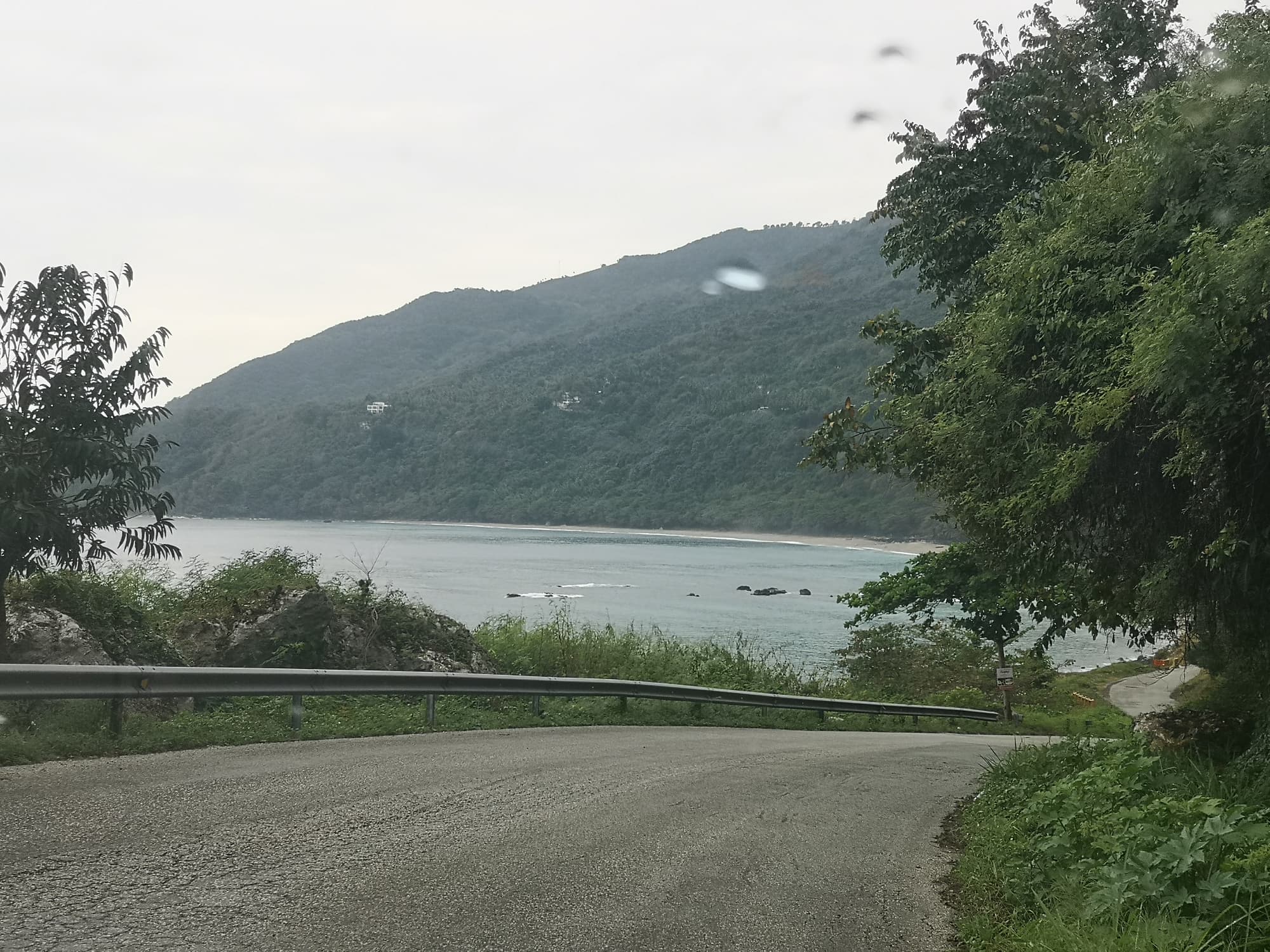
Coastal spot about 30 km south of the city where a cold mountain river meets the sea. Beach, natural pools and the new viewpoint on the coast road. Popular at weekends.
Paraíso →
South of the city, a quiet coastal town with good beaches and lower prices.
Enriquillo
Coastal town about 50 km south on the road to Pedernales, the last real services before Jaragua National Park and Laguna de Oviedo. Not the gateway to Lago Enriquillo, which is inland to the north-west.
Pedernales
Remote border town at the southwestern tip. Gateway to Jaragua National Park.
Living in Barahona: the honest picture
What works well
- Spectacularly beautiful and uncrowded
- Among the lowest costs of living of any region
- Genuine Dominican life and culture
- No mass tourism
- Unique eco-tourism opportunities (Lago Enriquillo, flamingos, waterfalls)
Watch out for
- Very limited English and almost no expat infrastructure: it rewards the self-sufficient and Spanish-speaking
- Limited infrastructure and services
- Very small expat community
- Basic medical facilities only (Santo Domingo for anything serious)
- Fewer accommodation options
- Long drive to the capital
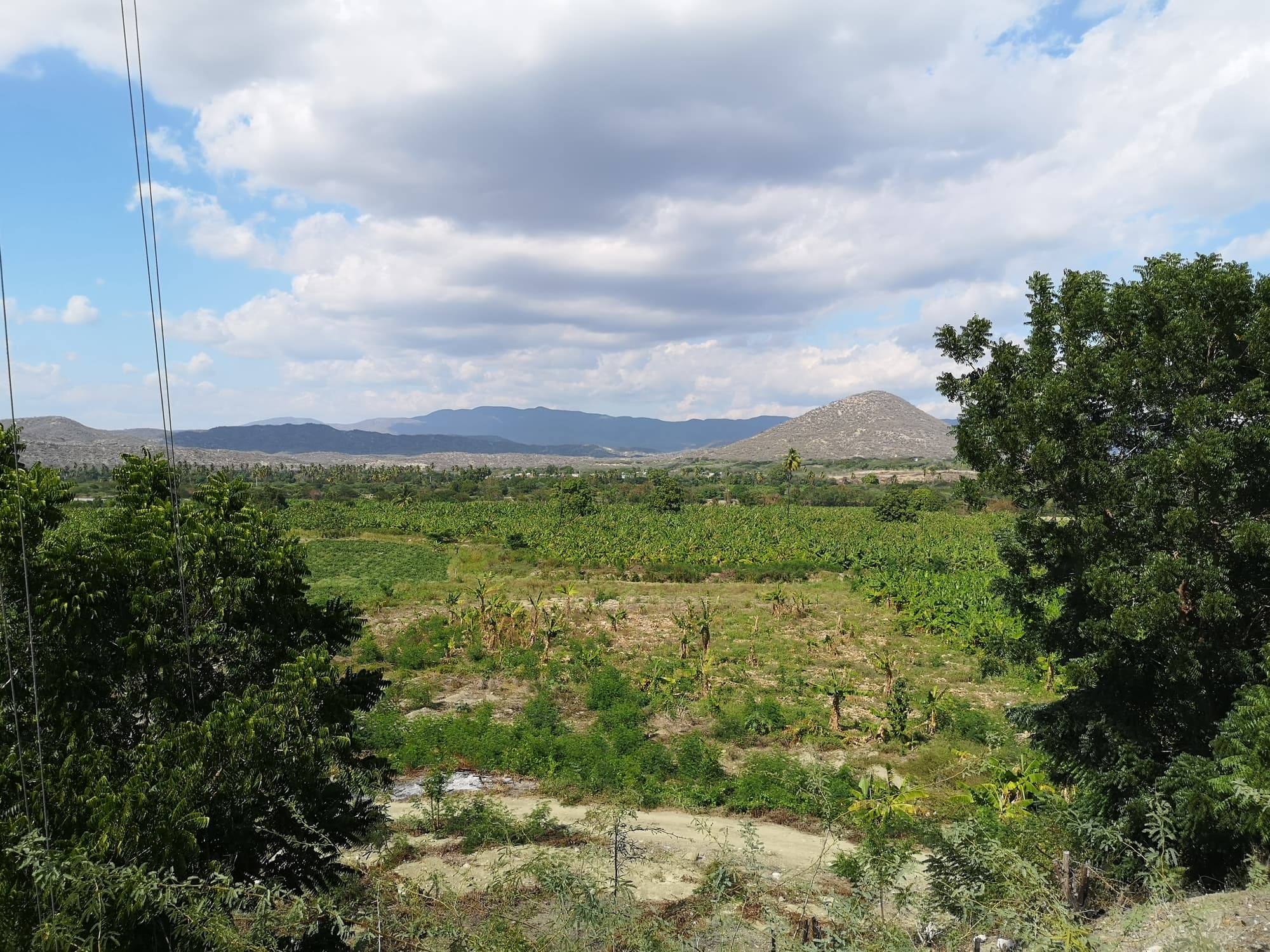
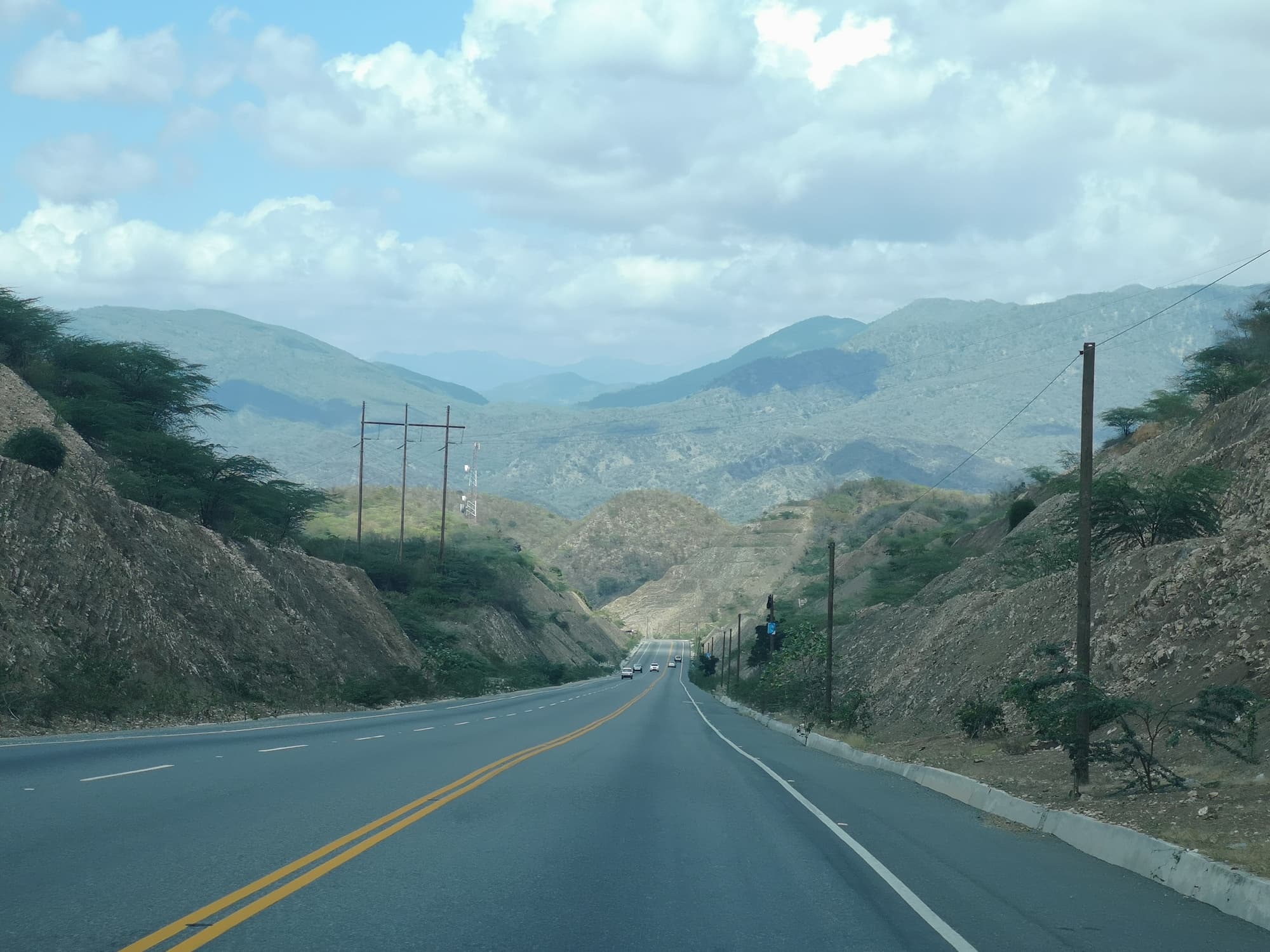
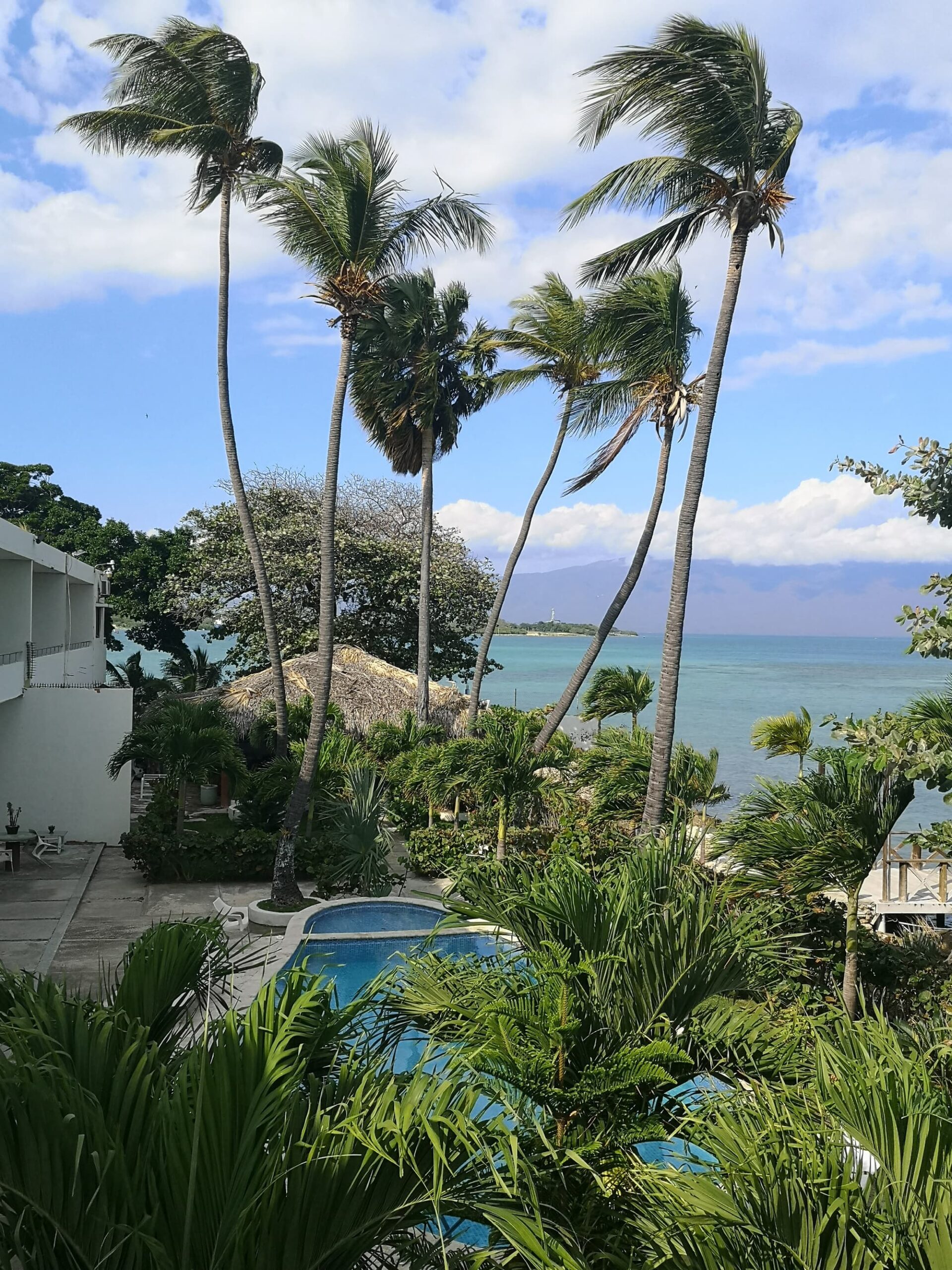
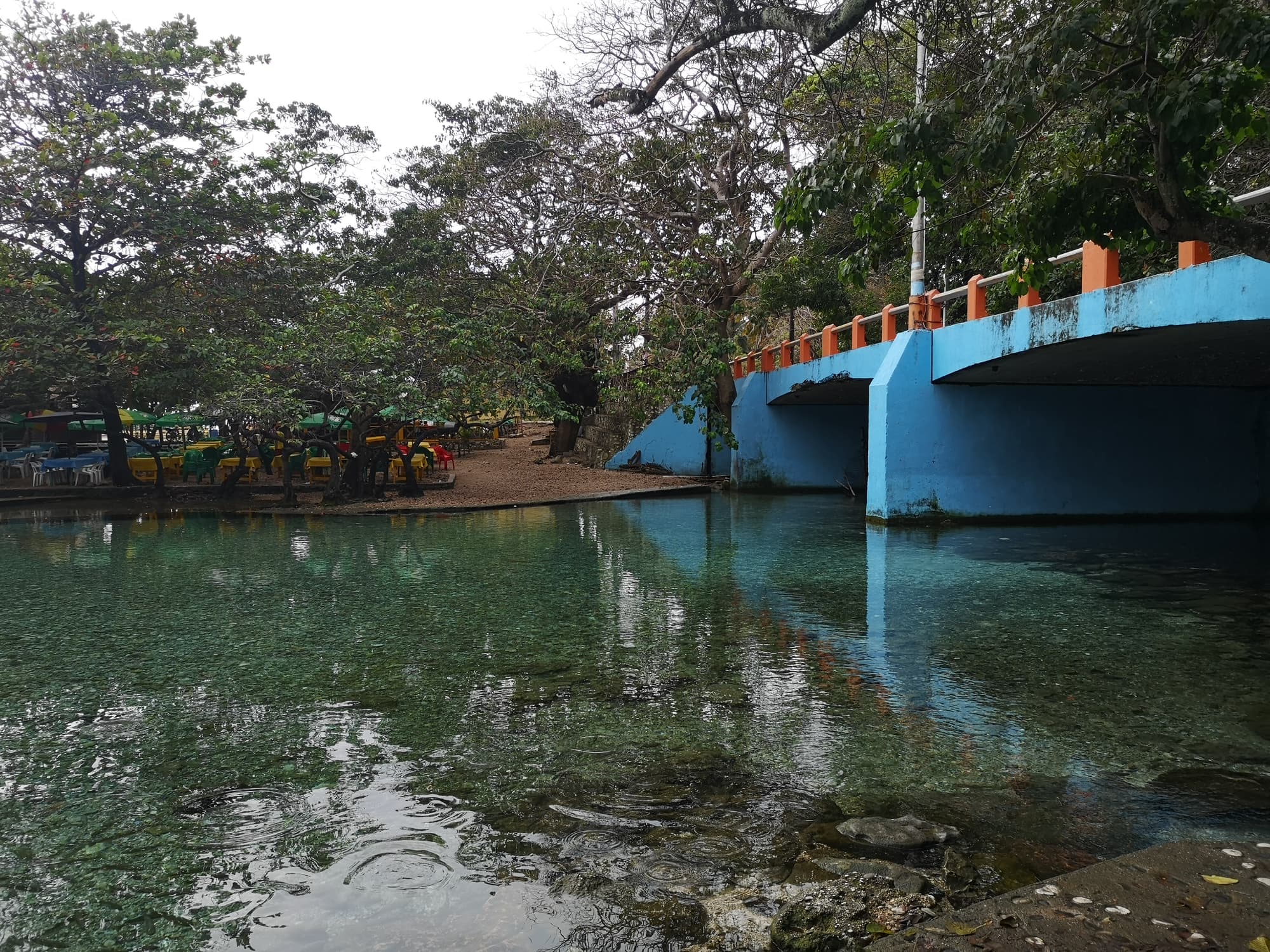
Photos from Barahona
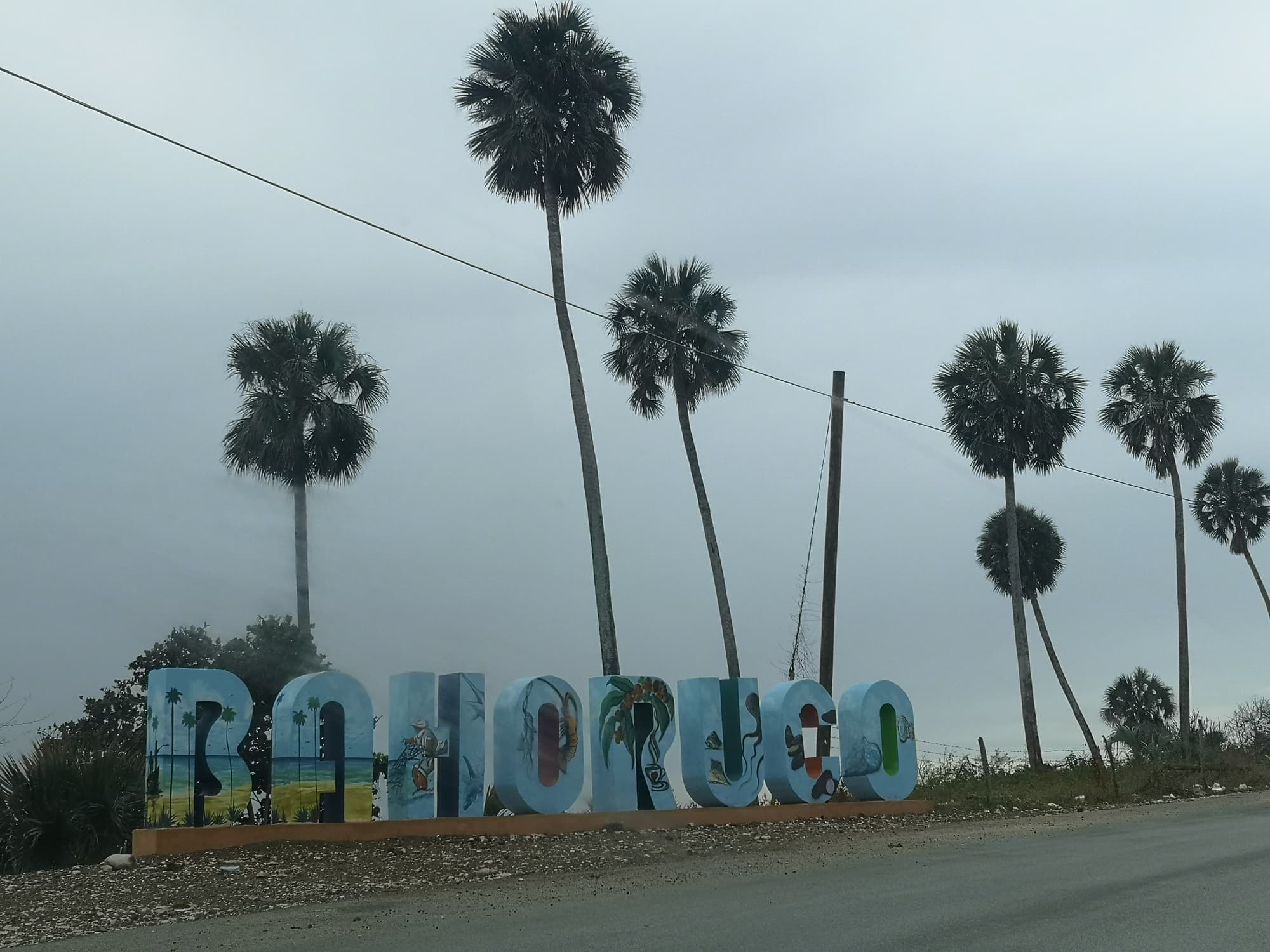
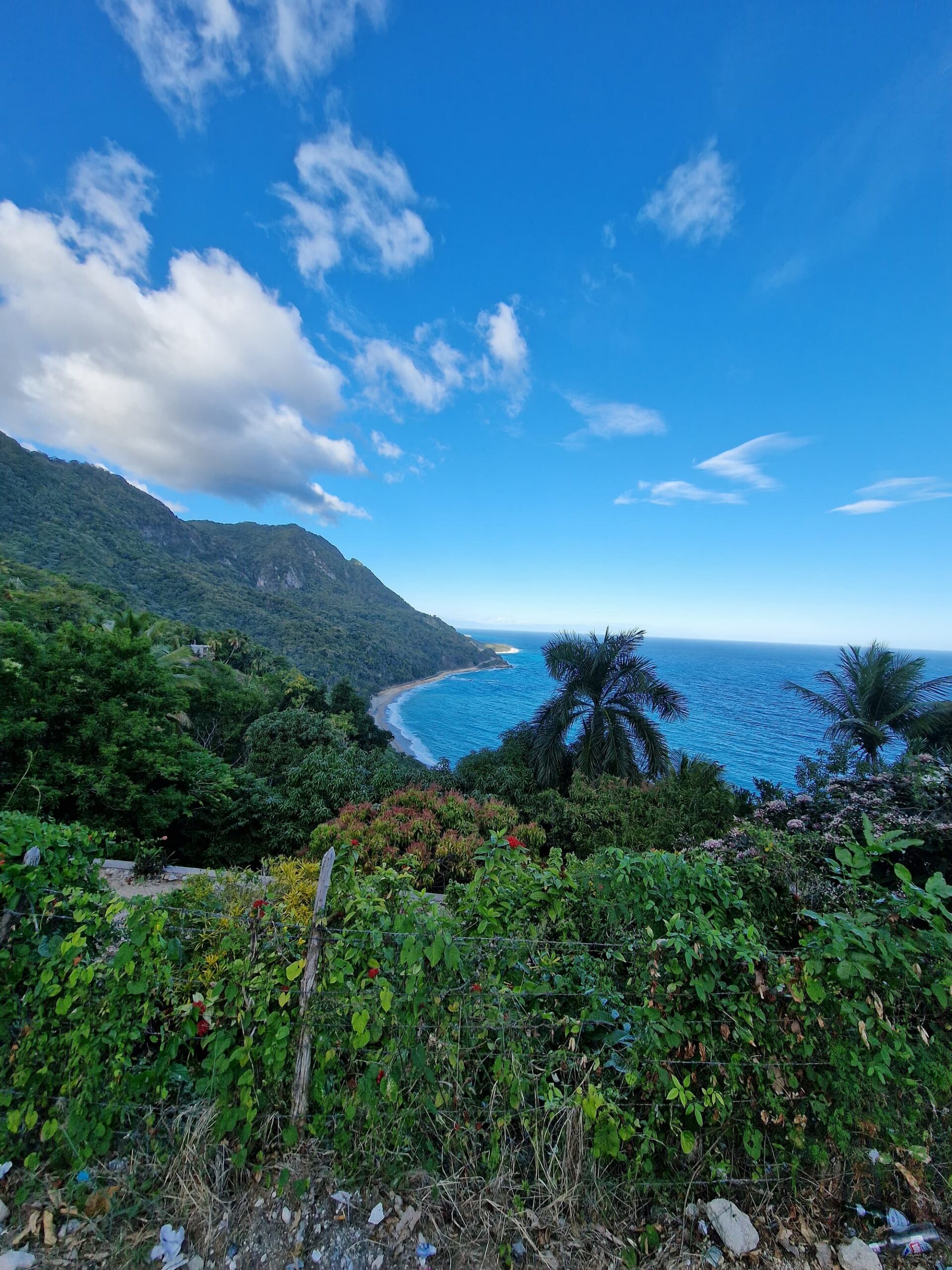
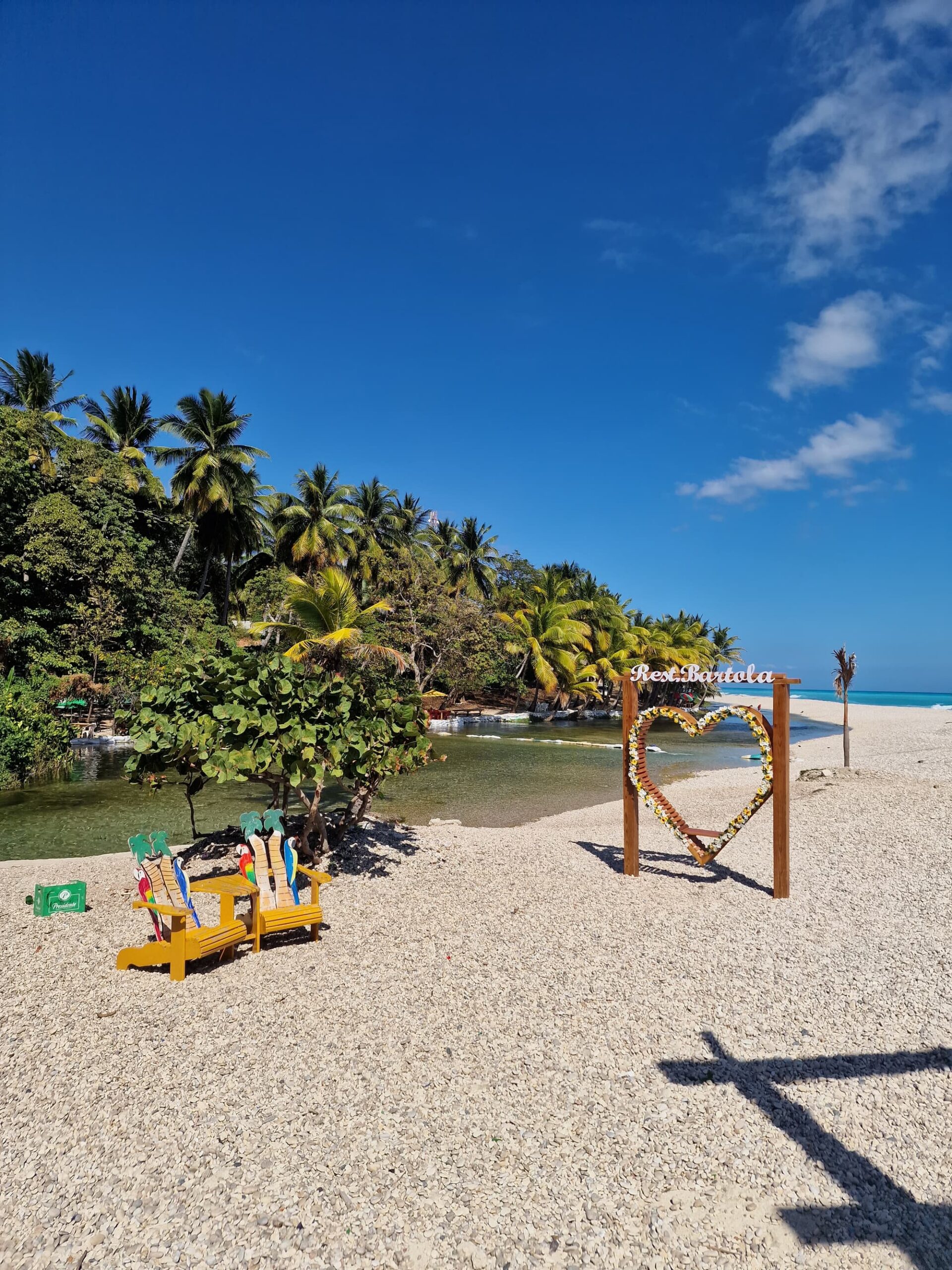
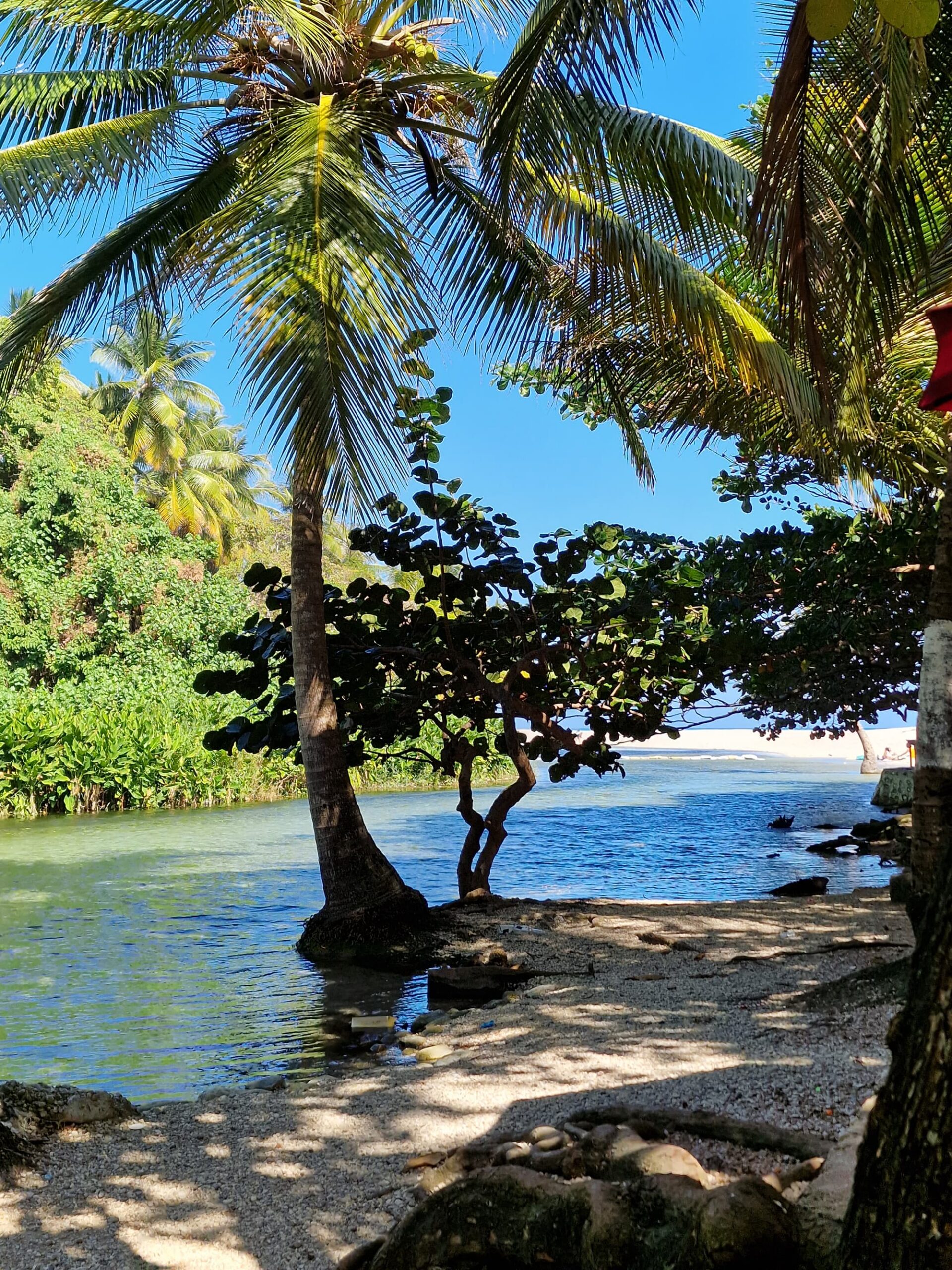
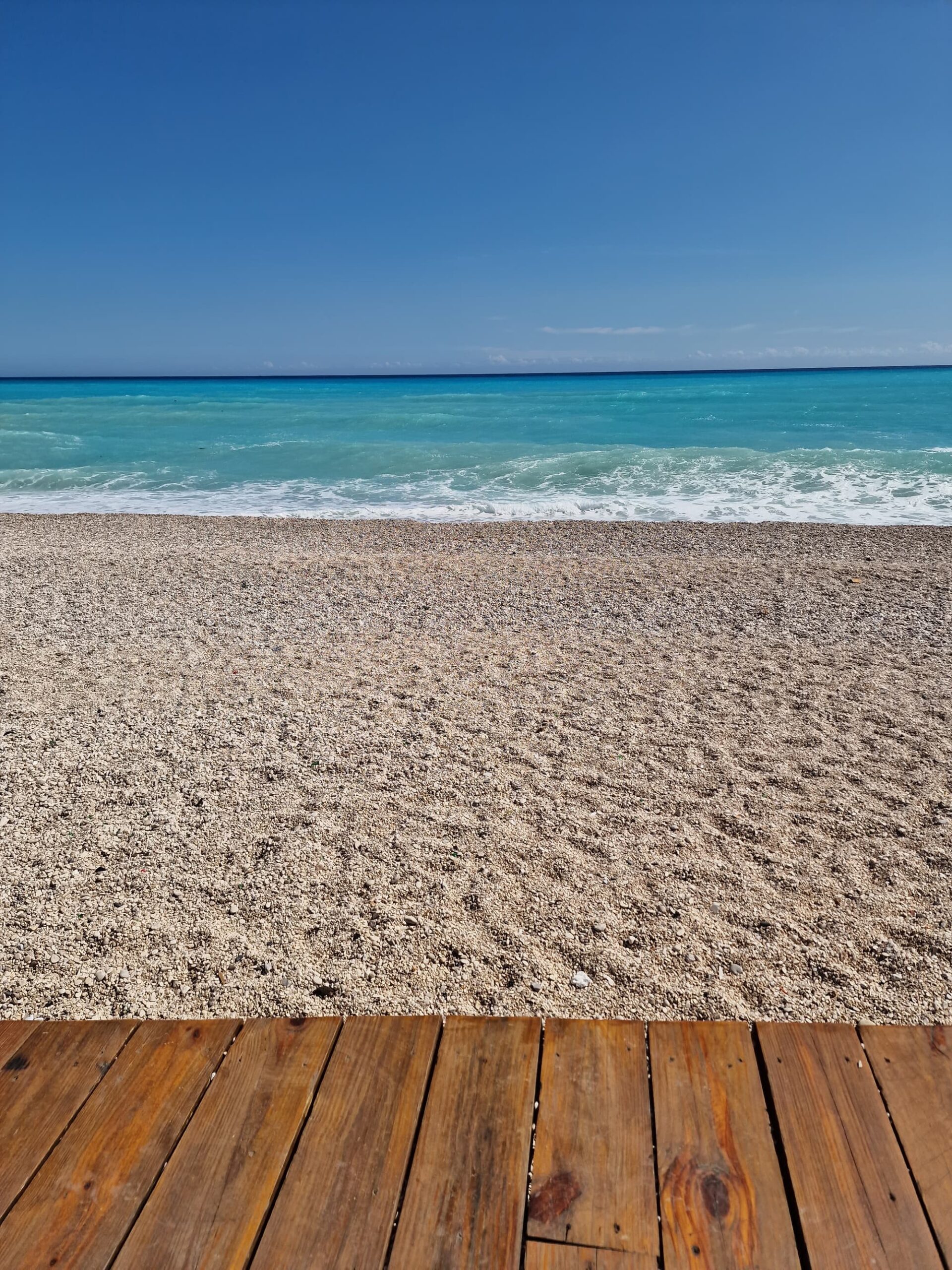
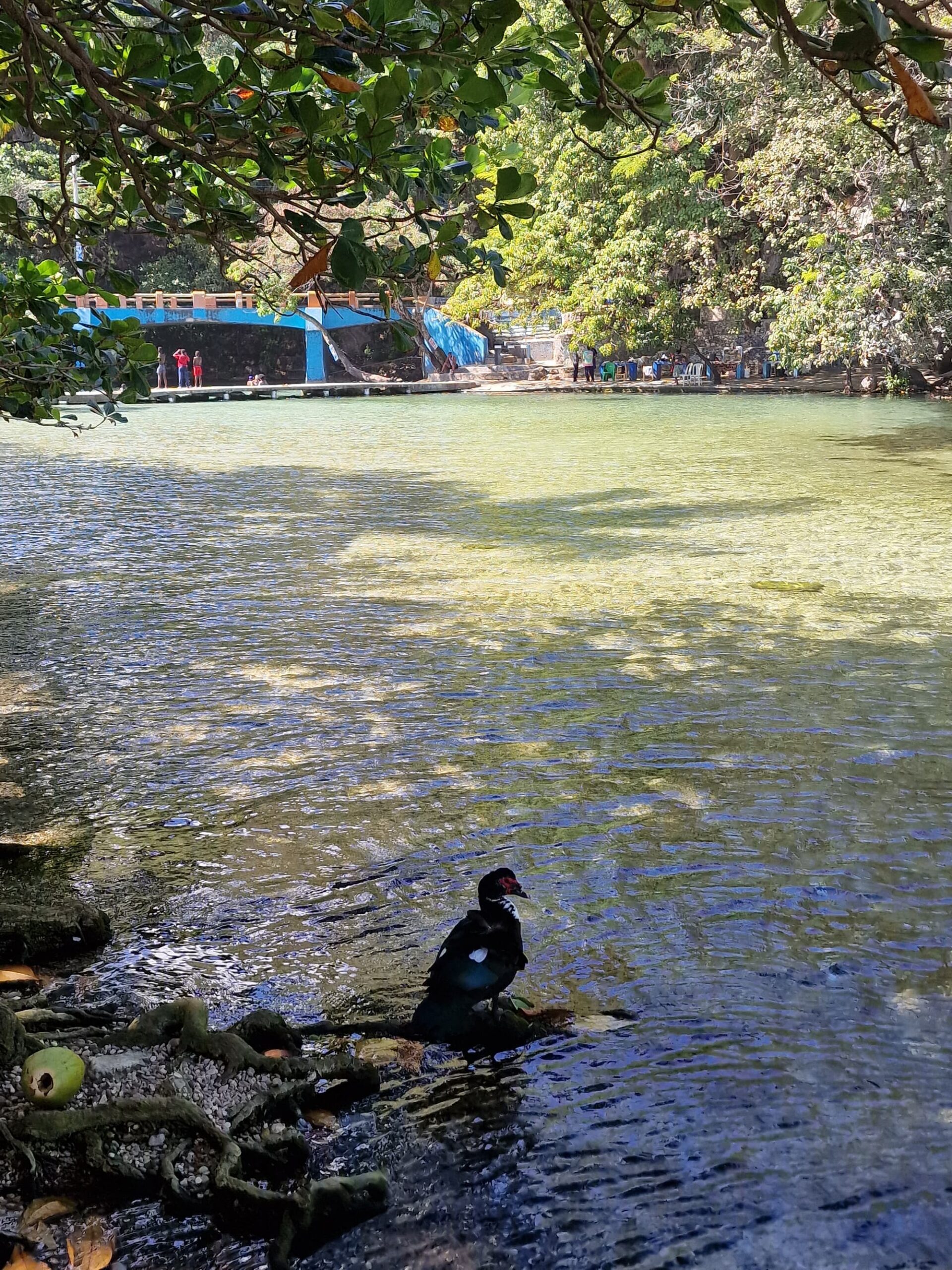
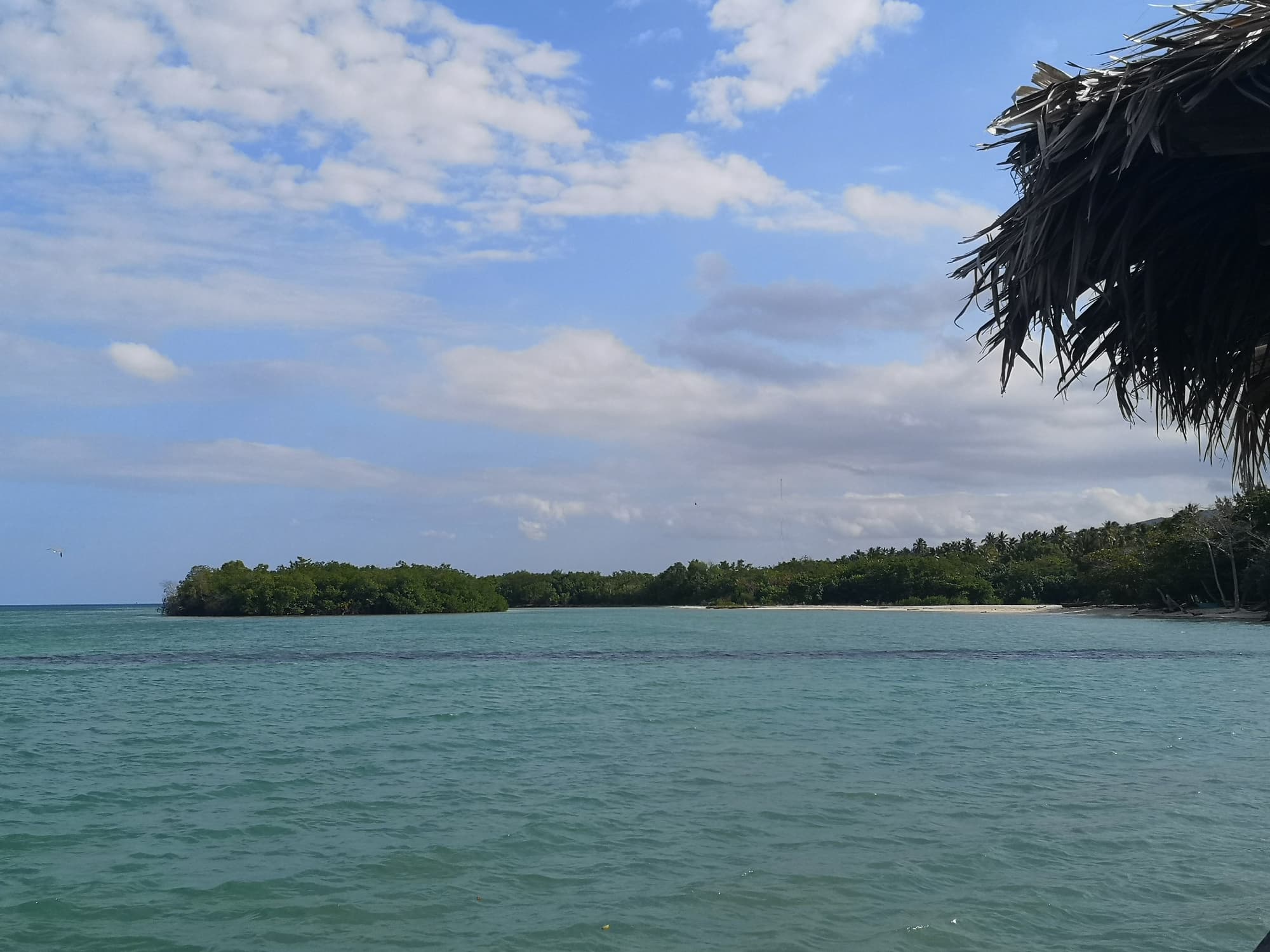
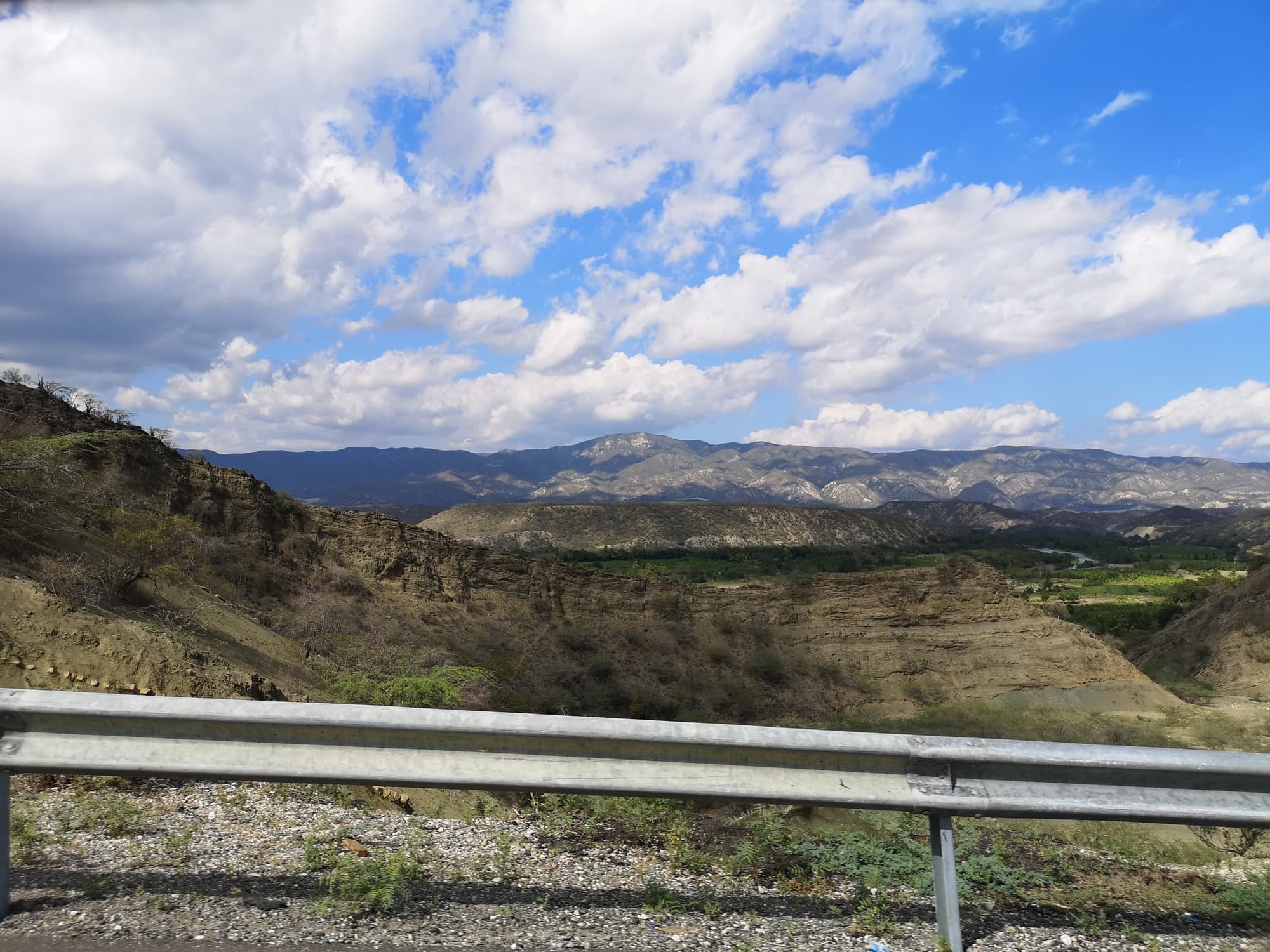
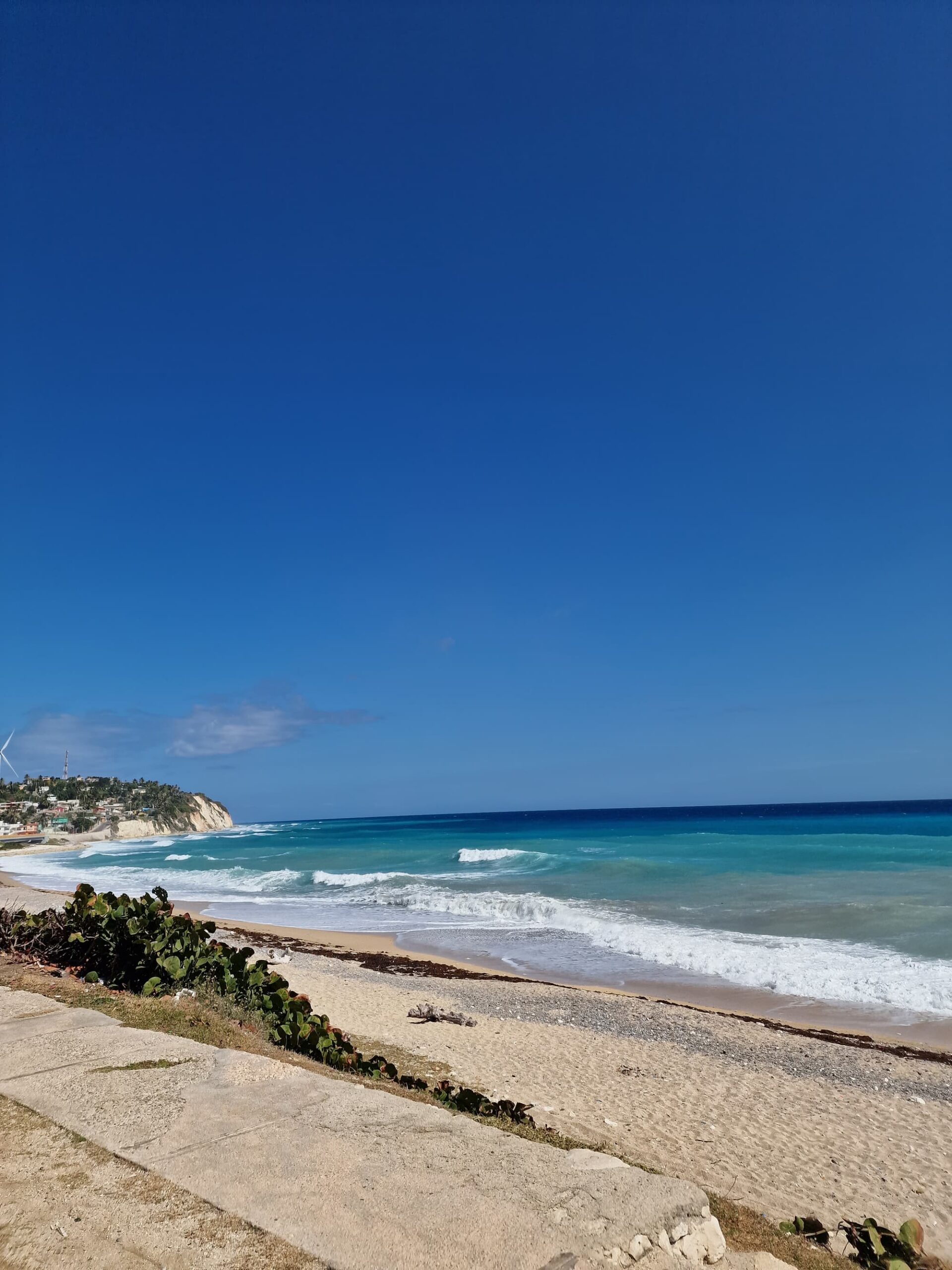
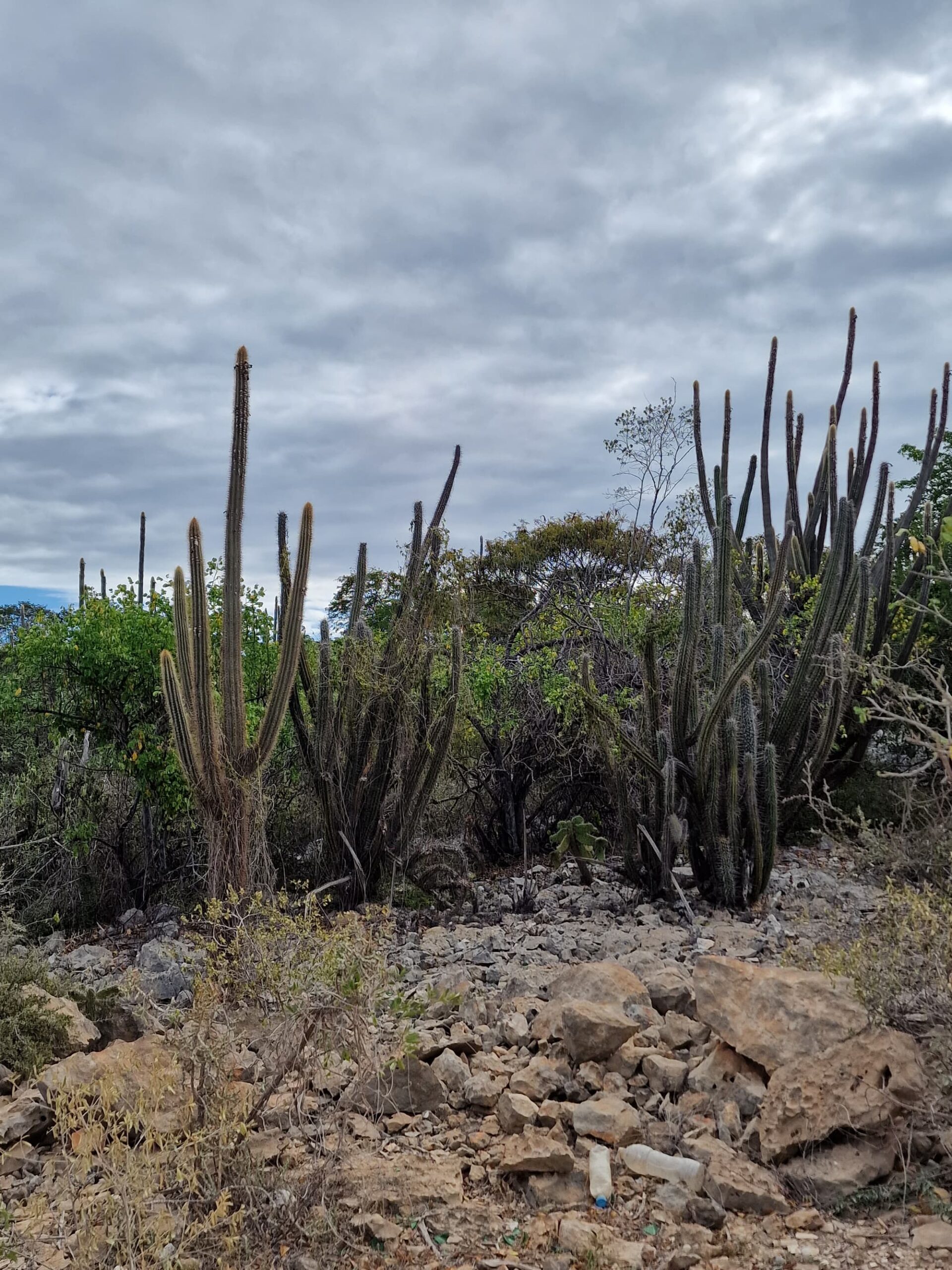
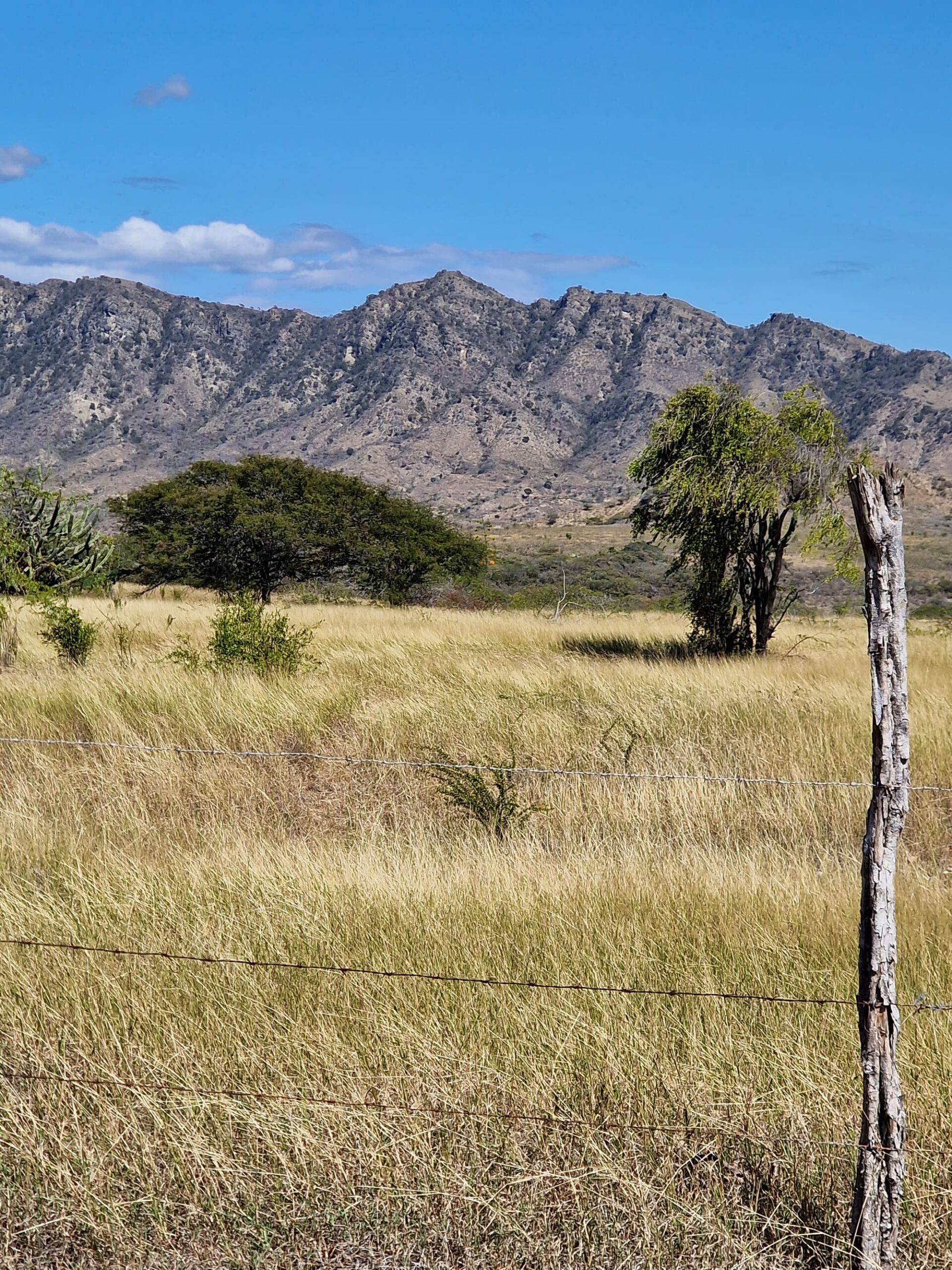
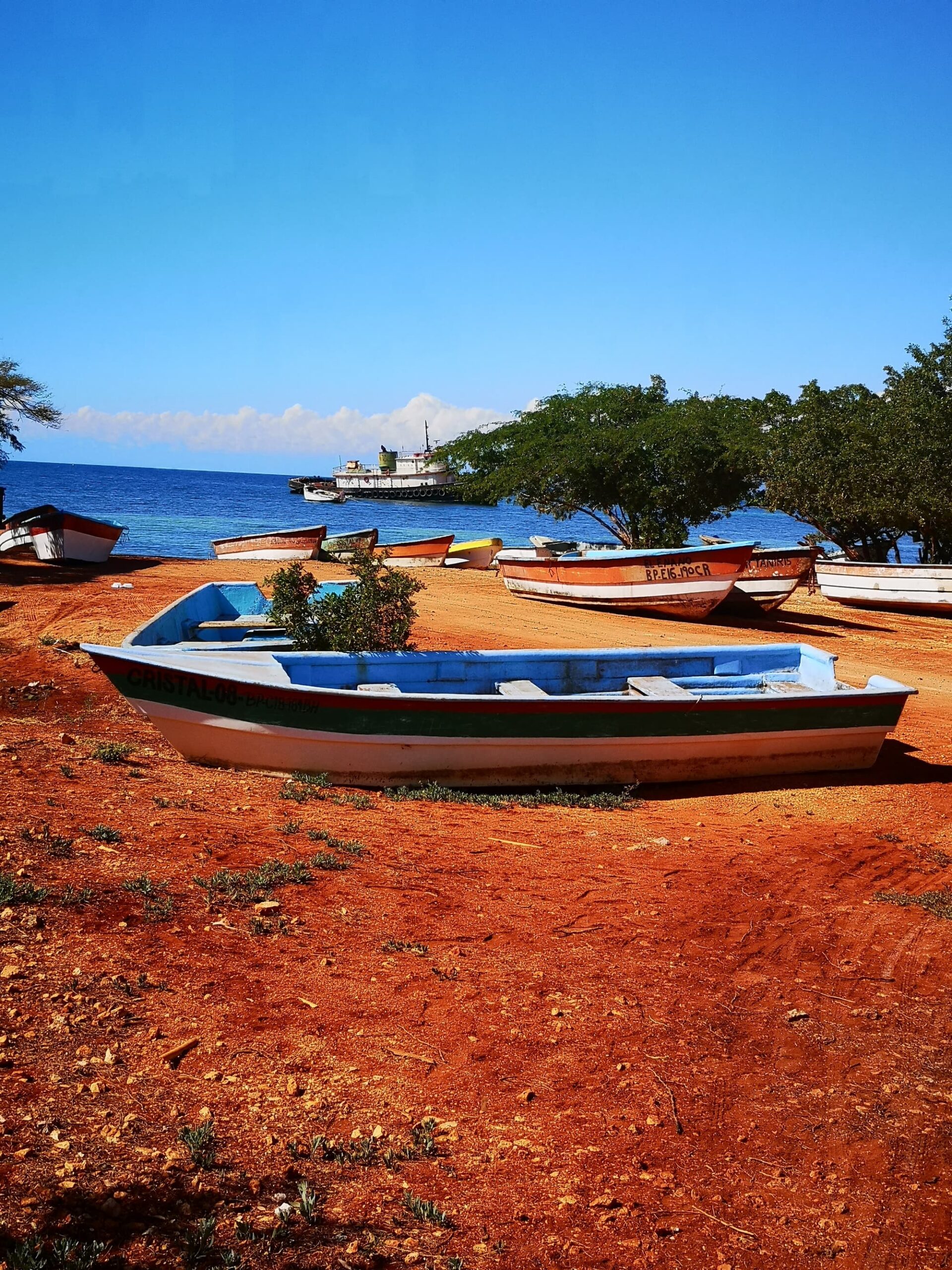
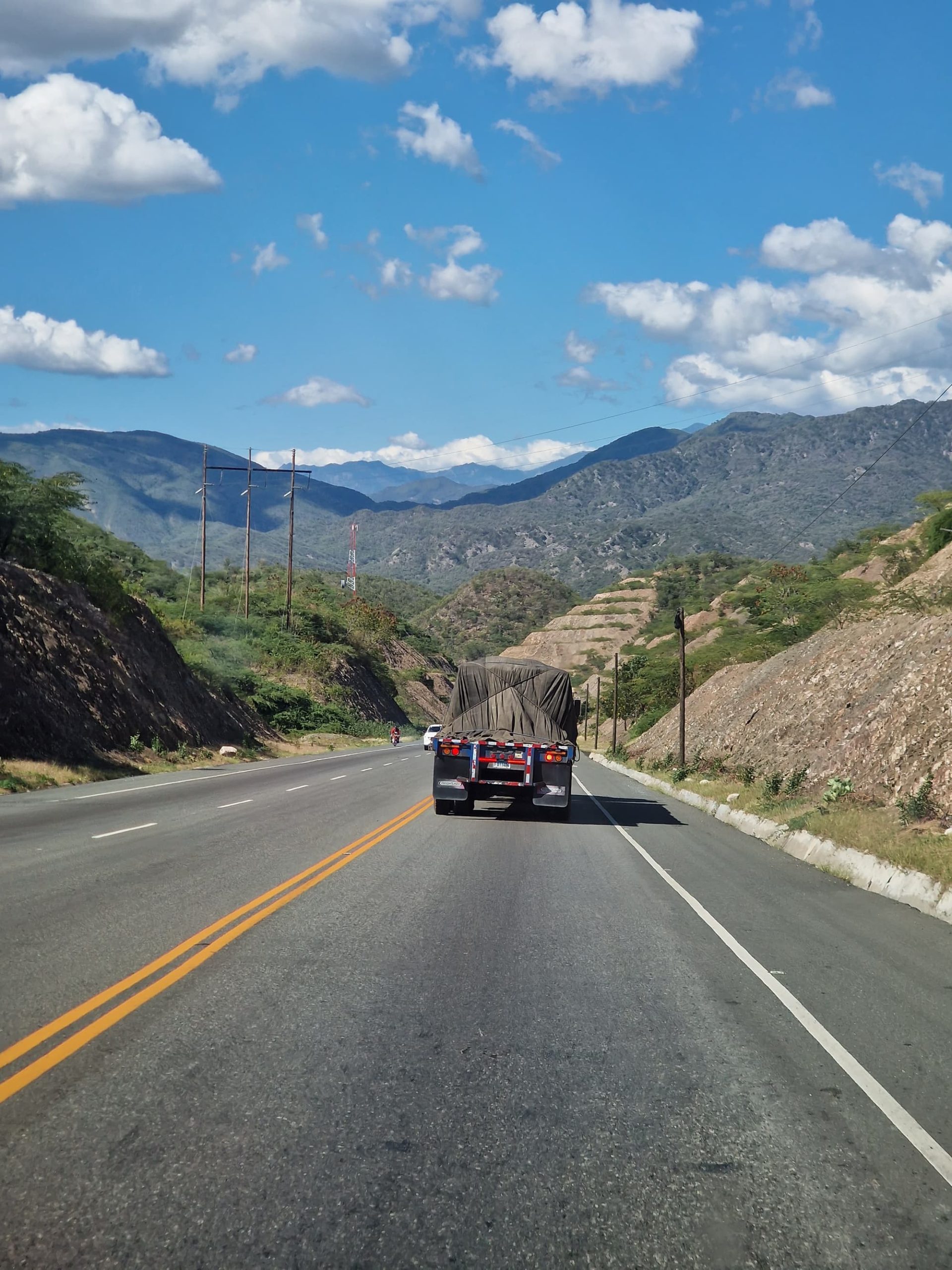
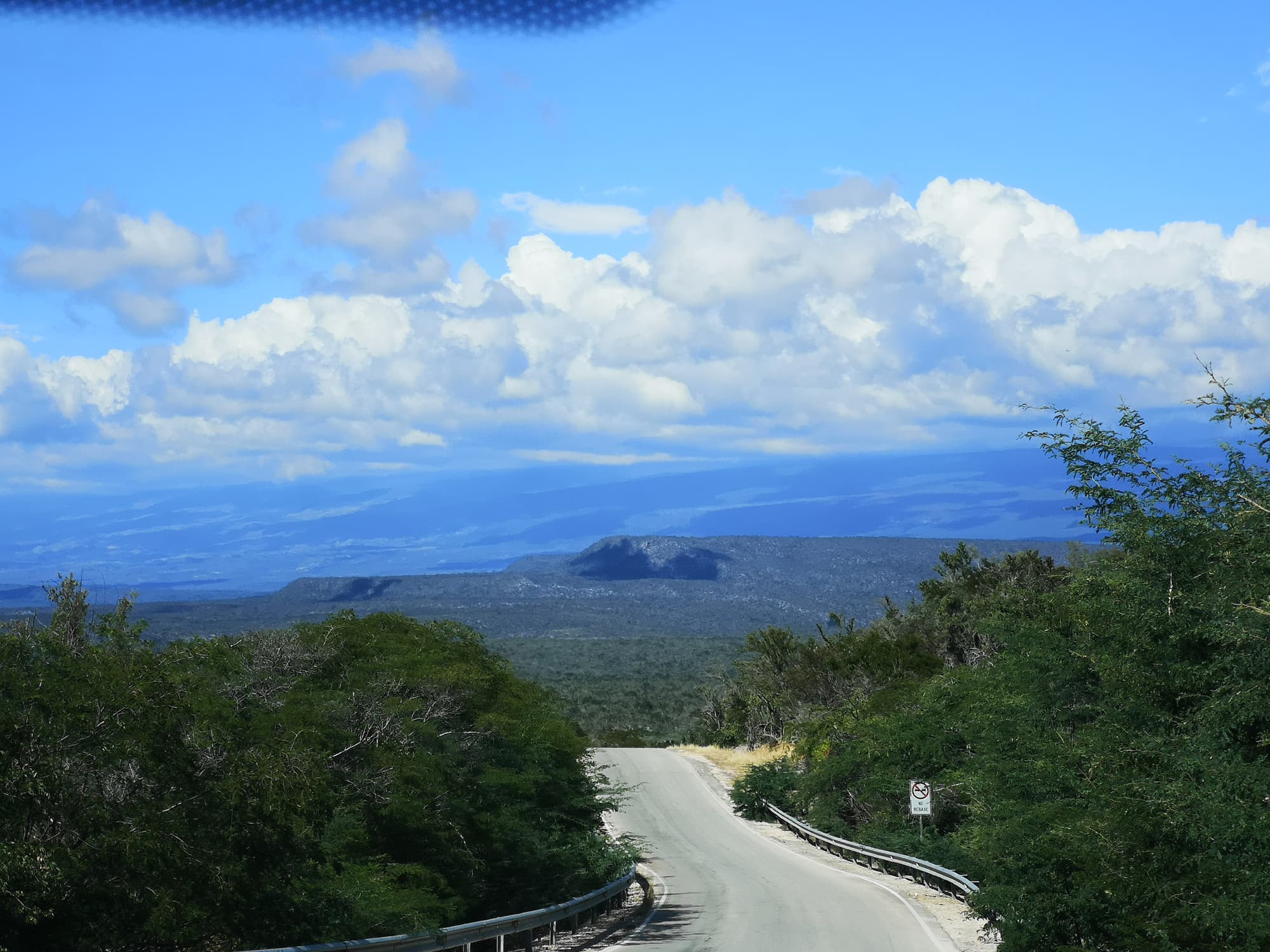
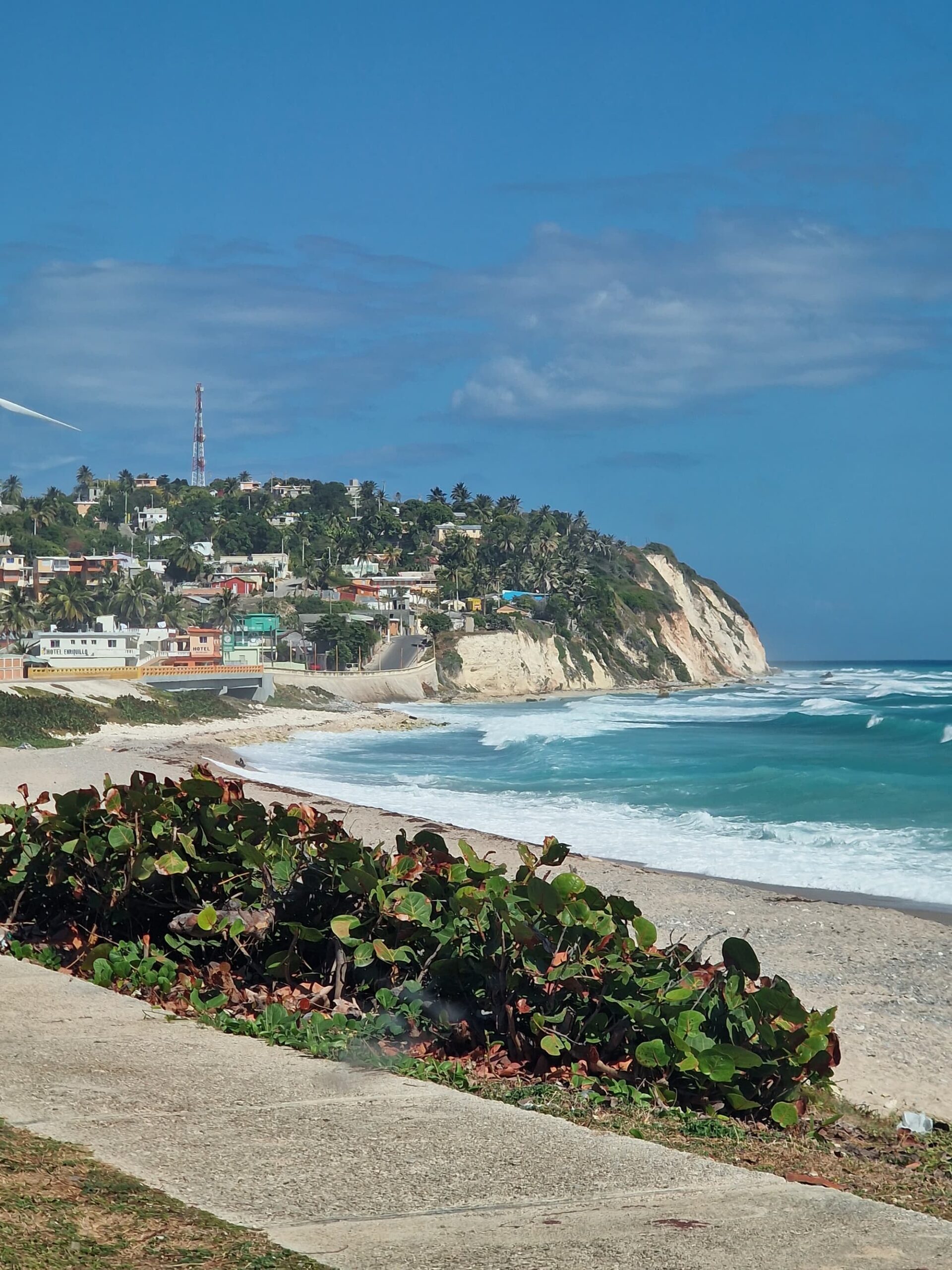
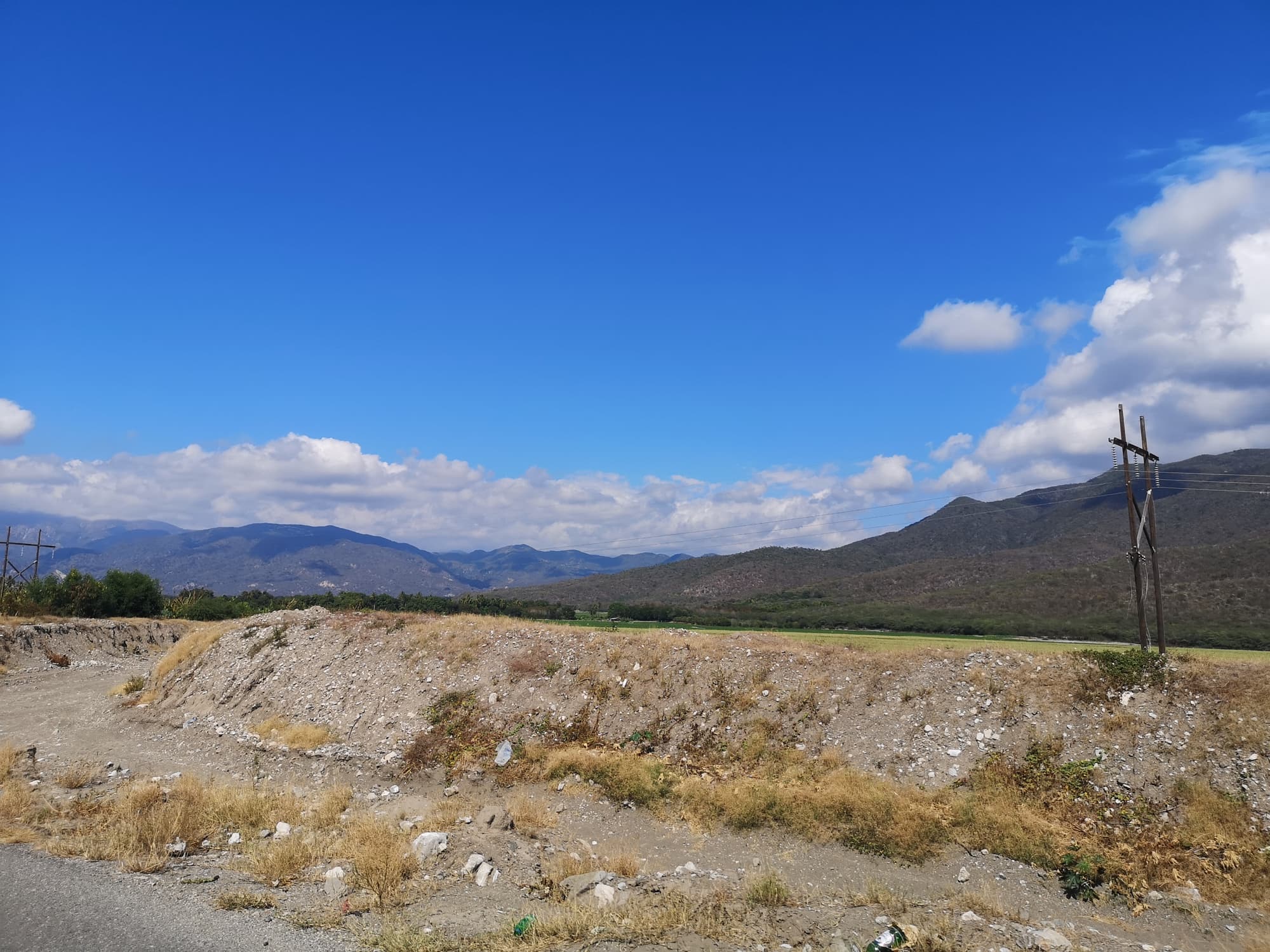
Showing 24 of 51 photos
Frequently asked questions
Not really. We could not find an international school in Barahona or nearby. The nearest are in Santo Domingo, including Carol Morgan, Saint George and Ashton, which is too far for a daily school run. For school-age families, Barahona is a place to visit rather than a place to live.
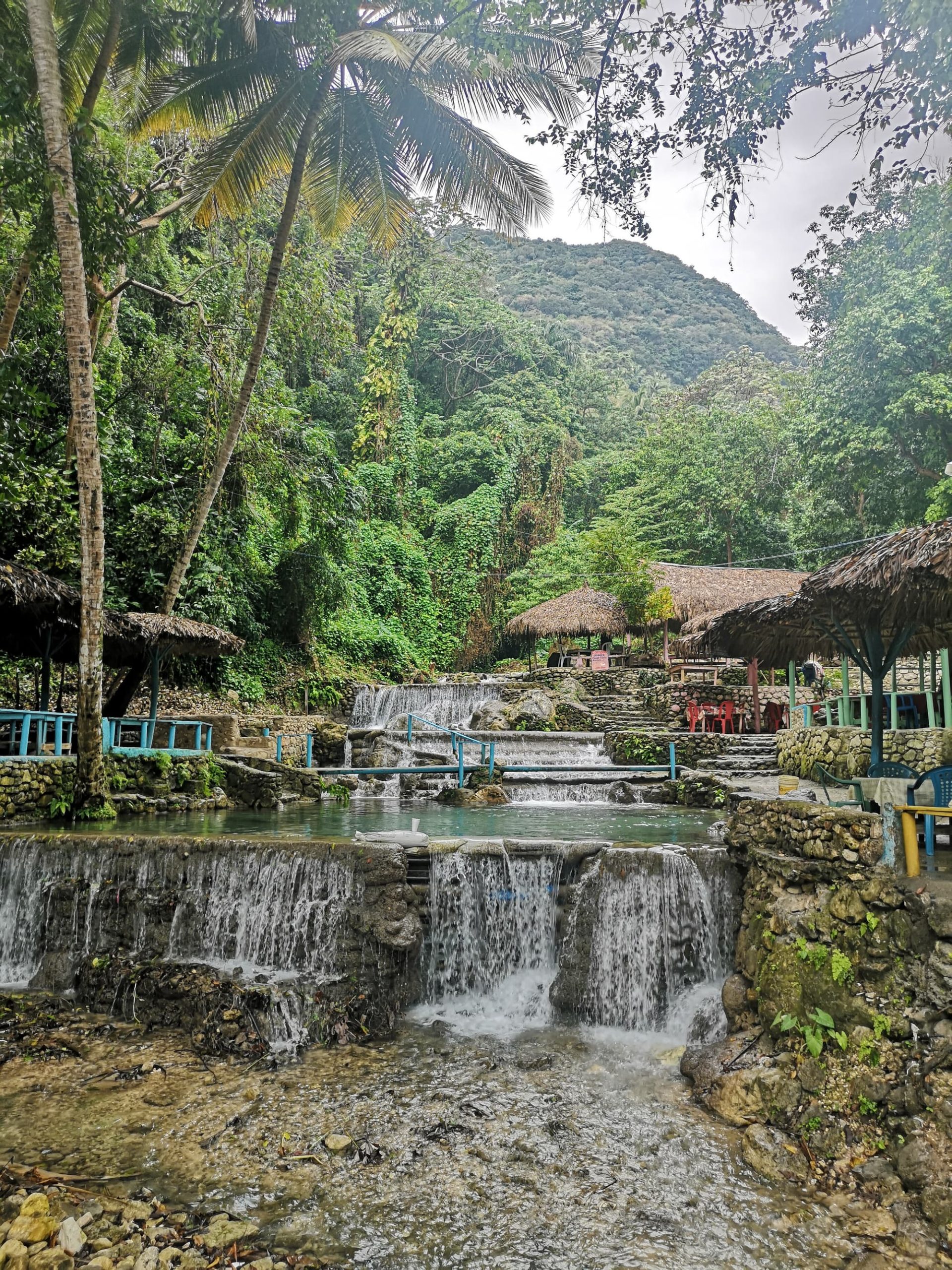
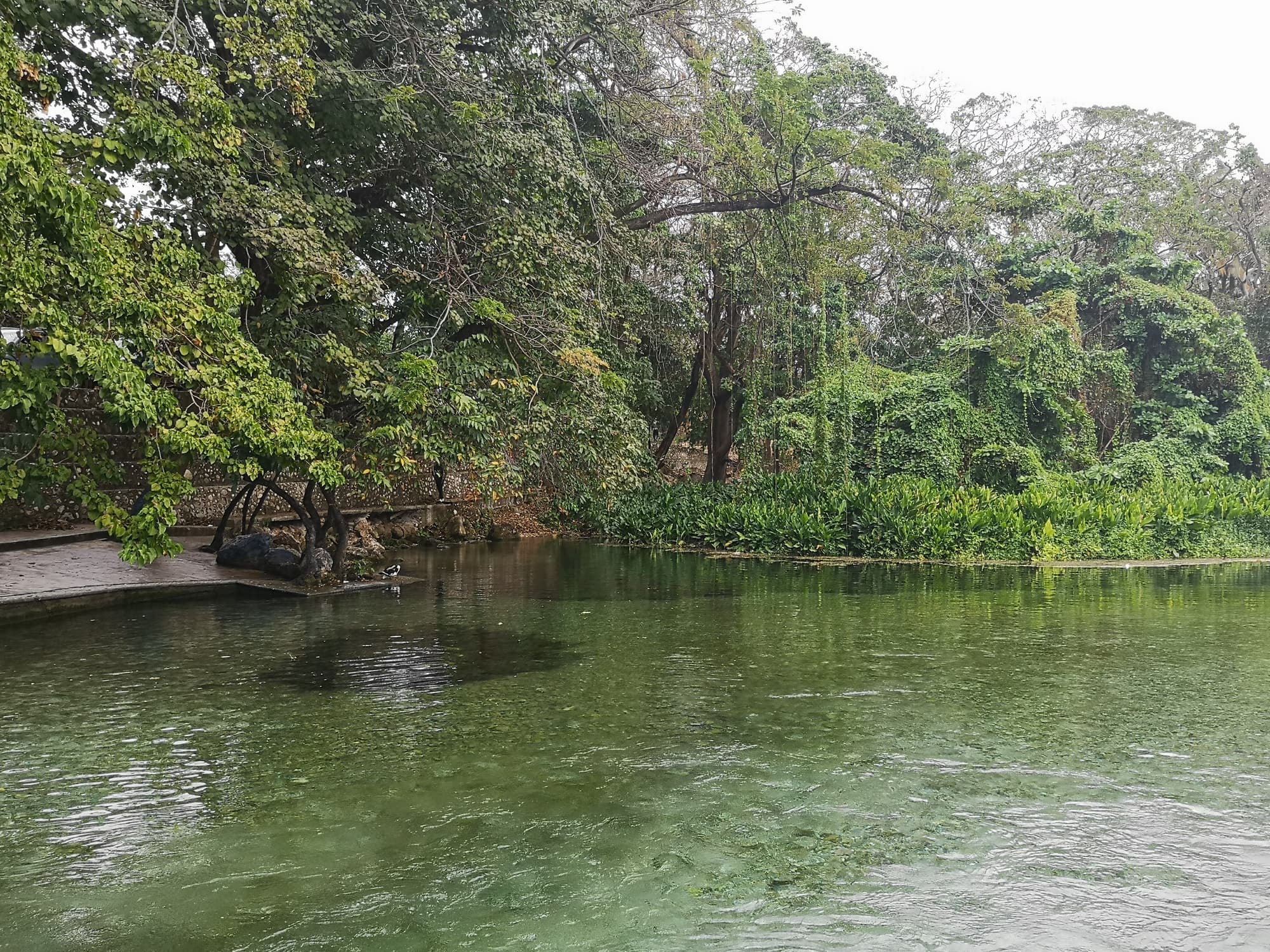
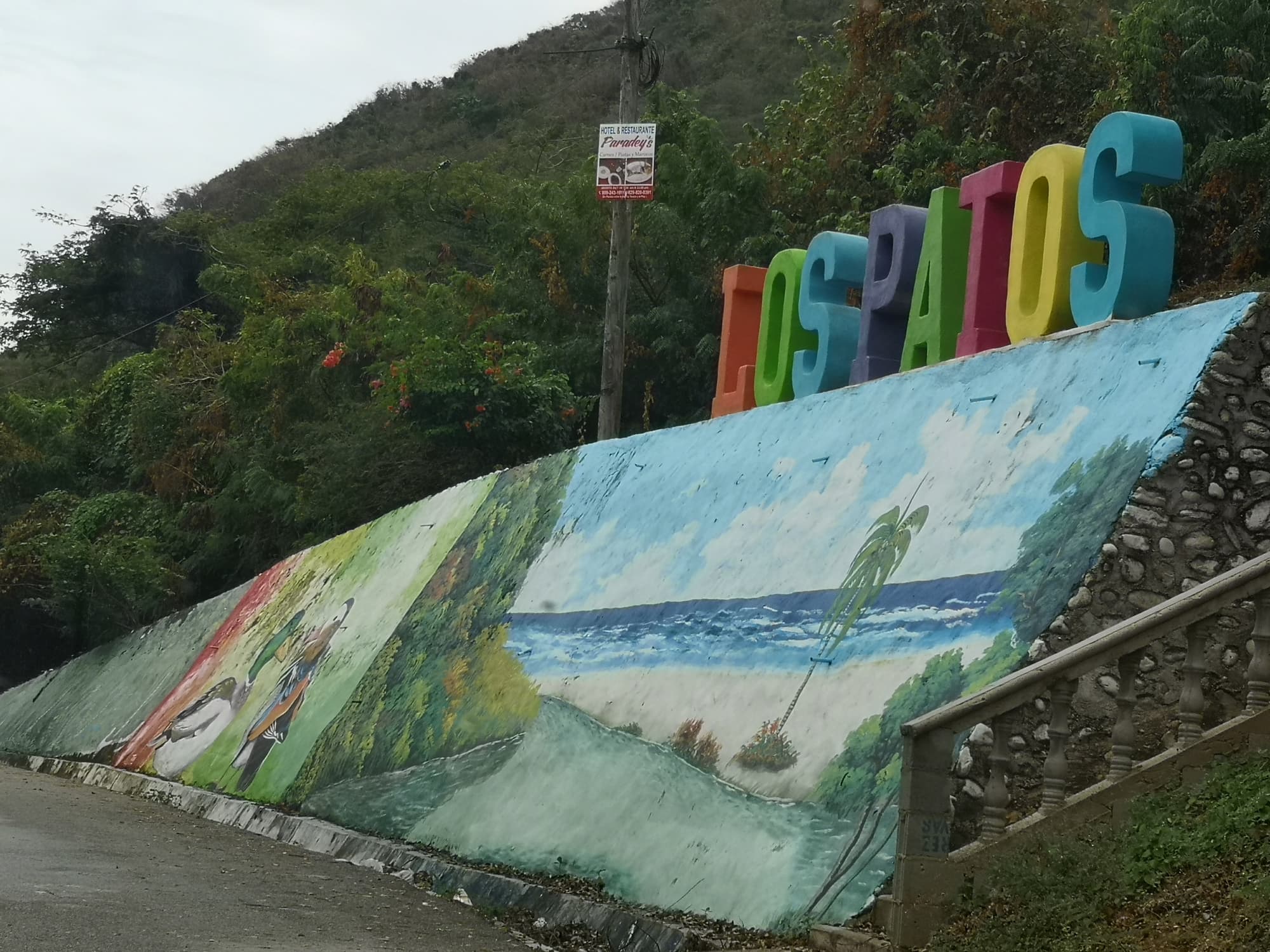
Bahía de las Águilas alone. It is an 8km white sand beach inside Jaragua National Park with no hotels, no vendors, and no development. You reach it by a 15 to 20 minute boat ride from La Cueva village at Cabo Rojo, near Pedernales. Add Lago Oviedo with rhinoceros iguanas and flamingos, the freshwater springs at Los Patos where you can swim, and active larimar mines you can visit, and there is nothing else in the Caribbean quite like it. The scenery in the southwest is genuinely unlike anything on the north or east coast.
It is affordable and authentic but requires real compromise. Internet is functional but unreliable for serious remote work. Spanish is essential because there is no English-speaking expat infrastructure. Healthcare is basic locally; anything serious means driving to Santo Domingo. The trade-off is cost, around $700 to $1,100/mo for a comfortable life, and access to extraordinary nature that most foreigners never see.
Drive to La Cueva (Las Cuevas) village at Cabo Rojo, about 20 km and 20 to 30 minutes south-east of Pedernales town. From La Cueva, take a local boat to the beach, around 15 to 20 minutes each way. There are no facilities on the beach itself, so bring everything: water, food, shade. The boat operators in La Cueva are organised and affordable. Go early to avoid afternoon chop on the water.
Larimar is a blue pectolite stone found only in the southwest DR. The mines are in the mountains above Barahona near Baoruco. You can buy raw and polished larimar directly in Barahona town at a fraction of Santo Domingo prices. The quality varies, so buy from reputable shops or directly at the mining cooperative. It is the one genuinely DR-unique souvenir and Barahona is the best place to get it.
Better than it was, but still rough in places. The main highway from Santo Domingo to Barahona city is paved and takes about 3 hours. The coastal road south through Enriquillo to Pedernales is being rebuilt: the Barahona to Enriquillo stretch, with the new San Rafael viewpoint, was still under construction in 2026 with completion promised for late 2026 or early 2027, and the El Derrumbao landslide section can close after heavy rain. Tracks into the national parks off the main route need a 4WD. The Cabo Rojo international airport outside Pedernales is now targeted for 2027. For now, budget extra time and have a reliable vehicle.