

Samaná offers a slower pace of life and spectacular natural surroundings including whale-watching season from January to March. The expat community is smaller than Las Terrenas but growing, and infrastructure has improved significantly in recent years. It rewards those willing to trade urban amenities for beauty.

Is Samaná right for you?
Samaná suits nature-oriented expats who want genuine beauty without the expat-town infrastructure and social scene. Retirees happy with limited dining options, whale-watching enthusiasts, and those who find Las Terrenas too commercial will appreciate it. It is not suitable for those who need regular medical access, want a social expat scene, or require reliable high-speed internet for demanding remote work.
What the scores mean
Samaná is moderately priced. Furnished apartments range from $500 to $1,000 per month depending on quality and proximity to the waterfront. The market is smaller than Las Terrenas, which means fewer options but also less price inflation driven by expat demand. Eating locally is very cheap.
Samaná is considered safe for a Dominican town of its size. The expat community is small and visible, and the town is not a heavy tourist destination, which reduces the petty crime that follows tourist concentration. Standard precautions apply.
Medical facilities in Samaná are limited to a regional government hospital and a small number of private clinics. Quality is basic. For any significant procedure or specialist care, residents travel to Santo Domingo (4 hours) or Santiago (3 hours). This is the most important limitation to understand before relocating here. Named facilities: Centro Medico Siglo 21 and Centro Medico Dr. Abel Gonzalez are private options in town. Serious cases mean about 3 hours to Santo Domingo, so medical evacuation insurance is essential.
Internet in Samaná has improved significantly in recent years. Fibre is available in the town centre through Claro and Altice. Speeds of 20 to 60 Mbps are typical. Reliability is generally acceptable for remote work but less consistent than Las Terrenas or Cabarete.
Samaná's lifestyle centres on natural beauty rather than social scene or gastronomy. Whale watching from January to March is world-class and genuinely unique. The peninsula has excellent beaches nearby. Dining options are limited but authentic.
Samaná town covers the basics: local supermarkets, a produce market, banks, pharmacies and hardware stores. It is functional rather than fancy, and for anything beyond everyday needs you are driving to Las Terrenas or making the long run to the capital.
Monthly budget breakdown
Map of Samaná
Neighbourhoods in Samaná
Samaná Town
The main port town and administrative centre. Bay views, waterfront restaurants, and the main ferry terminal.
Las Galeras
Remote beach village at the tip of the peninsula. One of the most beautiful and isolated spots in the DR.
Las Terrenas
The peninsula's largest expat hub, 1 hour by road from Samaná town. Treated as a separate region in this index.
El Valle
Agricultural village in the peninsula interior. Very local, very cheap, rarely visited by foreigners.
Portillo
Beach area between Samaná and Las Terrenas. Some boutique hotels and rental villas. Quiet and rural.
Living in Samaná: the honest picture
What works well
- World-class whale watching January to March
- Genuinely beautiful bay and surroundings
- Quieter and more authentic than tourist-heavy areas
- Improving infrastructure
- Lower cost than Las Terrenas
Watch out for
- Thinner services than Las Terrenas: fewer specialists, shops, and English-language support
- Smaller expat community
- Limited dining variety
- Medical facilities are basic
- Roads to other cities are long
- Fewer rental options
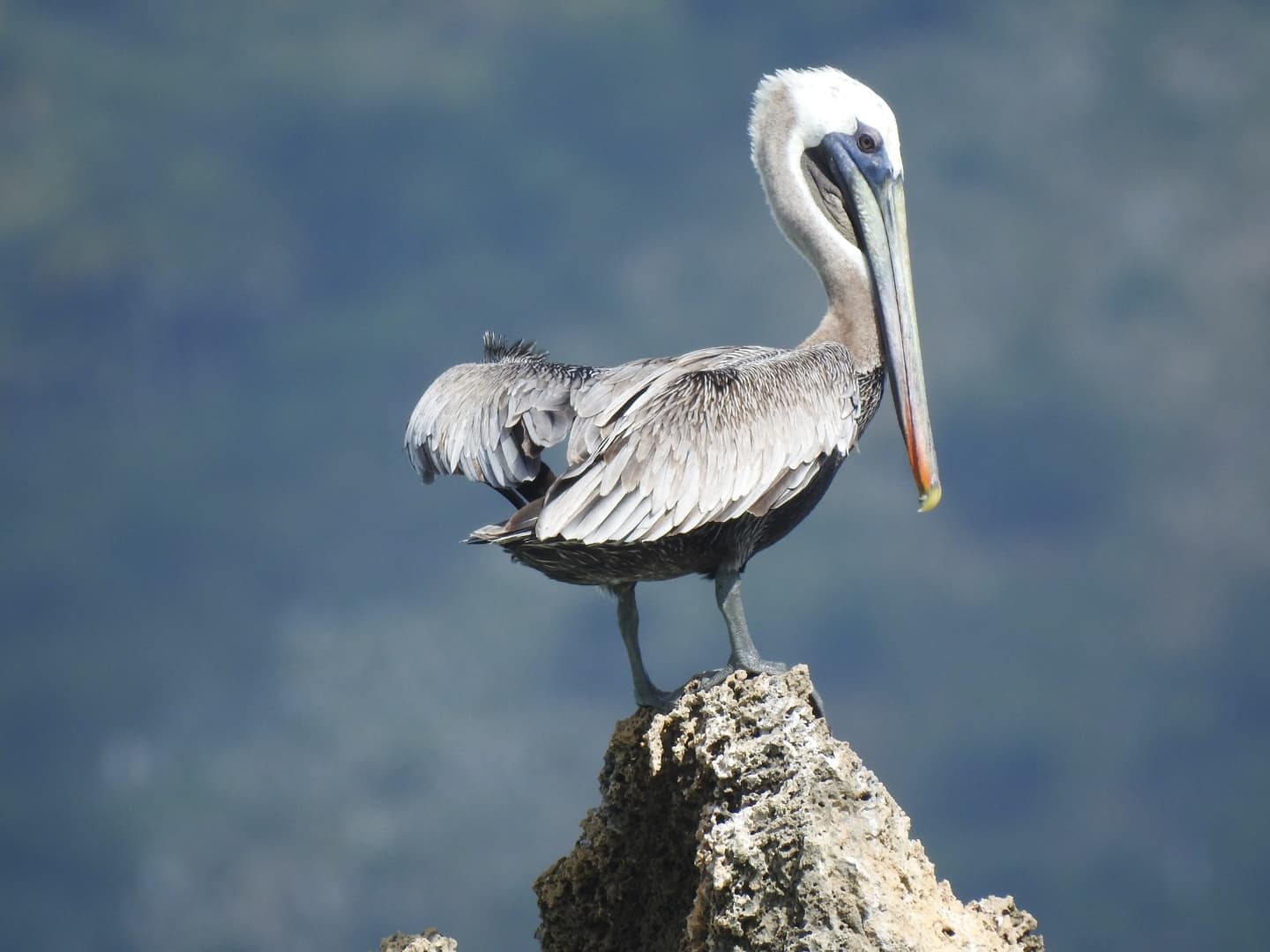
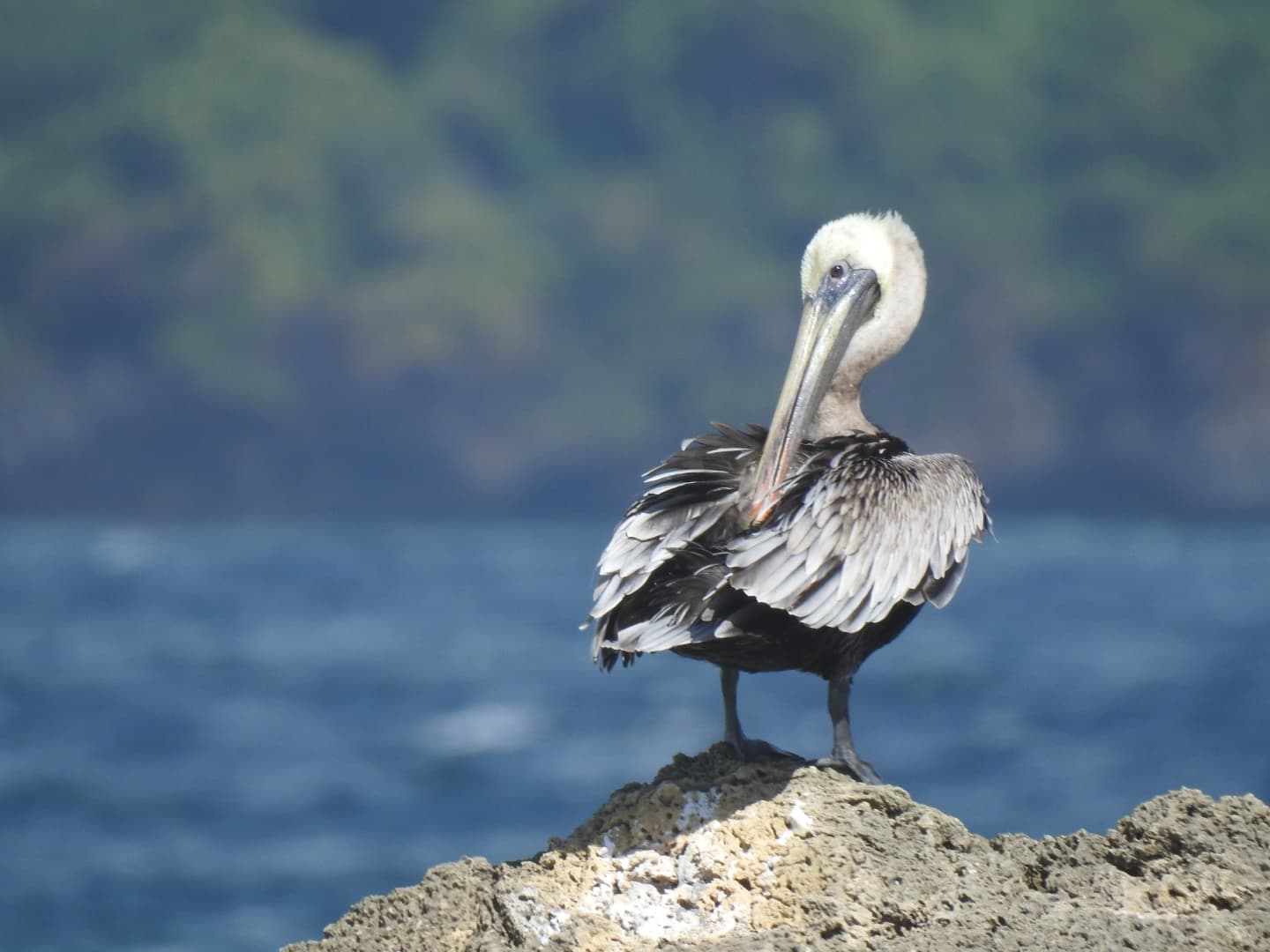
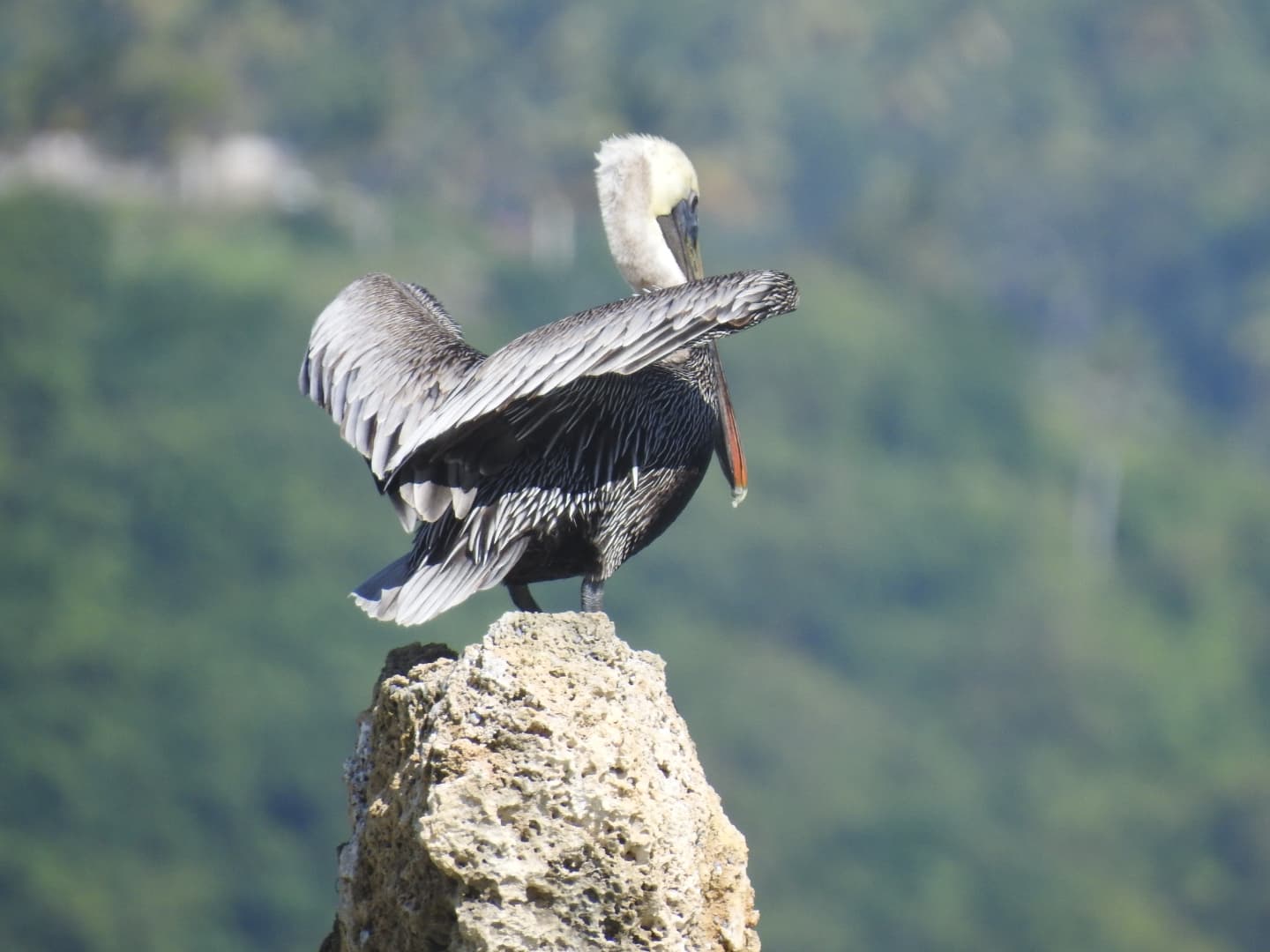
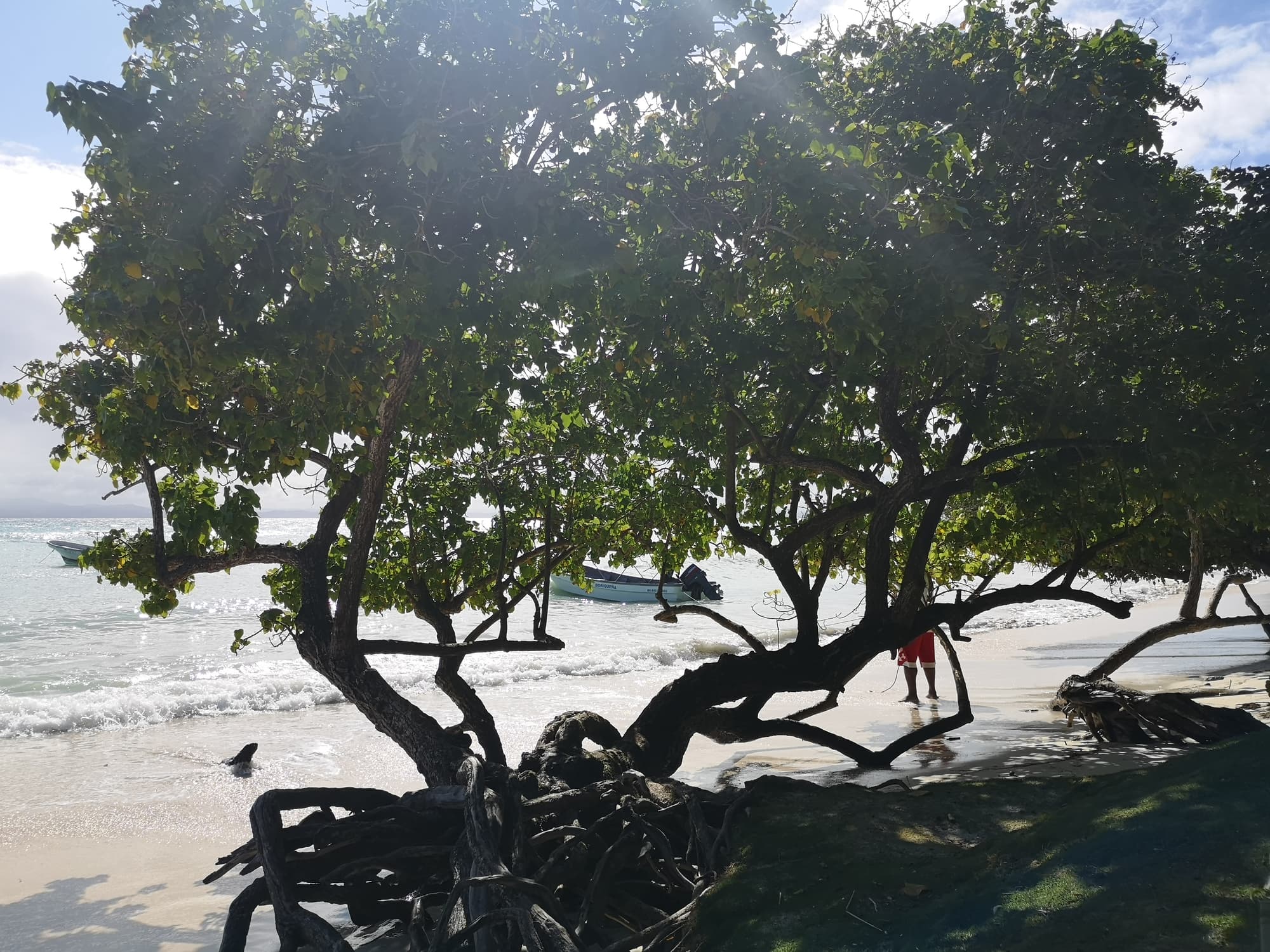
Photos from Samaná
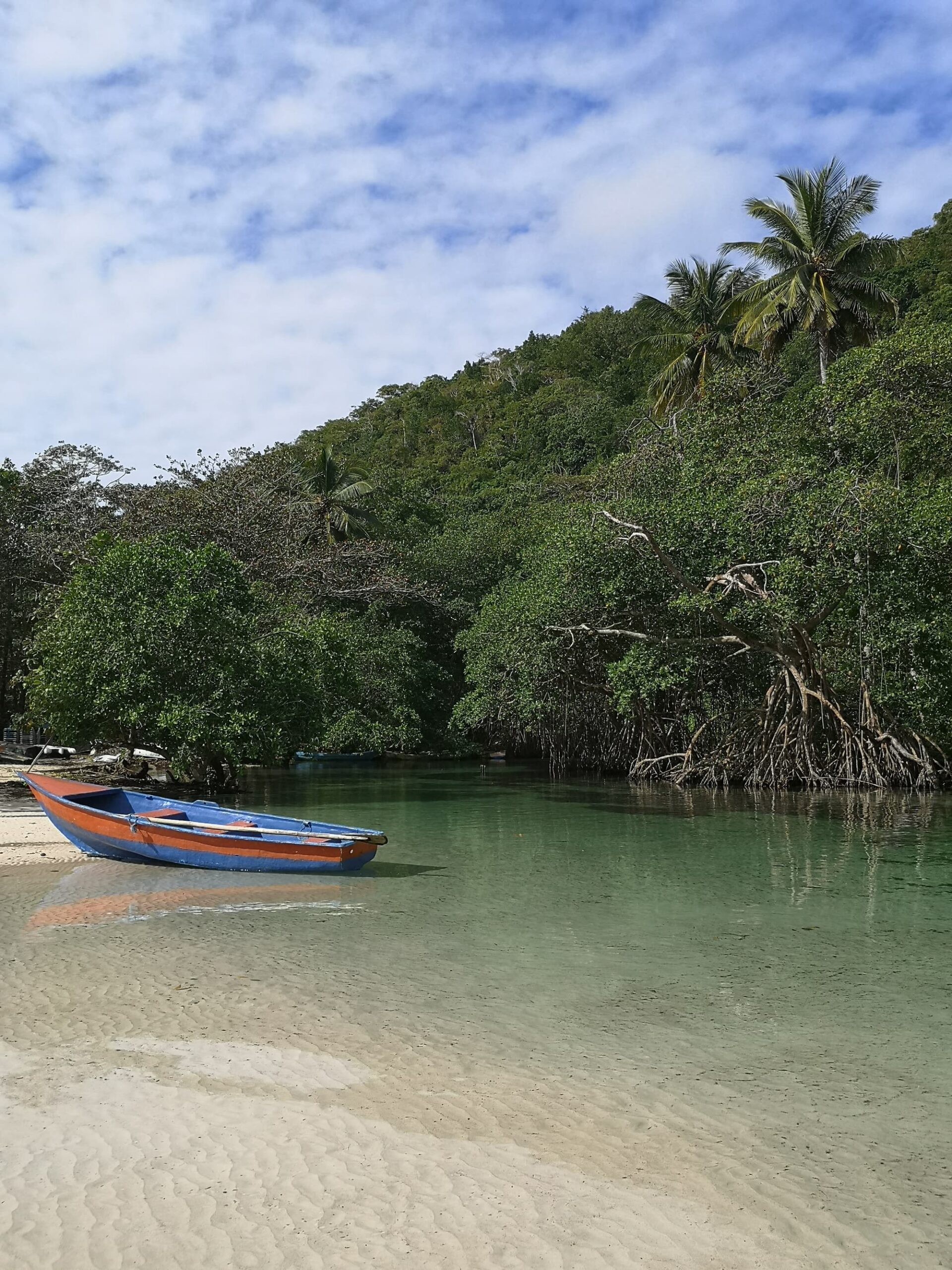
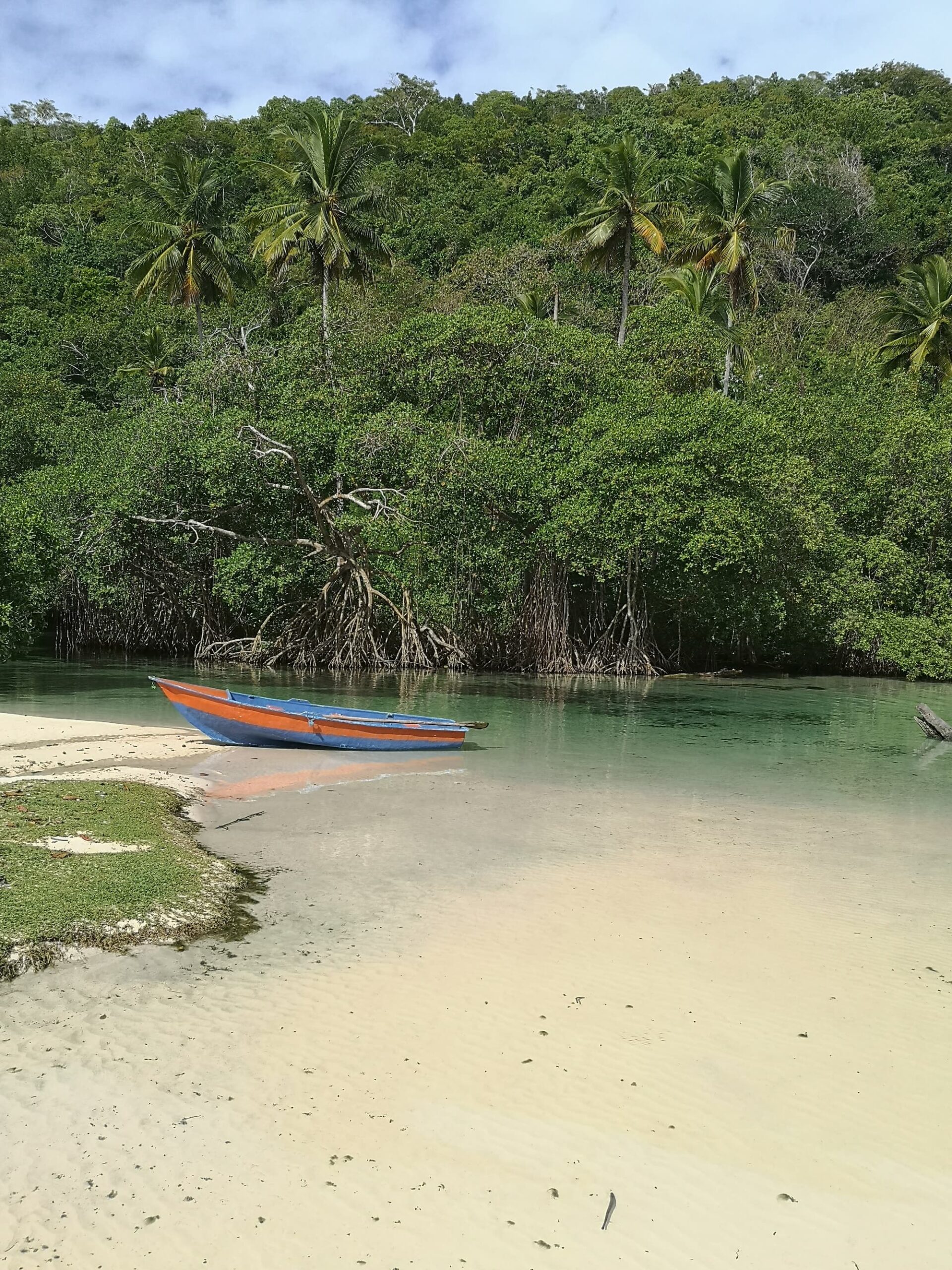
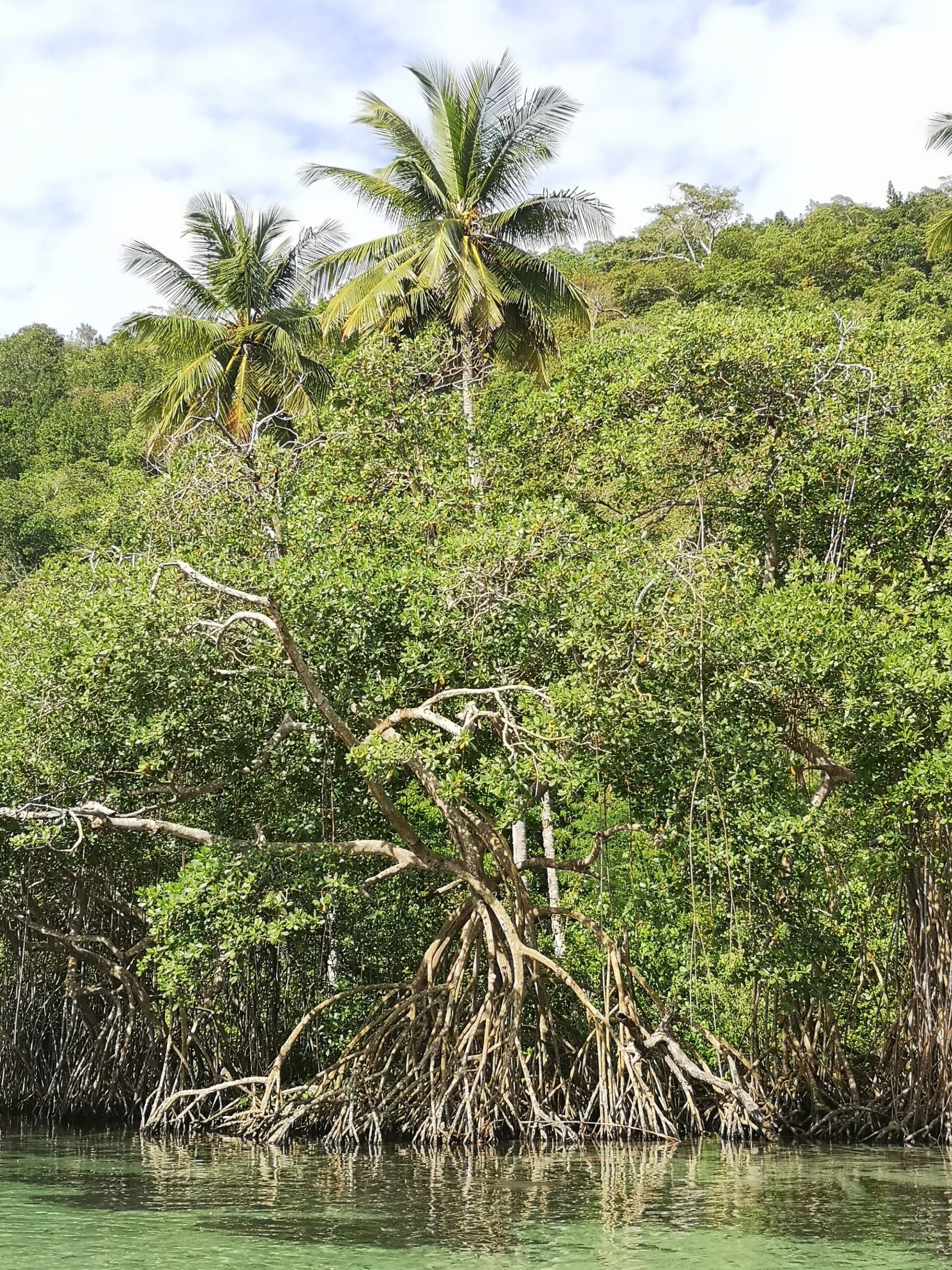
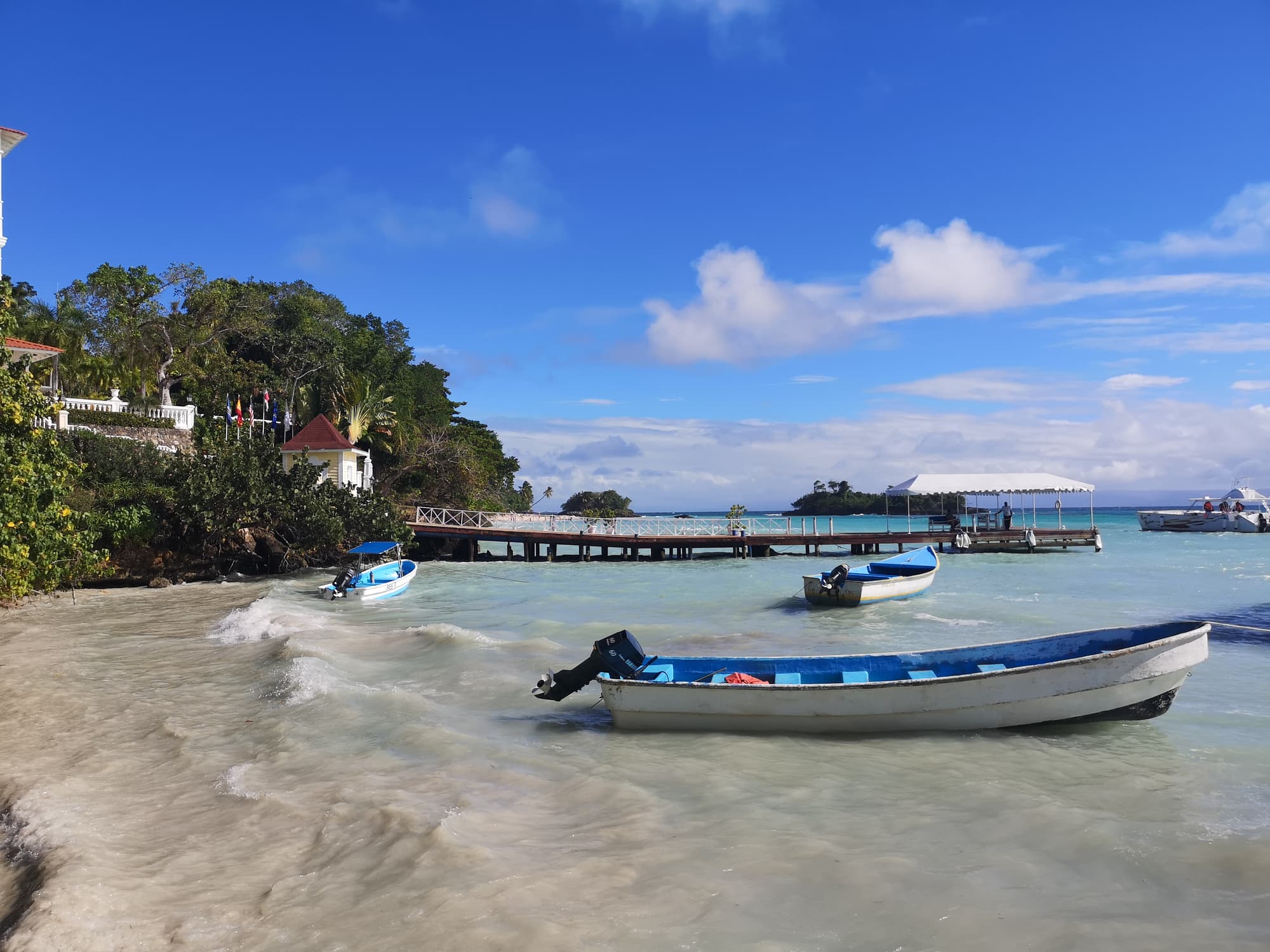
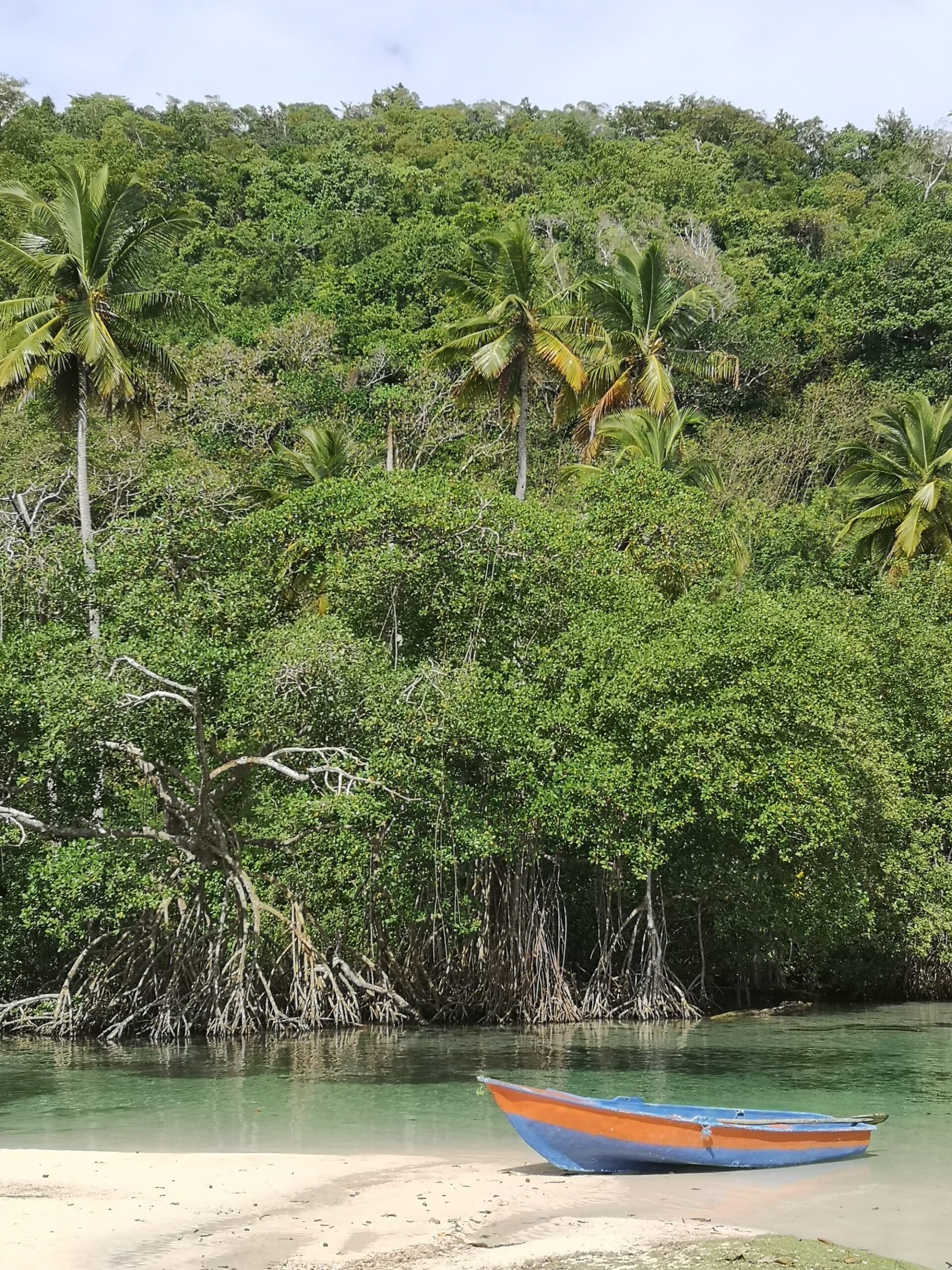
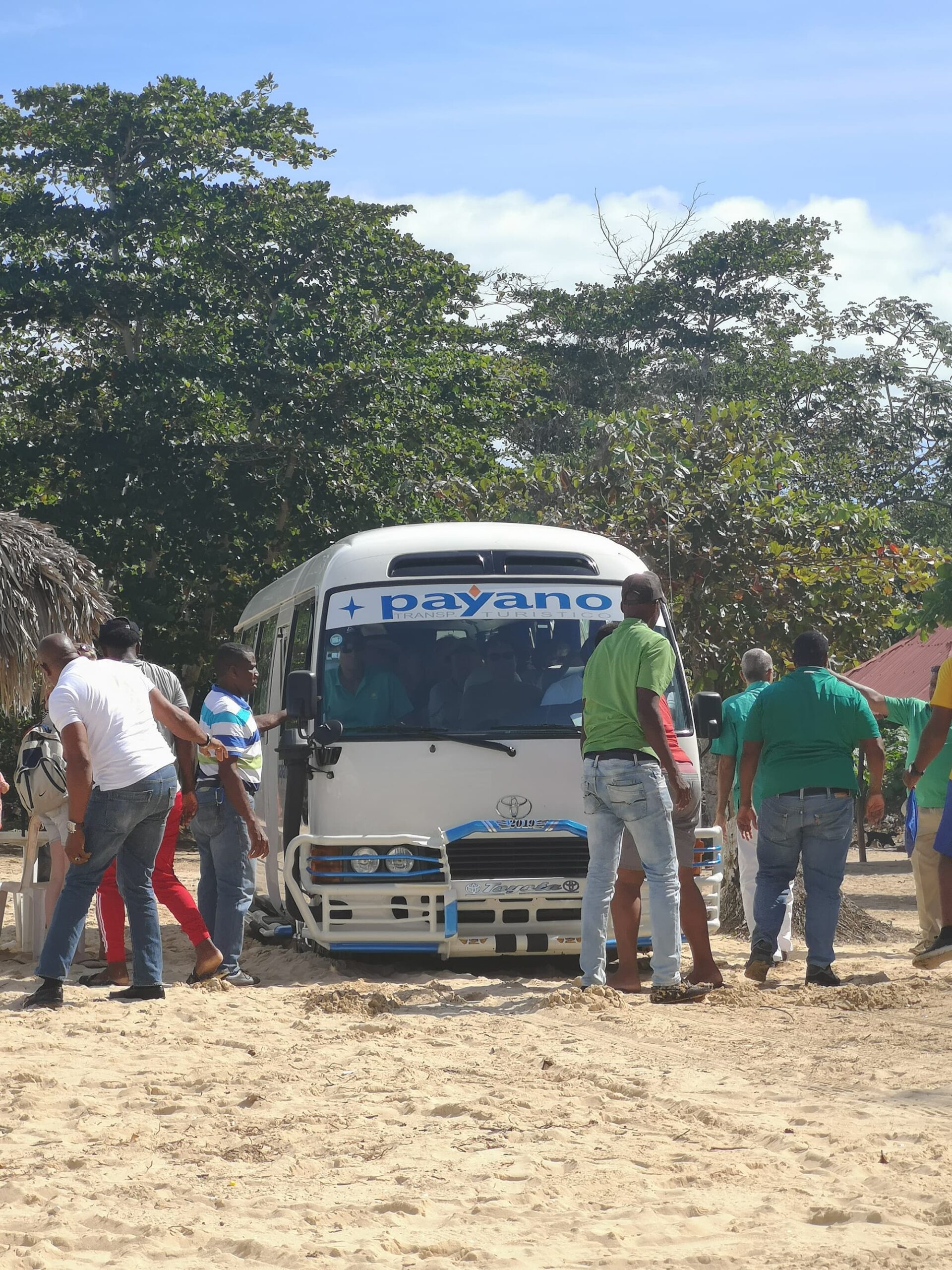
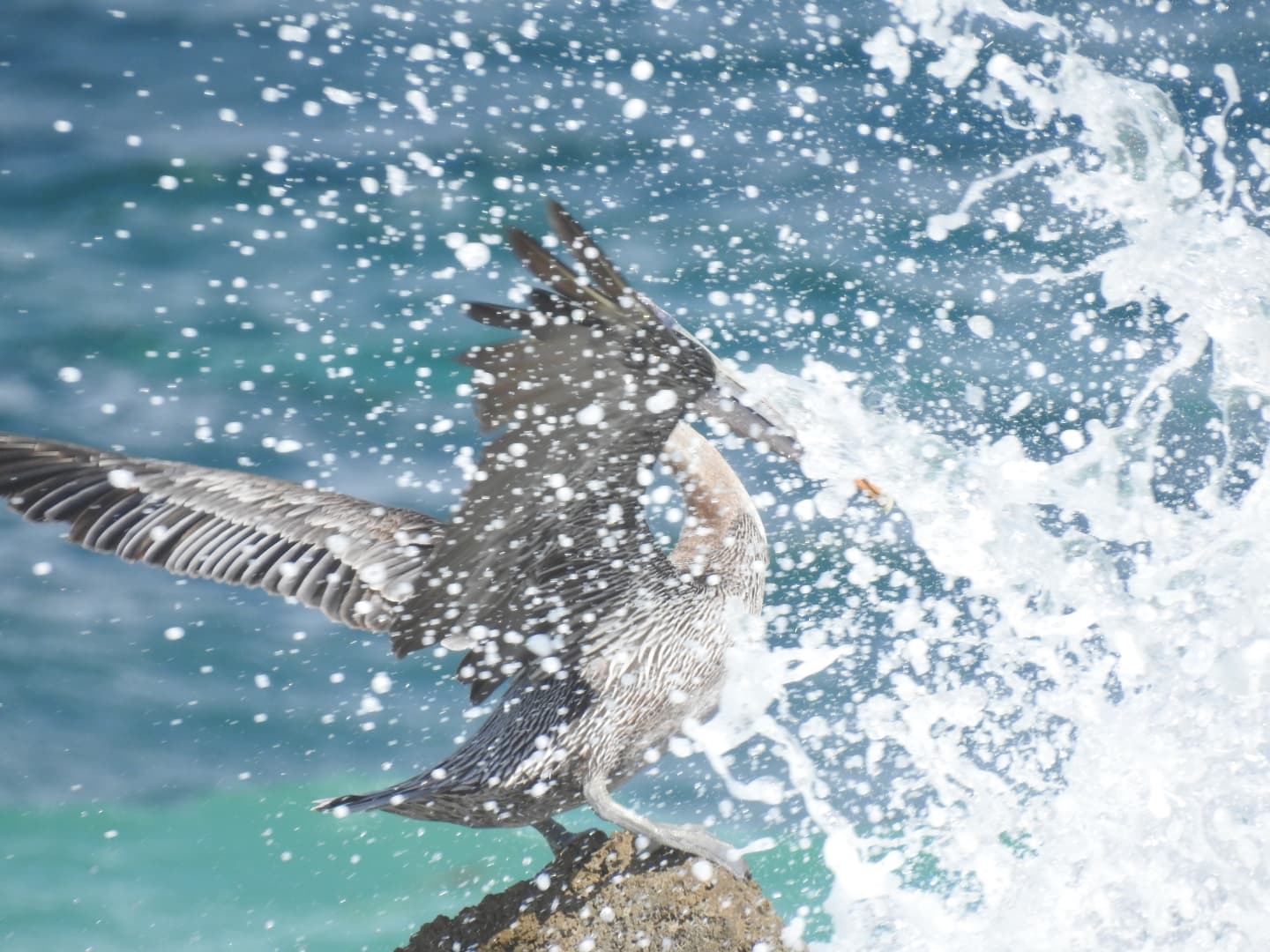
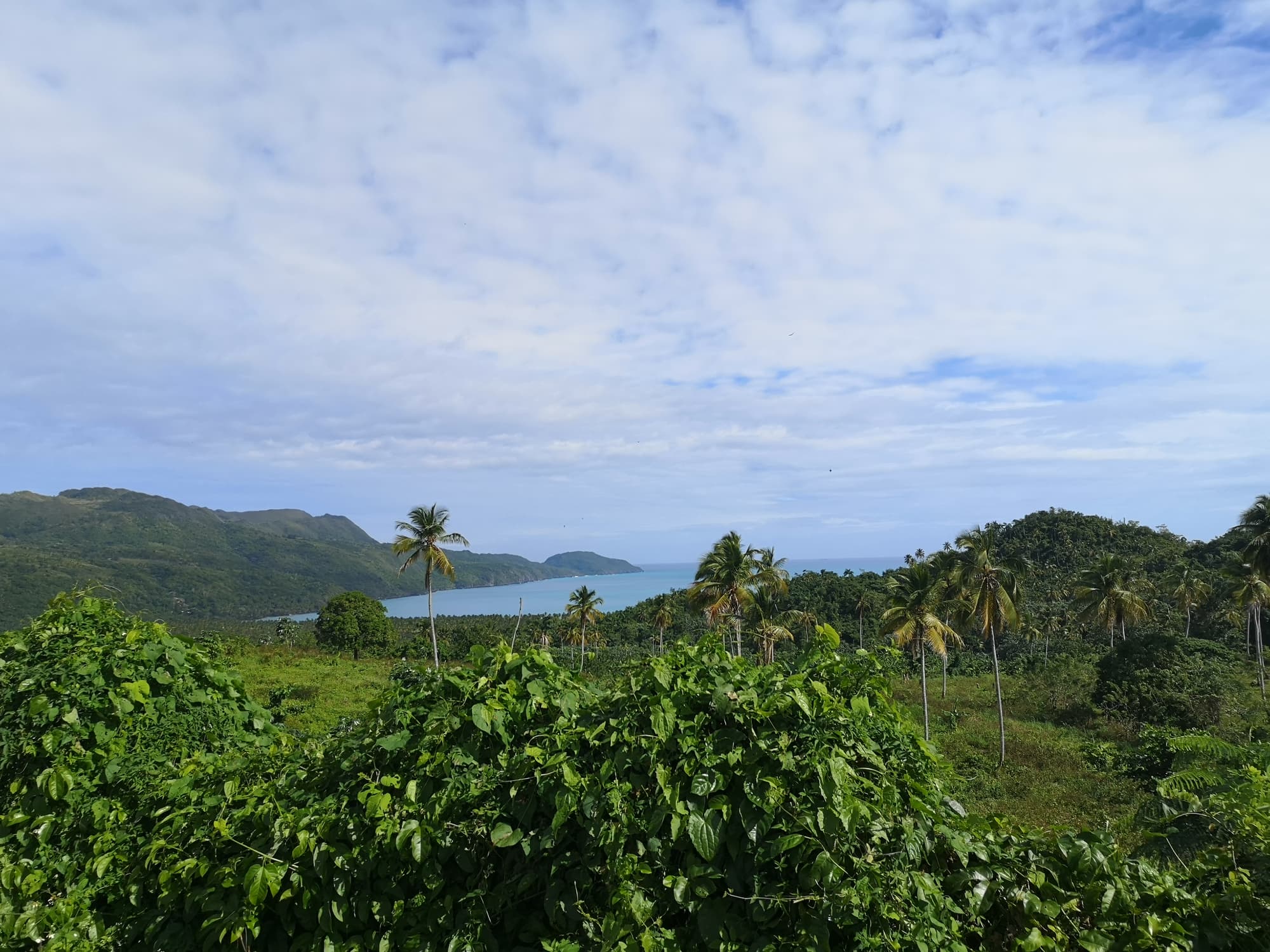
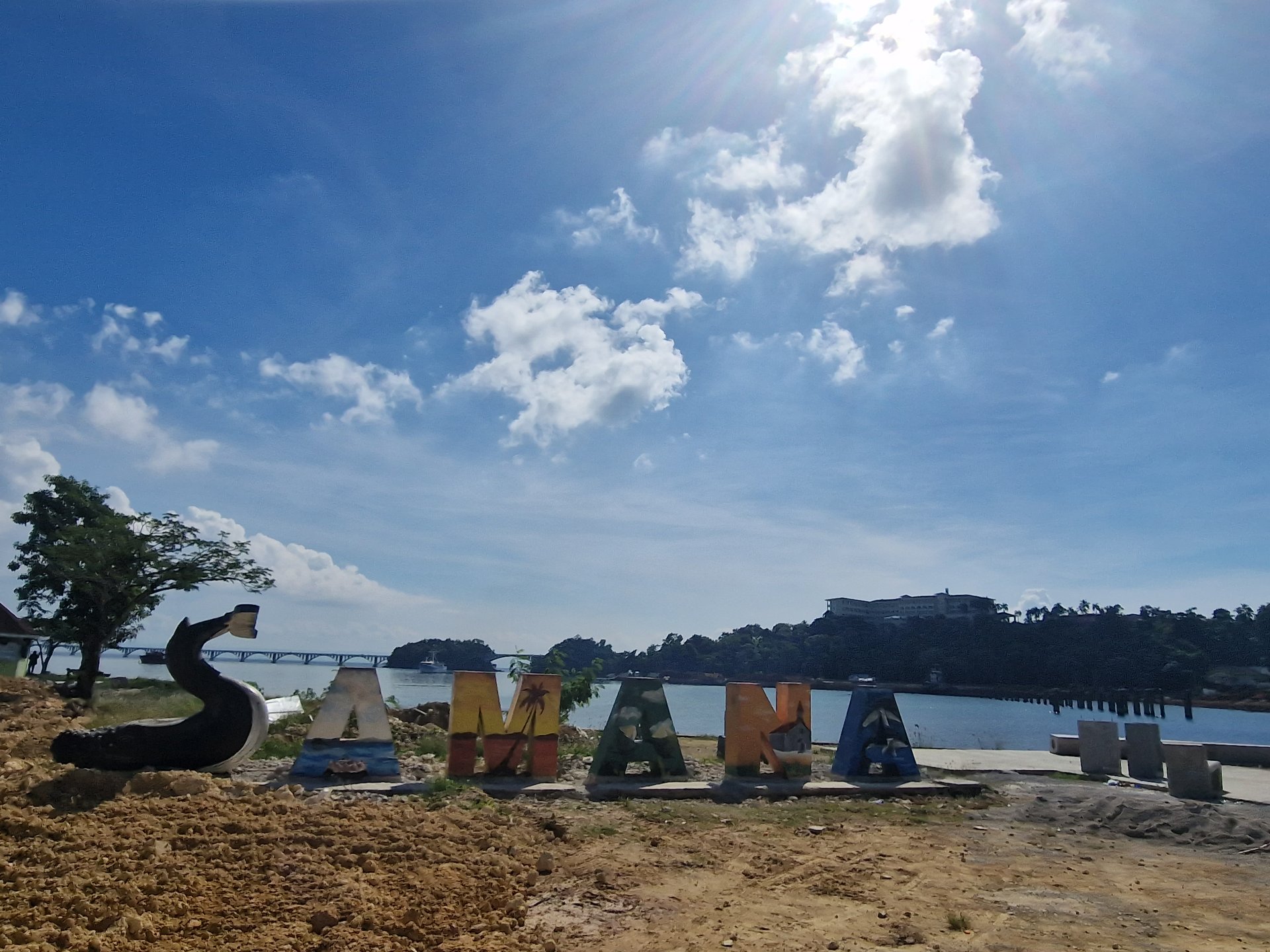
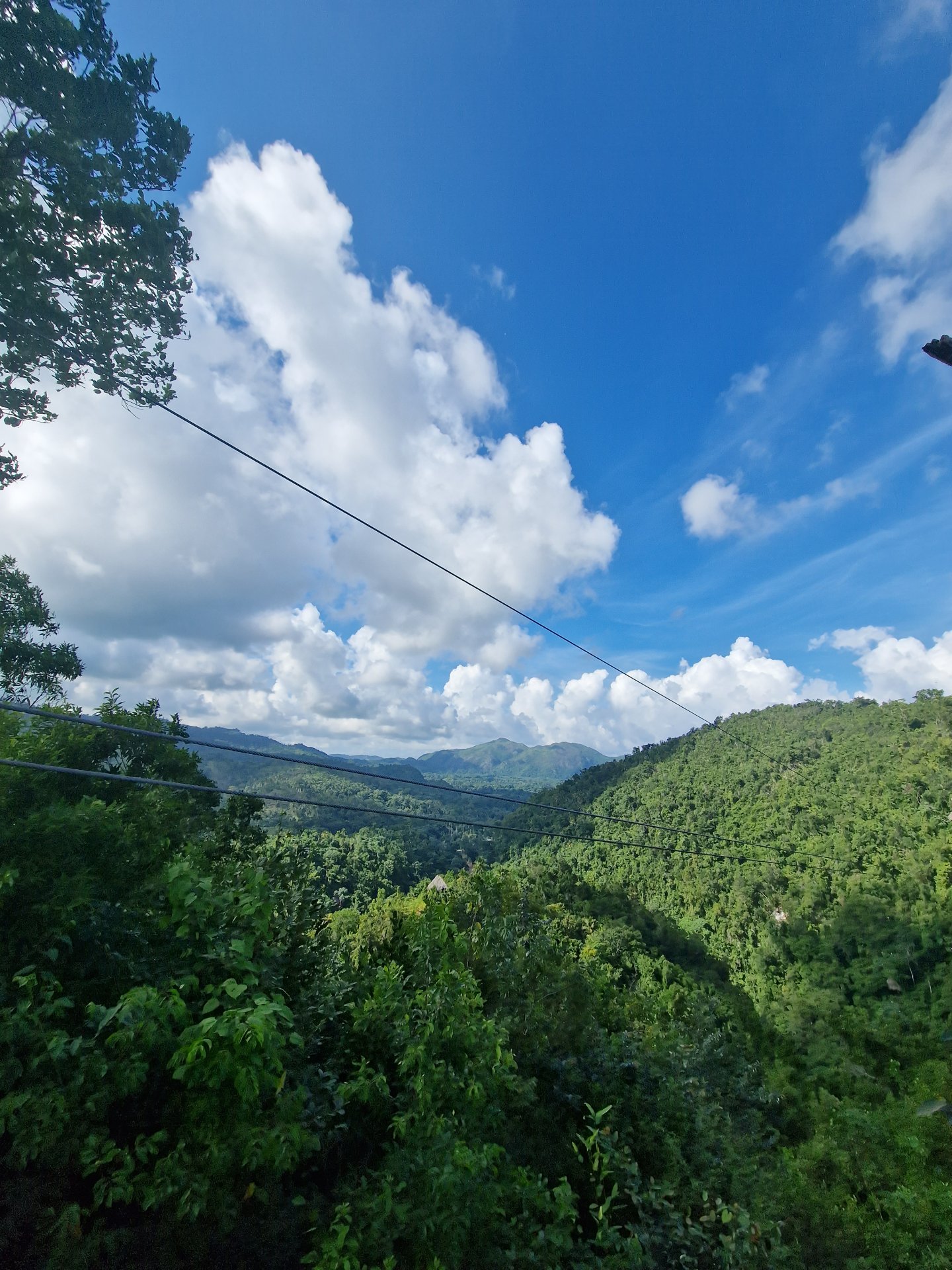
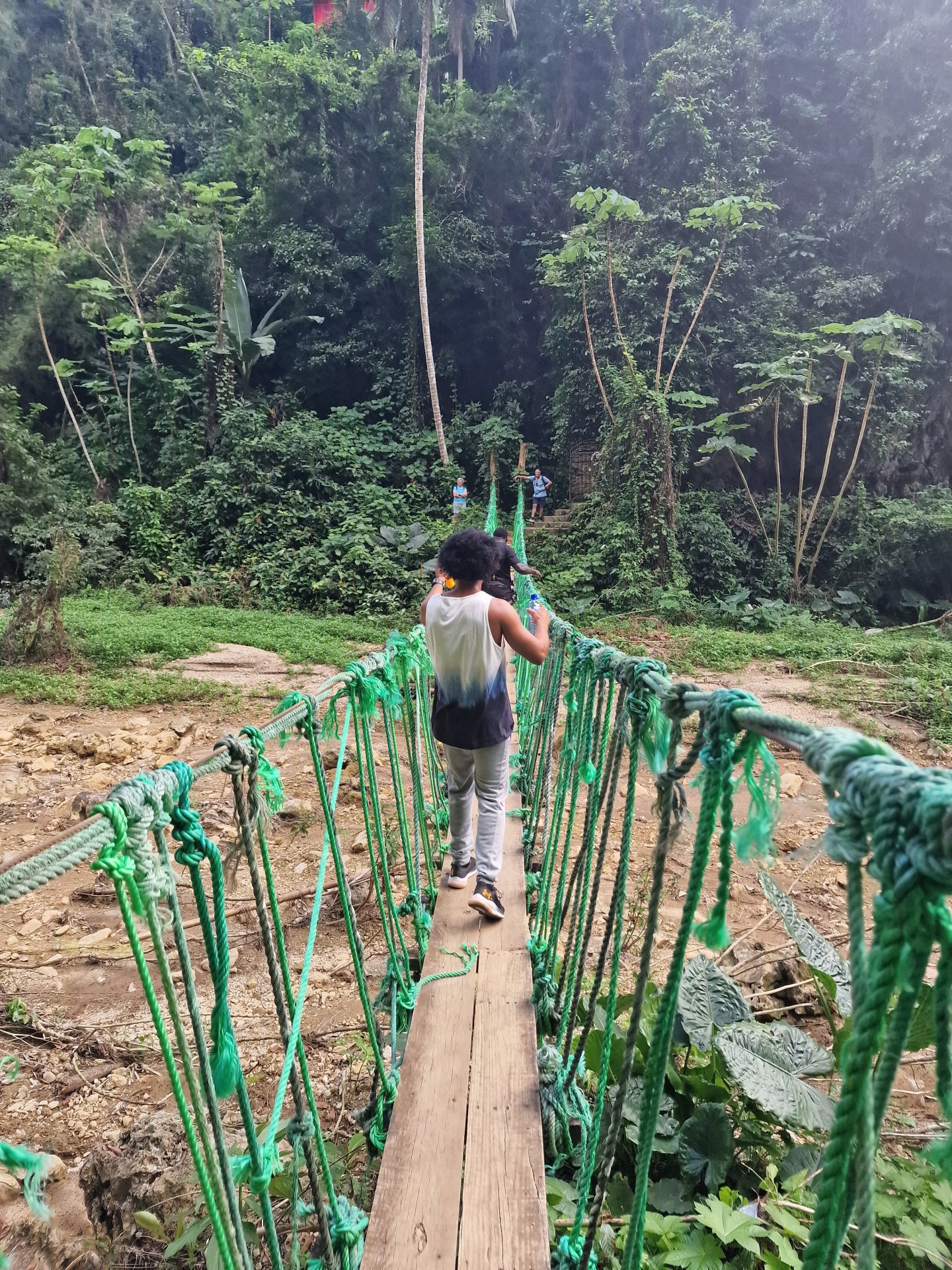
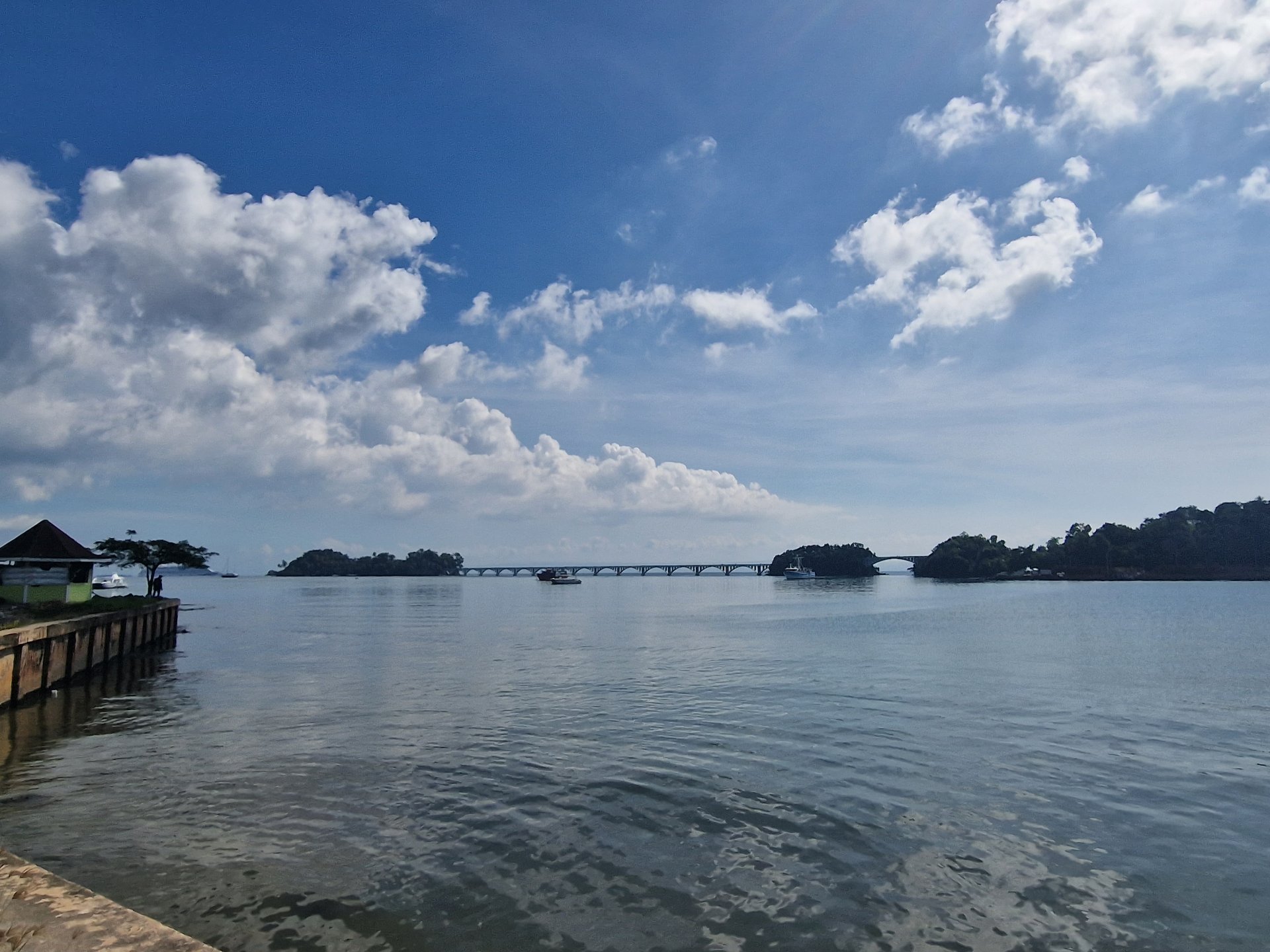
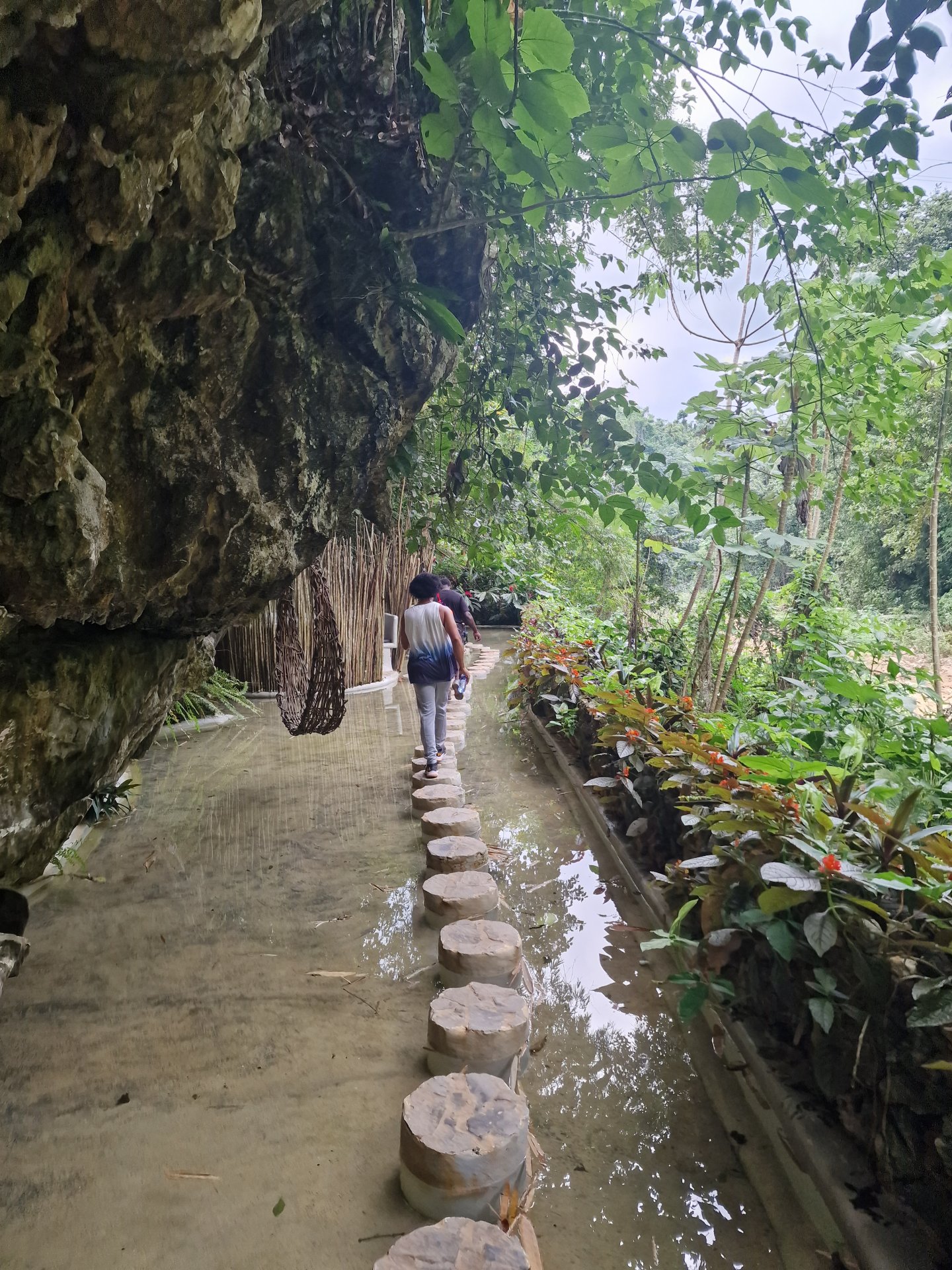
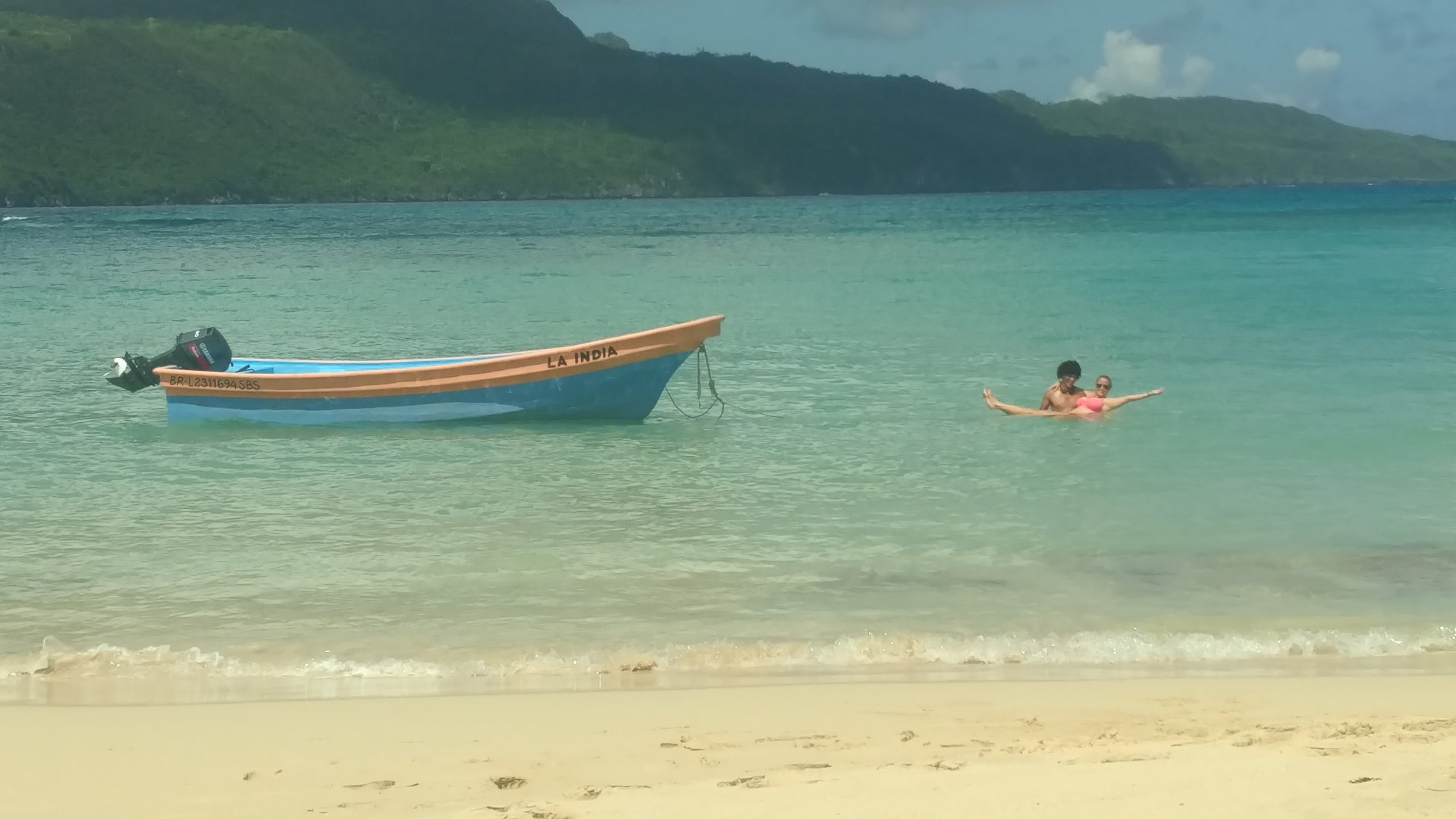
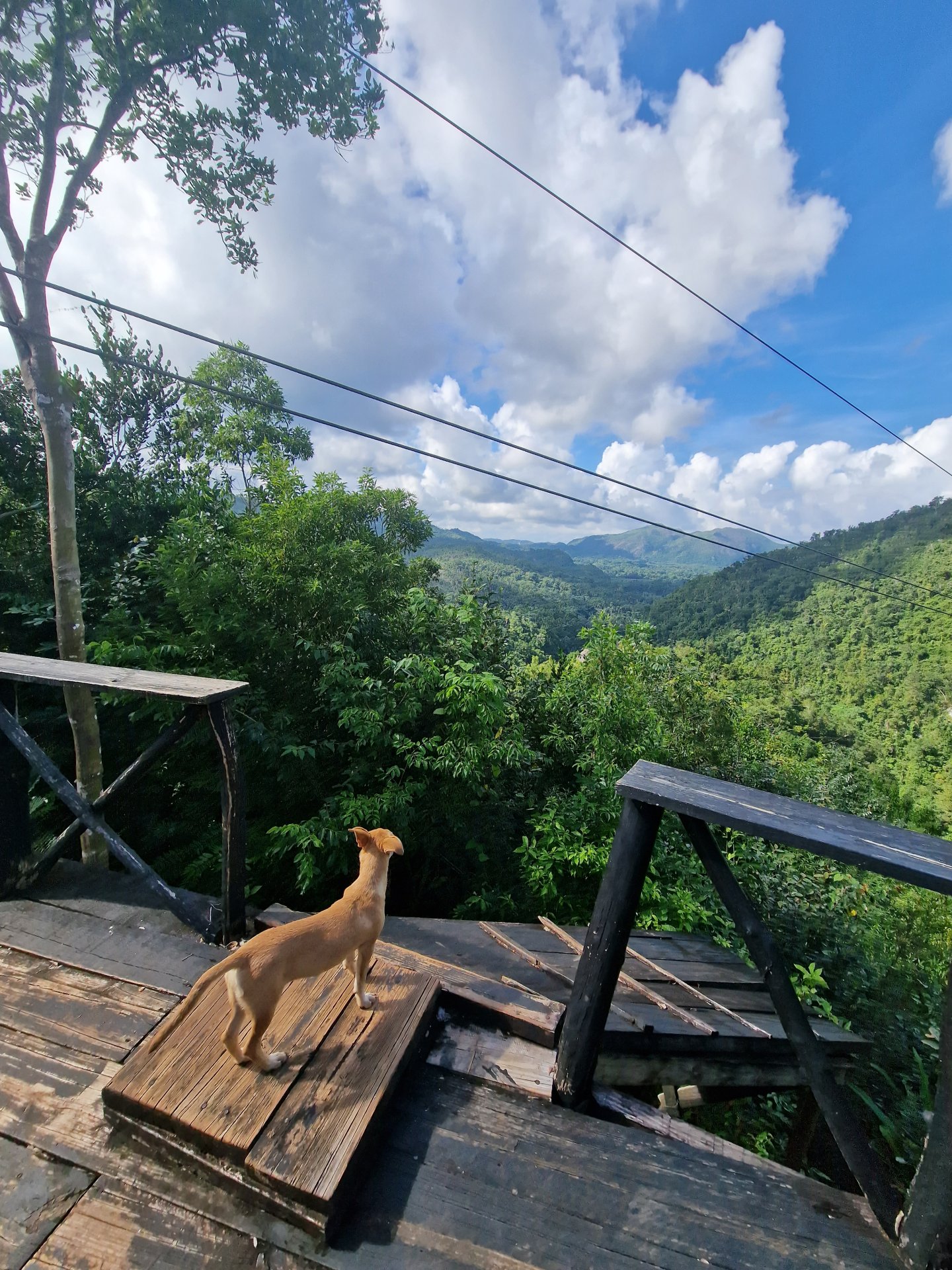
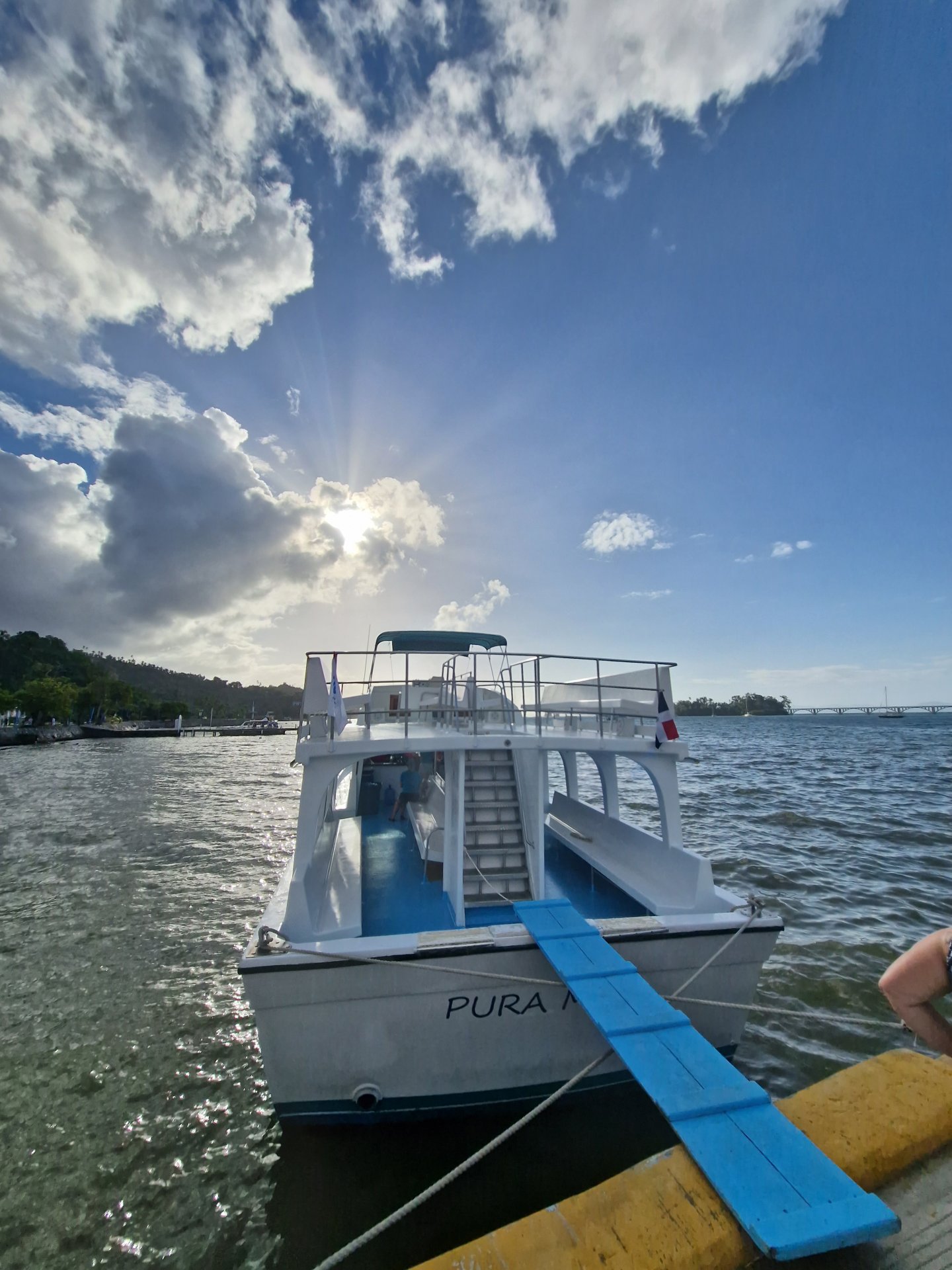
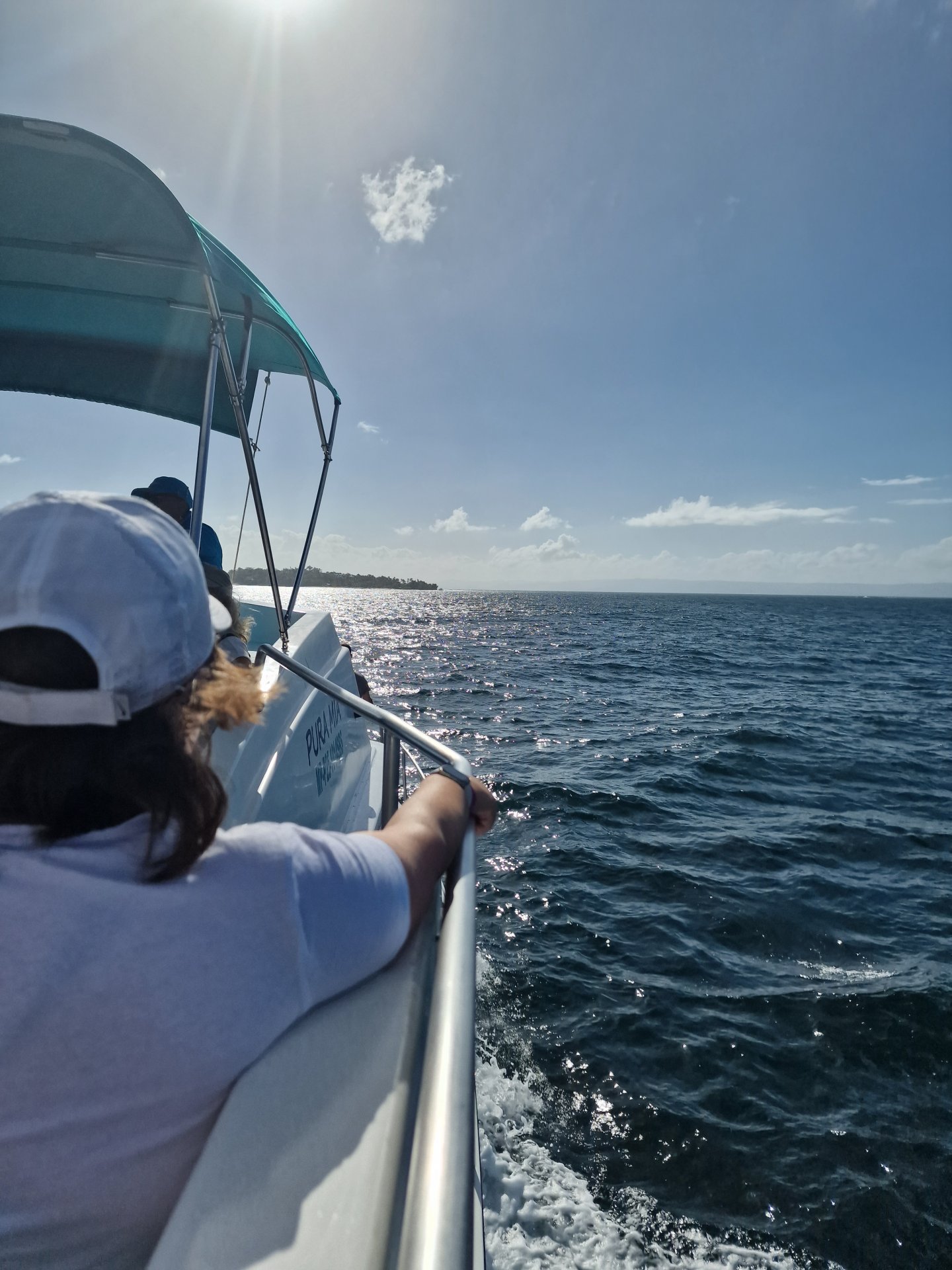
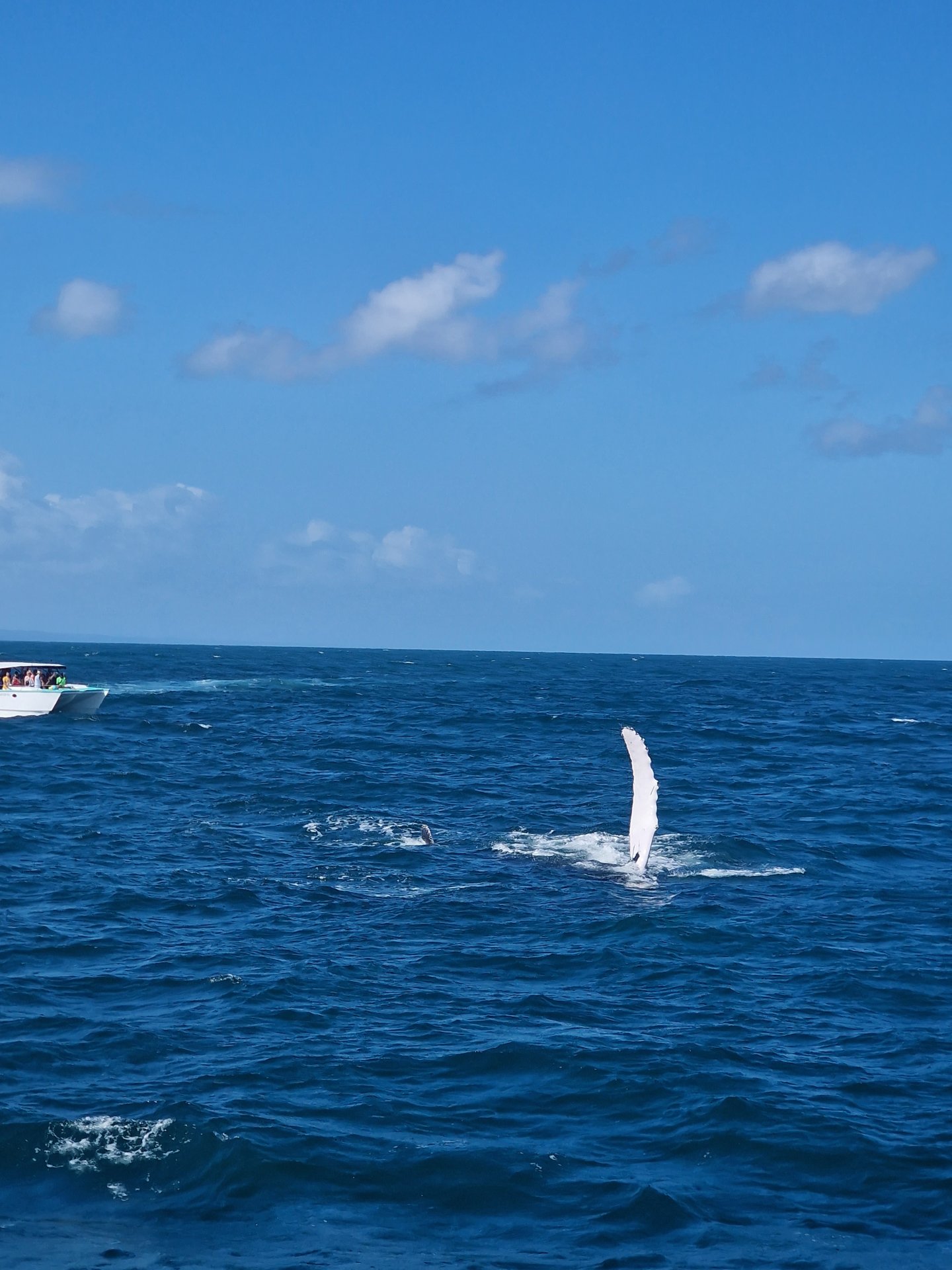
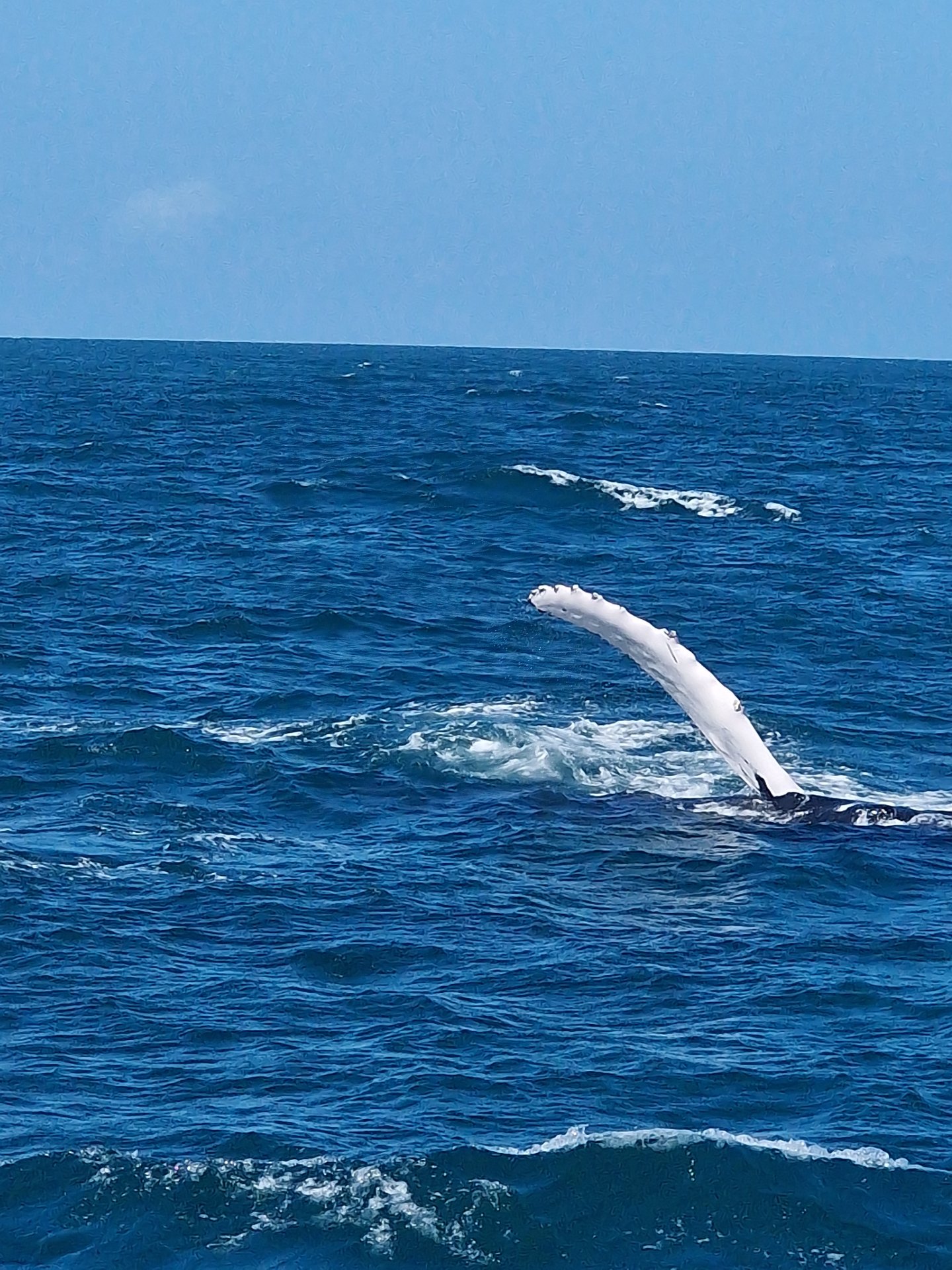
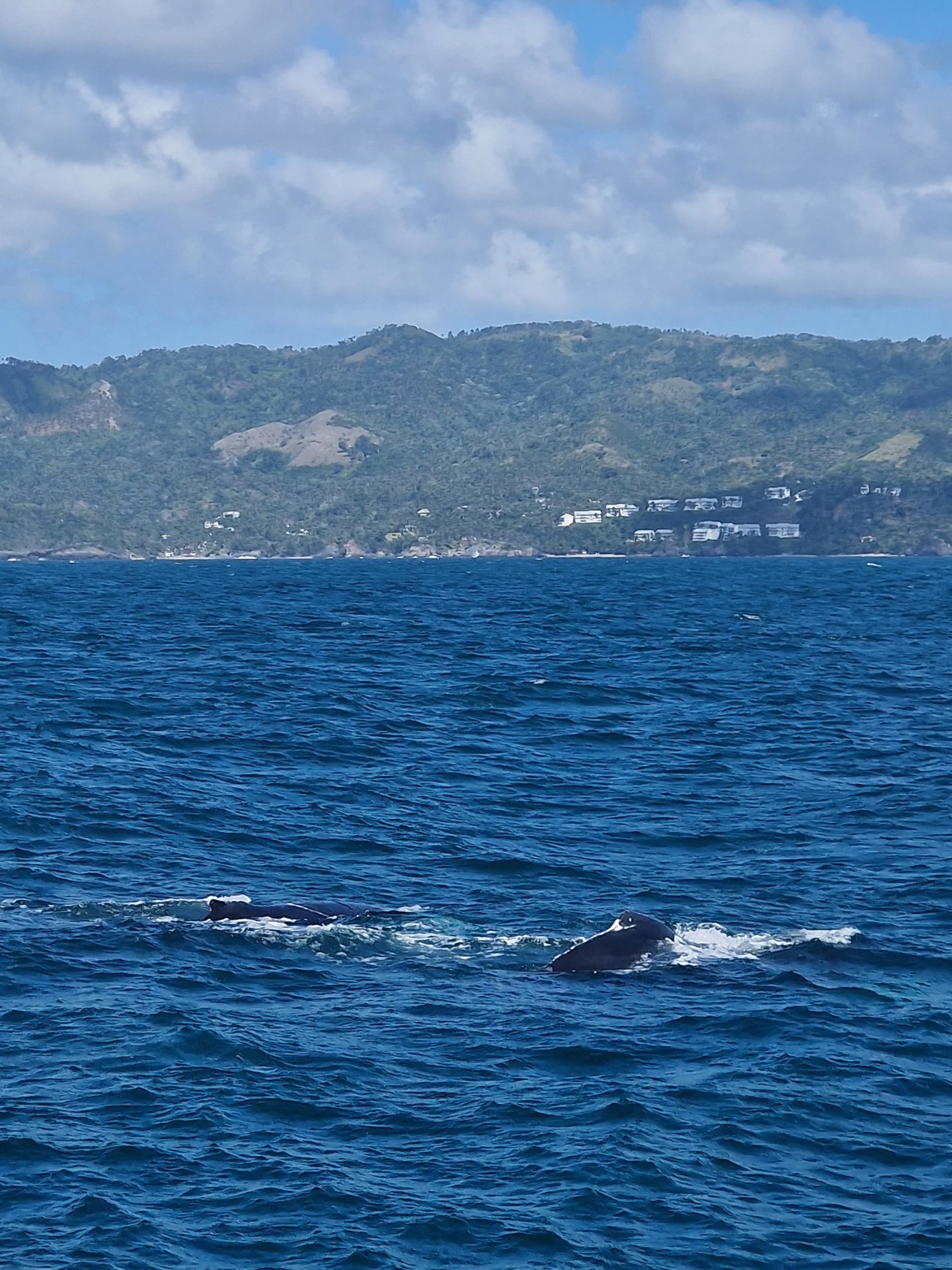
Showing 24 of 43 photos
Frequently asked questions
January through March is the window. Samaná Bay is one of the top humpback breeding grounds in the Atlantic, and up to 2,000 whales come through each season. Tours leave from the Samaná waterfront daily and typically run 2 to 3 hours. Kim Beddall's Whale Samaná is the most reputable operator and has been running tours since the 1980s. Book in advance in February, which is peak month.
Quieter, smaller, and cheaper. Samaná town has a functioning waterfront, local restaurants, and basic services, but it does not have the European-restaurant scene or polished expat infrastructure of Las Terrenas. The trade-off is lower cost, around $1,000 to $1,500/mo, and a more genuinely Dominican feel. Las Terrenas is 45 minutes away and easy to reach when you want more options.
Cayo Levantado, also called Bacardi Island, is a small island in Samaná Bay with white sand beaches and clear water. It was used in a famous Bacardi rum commercial in the 1970s. A resort now operates there, but day visitors can still come by ferry from Samaná waterfront. It is worth a day trip but is not a secret: it gets busy with tour groups, especially at midday.
If you want extreme quiet and do not need regular services, yes. Las Galeras is at the far eastern tip of the Samaná Peninsula, about an hour from Samaná town. It has Playa Rincón nearby, which is one of the best beaches in the DR. But there are no ATMs that reliably work, no supermarket, and limited medical care. It suits writers, artists, and people who want to genuinely disconnect.
Improving but not reliable for heavy remote work. The main town has better coverage than the surrounding areas. Claro and Altice are both present. Mobile data is a practical backup. If your work requires consistent high-speed connection for video calls or large uploads, test speeds thoroughly before committing to a long-term rental. Las Terrenas is significantly better for internet.