

Las Terrenas has the most established European expat community in the DR. It combines beach living with good infrastructure, French-influenced restaurants, and a surprisingly cosmopolitan social scene for a small town. It is the top choice for French and European expats who want beach life with conveniences.

Is Las Terrenas right for you?
Las Terrenas is the best fit for French and European expats who want beach living combined with a social scene and good food. Remote workers who value lifestyle over cost, retirees who want a walkable community, and digital nomads wanting to slow down for several months will all find it suits them. It is not the right choice for those on a tight budget, people who dislike heat and humidity, or anyone who needs quick access to advanced medical care.
What the scores mean
Las Terrenas is more expensive than most of the DR but affordable by European and North American standards. A furnished one-bedroom in the town centre runs $700 to $1,000 per month, rising to $1,200 to $1,800 for a two-bedroom near the beach. Groceries cost more than Santo Domingo because much is imported for the expat market, but eating at local comedores (cheap Dominican lunch spots) costs under $5.
Las Terrenas is considered one of the safer expat destinations in the DR. The town has a visible tourist police presence and the main expat areas are well-lit and walkable. Petty theft (scooter theft especially) does occur, so basic precautions apply.
The town has a small private clinic (Clínica Las Terrenas) capable of handling emergencies and basic consultations. For anything serious, major surgery, specialist care, advanced diagnostics, residents travel to Santo Domingo (3.5 hours) or fly home. Most long-term expats carry international health insurance. Named facilities and access: a basic clinic in Las Terrenas handles minor issues, and Samana town (about 45 minutes west) has limited options. The best hospitals in the country are in Santo Domingo (about 2.5 to 3 hours south), with Santiago a similar distance for good regional facilities. Emergency: 911. Tourist police (POLITUR): 809-200-3500.
Fibre connections from Claro and Altice are available throughout the town centre and main residential areas. Most apartments are pre-wired. Speeds of 50 to 100 Mbps are typical and sufficient for remote work, video calls, and streaming. Outlying areas like El Portillo and Cosón have slower connections.
Las Terrenas punches well above its size in lifestyle. The dining scene is genuinely excellent: French-trained chefs running beach restaurants, Italian owners with wood-fired ovens, and a rotating cast of international cuisine that most cities of 40,000 cannot match. The beach is minutes from the town centre. Social life centres on a handful of well-established expat bars.
The best food shopping on the peninsula, with European-style supermarkets, French bakeries and delis serving the expat community. Banks, pharmacies and hardware are all in town. The trade-off is distance: a big shopping run means a long drive off the peninsula.
Monthly budget breakdown
Map of Las Terrenas
Neighbourhoods in Las Terrenas
El Pueblo (Town Centre)
The commercial and social heart. Best for walkability, restaurants, and nightlife. Noisier than other areas.
Playa Las Ballenas
Beach strip west of town. Popular with French and Italian long-term residents. Quieter than the centre.
La Punta
Upscale peninsula area with exclusive properties and the best beach access. Premium pricing.
El Portillo →
East of town, quieter and more residential. Home to Playa Bonita, one of the most beautiful beaches in the area.
Cosón →
The most remote and exclusive area. Minimal services but exceptional privacy and beach.
Is Las Terrenas safe?
Las Terrenas is one of the safer towns in the Dominican Republic for expats. The DR Living Index gives it a safety score of 8 out of 10. The main expat areas are well-lit, walkable at night, and patrolled by POLITUR (tourist police). Serious crime is rare.
The town has an established European community (French and Italian residents who have lived here for decades) and that keeps the social environment close-knit. Information about any incidents moves fast through local Facebook groups, which is a practical safety net. Petty theft happens, scooter theft especially, so keep it locked. Use established taxi services after dark and do not leave cameras on the beach.
Emergency contact: 911. Tourist police (POLITUR): 809-200-3500. The nearest full hospital is in Santo Domingo, about 3.5 hours away. Most long-term expats carry international health insurance for this reason.
Neighbourhoods in Las Terrenas
Las Terrenas is a small town but neighbourhood choice matters for your experience. The main areas each have a distinct character.
Town Centre (El Pueblo)
The most walkable area with the highest concentration of restaurants, cafes, shops, and expat amenities. Noisy at night due to bars and traffic but unbeatable for convenience. Best for those who want to be in the middle of things without needing a car.
Playa Las Terrenas / Playa Las Ballenas
The main beach strip running west from town. Well-developed with beachfront restaurants and apartment blocks. Quieter than the centre at night. Popular with French and European long-term residents. Walking distance to town but far enough to feel residential.
La Punta
Upscale area on the peninsula at the western end of town. More exclusive, quieter, and favoured by higher-budget expats and property owners. Less walkable to town amenities but offers privacy and quality. Beachfront properties here command a significant premium.
El Portillo / Playa Bonita
East of town, about 5 to 10 minutes by car. Quieter, more residential, and less touristy. Playa Bonita is arguably the most beautiful beach in the area. No real walking infrastructure but peaceful. Popular with expats who want separation from the main town bustle. Requires a scooter or car.
Coson
The most remote and exclusive area, at the far eastern end of the coast. Very quiet, low density, and home to some of the most expensive properties in Las Terrenas. Limited dining and shopping options. Only suitable for those who prioritise privacy and do not mind driving for everything.
Living in Las Terrenas: the honest picture
What works well
- Walkable beach town centre
- Strong French and European community
- Excellent restaurants and cafes for the size
- Growing but not overrun by tourism
- Good fibre internet in town
- Scooter-friendly layout
Watch out for
- Roads are rough: potholes and wet-season flooding make a 4WD or high-clearance vehicle effectively essential
- Higher cost than other beach towns
- Limited English in local services
- Can feel isolated from the rest of the DR
- Humid year-round
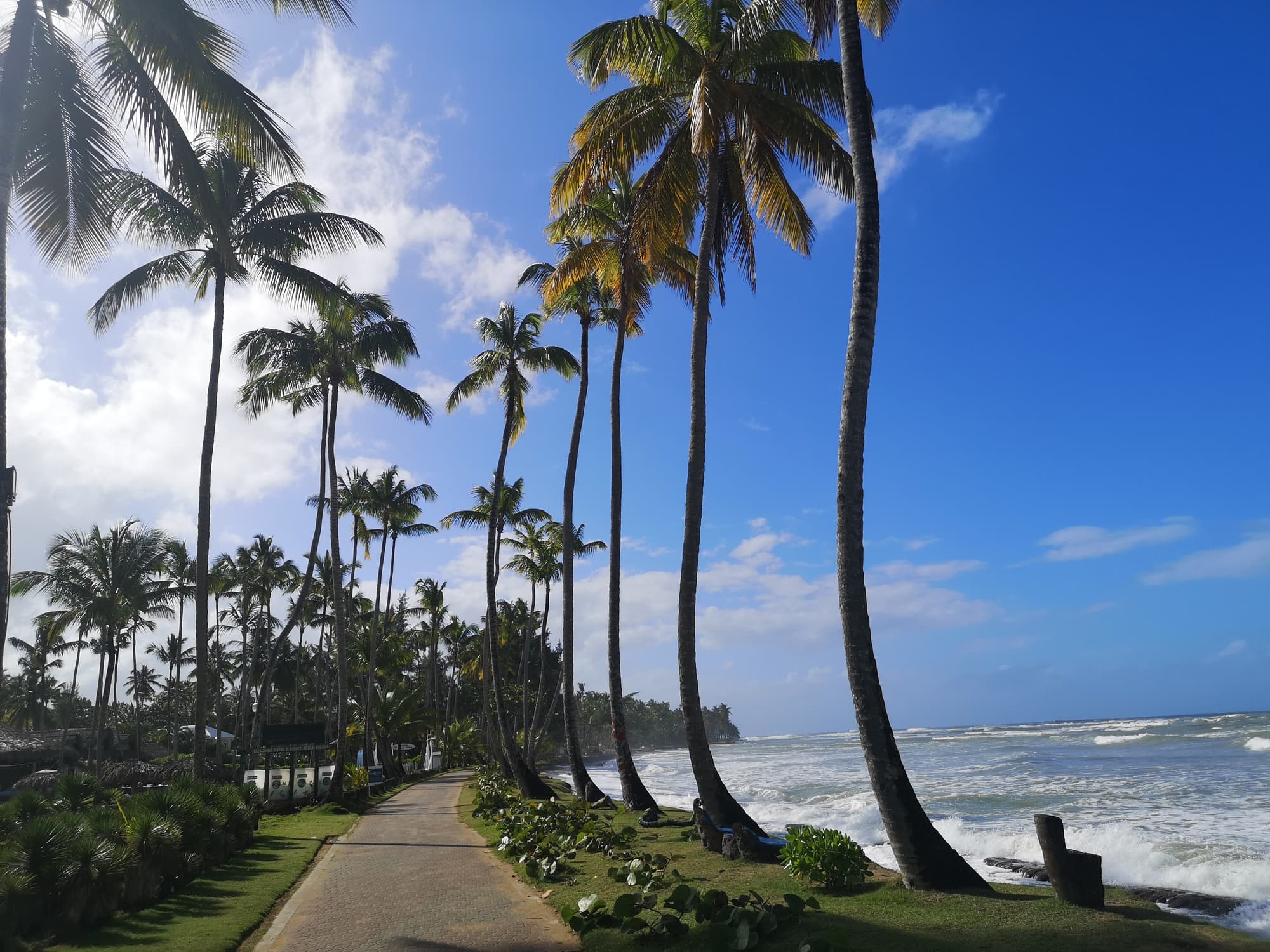
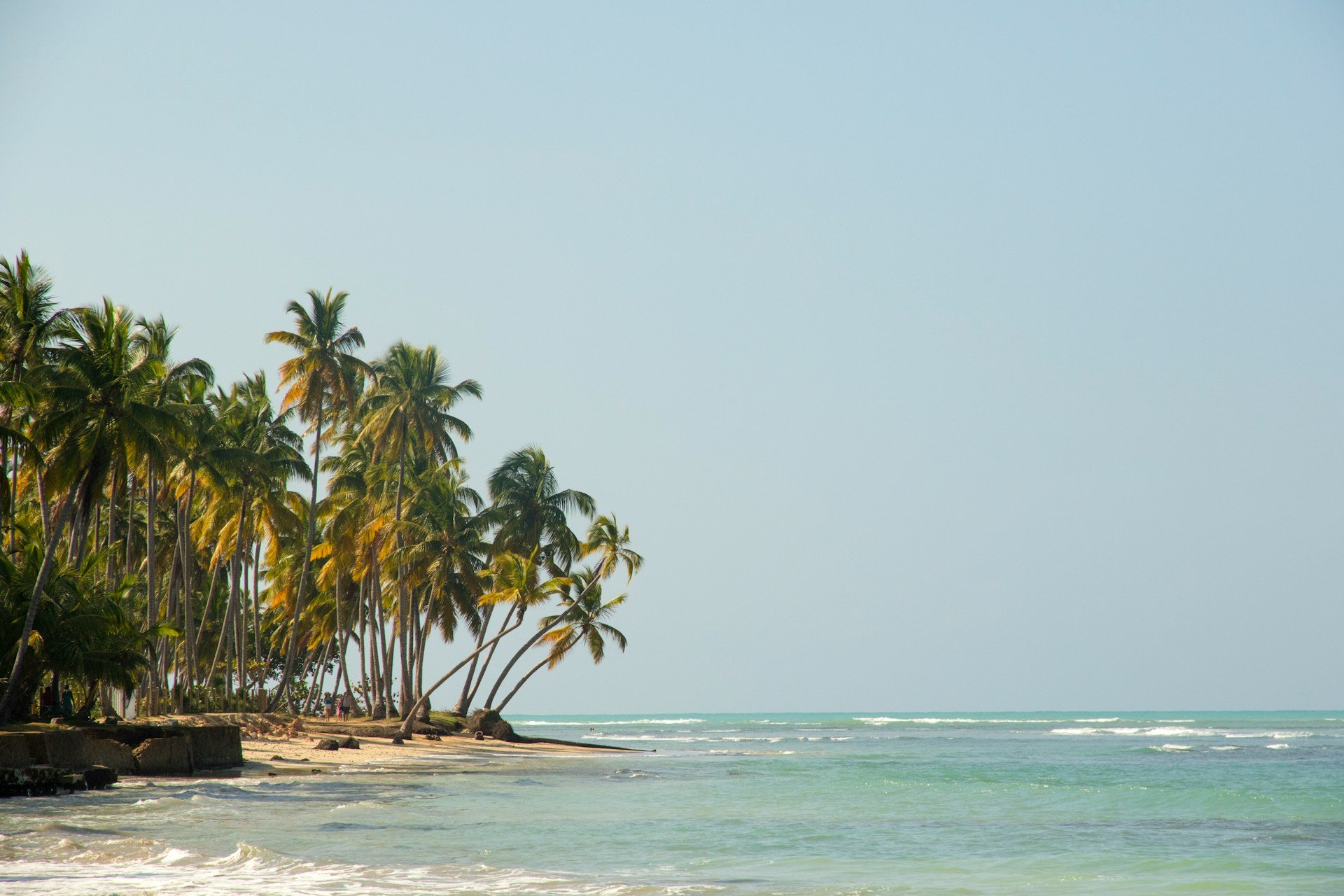
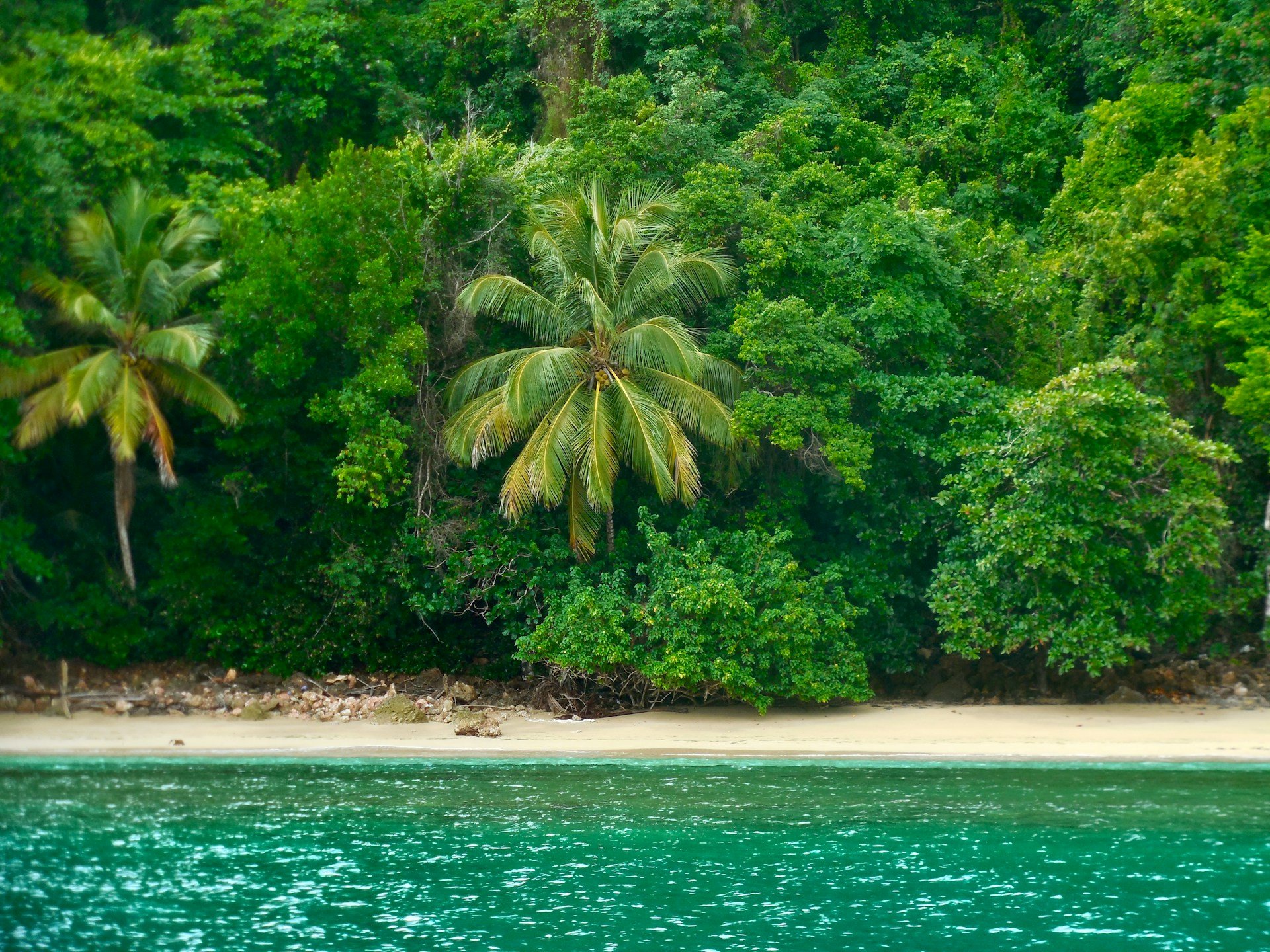
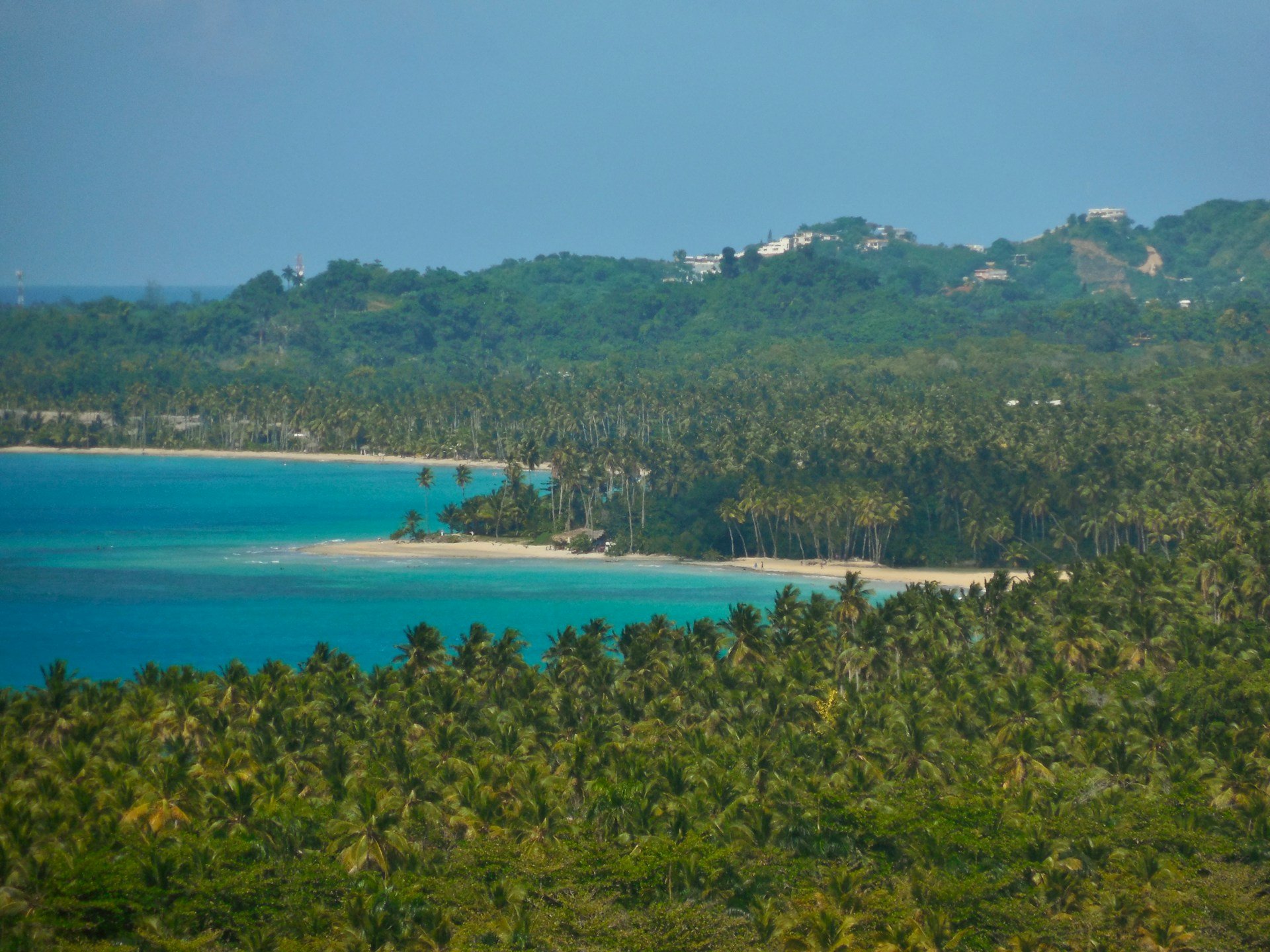
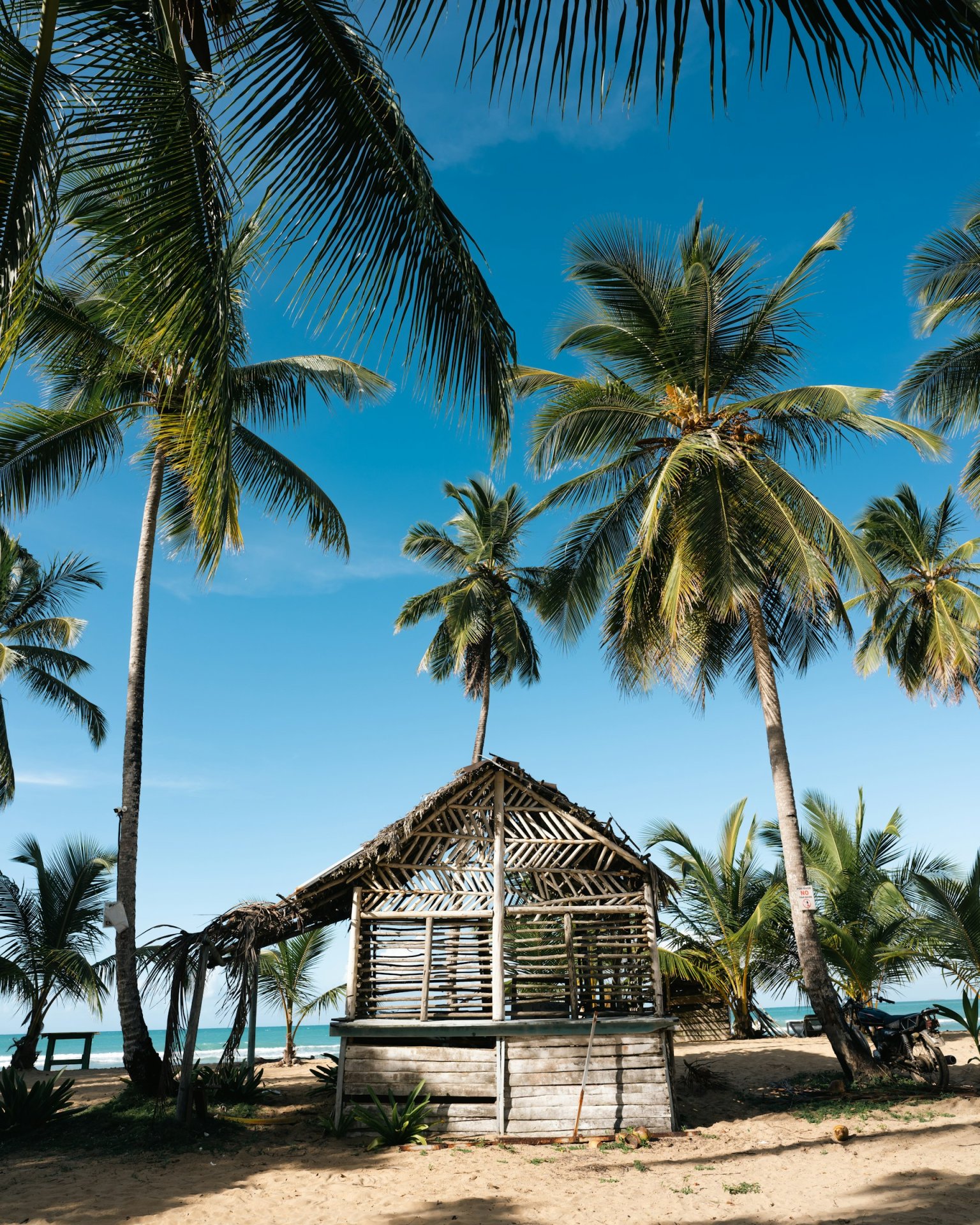
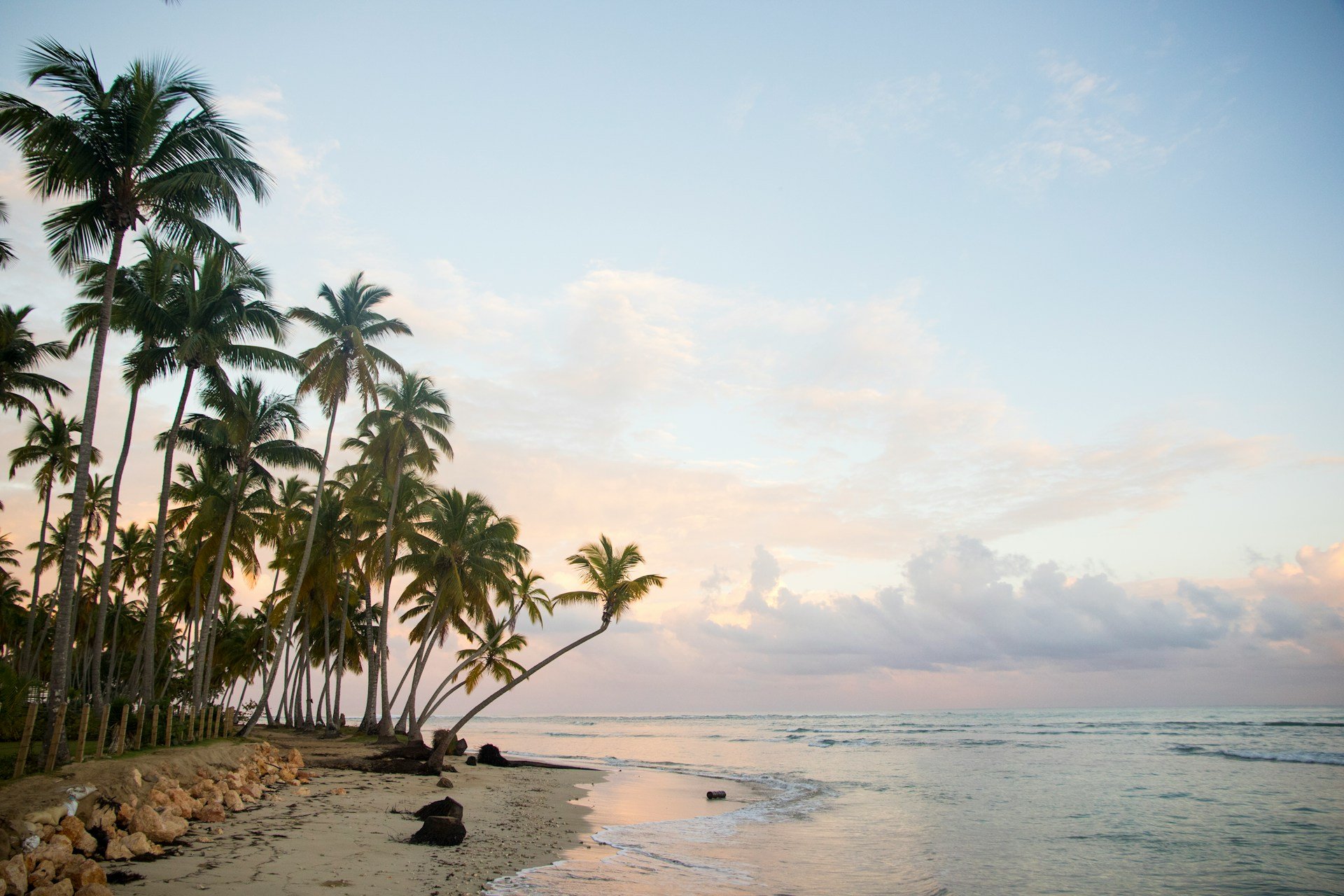
Photos from Las Terrenas
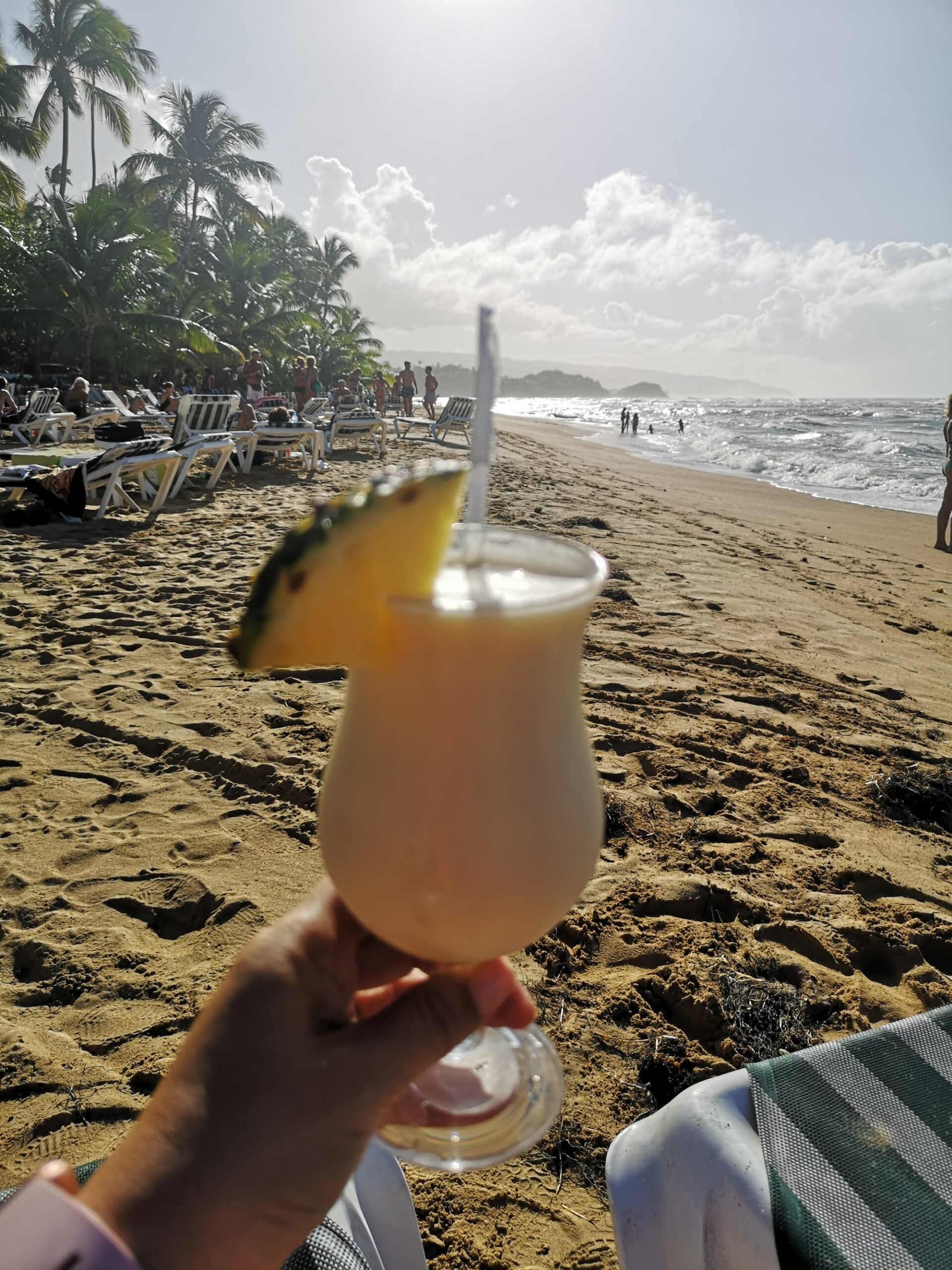
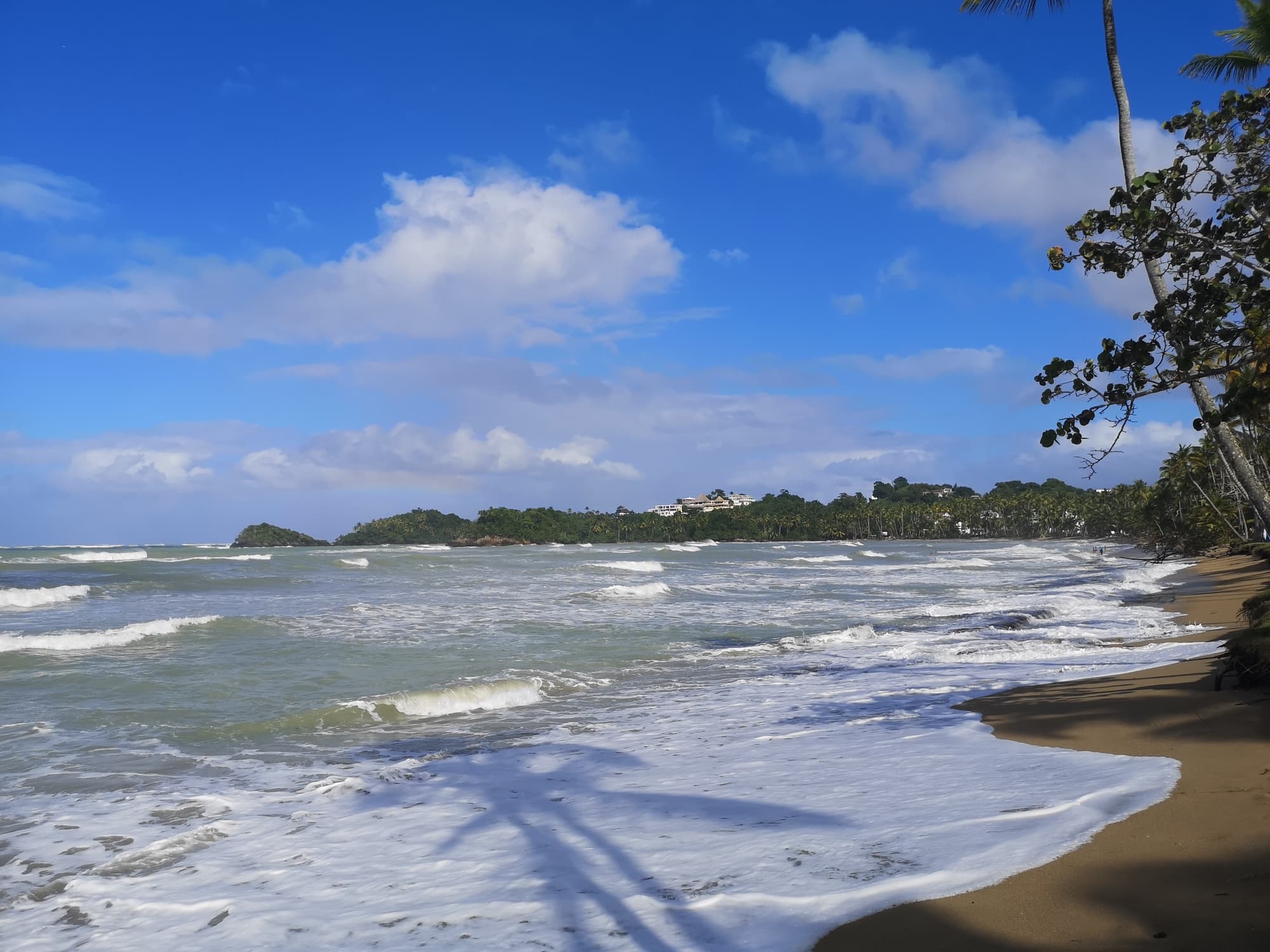
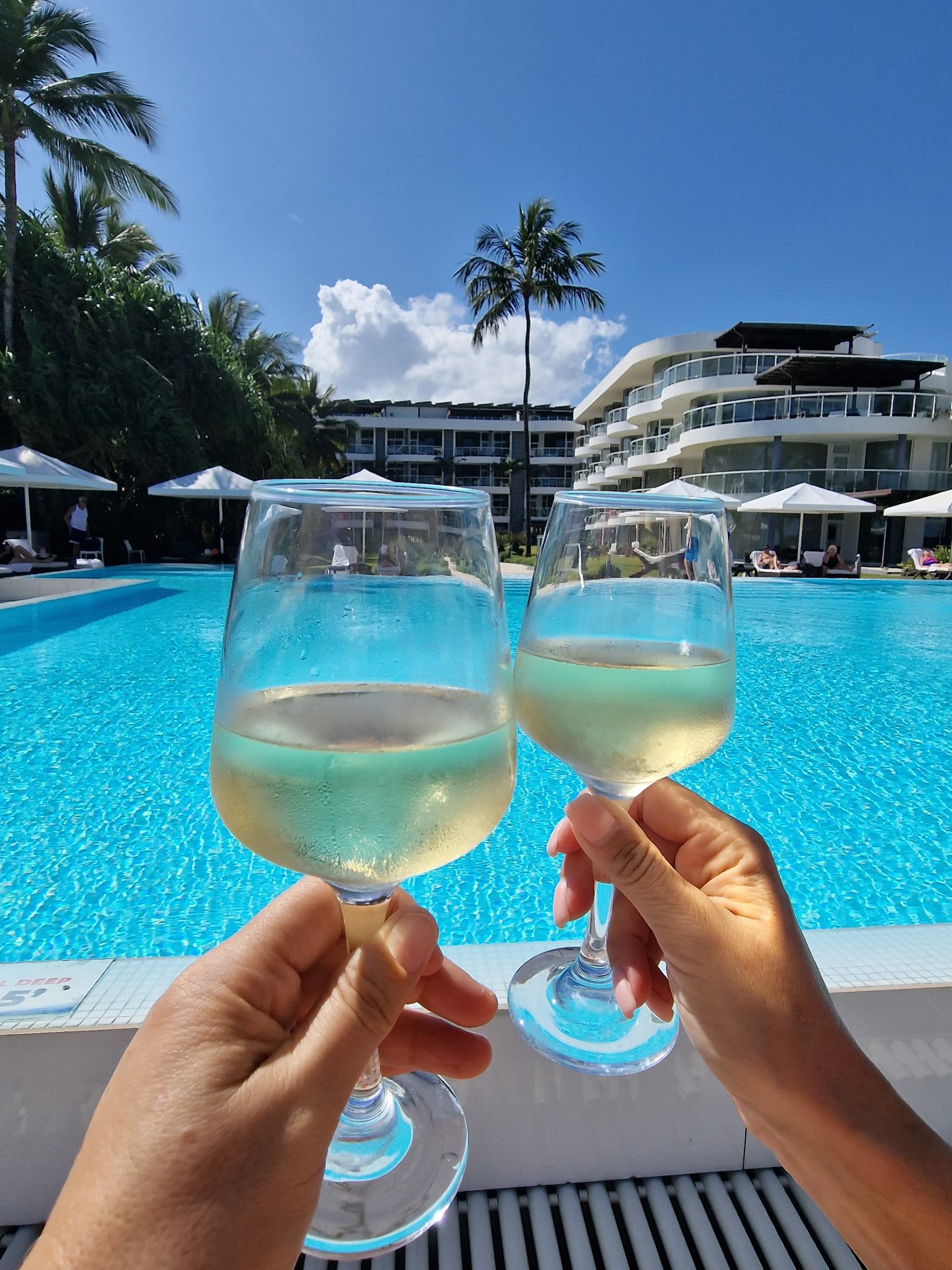
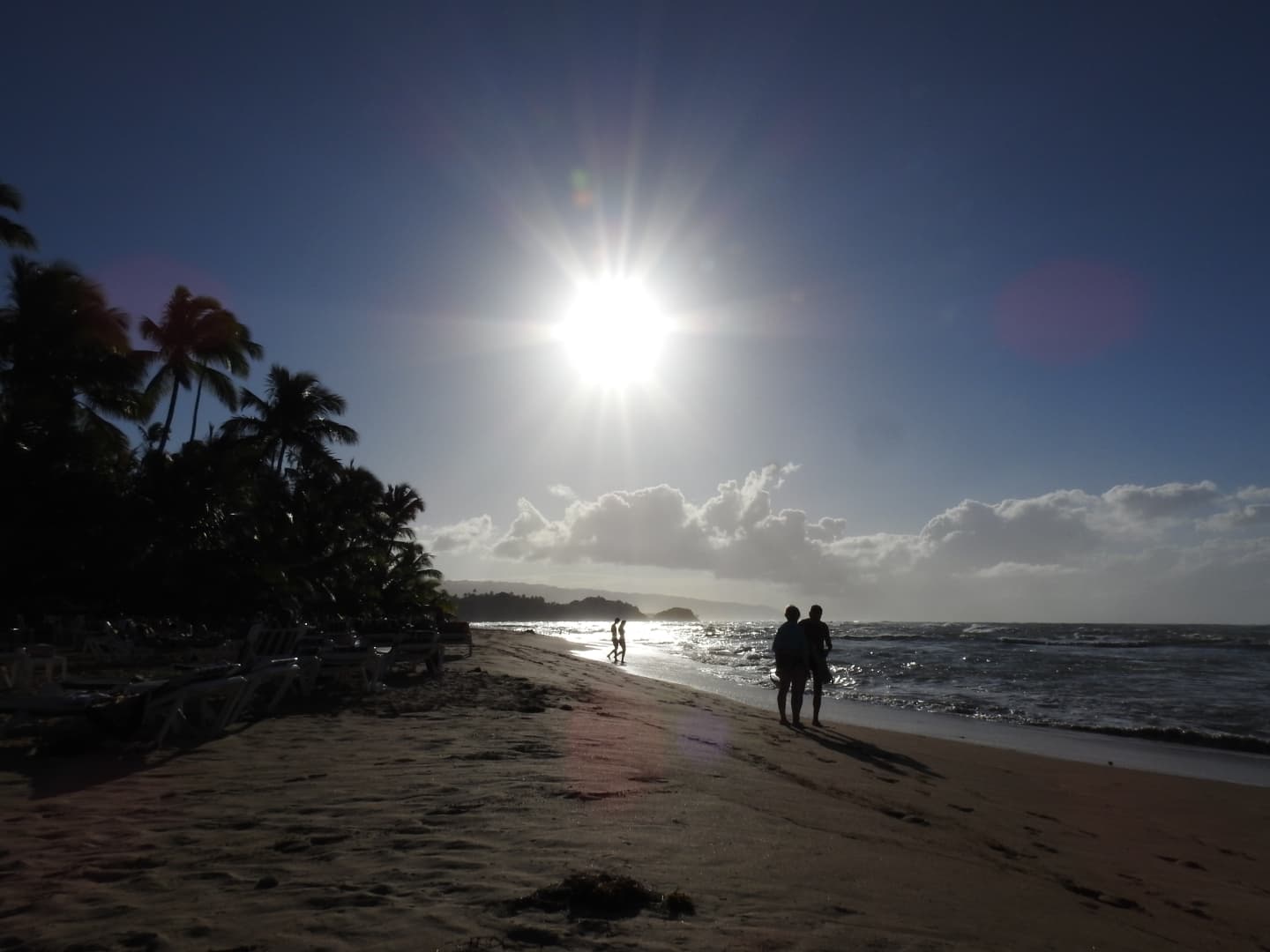
Frequently asked questions
It has the most organised expat infrastructure outside Santo Domingo. French, Italian, and Swiss residents have been coming since the 1980s, and that has produced real European-standard restaurants, reliable property agents, and a community that knows how the Dominican system works. If you speak French, you will feel at home quickly. The two main beaches, Playa Bonita and Playa Las Ballenas, are genuinely beautiful and not overcrowded.
Better than it was three years ago, but not Cabarete-level. Fibre is available in parts of town, but coverage is patchier in the surrounding hills. Most expats in the centre get workable speeds on Claro or Altice fibre. If you are working remotely and your building is outside the main grid, test speeds before you commit to a long-term rental. Mobile data on WIND or Claro is a solid backup.
Generally yes. It has a calm, small-town feel and the expat community is well established enough that people know each other. The main beach strip is safe to walk at night. Normal precautions apply: do not flash expensive gear, use trusted taxis after dark. Serious crime is rare and the local community is quick to share information through expat groups on Facebook.
The easiest route is to fly into El Catey International Airport (AZS) on the Samaná Peninsula, which has direct flights from some North American cities and European connections via Santo Domingo or Punta Cana. Driving from Santo Domingo takes about 2.5 hours via the Samaná highway. The road through Los Haitises scenic route is beautiful but slower. There is no direct fast bus; most people drive or use private transfer.
Las Terrenas runs about 15 to 25 percent more expensive than Cabarete for comparable housing, and European-style food and restaurants carry a premium. A two-bedroom apartment near Playa Bonita runs $900 to $1,400/mo. Groceries from local markets are cheap; imported European products less so. Budget $1,400 to $2,200/mo for a comfortable lifestyle with occasional dining out.