

Jarabacoa sits at 530m elevation in the Cordillera Central mountain range, making it the coolest place to live in the DR year-round. It is known for outdoor activities, waterfalls, and a quality of life that attracts both wealthy Dominicans and expats who find the coast too hot. Infrastructure has improved markedly and the town has a genuine community feel.

Is Jarabacoa right for you?
Jarabacoa is the right choice for anyone who finds coastal Caribbean living too hot and humid, who loves outdoor activities, or who wants a genuine community feel in a beautiful natural setting. Active retirees, families who value outdoor education for children, and remote workers who want nature without rural isolation all find it suits them well.
What the scores mean
Jarabacoa is moderate in cost. Furnished apartments and houses rent for $500 to $1,100 per month. The food market is smaller than coastal towns and some items cost more due to transport from the city.
Jarabacoa is one of the safer places to live in the DR, reflecting its smaller size, tight community, and the fact that wealthy Dominicans have weekend homes here, which drives investment in security.
Jarabacoa has a small hospital and several private clinics capable of handling emergencies and routine care. For specialist treatment, Santiago (90 minutes) is the realistic option. Local care is adequate for everyday needs, but serious conditions require specialist referral.
Internet in Jarabacoa has improved significantly as wealthy Dominicans and foreign residents have driven demand. Fibre is available in most of the town. Speeds of 30 to 100 Mbps are typical, reliably supporting remote work, though less consistently than the major cities.
Jarabacoa's lifestyle is built on the outdoors. White-water rafting on the Río Yaque del Norte, canyoning, hiking to Pico Duarte (the Caribbean's highest peak), and mountain biking are all accessible from the town. The cool evenings, sometimes requiring a light jacket, are a genuine novelty in the Caribbean. The score of 8.5 reflects an exceptional outdoor lifestyle quality.
A real town with supermarkets, banks, pharmacies, hardware stores and a good produce market, so daily life is straightforward. For malls, big-box runs and specialist shops, La Vega and Santiago are 45 minutes to an hour down the mountain.
Monthly budget breakdown
Map of Jarabacoa
Neighbourhoods in Jarabacoa
Jarabacoa Town Centre
The main commercial area with restaurants, shops, and services. Growing but still manageable in scale.
La Confluencia →
Where the rivers meet, 10 minutes from town. The main point for rafting and river activities.
Manabao
Rural community higher in the mountains. Starting point for Pico Duarte hikes.
Constanza
Higher-altitude town 1 hour away. Even cooler than Jarabacoa. Famous for vegetables and strawberries.
Salcedo / Moca
Towns in the Cibao valley below. Accessible for larger shopping and services.
Living in Jarabacoa: the honest picture
What works well
- Coolest climate in the DR, genuinely comfortable year-round
- Outdoor activities: rafting, hiking, canyoning
- Lower cost than coastal expat hubs
- Beautiful natural surroundings
- Growing expat community
- Good private schools
Watch out for
- Isolated from services with no international schools and limited English, so a reliable vehicle is essential (many split six months mountain and six coast)
- No beach access (2+ hours away)
- Limited international cuisine
- Smaller medical facilities
- Some roads difficult in wet season
- Limited nightlife
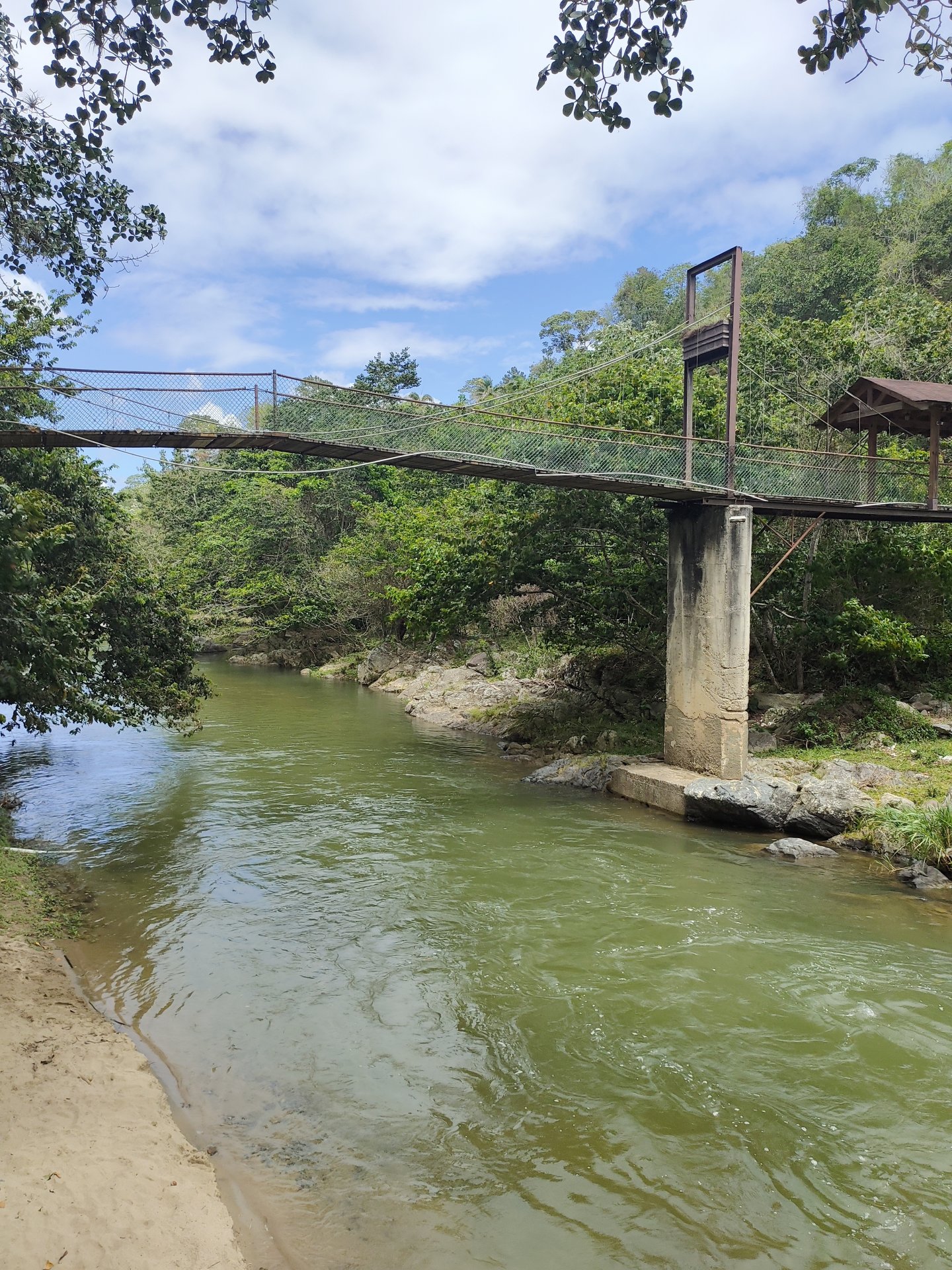
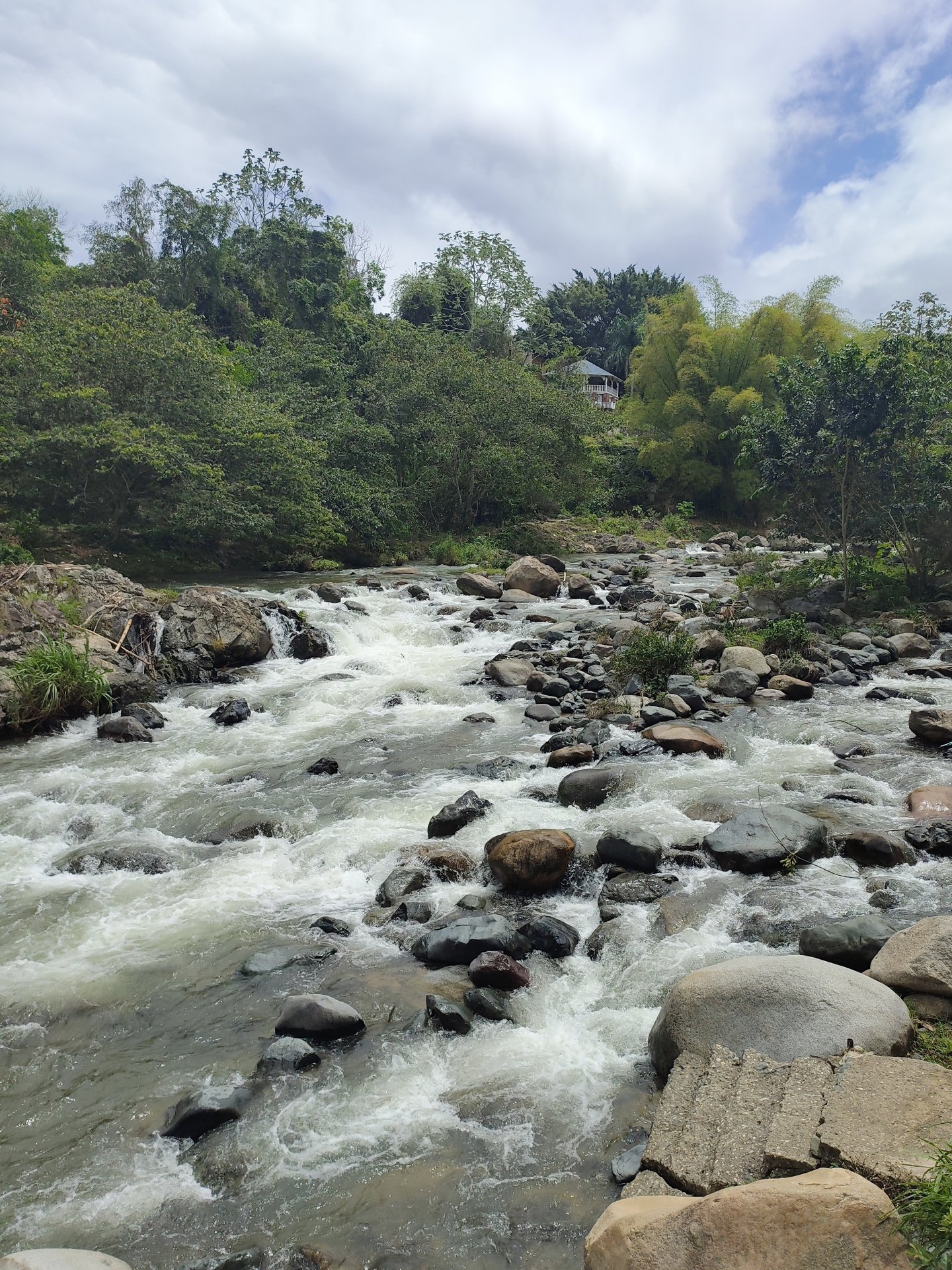
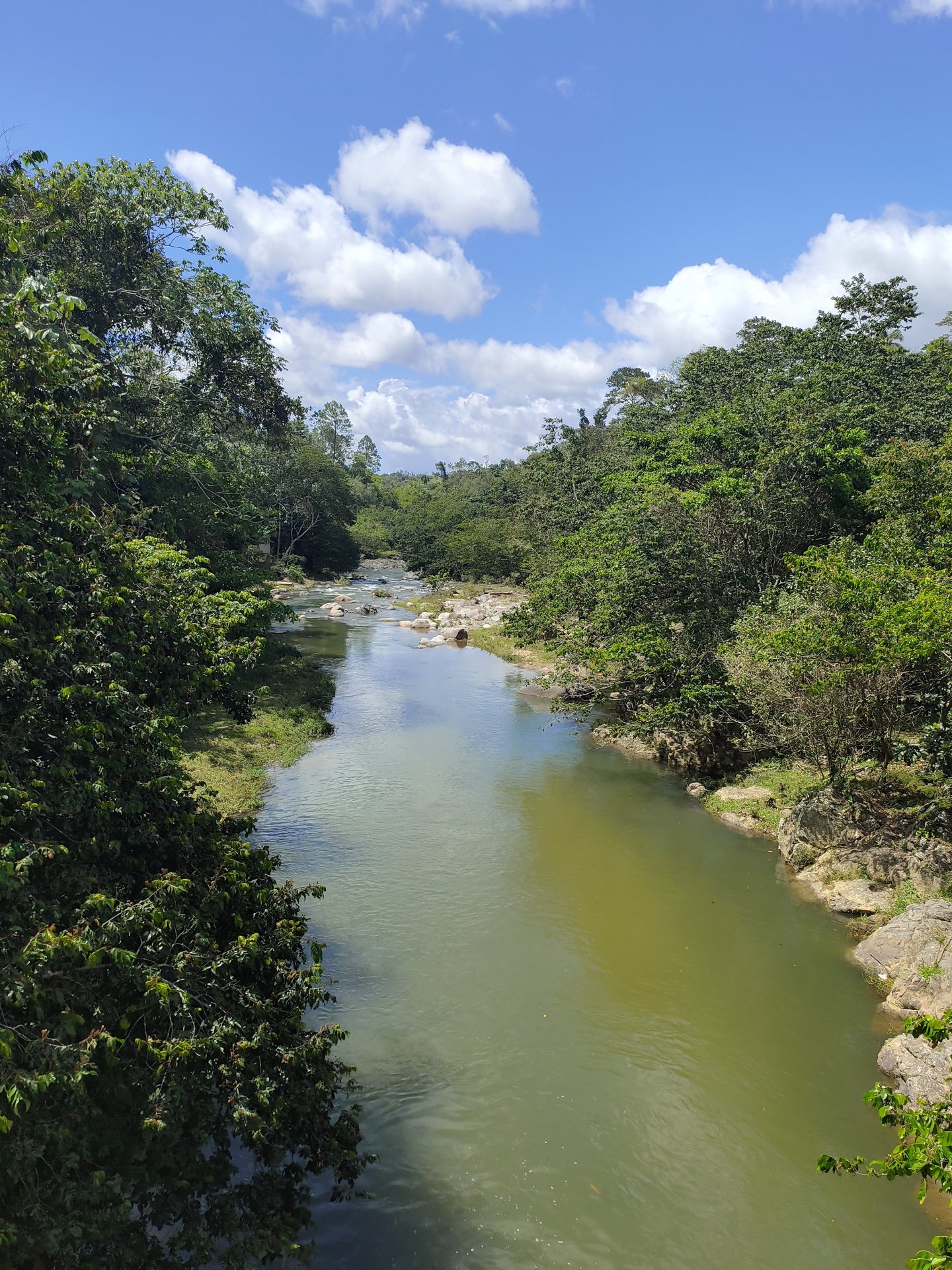
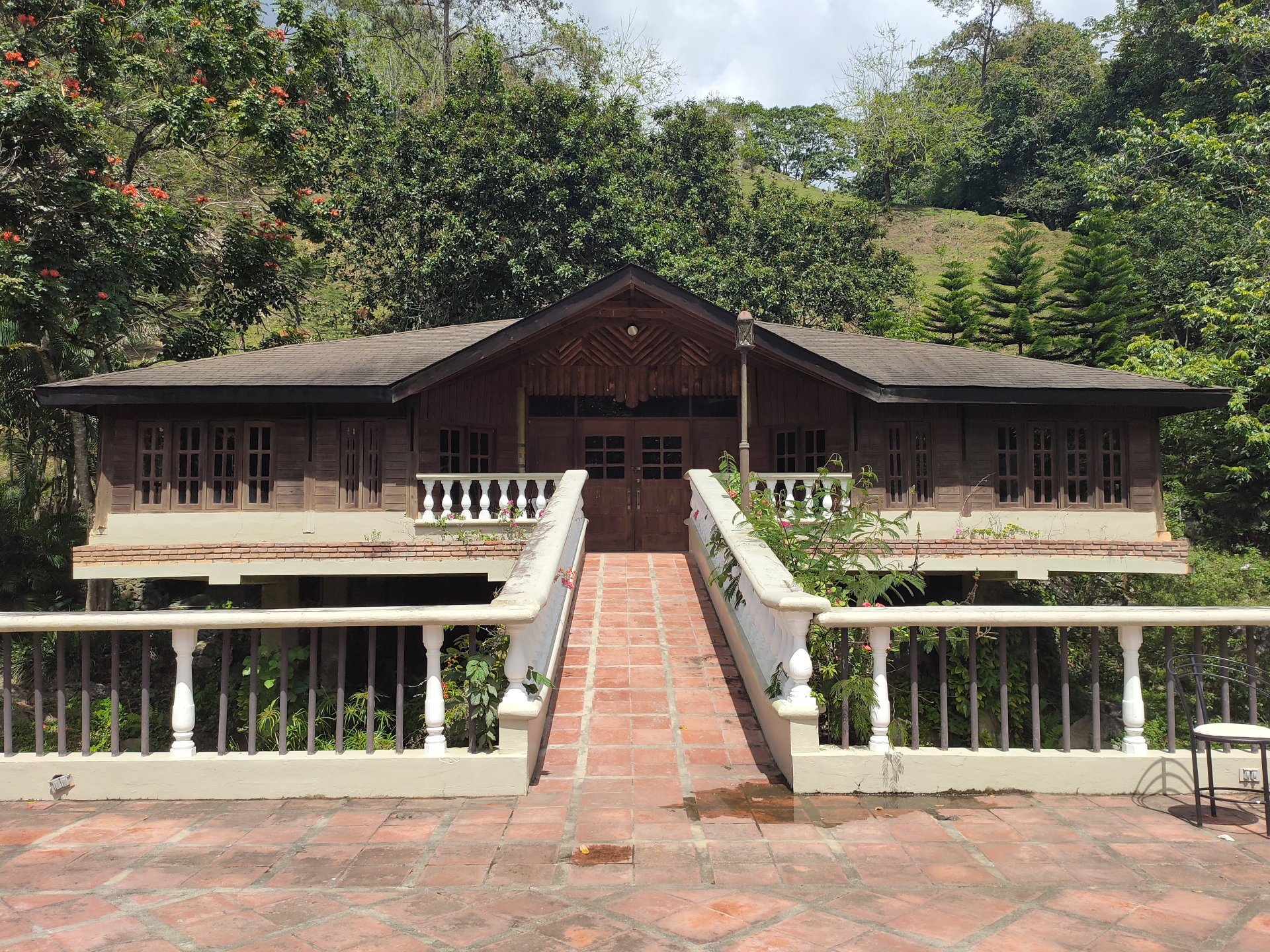
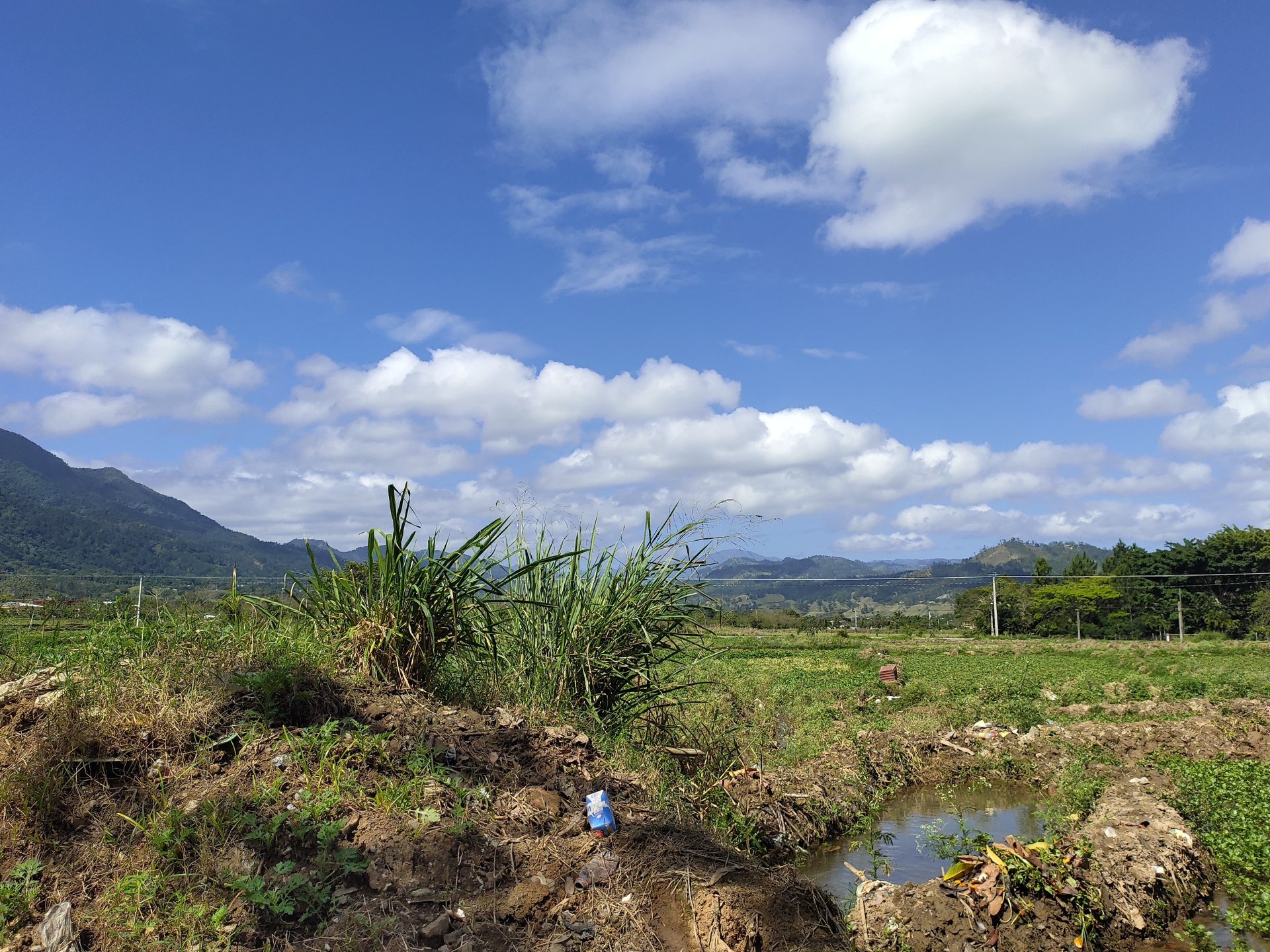
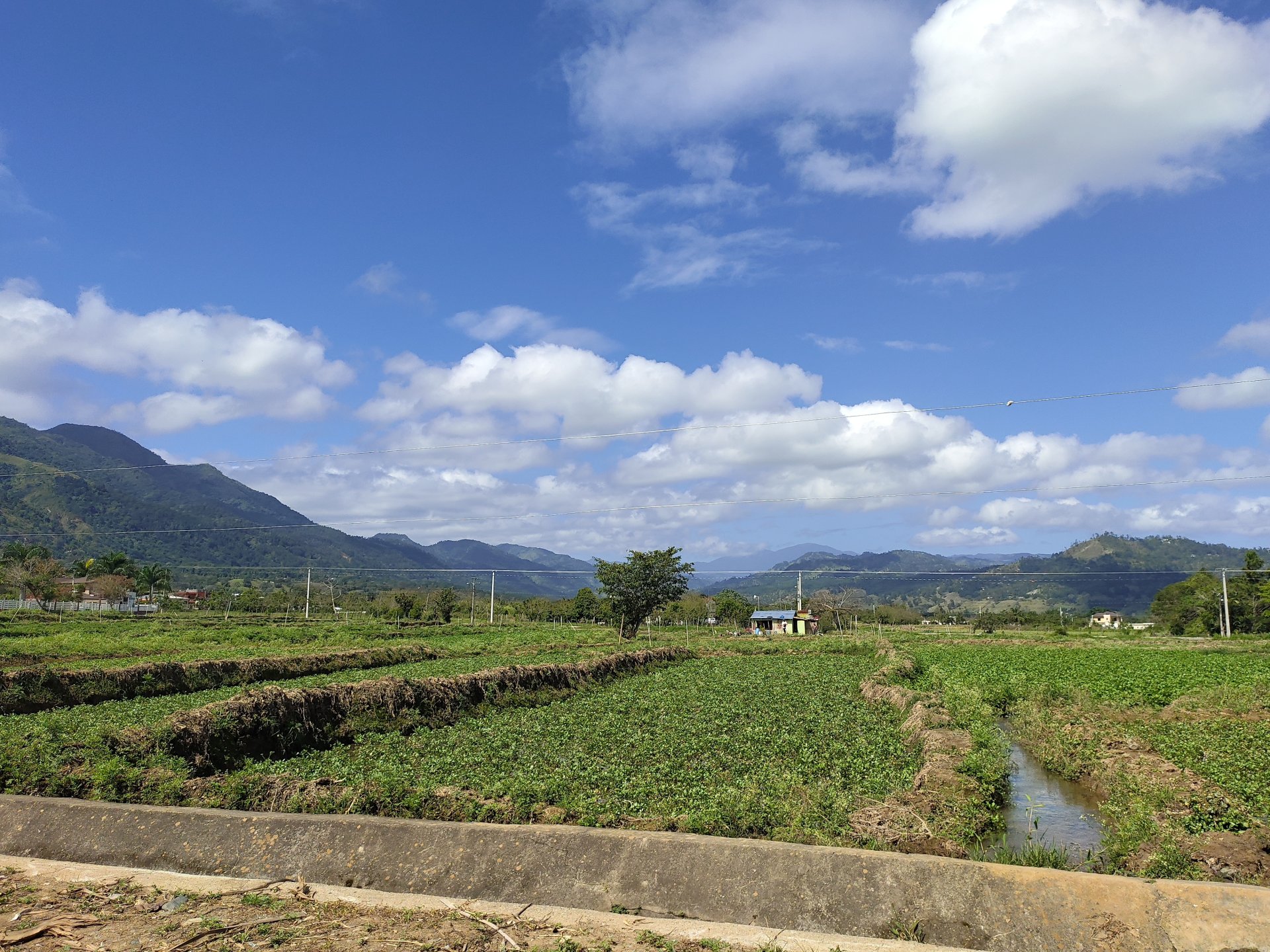
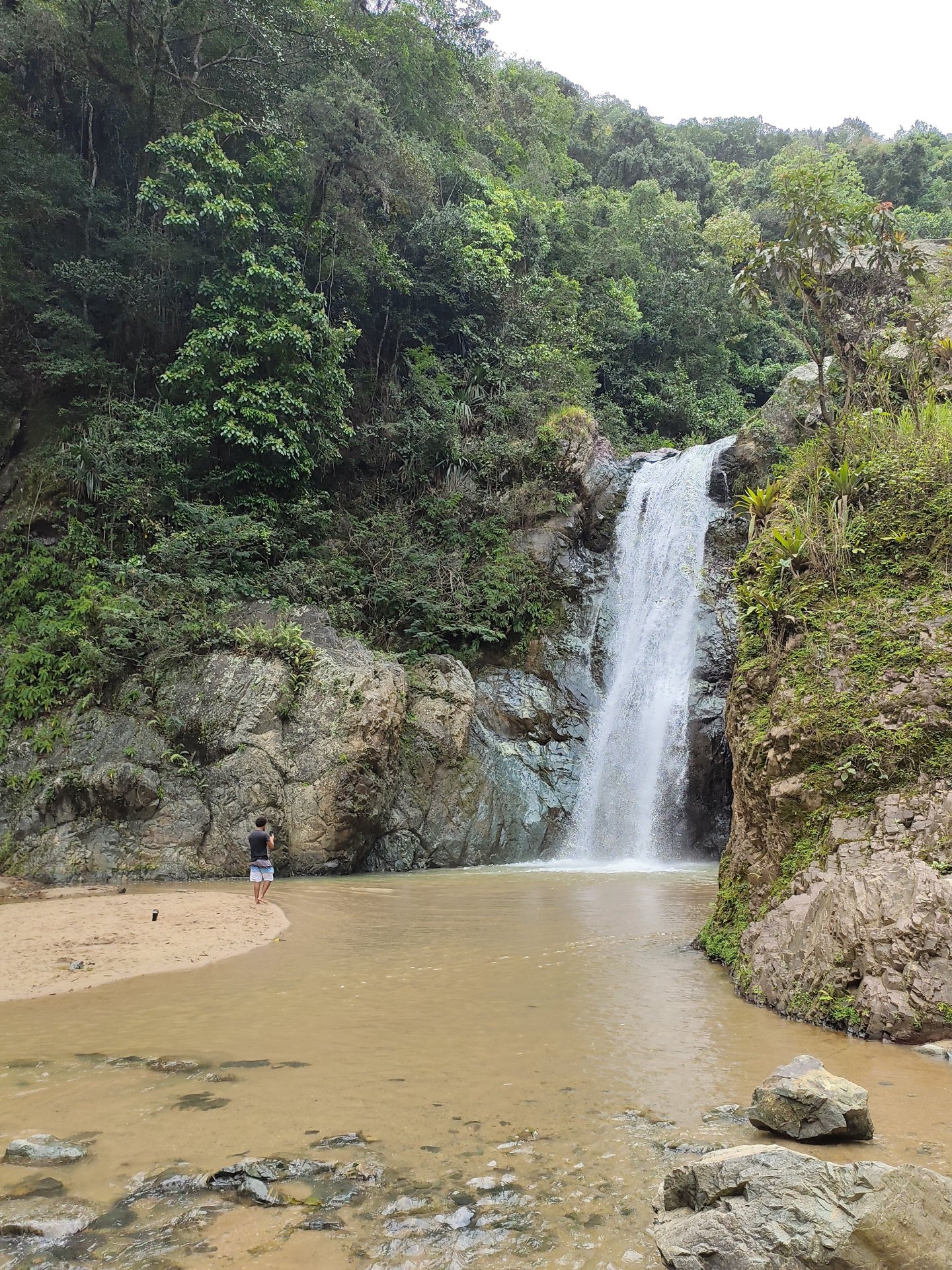
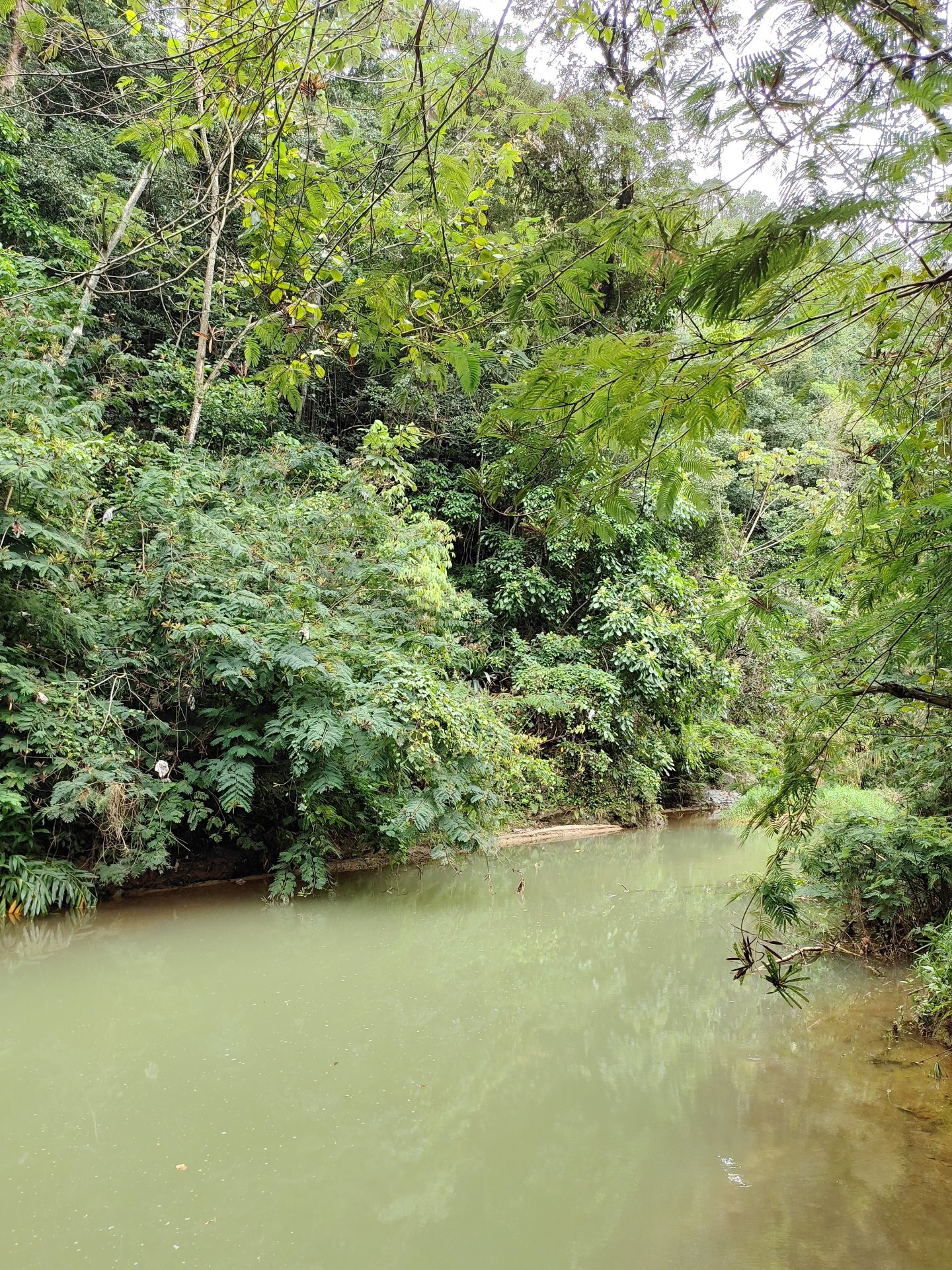
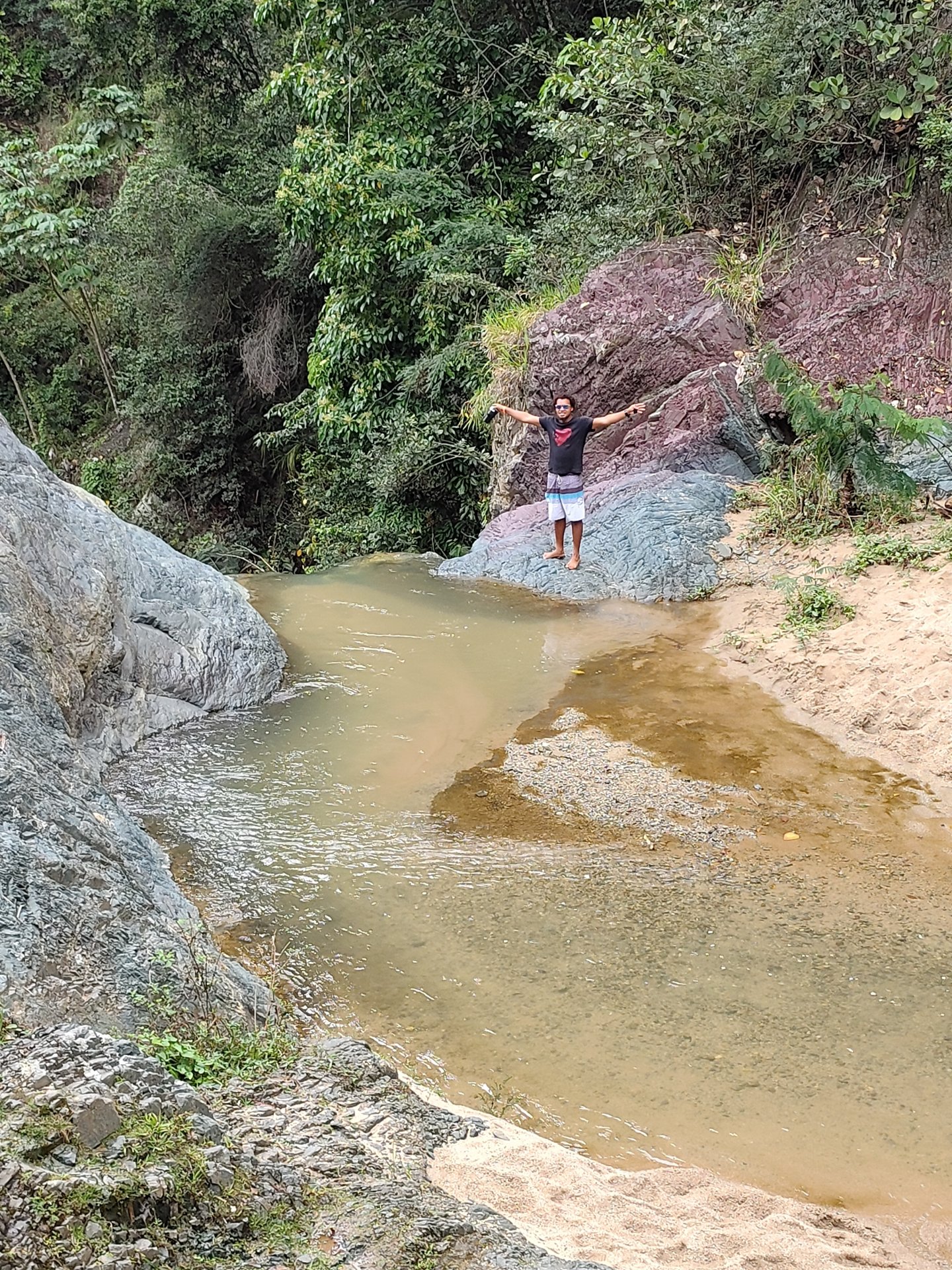
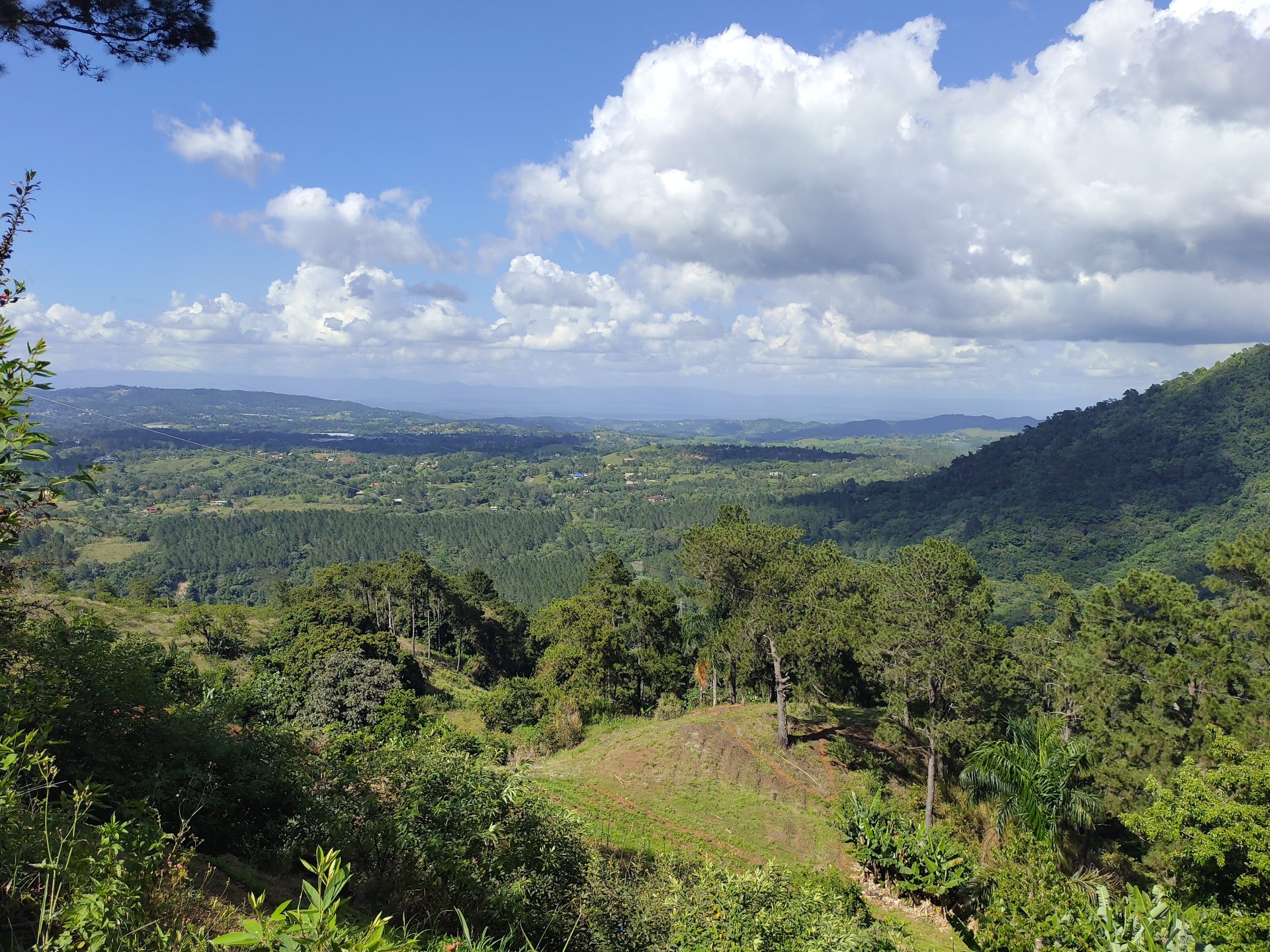
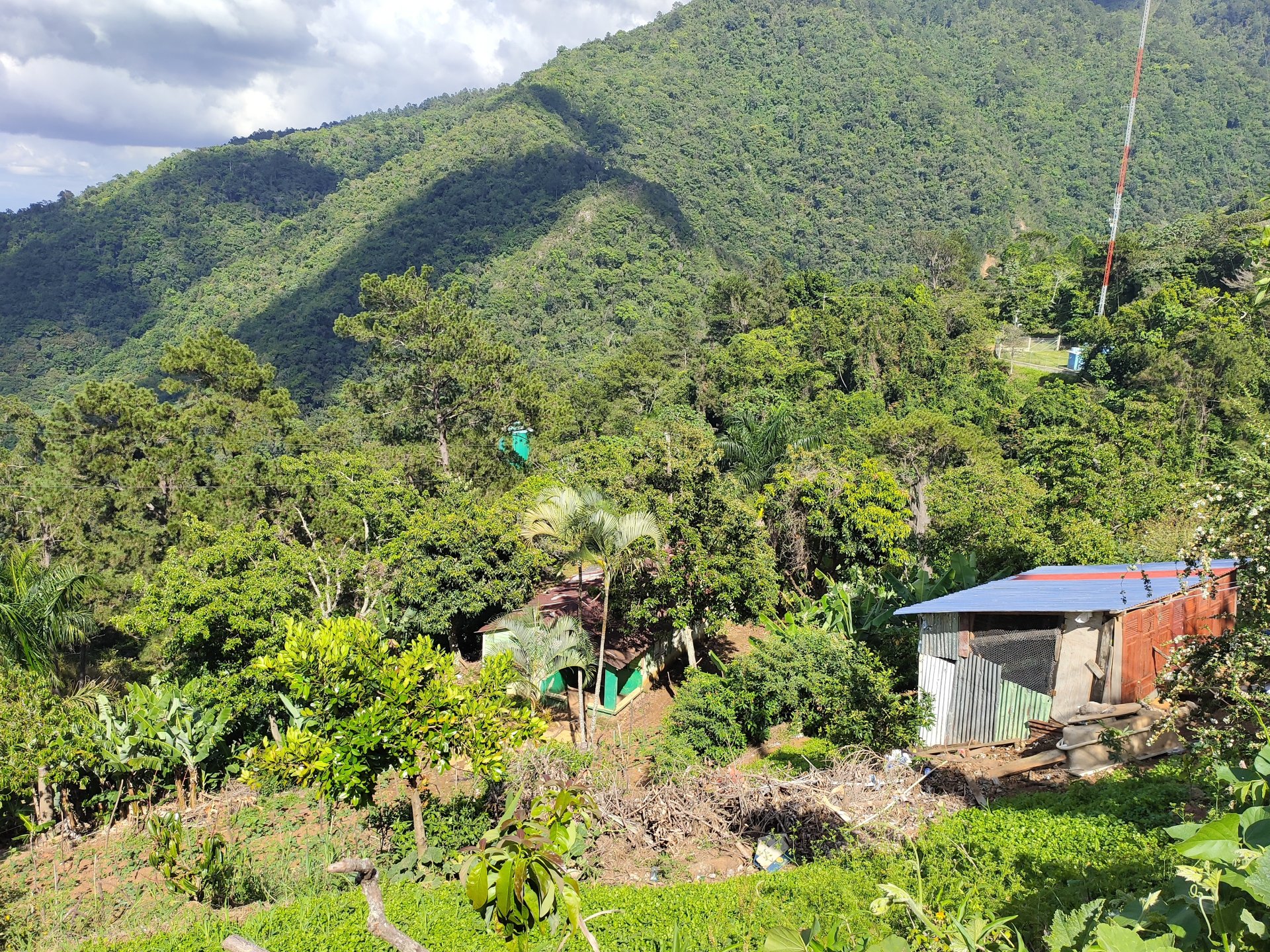
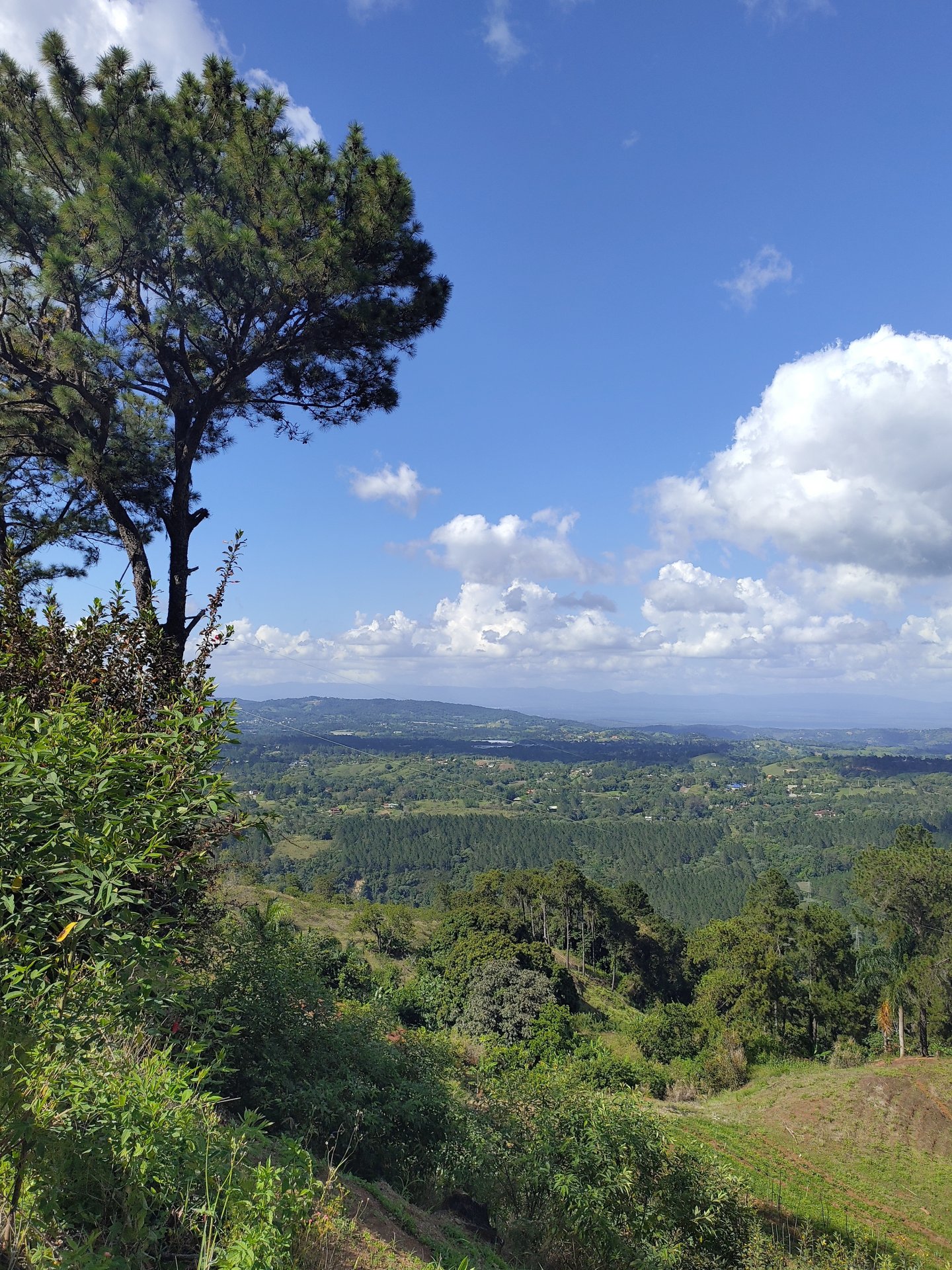
Photos from Jarabacoa
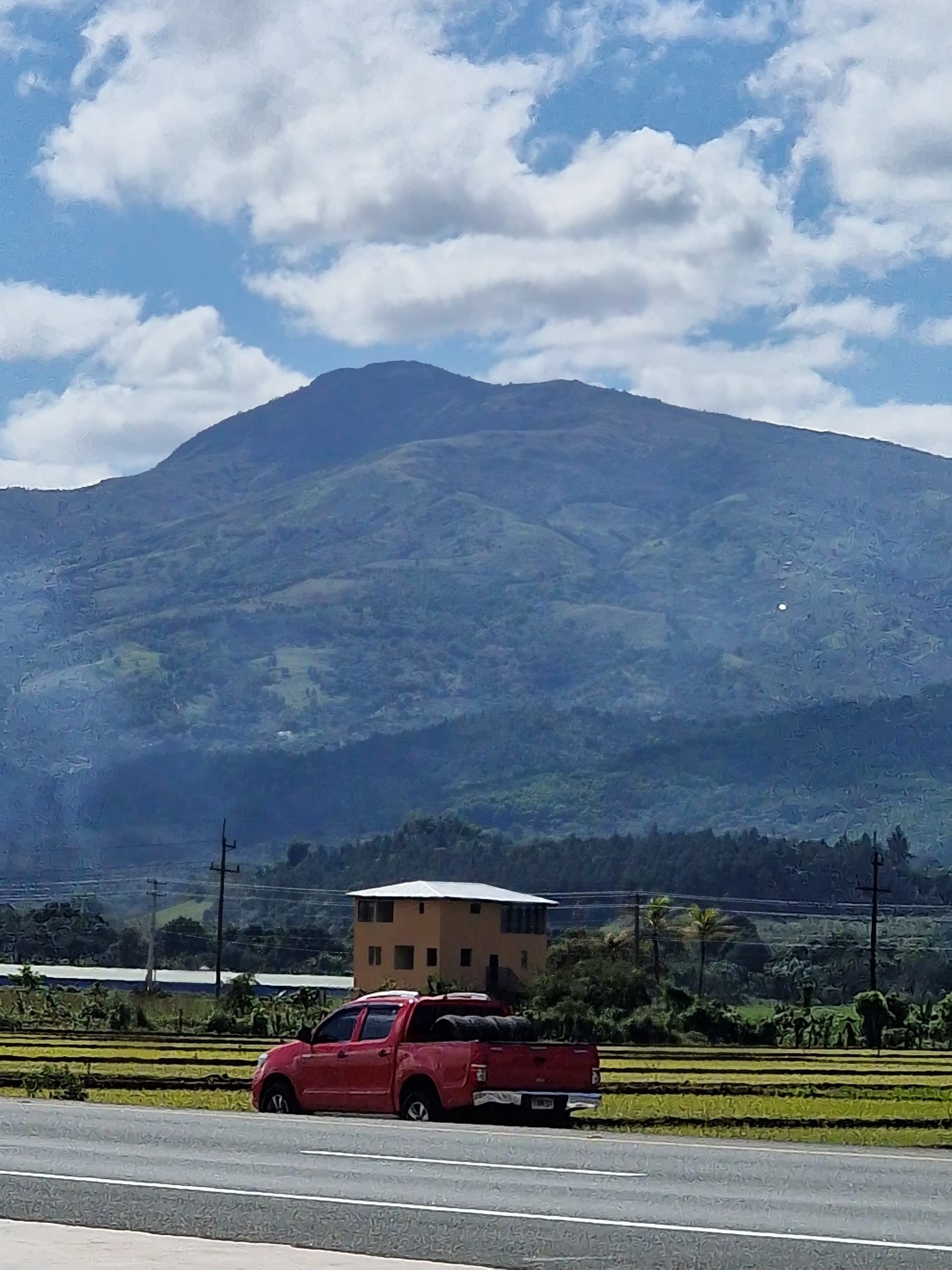
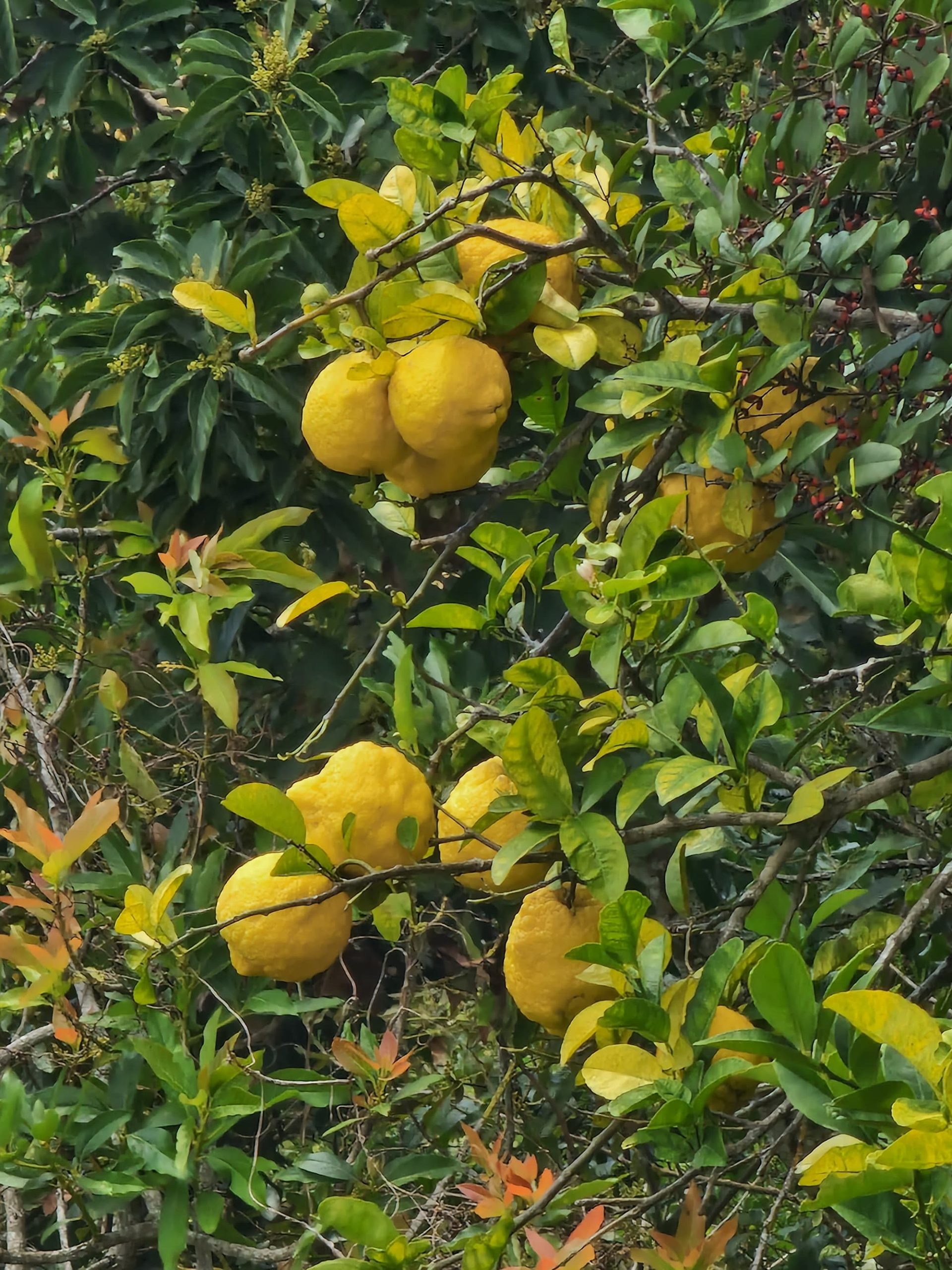
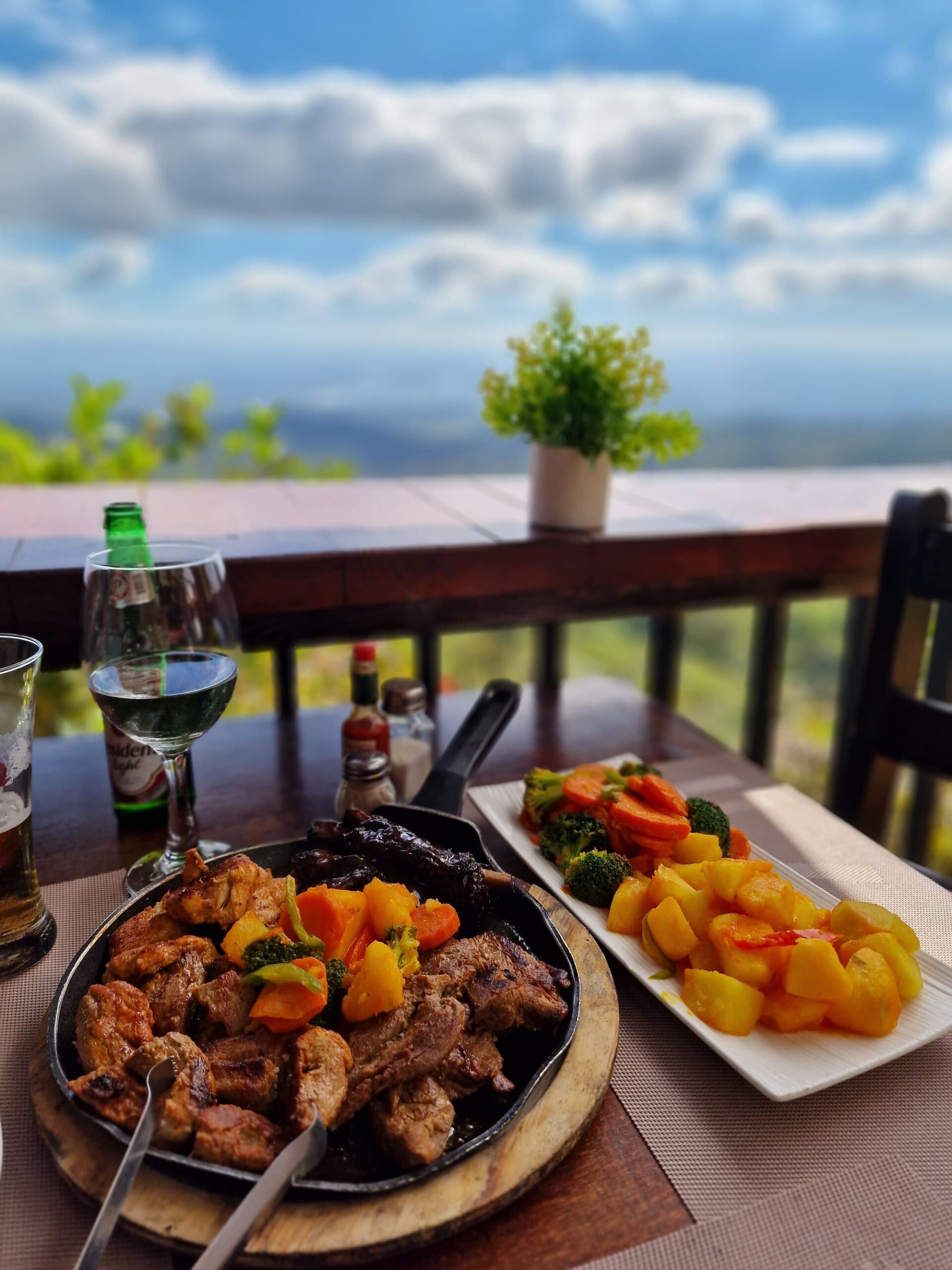
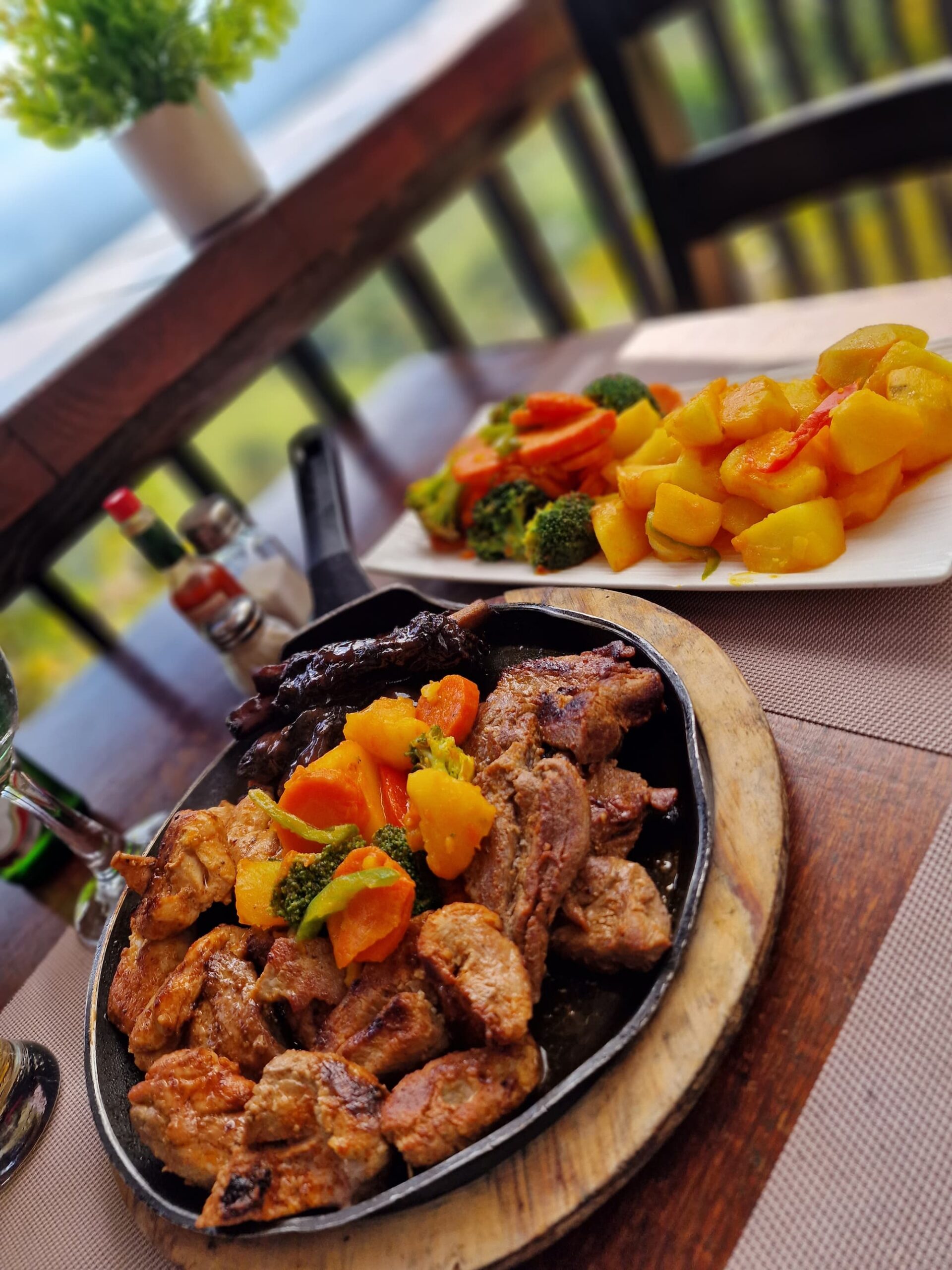
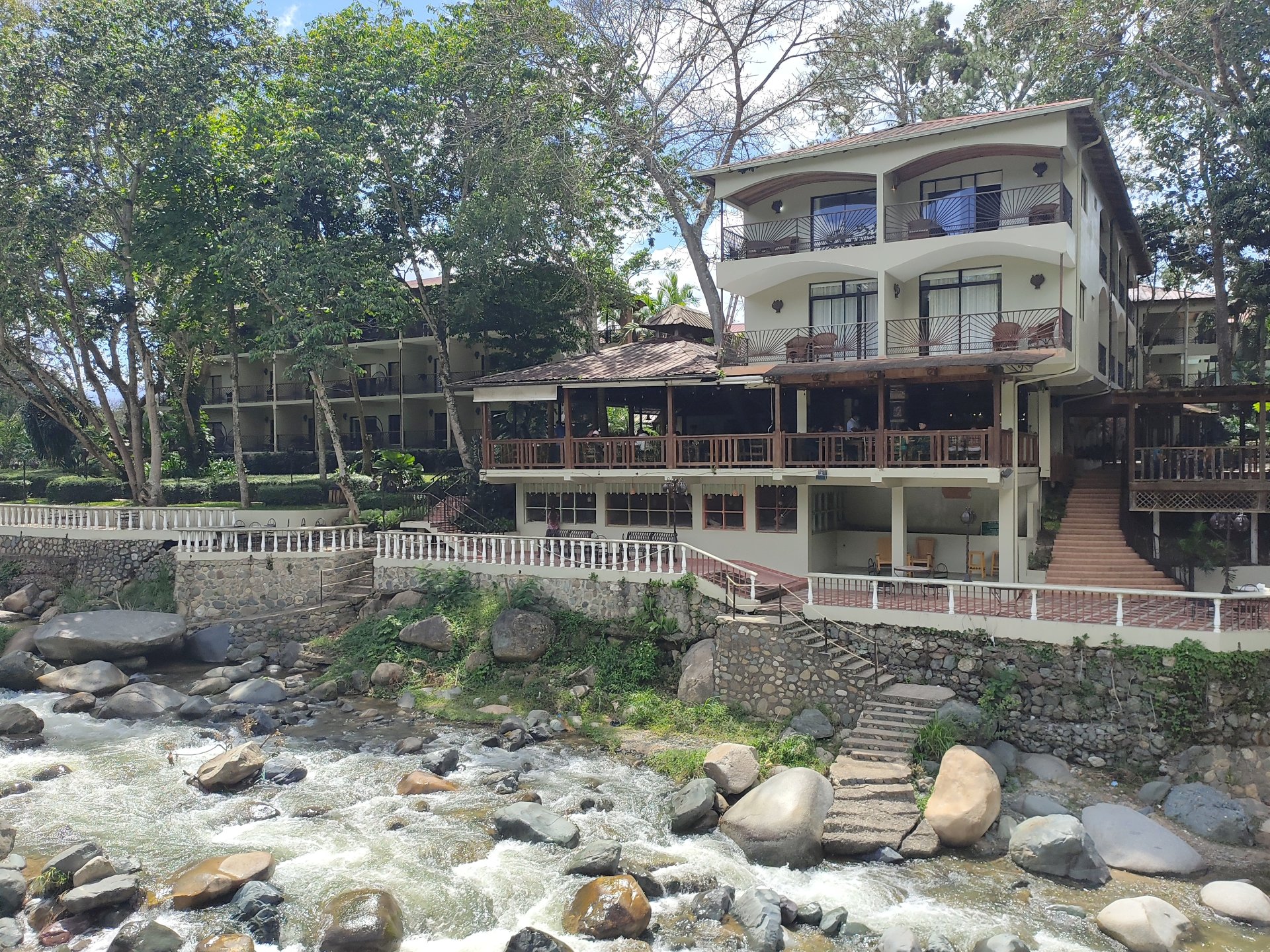
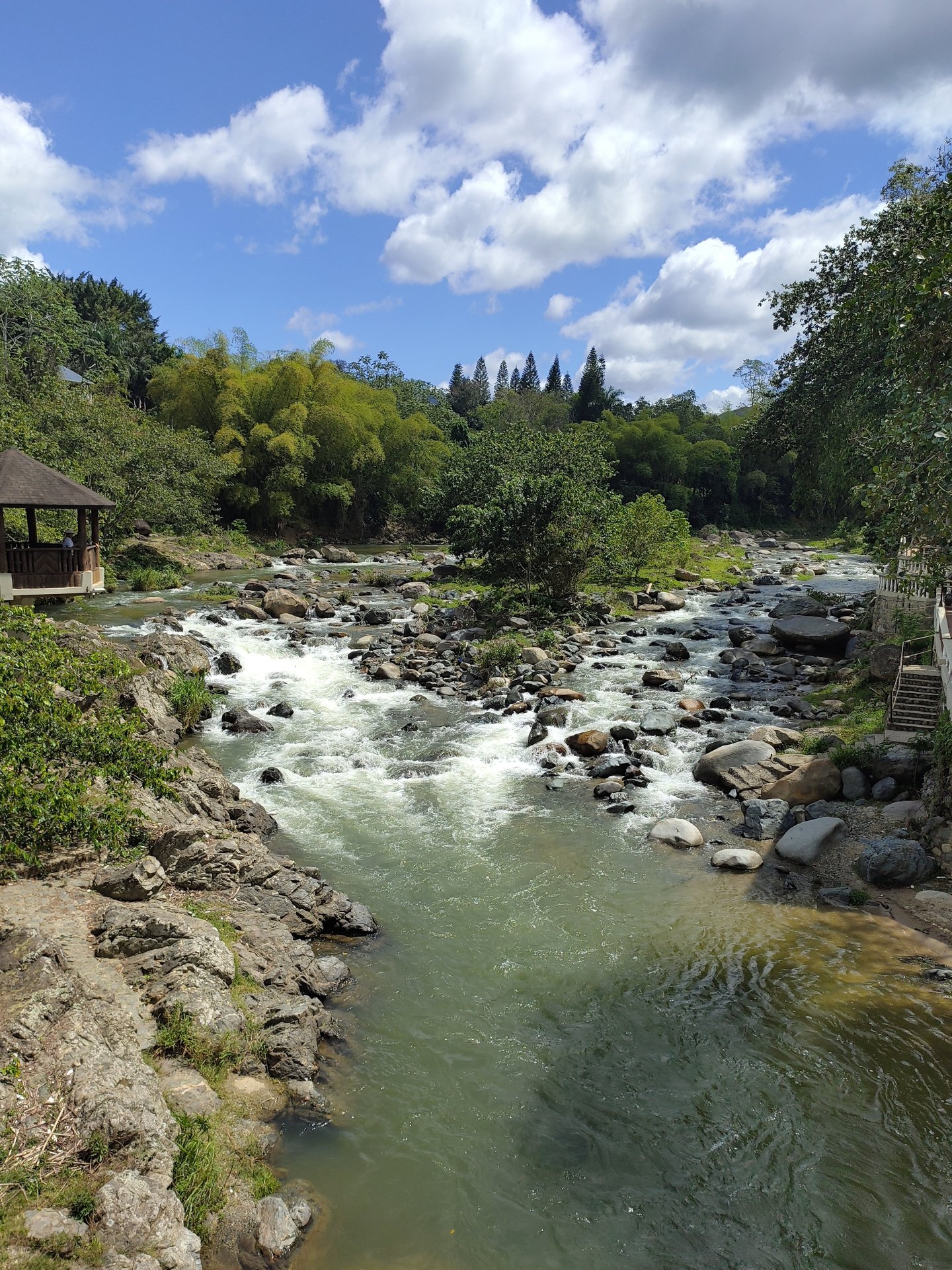
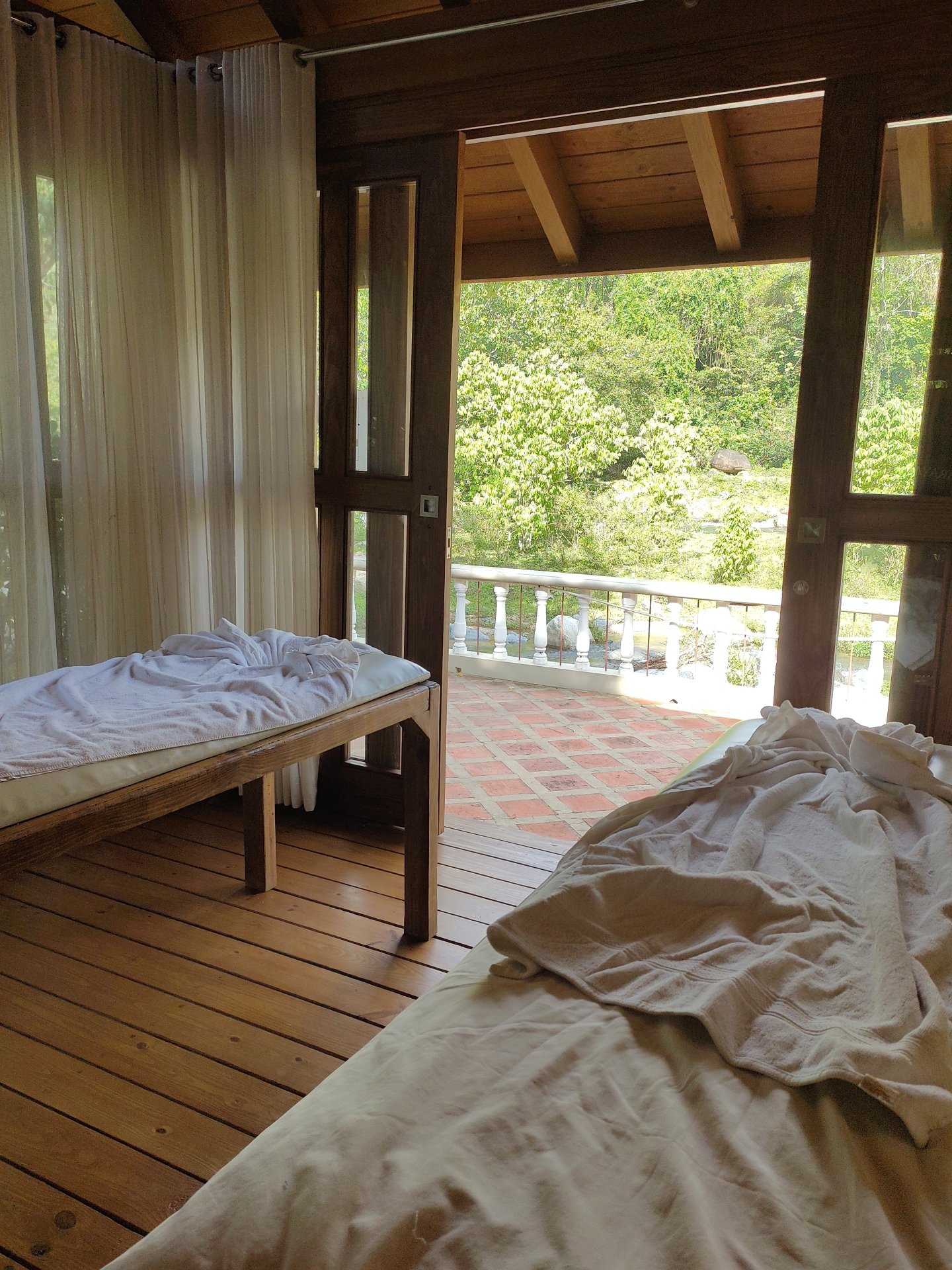
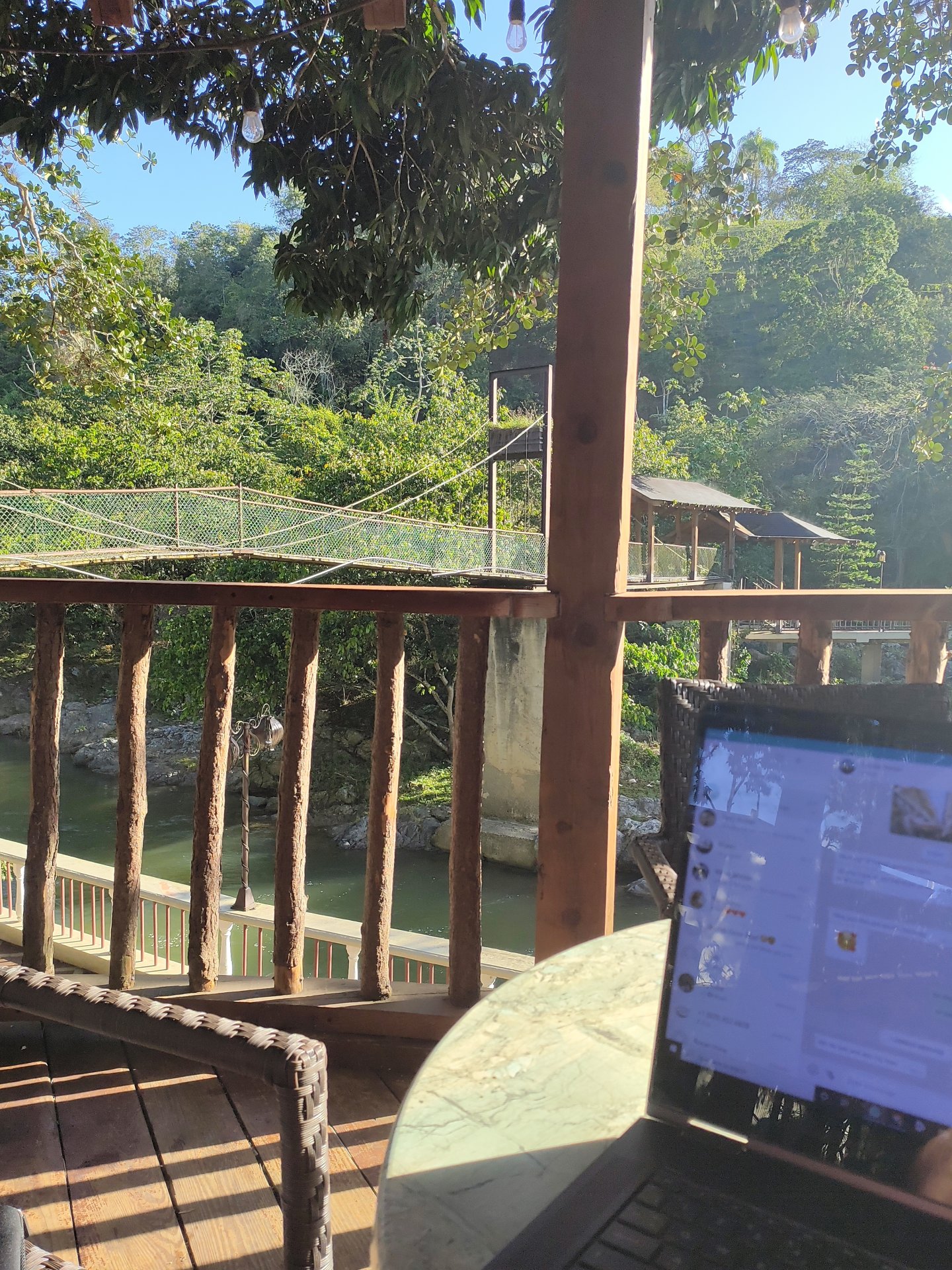
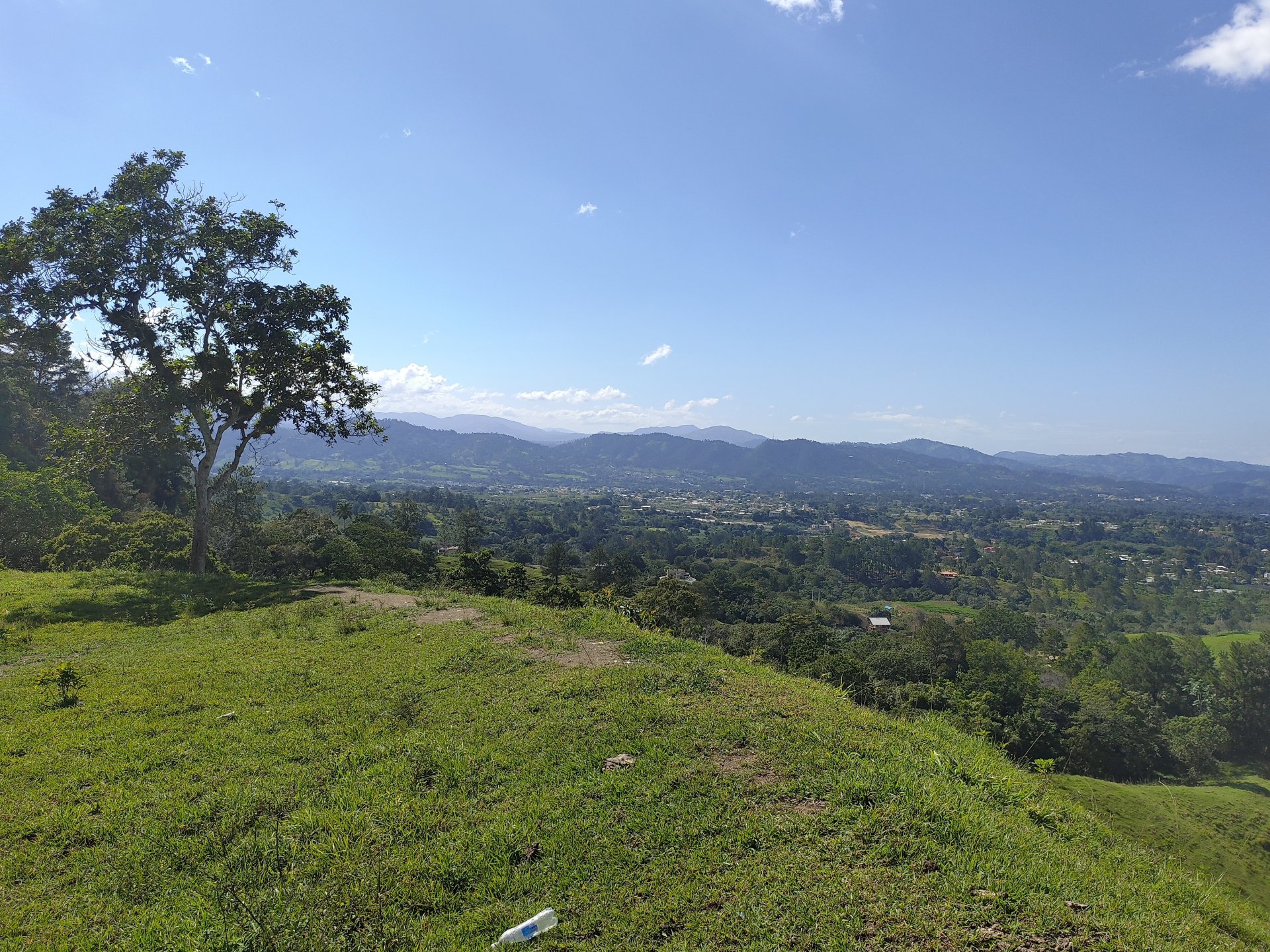
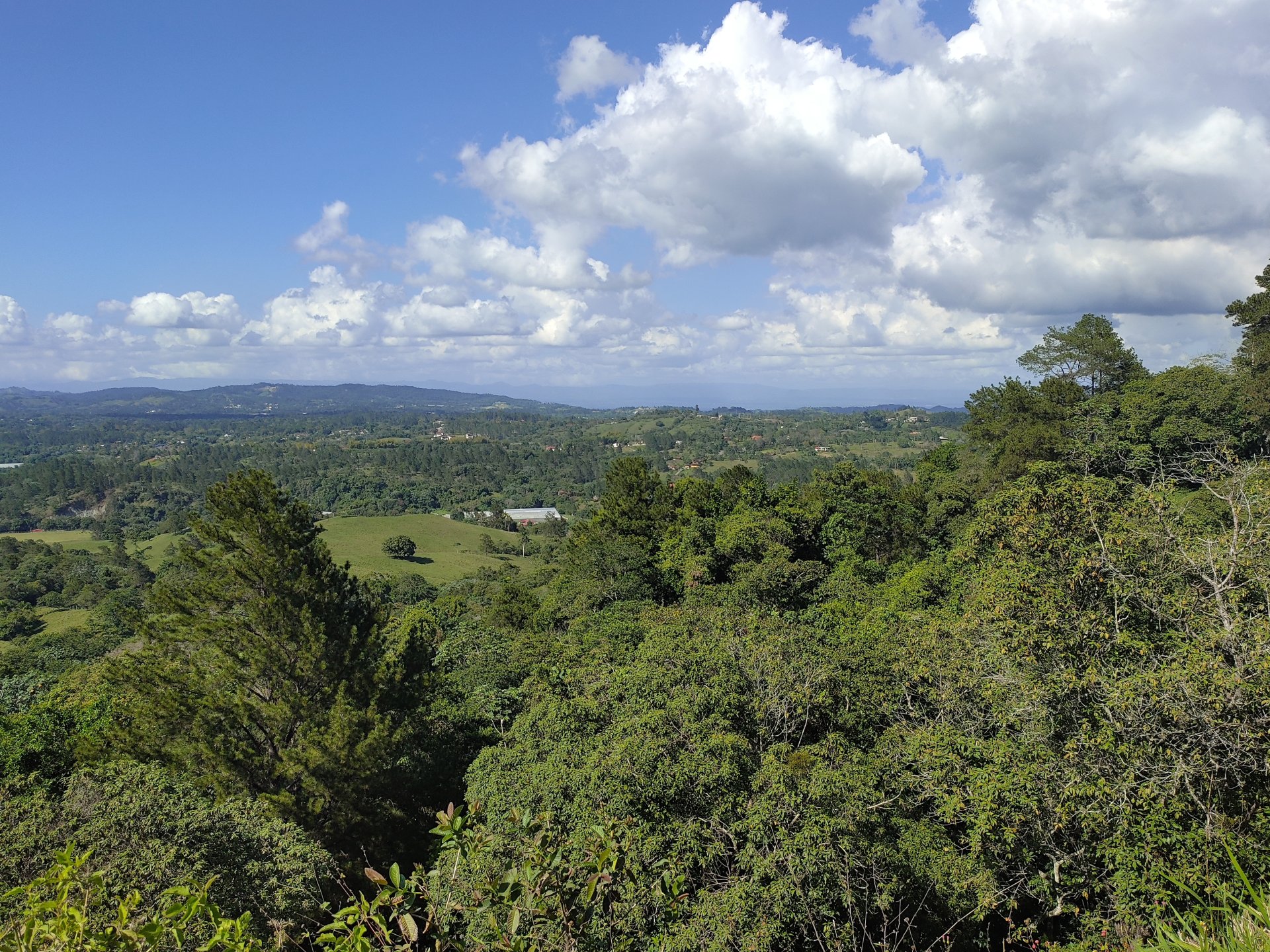
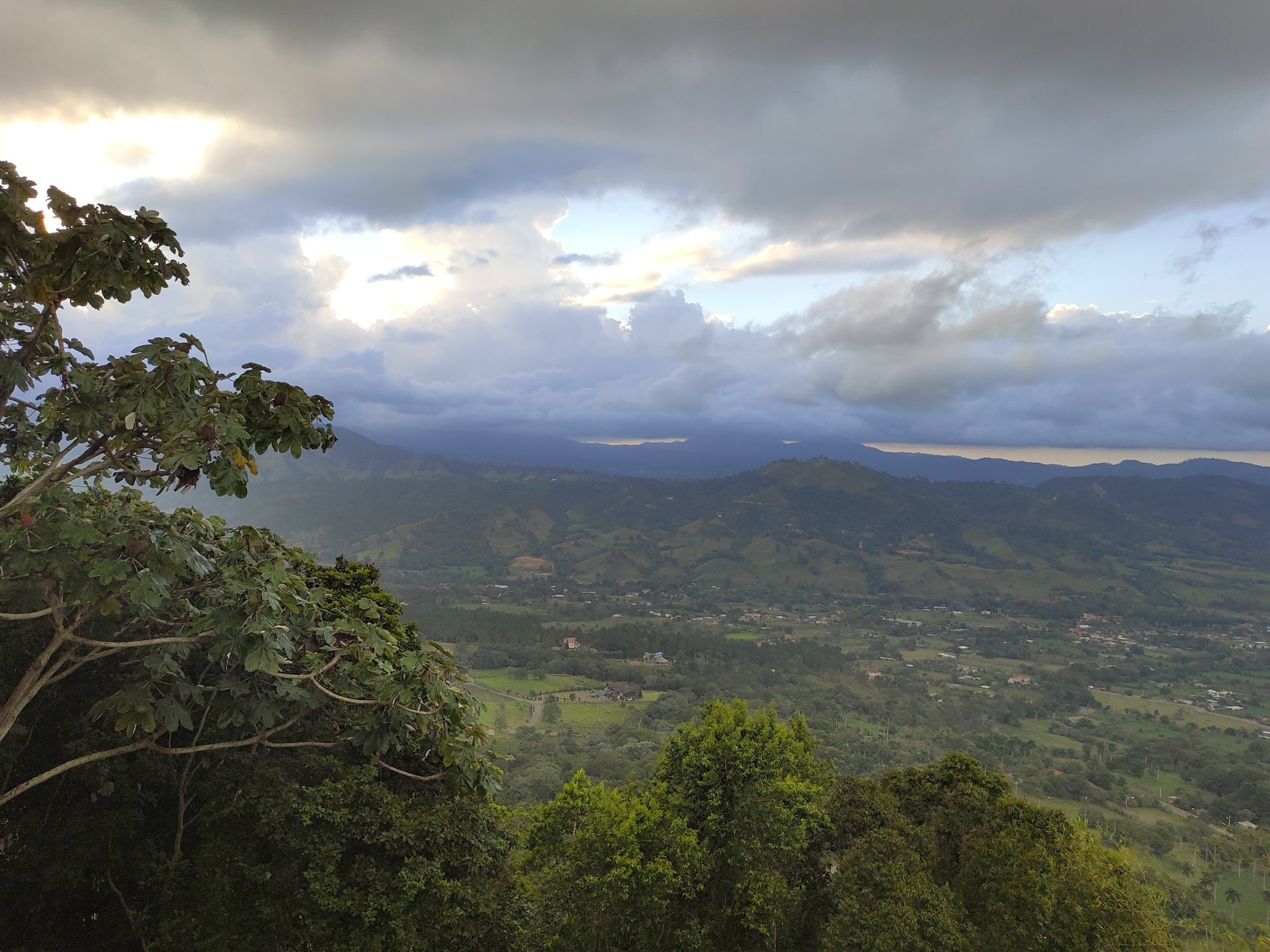
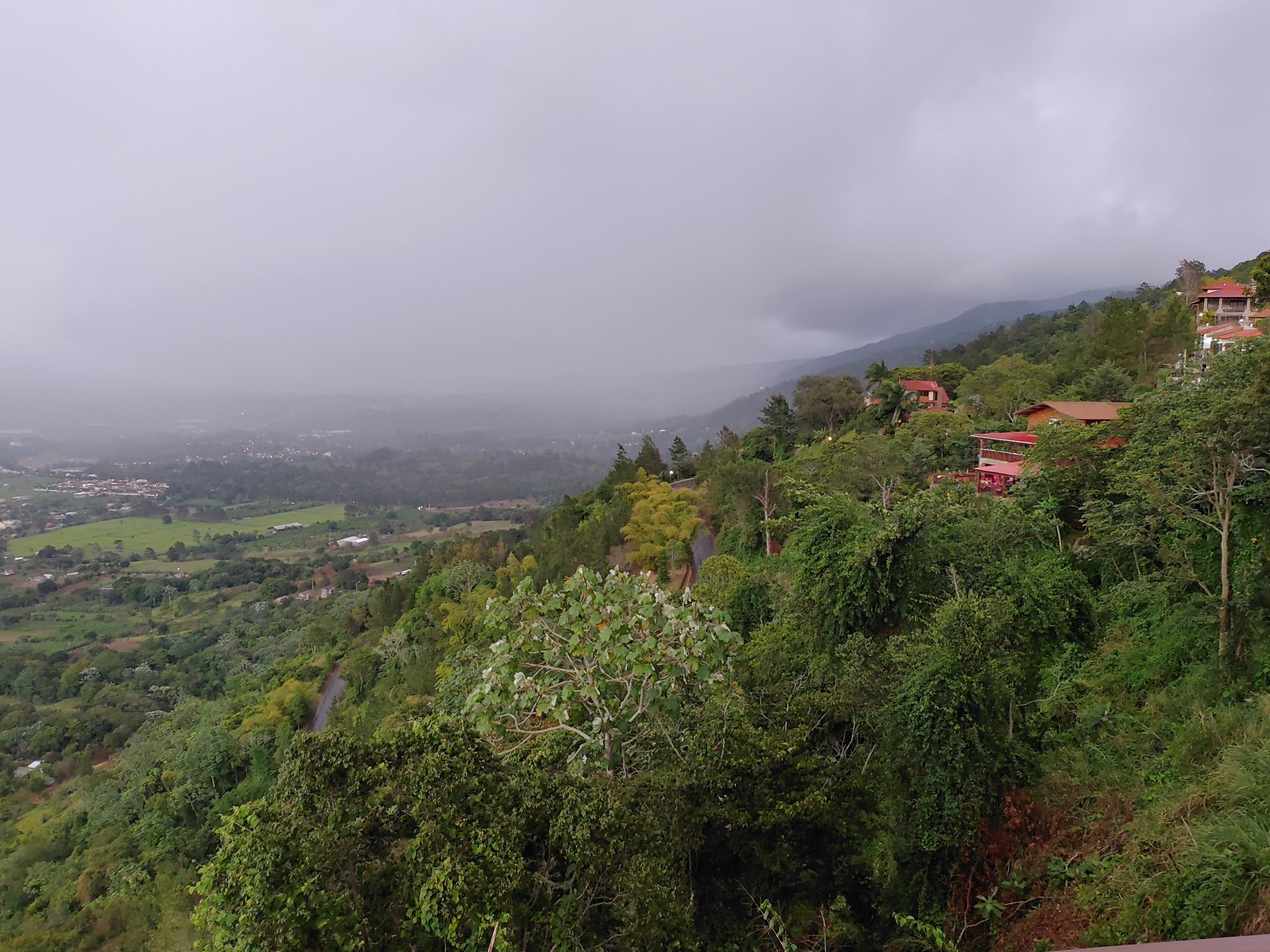
Showing 24 of 33 photos
Frequently asked questions
Spring all year. Days sit around 24 to 27°C, nights drop to 15 to 18°C. You will want a light layer after dark and a blanket to sleep under. There is no need for air conditioning, which alone cuts utility costs significantly. It rains more than the coast, particularly in the afternoon from May to October, but rarely all day. If you hate heat, Jarabacoa is the most comfortable place in the DR.
White-water rafting on the Río Yaque del Norte is the most popular, with several operators running half-day and full-day trips. Salto Jimenoa is a 40-metre waterfall about 15 minutes from town. Pico Duarte, at 3,087 metres the highest peak in the Caribbean, starts its main trail from nearby La Ciénaga. The hike is 2 days minimum. There are also canyoning, zip-lining, and mountain biking setups around town.
Better than most people expect. Fibre internet has reached the town centre and the main residential areas. Power cuts happen but are less of a disruption than on the coast. There are no coworking spaces, but several cafes have decent WiFi. The lack of nightlife is a feature or a bug depending on what you want. Most people who choose Jarabacoa are deliberately choosing a quieter lifestyle.
Small but growing. It is not the ready-made community you find in Cabarete or Las Terrenas. There are North American and European residents, often retired or running small businesses, but you will not find a big social scene from day one. The town is very Dominican, which is either what you want or a reason to look elsewhere. Spanish is important here.
Santiago is about 1 hour north, with its hospitals and shopping. Santo Domingo is 2 hours south. The north coast beaches are about 1.5 to 2 hours. Constanza, the higher and colder mountain town, is about 1.5 hours on a winding but scenic road. Jarabacoa works well as a base if you have a car, though its location is central enough to reach most of the island in a reasonable day.