

Santo Domingo is the DR's capital and its most functional city. It offers the best healthcare, the widest range of restaurants and cultural experiences, the most reliable utilities, and the greatest professional opportunity in the country. The trade-offs are higher cost, urban noise, and safety awareness requirements in certain neighbourhoods.
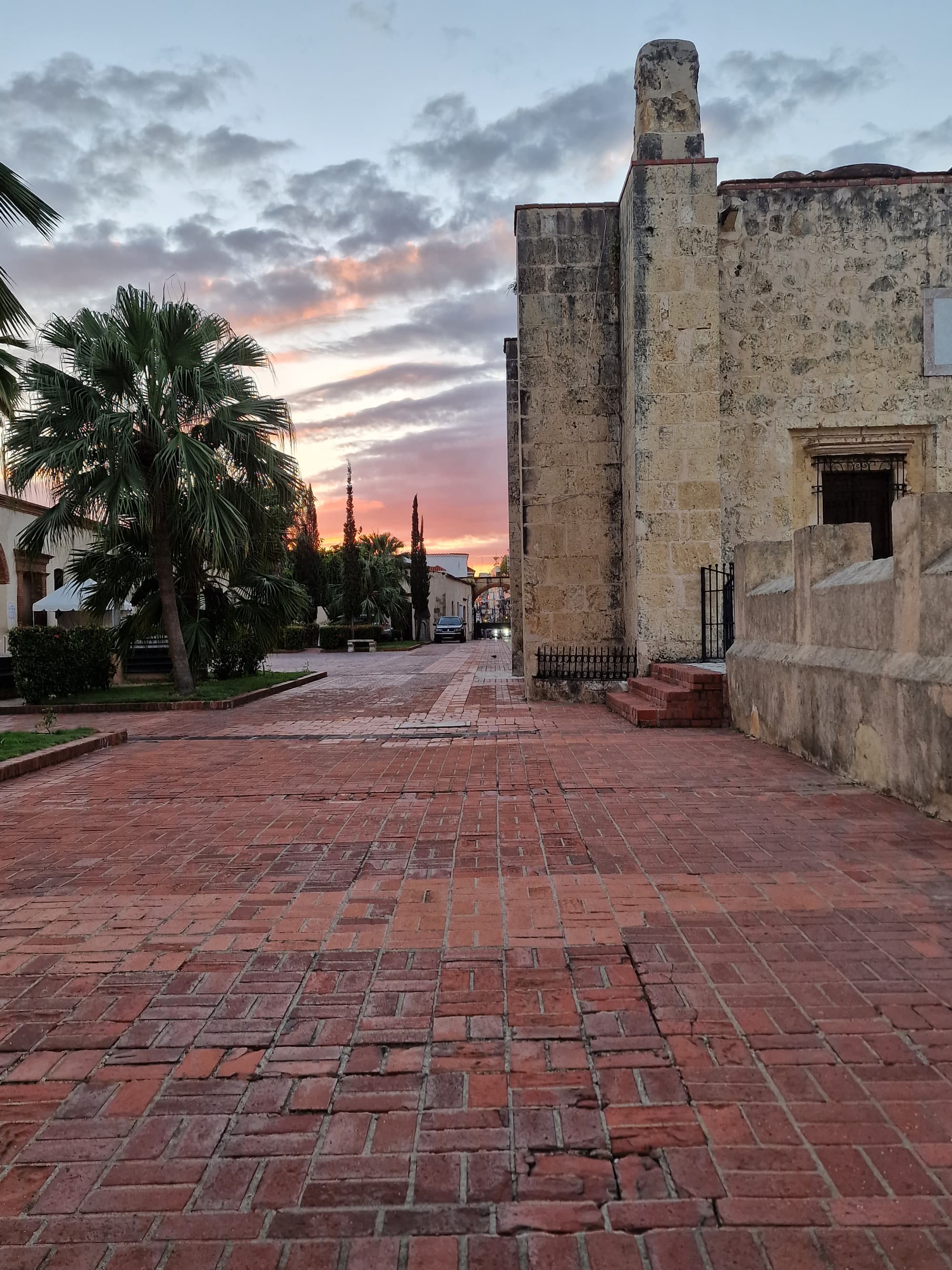
Is Santo Domingo right for you?
Santo Domingo suits professionals working locally or remotely who want the widest range of urban amenities; families who need international schools and reliable private healthcare; and expats who want to be genuinely integrated into Dominican society rather than in a foreign expat bubble.
Is Santo Domingo safe?
Santo Domingo scores 6.0 out of 10 for safety on the DR Living Index. Santo Domingo's safety depends almost entirely on which neighbourhood you live in. Piantini, Naco, Serrallés, and La Esperilla are well-policed and feel safe for daily life.
The safety card below has the full picture for Santo Domingo, and the DR safety guide covers the whole country.
What the scores mean
Santo Domingo is the most expensive city for day-to-day living in the DR. Rent in the good expat neighbourhoods (Piantini, Naco, Serrallés, La Esperilla) runs $700 to $2,500 per month for a furnished apartment: one-beds start around $500 in Naco and run $700 to $1,250 in Piantini and Serrallés, and premium two-beds reach $2,500. Eating out, transport, and entertainment all cost more than provincial towns, though the city is still significantly cheaper than comparable European or North American capitals.
Santo Domingo's safety depends almost entirely on which neighbourhood you live in. Piantini, Naco, Serrallés, and La Esperilla are well-policed and feel safe for daily life. Most expats self-select into safe zones and rarely encounter problems. The city-wide picture masks significant neighbourhood variation: expats in good areas typically experience it as safer than the overall number suggests. The most commonly reported crime against expats is phone snatching by motorcyclists, mostly between 8 and 11pm at street level, so keep the phone out of sight on the pavement.
Santo Domingo has the best private healthcare in the DR and it is genuinely good by regional standards. Clínica Abreu, Centro Médico UCE, CEDIMAT (cardiology and specialties), Hospiten Santo Domingo (private international chain) and the major public Hospital General de la Plaza de la Salud are well-equipped with trained specialists. Many doctors did postgraduate training in Spain, the USA, or Argentina, and English-speaking consultants are easy to find, with consultations roughly 25 to 80 US dollars. The capital has the broadest specialist care in the country, and its private hospitals operate at a significantly different level from the rest of the country.
Santo Domingo has the best internet infrastructure in the DR. Fibre connections of 100 to 500 Mbps are available from multiple providers in all upscale residential areas. Co-working spaces are numerous and well-equipped.
Santo Domingo's lifestyle is urban, not Caribbean. It is a proper Latin American capital with a serious restaurant scene, genuine nightlife, cultural institutions, and a social life that does not revolve around the beach. The Zona Colonial is a UNESCO World Heritage Site and genuinely beautiful.
The best shopping and services in the country. Every major supermarket chain is here, from Nacional and Jumbo to PriceSmart, alongside Ágora Mall, Blue Mall, international brands, and any professional service you could need. If you cannot find it in Santo Domingo, it is not in the DR.
Monthly budget breakdown
Map of Santo Domingo
Neighbourhoods in Santo Domingo
Piantini →
Prime expat and upper-class Dominican neighbourhood. Best restaurants, shopping malls, and nightlife in the city.
Naco →
Adjacent to Piantini. More residential, slightly quieter. Very popular with long-term expats.
Serralles →
Uphill from Piantini. Cooler microclimate, green streets, and a residential feel. Strongly recommended.
Zona Colonial →
The historic centre and first European city in the Americas. UNESCO listed. Beautiful to live in but noisier.
Boca Chica
East of the city, 30 to 45 minutes. Beach access popular with Santo Domingo residents for weekends.
Living in Santo Domingo: the honest picture
What works well
- Best private hospitals in the DR
- Widest range of cuisine and nightlife
- Fastest internet in the country
- Largest expat community nationally
- Best for business and professional networking
- Most walkable urban environment
Watch out for
- Traffic and petty crime are the top push factors: a 5km trip can take 45 minutes, and phone-snatching by motorcyclists is common between 8 and 11pm
- Safety varies heavily by neighbourhood
- Highest cost of living in the DR
- Feels like a big Latin American city, not a beach escape
- Air quality can be poor
Photos from Santo Domingo
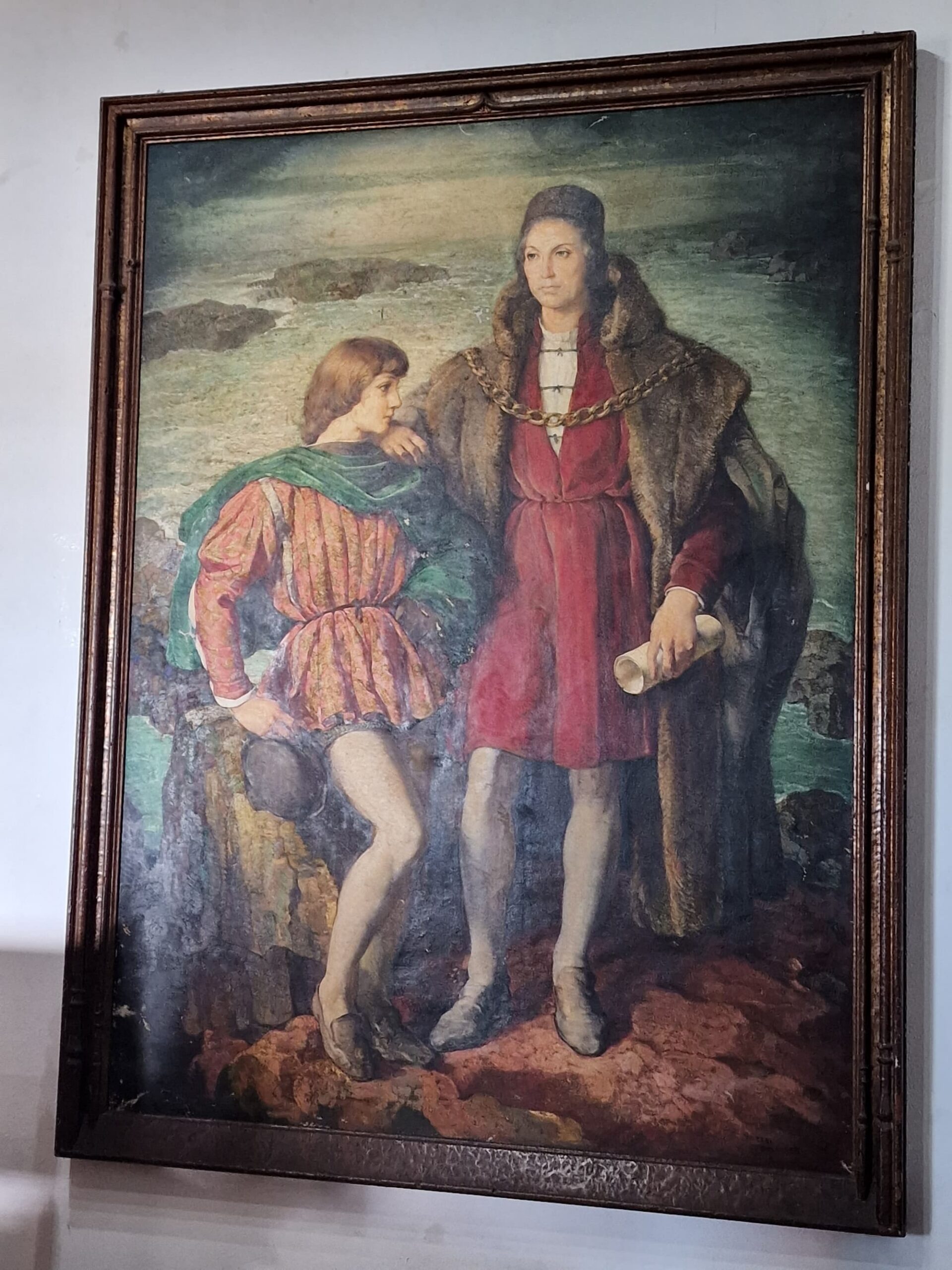
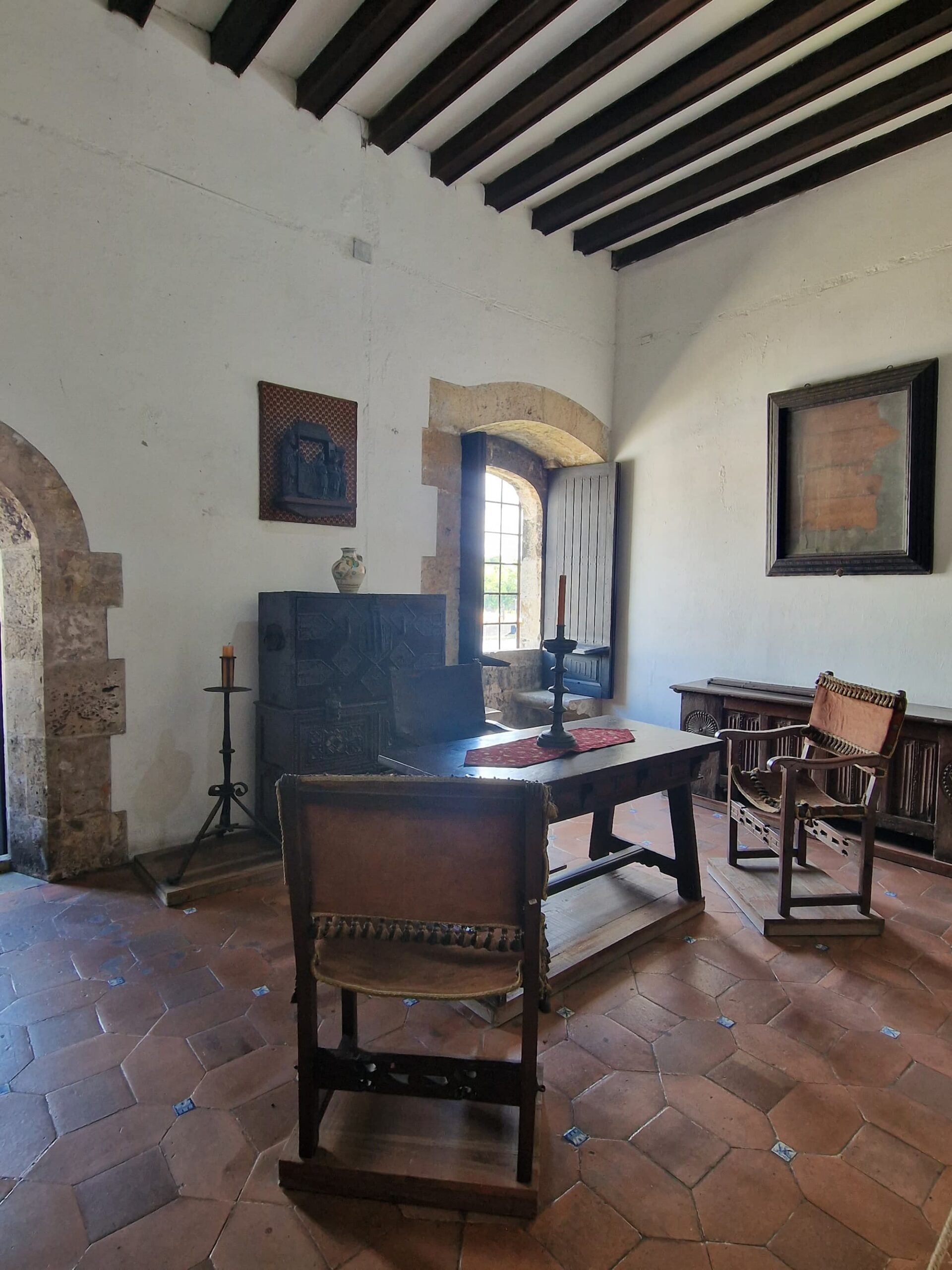
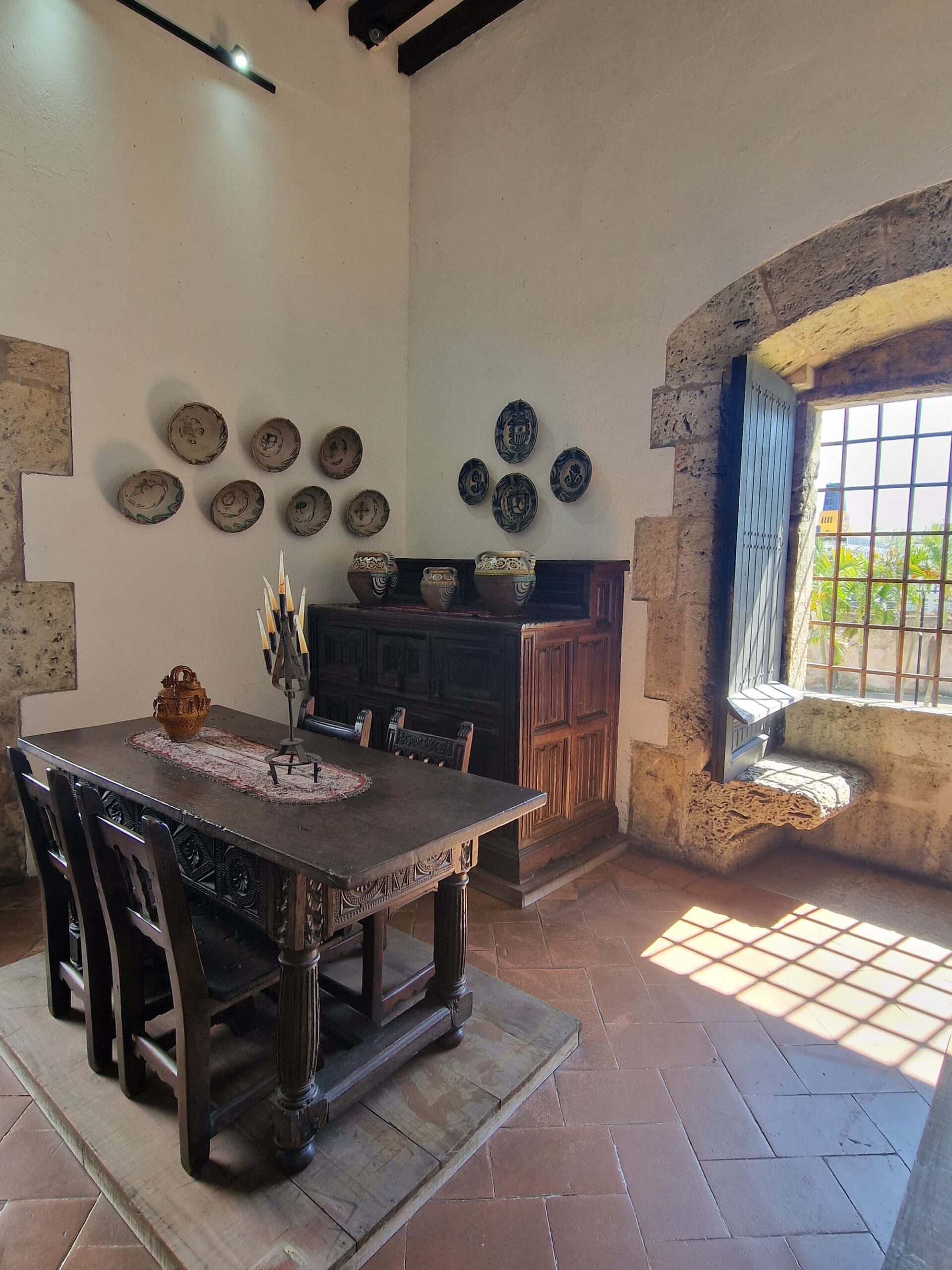
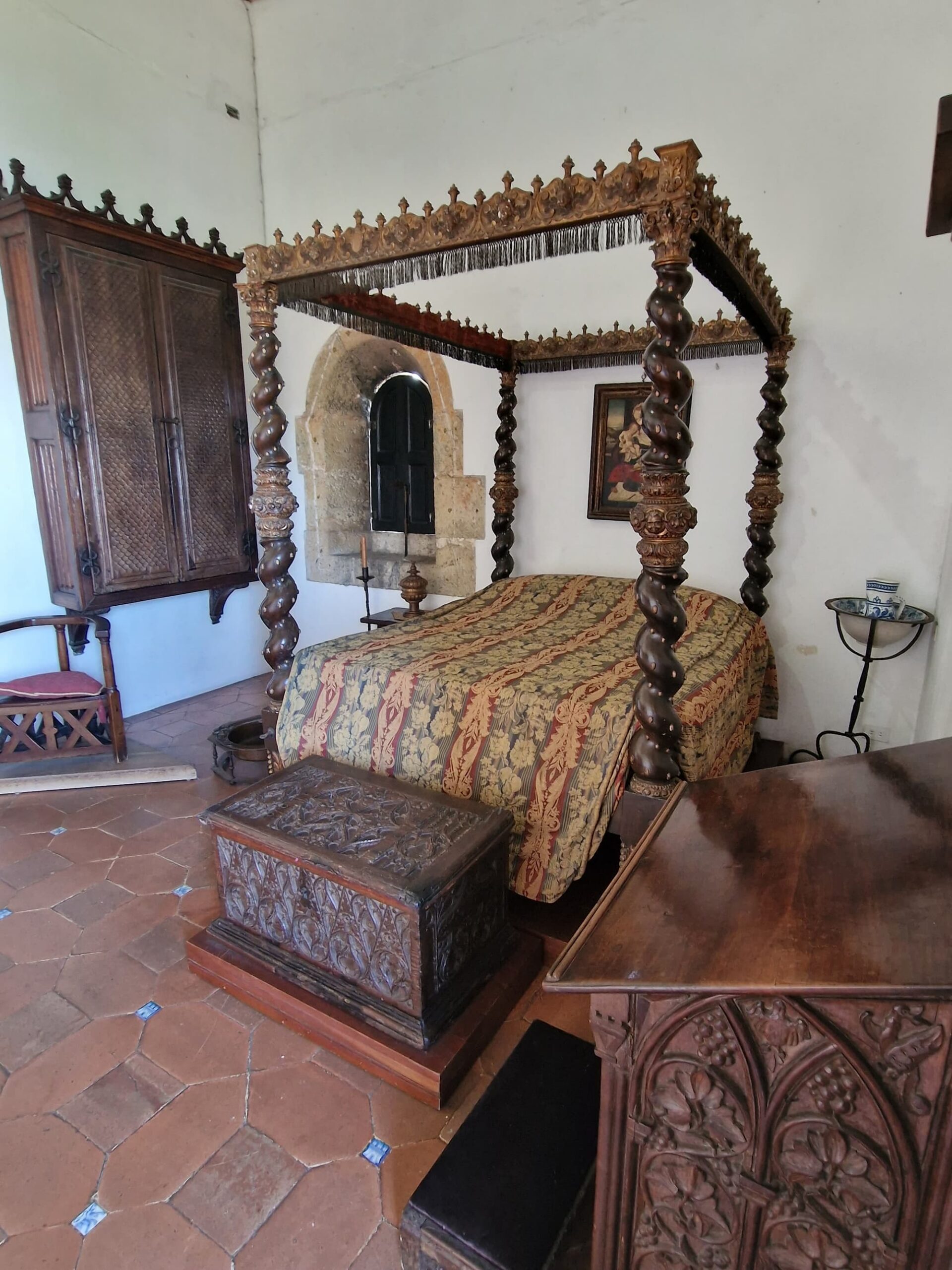
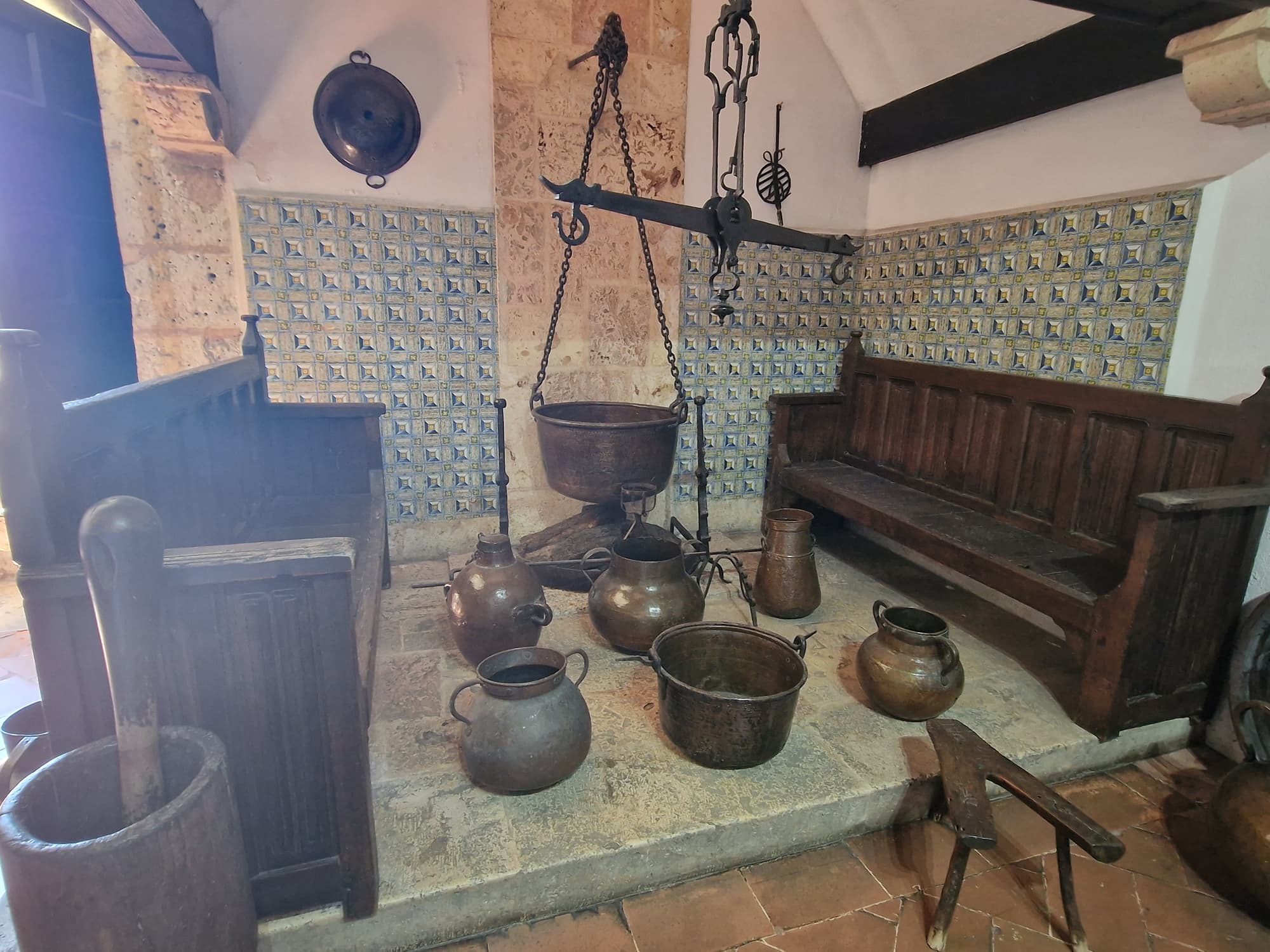
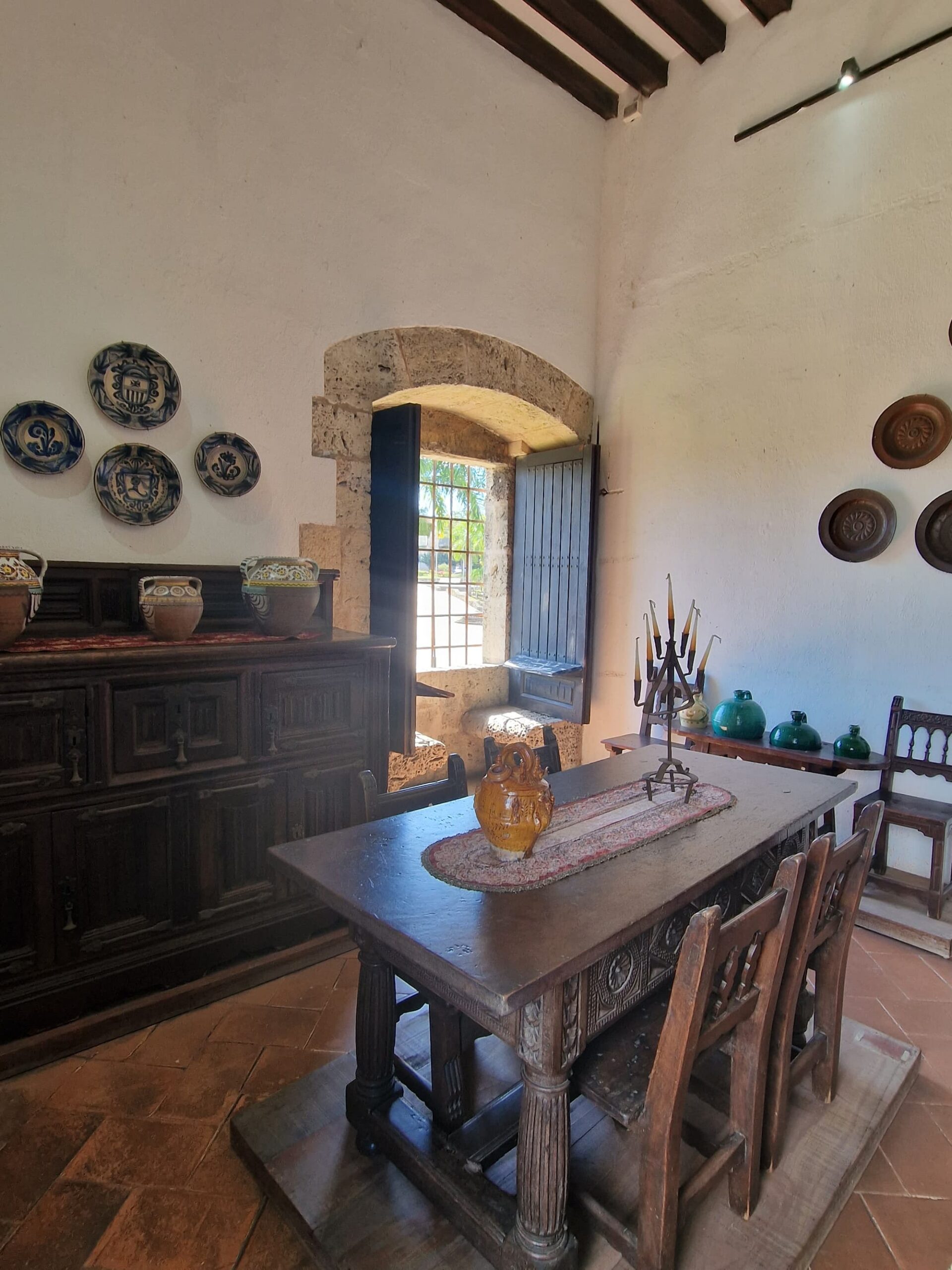
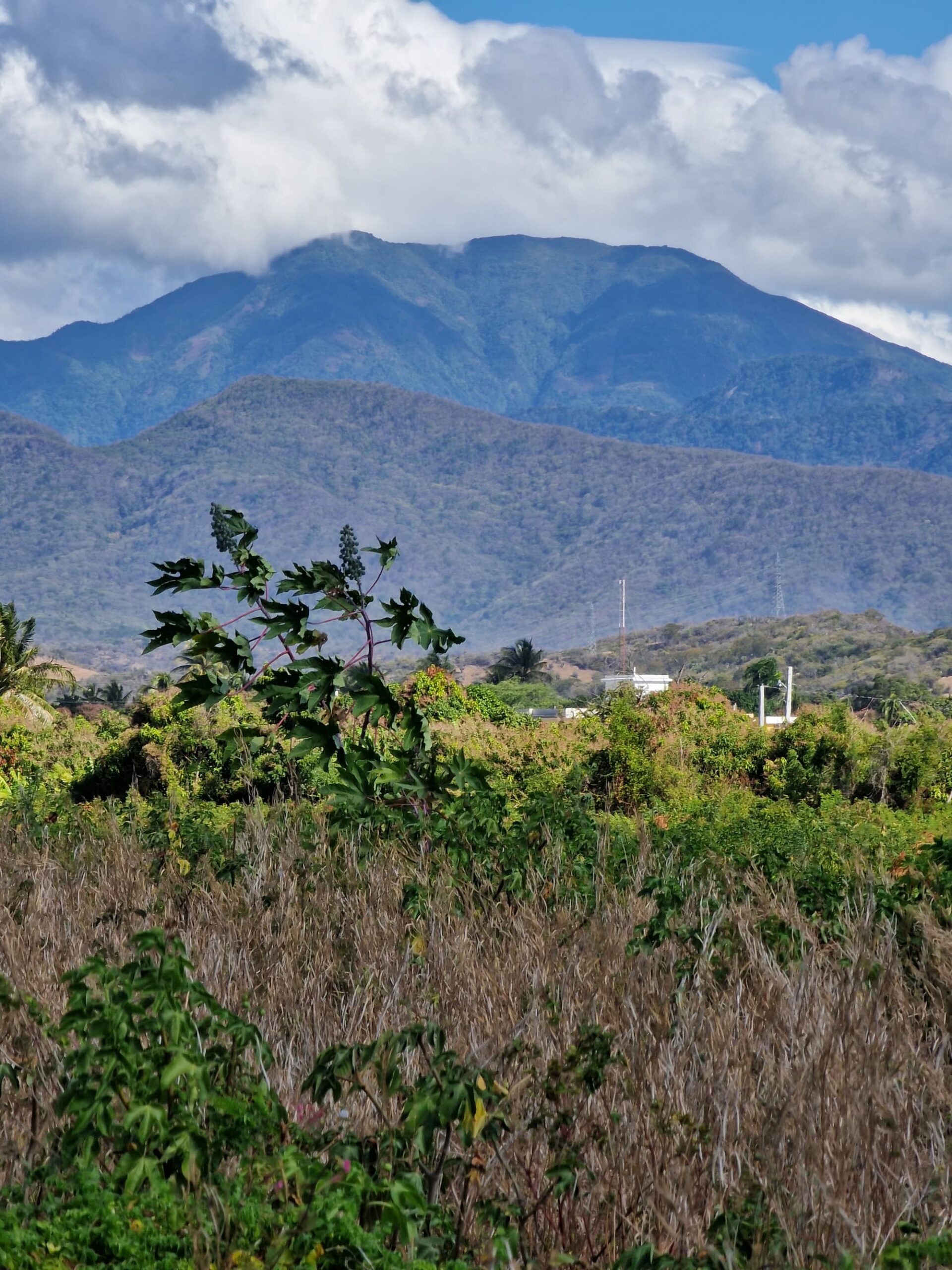
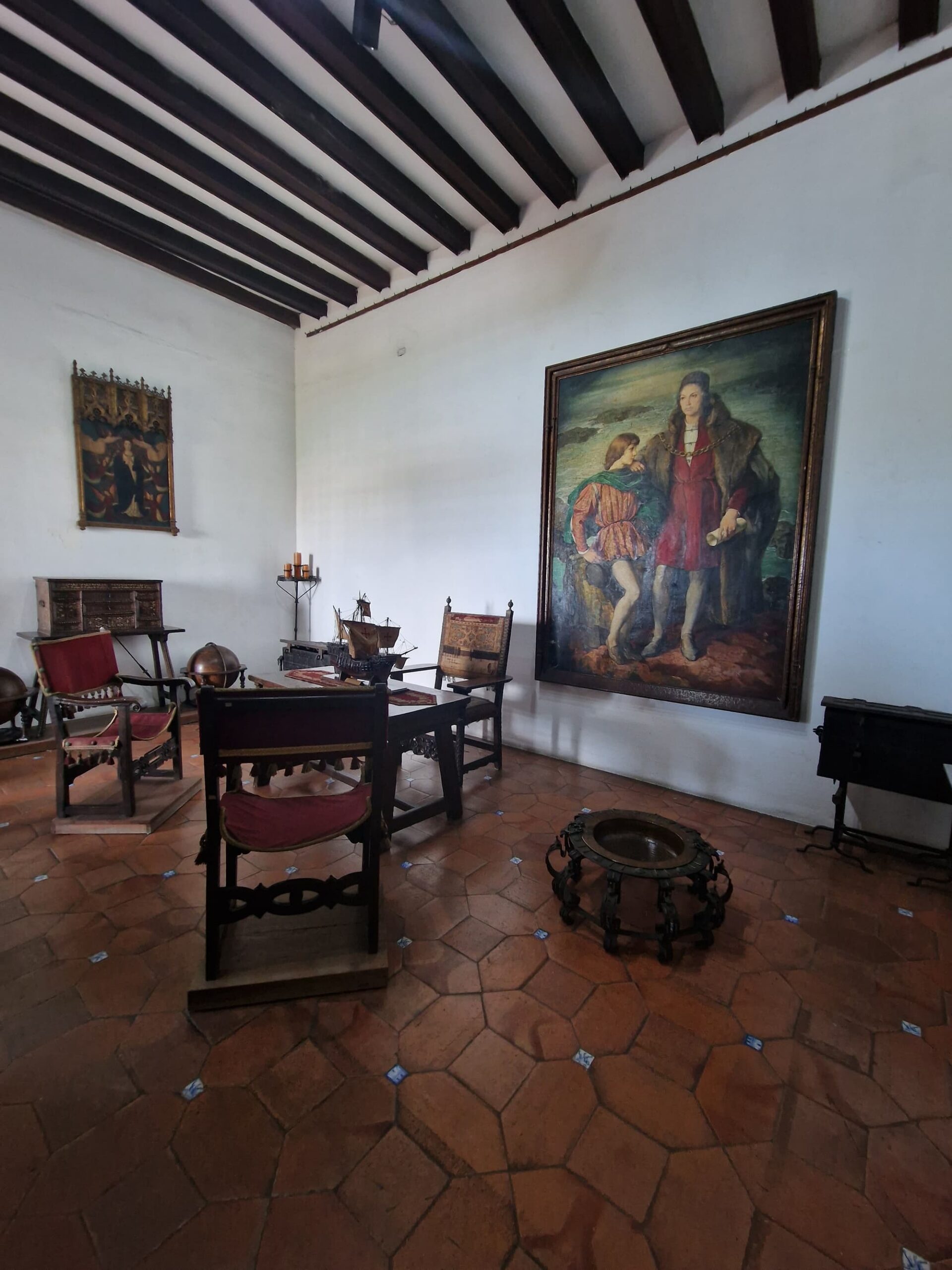
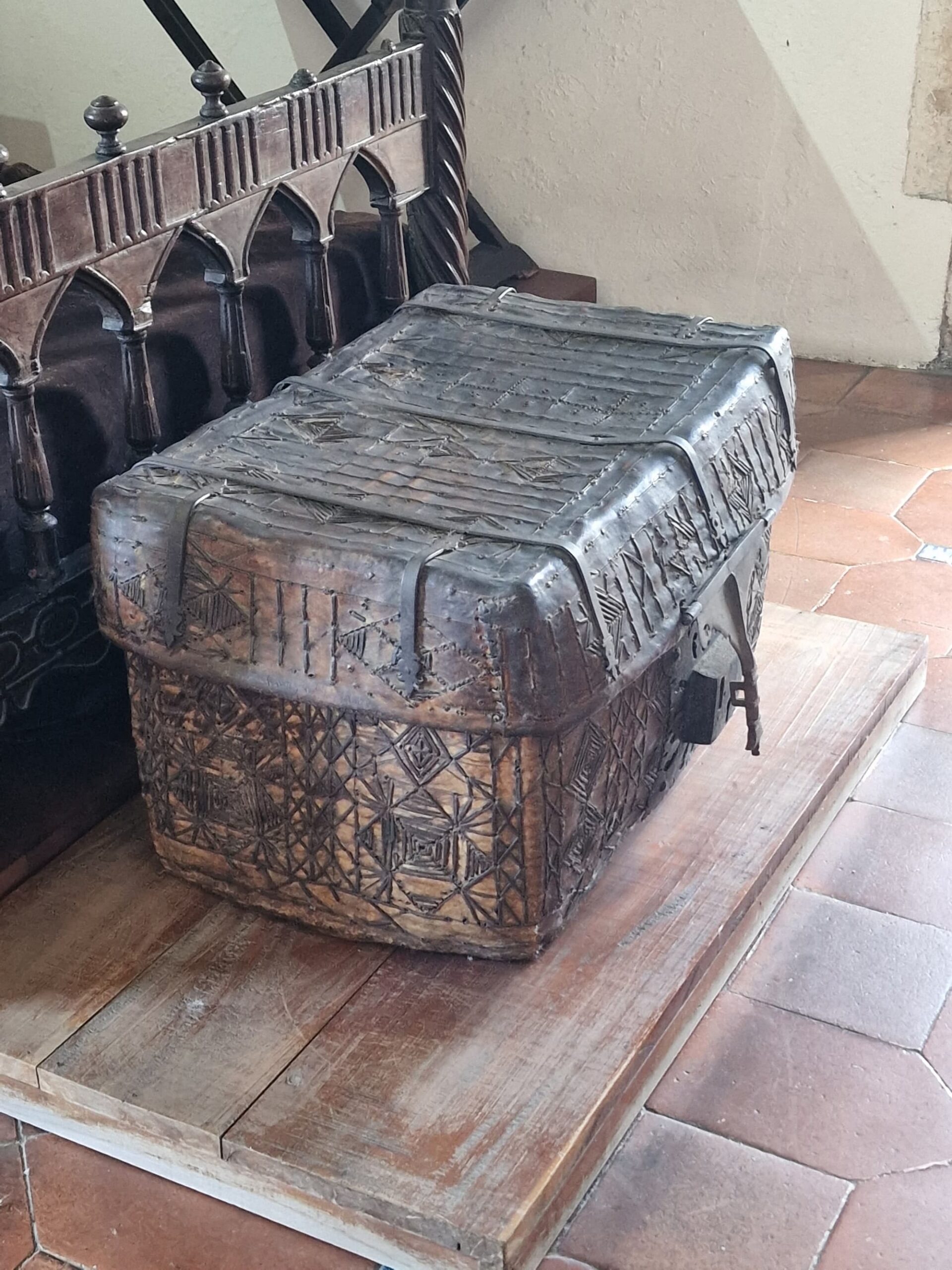
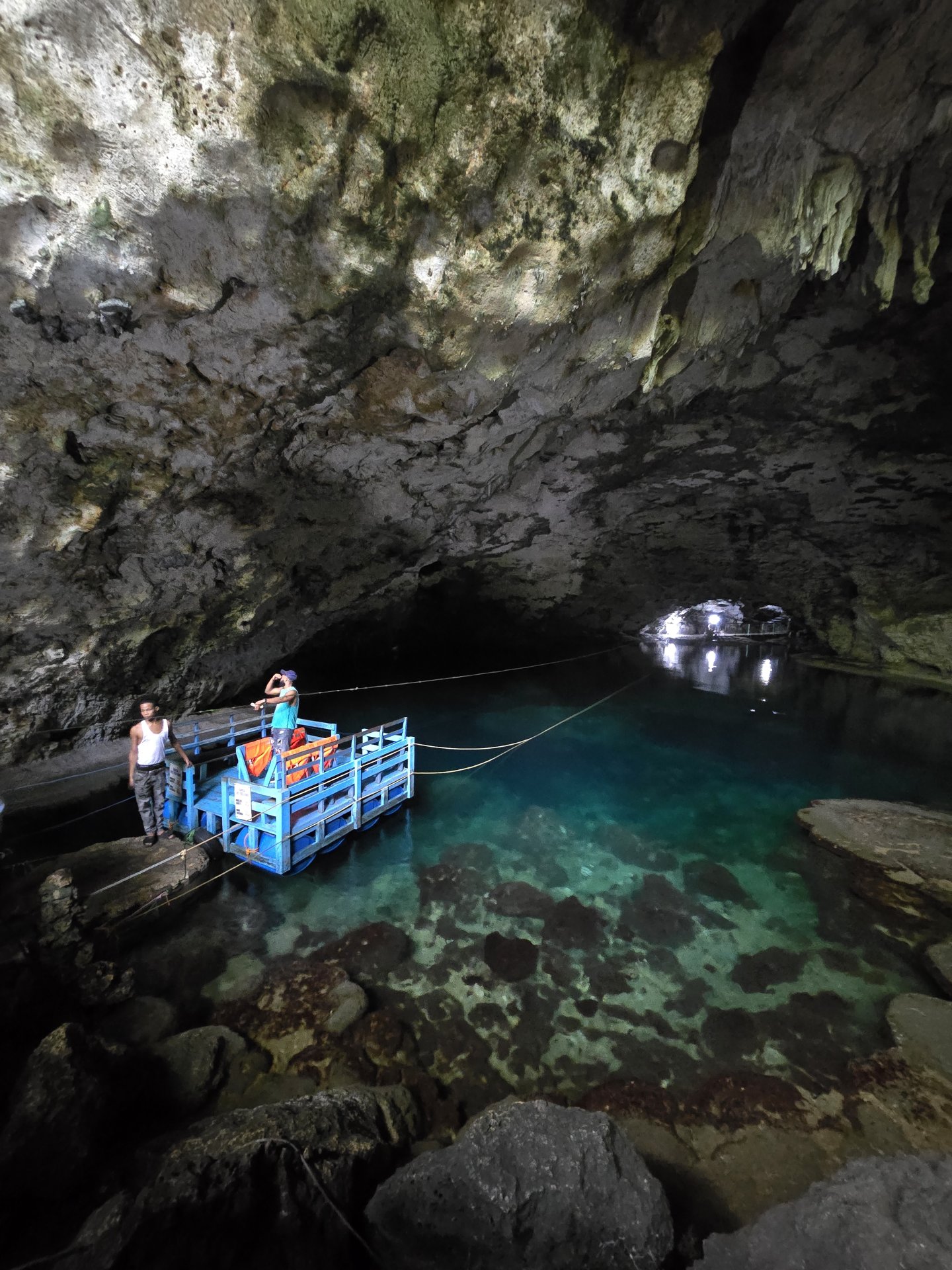
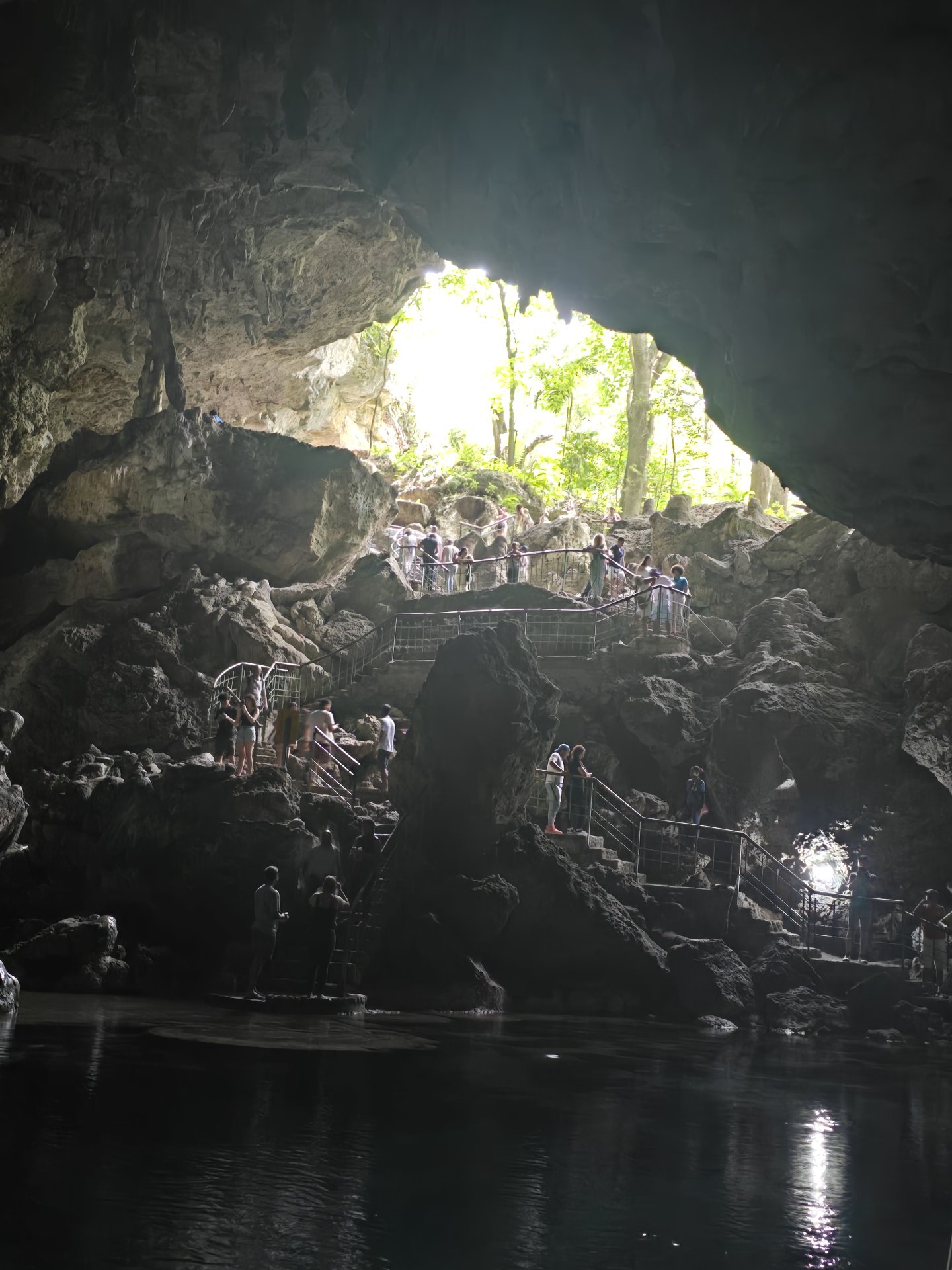
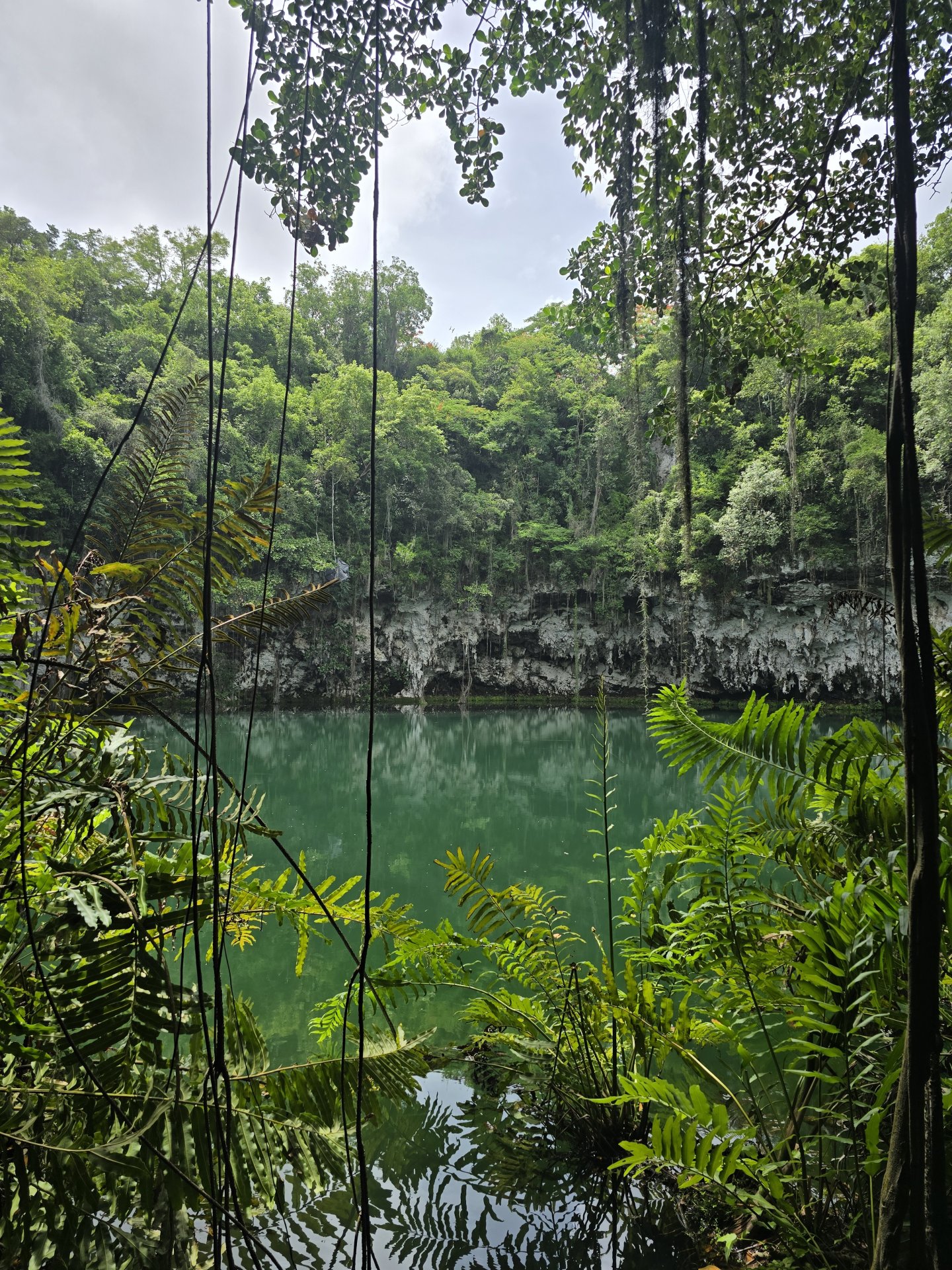
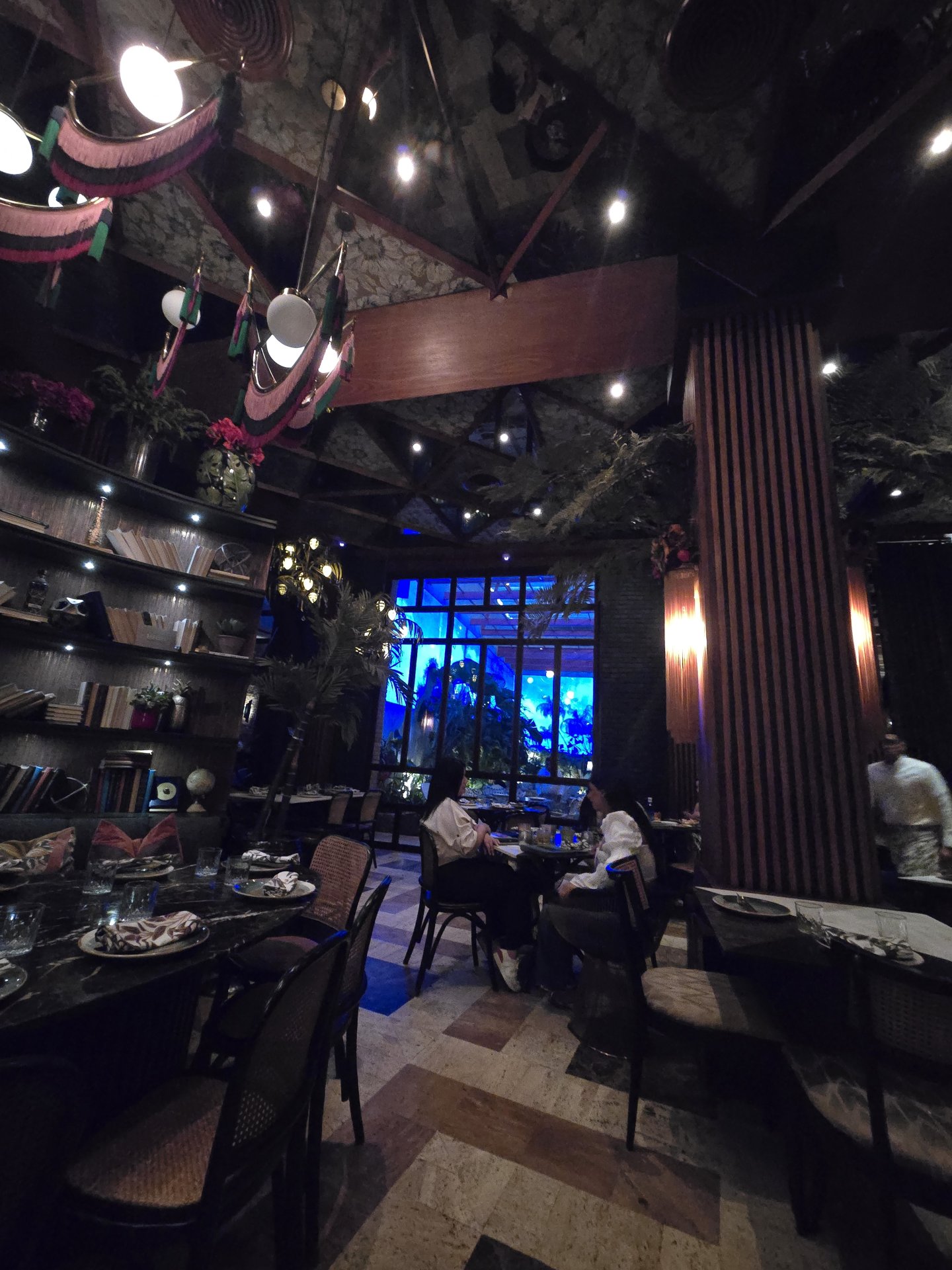
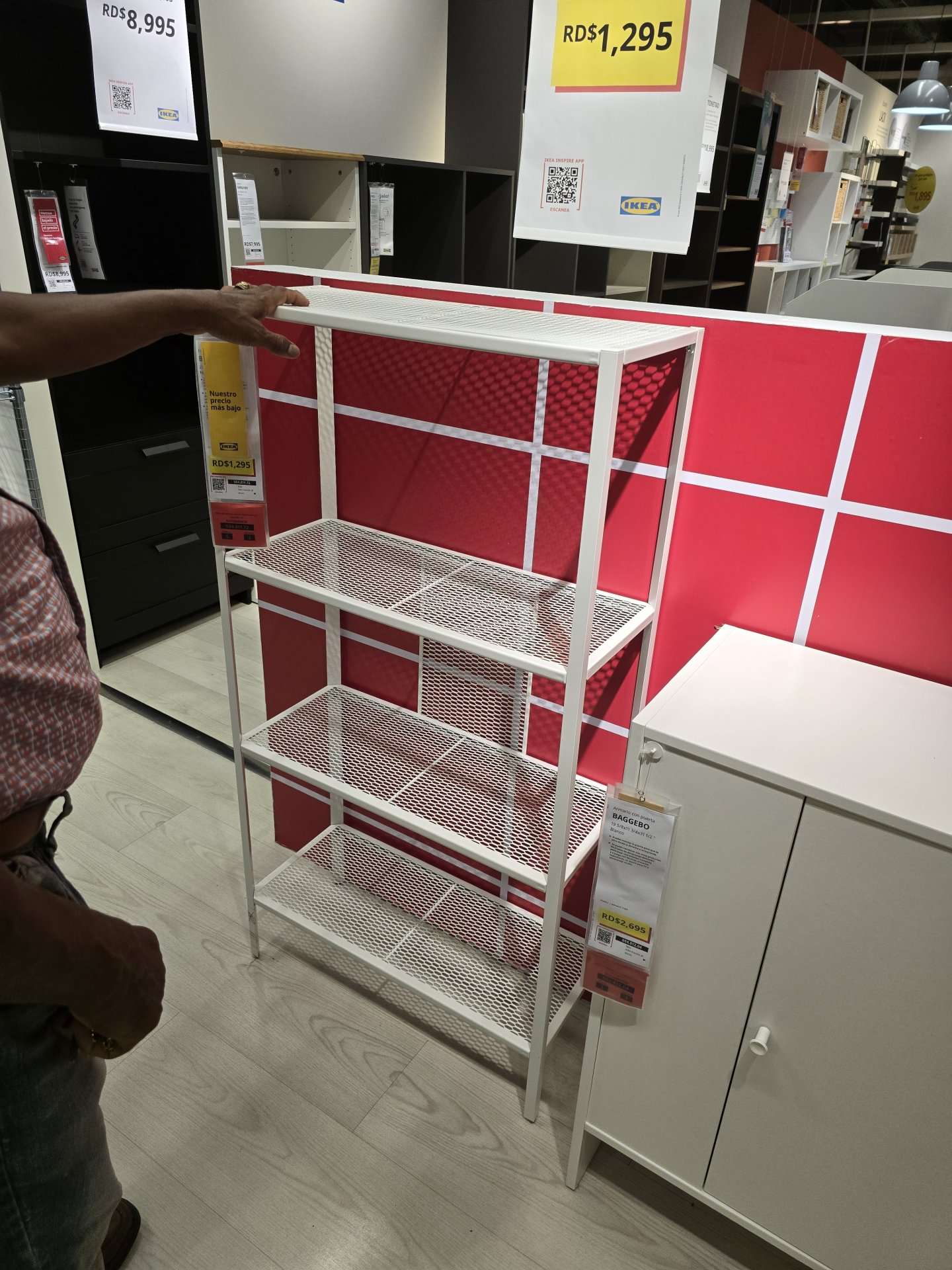
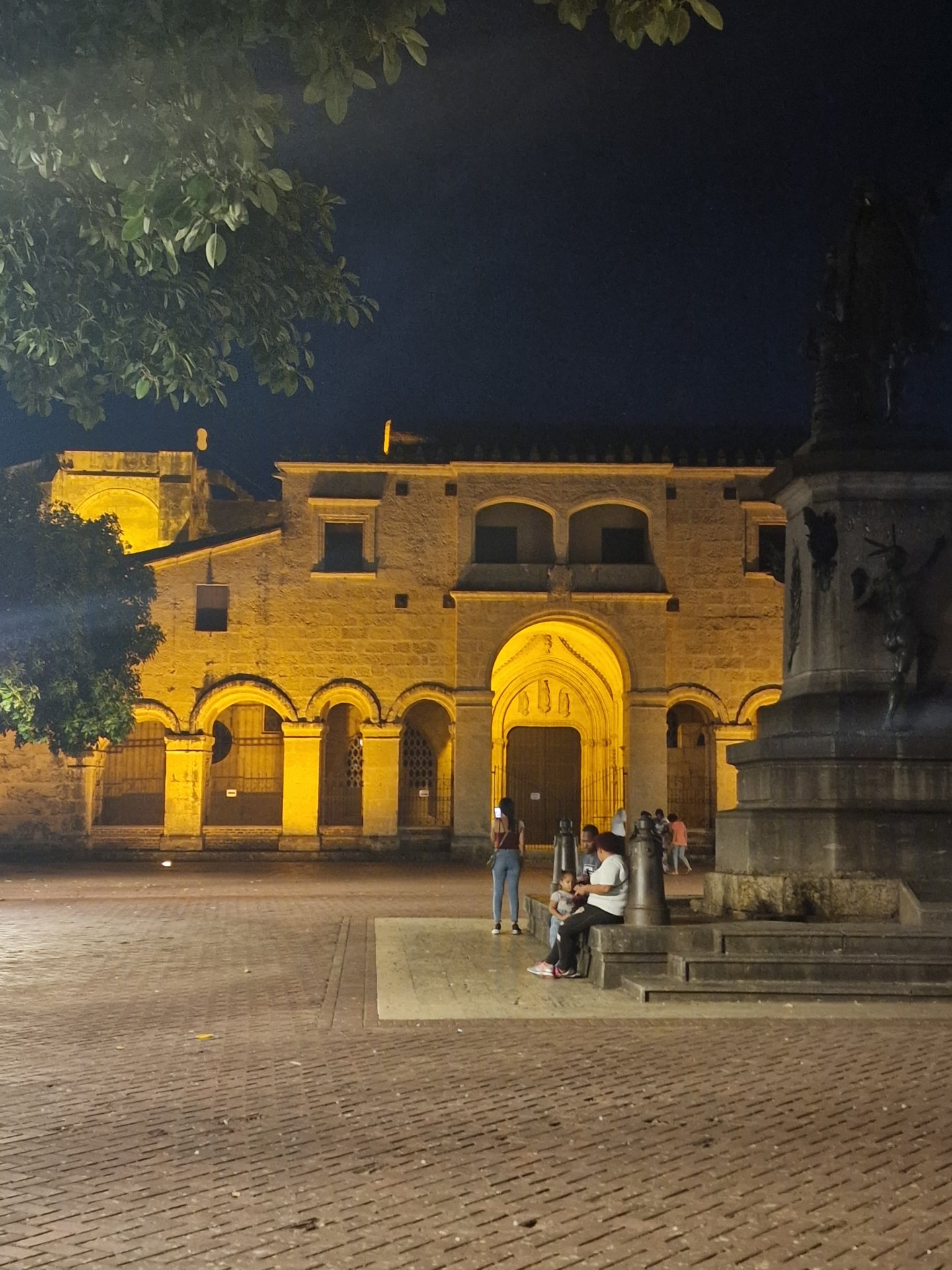
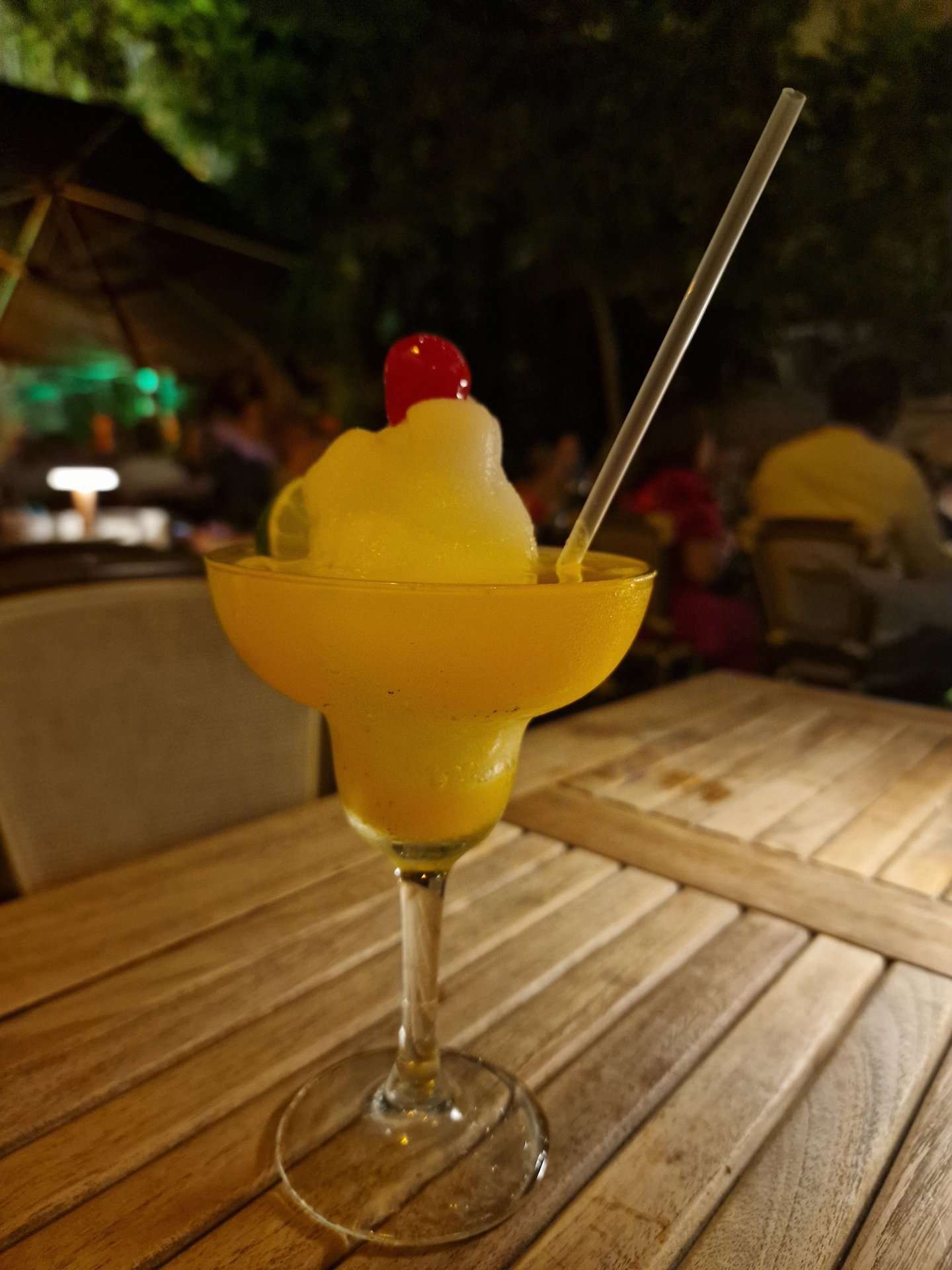
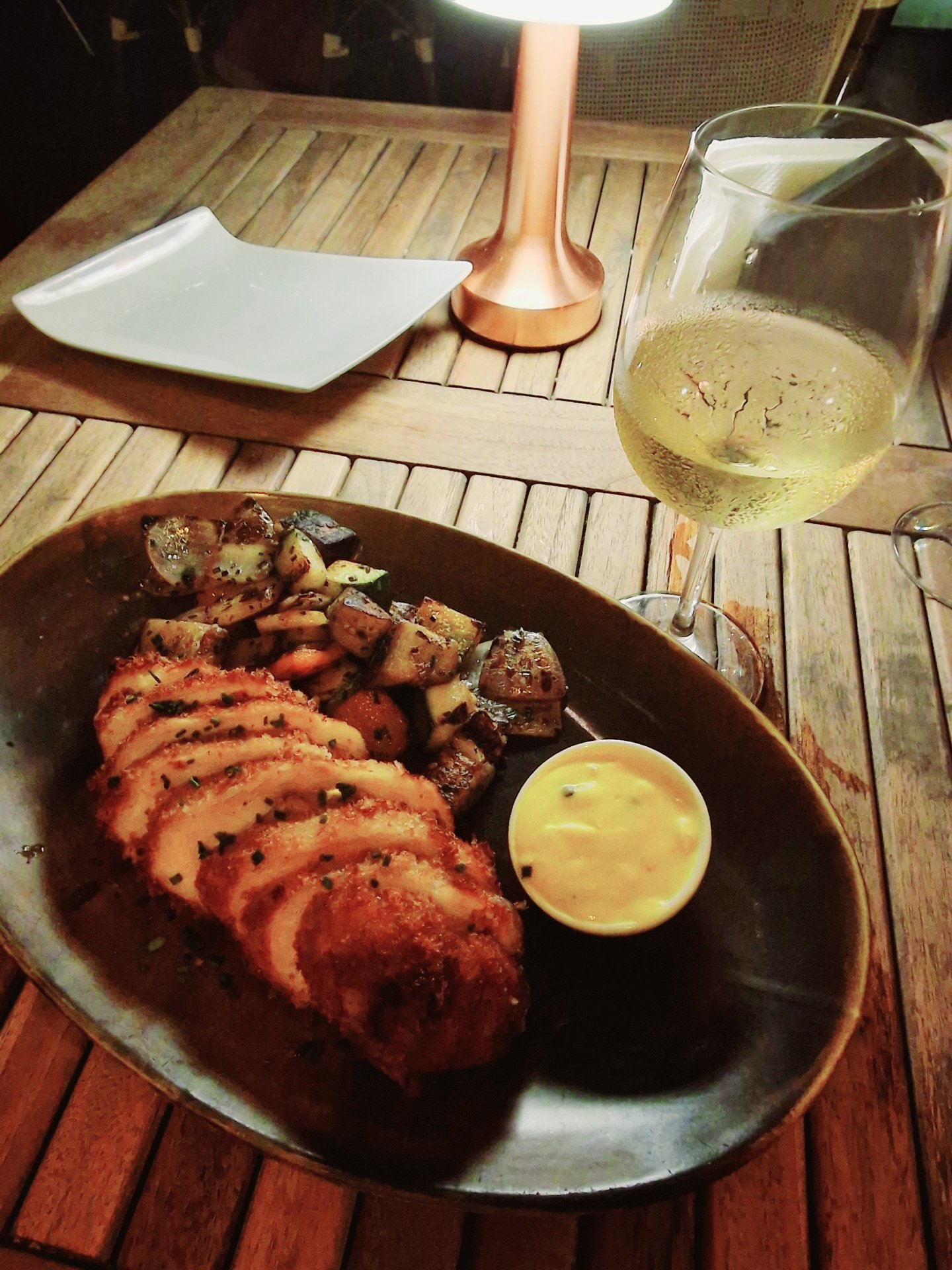
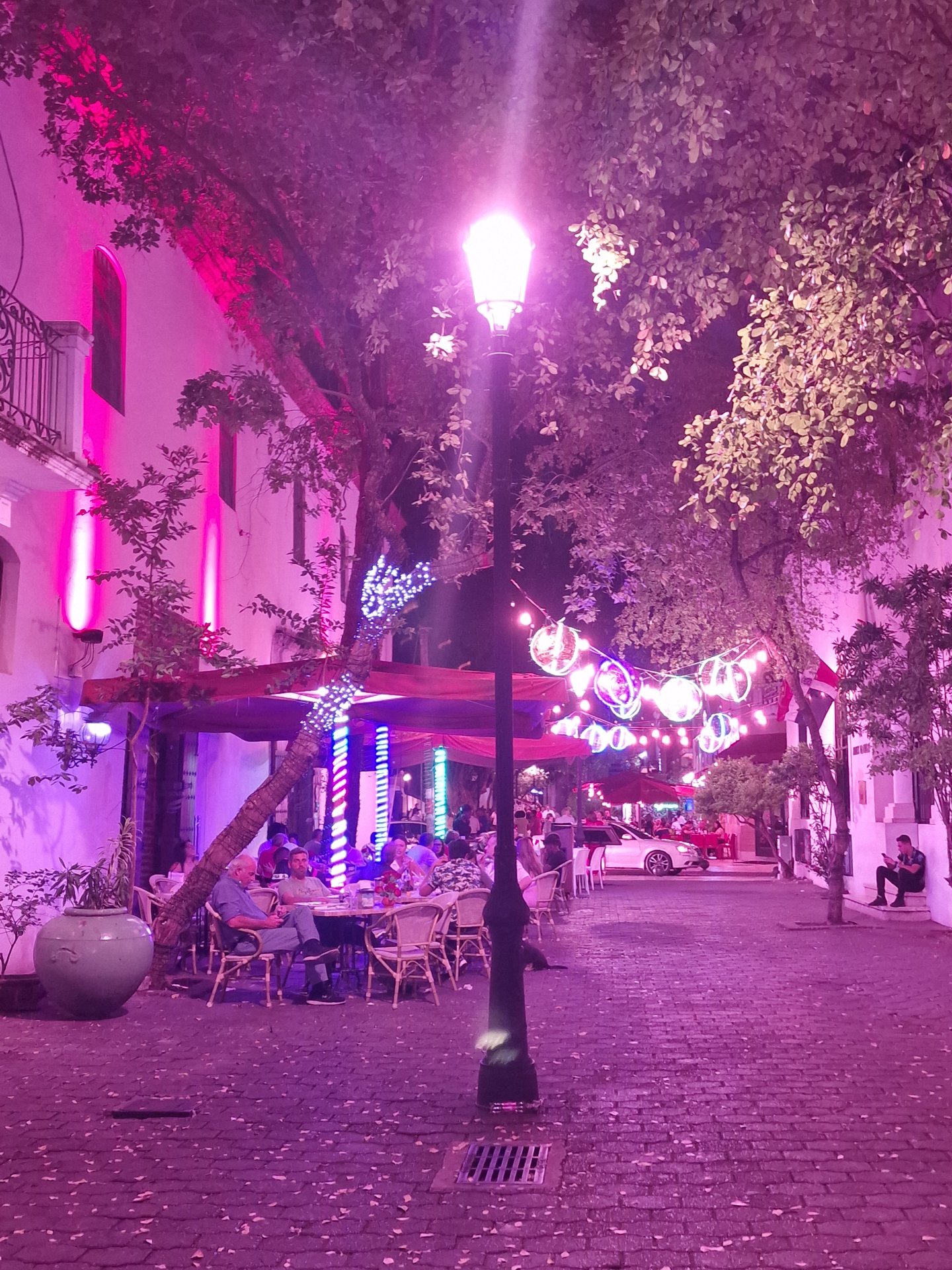
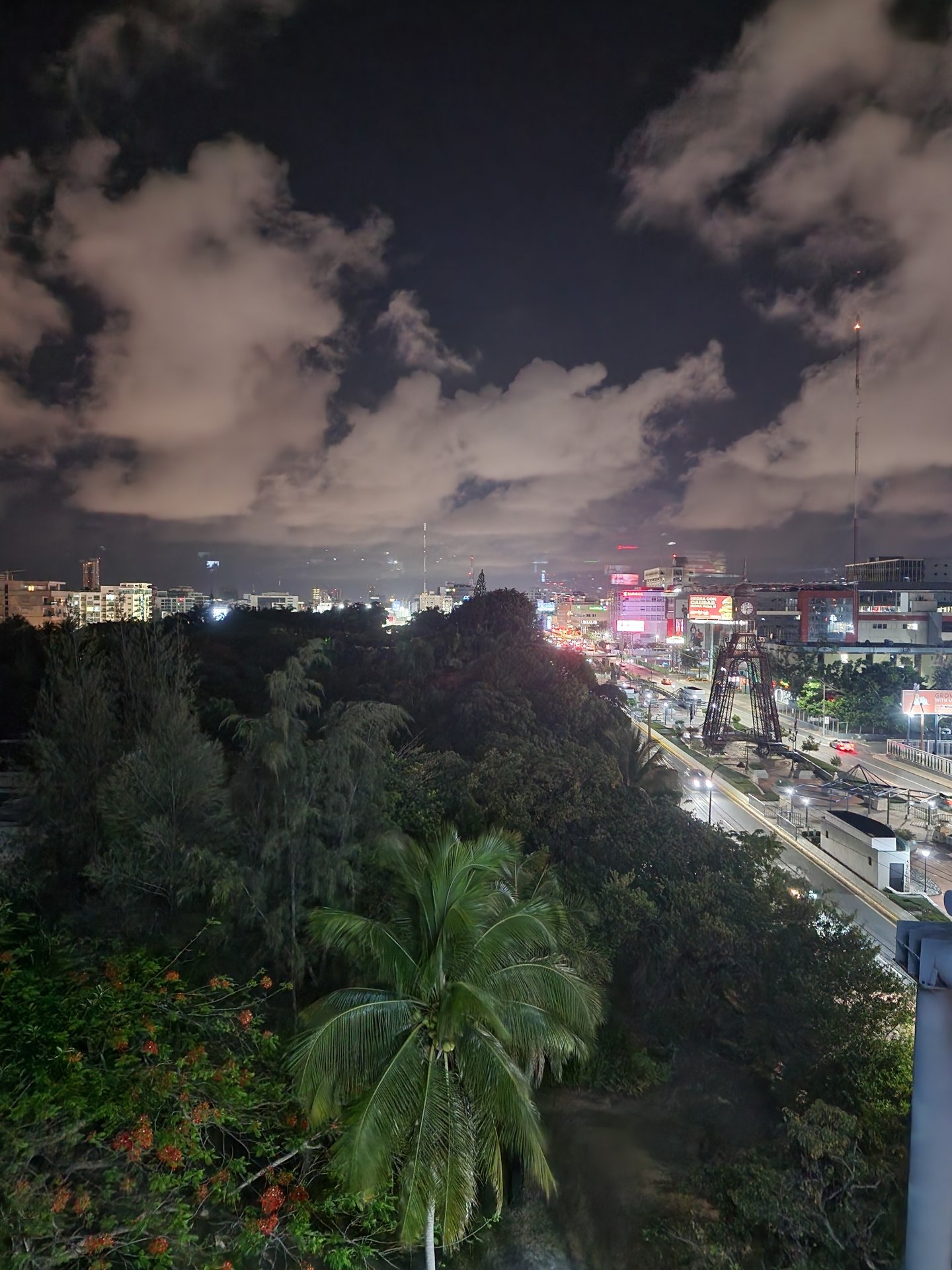
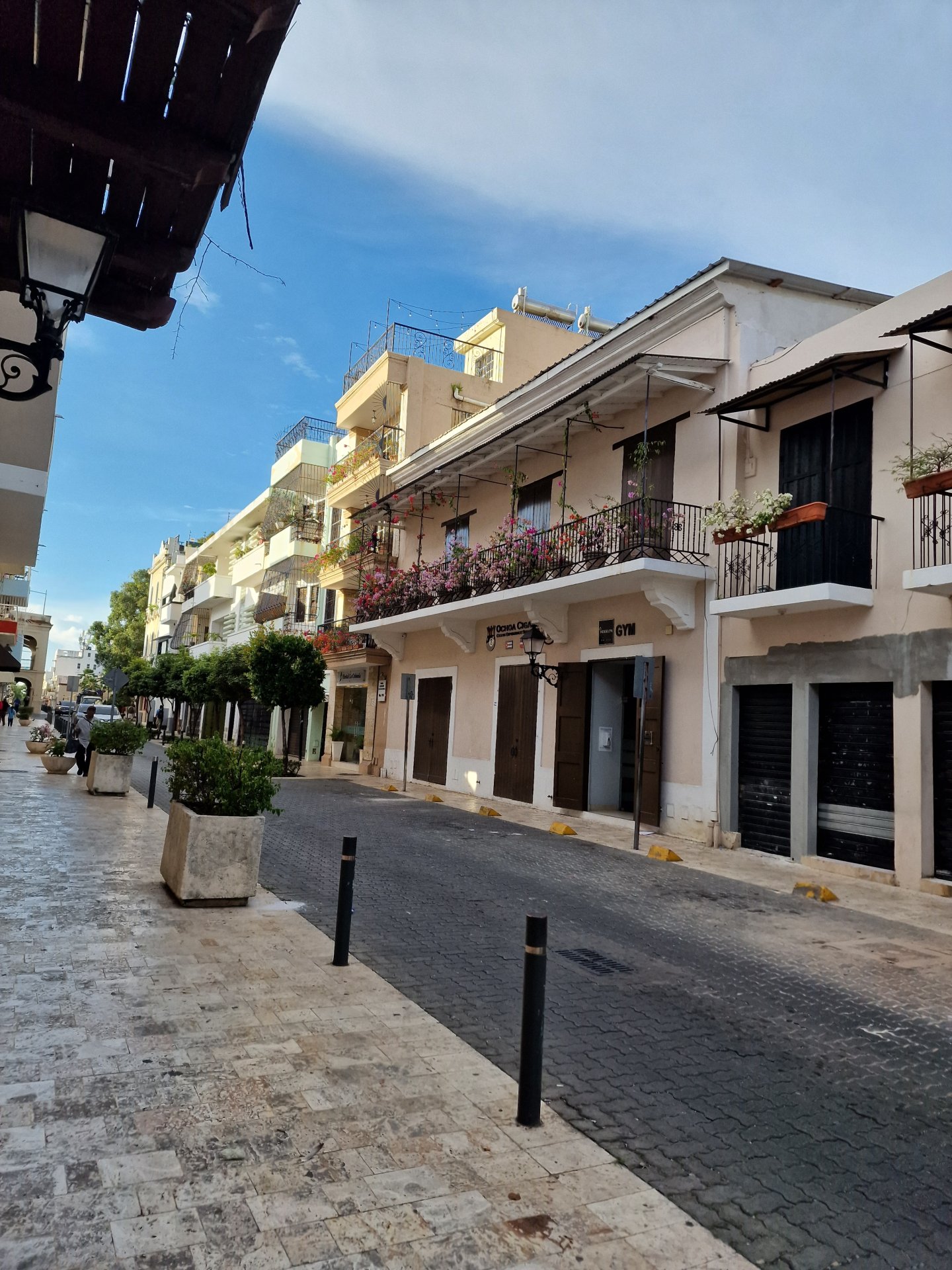
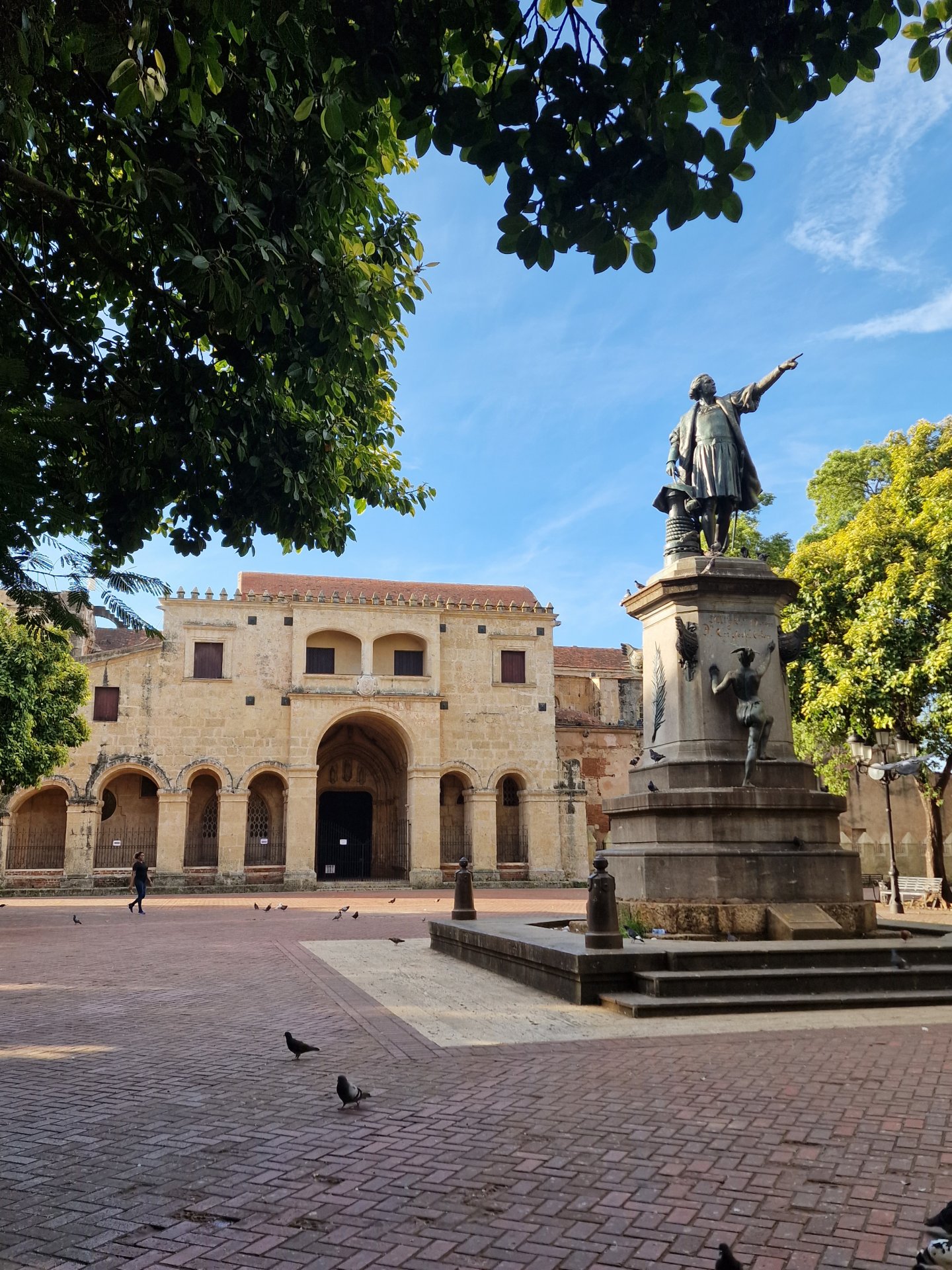
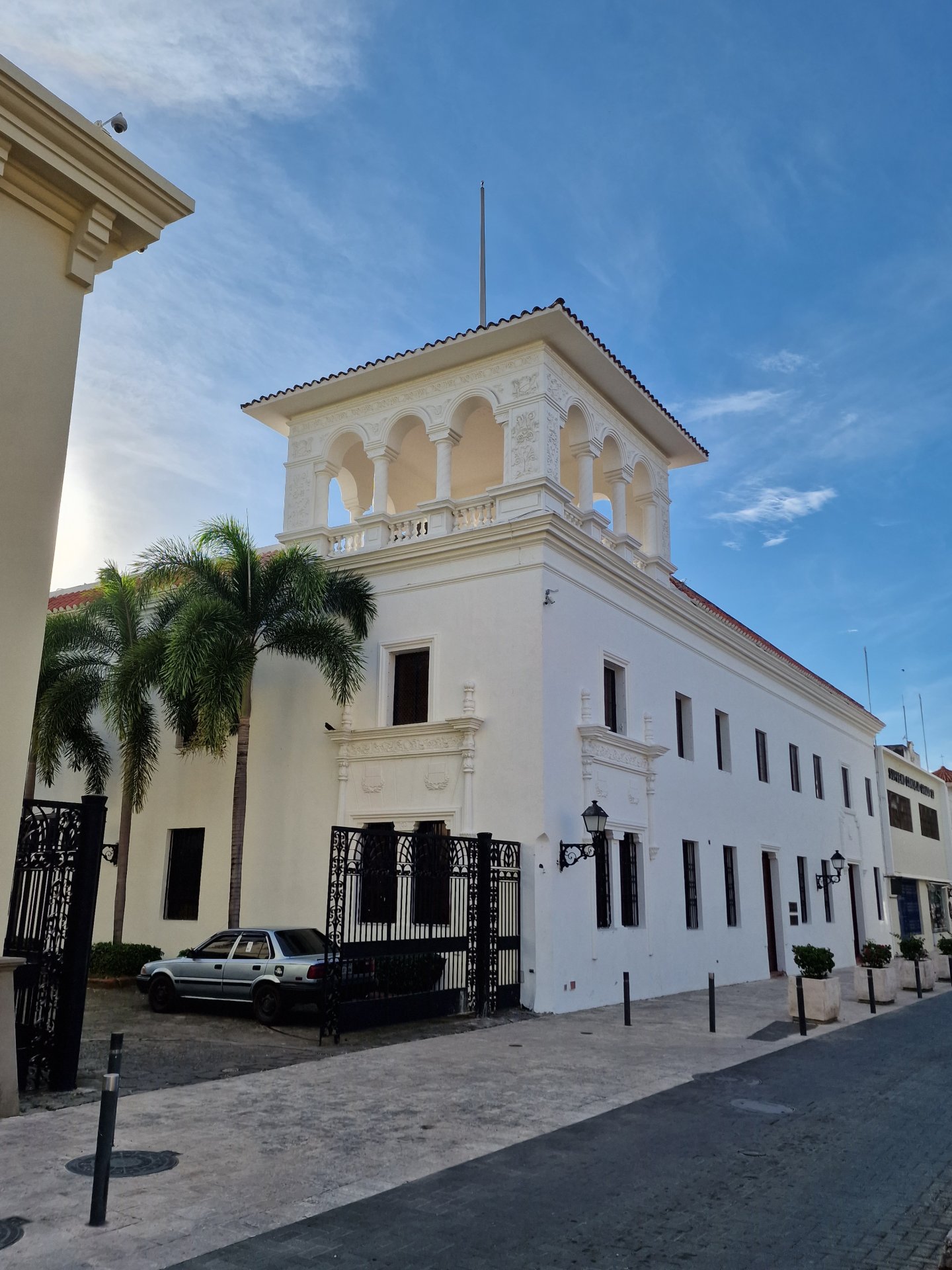
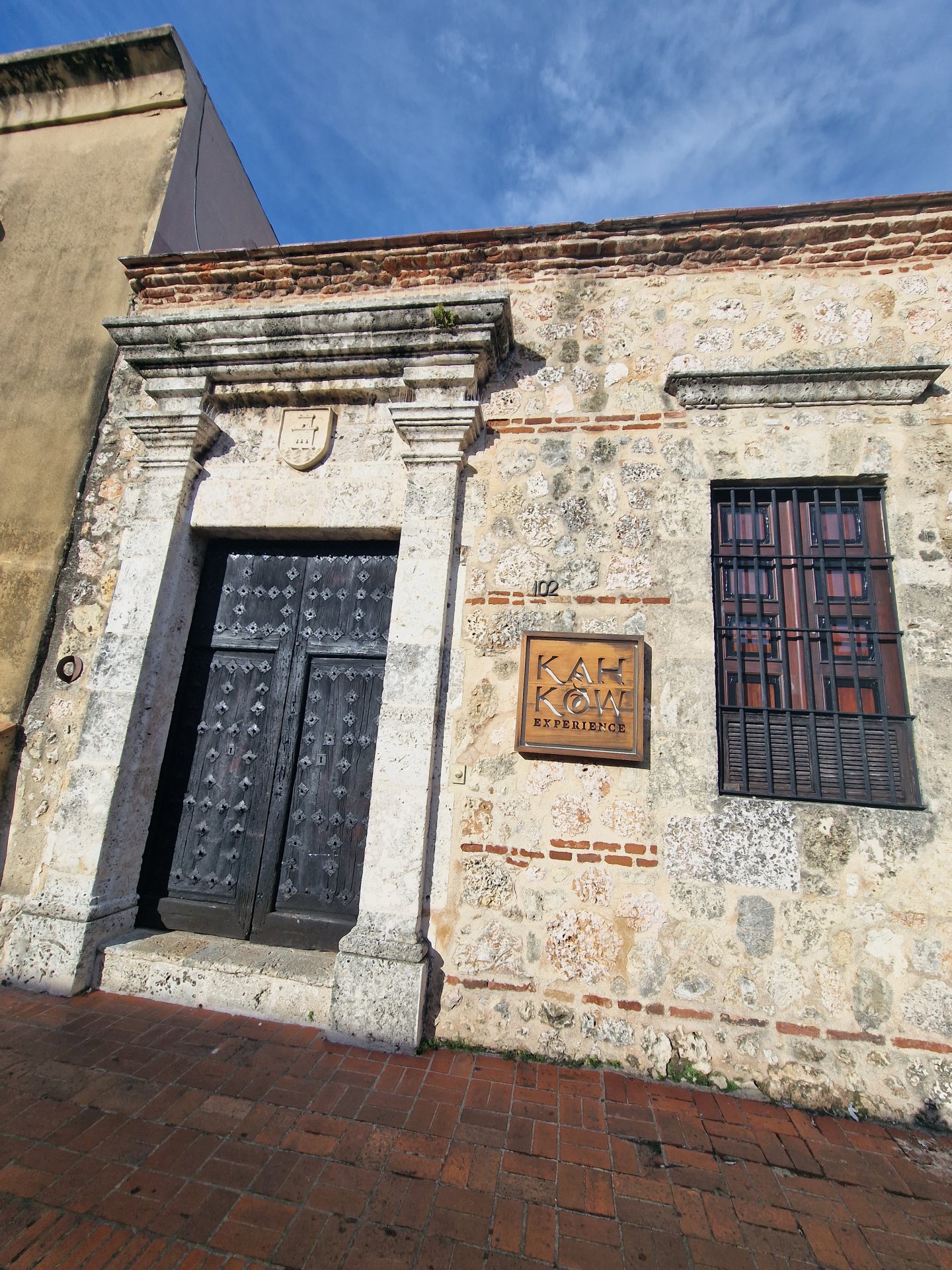
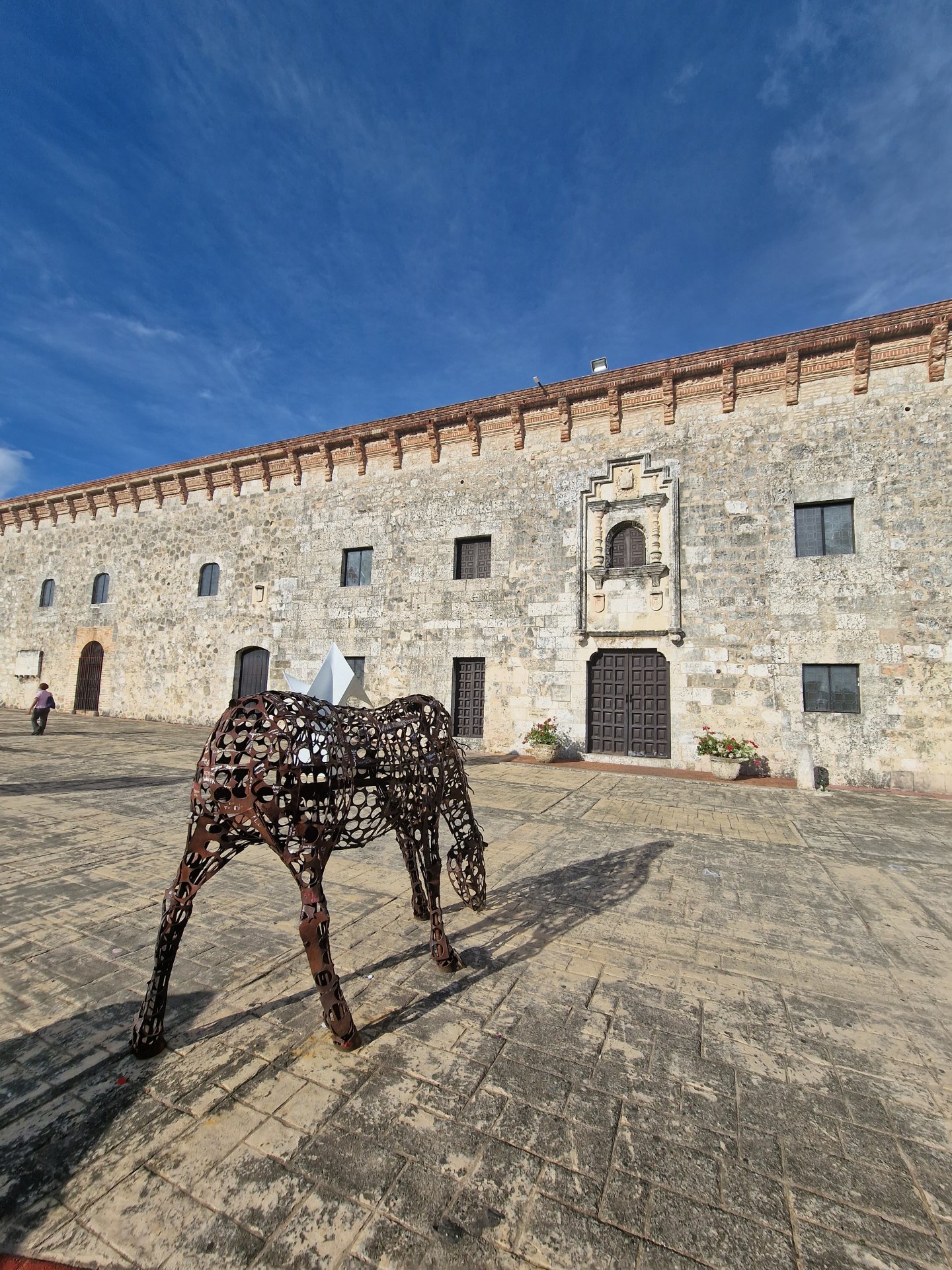
Showing 24 of 76 photos
Frequently asked questions
In the named expat neighbourhoods, yes. Piantini and Naco have a strong security presence, well-lit streets, and the normal urban caution applies. Zona Colonial is generally safe during the day and on busy evenings. Like any capital, some areas are best avoided at night, and you will learn quickly which ones. Uber operates city-wide, which makes getting around safely straightforward from day one.
Piantini is the most popular: walkable, well-lit, good restaurants, and close to the major private hospitals. Naco is similar, slightly more residential. Bella Vista suits families who want more space. Zona Colonial is for those who want character over convenience, with cobblestone streets and restored colonial buildings. Avoid unfamiliar outer neighbourhoods until you know the city.
Clínica Abreu, CEDIMAT and Hospiten Santo Domingo are among the best private hospitals in the DR, with Hospital General de la Plaza de la Salud as the major public referral centre, and they are comparable to mid-level private hospitals in Europe and North America. For cardiac care, oncology, or anything specialist-level, Santo Domingo is where Dominican residents from across the country come. If you live elsewhere in the DR and have a serious diagnosis, you will end up here. Keep private health insurance.
It has the best infrastructure in the DR. Fibre internet from Claro and Altice reaches most of Piantini and Naco, with speeds genuinely comparable to Western Europe. Power cuts are less frequent than the north coast. The Metro has two lines plus the Line 2C extension to Los Alcarrizos that opened in February 2026, and two cable-car lines feed it from the northern districts, but it still misses most of the expat neighbourhoods, so day to day most people use Uber or inDrive. Traffic is serious: expect 45 minutes to cross town during rush hour.
More than anywhere else in the DR. The Zona Colonial is a UNESCO heritage site with the oldest European cathedral in the Americas. The Malecón is a seafront boulevard that comes alive on weekends. Museums, galleries, live music venues, and a serious restaurant scene. The National Theatre puts on regular shows. If you need cultural stimulation beyond beach life, Santo Domingo is the only DR city that delivers it consistently.