

Cabarete is the DR's action sports capital and has the most active digital nomad scene in the country. The town is built around kitesurfing, surfing, and an international social scene that makes it easy to meet people within days of arriving. Energy levels are high and the cost is moderate.

Is Cabarete right for you?
Cabarete is ideal for kitesurfers, windsurfers, surfers, and anyone who structures their life around water sports. Digital nomads who want a social, international environment find it easy to plug into the community. Families do well here too: ISLA Academy has a campus in Cabarete, and the International School of Sosua is next door in Sosua. It is less suited to retirees who prefer quiet, or anyone who needs consistent long-term social bonds rather than the transient community that characterises the town.
Is Cabarete safe?
Cabarete scores 7.5 out of 10 for safety on the DR Living Index. Cabarete is relatively safe in the main expat and tourist zones. The beach strip and central areas are busy and well-monitored.
The safety card below has the full picture for Cabarete, and the DR safety guide covers the whole country.
What the scores mean
Cabarete is slightly cheaper than Las Terrenas overall but more expensive than the interior, and rent is the line that moves. A basic furnished studio or one-bedroom runs $500 to $900 per month, a typical furnished one-bed in 2026 sits around $700 to $1,100, and modern units near the beach or at Kite Beach go for $1,000 to $2,000. A two-bedroom in a good building is about $1,500. Eating at beach bars and tourist restaurants adds up quickly; those who cook at home and use local spots keep food costs under $300 per month. Budget electricity separately: it is the biggest surprise on most people's first bill.
Cabarete is relatively safe in the main expat and tourist zones. The beach strip and central areas are busy and well-monitored. The same caution that applies anywhere in the DR applies here: do not leave valuables on the beach, use a safe for passports, and avoid unfamiliar areas after dark.
Cabarete has basic medical clinics but no hospital of its own. For serious care, Puerto Plata (30 to 40 minutes) or Santiago (1.5 to 2 hours) are the options. Most active-sports residents carry good health insurance. Named facilities nearby: Centro Médico Cabarete (CMC), the private hospital at the Sosúa end of the Sosúa-Cabarete road about 10 to 15 minutes away, is the one most expats name first for scans, minor emergencies and routine care. Bournigal Hospital in Puerto Plata (20 to 40 minutes) has full facilities and many specialists. Santiago (1.5 to 2 hours) handles the most complex cases. A public trauma hospital for Sosúa has been under construction since 2023 and was reported in its final stage in October 2026. Emergency: 911. Tourist police (POLITUR): 809-200-3500. Pharmacies are on the main strip and in Sosúa, where the Farmacia Carol chain has a branch.
Internet quality in Cabarete is genuinely good for a small beach town. Claro and Altice fibre runs 100 to 300 Mbps in good properties for $40 to $70 a month, and most long-term apartments are already wired. There is no formal coworking space with day passes, but several cafes are set up for laptop work, including El Cocotazo on Kite Beach with Starlink. Coverage varies block by block and can drop in heavy rain, so test the connection at the exact address before signing.
Cabarete's lifestyle rating is built on one thing above all: the water. If you kitesurf, windsurf, or surf, there is almost nowhere in the world that offers this combination of consistent conditions, warm water, and easy land infrastructure. Beyond the sports, the social scene is busy, international, and easy to enter.
Cabarete itself is a small town, but daily needs are easy: Playero supermarket on the main road, fresh produce, and a strong restaurant strip. For bigger shops, banks and hardware you run to Sosúa ten minutes west, and Puerto Plata's malls are under an hour.
Monthly budget breakdown
Map of Cabarete
Neighbourhoods in Cabarete
Cabarete Centre →
Main beach strip with restaurants, bars, kite schools, and the highest concentration of expat life.
Caleta / La Punta
West of centre, quieter residential area popular with longer-term residents and remote workers.
Encuentro →
Surf beach about 6 km west on the Sosúa road. More local character, cheaper rent, preferred by the surf crowd.
Sosua
10 minutes west. Larger town with more services, lower rents, and a different expat demographic.
Jamao al Norte
Inland agricultural area behind Cabarete. Cooler, very local, rarely visited by expats.
Cabarete’s neighbourhoods in more detail
Cabarete is stretched along a coastal strip with distinct character at each end. Where you live shapes your daily experience significantly.
Cabarete Town Centre / Beachfront
The social and commercial heart of Cabarete. The beach strip is lined with restaurants, bars, surf shops, and kite schools. Lively at all hours and the best location for meeting people quickly. Noise levels are high, especially near the main road. Best for those who prioritise social access over quiet.
Caleta / La Punta
West of the main strip, quieter and more residential. Home to some co-working spaces and longer-term expat rentals. Still within easy reach of the town centre but noticeably calmer. Popular with digital nomads who want proximity without being in the noise.
Encuentro
A short drive west of town, about 6 km along the Sosúa road, Encuentro is a surf beach with a more laid-back, local character. Less expat infrastructure than the main strip but quieter and cheaper. Popular with surfers and those seeking a break from the tourist scene. Requires transport to access most amenities.
Sosúa, ten minutes west, is not a Cabarete neighbourhood but is often weighed against it: a larger long-term expat community, lower rents, more services and a less kitesurfing-centred atmosphere. It has its own town page.
How Cabarete compares to other DR beach towns
Cabarete is one of six DR beach towns compared in the DR beach towns guide for expats. The guide ranks Las Terrenas, Sosúa, Las Galeras, Cap Cana and Bayahibe alongside Cabarete on cost, internet speed, remote work infrastructure and beach quality.
Living in Cabarete: the honest picture
What works well
- Best kitesurfing and surfing in the Caribbean
- Strong digital nomad community
- Easy to meet people quickly
- Reliable internet for remote work
- Moderate cost compared to Las Terrenas
Watch out for
- Electricity is the No.1 cost surprise: properties on private sub-grids run 0.30 to 0.35 USD per kWh and heavy A/C can reach 500 to 700 USD a month, so ask before signing
- Noisy main strip
- Transient community means friendships are short-lived
- Limited grocery options
- Requires transport for most errands
- Tourist-heavy in peak season
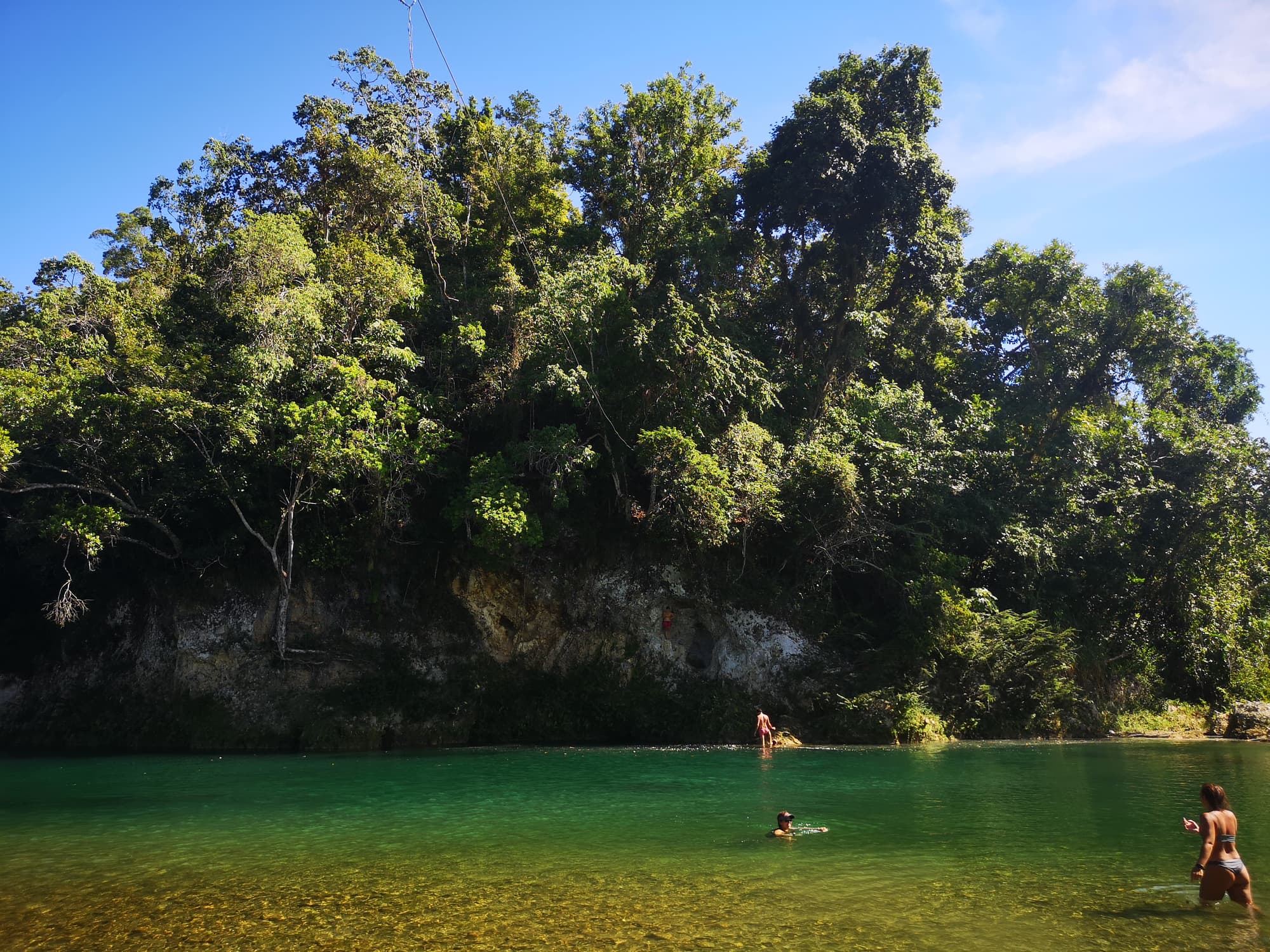
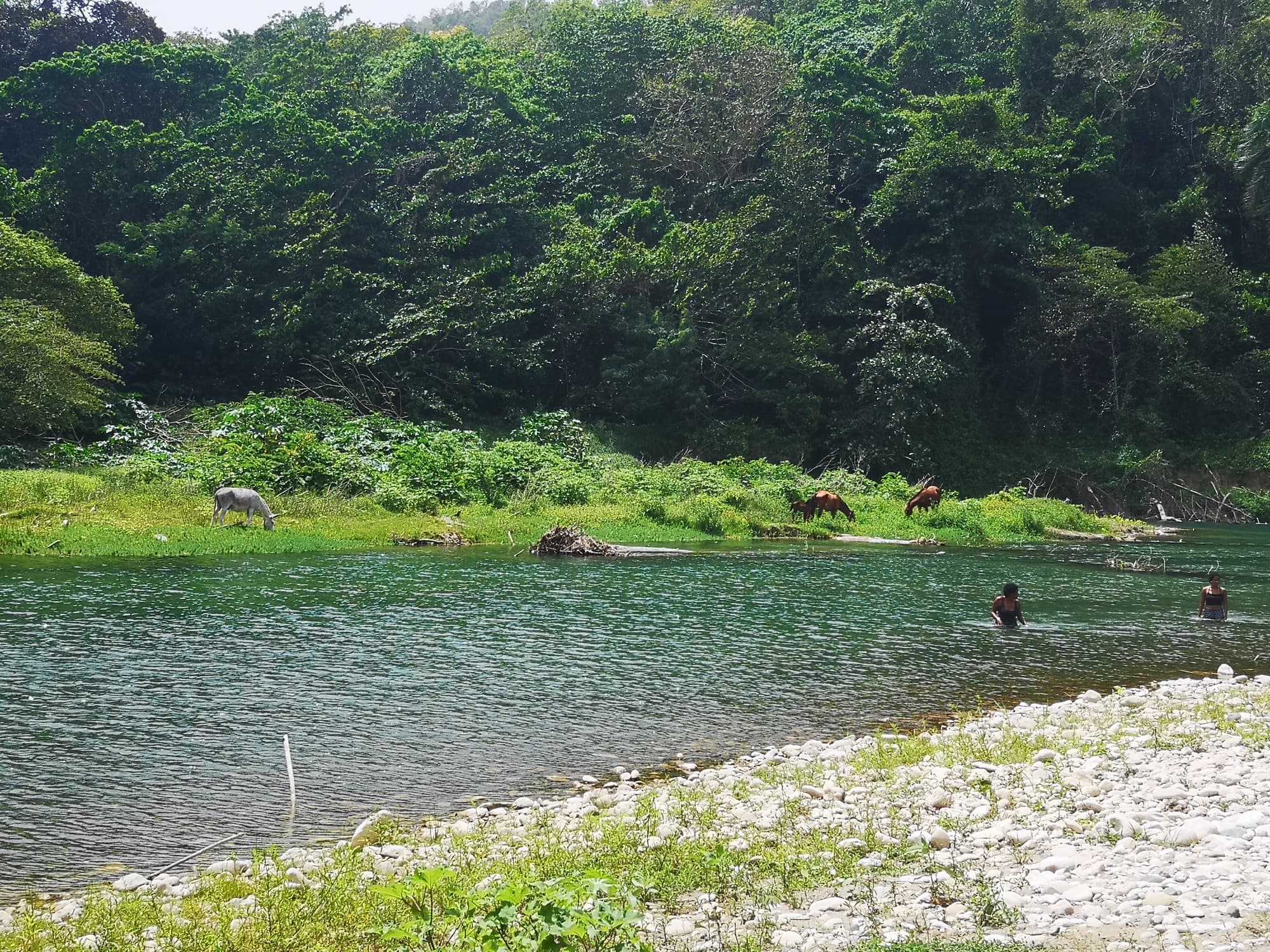
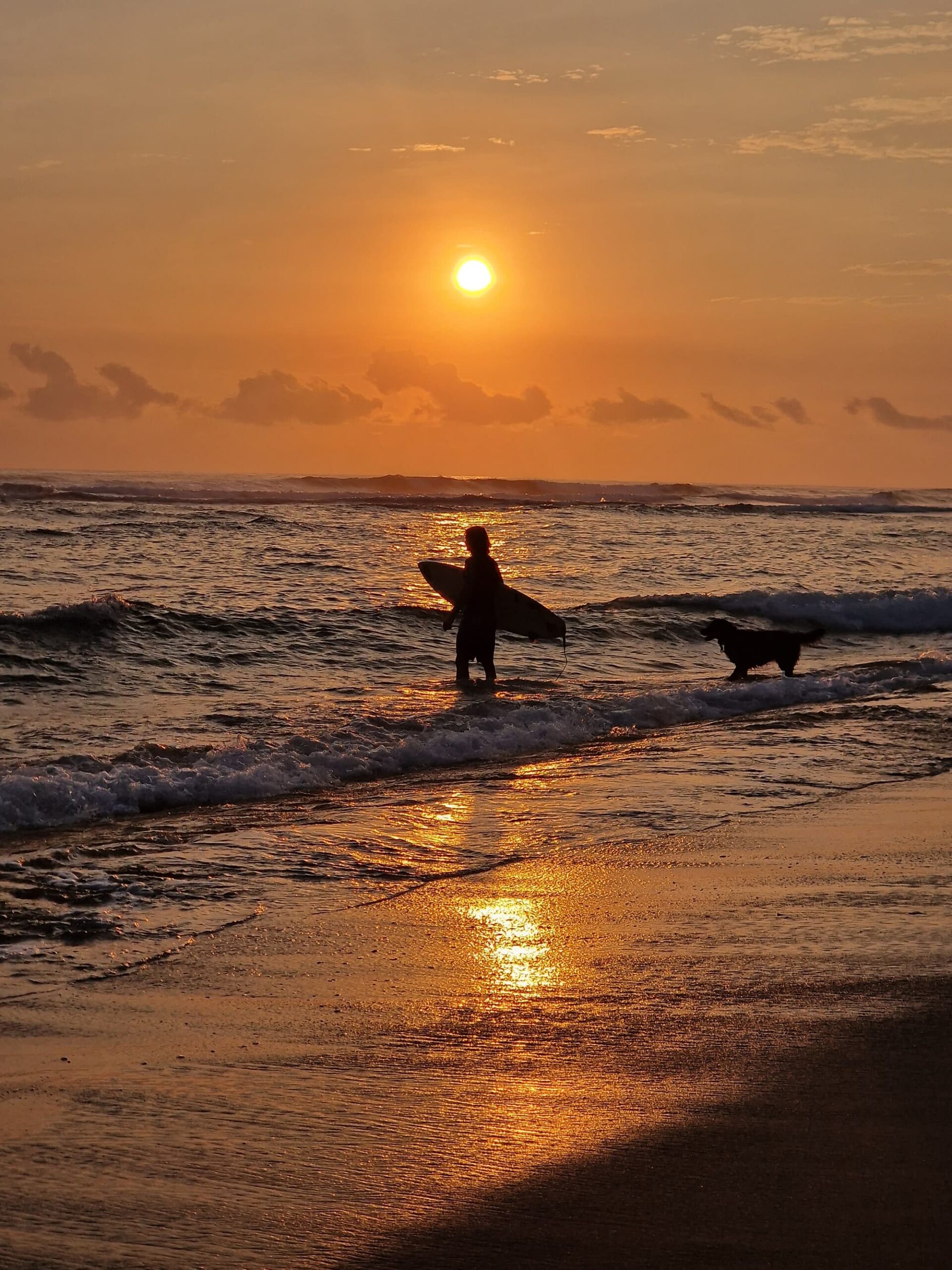
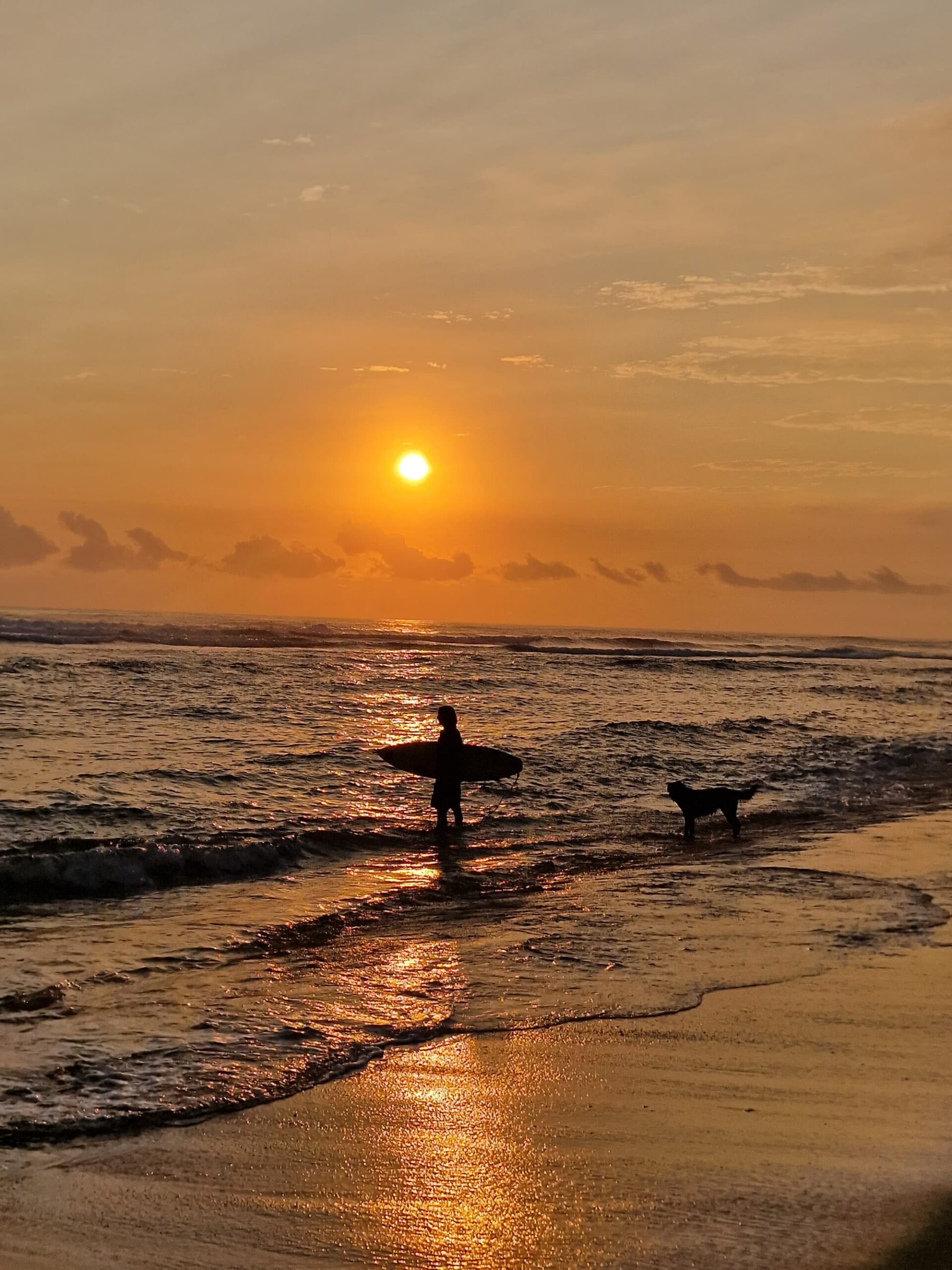
Photos from Cabarete
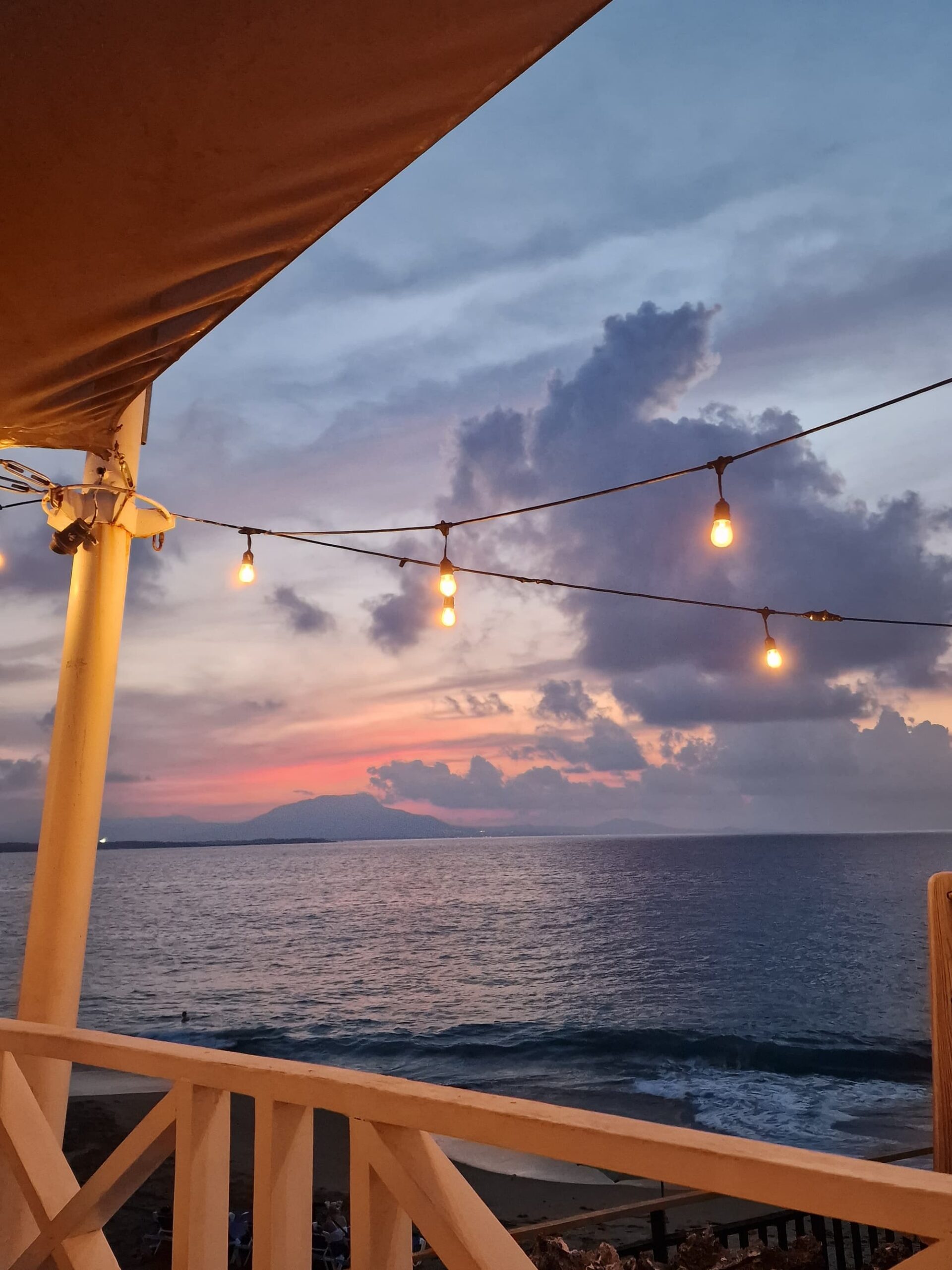
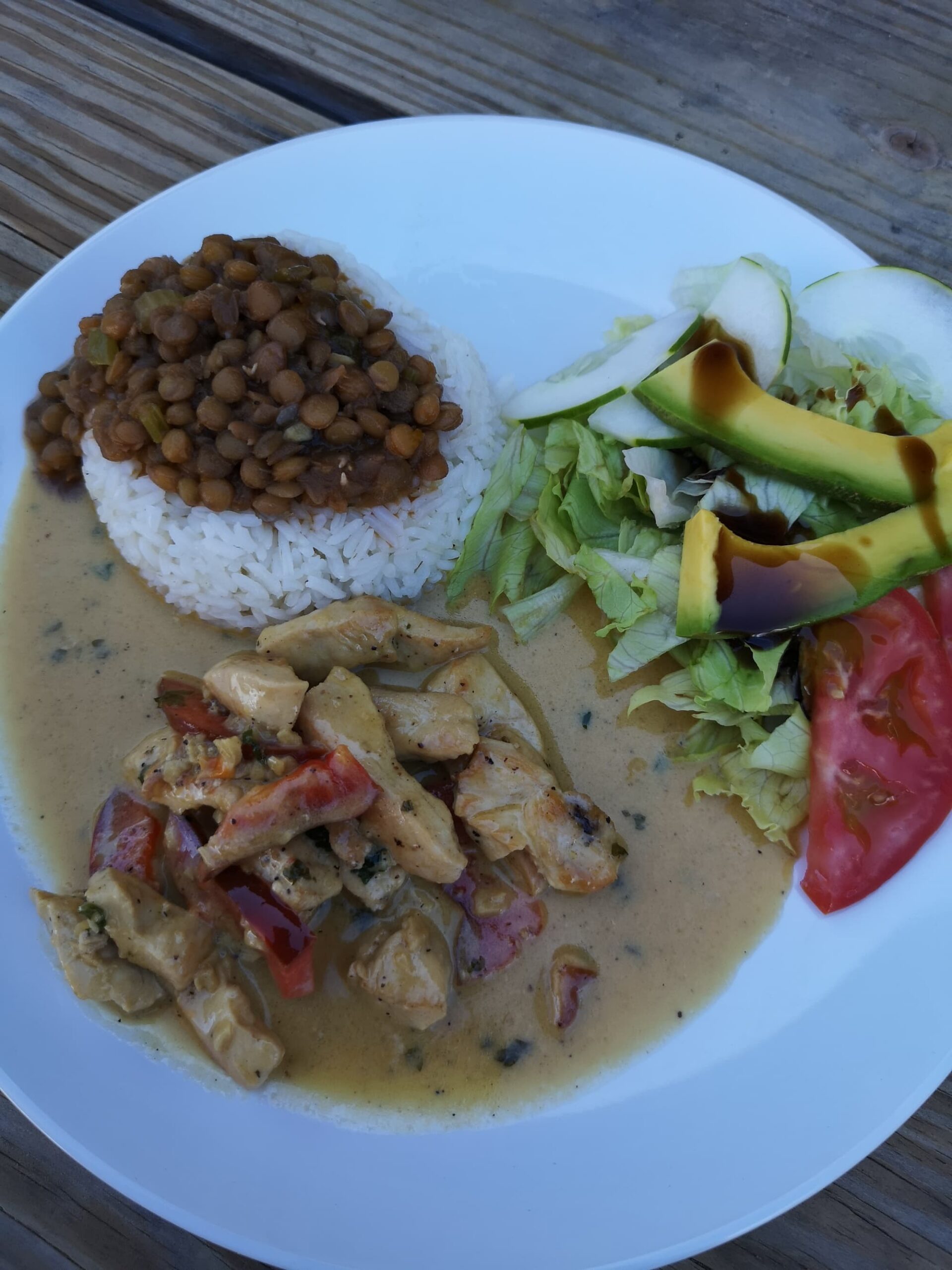
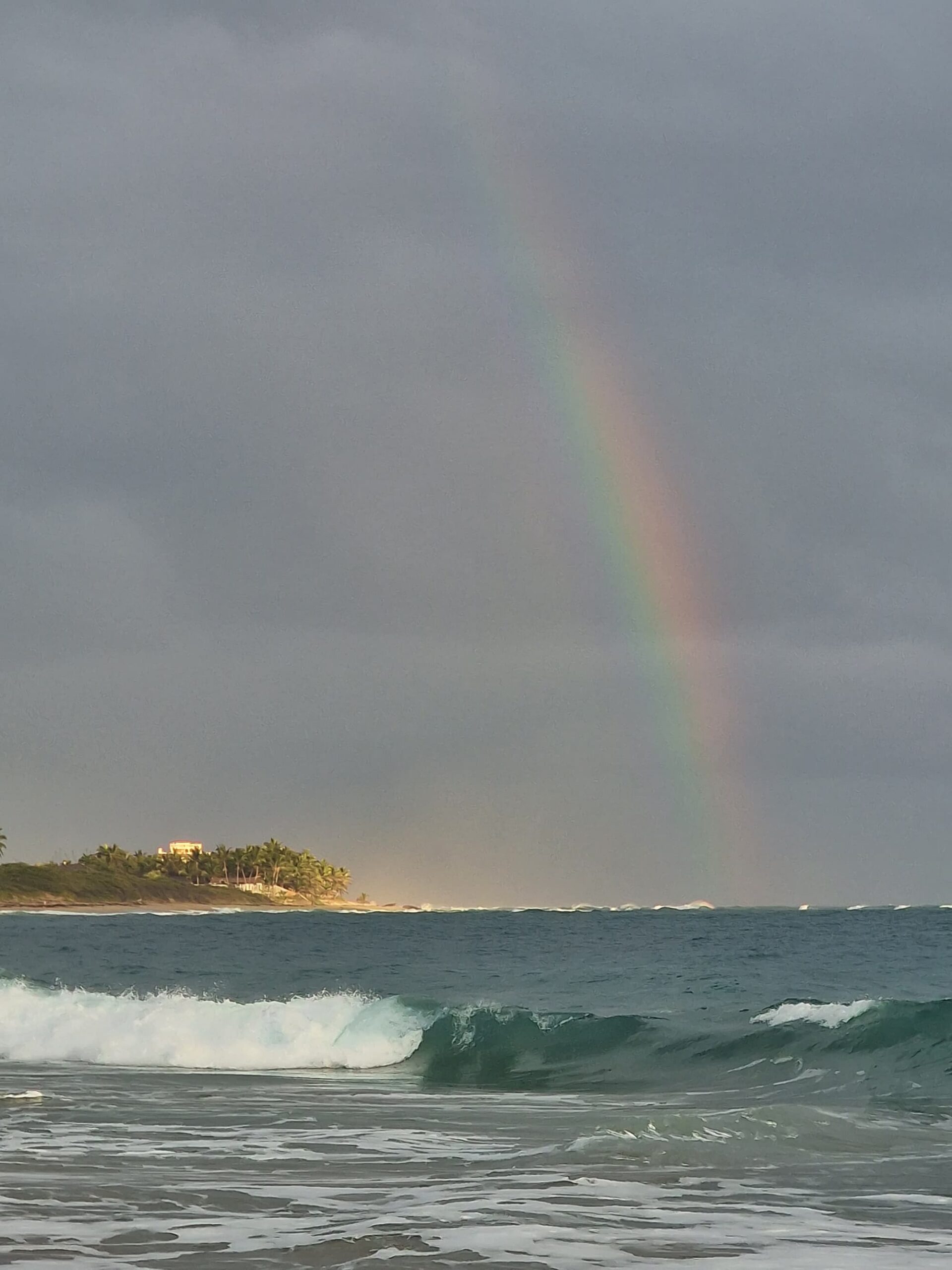
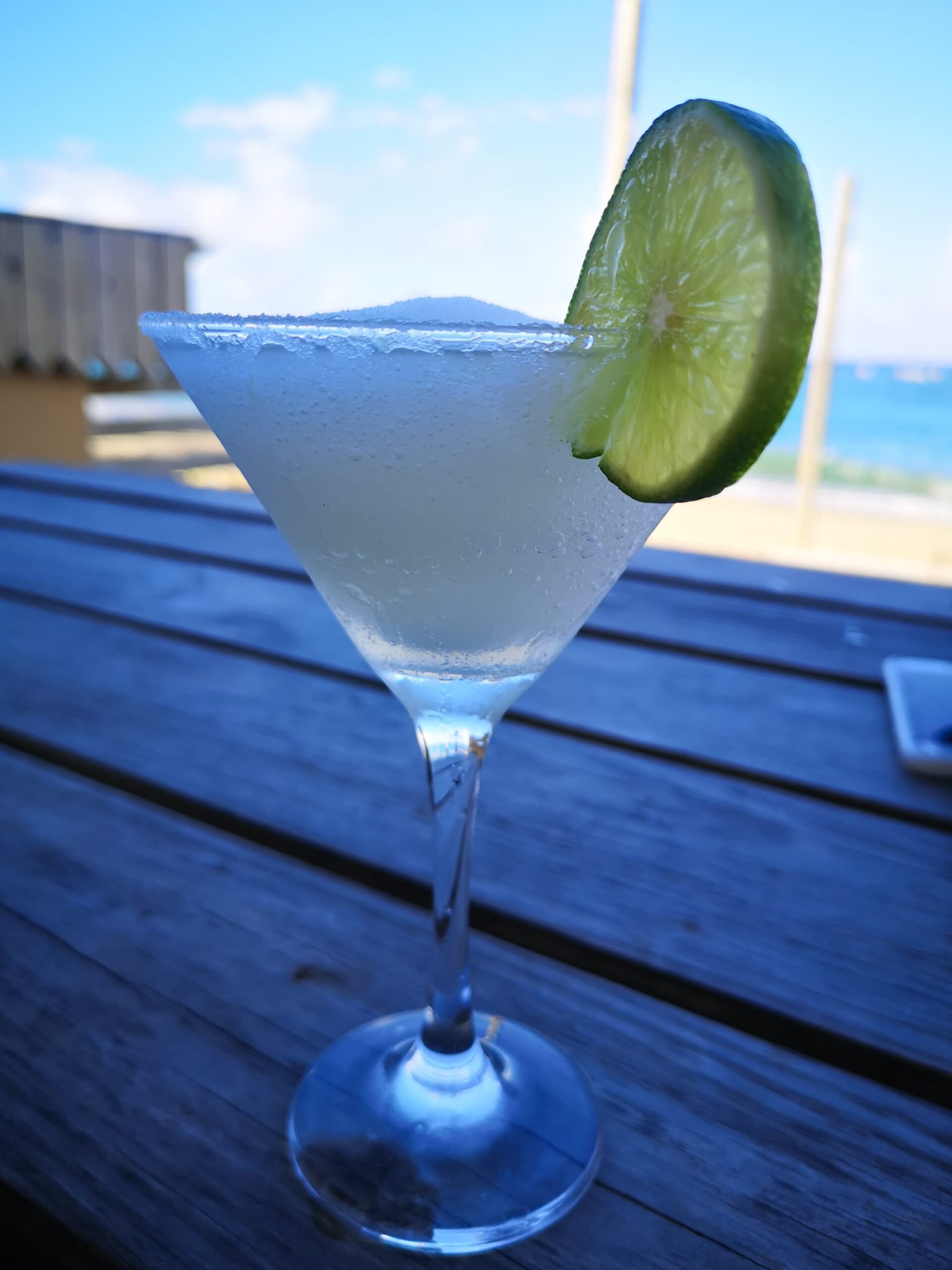
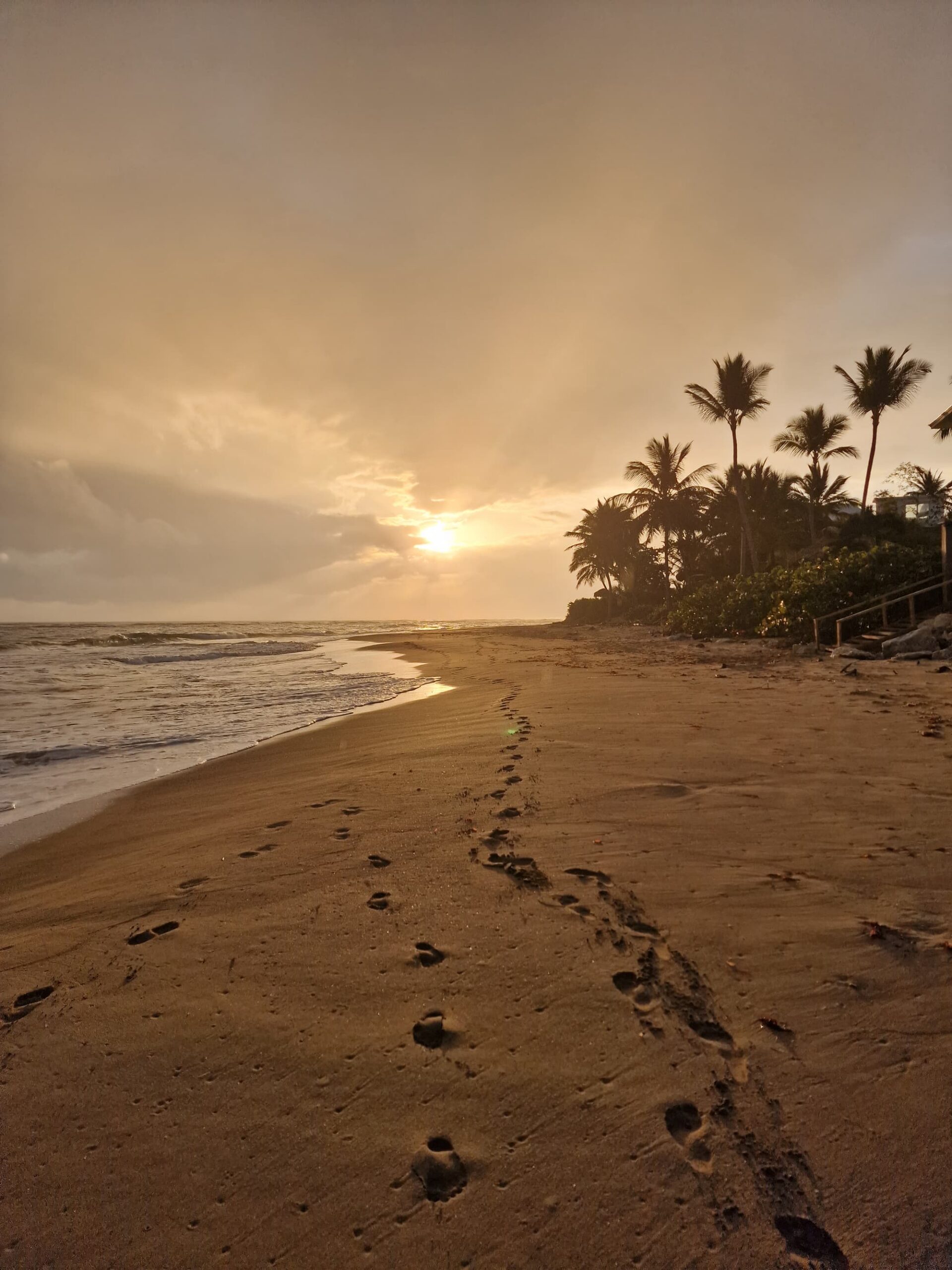
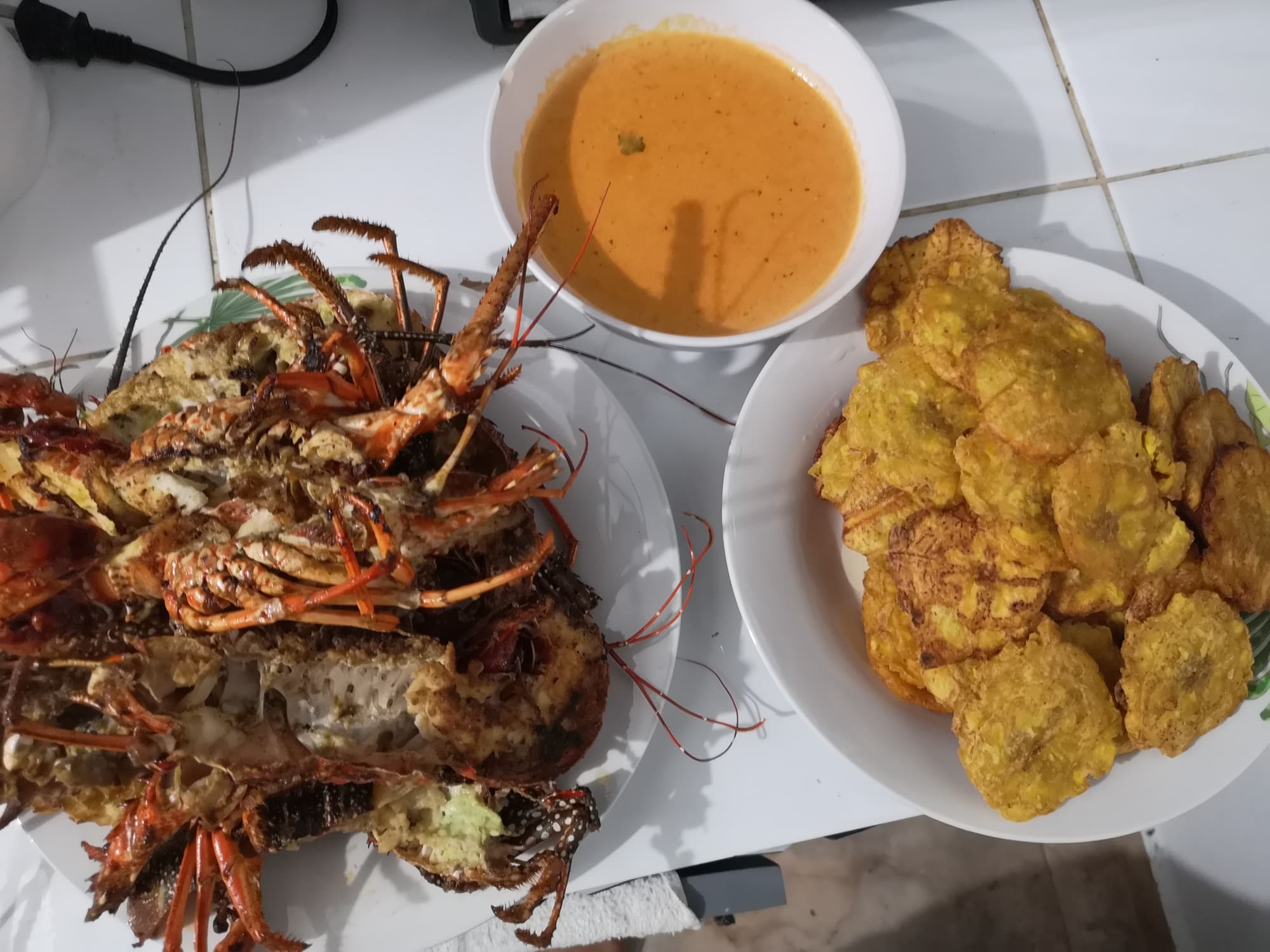
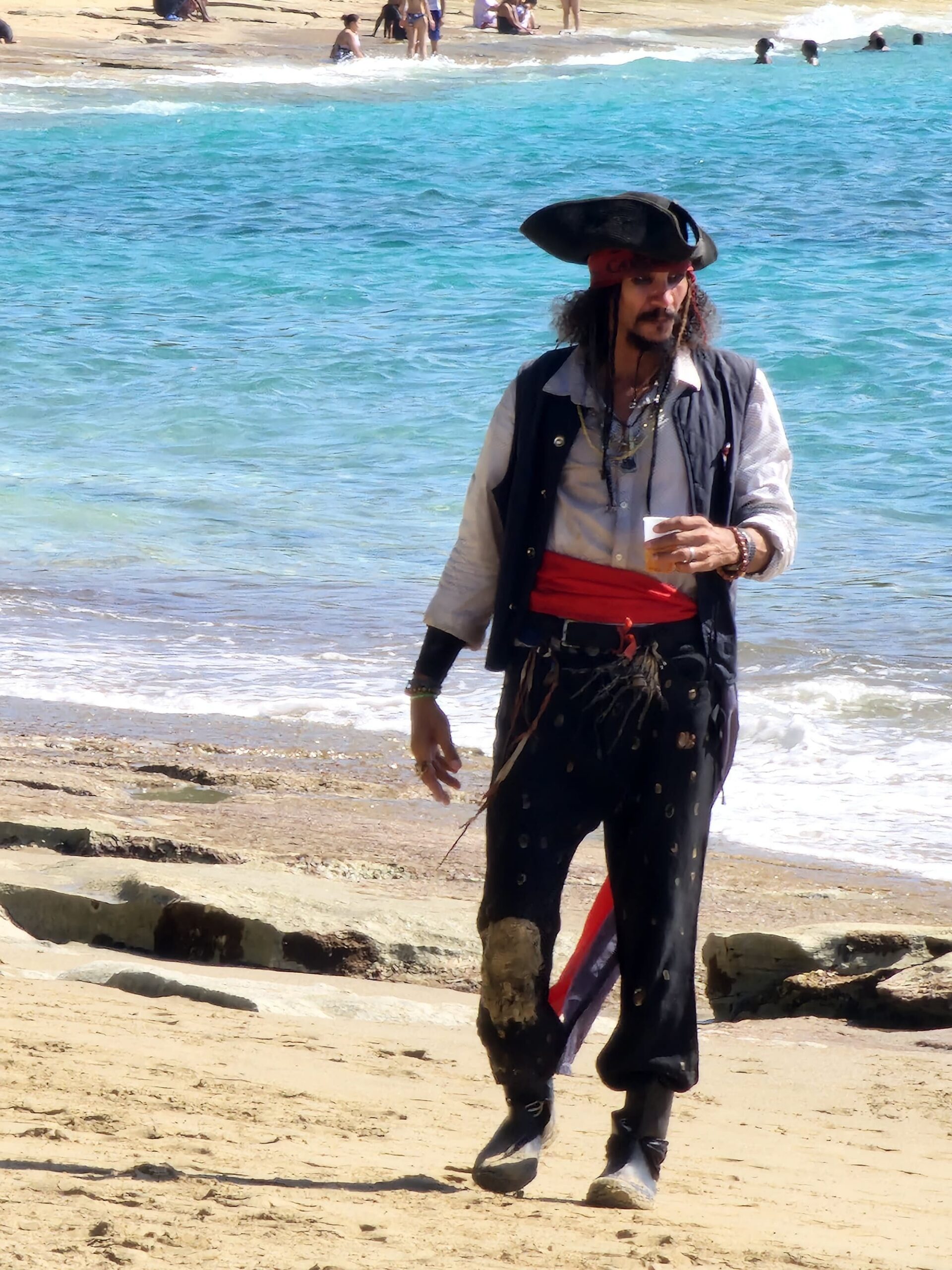
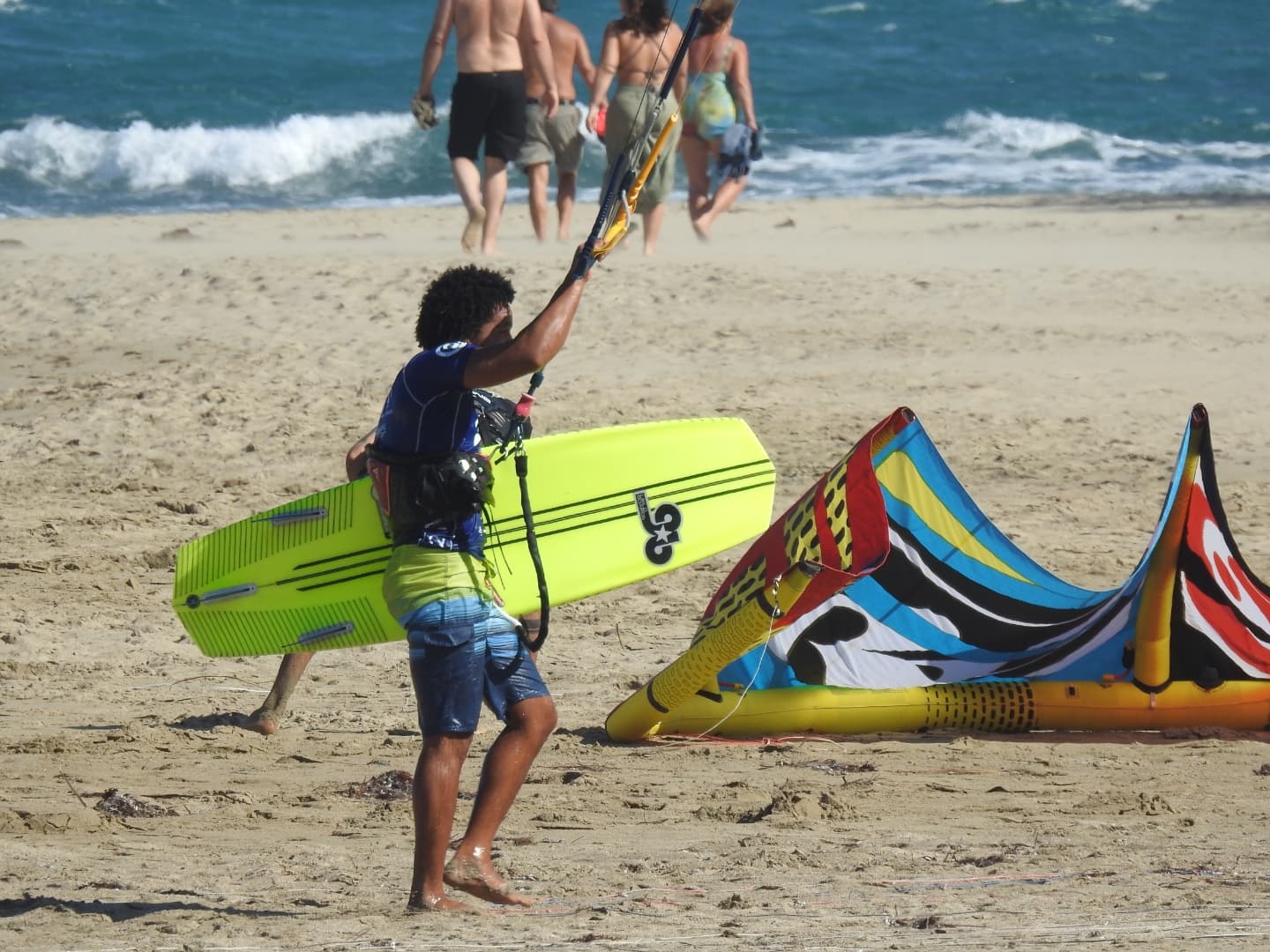
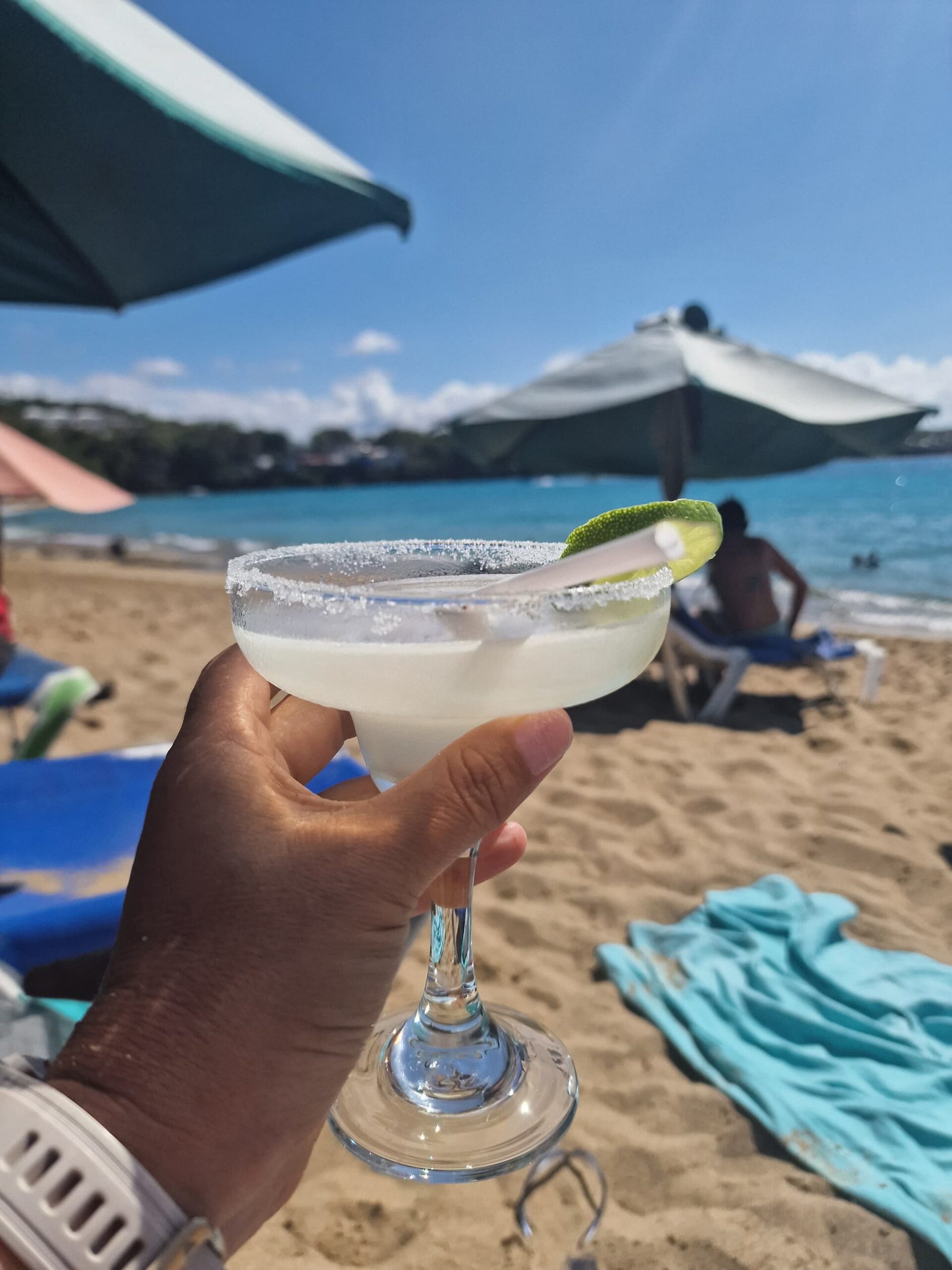
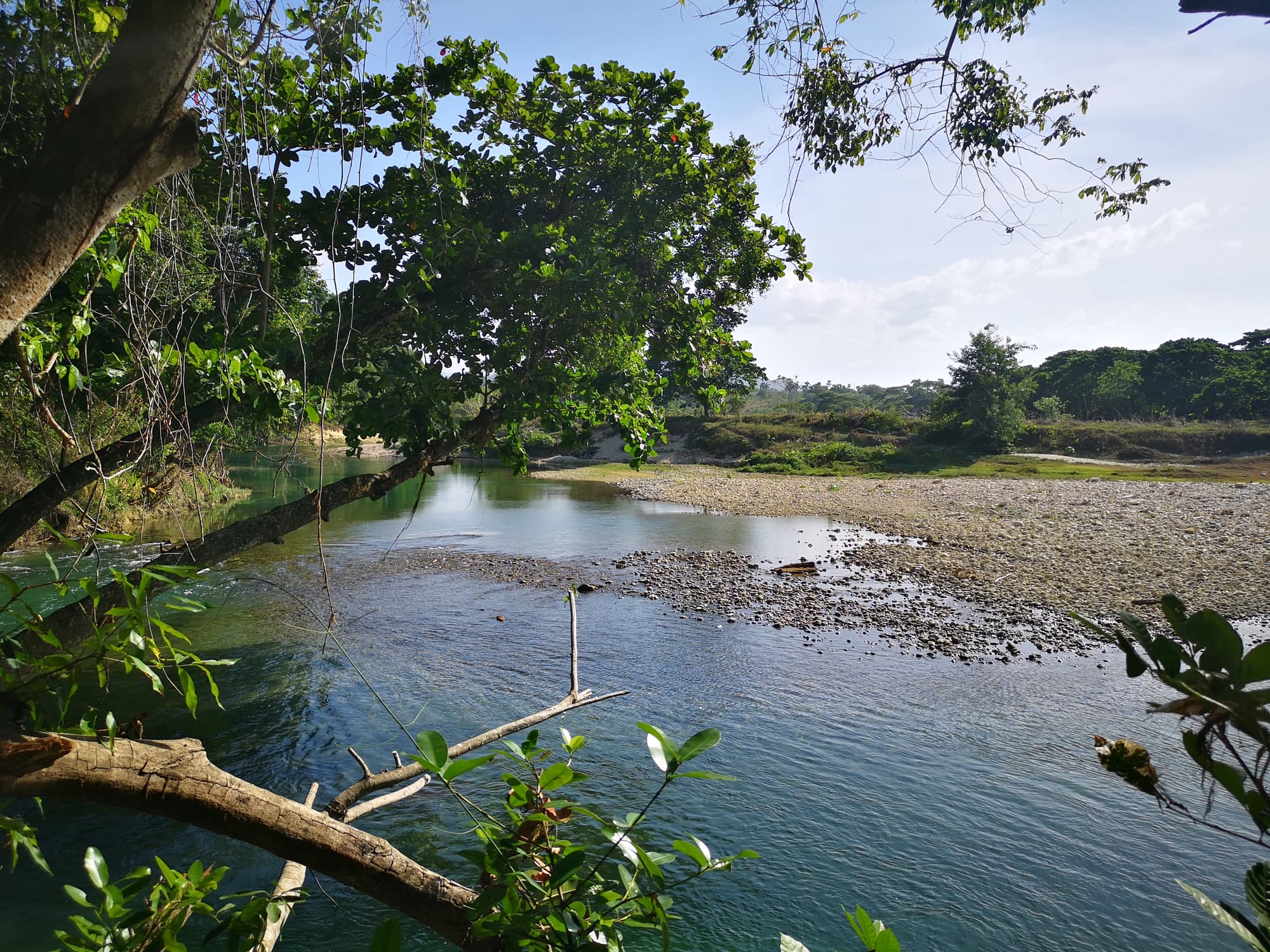
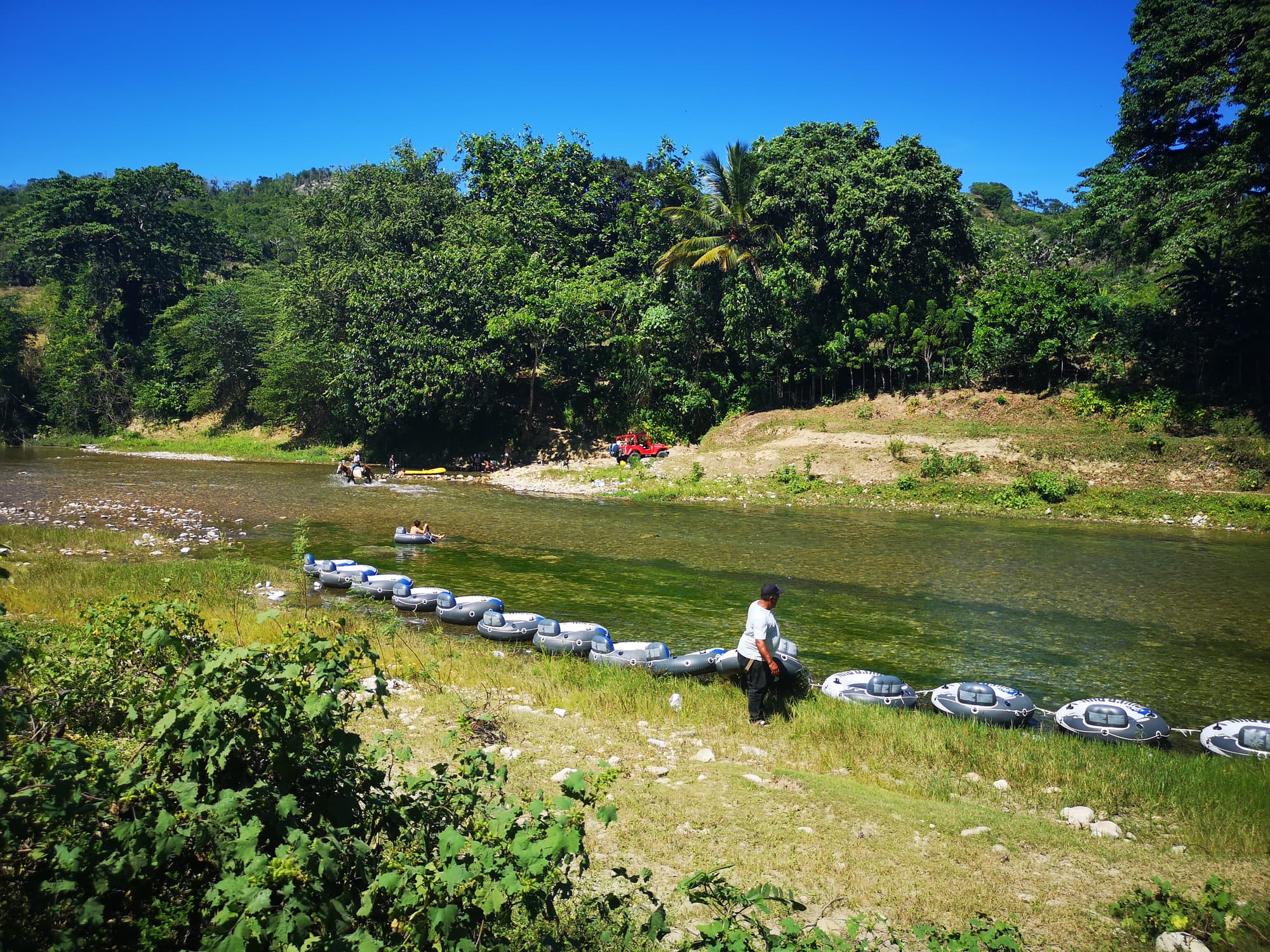
Showing 24 of 122 photos
Frequently asked questions
Safe in the main expat areas during the day and early evening. Common sense applies at night: stick to lit streets, take a local taxi rather than walking unfamiliar routes after midnight. Petty theft happens; keep valuables out of sight. The expat WhatsApp groups share real-time local safety updates, which is more useful than any general guide.
Yes. ISLA Academy has a campus in Cabarete, teaching Pre-K to 12th grade mainly in English. Next door in Sosua, the International School of Sosua runs from the early years to high school, is Cognia accredited and teaches mainly in English. Places fill early: for 2027-28 the Sosua school already lists waitlists for seven grades and has closed 12th grade entirely, so apply as part of the move plan rather than after you land.
Yes, it is one of the best setups in the DR. Claro and Altice both offer fibre to most of the main areas, typically 100 to 300 Mbps for $40 to $70 a month. There is no formal coworking space with day passes, but several cafes are set up for laptop work, including El Cocotazo on Kite Beach with Starlink, Vagamundo by the river and Fresh Fresh Cafe on the main road. Electricity goes out regularly, so every serious remote worker has an inverter and battery backup. Most expats sort this in the first month.
It depends what you want. Cabarete centre (around Kite Beach) is social, walkable, and noisy on weekends. Encuentro Beach is quieter, surf-focused, and more nature. Lomas Mironas is hillside with sea views, cooler temperatures, and more privacy. Seahorse Ranch is the main gated option for those who want security fencing and a pool. Most long-term expats end up somewhere between centre and Encuentro.
Centro Médico Cabarete (CMC), the private hospital at the Sosúa end of the Sosúa-Cabarete road, is where most expats go first for minor issues, prescriptions, scans and basic emergencies. Bournigal in Puerto Plata (30 to 40 minutes) is the better-equipped private hospital on this coast. Santiago (1.5 to 2 hours) is where you go for anything serious, surgeries, or specialist care. Most expats carry international health insurance and have done the research before they need it. Do not rely on public hospitals.
Cabarete has two kite seasons. June to August brings strong, consistent wind, with afternoon thermals stacking on top of the trade winds. December to March is the second season, carried by steady trade winds. There is kiteable wind in many other months too; September to November is the lightest stretch, when Cabarete gets noticeably quieter and accommodation prices drop. The big international event on the water is now the Cabarete Wing Fest in June (17 to 21 June in 2026). Surf at Encuentro is year-round, with the biggest swells from November to March.