

Pedernales sits at the extreme southwest tip of the Dominican Republic, bordering Haiti. It is one of the most remote and least developed areas in the country. The appeal is natural: Jaragua National Park, Bahía de las Águilas, Laguna de Oviedo with its flamingos and iguanas, dry forest, and some of the most untouched coastline in the DR. Lago Enriquillo, the largest lake in the Caribbean, is a separate trip of over two hours by road. The Cabo Rojo cruise port has been receiving ships since 2024 and an international airport and the first large hotels are due in 2027, so the area is starting to change. There is almost no expat community here and infrastructure is basic. People who choose Pedernales are making a conscious choice to disconnect.

Is Pedernales safe?
Pedernales scores 6.5 out of 10 for safety on the DR Living Index. A remote frontier town that is generally calm, though its isolation and the Haitian border mean self-reliance matters. Petty crime is low but help of any kind is far away.
The safety card below has the full picture for Pedernales, and the DR safety guide covers the whole country.
What the scores mean
About as cheap as living in the DR gets. Rents are minimal, there is nothing to inflate prices this far from anywhere, and daily costs are firmly local.
A remote frontier town that is generally calm, though its isolation and the Haitian border mean self-reliance matters. Petty crime is low but help of any kind is far away.
Limited, though better than it was. The public Hospital Provincial Dr. Elio Fiallo (a 2016 building with 54 beds and three operating theatres, remodelled and re-equipped in 2024) covers emergencies and basic surgery, and pharmacies handle minor issues. Anything complex means about a two-hour drive to Barahona, or on to Santo Domingo, and true emergencies are a real concern this far out.
Patchy and slow by national standards, with Starlink the realistic answer for anyone who needs to work online reliably.
The draw is extraordinary raw nature, from Bahía de las Águilas to Laguna de Oviedo, in a way nowhere else in the country matches. The trade-off is genuine remoteness, minimal services and almost no social scene beyond the local community.
Frontier-town basics: colmados, small supermarkets, a bank and pharmacies. The new development wave is slowly adding options, but for now anything beyond essentials means Barahona, two hours back up the coast.
Map of Pedernales
Living in Pedernales
Pedernales is not for most people, and it knows it. The town itself is small and functional rather than attractive. The draw is entirely the surrounding nature: Bahía de las Águilas, Laguna de Oviedo, the Jaragua National Park, and a coastline that barely registers on most maps. For eco-tourists, birders, and people who genuinely want to disconnect from everything, it is unlike anywhere else in the DR.
Living in Pedernales: the honest picture
What works well
- Extraordinary natural environment
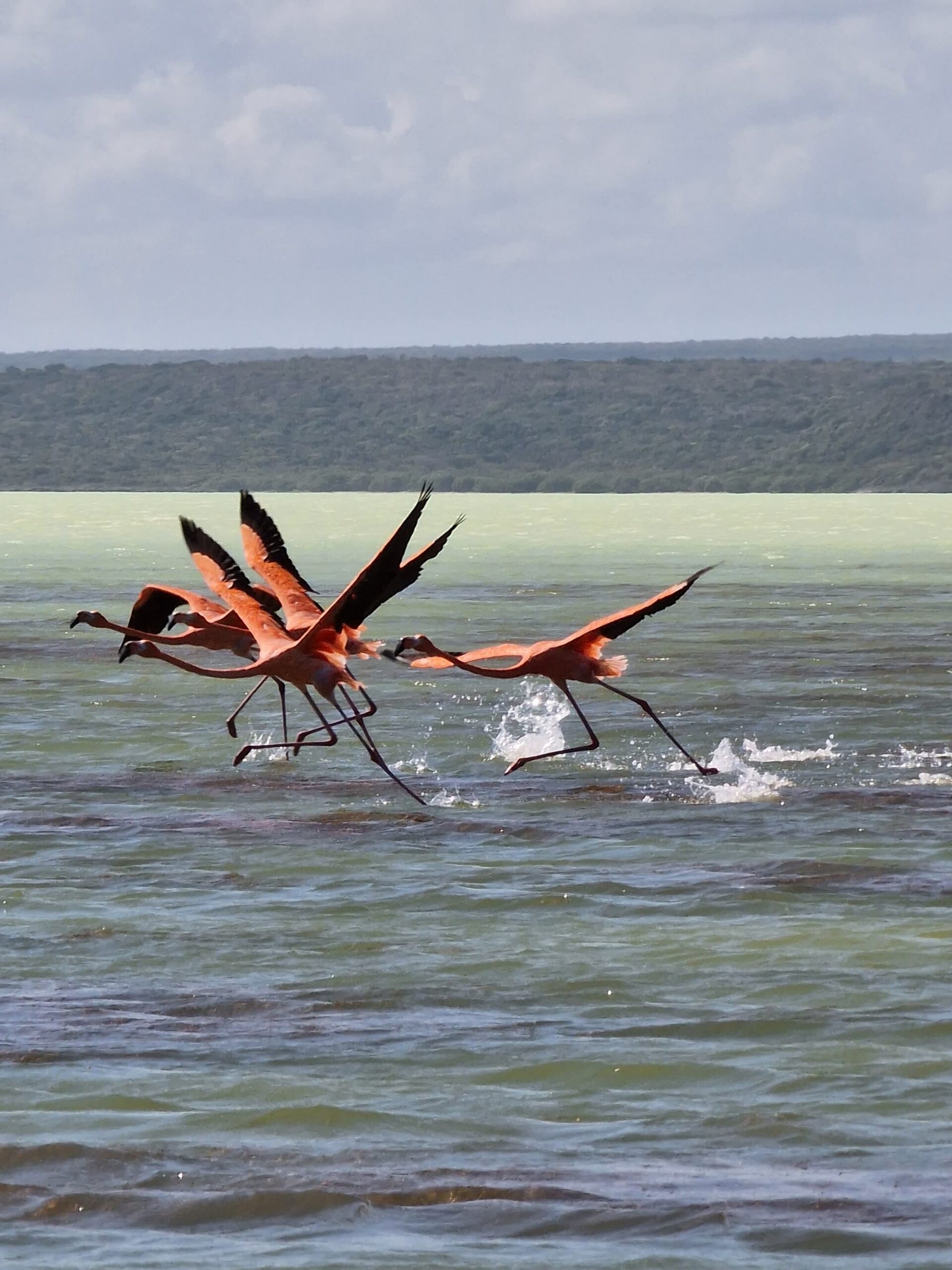
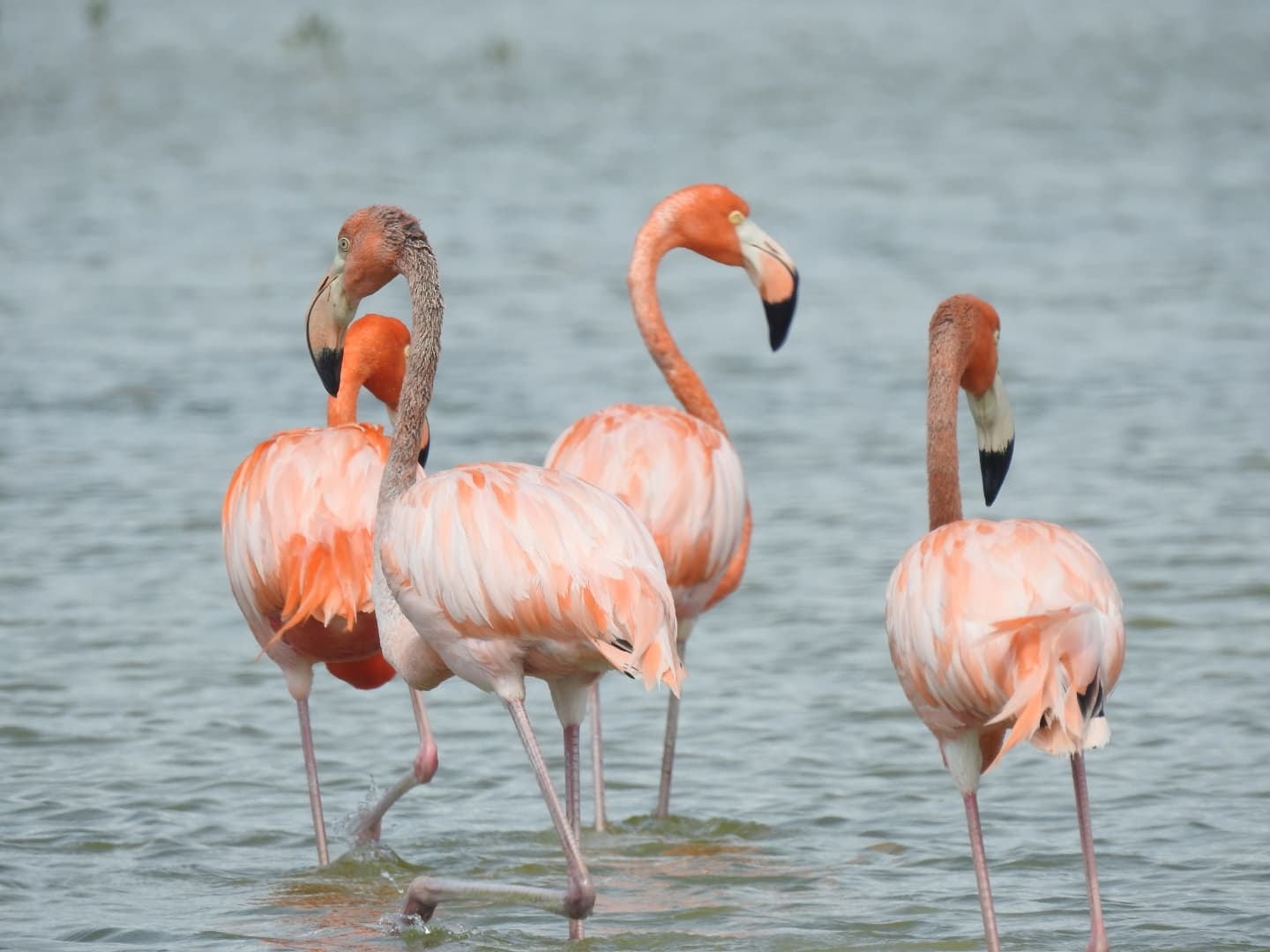
- Bahía de las Águilas and the flamingos of Laguna de Oviedo nearby
- Lowest cost of living in the DR
- Almost no tourists
- True off-grid living
Watch out for
- Extremely remote, hours from any major city
- Very limited medical and commercial infrastructure
- Not suited to anyone needing regular services
- Heat and dry climate
- No expat community to speak of
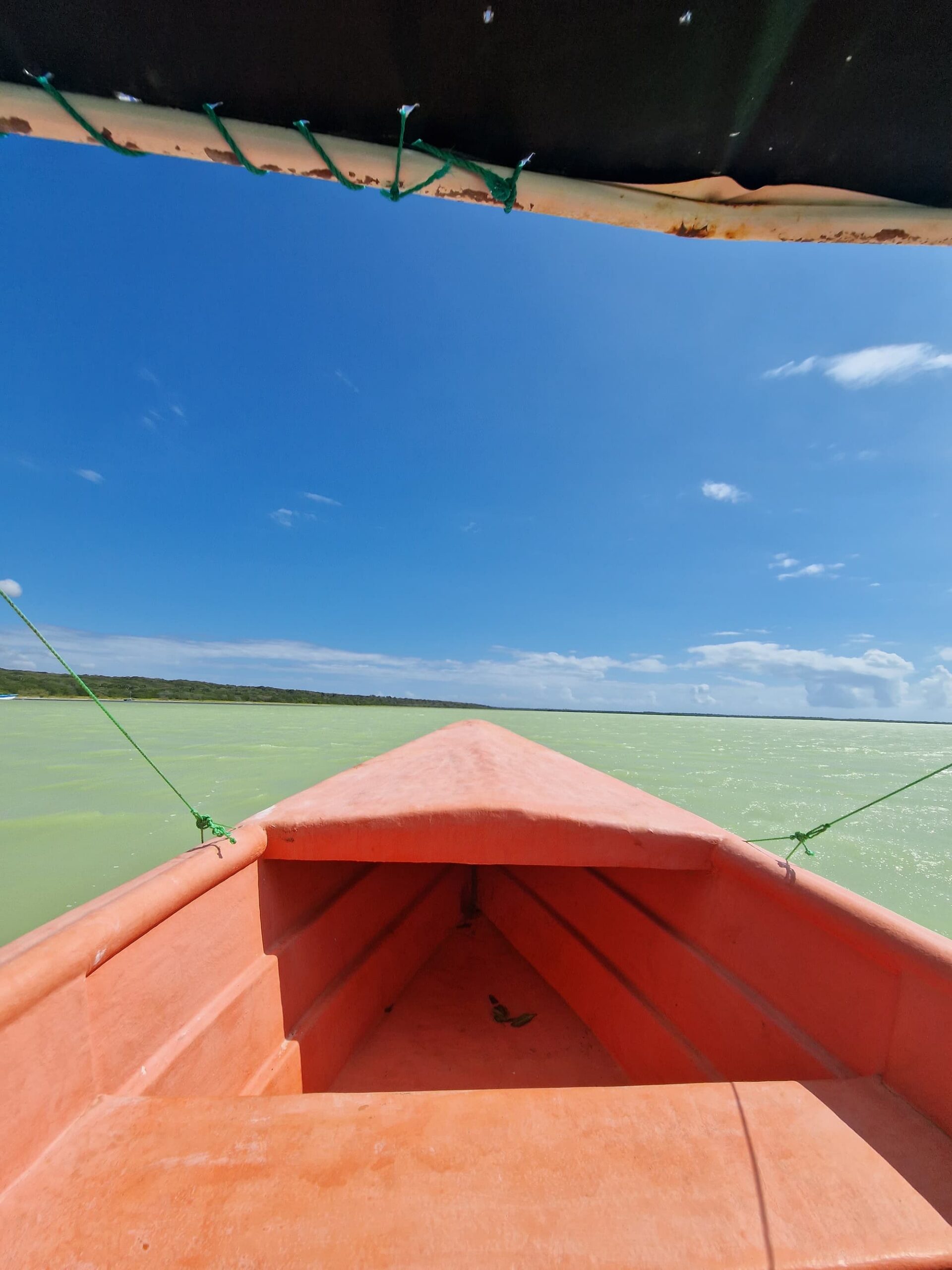
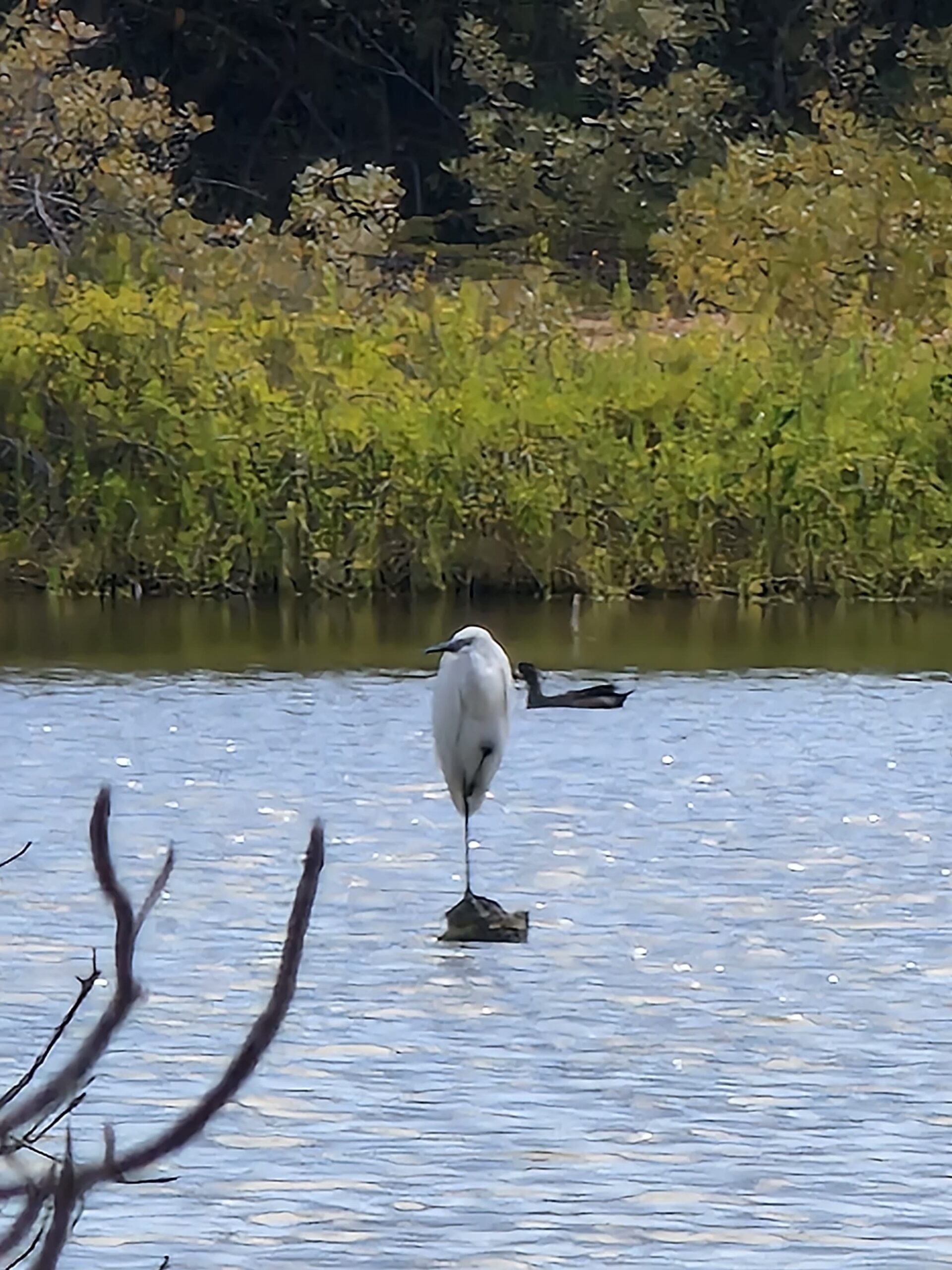
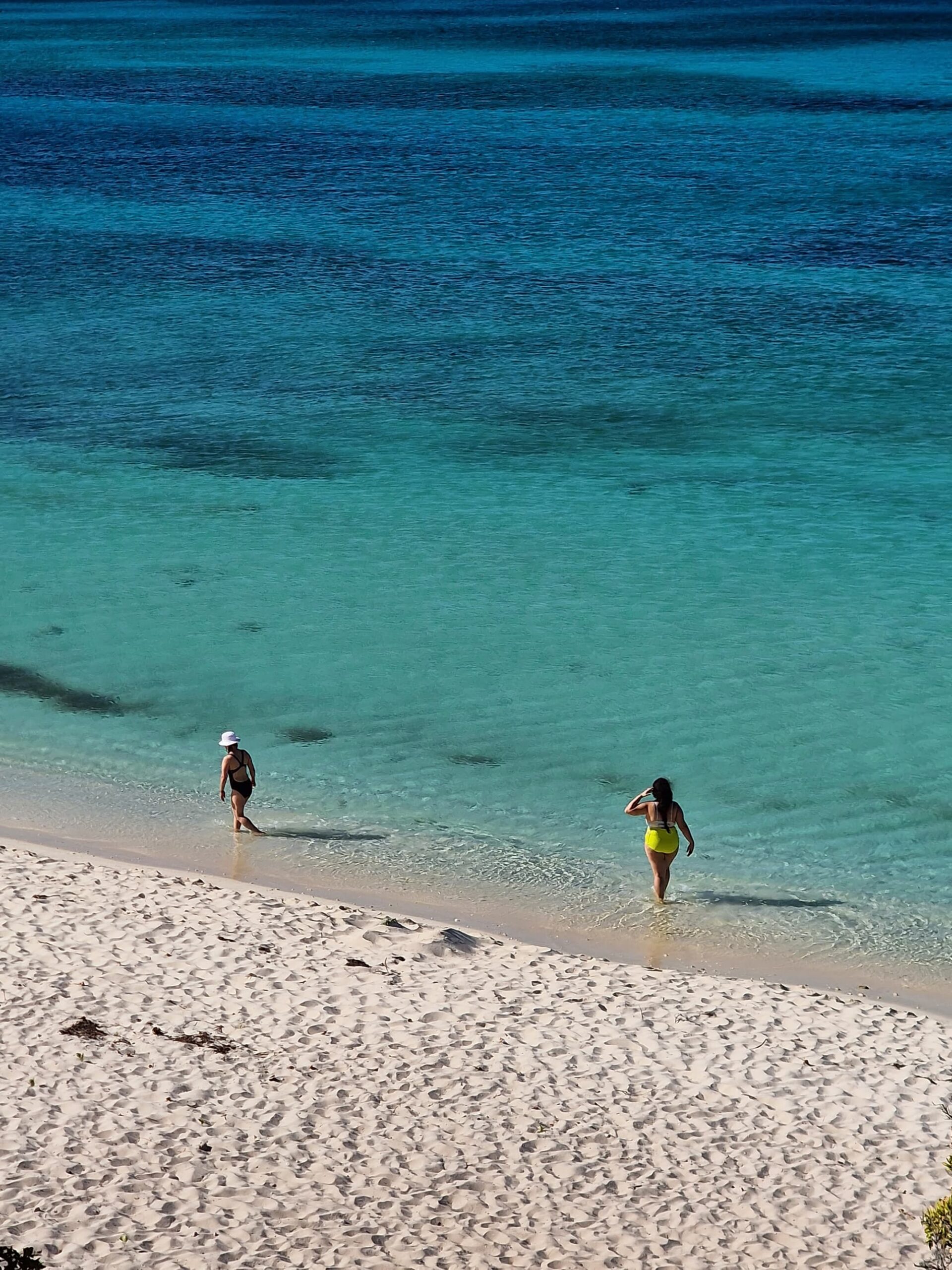
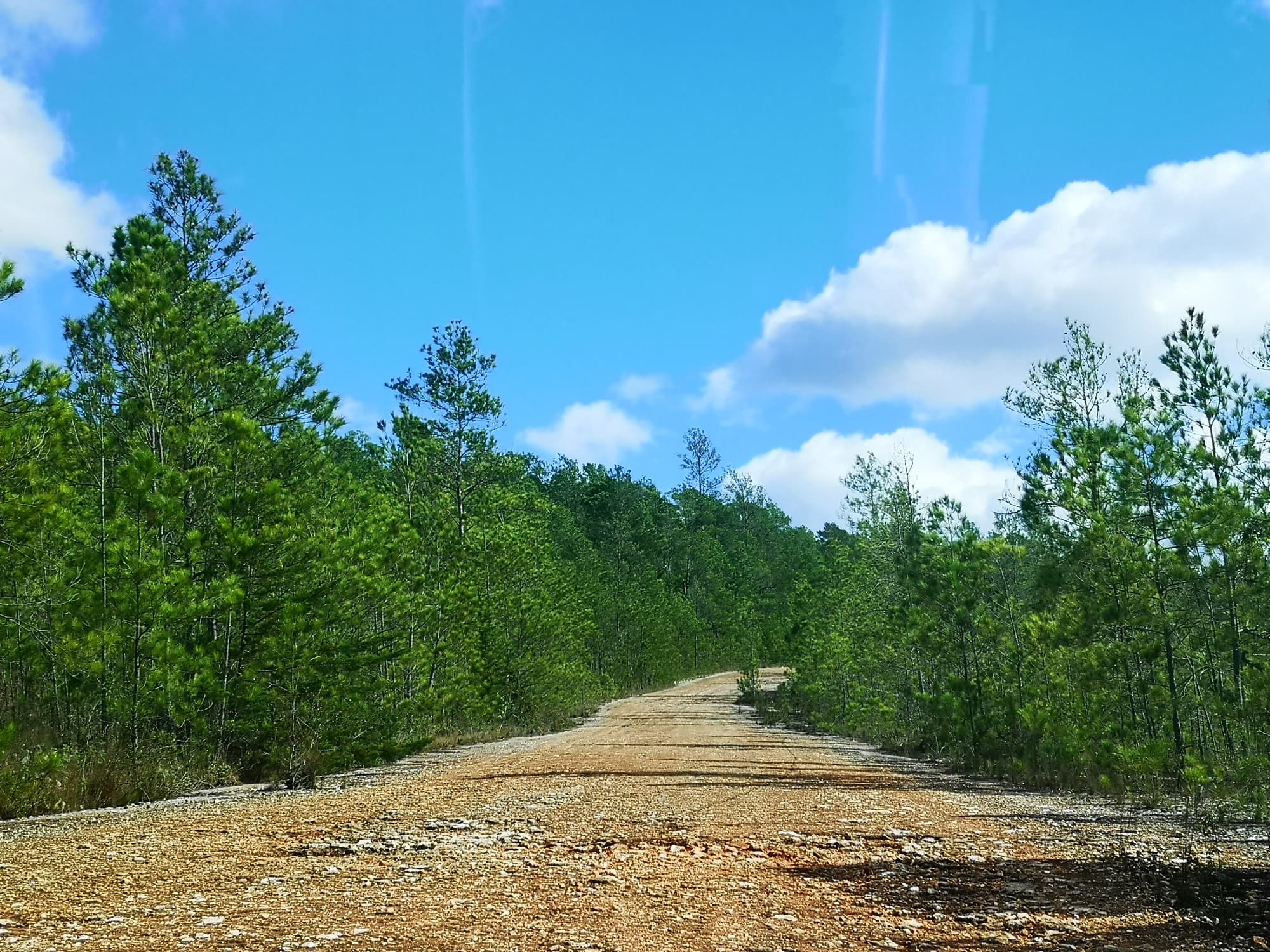
Photos from Pedernales
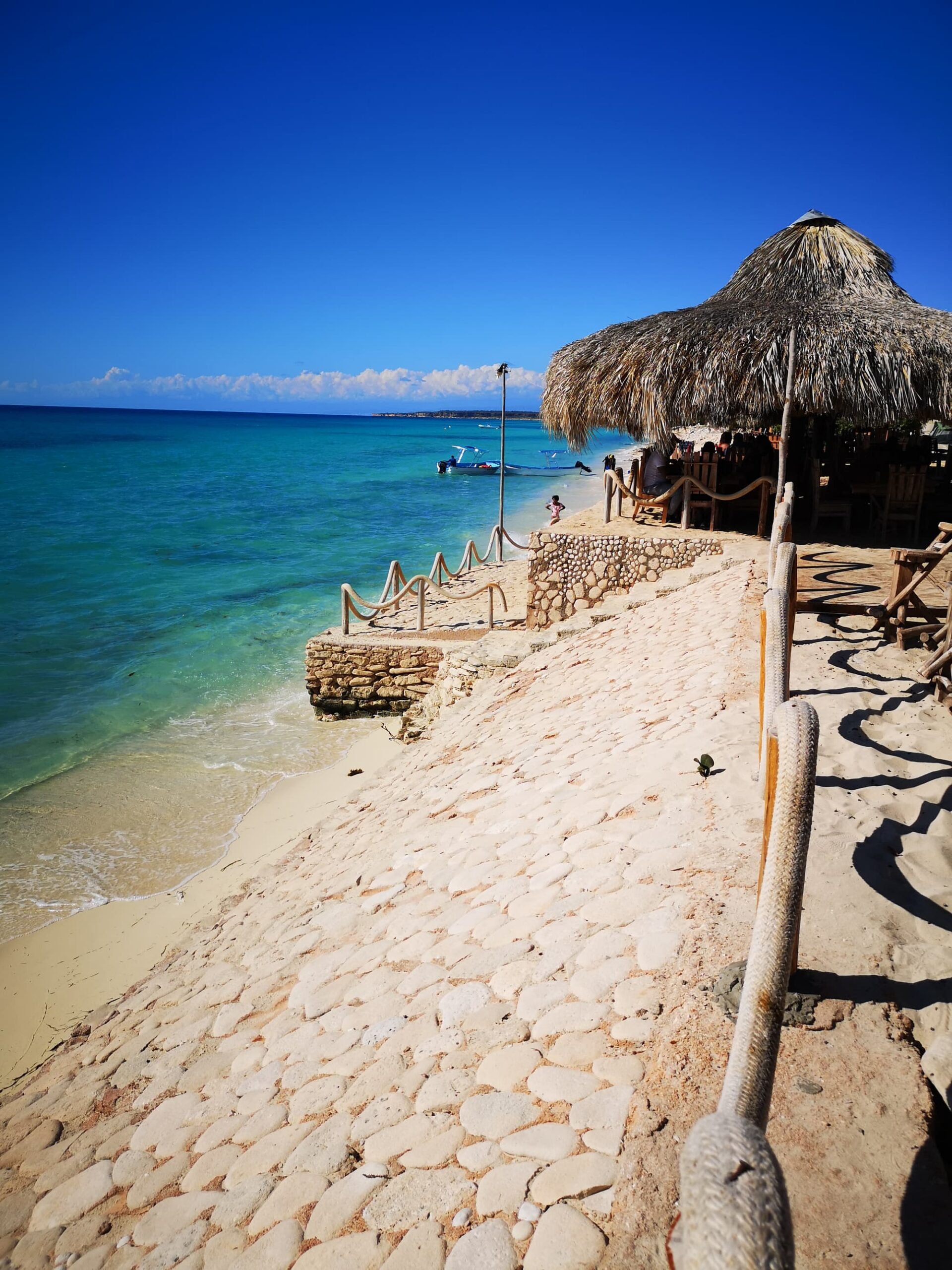
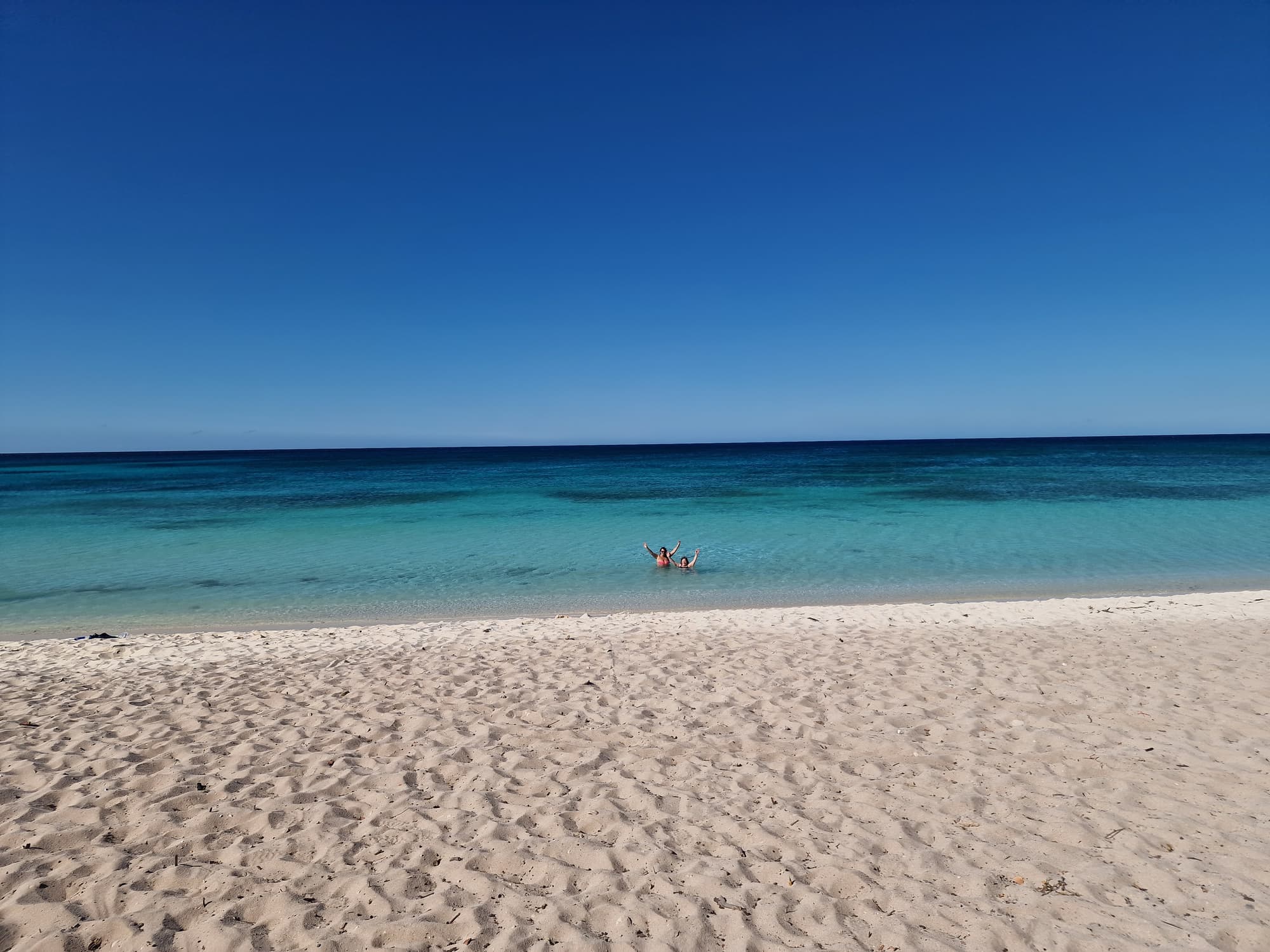
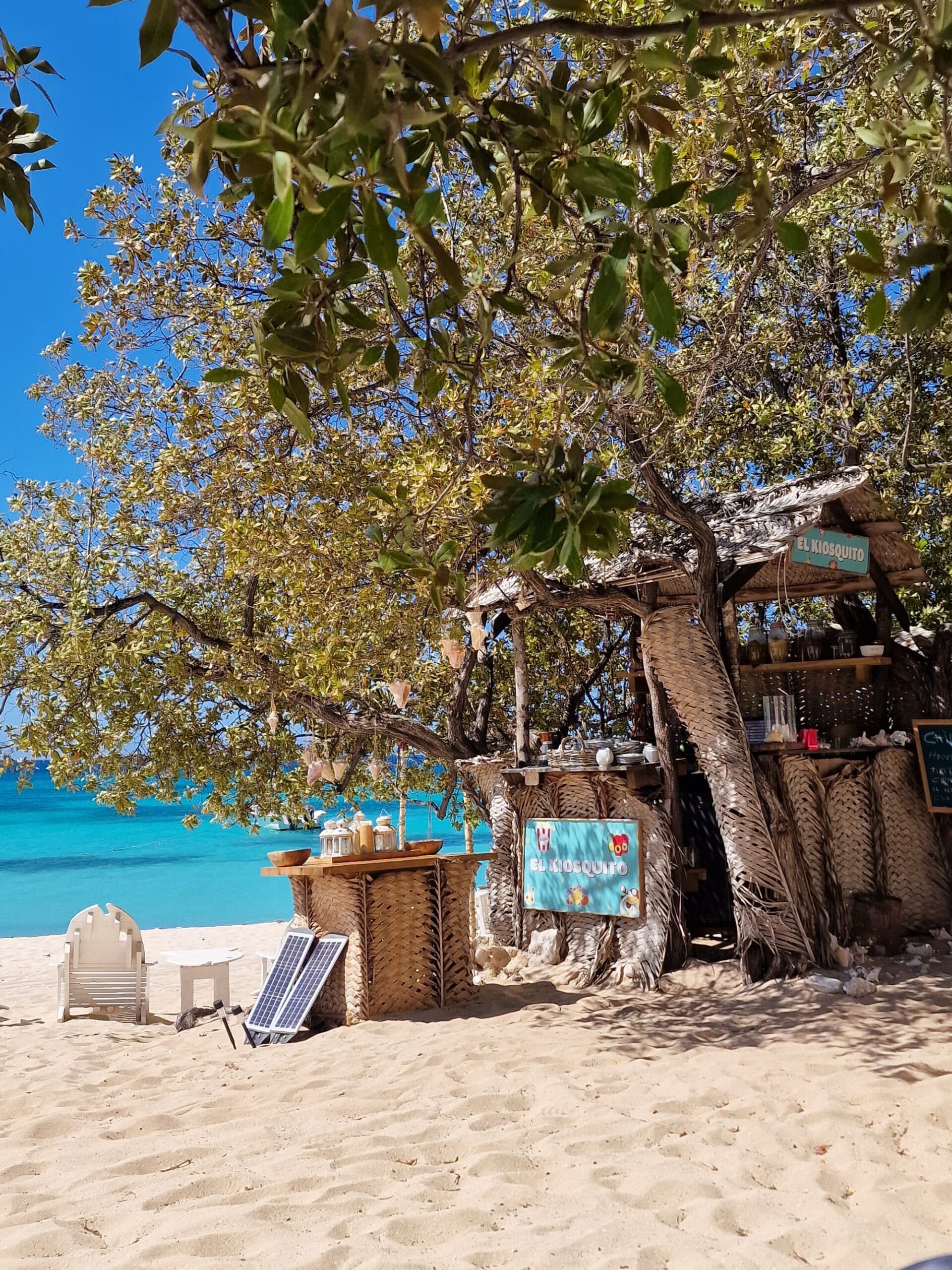
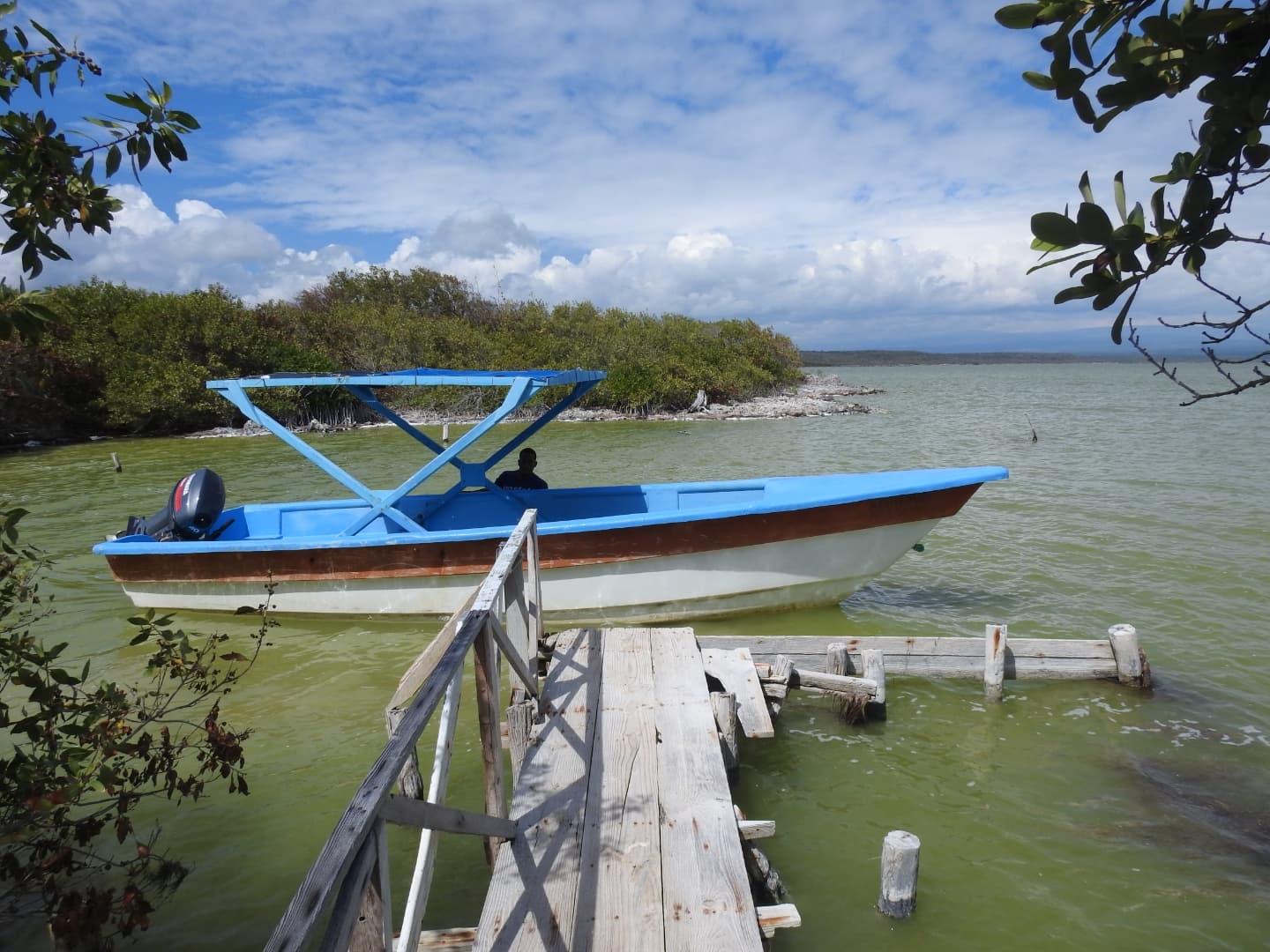
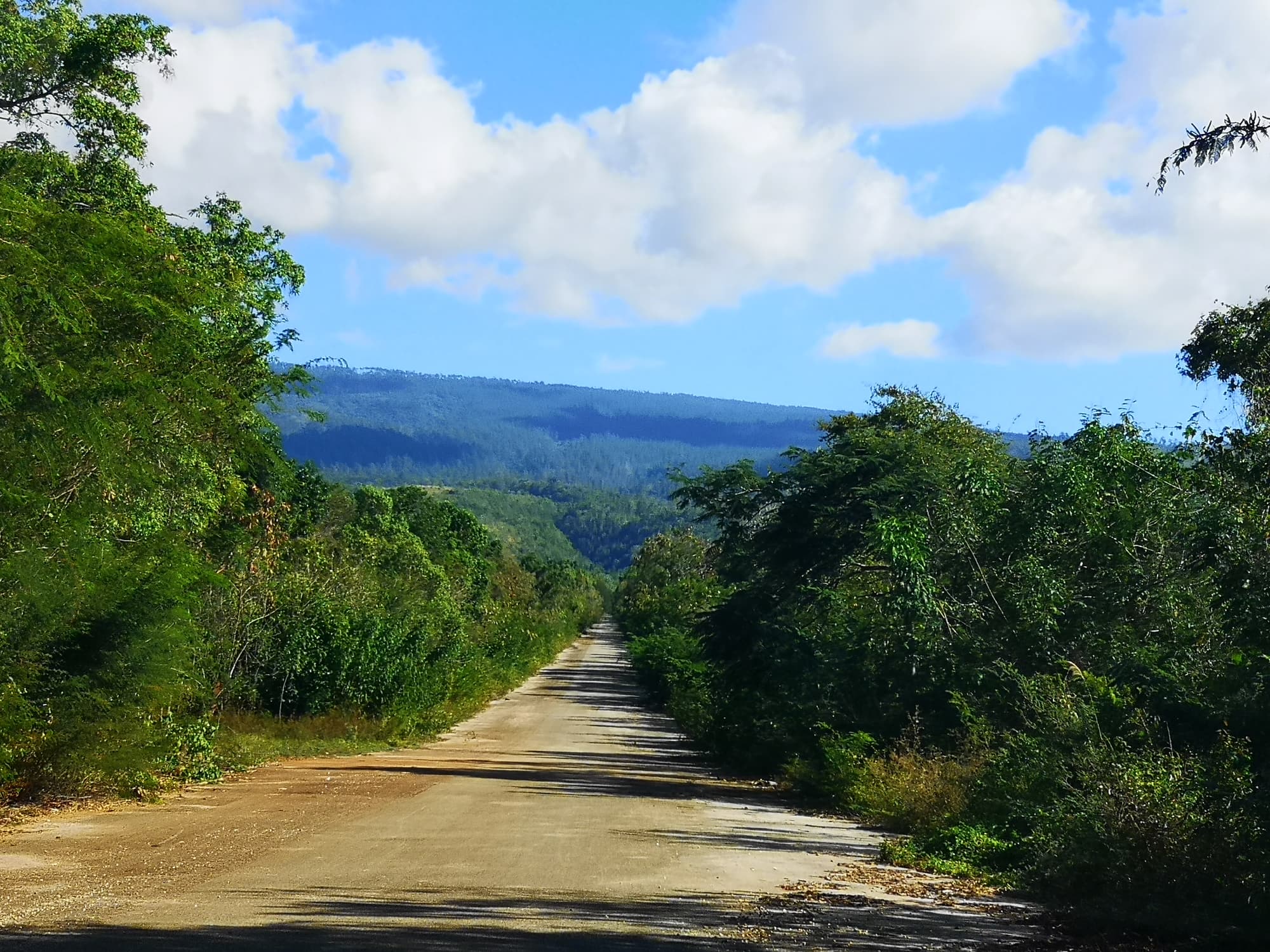
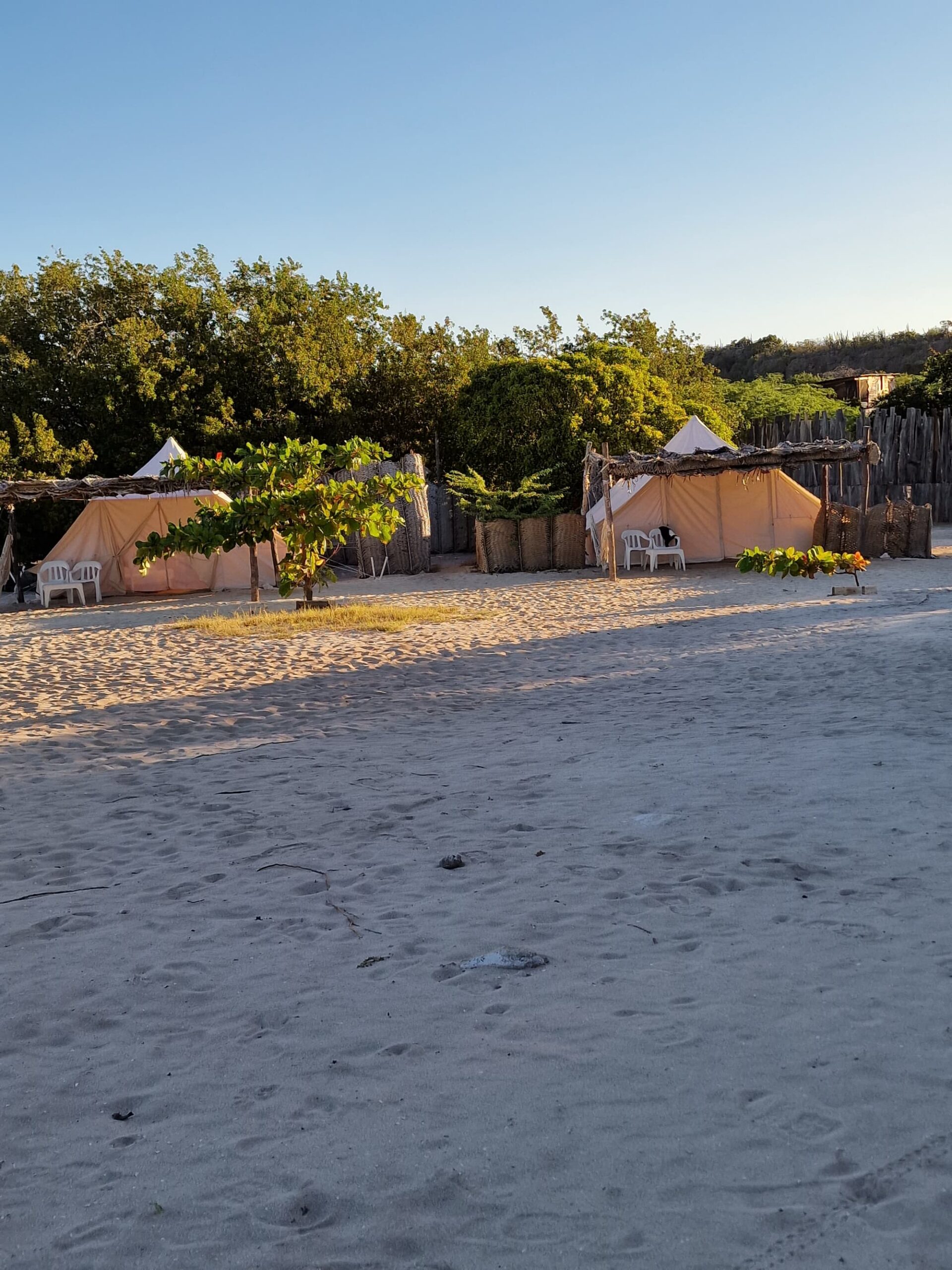
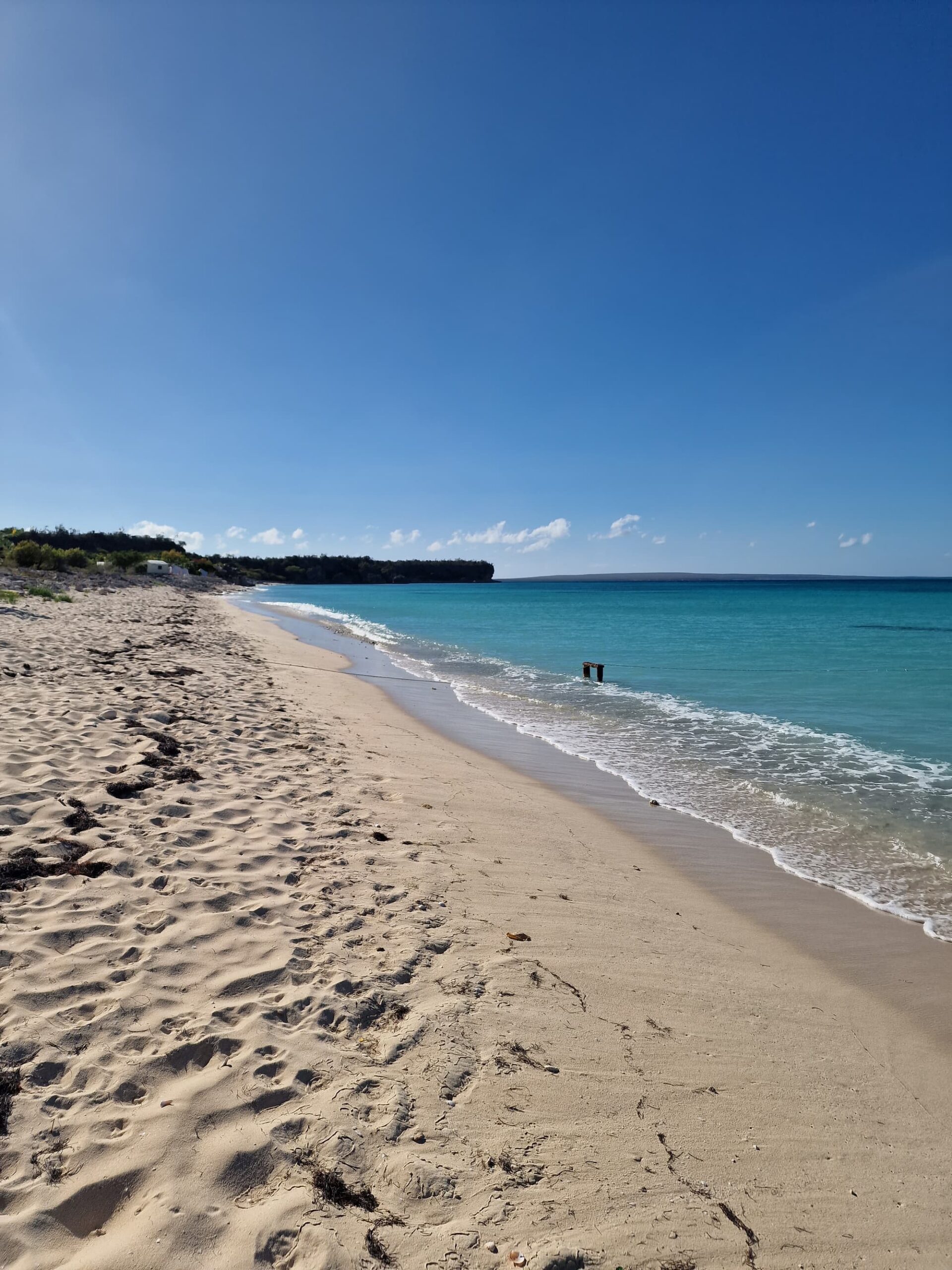
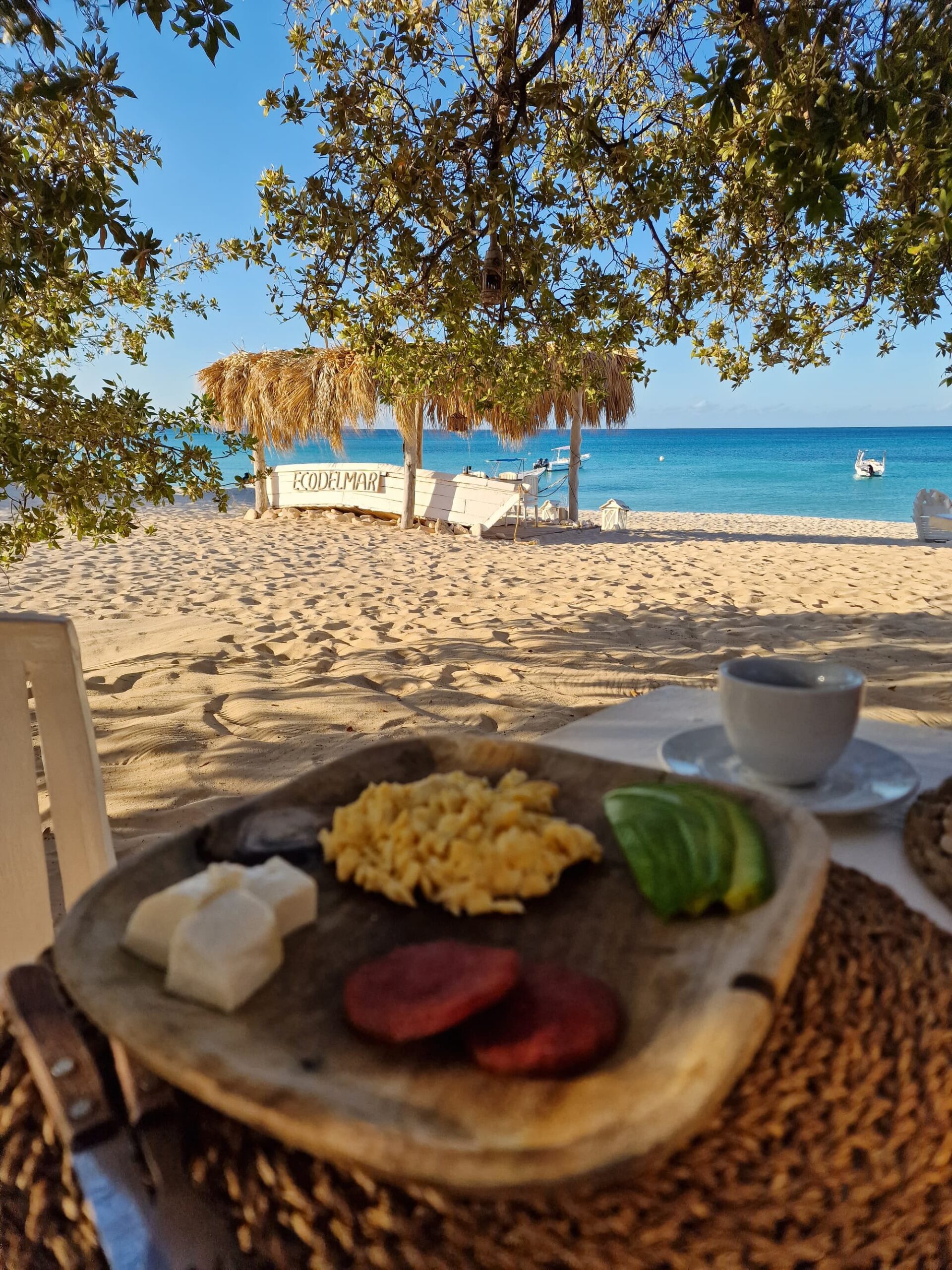
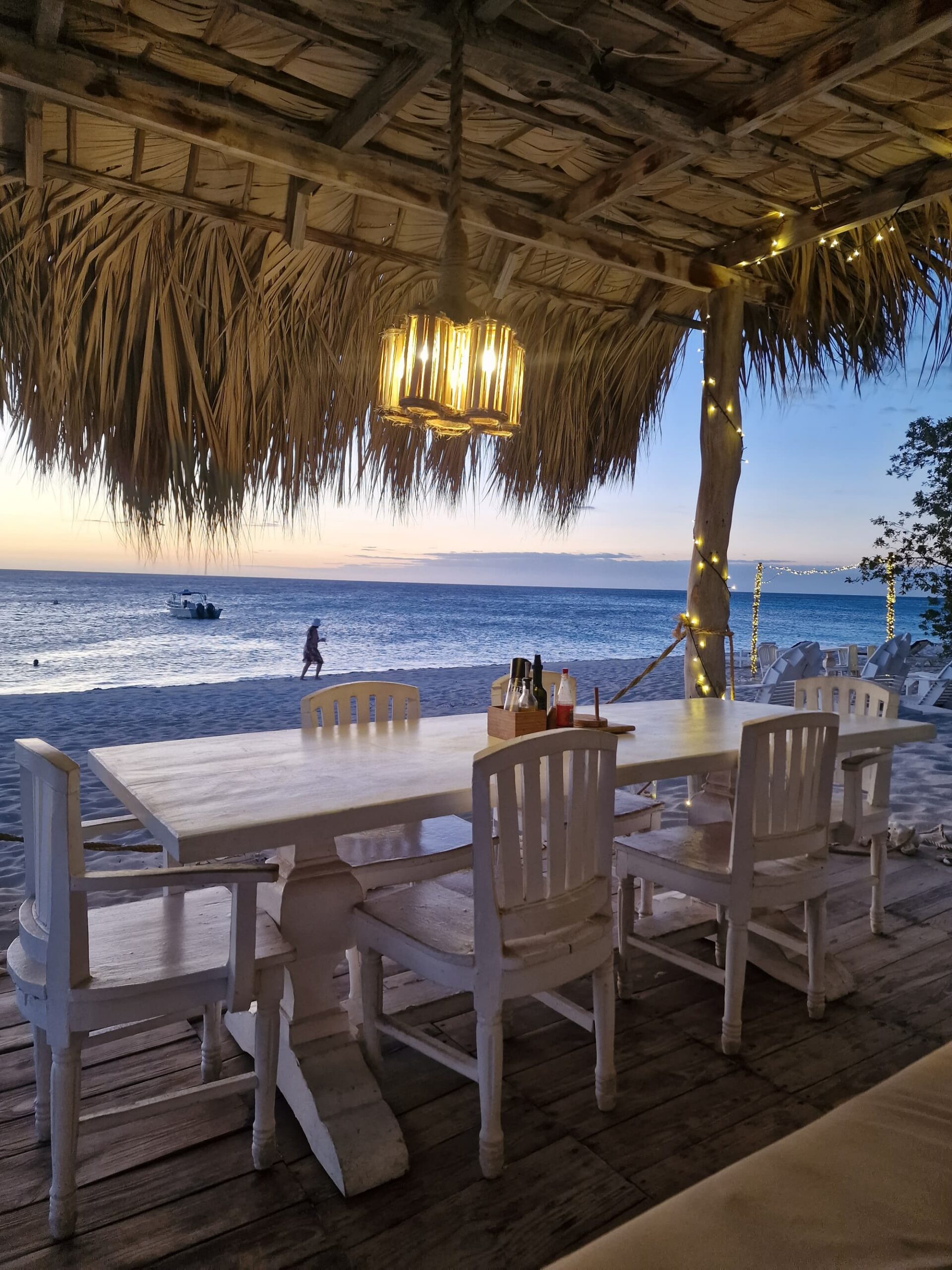
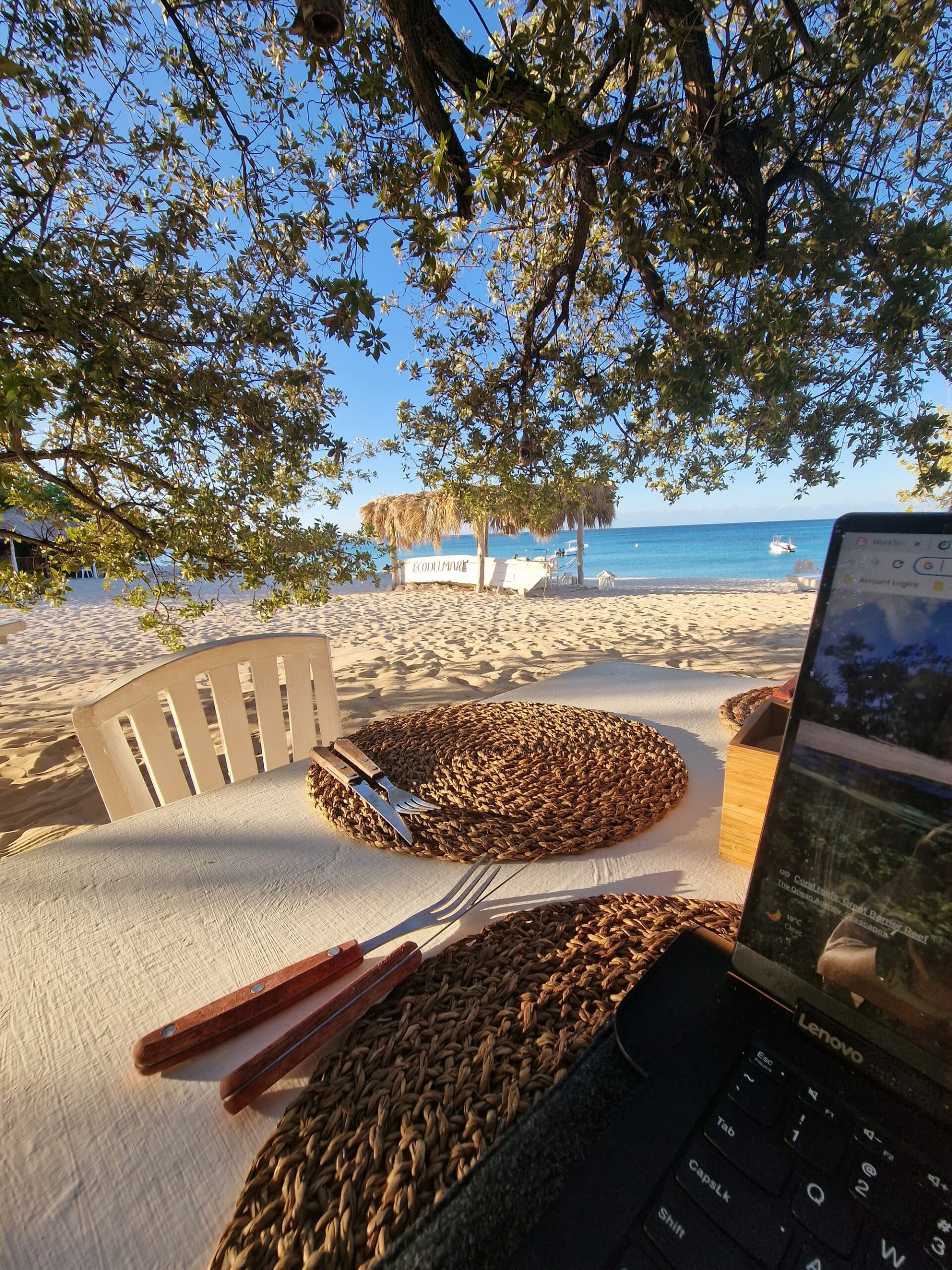
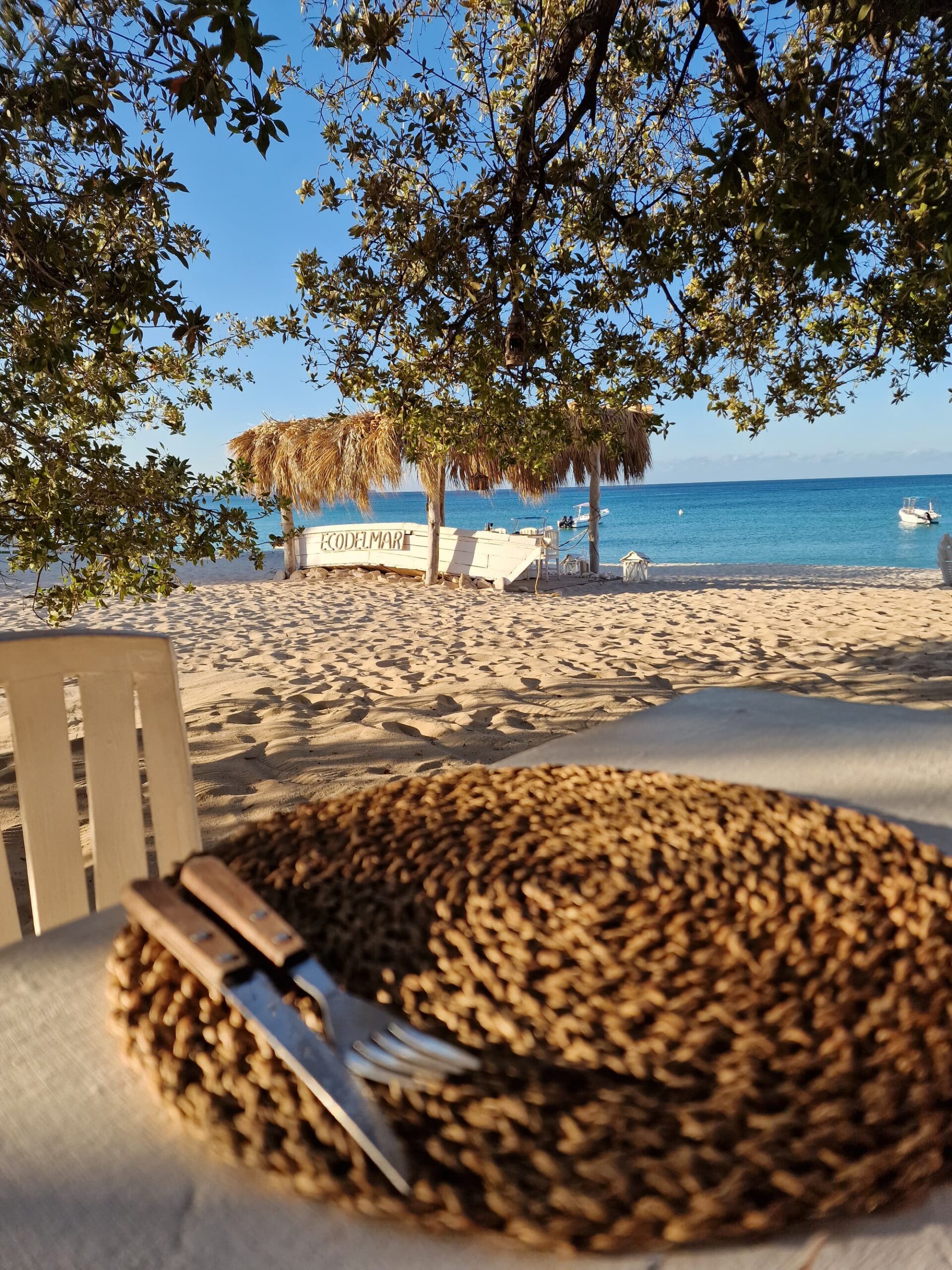
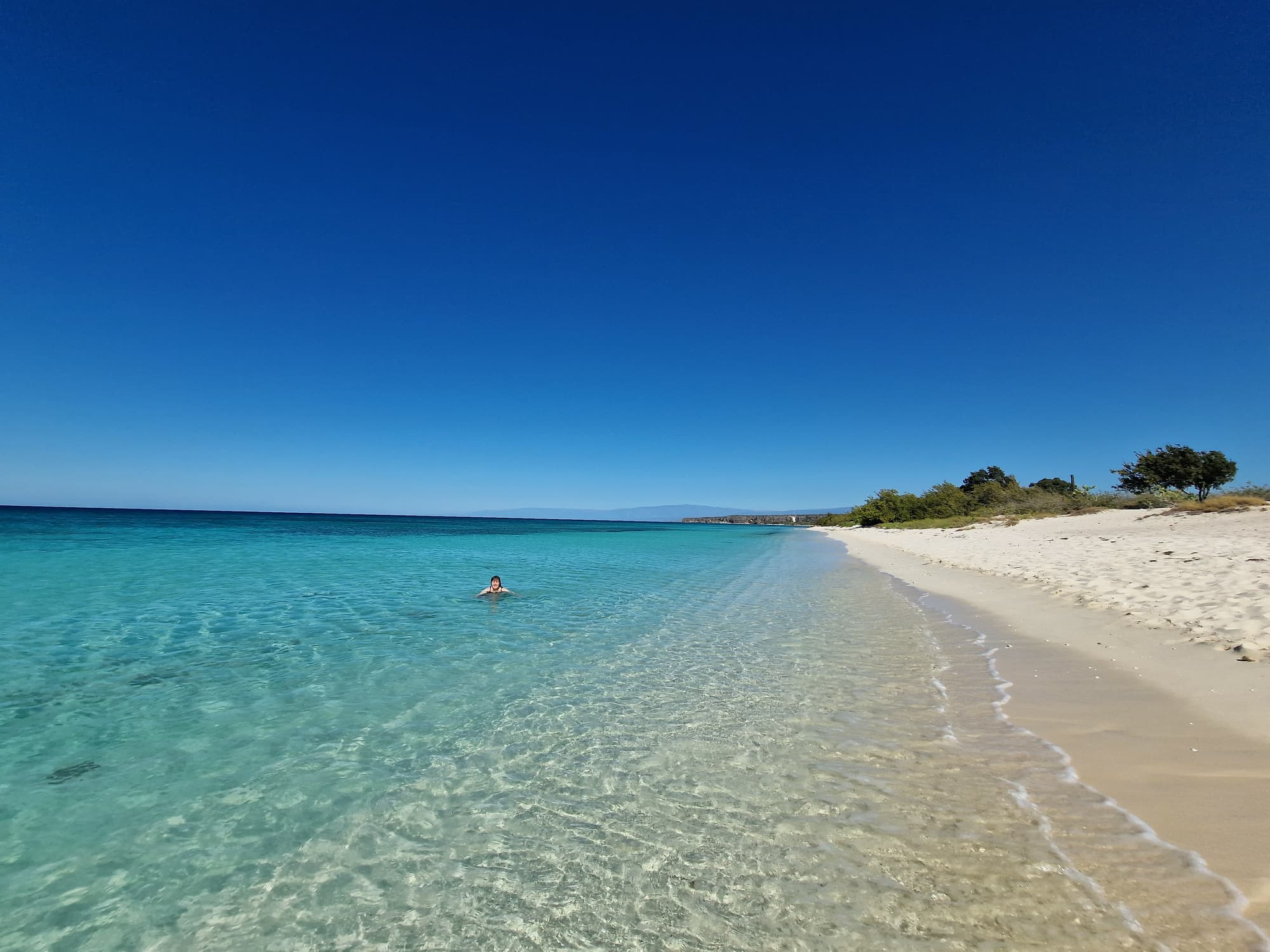
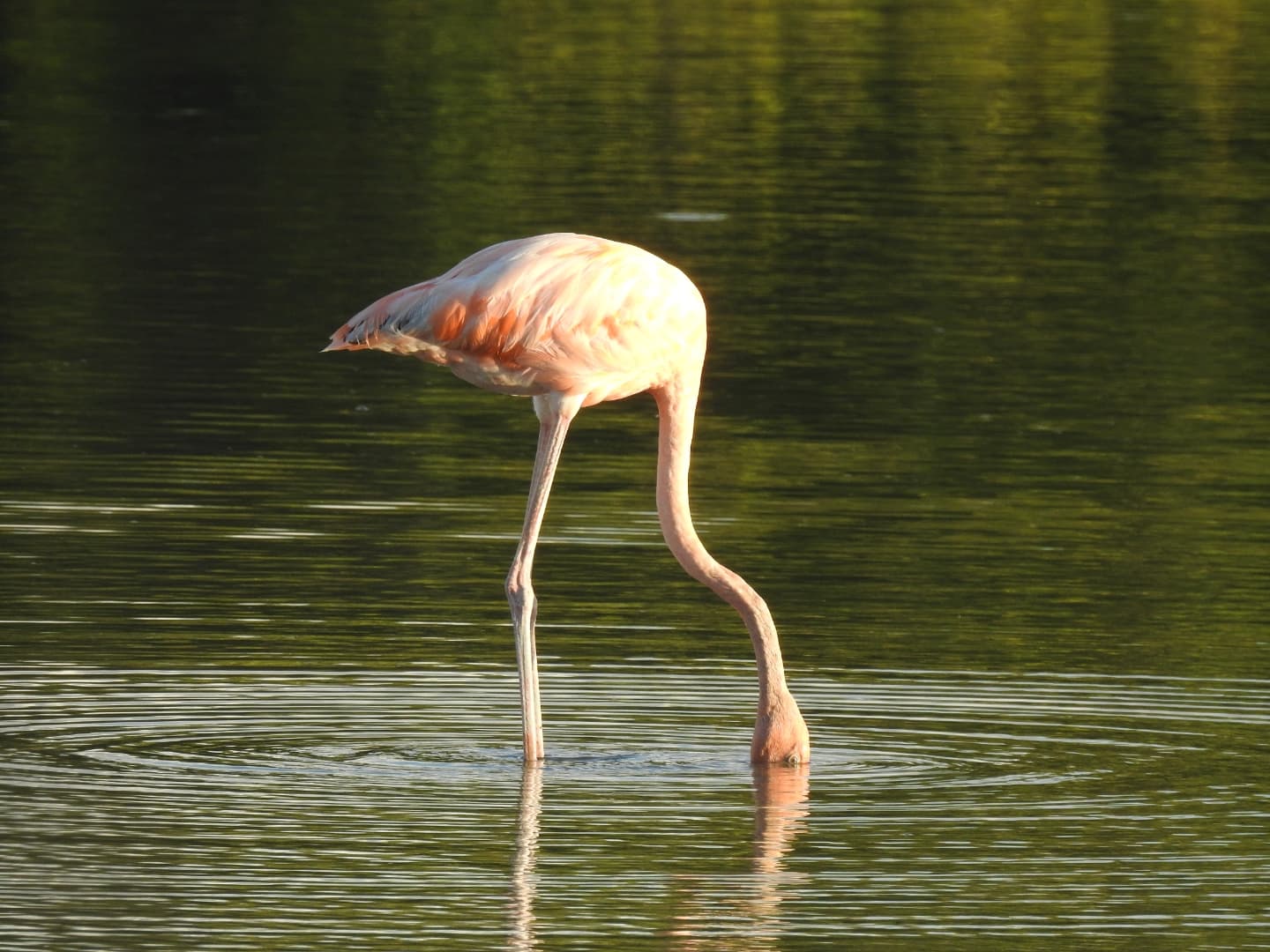
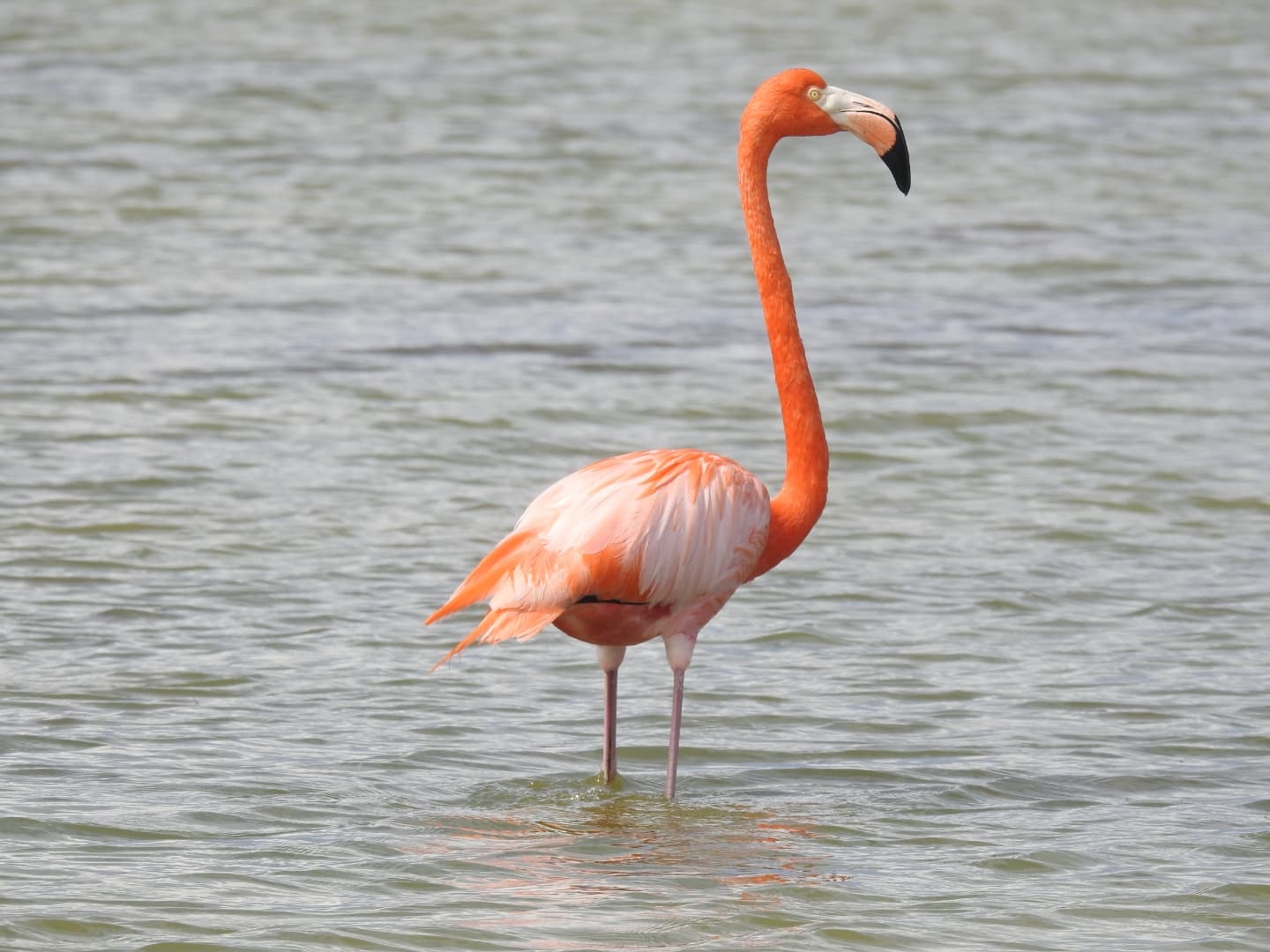
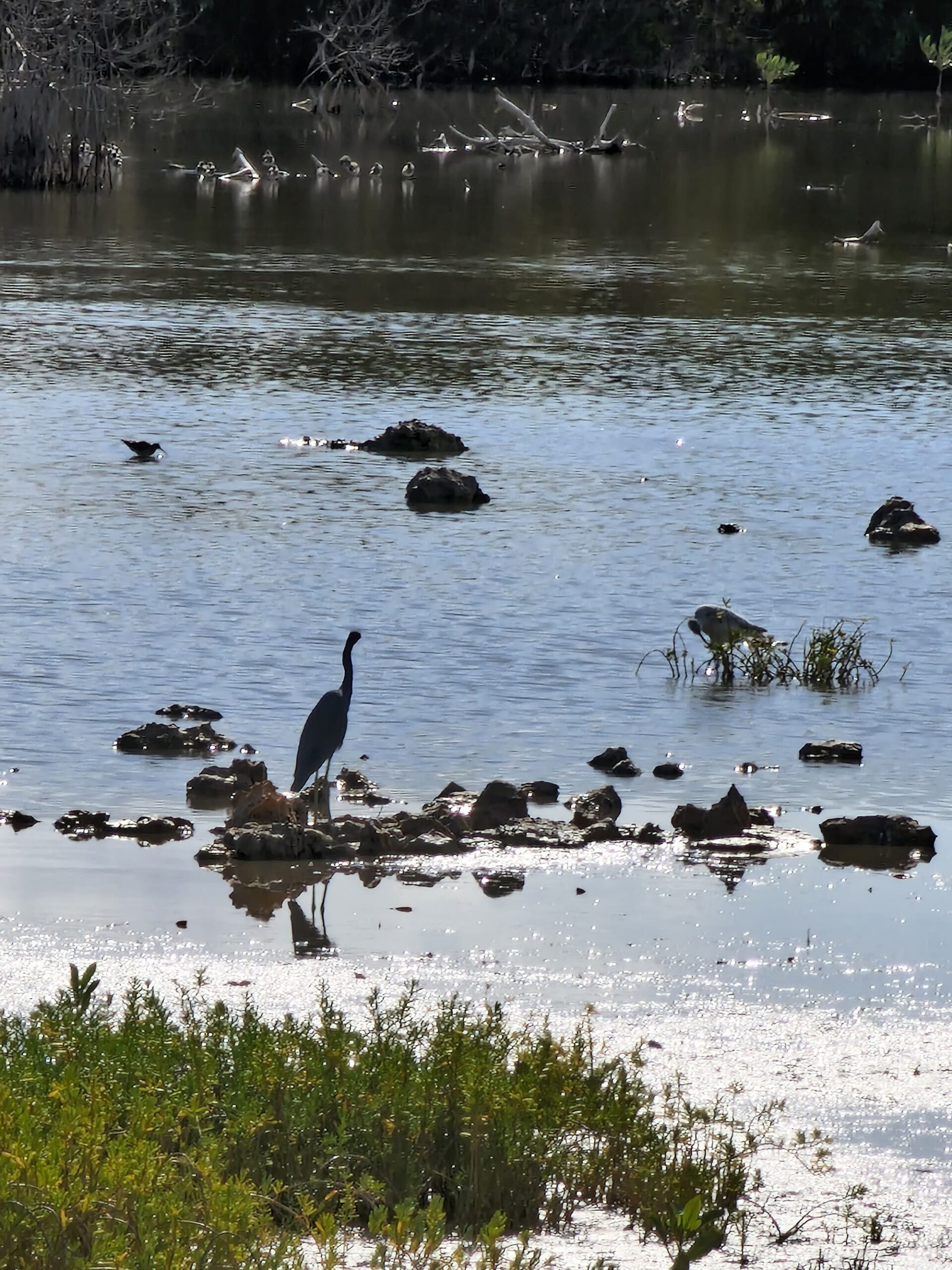
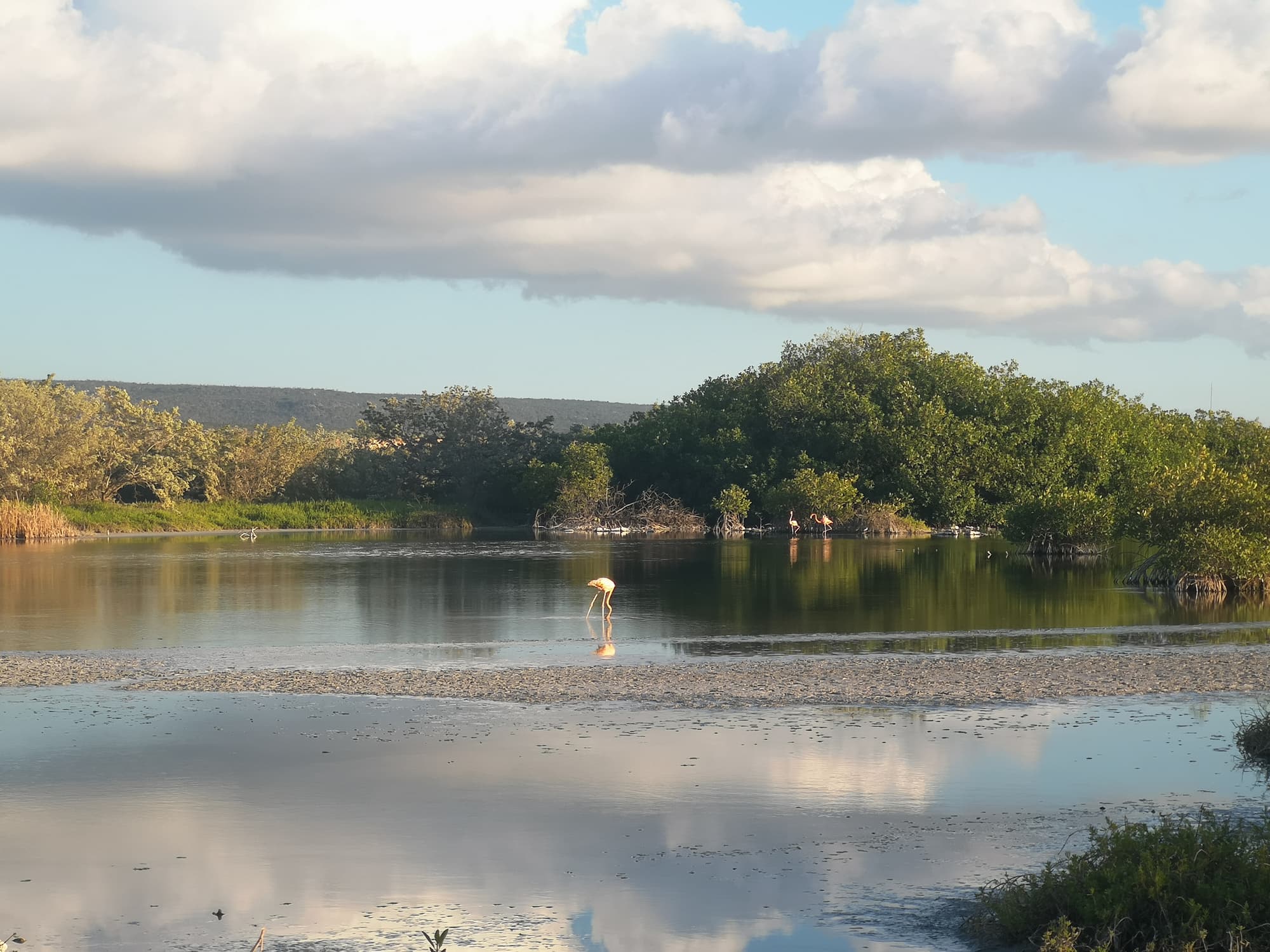
Showing 24 of 46 photos
Frequently asked questions
The Dominican side of Pedernales is a functioning border town with a normal daily rhythm. It is not dangerous in the way that media coverage might suggest. The border crossing itself and the surrounding area require normal caution. Stick to the Dominican side, avoid the crossing itself unless you have a reason to be there, and use local knowledge. Most residents report it as quiet.
Ground floor. The Cabo Rojo international airport outside Pedernales is still under construction: in September 2026 the government said it is working to have it operating in February 2027, and the Pro-Pedernales trust has talked about July 2027. The Cabo Rojo cruise port has been receiving ships since January 2024, and the first large hotel (about 500 rooms) is also targeted for early 2027. When it opens, the southwest DR will change fast. The people moving there now are doing so before that happens: property prices are low, the nature is extraordinary, and Bahía de las Águilas is 45 minutes away. It is genuinely pioneer territory and not suitable for everyone.
Internet is unreliable for serious remote work. Pedernales has a provincial hospital (Dr. Elio Fiallo) for emergencies and basic surgery; the nearest larger hospital is in Barahona, about 2 hours away. Services are basic. There is no expat community to lean on. Spanish is essential. The Dominican side of the border town is relatively calm, but it is a frontier zone and situational awareness matters. Cost of living is among the lowest in the DR, from $600/mo.
It covers the far southwestern tip of the island and includes Bahía de las Águilas, Lago Oviedo, and some of the most arid, alien-feeling landscape in the Caribbean. Rhinoceros iguanas are everywhere. Flamingos feed on the lake. The coastline is mostly inaccessible without a boat or 4WD. It is one of the largest national parks in the Caribbean and has almost no visitor infrastructure.
The plan is for an international airport at Cabo Rojo capable of handling direct flights from North America and Europe, aimed at unlocking the southwest coast for tourism. As of late 2026 it is still under construction, with the government targeting February 2027 and the Pro-Pedernales trust projecting more than 2,000 hotel rooms in the area by 2028. If it delivers, property values will rise, services will improve, and Pedernales will not be the off-grid option it is today. The timeline has slipped several times already (February 2026 was once the date), so build that uncertainty into any investment decisions.