

Jarabacoa sits at 530m elevation in the Cordillera Central mountain range, making it the coolest place to live in the DR year-round. It is known for outdoor activities, waterfalls, and a quality of life that attracts both wealthy Dominicans and expats who find the coast too hot. Infrastructure has improved markedly and the town has a genuine community feel.

Is Jarabacoa right for you?
Jarabacoa is the right choice for anyone who finds coastal Caribbean living too hot and humid, who loves outdoor activities, or who wants a genuine community feel in a beautiful natural setting. Active retirees, families who value outdoor education for children, and remote workers who want nature without rural isolation all find it suits them well.
Is Jarabacoa safe?
Jarabacoa scores 8.5 out of 10 for safety on the DR Living Index. Jarabacoa is one of the safer places to live in the DR, reflecting its smaller size, tight community, and the fact that wealthy Dominicans have weekend homes here, which drives investment in security.
The safety card below has the full picture for Jarabacoa, and the DR safety guide covers the whole country.
What the scores mean
Jarabacoa is moderate in cost. Furnished apartments and houses rent for $500 to $1,100 per month. The food market is smaller than coastal towns and some items cost more due to transport from the city.
Jarabacoa is one of the safer places to live in the DR, reflecting its smaller size, tight community, and the fact that wealthy Dominicans have weekend homes here, which drives investment in security.
Jarabacoa's public hospital, the Octavia Gautier de Vidal, was rebuilt and handed over in early 2025 after a RD$609 million project and is now rated third level, with three operating theatres, intensive and neonatal care, a blood bank, laboratories and imaging. A small private clinic and pharmacies cover routine care. For specialist treatment, Santiago and the HOMS hospital are about an hour away. Local care is adequate for everyday needs and emergencies, but serious conditions still mean a specialist referral, and medical evacuation insurance is recommended.
Internet in Jarabacoa has improved significantly as wealthy Dominicans and foreign residents have driven demand. Claro and Altice fibre is available in most of the town. Speeds of 30 to 100 Mbps are typical, reliably supporting remote work, though less consistently than the major cities. Outside the centre service is patchy and Starlink is the usual answer; it works well at altitude, with less rain interference than on the north coast.
Jarabacoa's lifestyle is built on the outdoors. White-water rafting on the Río Yaque del Norte, canyoning, hiking to Pico Duarte (the Caribbean's highest peak), and mountain biking are all accessible from the town. The cool evenings, sometimes requiring a light jacket, are a genuine novelty in the Caribbean.
A real town with supermarkets, banks, pharmacies, hardware stores and a good produce market, so daily life is straightforward. For malls, big-box runs and specialist shops, La Vega and Santiago are 45 minutes to an hour down the mountain.
Monthly budget breakdown
Map of Jarabacoa
Neighbourhoods in Jarabacoa
Jarabacoa Town Centre
The main commercial area with restaurants, shops, and services. Growing but still manageable in scale.
La Confluencia →
Where the rivers meet, 10 minutes from town. The main point for rafting and river activities.
Manabao
Rural community higher in the mountains. Starting point for Pico Duarte hikes.
Constanza
Higher-altitude town 1 to 1.5 hours away via Tireo. Even cooler than Jarabacoa. Famous for vegetables and strawberries.
La Vega
The Cibao valley city 30 to 45 minutes below. Malls, big-box shopping, the regional hospital and the Autopista Duarte to Santiago and the capital.
Living in Jarabacoa: the honest picture
What works well
- Coolest climate in the DR, genuinely comfortable year-round
- Outdoor activities: rafting, hiking, canyoning
- Lower cost than coastal expat hubs
- Beautiful natural surroundings
- Growing expat community
- Bilingual private schools in town
Watch out for
- Isolated from services with limited English, so a reliable vehicle is essential (many split six months mountain and six coast)
- No beach access (2+ hours away)
- Limited international cuisine
- Smaller medical facilities
- Some roads difficult in wet season
- Limited nightlife
Photos from Jarabacoa
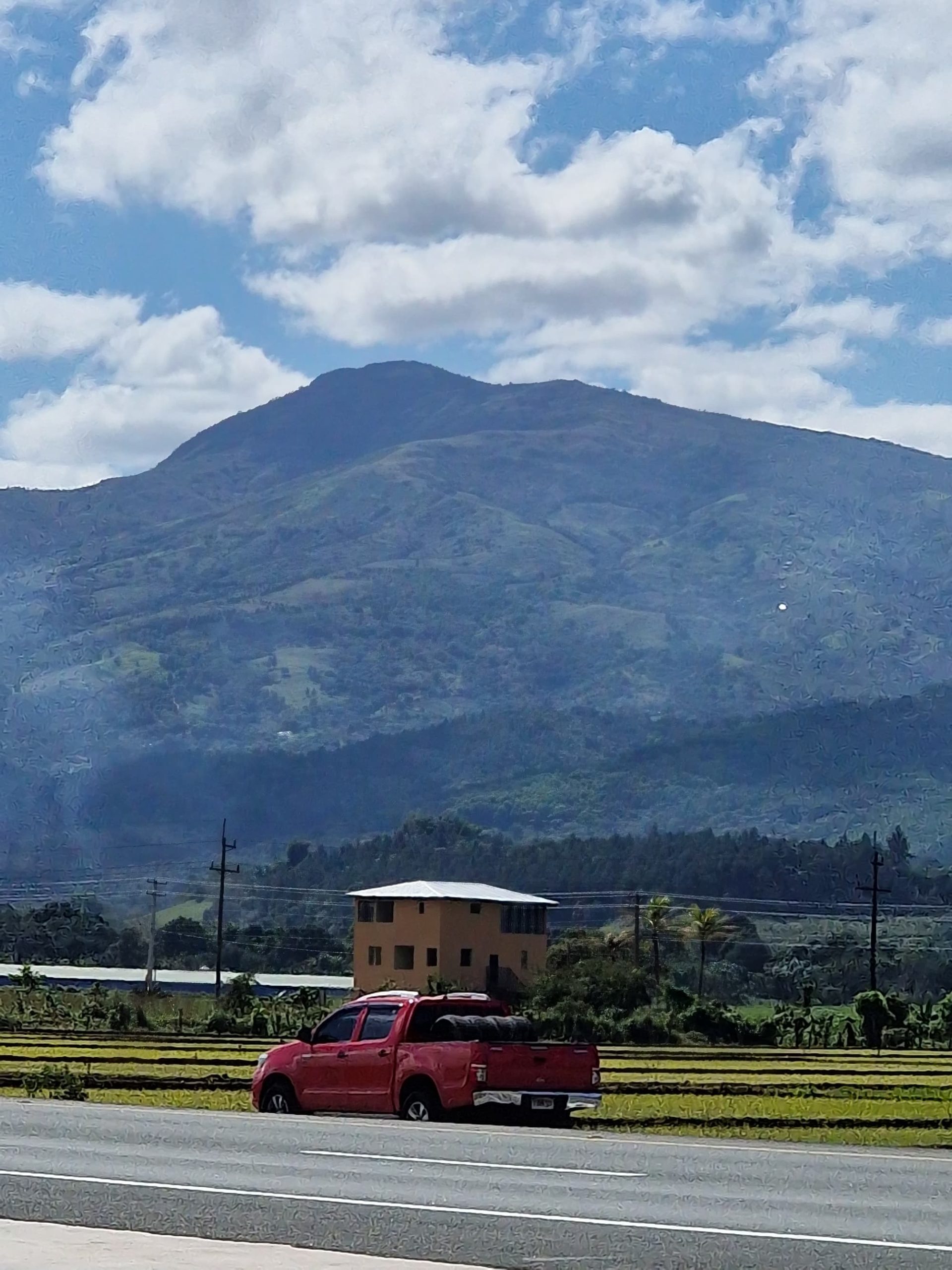
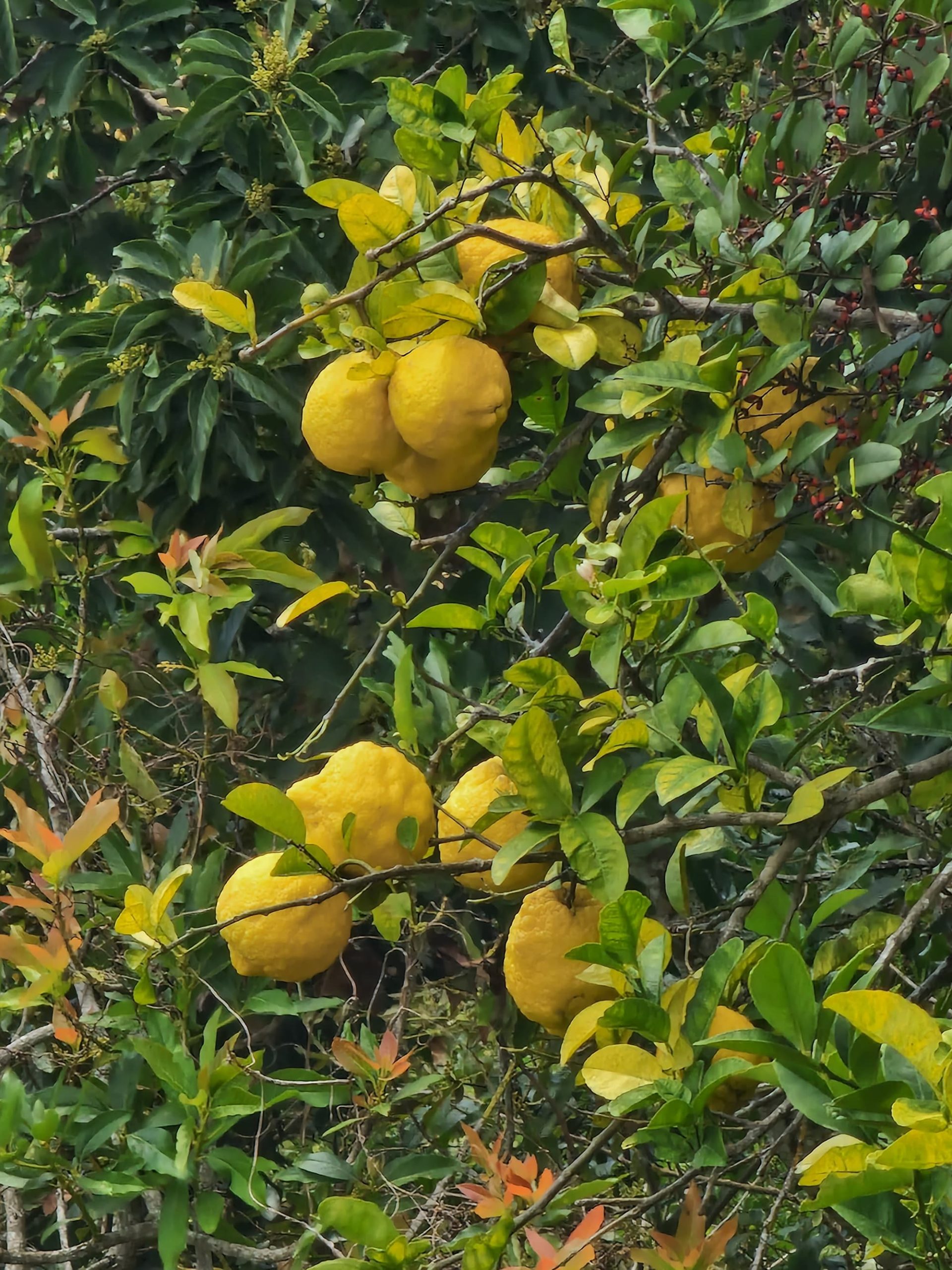
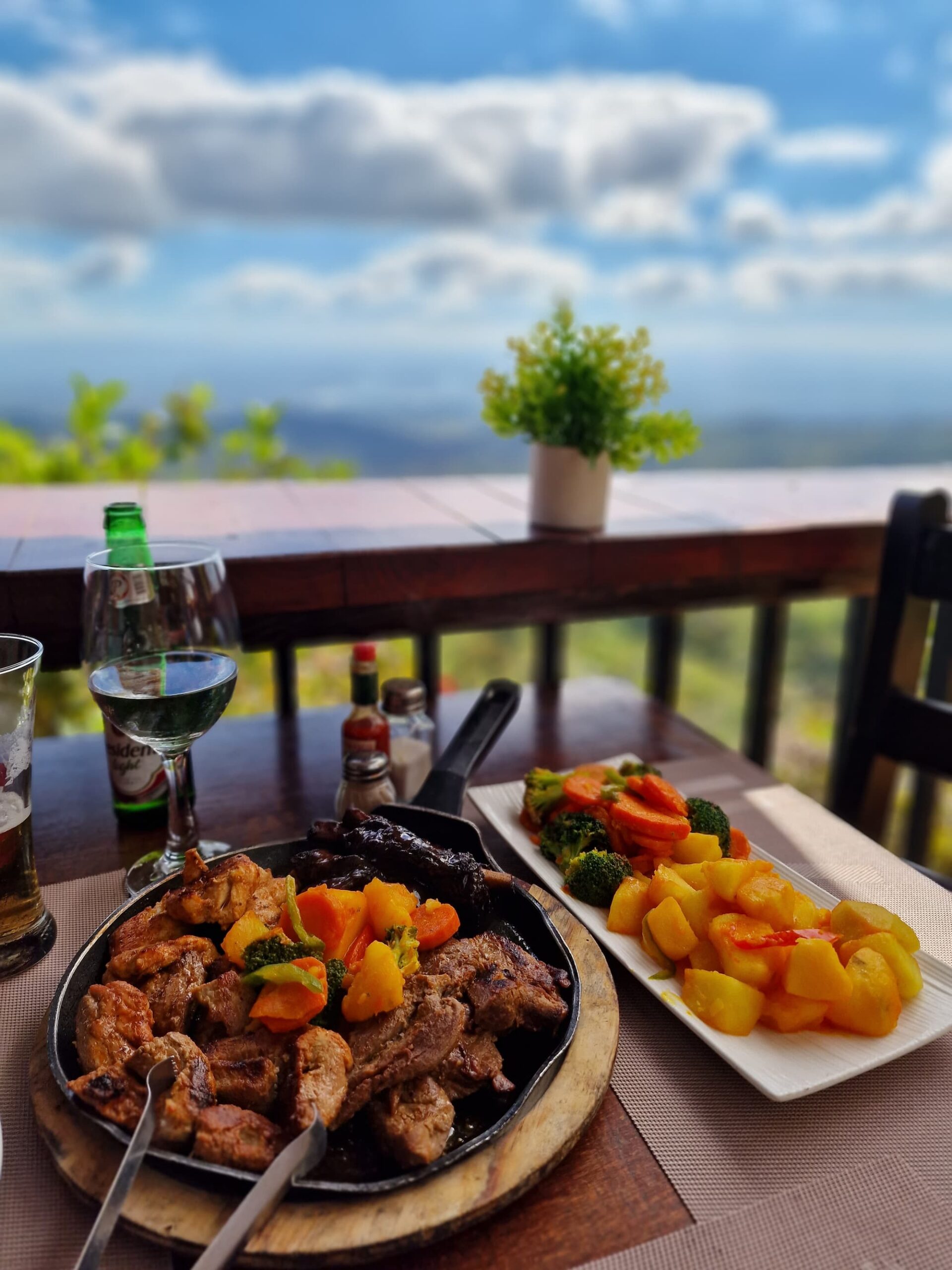
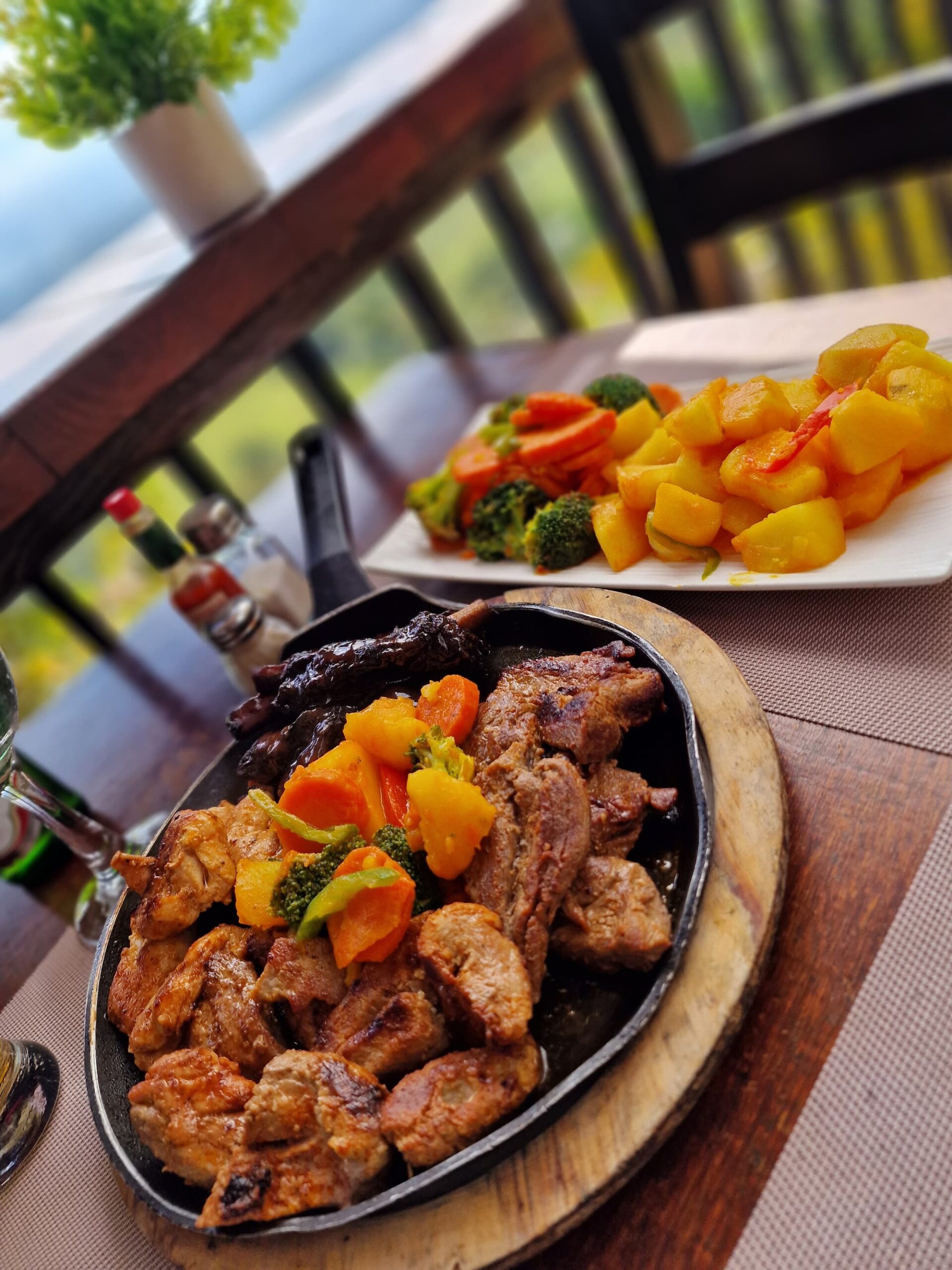
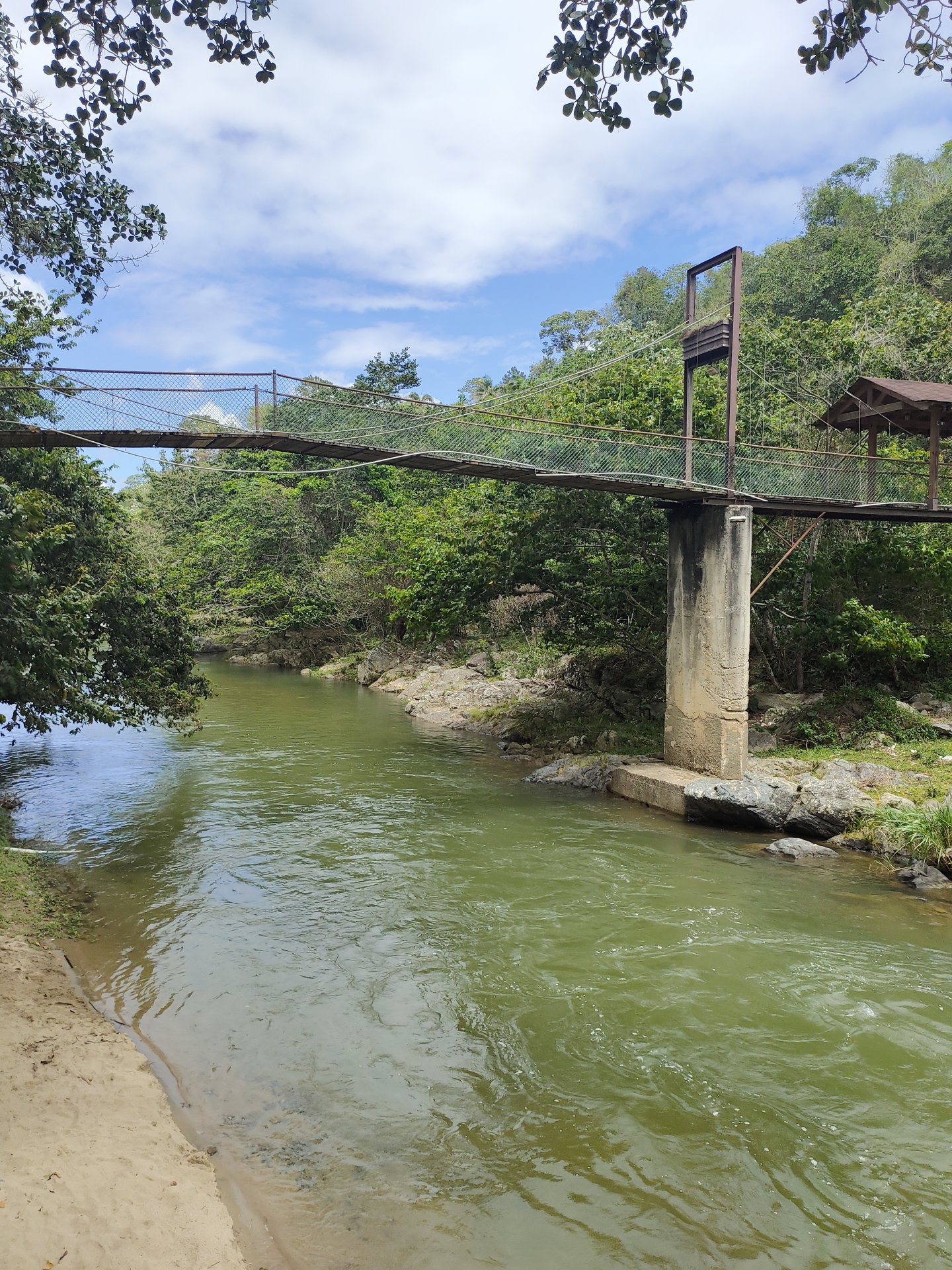
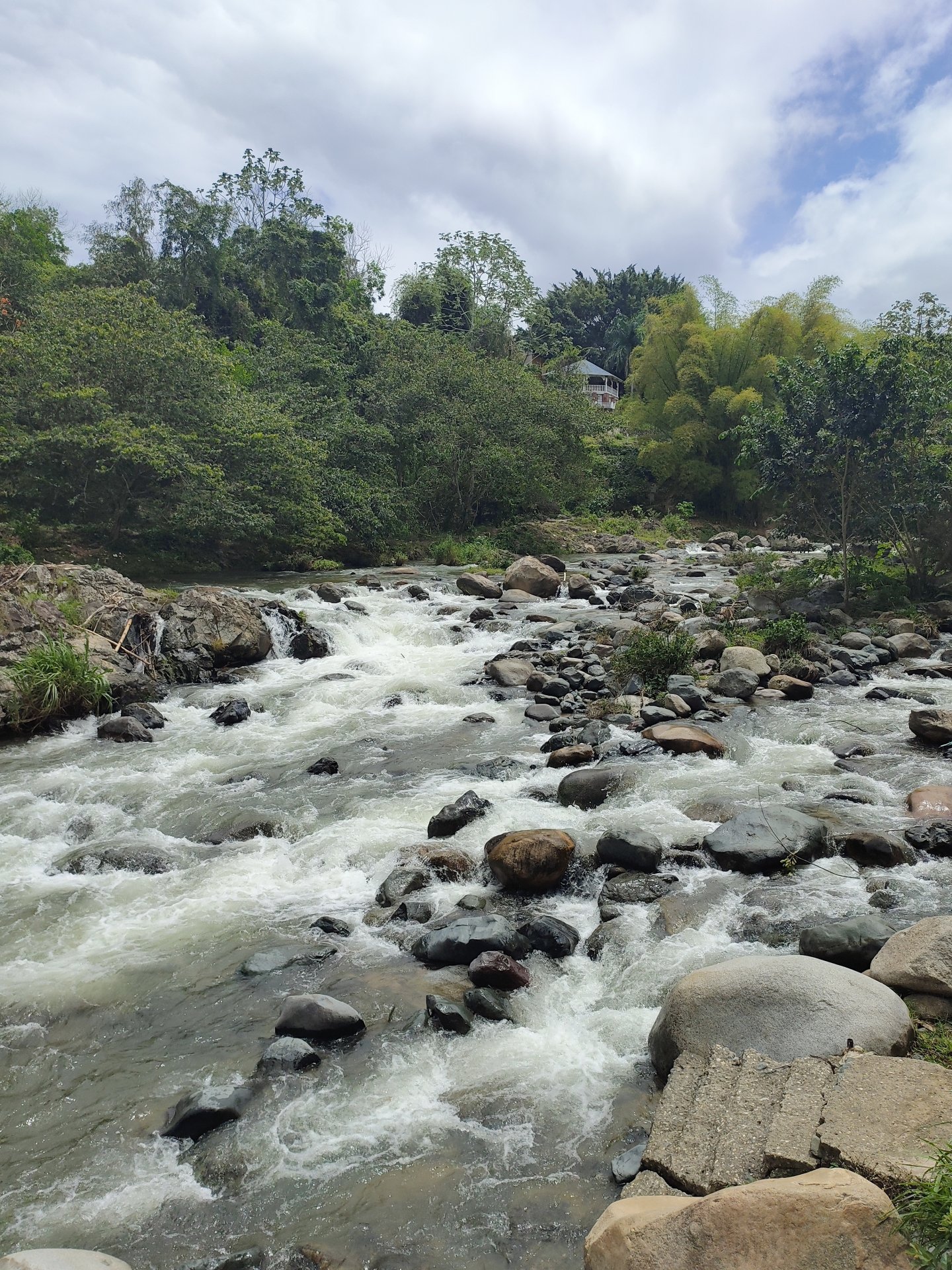
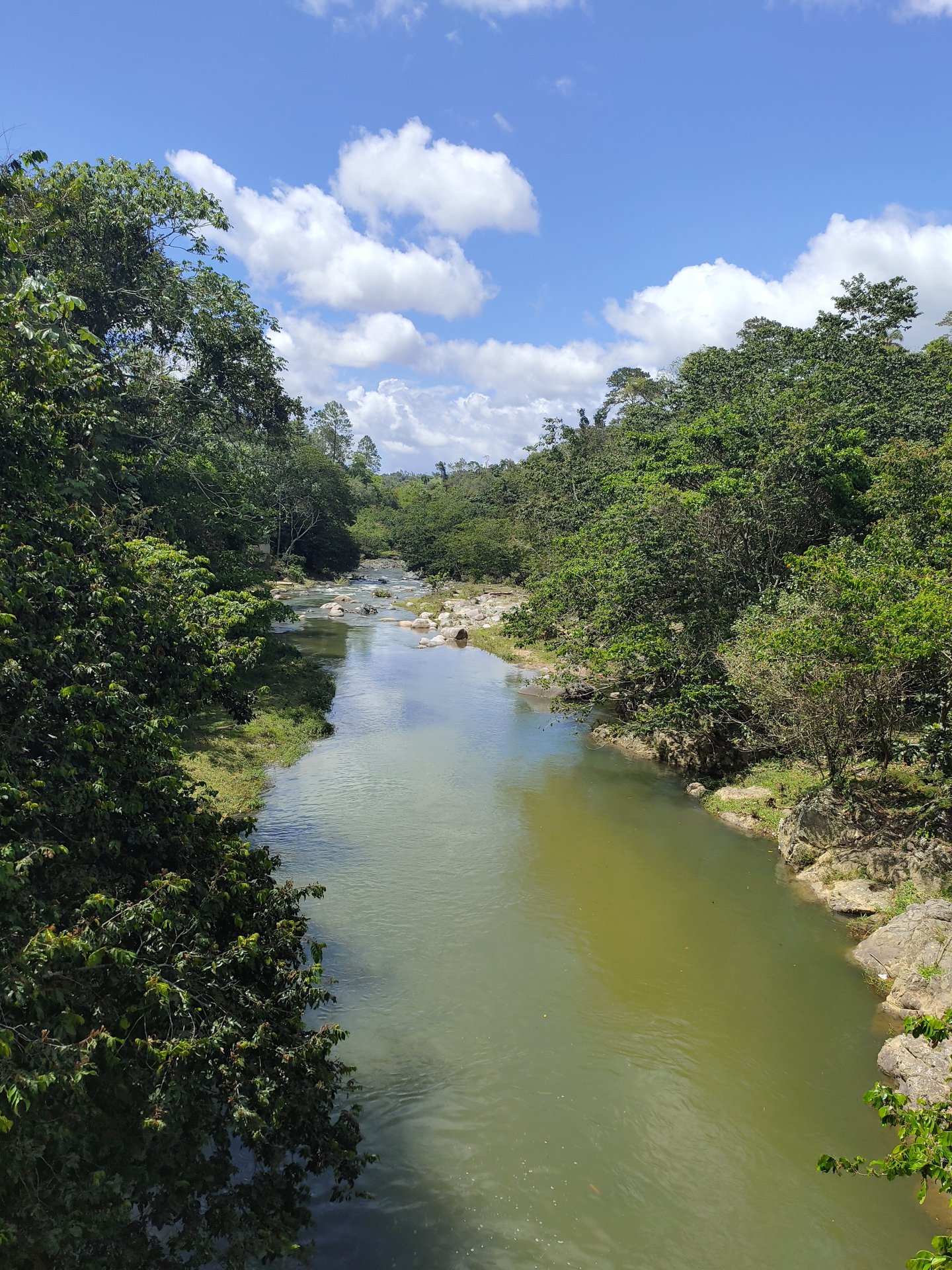
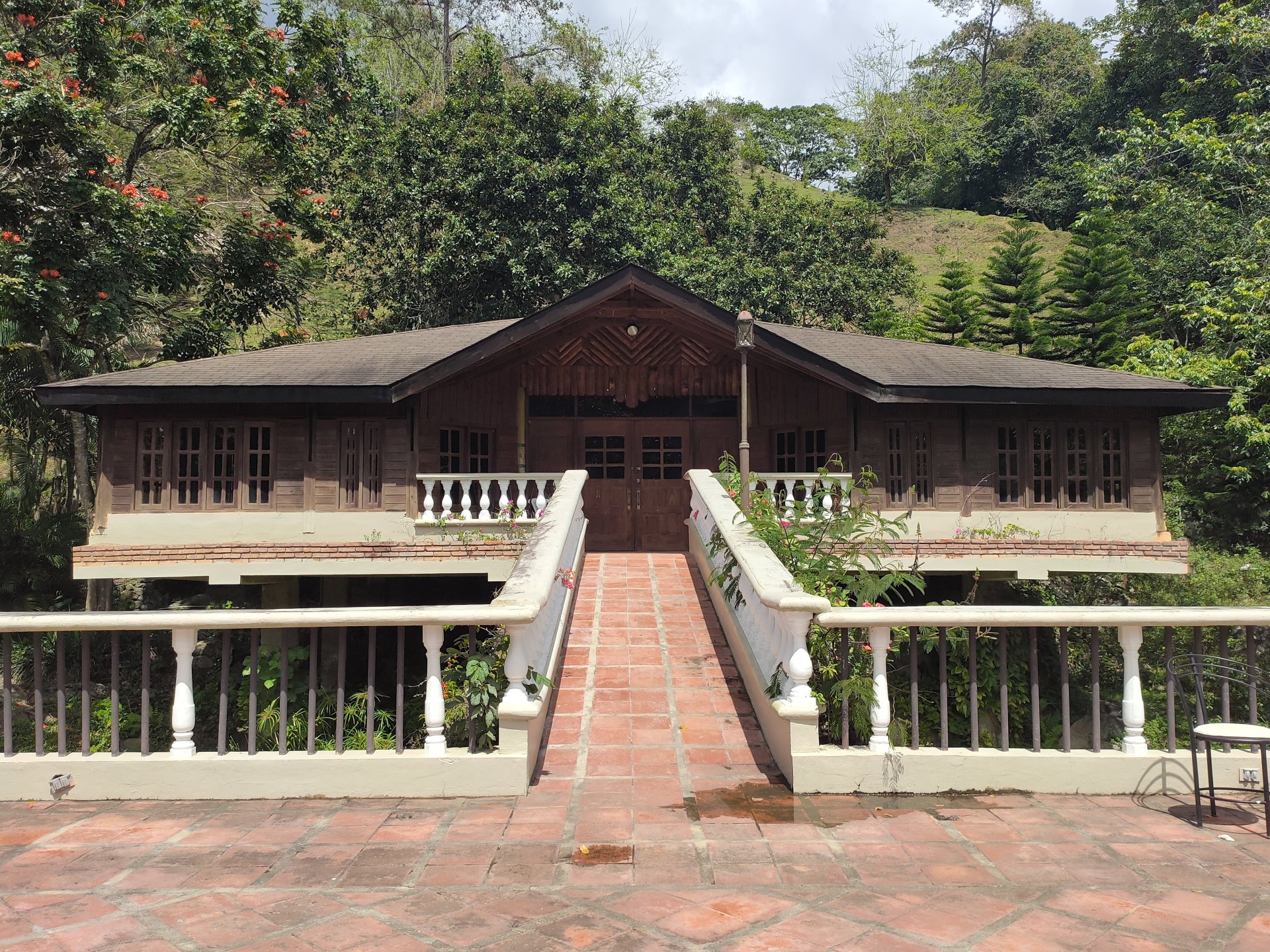
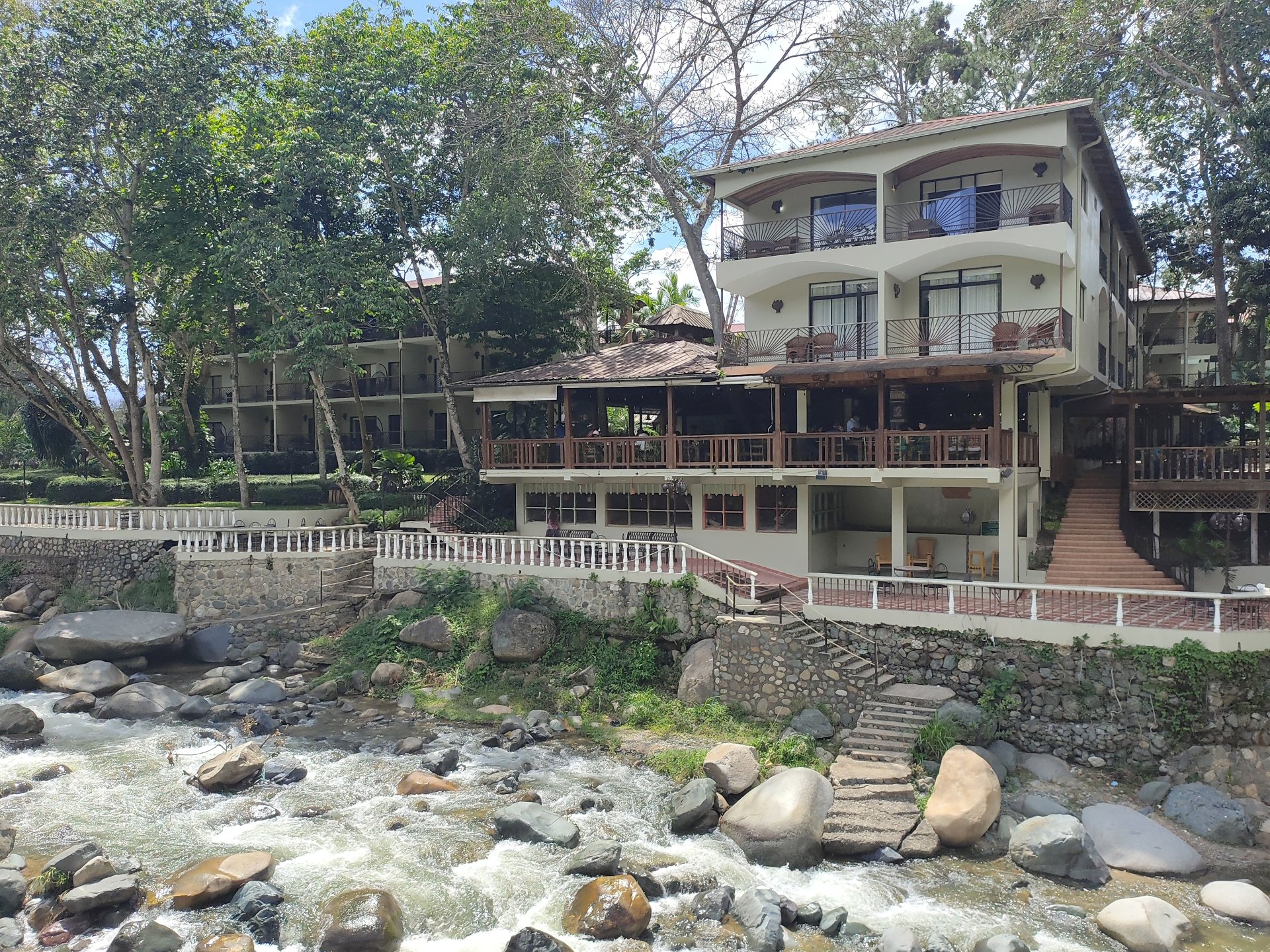
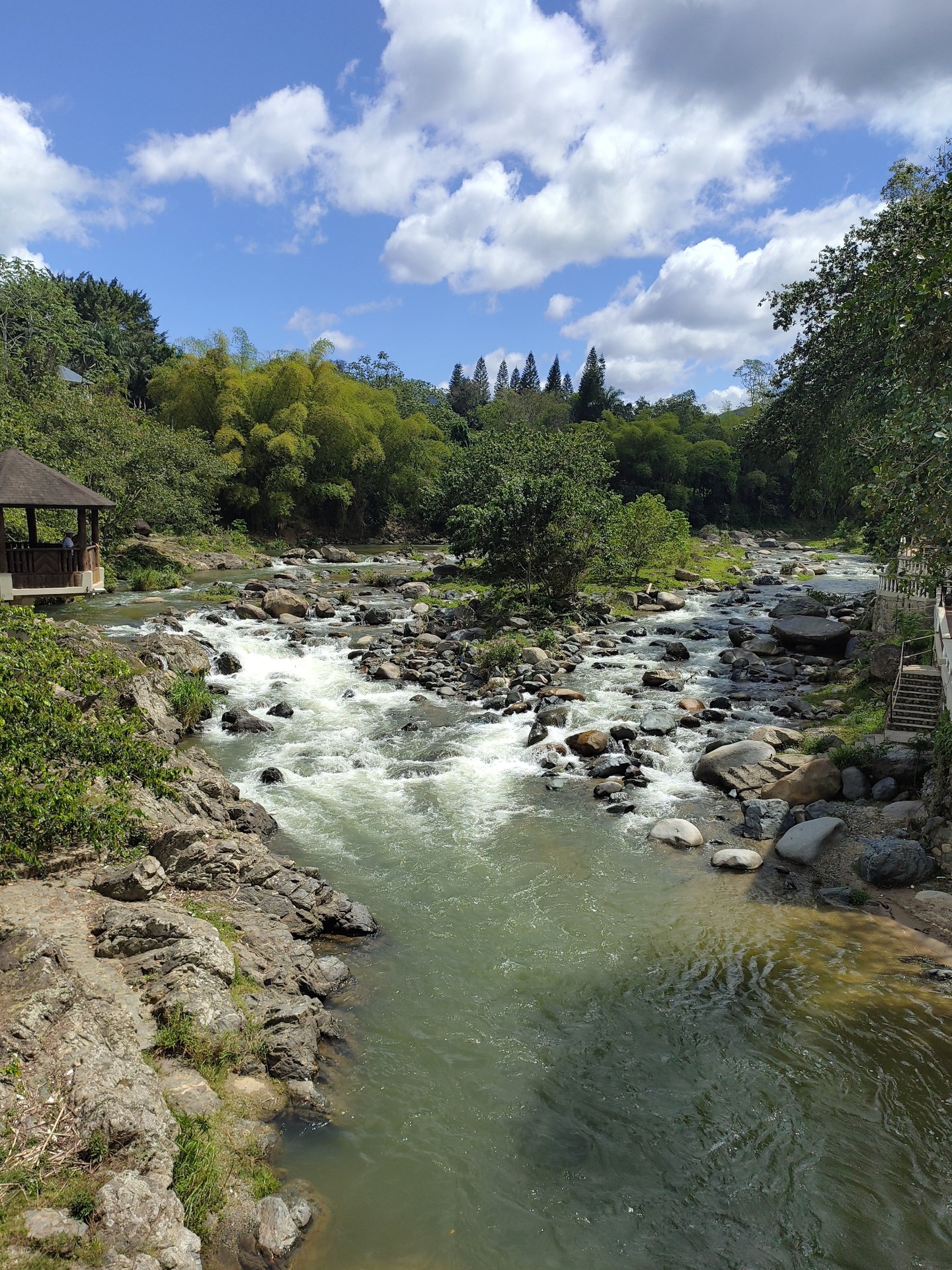
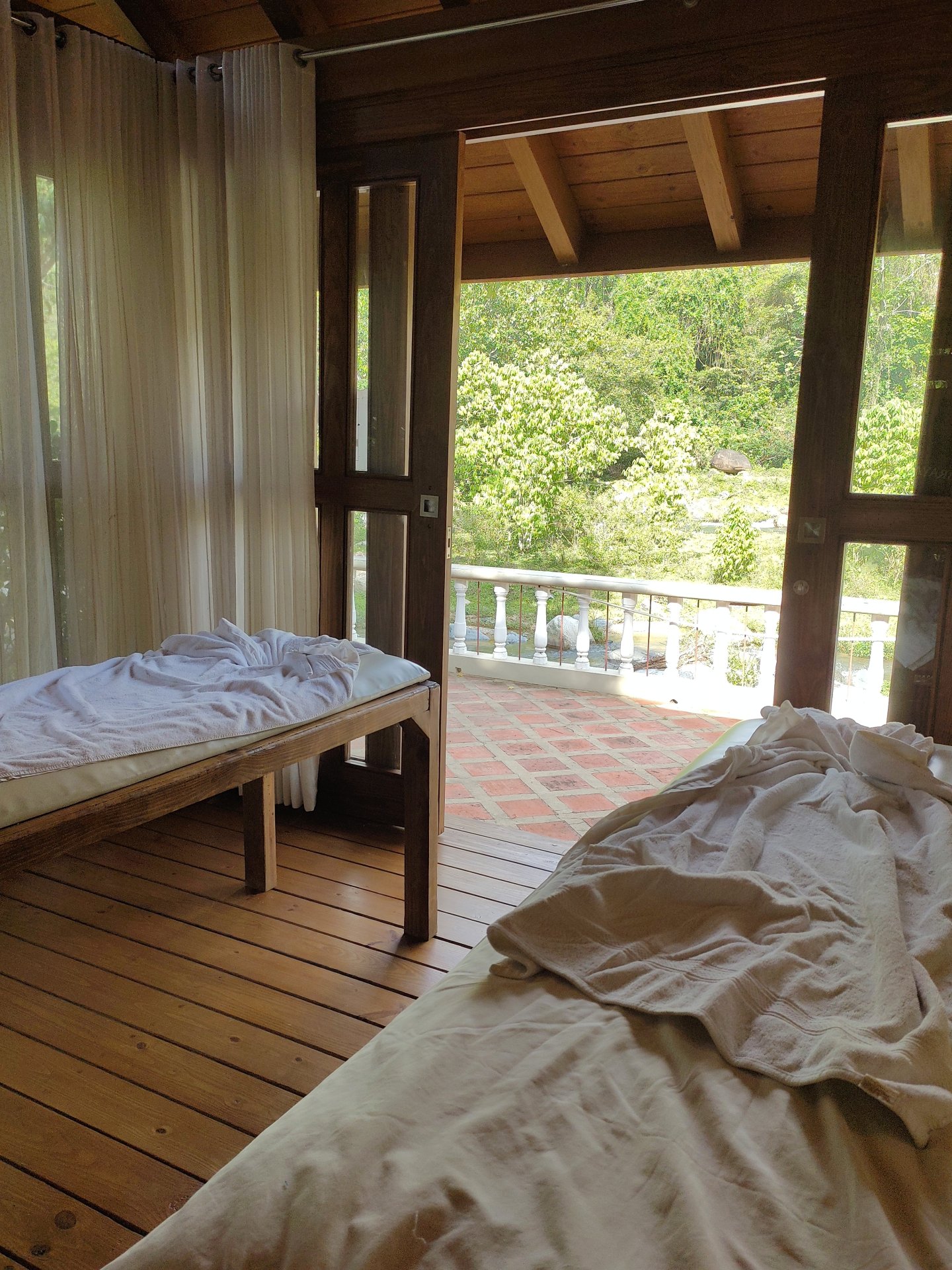
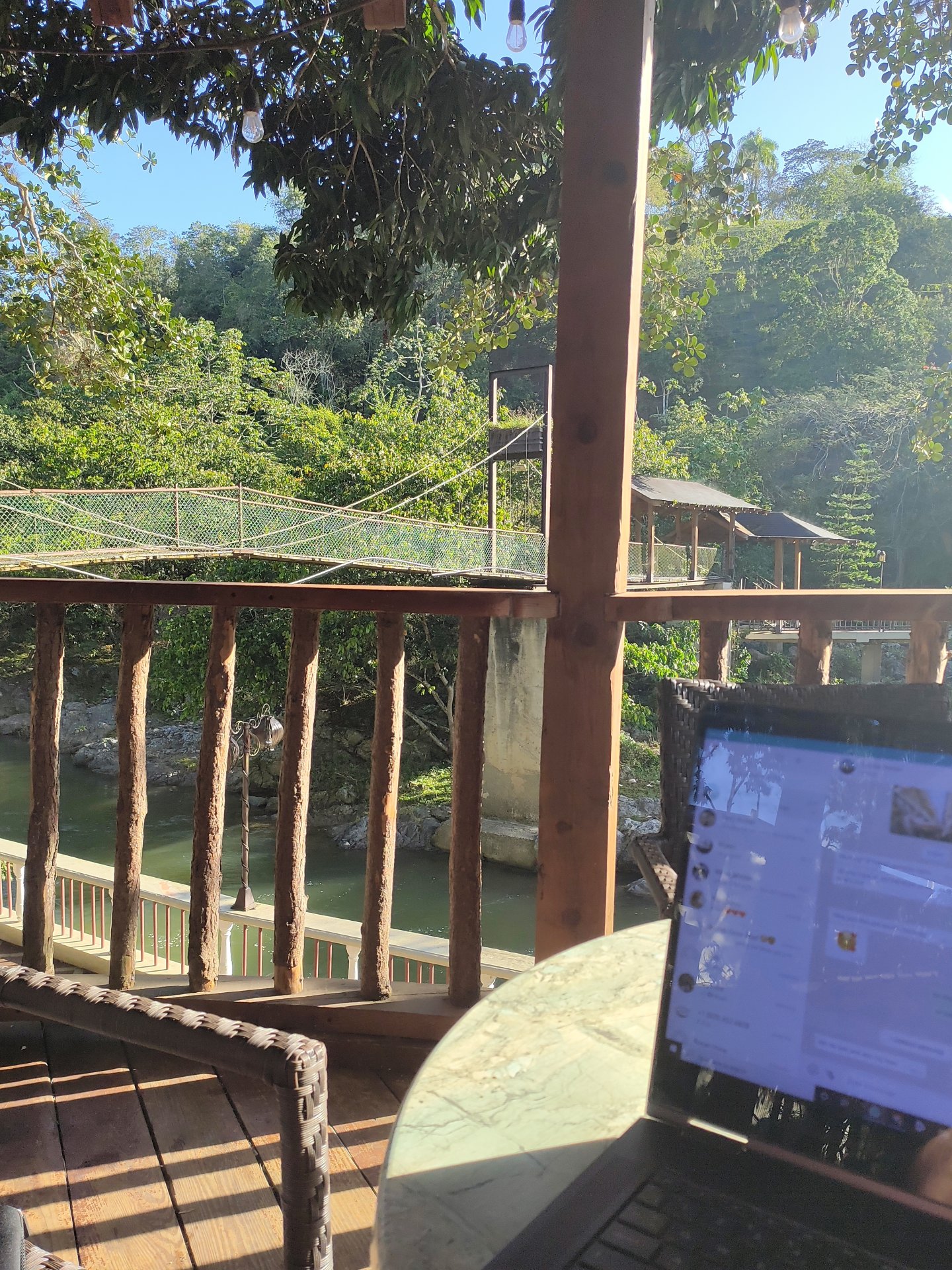
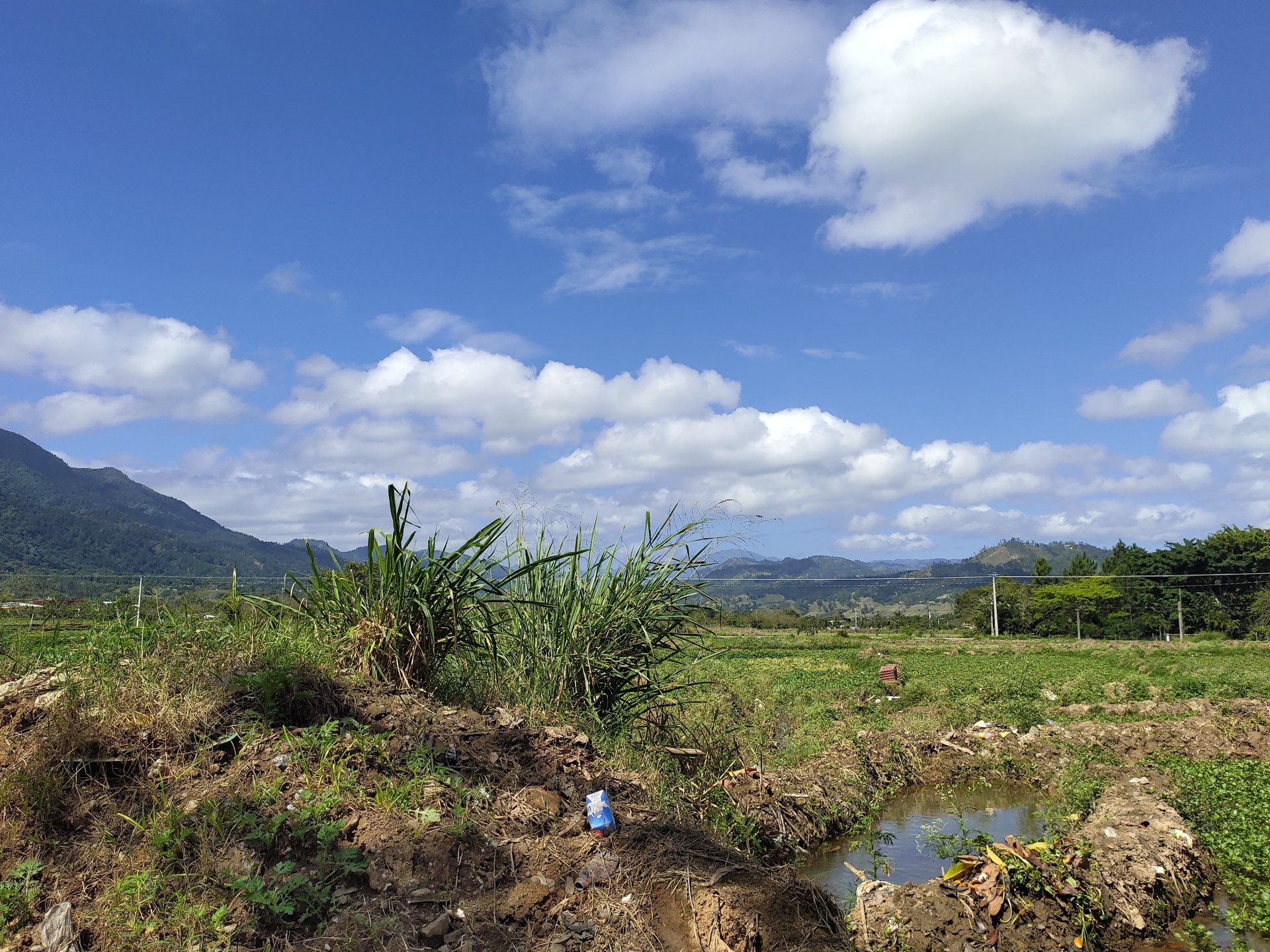
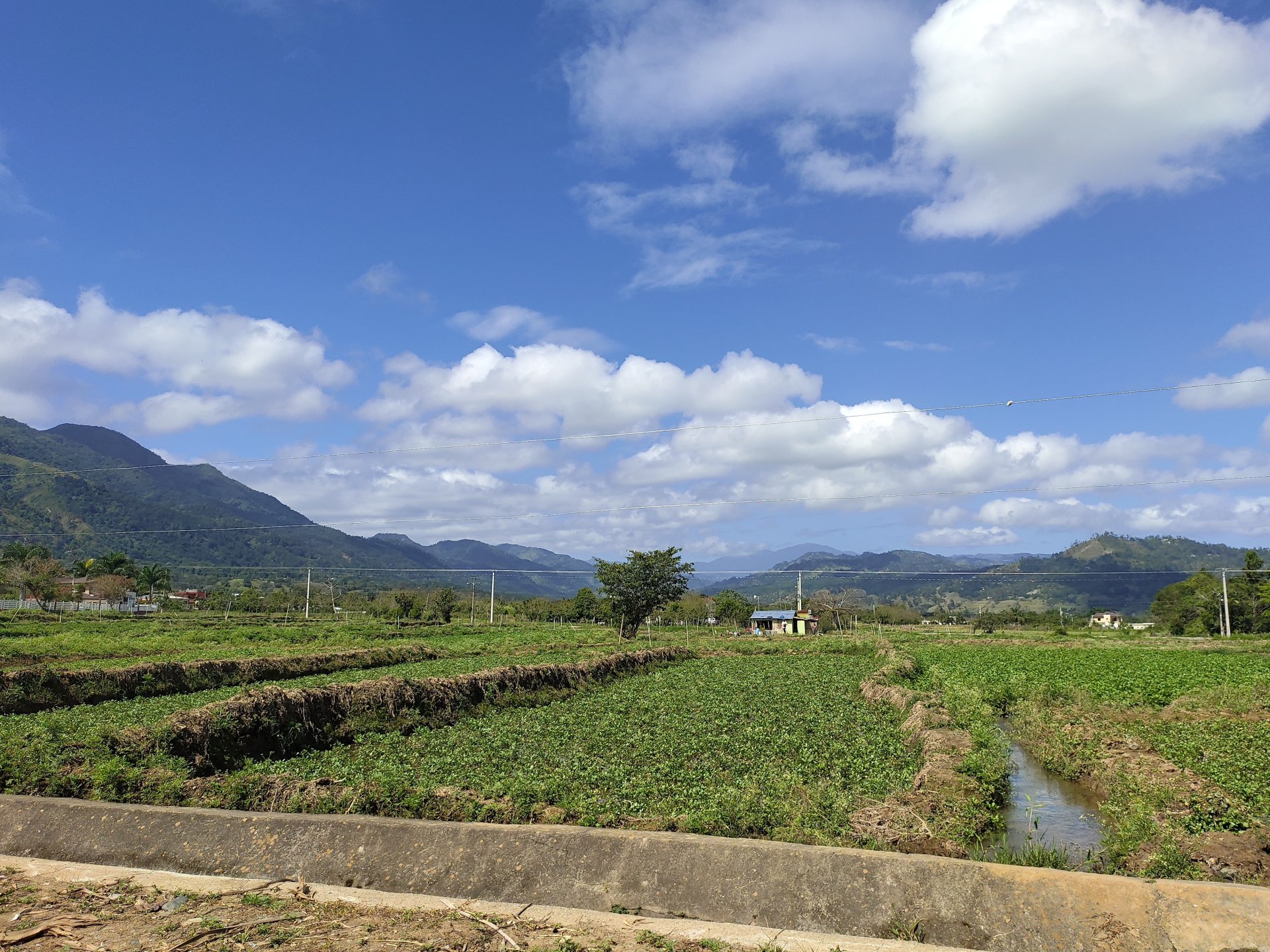
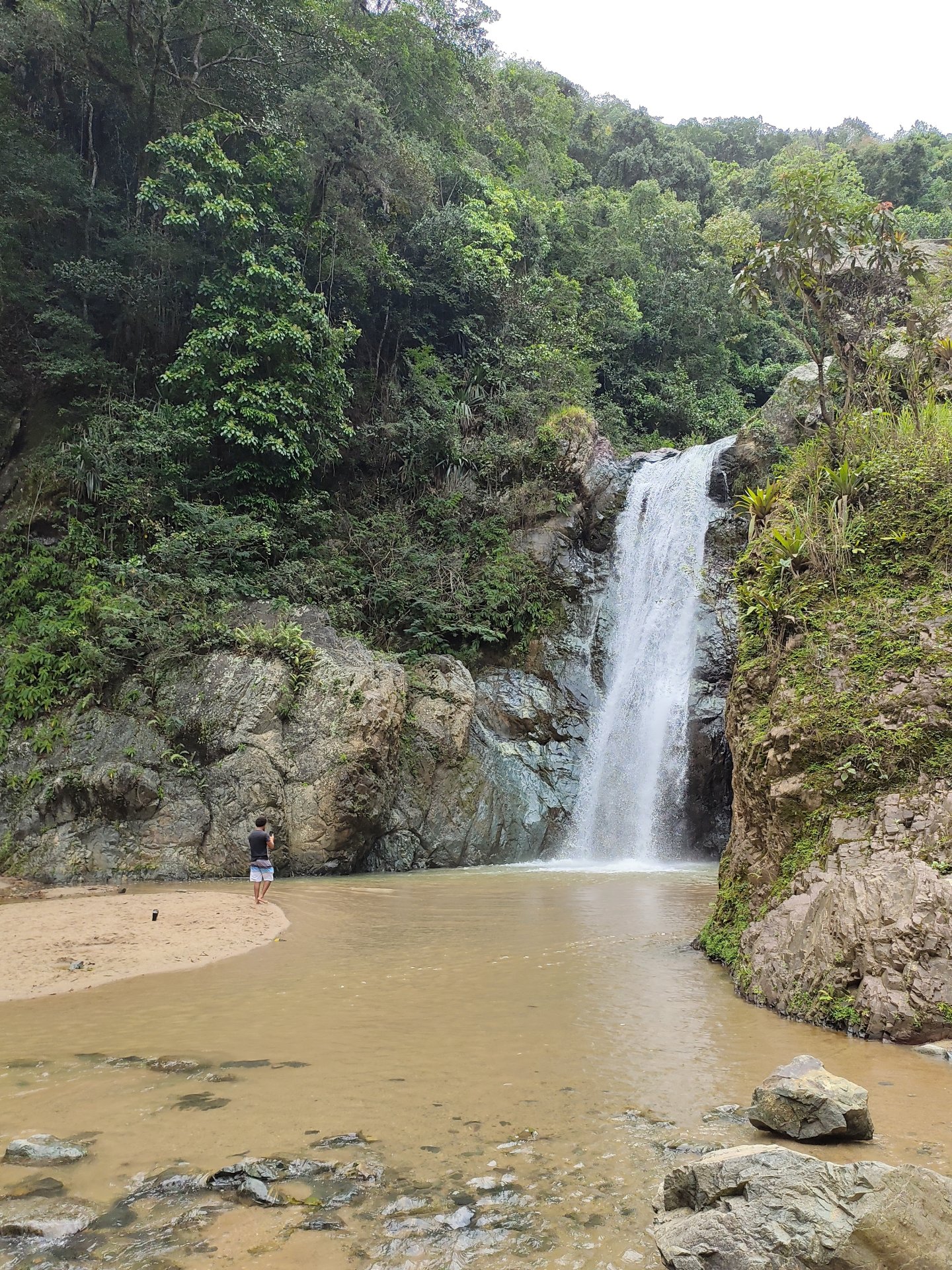
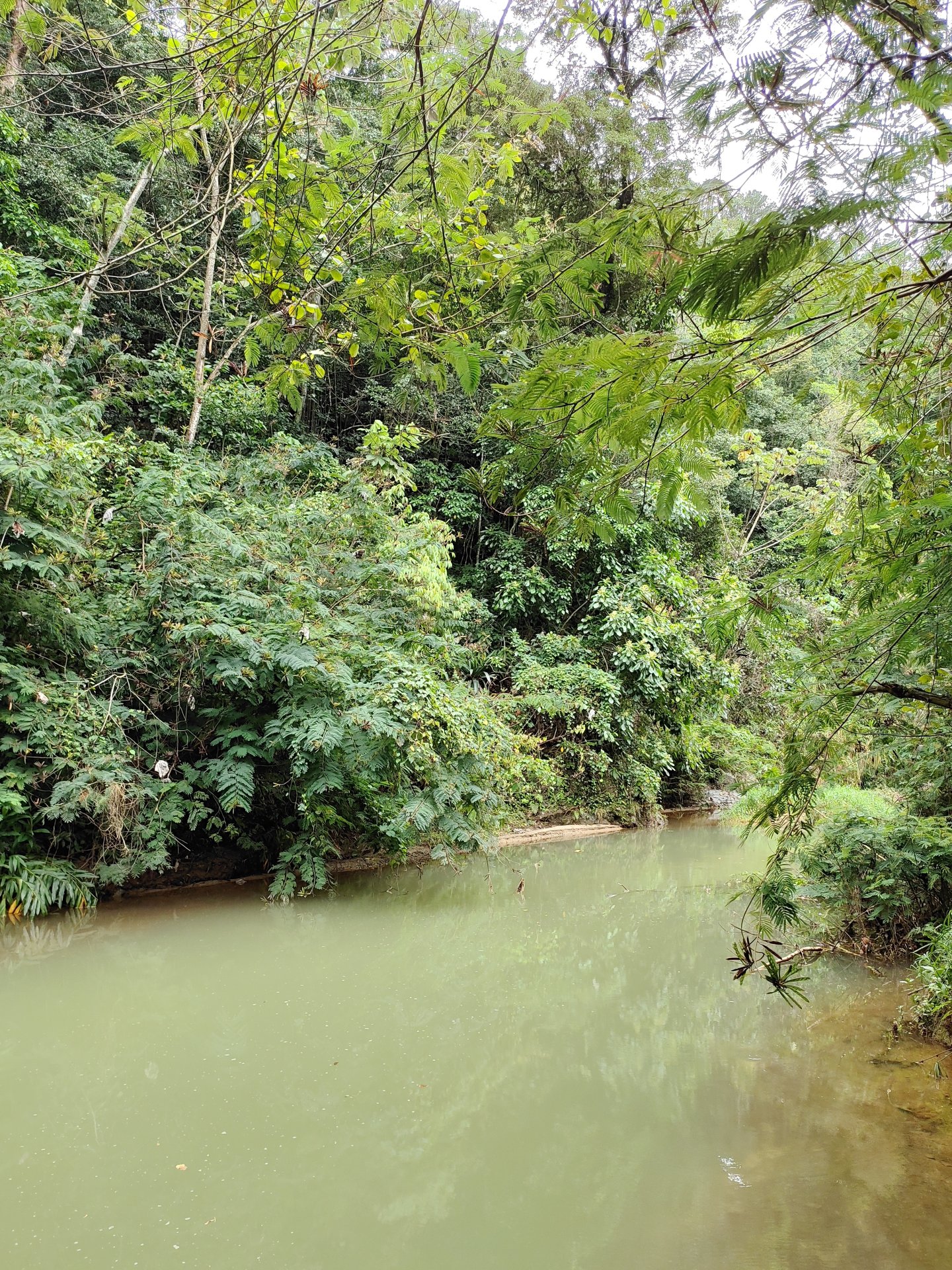
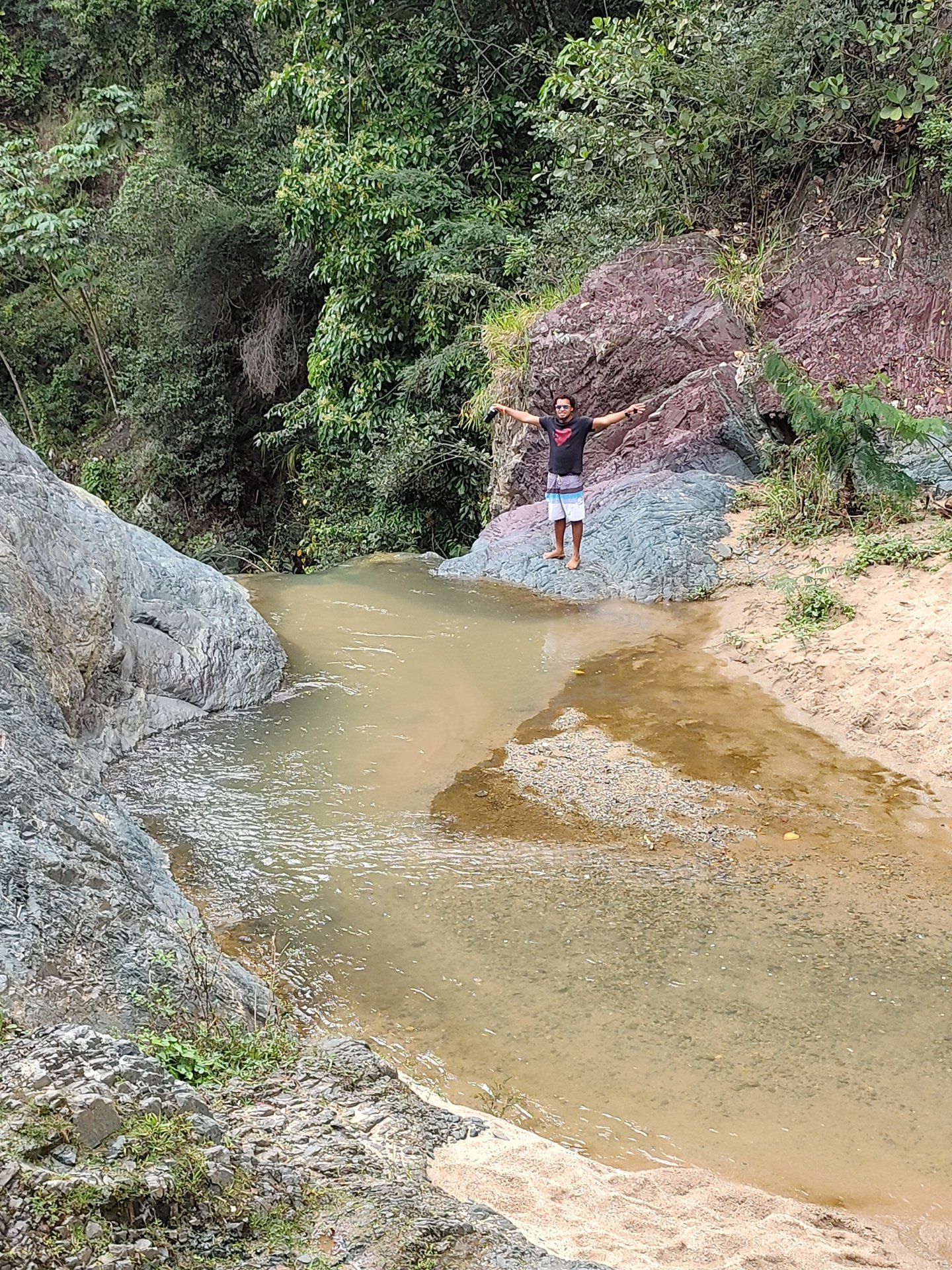
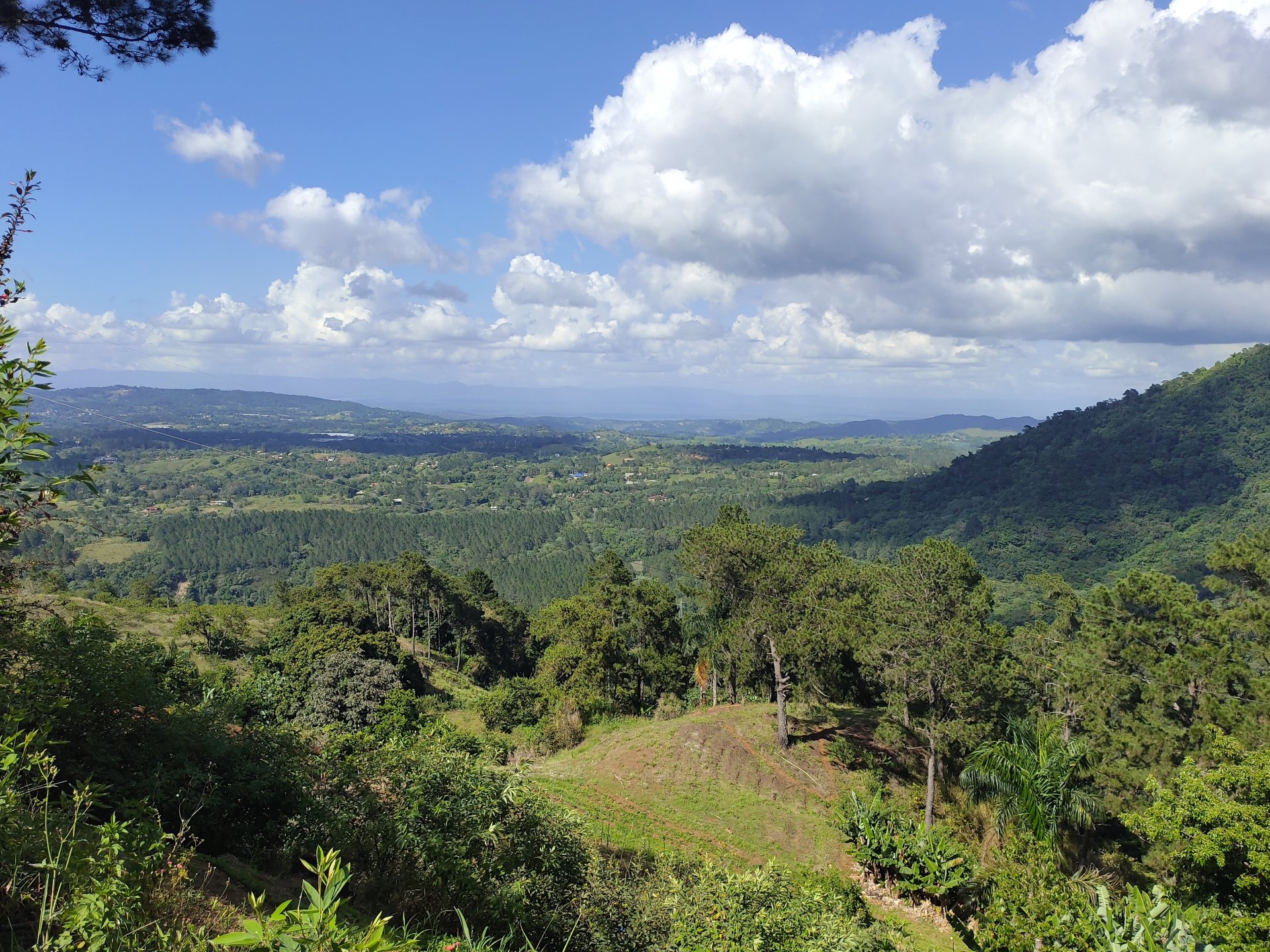
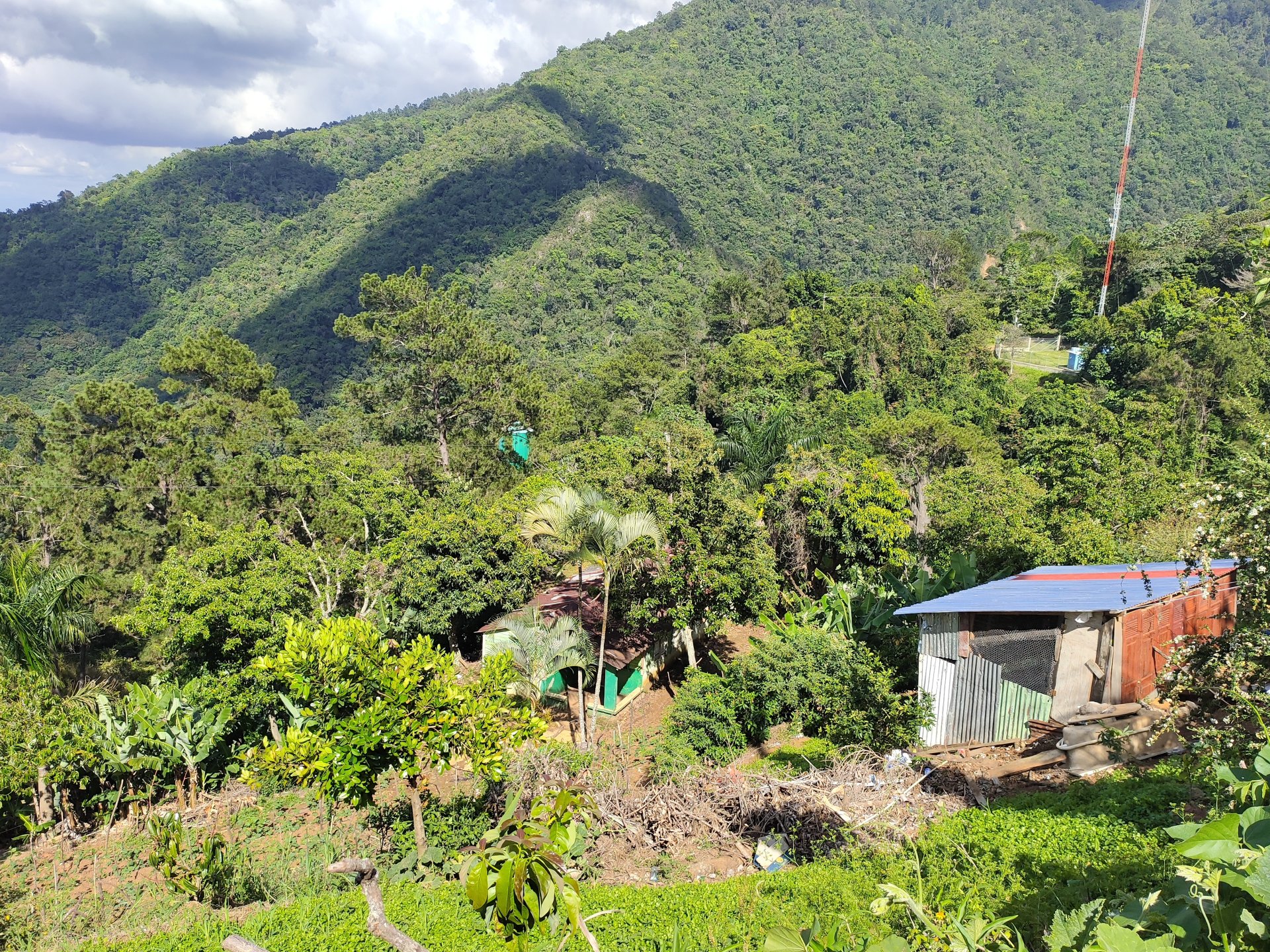
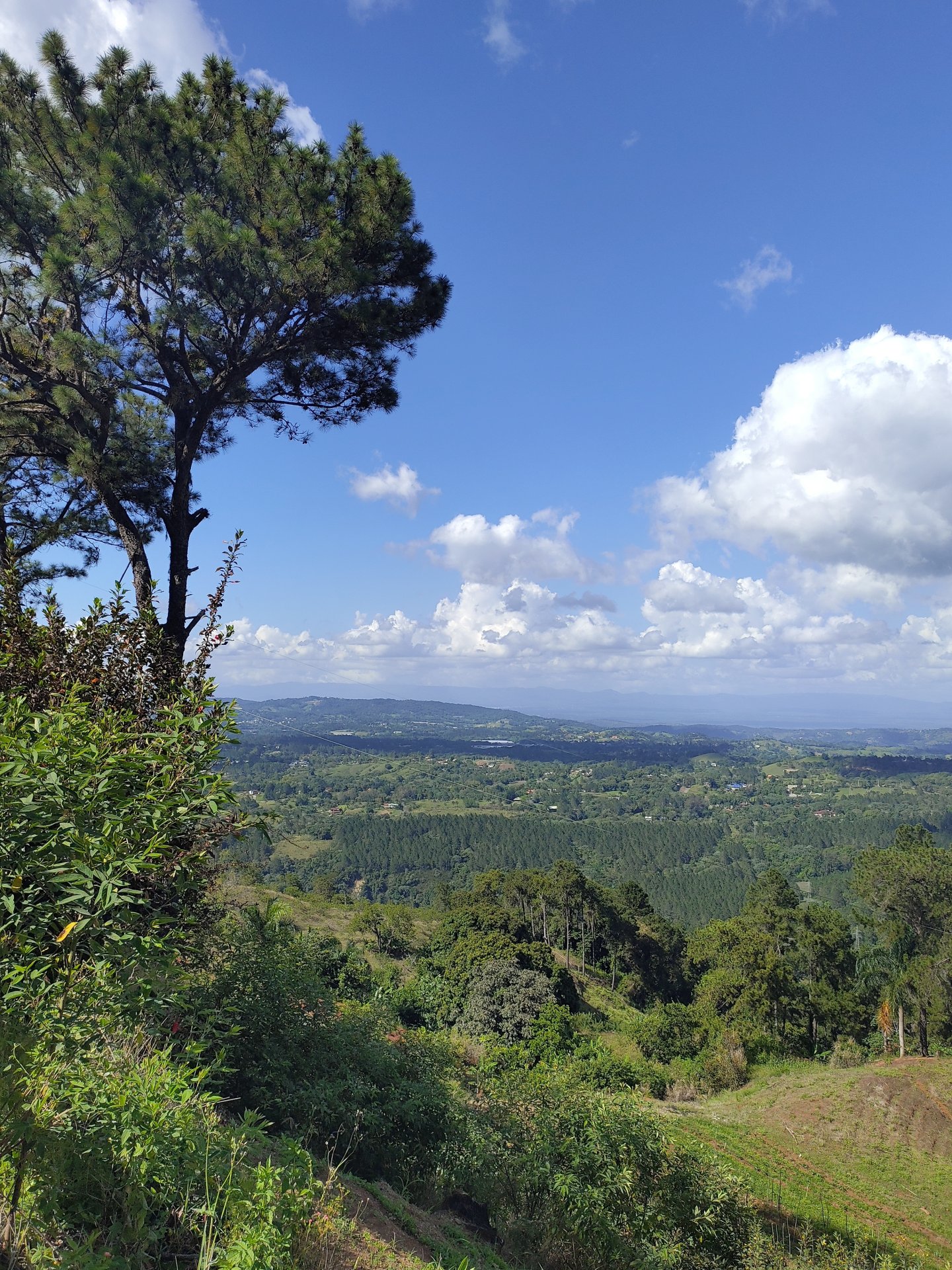
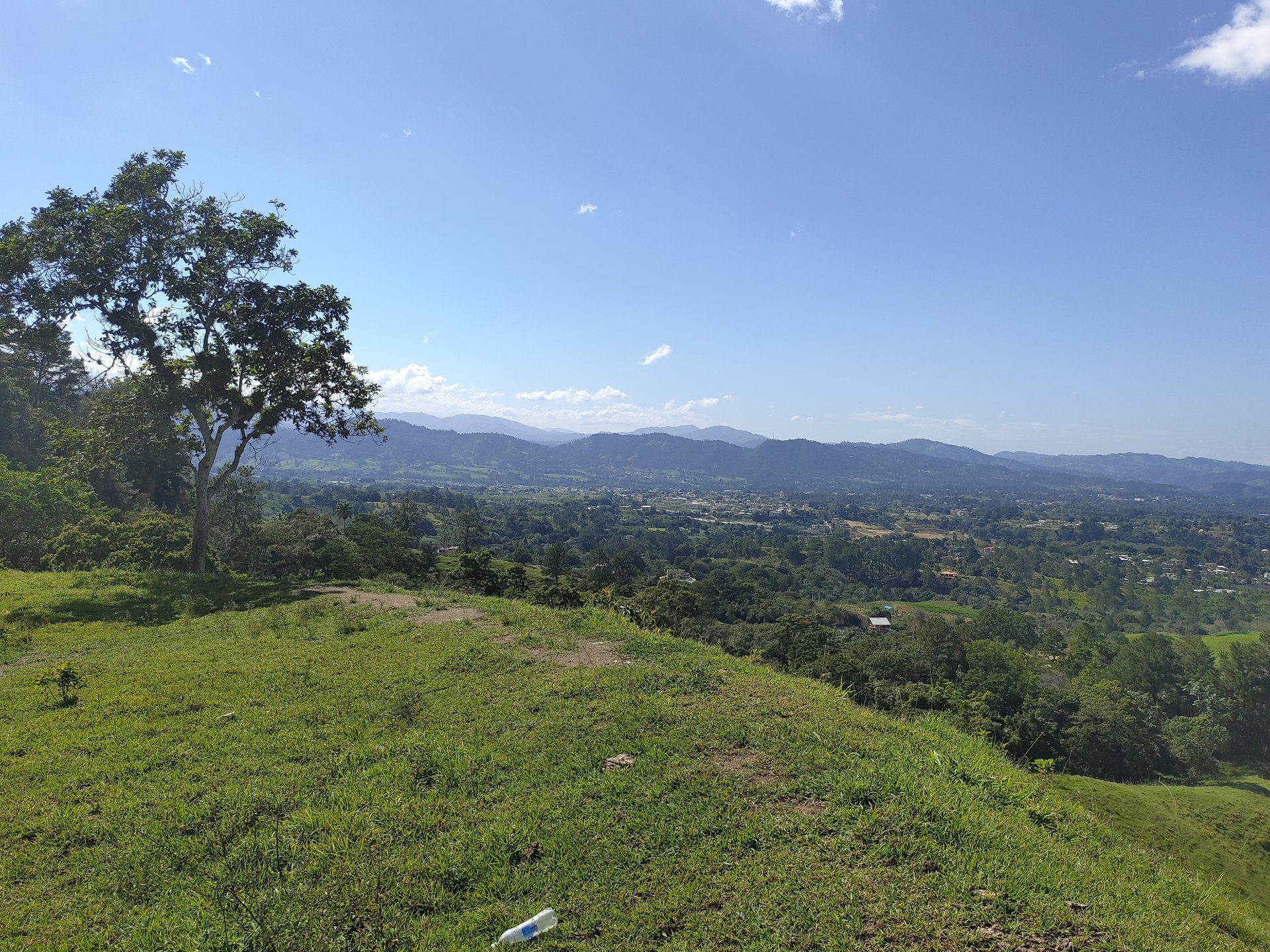
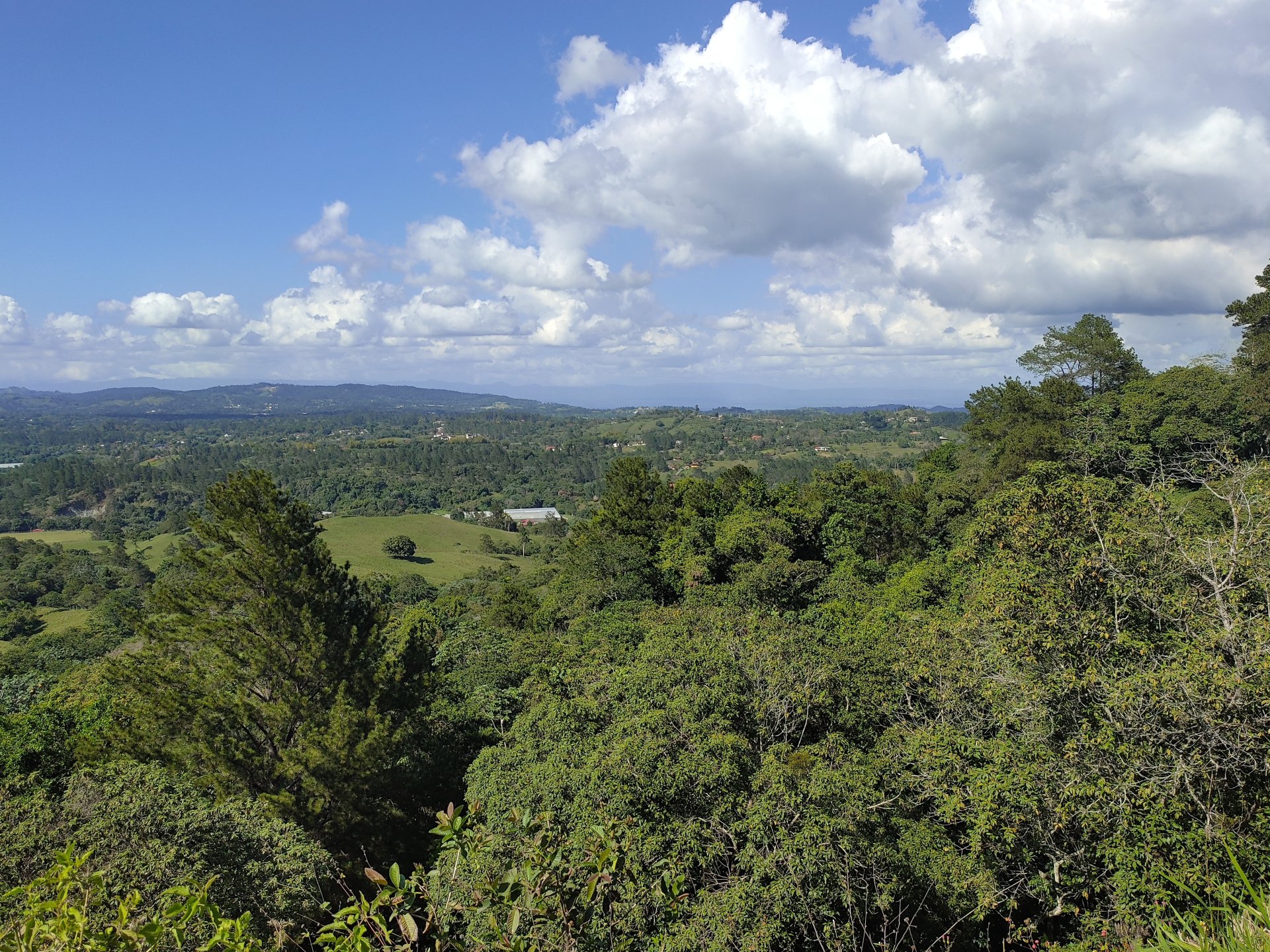
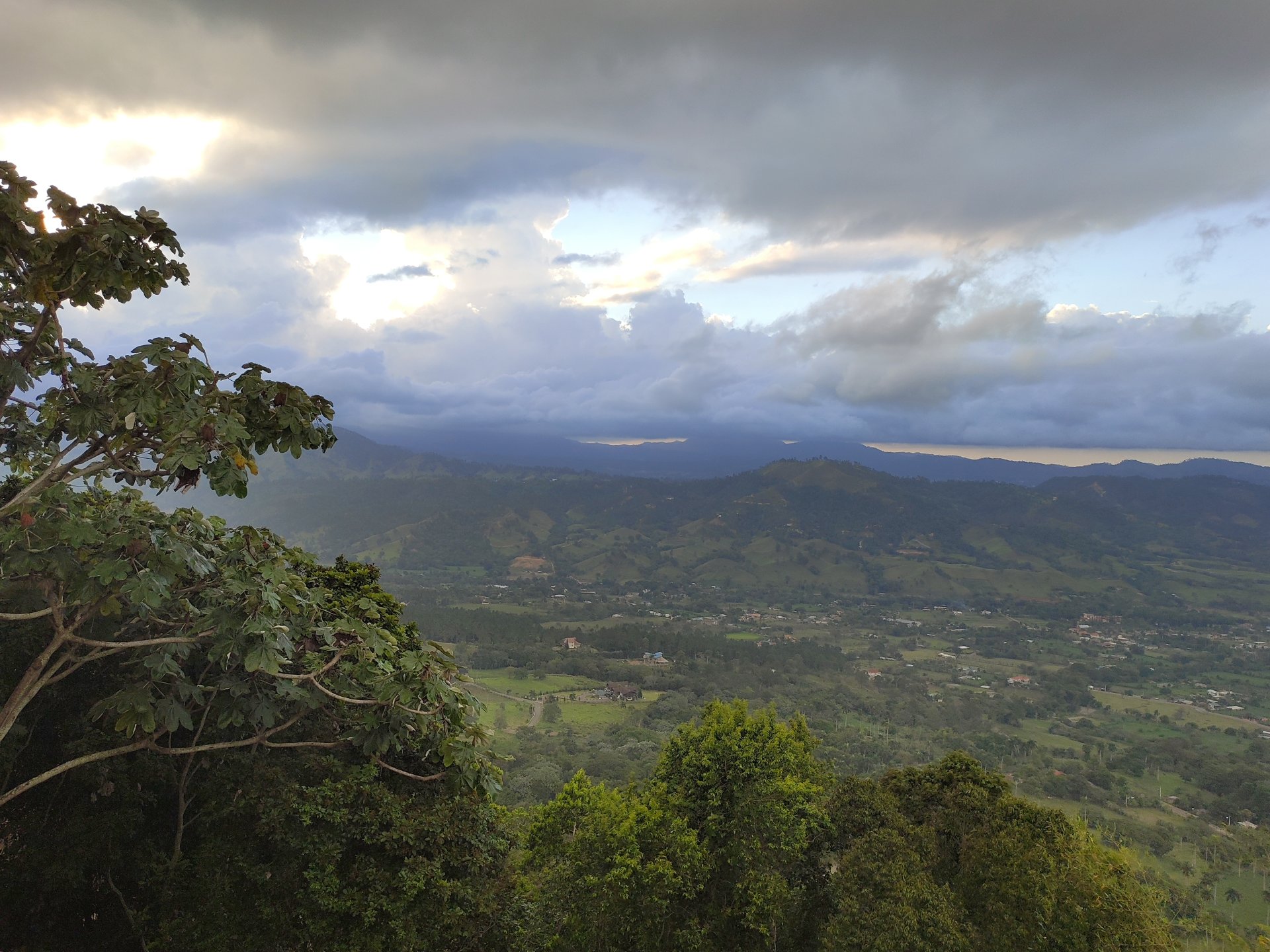
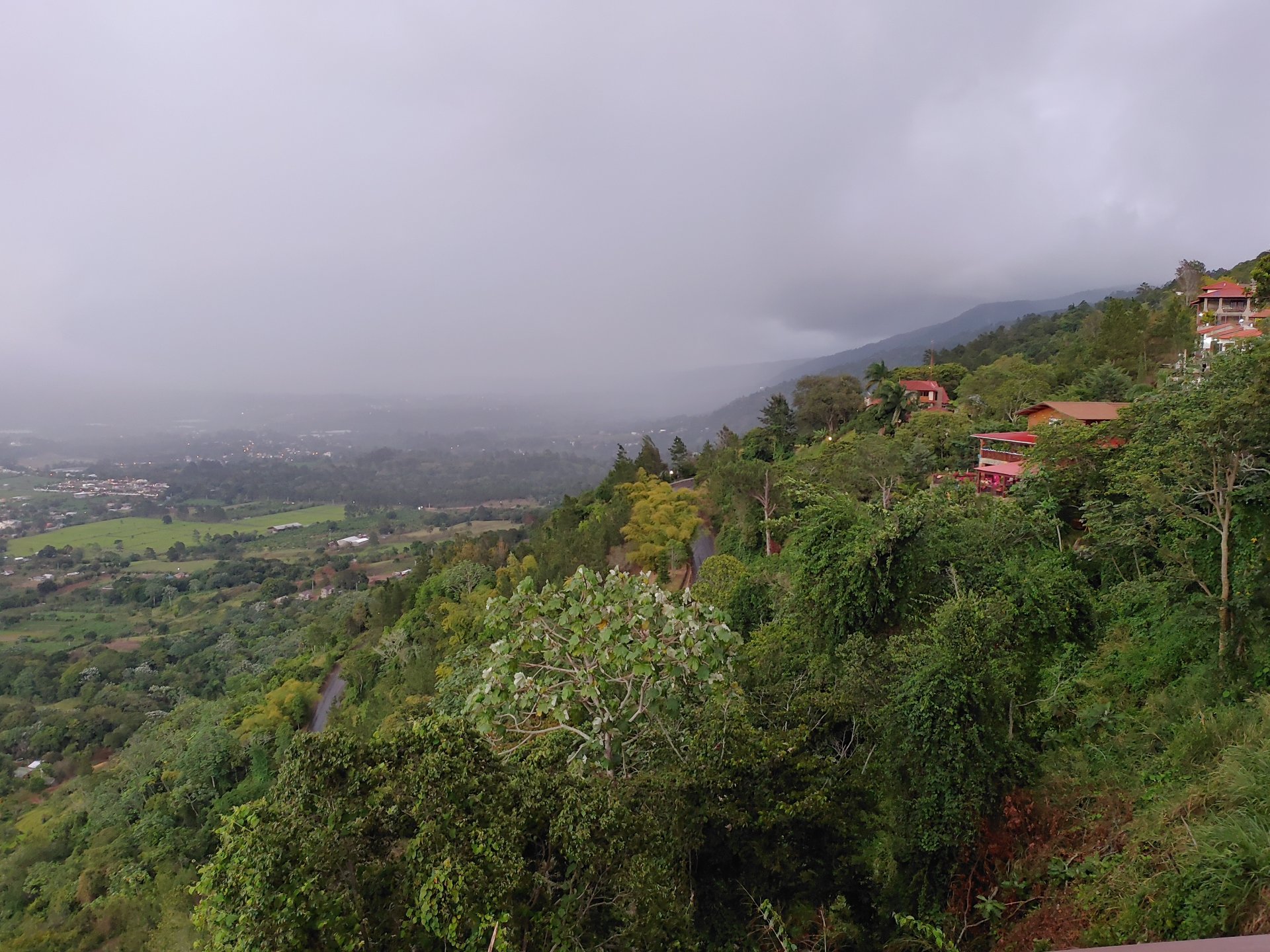
Showing 24 of 33 photos
Frequently asked questions
Yes, which surprises people. Jarabacoa Christian School is a bilingual English and Spanish school for ages 2 to 18, accredited by Cognia. Doulos Discovery School is also in Jarabacoa. Both are Christian schools, so check that their approach suits your family before you plan around them.
Spring all year. Days sit around 24 to 27°C, nights drop to 15 to 18°C. You will want a light layer after dark and a blanket to sleep under. There is no need for air conditioning, which alone cuts utility costs significantly. It rains more than the coast, particularly in the afternoon from May to October, but rarely all day. If you hate heat, Jarabacoa is the most comfortable place in the DR.
White-water rafting on the Río Yaque del Norte is the most popular, with several operators running half-day and full-day trips. Salto Jimenoa is a 40-metre waterfall about 15 minutes from town. Pico Duarte, at 3,087 metres the highest peak in the Caribbean, starts its main trail from nearby La Ciénaga. The hike is 2 days minimum. There are also canyoning, zip-lining, and mountain biking setups around town.
Better than most people expect. Fibre internet has reached the town centre and the main residential areas. Power cuts happen but are less of a disruption than on the coast. There are no coworking spaces, but several cafes have decent WiFi. The lack of nightlife is a feature or a bug depending on what you want. Most people who choose Jarabacoa are deliberately choosing a quieter lifestyle.
Small but growing. It is not the ready-made community you find in Cabarete or Las Terrenas. There are North American and European residents, often retired or running small businesses, but you will not find a big social scene from day one. The town is very Dominican, which is either what you want or a reason to look elsewhere. Spanish is important here.
Santiago is about 1 hour north, with its hospitals and shopping. Santo Domingo is 2 hours south. The north coast beaches are about 1.5 to 2 hours. Constanza, the higher and colder mountain town, is 46 km and about 1 to 1.5 hours on a winding but scenic road through Tireo. Jarabacoa works well as a base if you have a car, though its location is central enough to reach most of the island in a reasonable day.