

Santiago de los Caballeros is the DR's second-largest city and sits at a higher elevation than the coast, making it noticeably cooler. It is a business and industrial hub with a strong local culture, good private schools, and infrastructure that rivals Santo Domingo at a lower price point. It attracts expats who want urban amenities without capital-city crowds or costs.
Is Santiago right for you?
Santiago suits expats who want a proper Dominican city experience at lower cost than the capital. Those who want to be genuinely embedded in Dominican culture rather than an expat enclave, professionals who find the capital too hectic, and retirees who want urban amenities with a cooler climate will find it well suited to them.
What the scores mean
Santiago offers good value relative to Santo Domingo. A quality furnished apartment in the best residential areas costs $600, $1,400 per month, noticeably less than the capital for comparable quality. Food is cheaper, transport is cheaper, and entertainment costs less. The score of 7.0 reflects a city that delivers urban amenities at a lower price point than Santo Domingo.
Santiago is generally considered safer than Santo Domingo on a city-wide basis. The better residential neighbourhoods are calm and well-maintained. The score of 7.0 reflects a city where the expat experience tends to be positive from a safety perspective when sensible neighbourhood choices are made.
Santiago has solid private healthcare with several well-regarded private clinics and specialist coverage for most routine and intermediate medical needs. For complex specialist care, Santo Domingo (90 minutes) remains the preference. The score of 7.0 reflects genuine capability for most medical needs short of the most complex interventions. Named facilities: Hospital Metropolitano de Santiago (HOMS) is the flagship private hospital, around 400 beds and 16 operating rooms with many US-trained specialists, among the most advanced in the Caribbean and marketed for medical tourism (consultations roughly 32 to 80 US dollars). Clinica Corominas is a secondary option.
Fibre internet is well established in Santiago's residential areas. Speeds of 50, 200 Mbps are typical and reliability has improved significantly. The city has a growing tech sector which has driven investment in connectivity. The score of 8.0 reflects reliable connectivity adequate for all remote work scenarios.
Santiago has a different character from the coastal towns. This is a Dominican city first: the expat community is smaller and more integrated with local society. The food scene is strong, Santiago is known throughout the DR for its food culture. Live music and cultural events are more frequent than most expats expect. The score of 7.5 reflects a genuine city lifestyle with a Dominican character.
Monthly budget breakdown
Map of Santiago
Neighbourhoods in Santiago
Piantini / Los Jardines
The prime residential and commercial corridor. Best restaurants, private clinics, and shopping in the city.
Bella Vista →
Upper-middle residential area. Quiet, green streets, and popular with professionals and families.
Centro Histórico
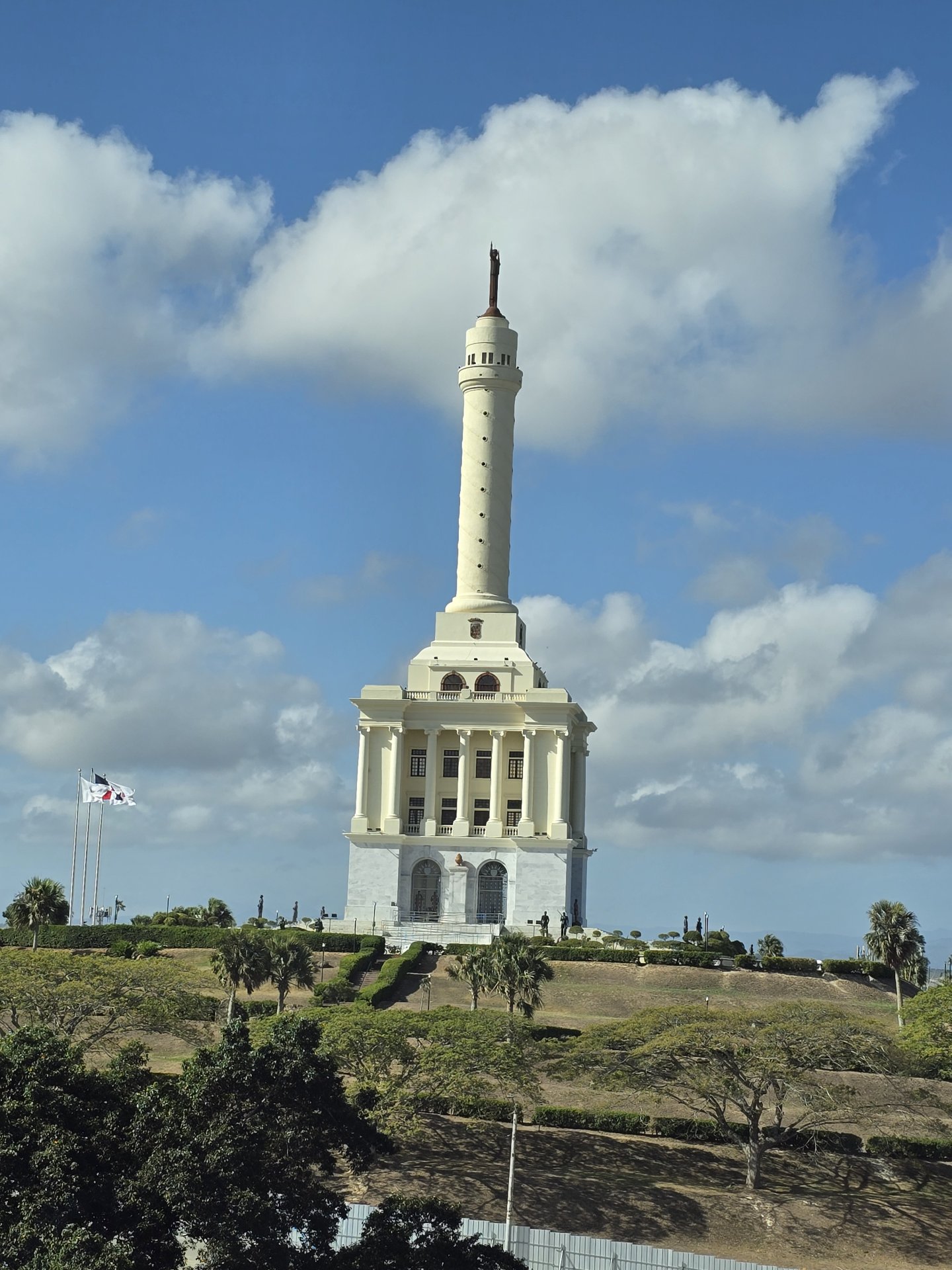
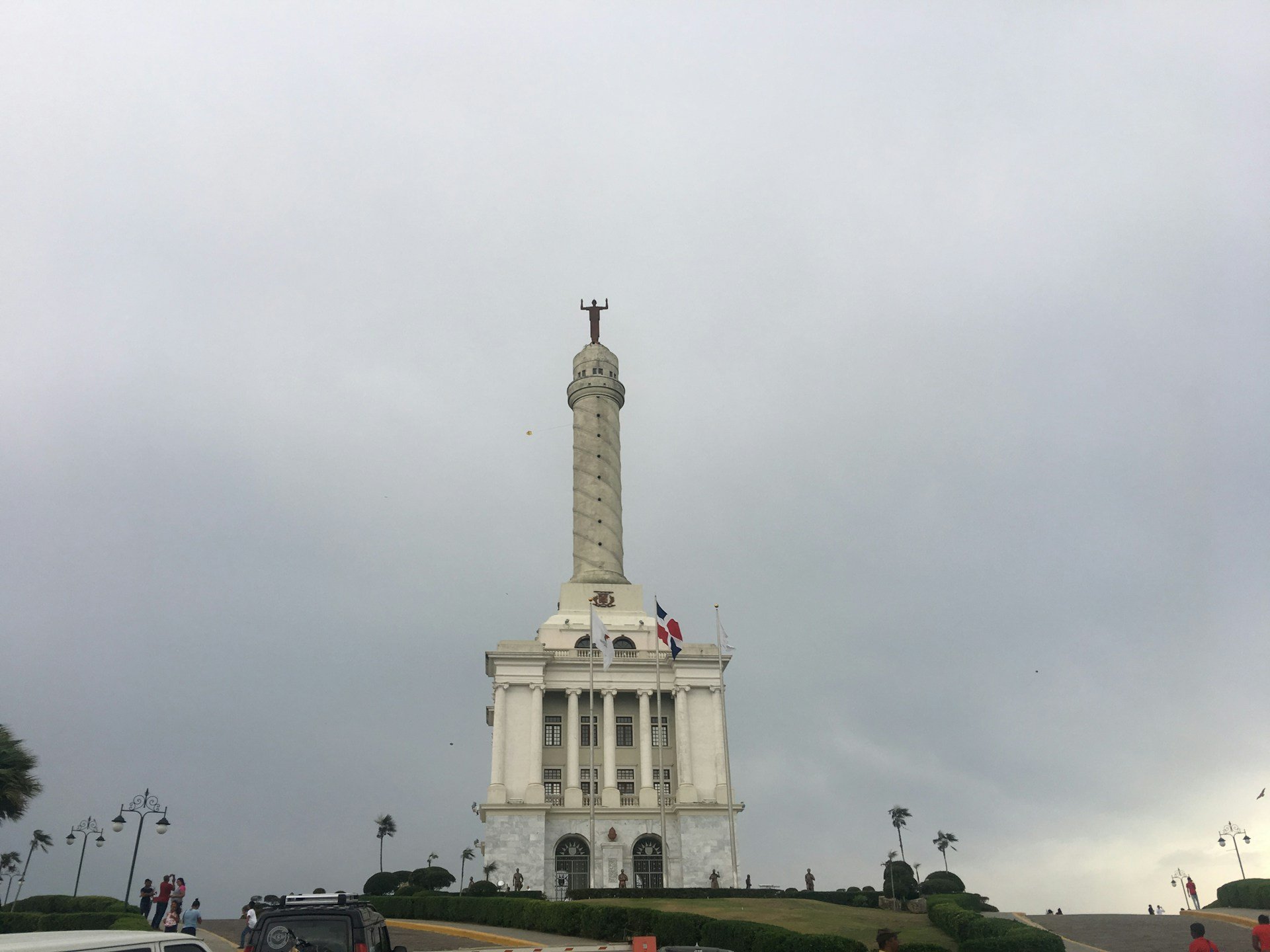
The historic centre around the Monument to the Heroes. Commercial and lively. Less residential for expats.
Moca
Agricultural town 30 minutes east. Famous for coffee and a cooler microclimate.
Constanza
High-altitude mountain town 2 hours south. Dramatically cooler, famous for strawberries and vegetables.
Living in Santiago: the honest picture
What works well
- Cooler climate than the coast
- Lower cost than Santo Domingo
- Good private schools and healthcare
- Strong local culture and Dominican social life
- Less traffic than the capital
- Growing restaurant and entertainment scene
Watch out for
- Valley heat from July to September regularly tops a 38C heat index, summer power cuts are more frequent, and there is no beach
- Smaller international expat community
- Fewer English speakers than tourist areas
- Less beach access (2+ hours drive)
- Less variety in international cuisine
- Fewer direct international flights
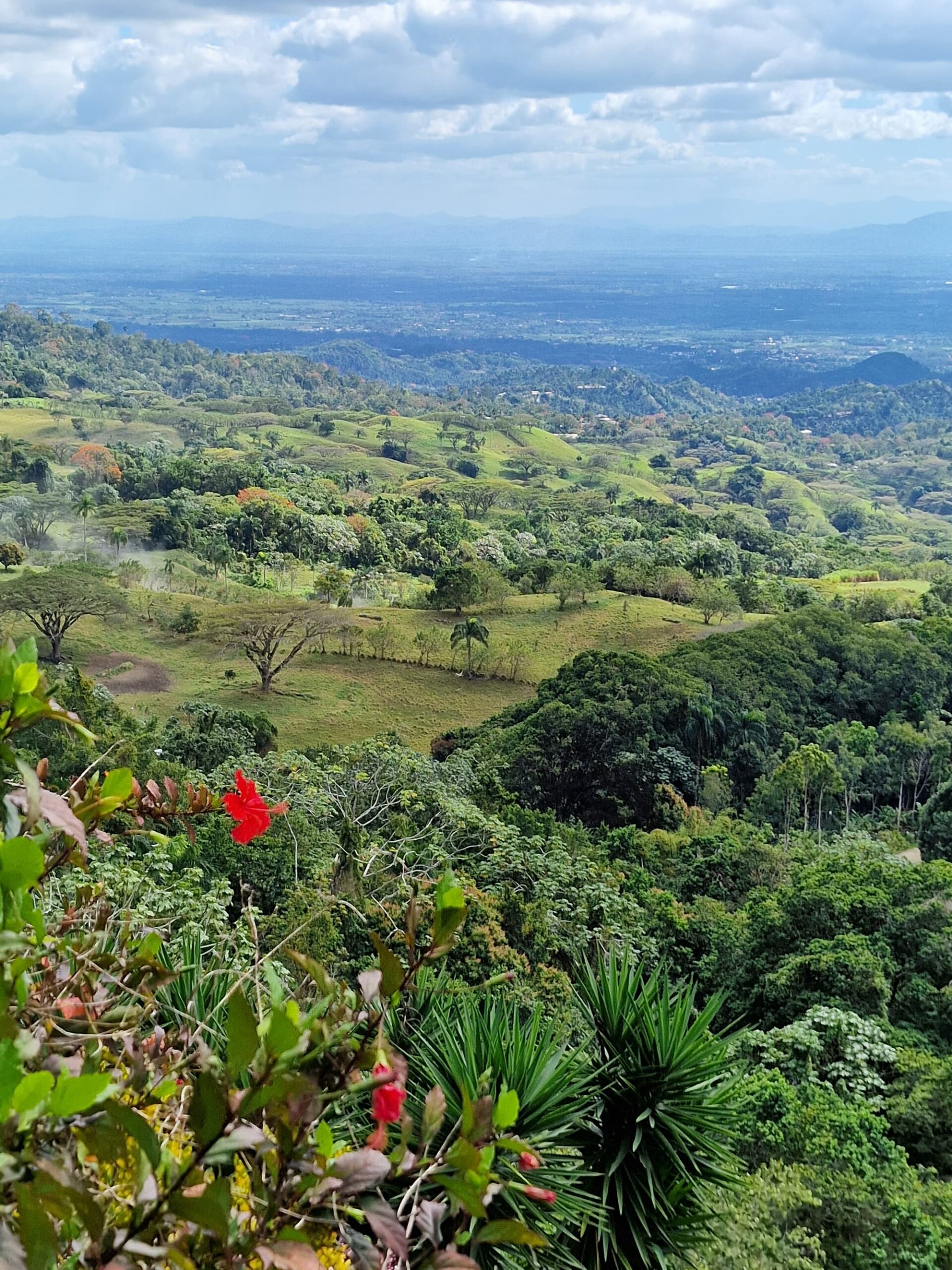
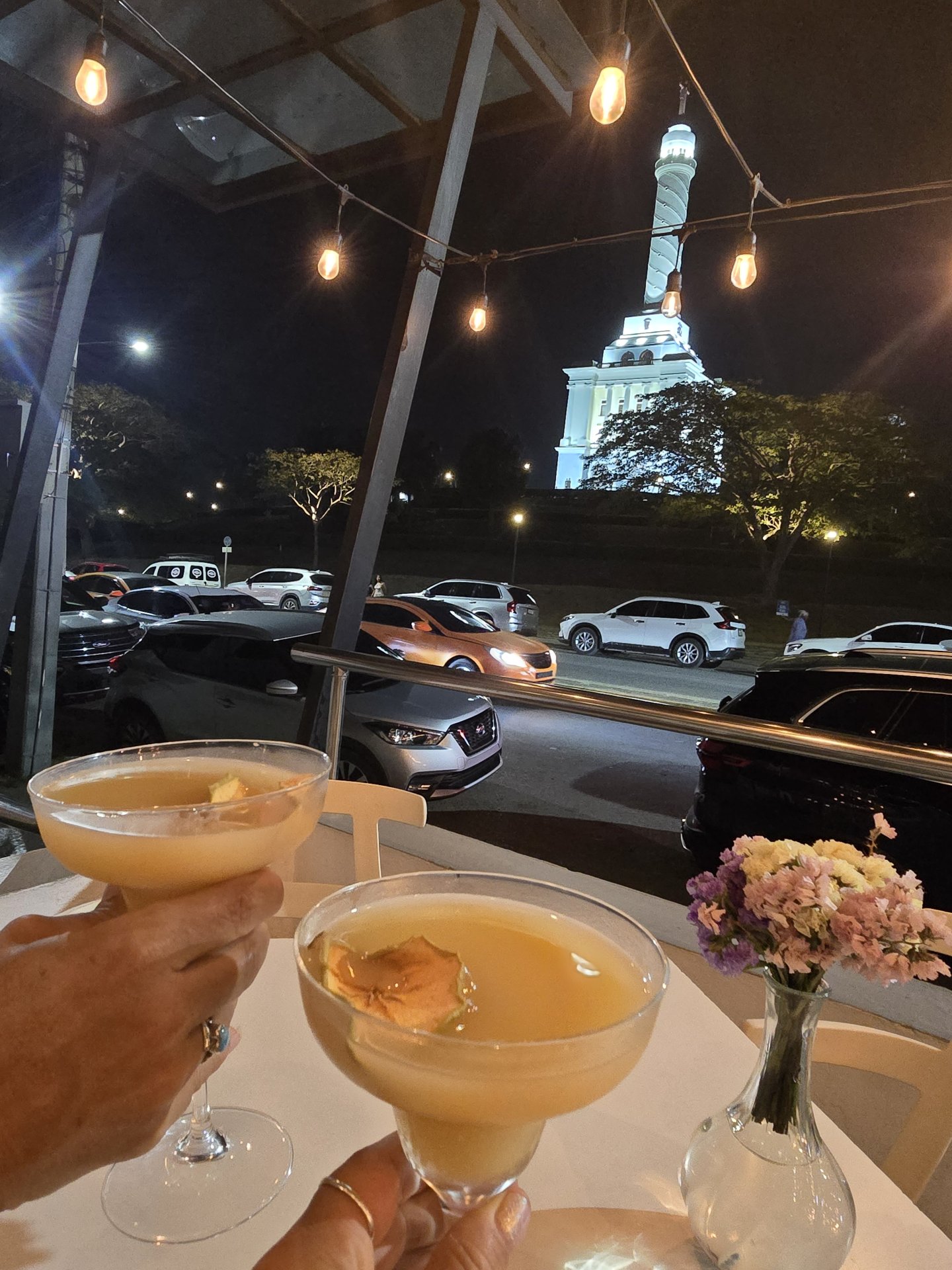
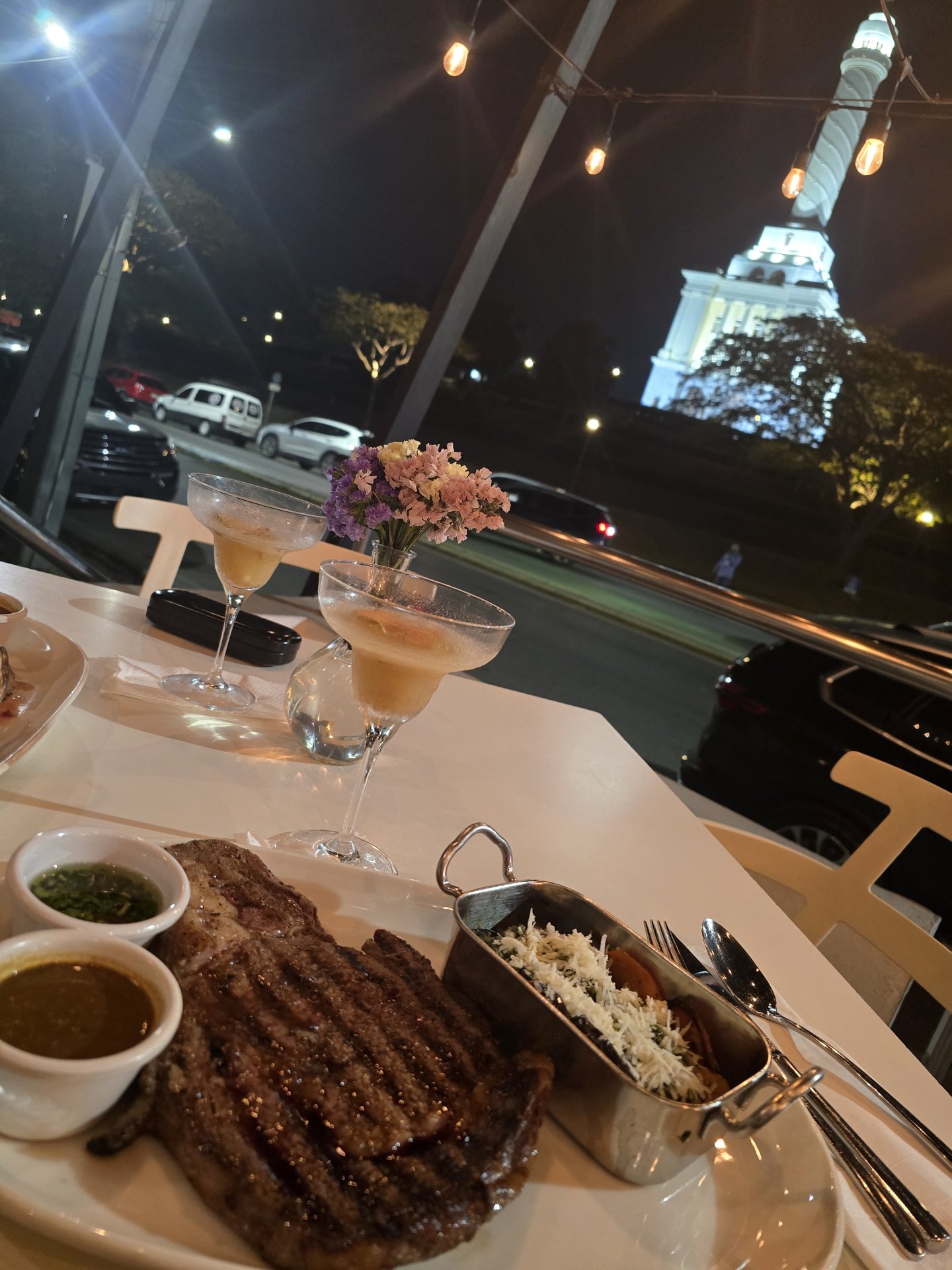
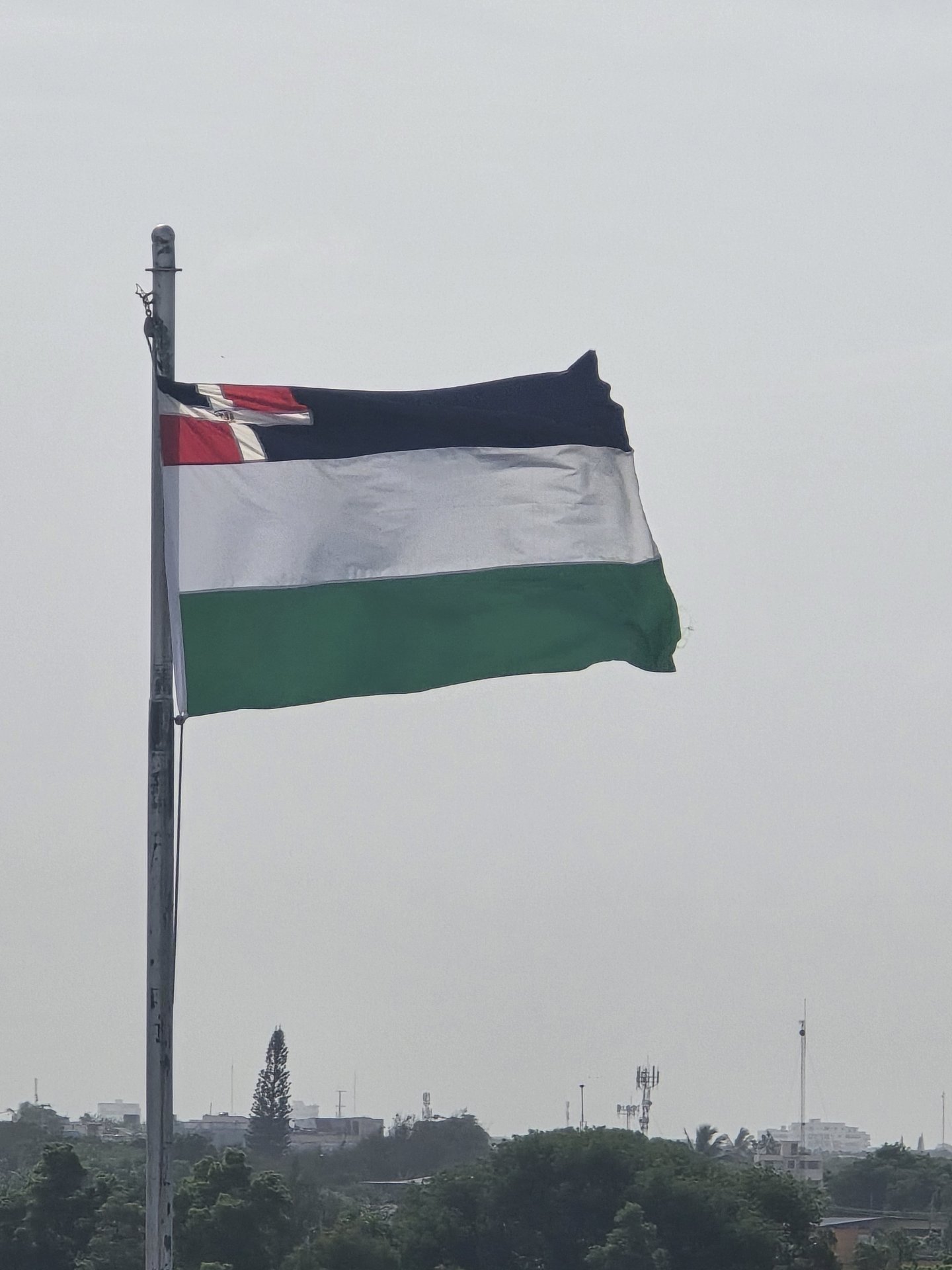
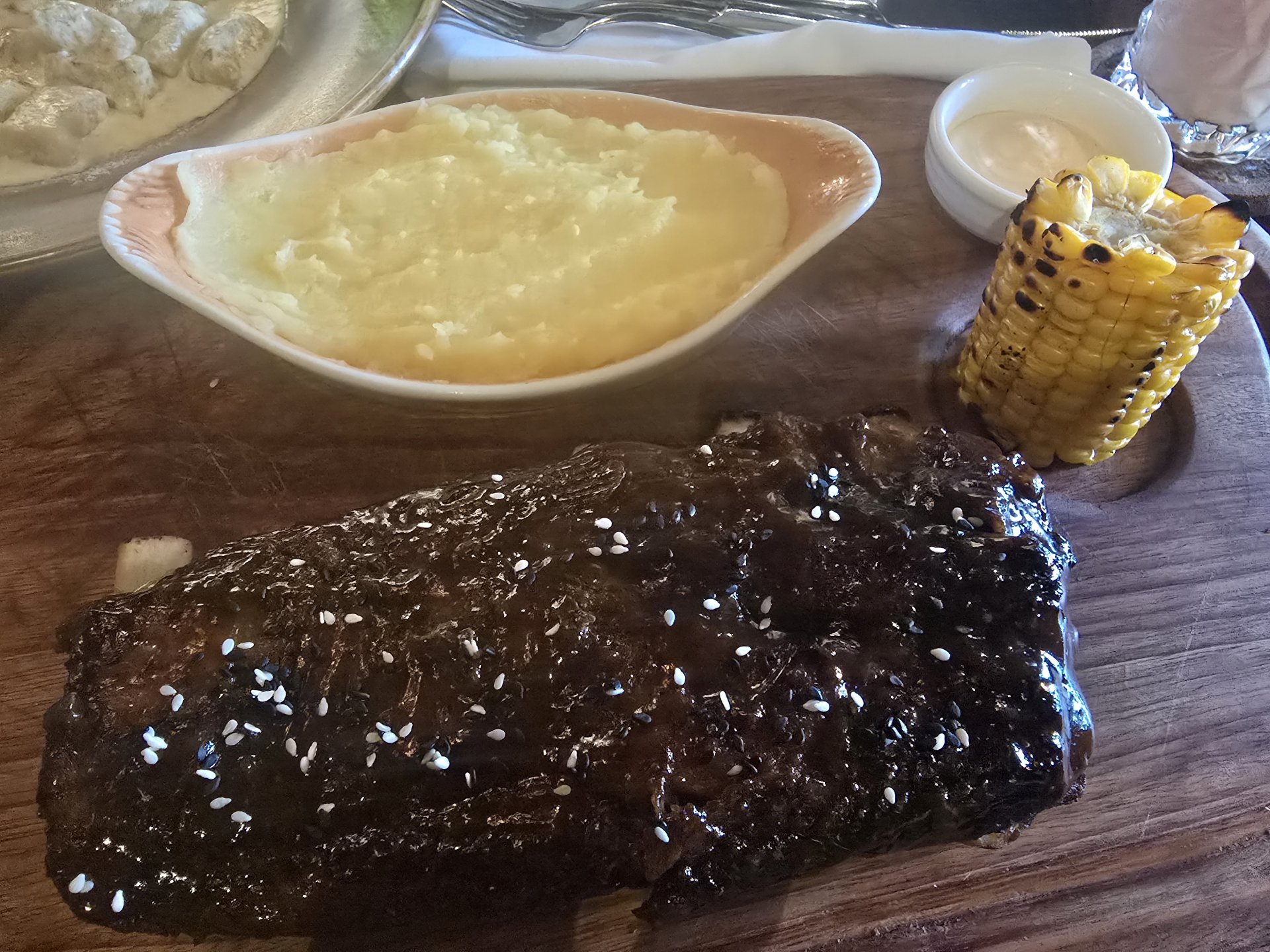
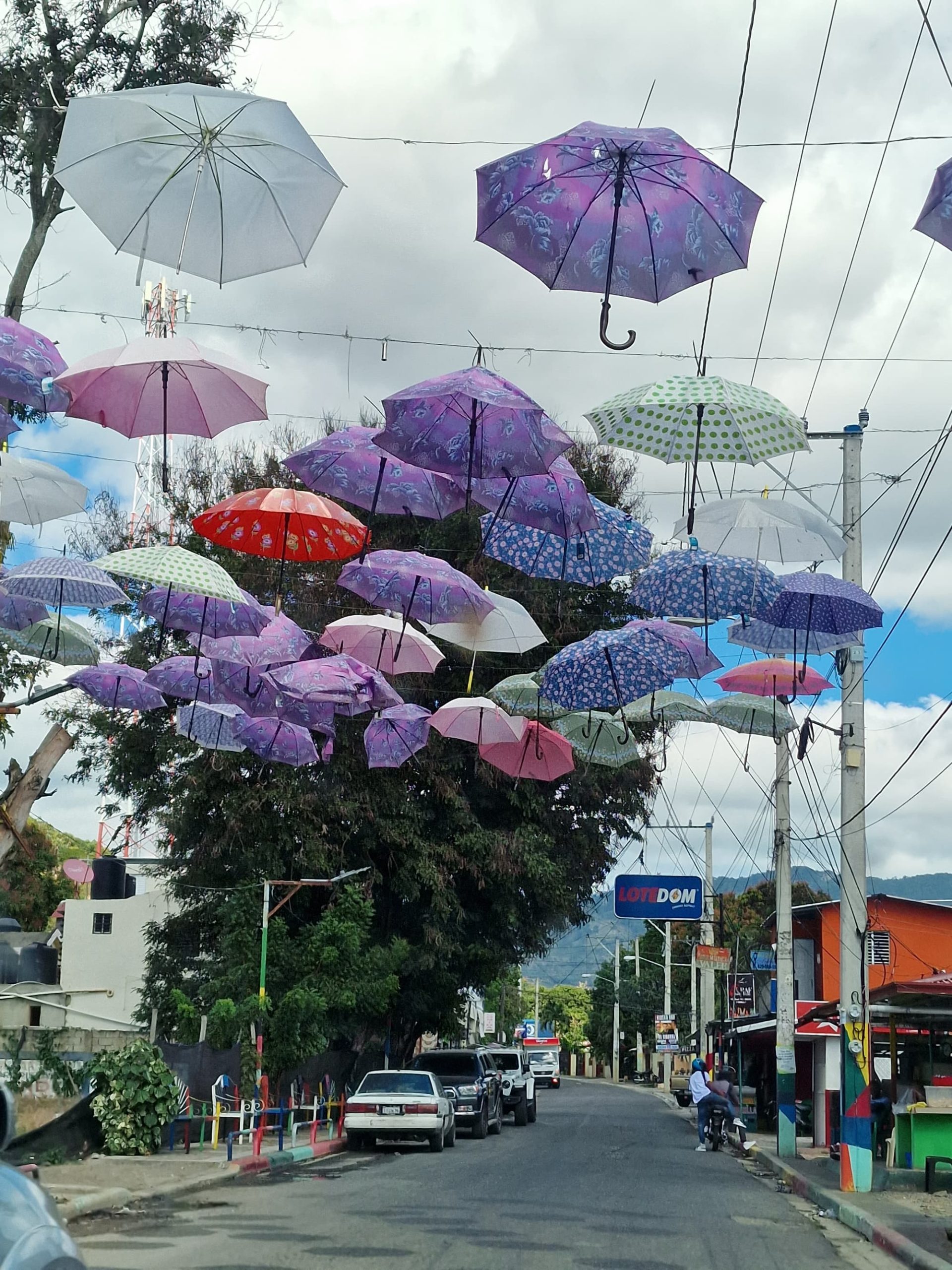
Photos from Santiago


Frequently asked questions
It is a proper Dominican city with university culture, manufacturing, and commerce. Bella Vista and Los Jardines are the best residential neighbourhoods for expats: quieter, greener, and close to the main private facilities. It is hot inland, regularly 35u00c2u00b0C or above in summer, with no sea breeze to help. The trade-off is lower cost than Santo Domingo and better services than the north coast.
Hospital Josu00e9 Maru00eda Cabral y Bu00e1ez is the best facility outside Santo Domingo. It handles complex cases that would otherwise require the capital. For expats living in Cabarete, Sosu00c3u00baa, Jarabacoa, or the Cibao Valley, Santiago is the realistic go-to for anything serious. Several well-equipped private clinics also operate in the city. Santiago is the healthcare anchor for the entire northern half of the DR.
Bella Vista is the most popular: mid-rise residential, close to Pontificia Universidad Catu00f3lica Madre y Maestra, good restaurants nearby. Los Jardines is similarly comfortable and slightly more established. Both are safe for day-to-day movement. Avoid unfamiliar outer barrios at night. Santiago does not have Piantini-level sophistication but the named areas are comfortable.
About 1 hour to Puerto Plata on the north coast highway. Cabarete is about 1.25 hours. The mountains between Santiago and the coast mean temperatures drop noticeably on the drive. A lot of Santiago residents do a beach day on weekends without it being a major expedition. For full-time beach access, it is not the right base, but for occasional coastal trips it works well.
Full city life: shopping malls, markets, cinemas, universities, a busy restaurant scene, and nightlife. The Monumento a los Hu00e9roes de la Restauraciu00f3n is the city landmark. There is a genuine cultural life here that smaller expat towns cannot match. Traffic is heavy during rush hour. Uber operates. It is genuinely livable without feeling as overwhelming as Santo Domingo.