
Moca sits in rolling hills between the north coast and the Santiago valley. It is a quiet provincial capital with strong craft and agricultural traditions. Coffee and tobacco are still grown in the area. The mundillo lacework tradition is documented and practiced here. Very few foreigners live here.

Is Moca right for you?
People who want extreme affordability and authentic Dominican provincial life, with occasional north coast access. Spanish fluency is non-negotiable.
What the scores mean
Local-priced and affordable, with no expat or tourist markup anywhere. Rent and everyday costs are among the gentler in the Cibao.
A calm, traditional provincial capital with a strong community feel and low crime. Daily life needs little more than ordinary caution.
Everyday clinics and pharmacies in town, with Santiago's full hospital network 30 to 45 minutes away for anything more involved.
Reasonable fibre coverage helped by its closeness to Santiago, giving workable speeds in most of town if not the fastest in the region.
Quiet, agricultural and deeply Dominican, built around coffee, tobacco and craft traditions. There is little aimed at foreigners and few organised activities, so the appeal is authenticity and calm.
Moca handles the everyday: supermarkets, banks, pharmacies and hardware, all at local prices. There is nothing aimed at expats and little in the way of malls or boutiques, but Santiago is 30 to 45 minutes away and covers everything else.
Map of Moca
Living in Moca
Moca is for people who want a real small Dominican city at real small-city prices. The coffee from the surrounding highlands is excellent and the pace is genuinely relaxed. Santiago is close enough that you are not completely cut off from urban amenities. If you want quieter Cibao life without city prices, Moca is worth considering.
Living in Moca: the honest picture
What works well
- Very low cost of living, from $750/mo
- 30 minutes from the north coast beaches
- 45 minutes from Santiago's full city services
- Cool hills and agricultural landscape
- Authentic cultural traditions with zero tourist economy
Watch out for
- No expat community or English-language services whatsoever
- Limited employment opportunities for foreigners
- Internet less developed than coast or Santiago
- Small provincial city with limited nightlife and dining
- Spanish fluency required for all basic functions
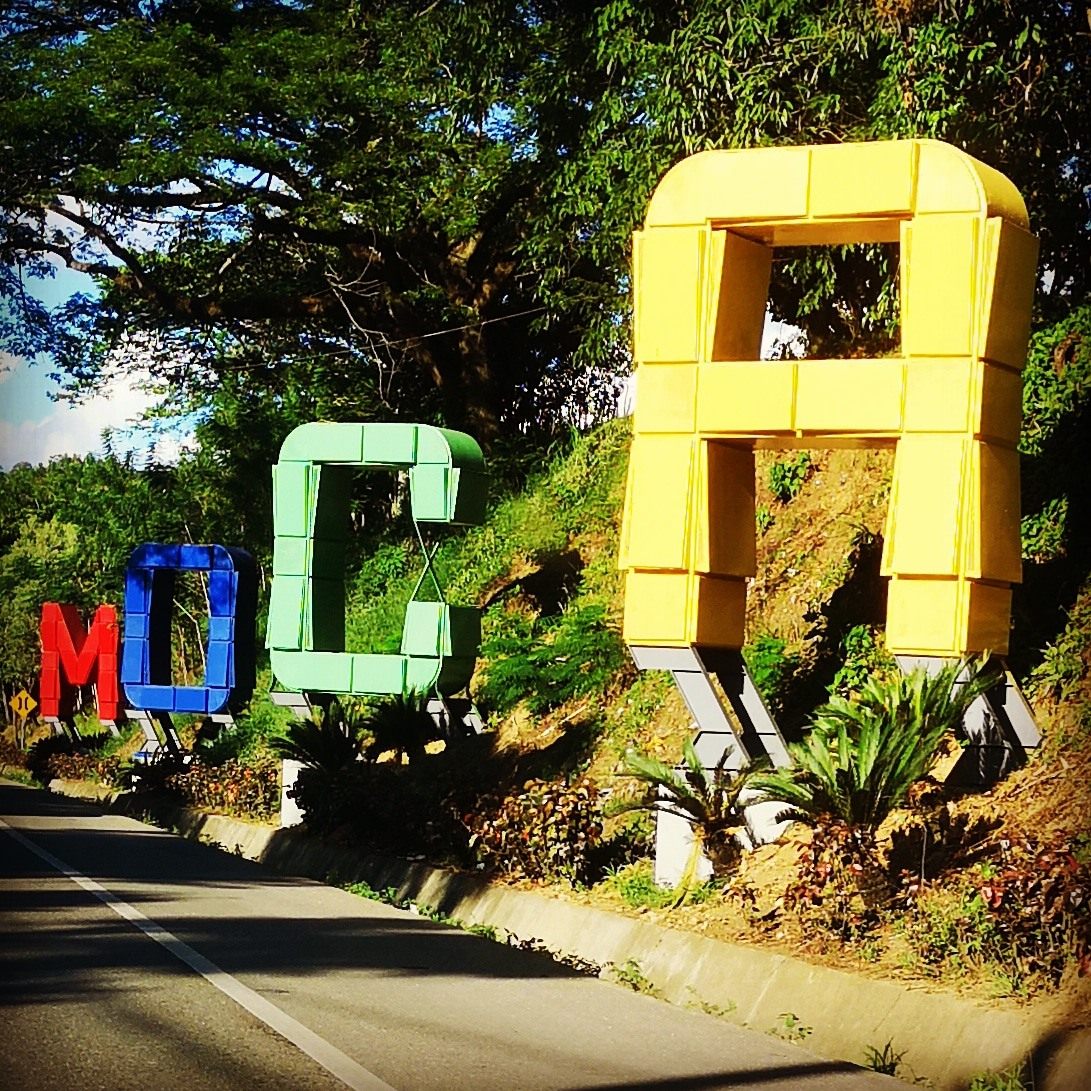
Photos from Moca
Frequently asked questions
Mundillo is a bobbin lacemaking tradition brought from Spain and the Canary Islands in the colonial period. Moca is one of the last places in the DR where it is still actively practiced. Women in some neighbourhoods make intricate lace by hand on cylindrical pillows using dozens of small bobbins. There is not a formal museum but asking locally will get you directed to practitioners. It is a dying art and Moca is where it survives.
The drive to Sosúa or Cabarete is about 30 to 40 minutes on a reasonable road. Santiago is 45 minutes. If you work remotely and want absolute minimum cost while keeping north coast access, Moca is a logical base. The trade-off is that Moca itself has little expat infrastructure and you are living entirely in a Dominican context. That suits some people exactly.
The Espaillat province has a strong folk guitar tradition, particularly in the romantic-feeling style called bachata before it became the international genre it is now. Some of the earlier bachata composers and musicians came from this region. It is not a performance tourism attraction but it is part of the local identity in a genuine way. Local bars and informal gatherings are where you encounter it.
Provincial capital services: a hospital, banks, supermarkets, pharmacies, schools, guagua connections to Santiago and the coast. Nothing aimed at foreigners. Healthcare is basic; Santiago handles anything complex. Internet has improved but is not reliable for heavy remote work. It functions as a Dominican provincial capital, no more and no less.
As a day trip from Cabarete or Santiago, yes. The rolling hills around Moca are scenic. The town centre has colonial-era character. If you are interested in DR craft traditions, the mundillo lacemaking and local coffee culture are worth a few hours. It is 30 minutes from the coast, so easy to combine with a beach day. As a long-term base, it is niche and requires real commitment to Spanish-only living.