

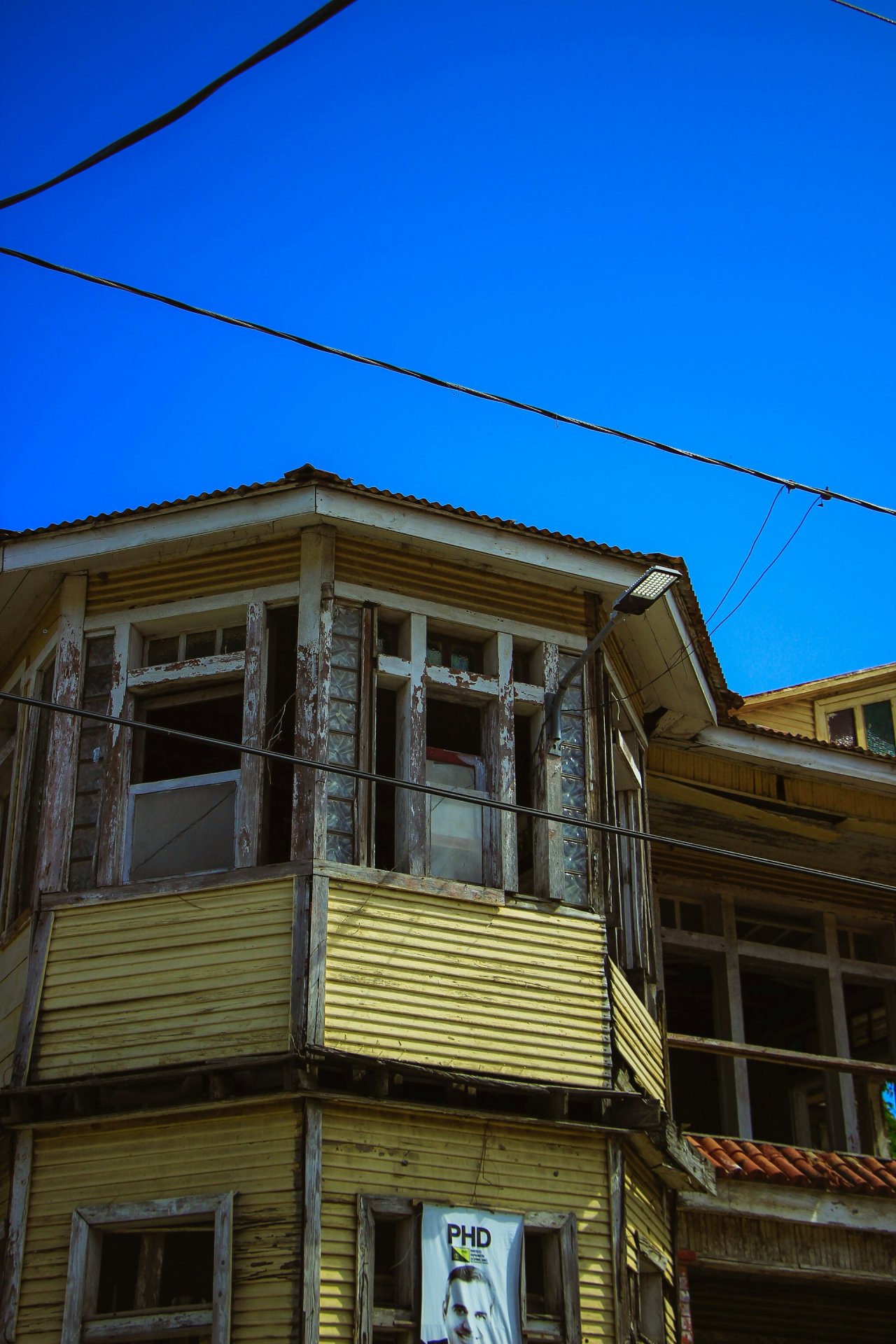
Monte Cristi is the main town of the far northwest, a region that most expats and tourists never reach. It is known for El Morro, a flat-topped mesa rising from the coast that is one of the more dramatic landscapes in the DR, and for the flamingos that populate the nearby lagoons. The beaches around Monte Cristi are largely undeveloped and the offshore islands are genuinely pristine. The town itself has a faded historical character with some 19th-century Victorian architecture from its days as a major trading port.

What the scores mean
Among the lowest costs of living in the country. Rents are cheap, prices are entirely local, and the far northwest sees none of the coastal or tourist premium.
A quiet, remote provincial town with low crime and an unhurried pace. Standard small-town caution covers day-to-day life.
Basic local clinics and pharmacies only. Anything serious means the roughly two-hour drive to Santiago's hospitals, so it suits the fit and self-sufficient more than those with medical needs.
Developing and inconsistent, adequate for light use but not dependable for serious remote work without a Starlink backup.
El Morro's dramatic mesa and national park, a dry sunny climate and empty coastline give it real natural character. It is very quiet, well off the expat trail, and short on nightlife or organised things to do.
The shops of a small provincial city: supermarkets, banks, pharmacies and hardware, at some of the lowest prices in the country. There is no retail scene beyond that, and the nearest malls are in Santiago, about two hours away.
Map of Monte Cristi
Living in Monte Cristi
Monte Cristi rewards people who make the effort to get there. El Morro is genuinely impressive, the flamingo lagoons are a surprise, and the offshore cays have some of the clearest water in the DR. The town itself has a sleepy, end-of-the-road quality that works for some people and not at all for others. It is a long way from everything.
Living in Monte Cristi: the honest picture
What works well
- El Morro and dramatic landscapes
- Flamingos and wildlife
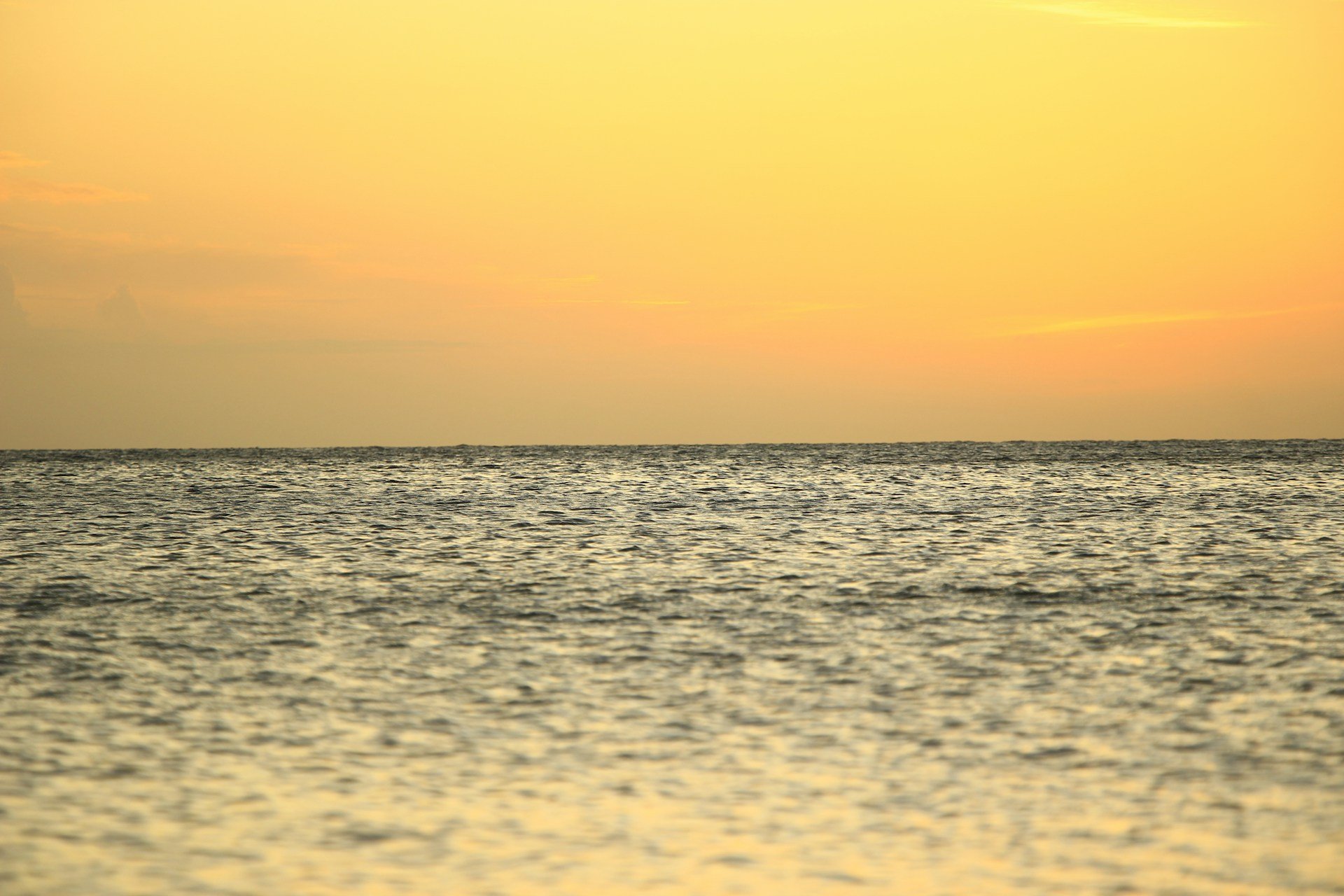
- Pristine offshore islands and beaches
- Historical town with character
- Very affordable
Watch out for
- Very hot and dry climate
- Extremely limited expat infrastructure
- Hours from Santiago or the North Coast
- Few restaurants or services
- Strong winds much of the year
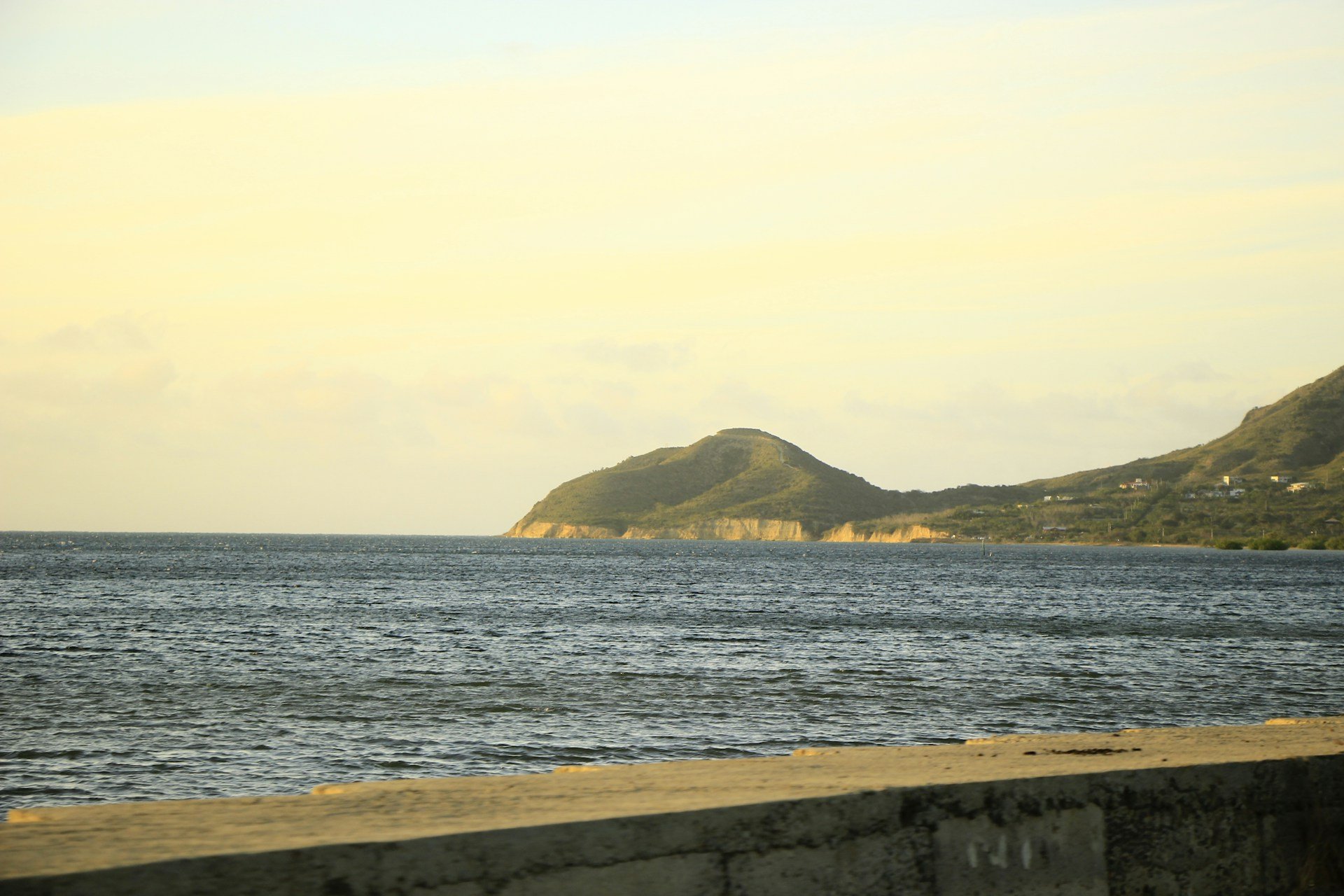
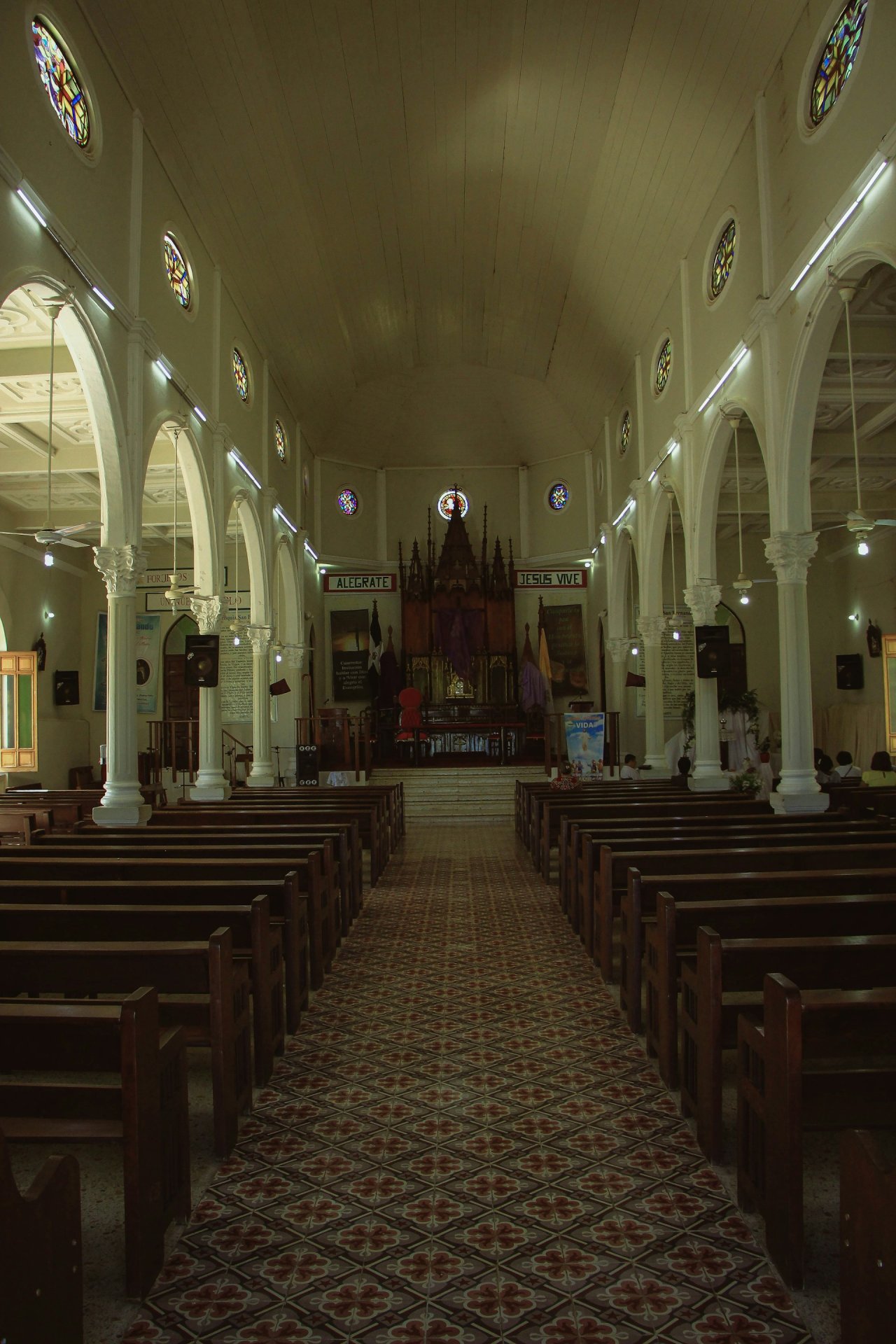
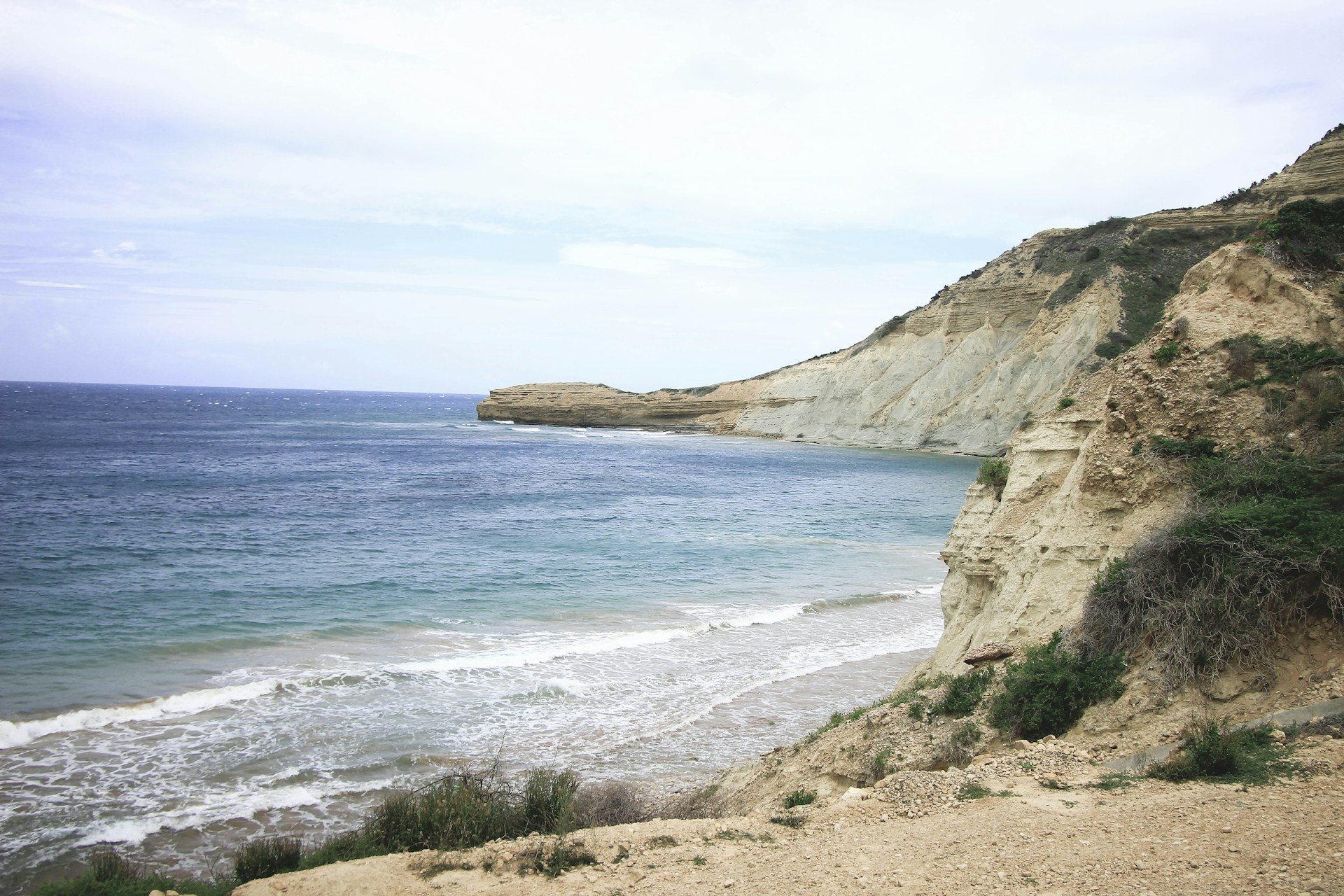
Photos from Monte Cristi
Frequently asked questions
It is genuinely off the map. Almost no tourists come here, there is no expat infrastructure, and it looks nothing like the tropical green of the north coast or the east. It is arid, windy, and dramatic. El Morro is a flat-topped mesa that rises straight from the sea and is unlike anything else in the Caribbean. The national park has mangrove channels, coral reef, and flamingos. You need a car and functional Spanish.
Cayo Arena is a shallow sandbank with a coral reef about 30 minutes by boat from Punta Rucia, which is about 1.5 hours east of Monte Cristi. It is one of the better snorkelling spots in the DR: clear water, good coral, nurse sharks, and rays. It is not well known so crowds are manageable. Punta Rucia itself is a small, quiet village with a calm beach and a handful of guesthouses.
Only for people who actively want remoteness. There is no reliable expat community, internet is basic, and healthcare is limited to local clinics. Santiago is about 2.5 hours east. The appeal is extreme affordability, from $600/mo, extraordinary nature, and near-total solitude. If you work offline or just need minimal connectivity, it works. For remote workers who need reliable internet, it does not.
Hot and windy year-round. The northwest tip of the island sits in a dry climate zone and receives significantly less rain than the north coast. Temperatures run 30 to 36°C most of the year. The trade winds make it feel cooler than the thermometer suggests. It is one of the driest parts of the DR, which gives it that arid, cactus-filled landscape that looks more like Curaçao than the DR in tourist photos.
Basic ones. There are local restaurants, supermarkets, banks, and a market. The town is a functioning Dominican municipality. What it lacks is anything targeted at foreigners: no English-speaking services, no expat-oriented restaurants, no coworking. If you need Western-style amenities or English-speaking support, you will be driving to Santiago. That said, Monte Cristi has more going on than outsiders expect.