
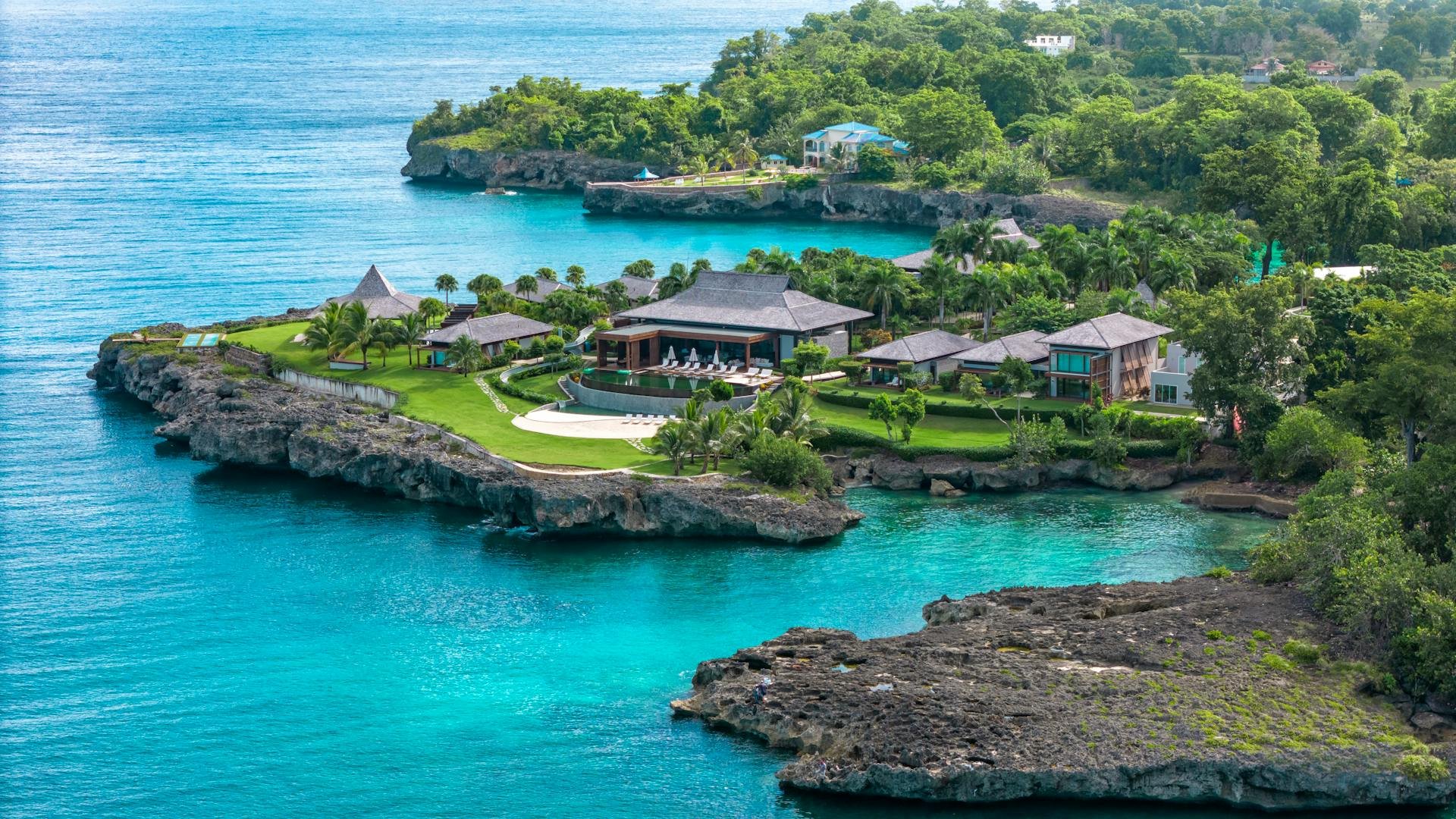
La Romana is a mid-sized city on the southeast coast, best known as the home of Casa de Campo, one of the most prestigious resort and residential communities in the Caribbean. Outside the resort, it is a functional Dominican city with reasonable services and beach access. It is underrated as an expat base for those who want urban facilities plus coast access at moderate cost.

Is La Romana right for you?
La Romana suits retirees and wealthy expats who want Casa de Campo's resort lifestyle combined with easier airport access and proximity to both Punta Cana and Santo Domingo. Divers, golfers, and polo enthusiasts are obvious fits. Those on a budget who want a functional Dominican city can also do well in the city proper.
What the scores mean
La Romana has a split market. In Casa de Campo and the resort corridor, costs are comparable to Punta Cana: $1,200 to $2,500 per month for quality accommodation. In the city itself, costs are more moderate: $600 to $1,200 per month for a decent furnished apartment. The score of 6.5 reflects above-average cost for the DR with significant variation based on where you choose to live.
Casa de Campo is extremely safe: gated, private, and well-secured. La Romana city requires the same neighbourhood awareness as any mid-sized Dominican city. The primary expat experience in Casa de Campo is very safe, with more caution needed in the broader city.
La Romana has the Centro Médico Regional and several private clinics. Quality is reasonable for routine care. The proximity to Punta Cana (1 hour) and Santo Domingo (1.5 hours) means better facilities are accessible without the long drives that other regions face. The score of 7.0 reflects above-average local provision for a non-capital city.
Internet in La Romana is reliable in both the urban areas and Casa de Campo. Speeds of 30 to 100 Mbps are standard. The resort infrastructure at Casa de Campo ensures excellent connectivity for its residents. The score of 7.5 reflects solid connectivity that supports remote work without the premium speeds available in Santo Domingo.
La Romana's lifestyle centres on Casa de Campo and the coast. The resort has world-class polo, golf, a marina, and a beach club at Playa Minitas. Outside the gates, Bayahibe has excellent diving and the best access to Isla Saona day trips. The city itself offers Dominican nightlife, a lively market, and genuine local culture.
A proper working city with supermarkets, multiplazas, banks and services, plus the upscale options around Casa de Campo. It covers day-to-day needs comfortably, and Santo Domingo is about 90 minutes away for anything specialist.
Monthly budget breakdown
Map of La Romana
Neighbourhoods in La Romana
Casa de Campo →
One of the Caribbean's premier residential resort communities. Polo, golf, marina, and private beach. Gated.
La Romana City
The functional city with markets, restaurants, and Dominican urban life. More affordable than the resort corridor.
Bayahibe →
20 minutes west. Fishing village with excellent diving, coral reefs, and access to Isla Saona.
Altos de Chavón
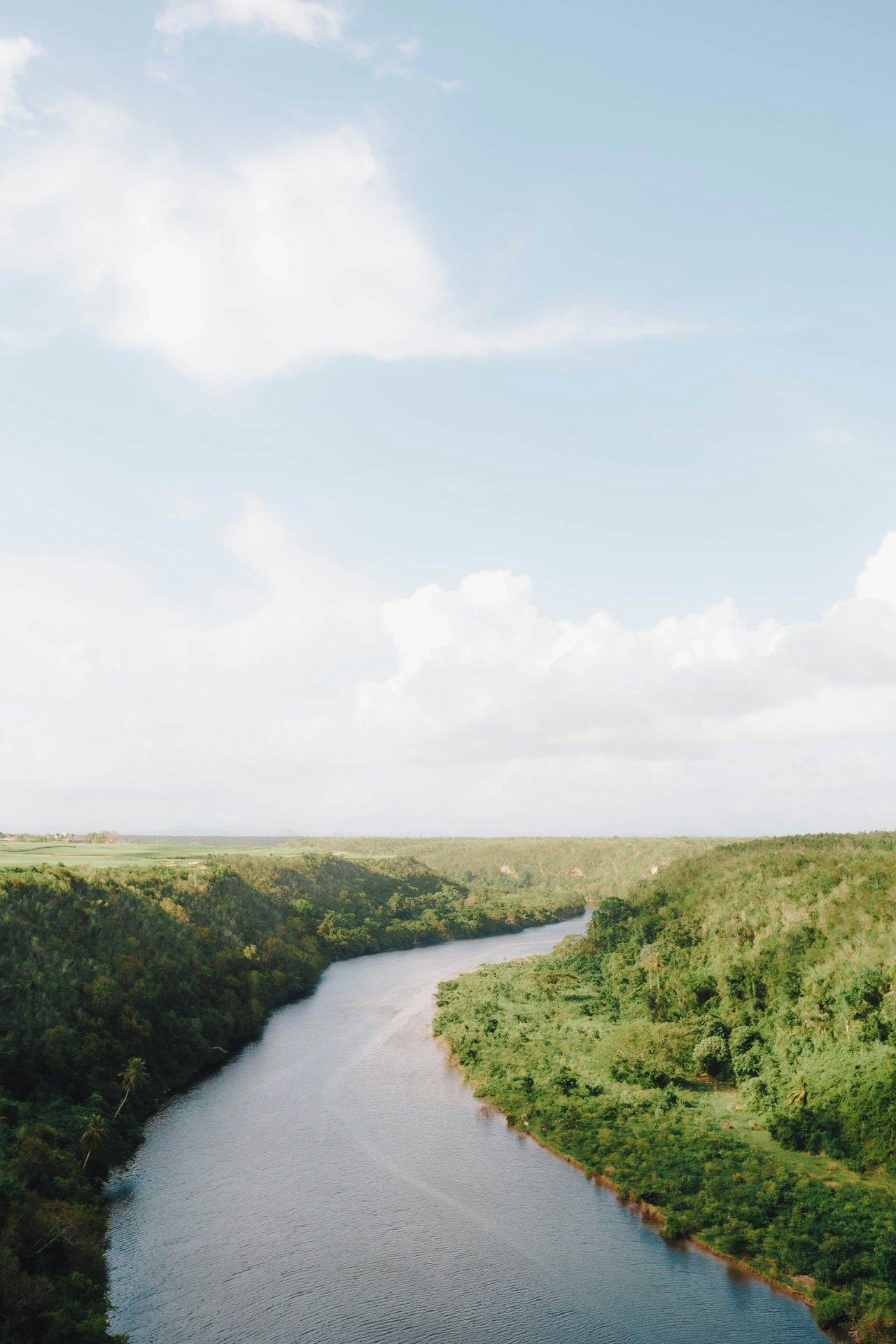
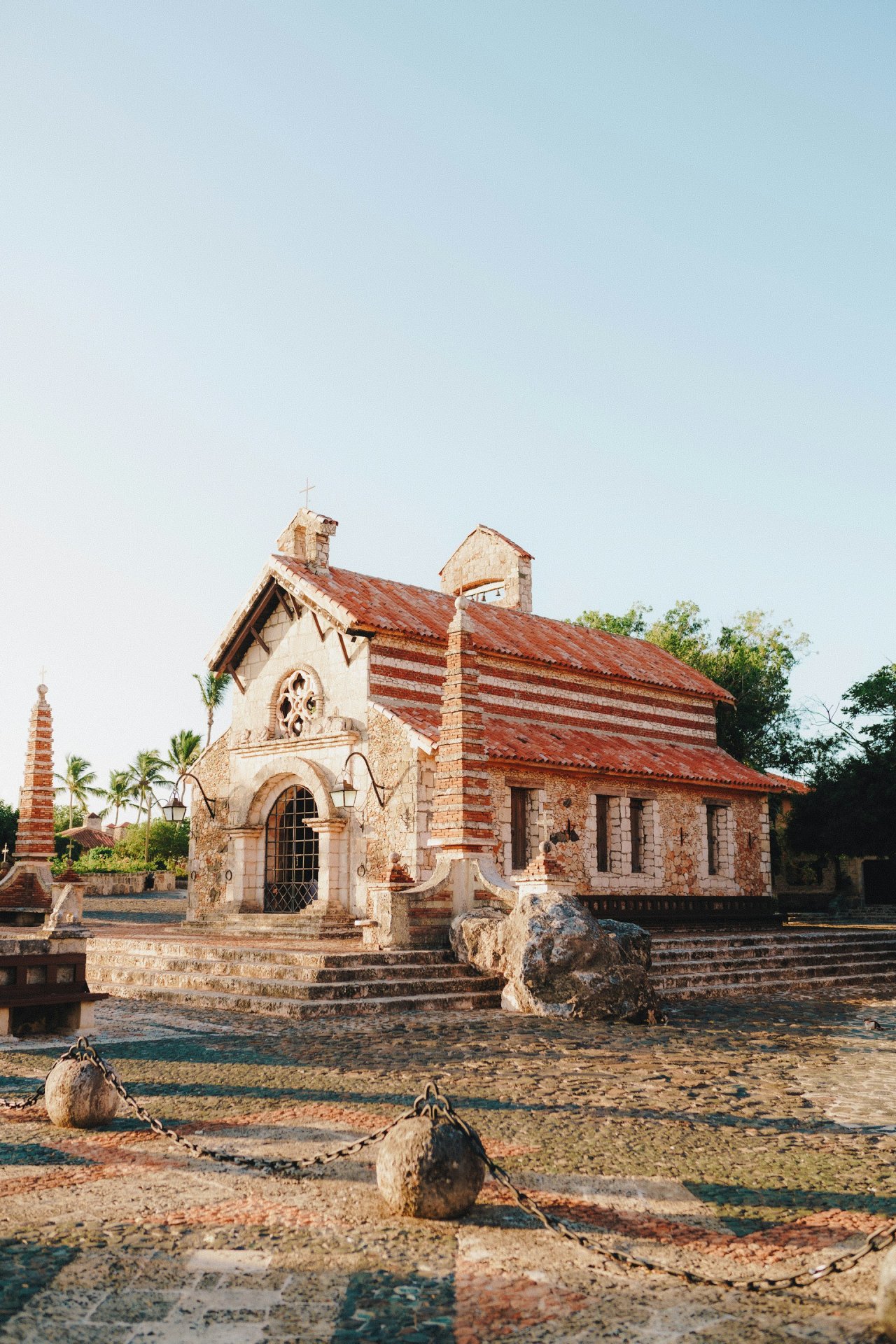
Reconstructed Mediterranean village above the Chavón river. Art school, amphitheatre, and restaurants.
Isla Saona
National park island 1 hour by boat. Day-trip destination with spectacular beaches.
Living in La Romana: the honest picture
What works well
- Casa de Campo marina, polo, and golf community nearby
- Beach access at Bayahibe (20 minutes)
- More affordable than Punta Cana
- Functioning city with full services
- International airport
- Less transient than Punta Cana
Watch out for
- City itself is gritty outside Casa de Campo
- Smaller expat community than Punta Cana
- Less variety in dining and entertainment
- Less developed digital nomad scene
- Can feel divided between resort and city
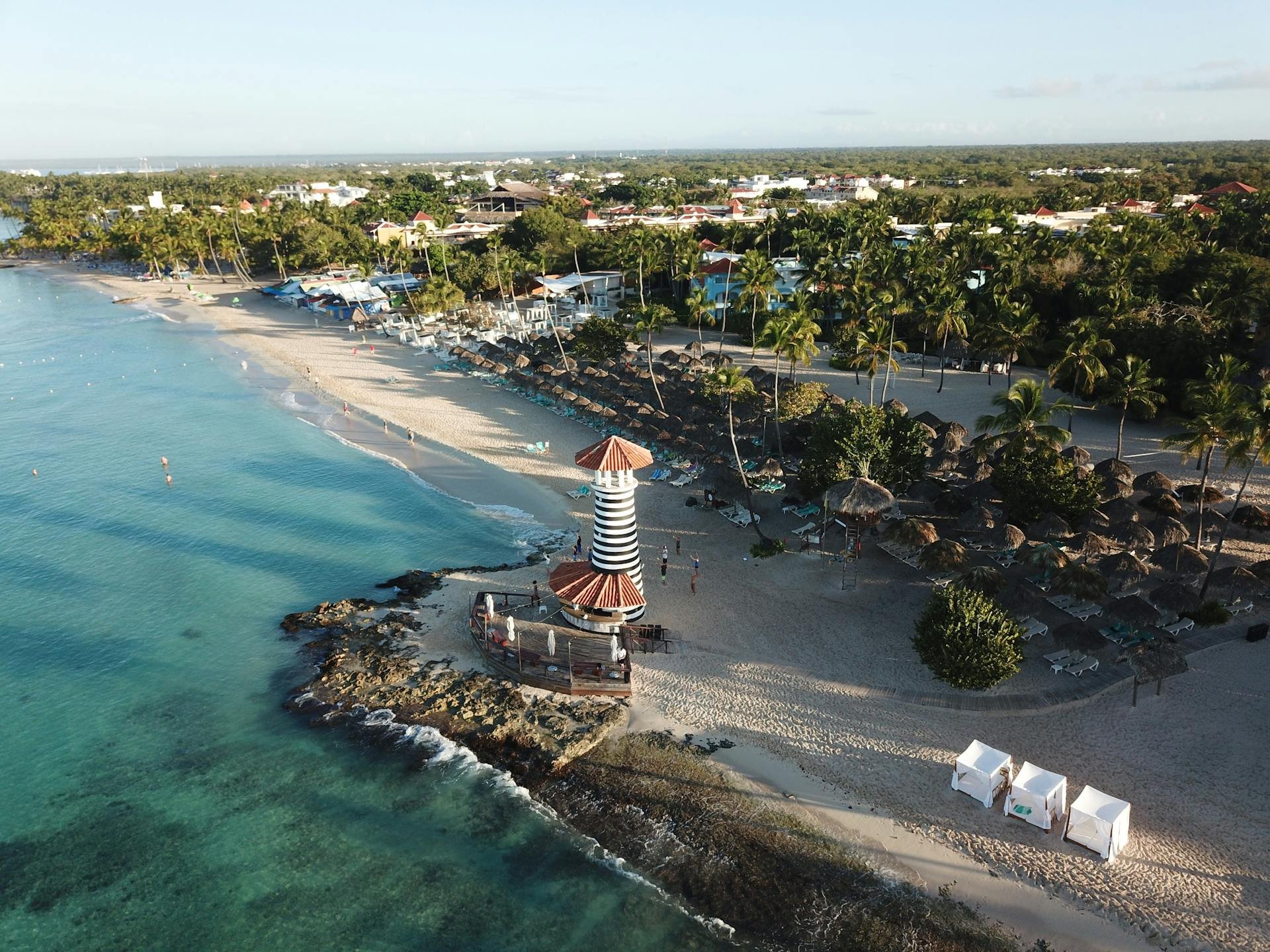
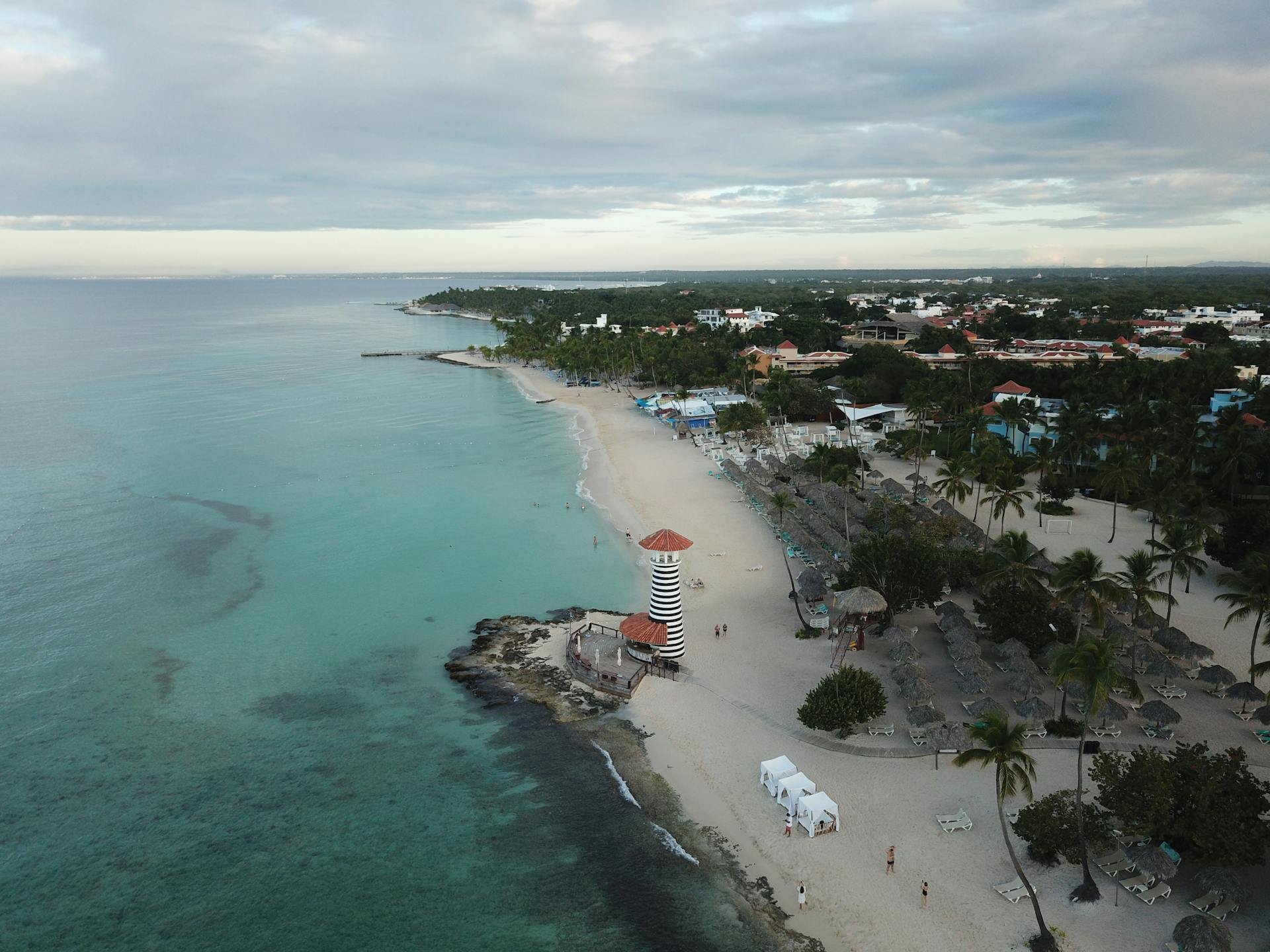
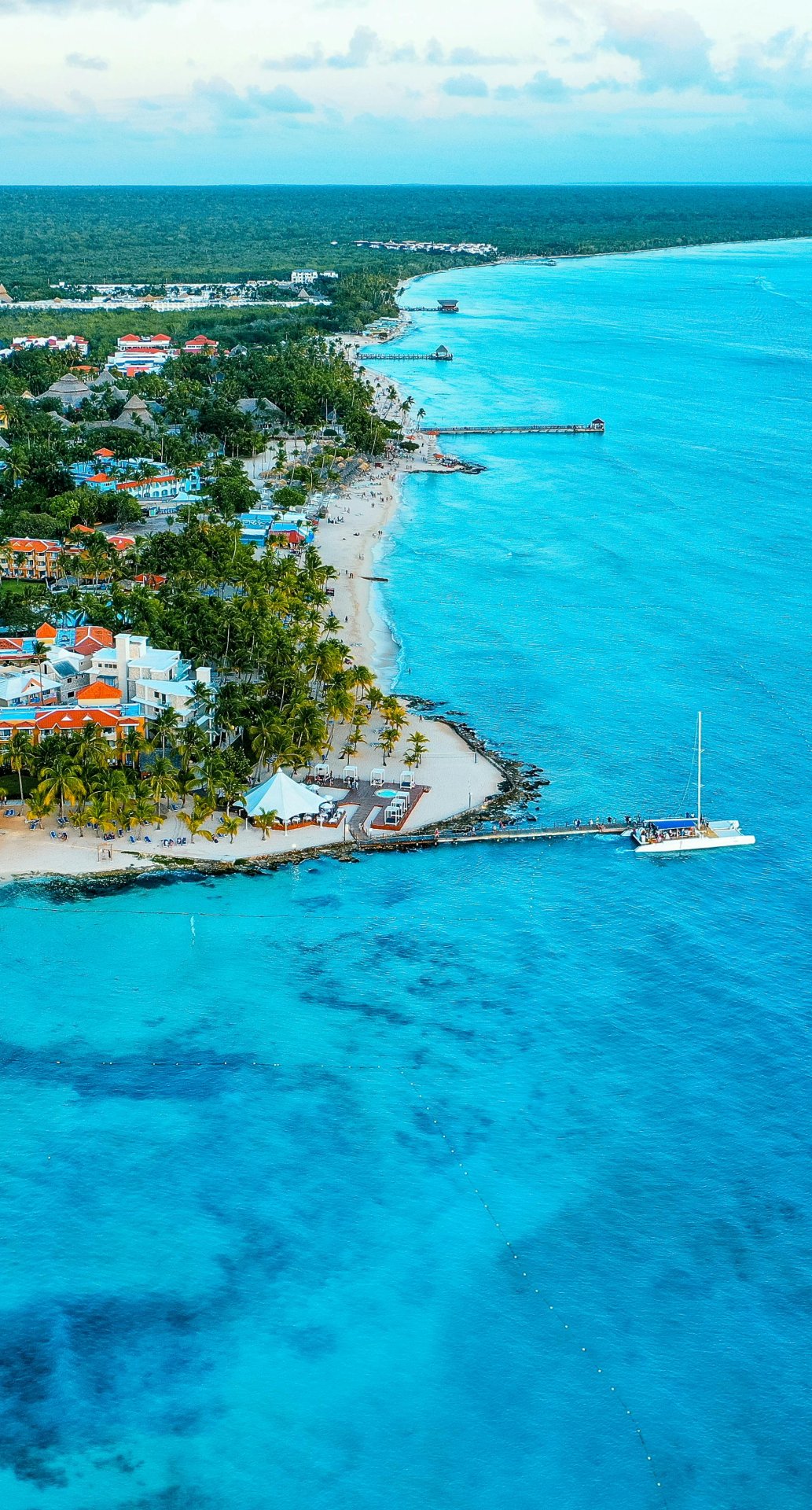
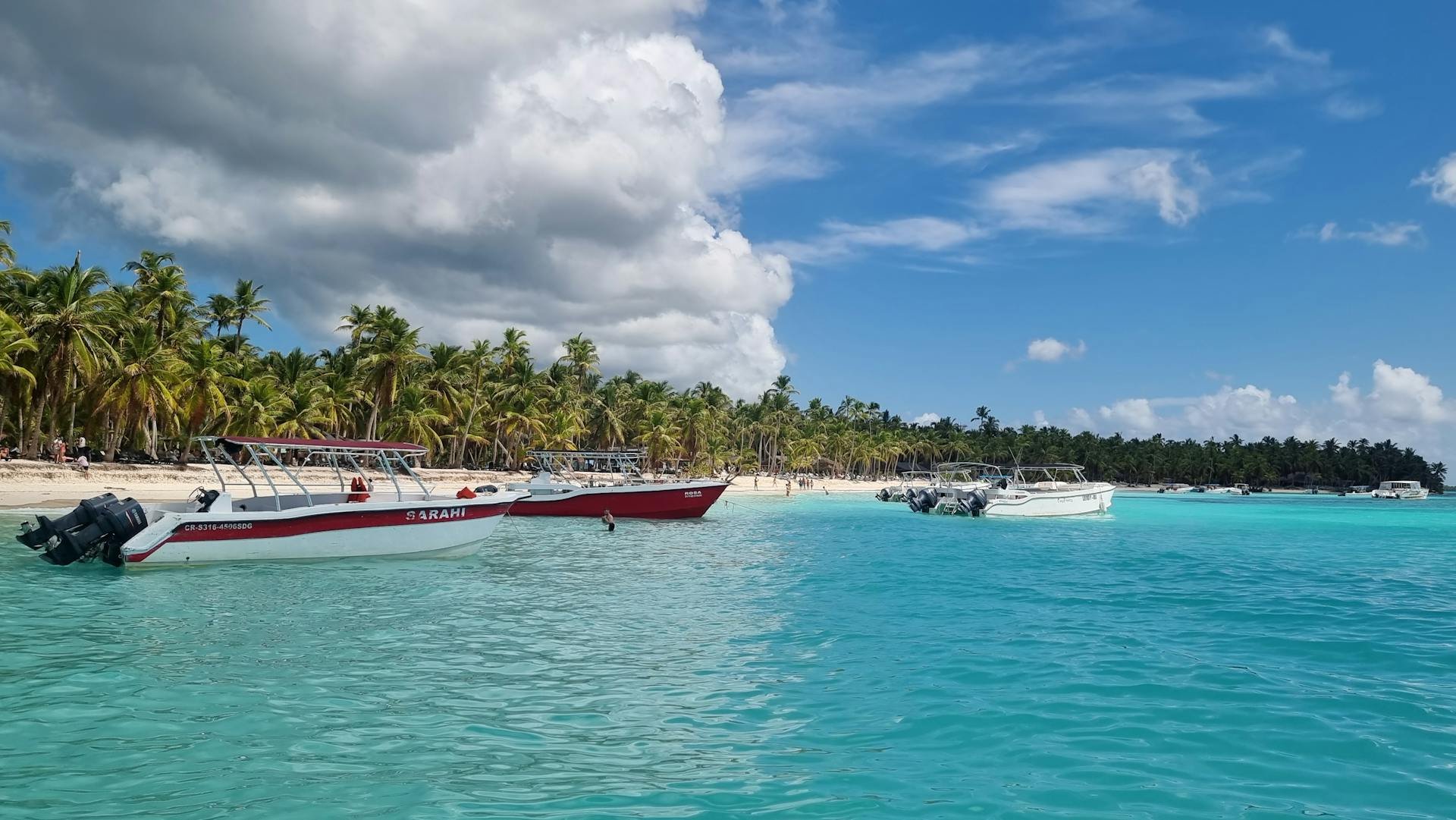
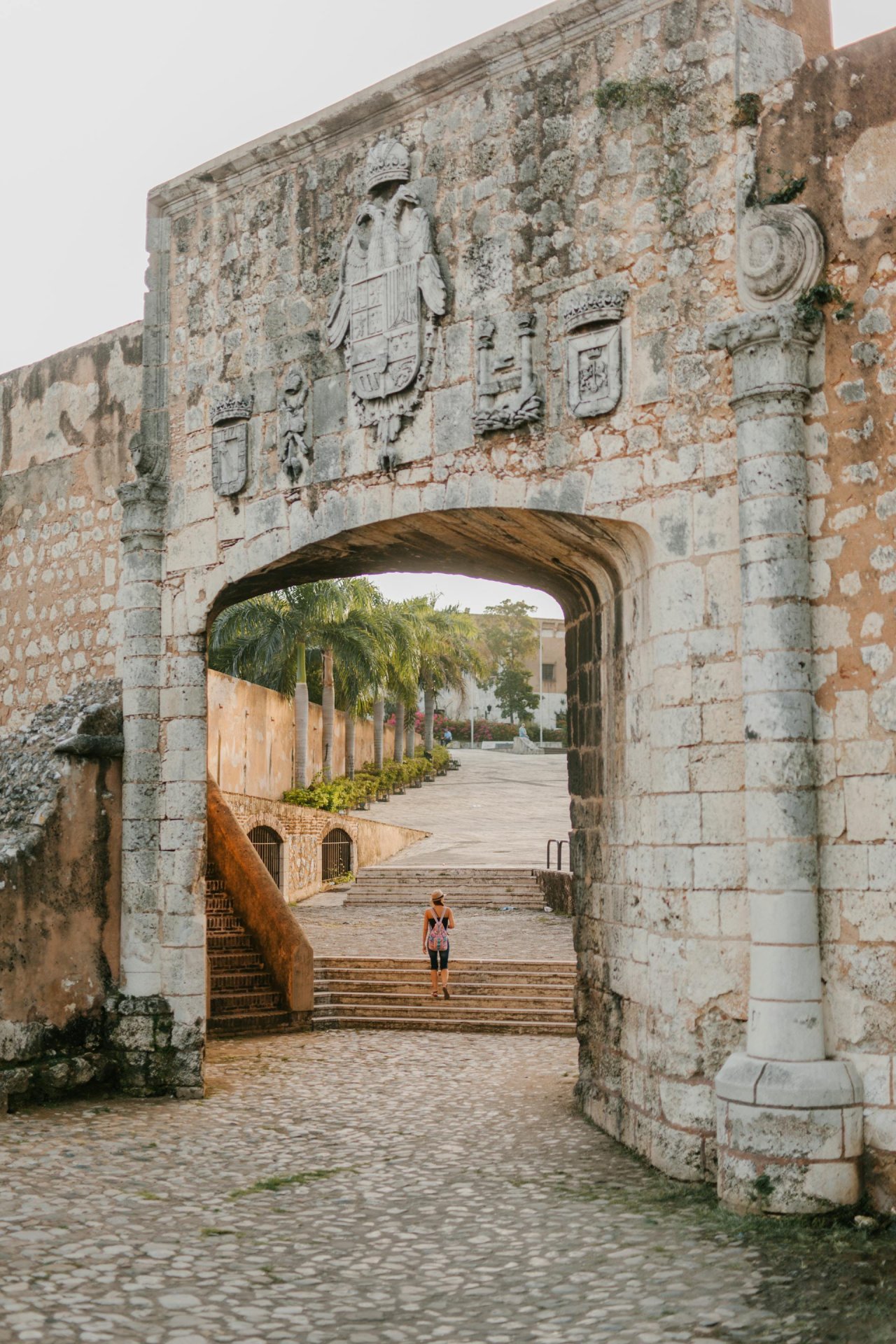
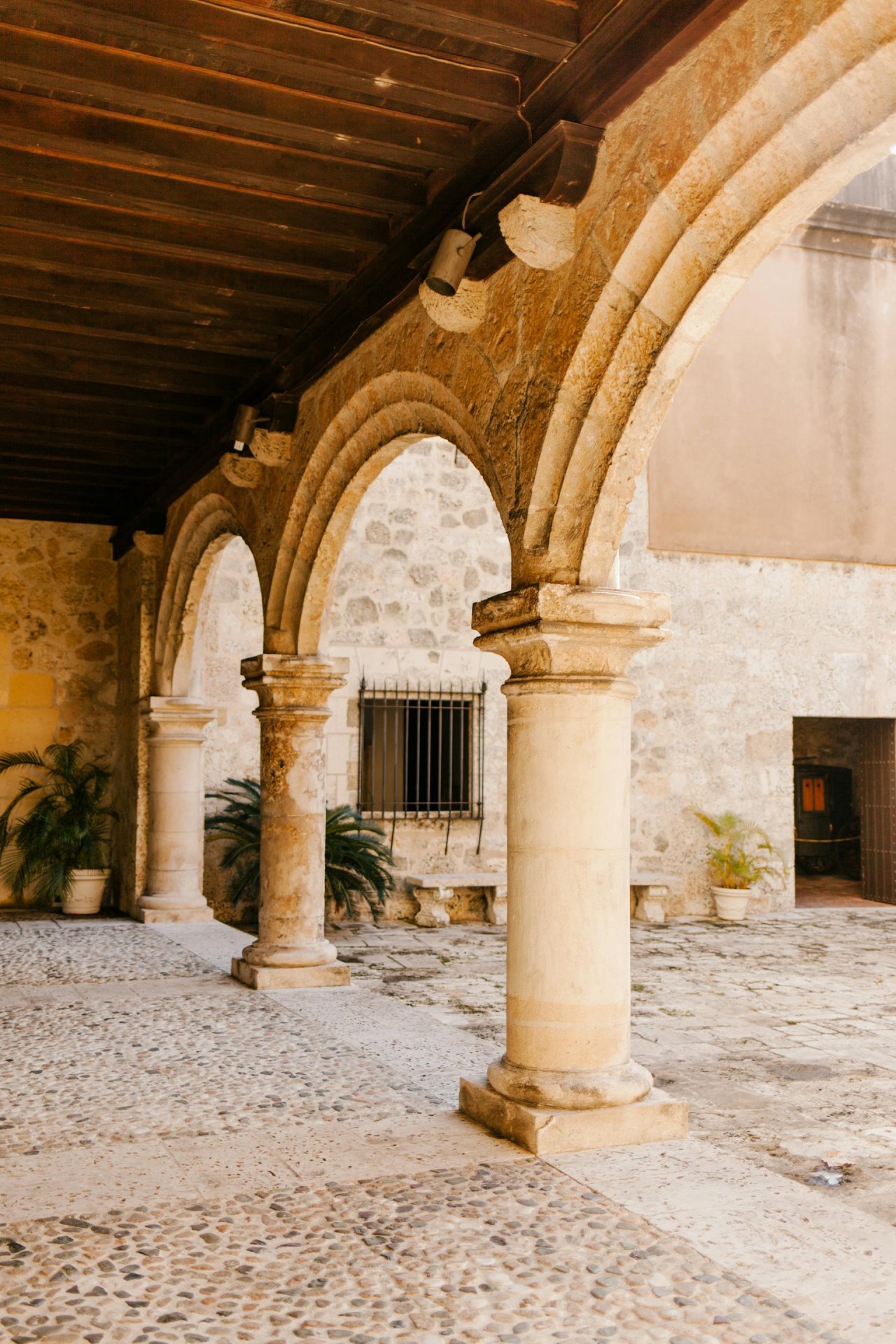
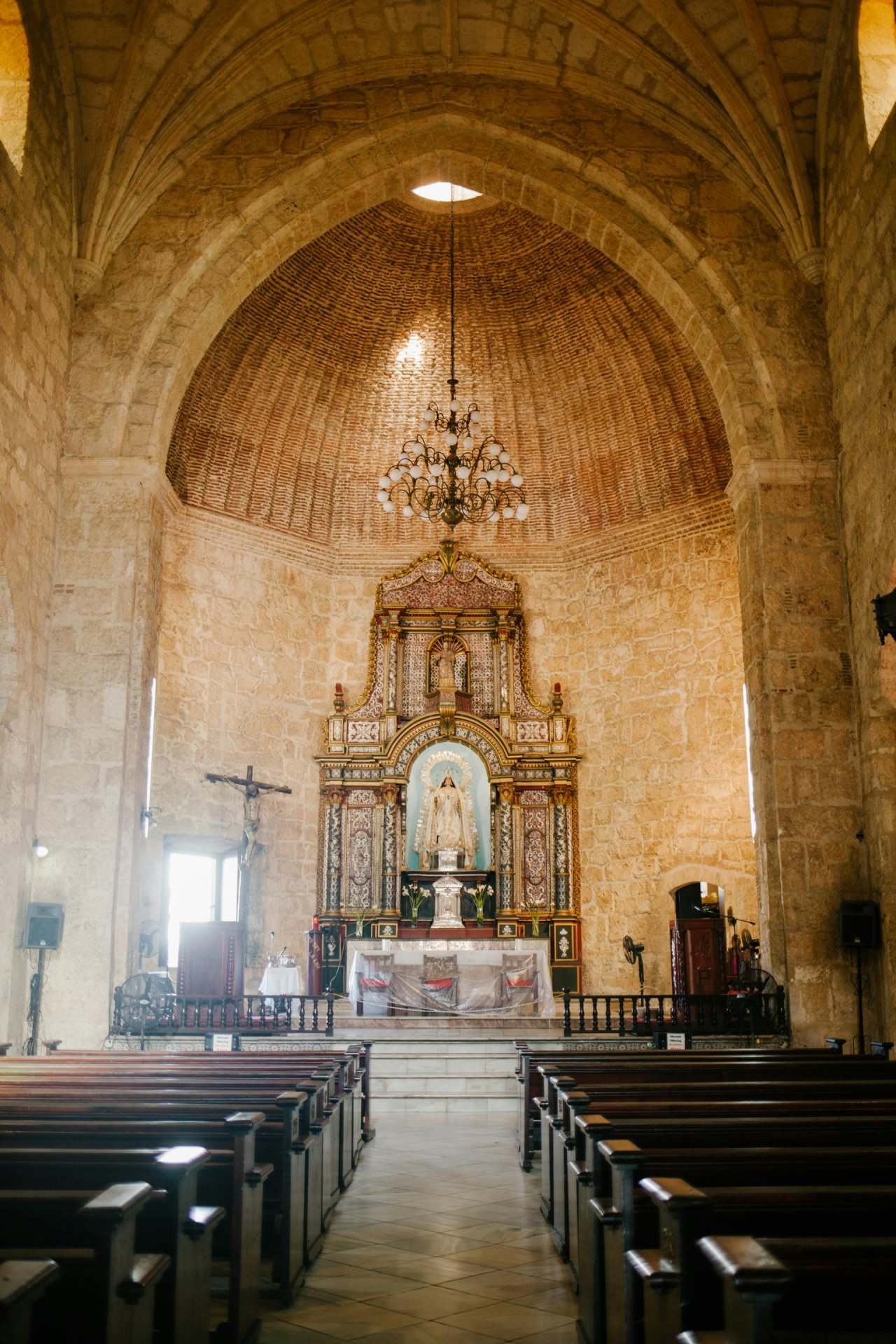
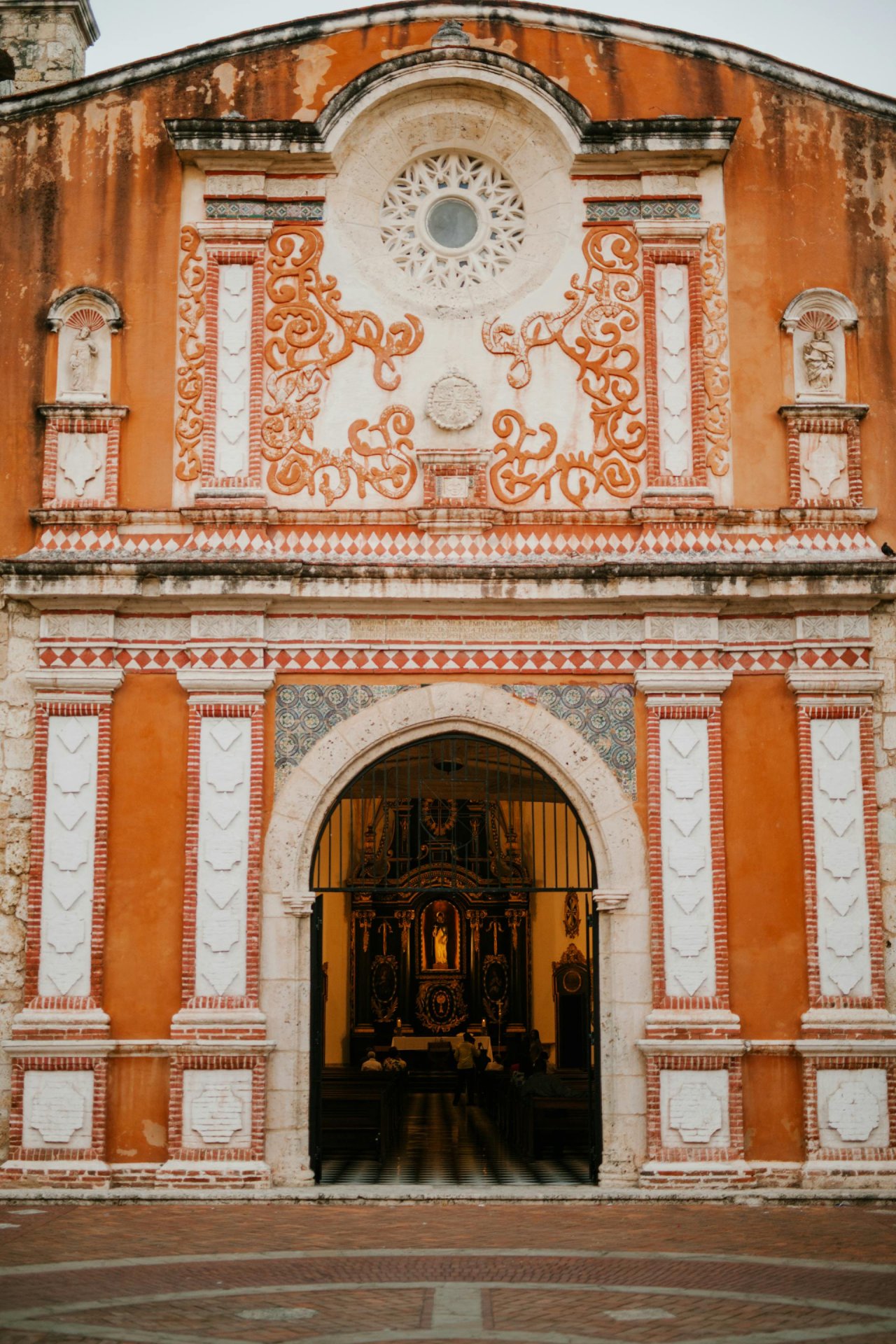
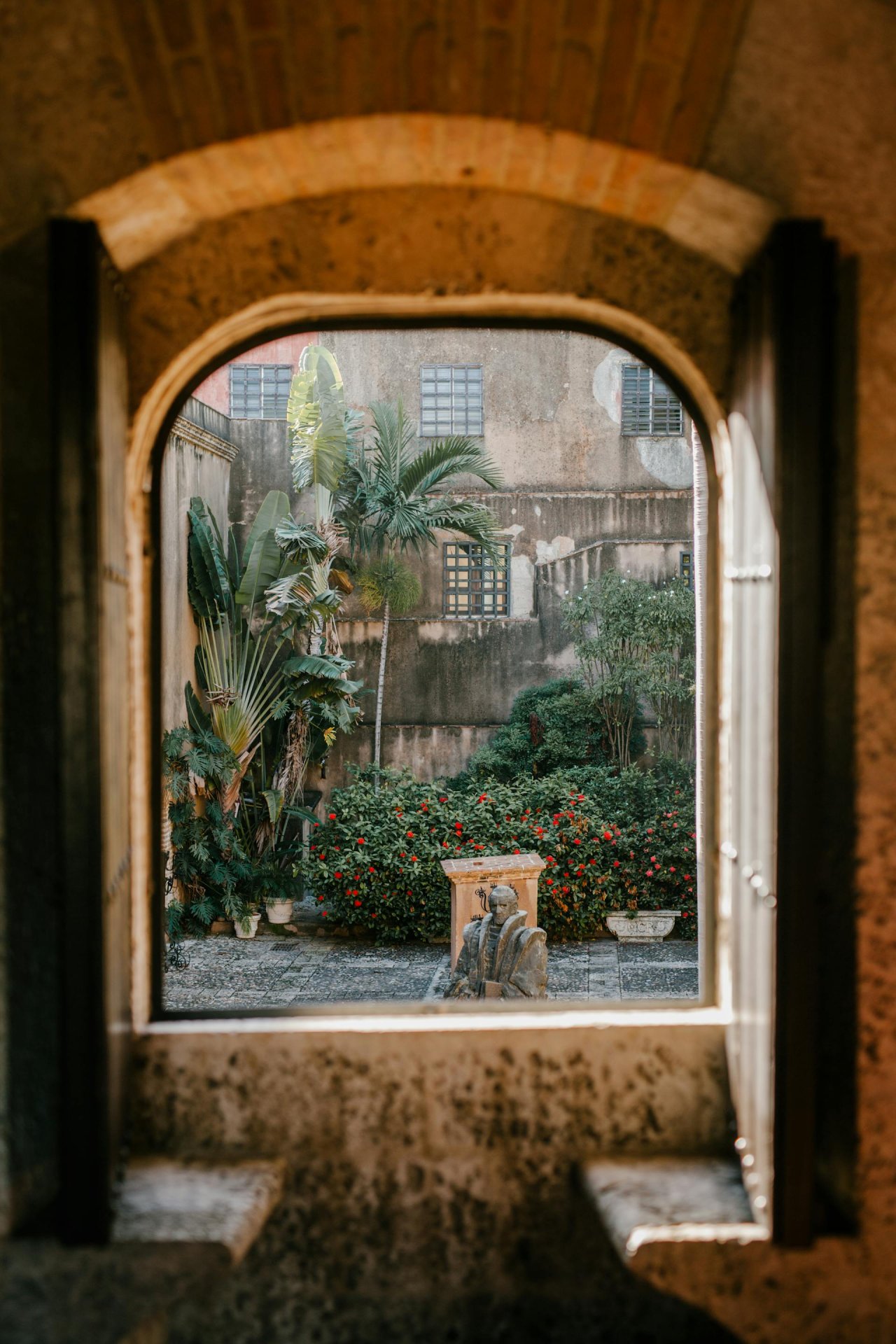
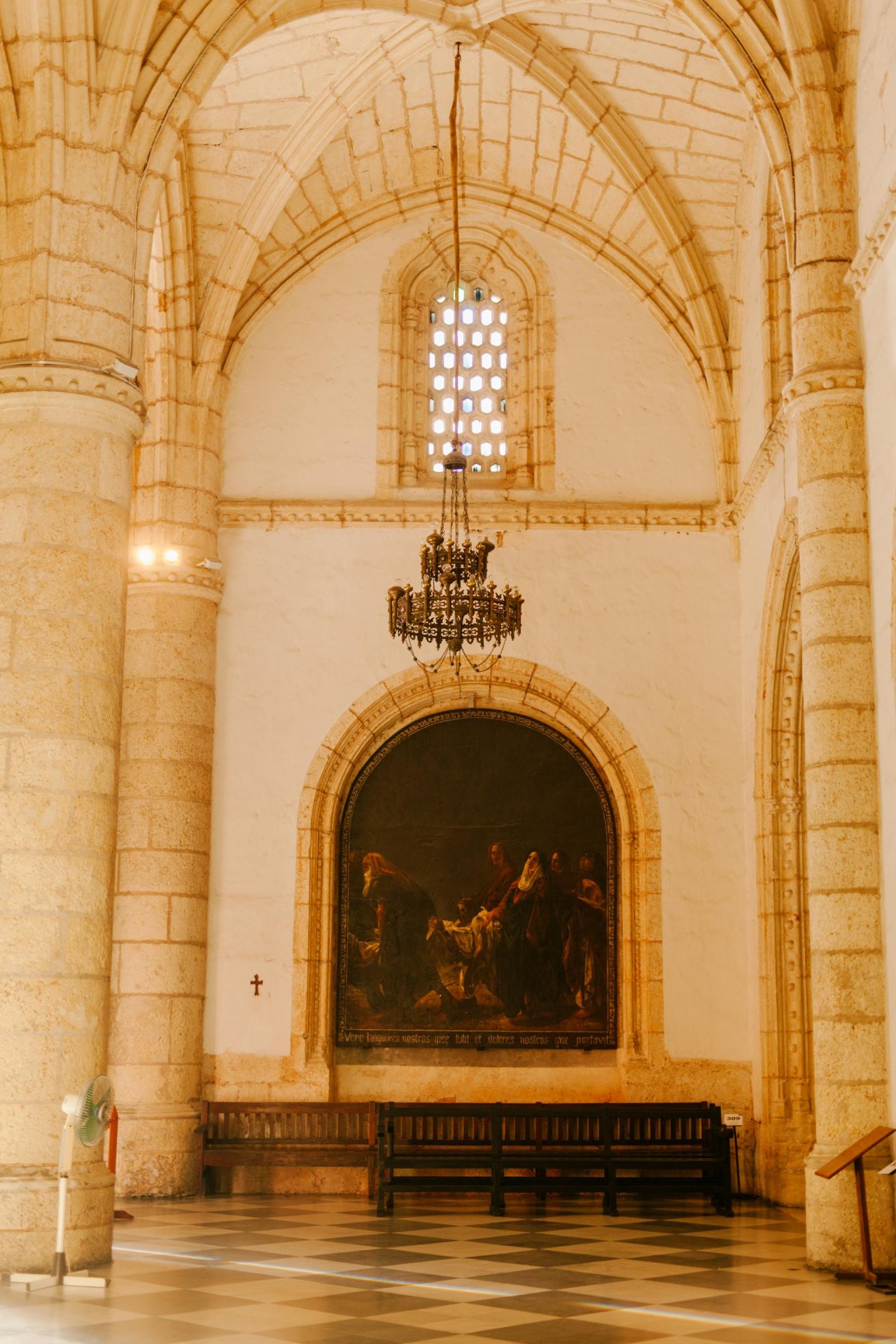
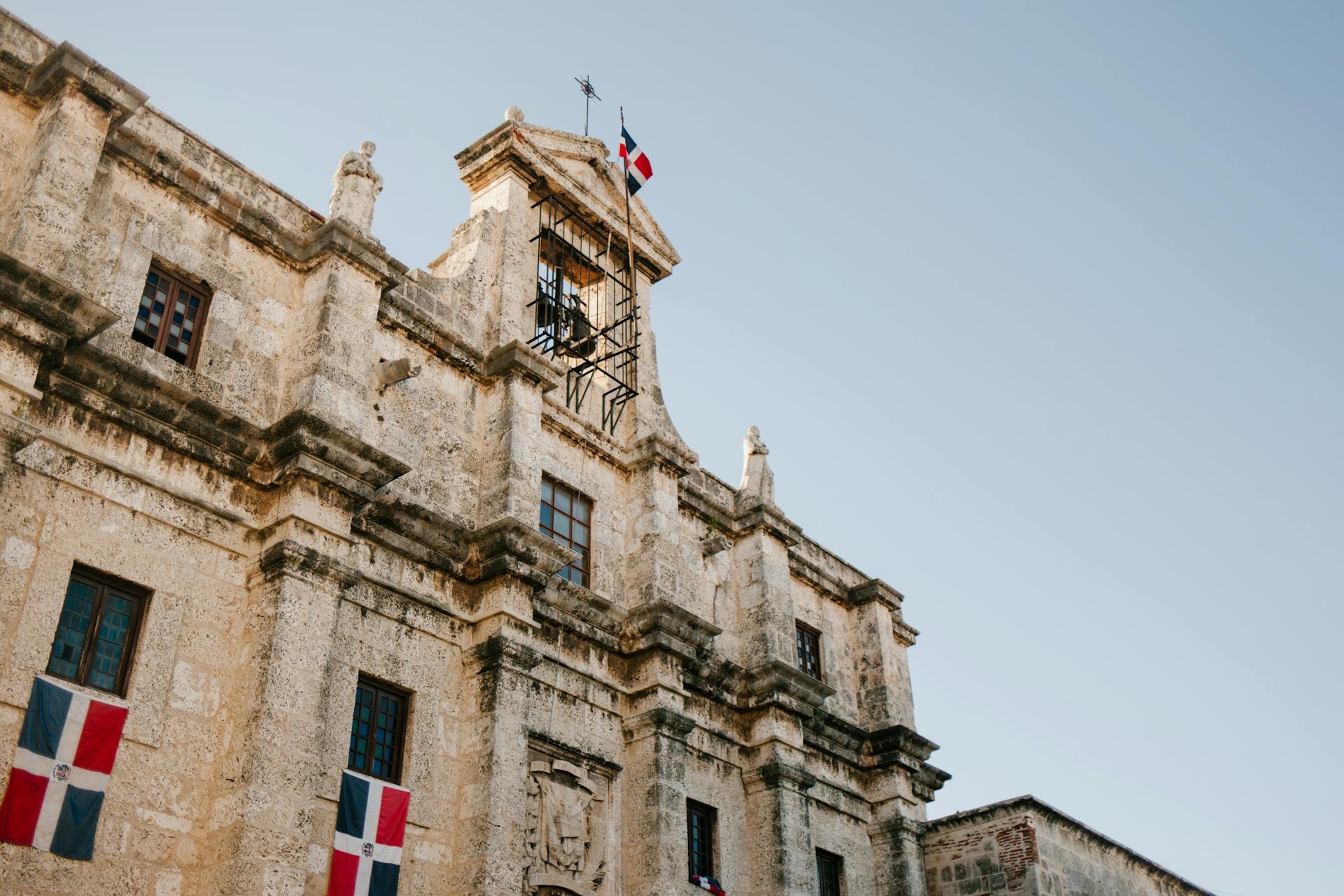
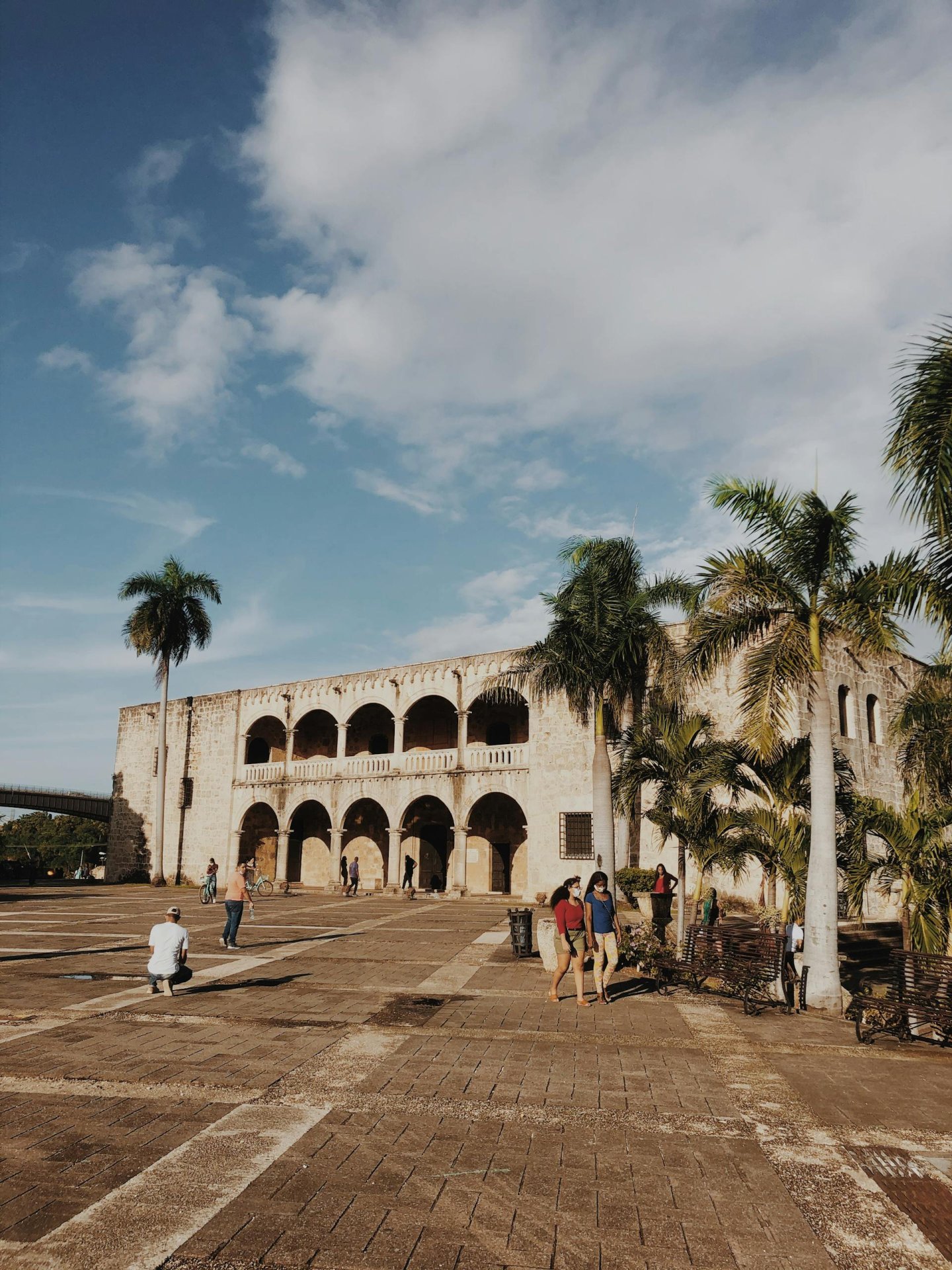
Photos from La Romana

Frequently asked questions
Casa de Campo is a 7,000-acre private resort and residential community outside La Romana. It has three Pete Dye-designed golf courses including the famous Teeth of the Dog, a full-service marina, polo grounds, a beach club on Minitas Beach, and high-end villas for rent and sale. It attracts wealthy Dominican families, Latin American elite, and international buyers who want security, golf, and a managed lifestyle. Monthly costs inside Casa de Campo start around $2,500 and go well above that.
A normal Dominican city of about 250,000 people. It has supermarkets, banks, private clinics, local restaurants, and the practical services of a mid-sized Dominican urban centre. It is not oriented toward expats. Most foreigners in the area are inside Casa de Campo or in the resort zone. Outside the gates, La Romana is affordable, around $1,000 to $1,500/mo, and very Dominican.
Bayahibe is 20 minutes east and is the jumping-off point for Isla Saona and Isla Catalina. Saona is one of the most photographed beaches in the Caribbean, though it gets crowded with group tours. Catalina has excellent snorkelling. Altos de Chavón is a replica 16th-century Mediterranean village on a cliff above the Río Chavón, built in the 1970s as an artists' colony and now part of Casa de Campo.
Casa de Campo has its own medical centre for residents and guests. Outside the gates, local clinics handle routine care. For serious cases, Santo Domingo is about 1.5 hours west on the Las Américas highway, which is a straight, fast road. The access to the capital is one of the practical advantages of the La Romana location.
It is the best golf destination in the Caribbean. Teeth of the Dog at Casa de Campo is regularly ranked among the top courses in the world. The Links and Dye Fore are the other two Pete Dye-designed courses on the property. Non-residents can book tee times but costs are high. If golf is your primary activity, La Romana is the most serious option in the entire region.