

Santiago de los Caballeros is the DR's second-largest city, set inland in the Cibao valley. It is drier than the coast and pleasant through the winter months, but summer heat with no sea breeze is a real drawback. It is a business and industrial hub with a strong local culture, good private schools, and infrastructure that rivals Santo Domingo at a lower price point. It attracts expats who want urban amenities without capital-city crowds or costs.

Is Santiago right for you?
Santiago suits expats who want a proper Dominican city experience at lower cost than the capital. Those who want to be genuinely embedded in Dominican culture rather than an expat enclave, professionals who find the capital too hectic, and retirees who want urban amenities in a drier climate than the coast will find it well suited to them.
Is Santiago safe?
Santiago scores 6.5 out of 10 for safety on the DR Living Index. Santiago is generally considered safer than Santo Domingo on a city-wide basis. The better residential neighbourhoods are calm and well-maintained.
The safety card below has the full picture for Santiago, and the DR safety guide covers the whole country.
What the scores mean
Santiago offers good value relative to Santo Domingo. A quality furnished apartment in the best residential areas costs $600 to $1,400 per month, noticeably less than the capital for comparable quality. Food is cheaper, transport is cheaper, and entertainment costs less.
Santiago is generally considered safer than Santo Domingo on a city-wide basis. The better residential neighbourhoods are calm and well-maintained. The expat experience tends to be positive from a safety perspective when sensible neighbourhood choices are made.
Santiago has solid private healthcare with several well-regarded private hospitals and specialist coverage for most routine and intermediate medical needs. For the rare case that still needs the capital, Santo Domingo is 2 to 2.5 hours by road. Named facilities: Hospital Metropolitano de Santiago (HOMS) is the flagship private hospital, around 400 beds and 16 operating rooms with many US-trained specialists, among the most advanced in the Caribbean and marketed for medical tourism (consultations roughly 32 to 80 US dollars). It gained Accreditation Canada's Platinum rating in June 2026. Clínica Unión Médica del Norte is the other large private hospital, with two new towers that added 92 rooms and 82 consulting rooms. Clínica Corominas is a smaller, long-established option. The public Hospital José María Cabral y Báez is the referral hospital for the whole north but has been under reconstruction for years.
Fibre internet is well established in Santiago's residential areas. Speeds of 50 to 200 Mbps are typical and reliability has improved significantly. The city has a growing tech sector which has driven investment in connectivity.
Santiago has a different character from the coastal towns. This is a Dominican city first: the expat community is smaller and more integrated with local society. The food scene is strong, Santiago is known throughout the DR for its food culture. Live music and cultural events are more frequent than most expats expect.
Big-city retail without capital prices. Santiago has PriceSmart, Jumbo, modern malls, dealerships and every trade and service, and it acts as the shopping hub for the whole Cibao. The only thing missing is a coastal boutique scene. Getting around is improving too: the cable car is running, the 13 km monorail began train testing in October 2026 with a gradual opening promised before the end of the year, and Cibao airport's new terminal is due in 2027.
Monthly budget breakdown
Map of Santiago
Neighbourhoods in Santiago
Los Jardines Metropolitanos
The prime residential and commercial corridor. Best restaurants, private clinics, and shopping in the city, and the most popular expat area.
Bella Vista →
Upper-middle residential area. Quiet, green streets, and popular with professionals and families.
Centro Histórico
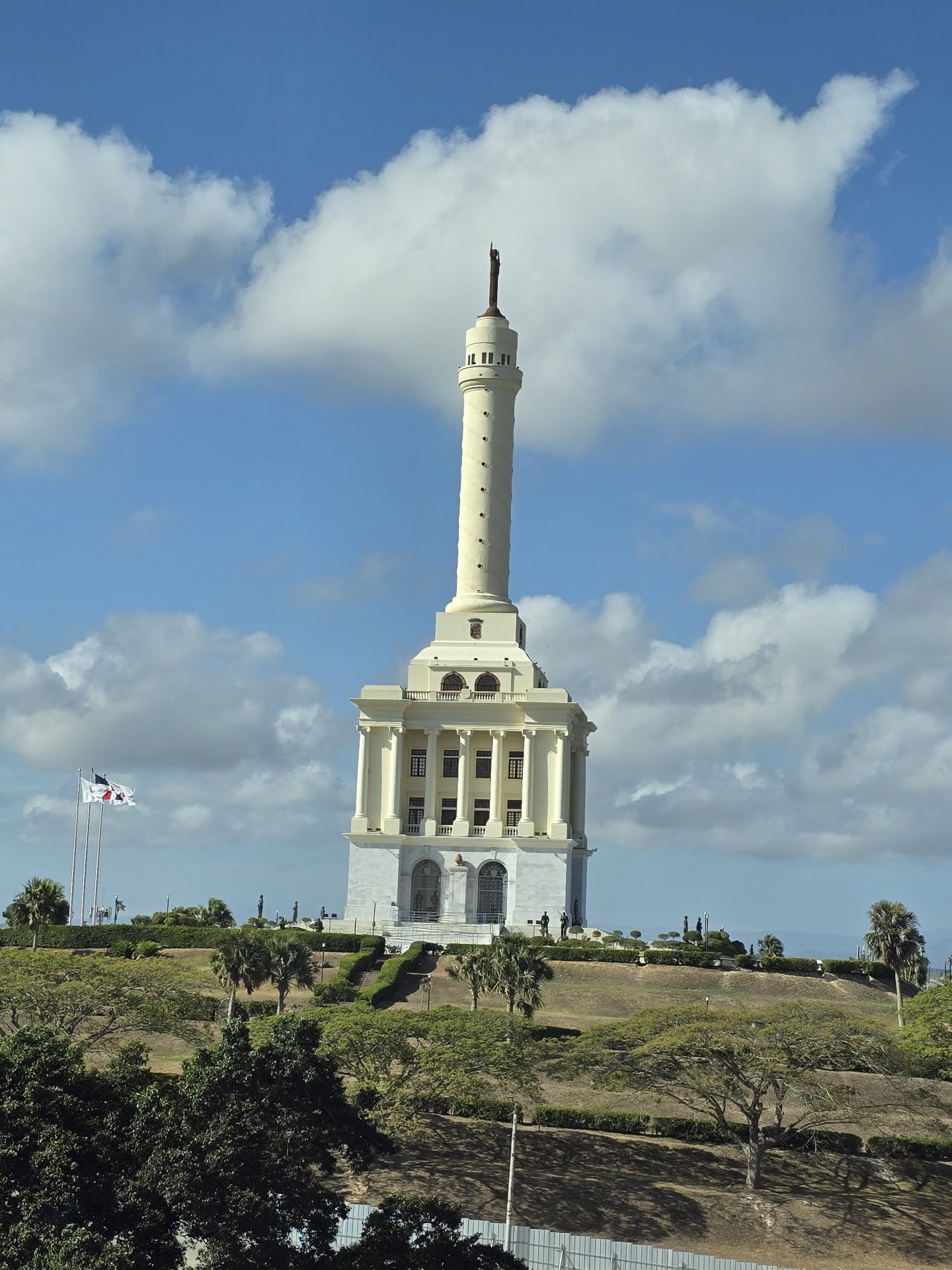
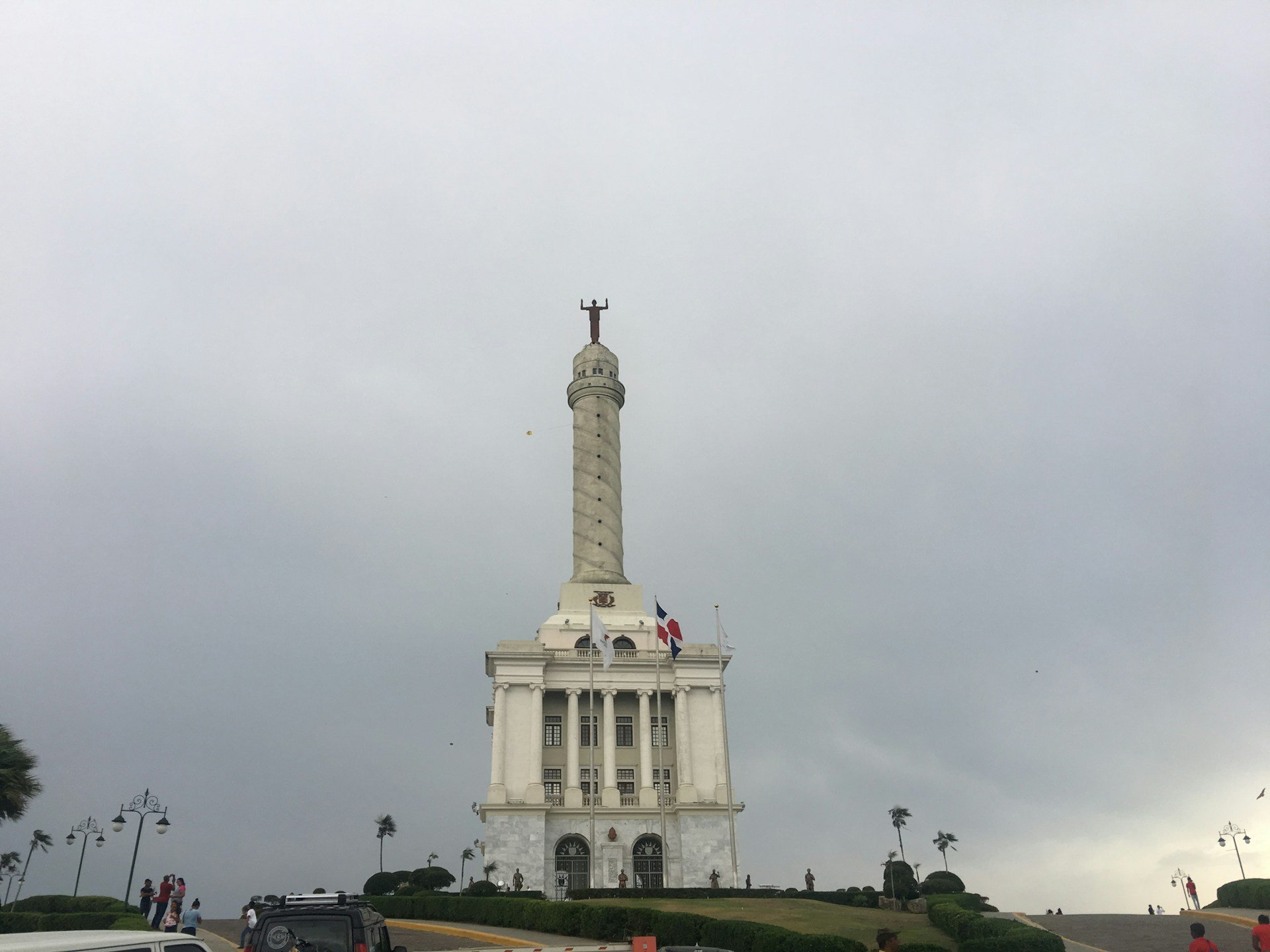
The historic centre around the Monument to the Heroes. Commercial and lively. Less residential for expats.
Moca
Agricultural town 30 to 45 minutes east. Famous for coffee and a quieter pace.
Constanza
High-altitude mountain town 2 hours south. Dramatically cooler, famous for strawberries and vegetables.
Living in Santiago: the honest picture
What works well
- Drier climate than the coast, with cool winter evenings
- Lower cost than Santo Domingo
- Good private schools and healthcare
- Strong local culture and Dominican social life
- Less traffic than the capital
- Growing restaurant and entertainment scene
Watch out for
- Valley heat from July to September regularly tops a 38C heat index, summer power cuts are more frequent, and there is no beach
- Smaller international expat community
- Fewer English speakers than tourist areas
- No beach: the north coast is 1 to 1.5 hours away by road
- Less variety in international cuisine
- Fewer direct international flights
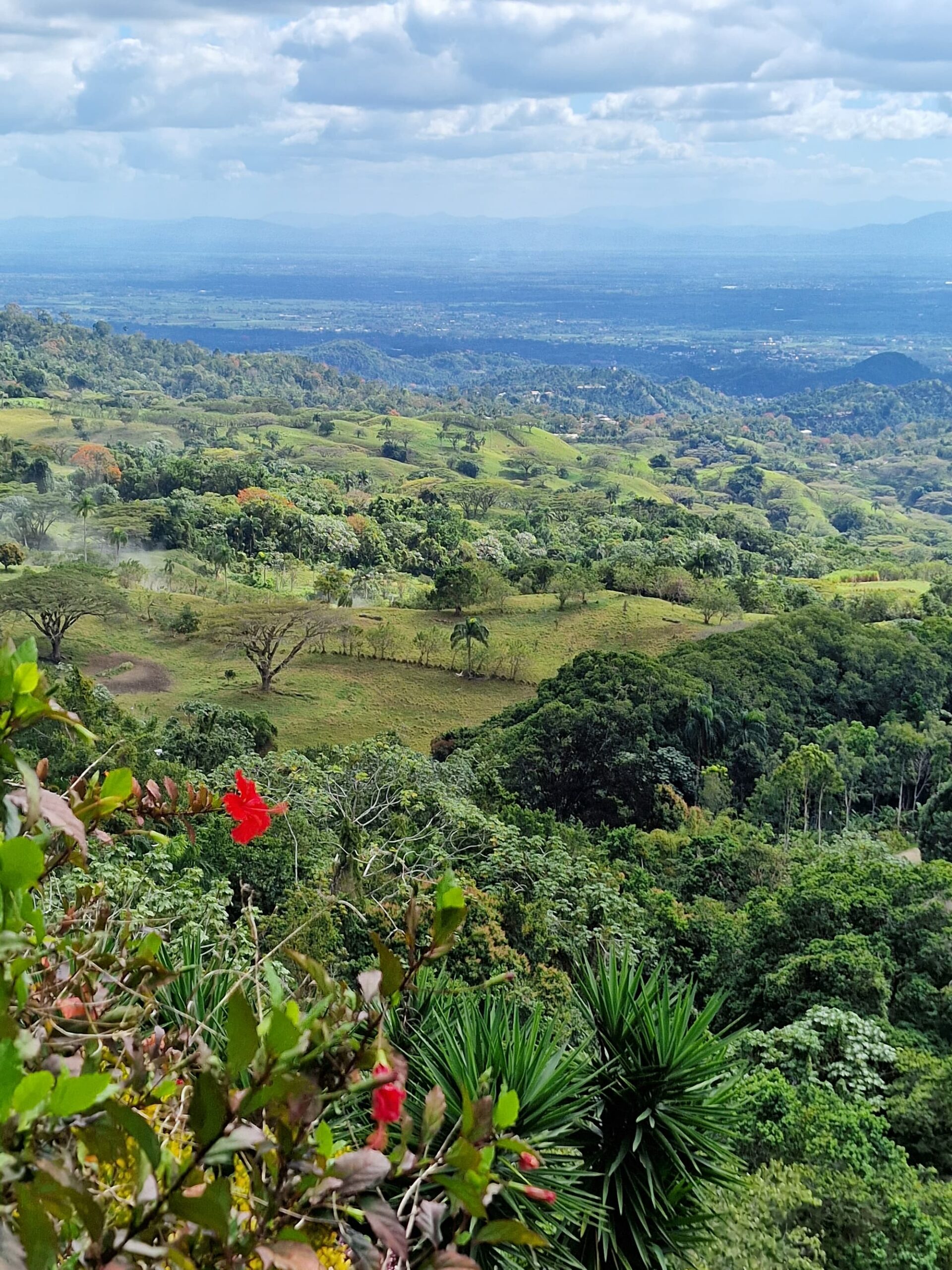
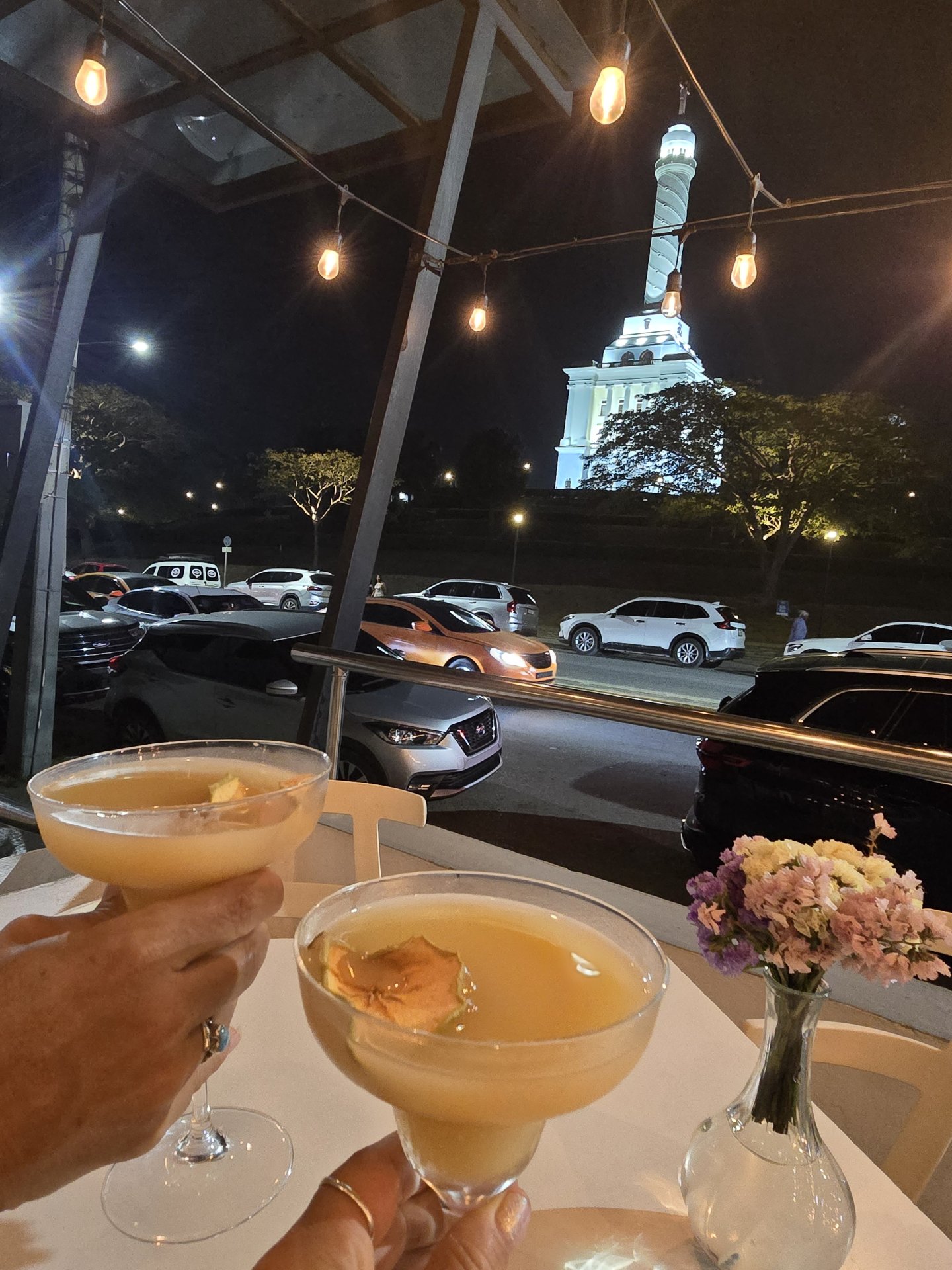
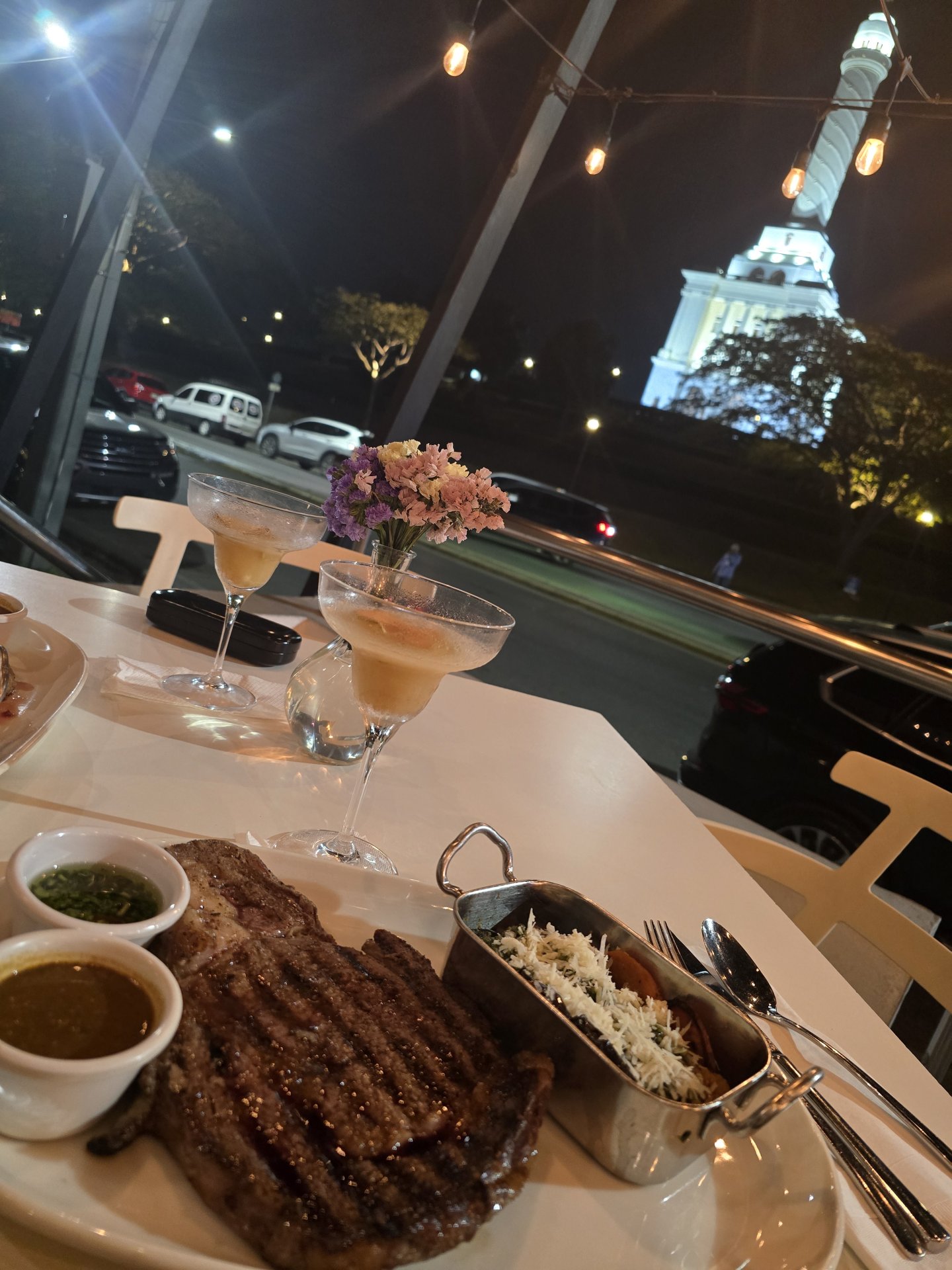
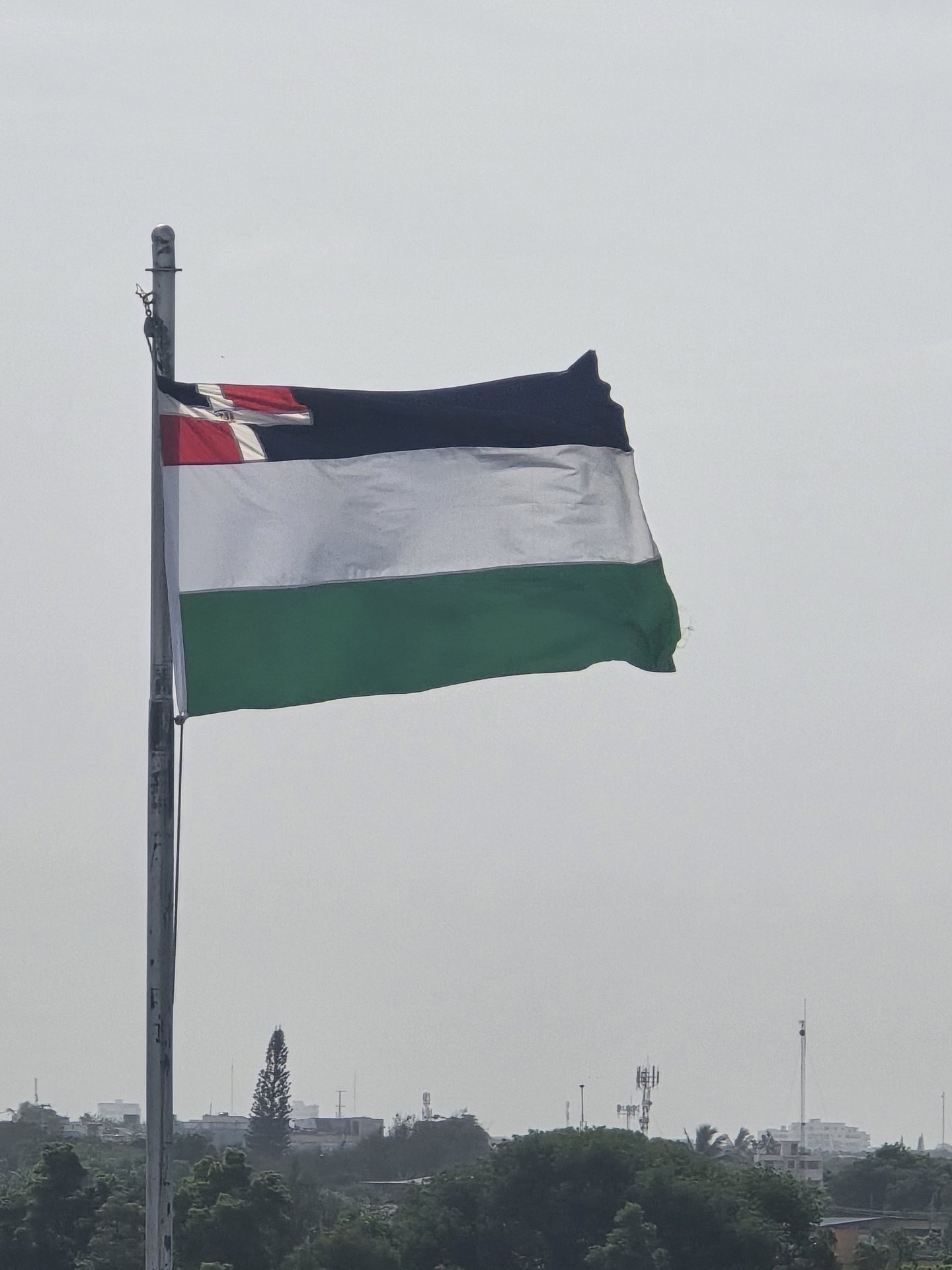
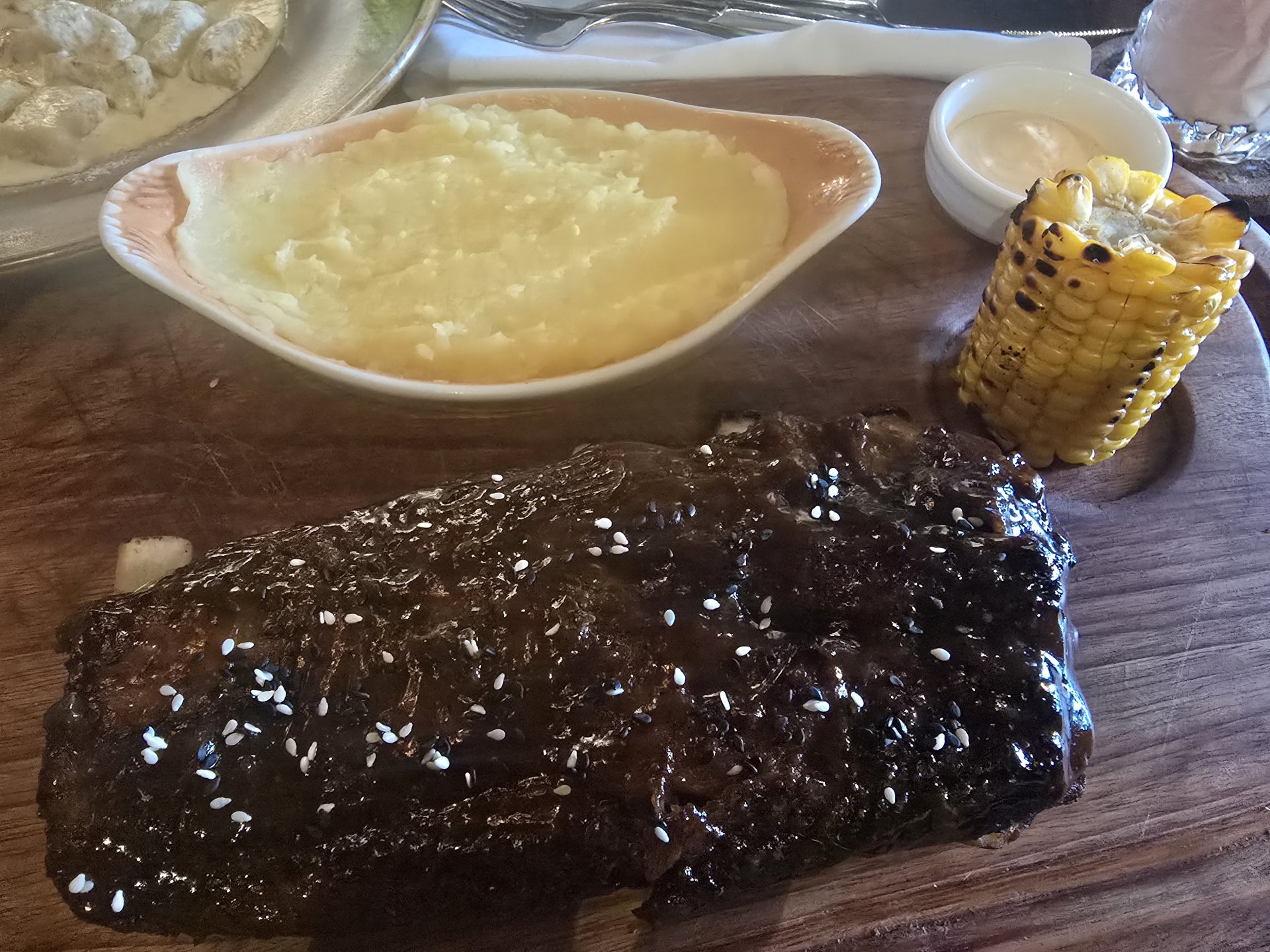
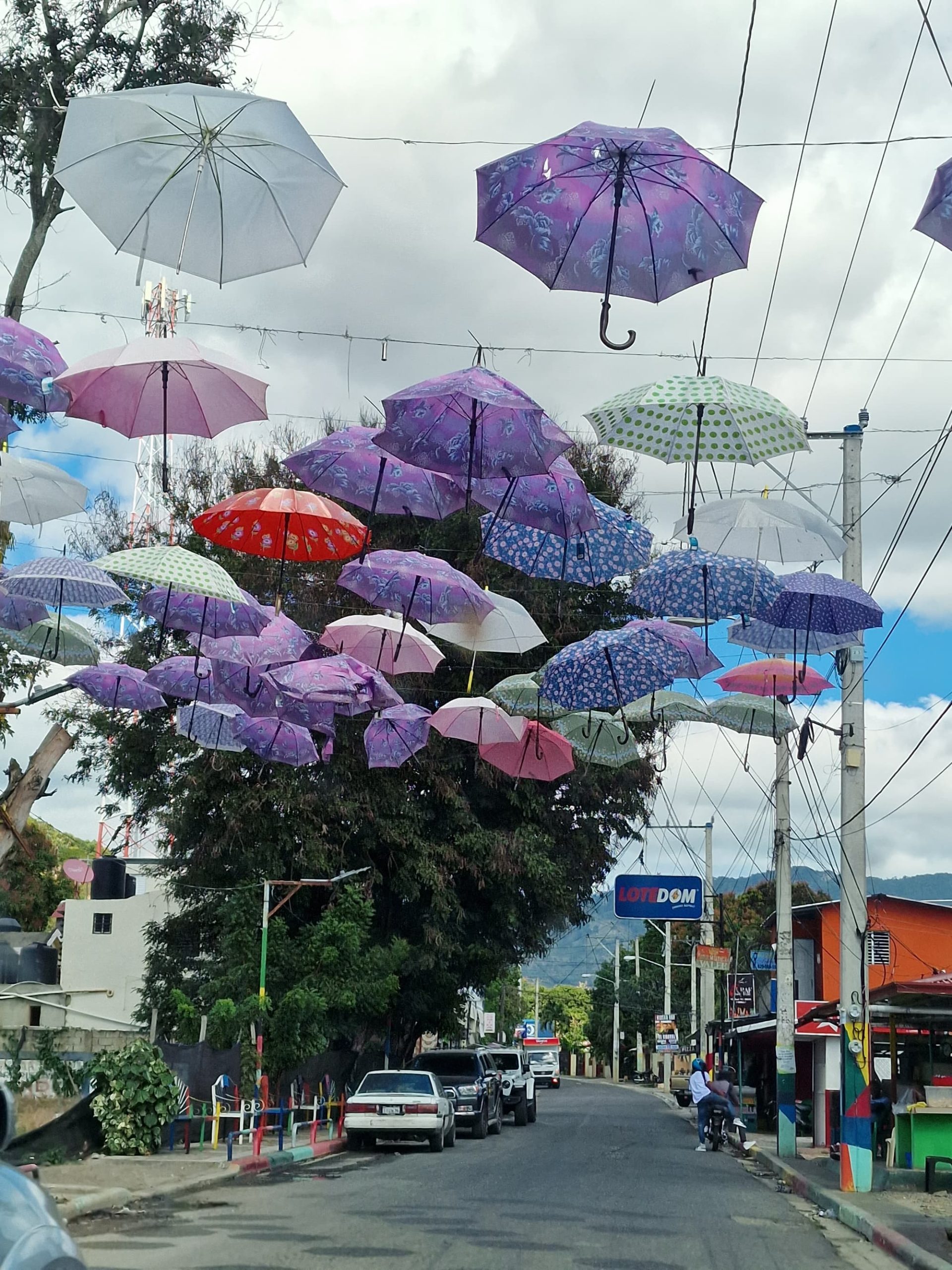
Photos from Santiago


Frequently asked questions
It is a proper Dominican city with university culture, manufacturing, and commerce. Bella Vista and Los Jardines are the best residential neighbourhoods for expats: quieter, greener, and close to the main private facilities. It is hot inland, regularly 35°C or above in summer, with no sea breeze to help. The trade-off is lower cost than Santo Domingo and better services than the north coast.
Hospital Metropolitano de Santiago (HOMS) is the best private hospital outside Santo Domingo and handles complex cases that would otherwise require the capital, with Clínica Unión Médica del Norte a strong second. The public Hospital José María Cabral y Báez is the referral hospital for the whole north but has been under reconstruction for years. For expats living in Cabarete, Sosúa, Jarabacoa, or the Cibao Valley, Santiago is the realistic go-to for anything serious. Santiago is the healthcare anchor for the entire northern half of the DR.
Bella Vista is the most popular: mid-rise residential, close to Pontificia Universidad Católica Madre y Maestra, good restaurants nearby. Los Jardines is similarly comfortable and slightly more established. Both are safe for day-to-day movement. Avoid unfamiliar outer barrios at night. Santiago does not have Piantini-level sophistication but the named areas are comfortable.
About 1 hour to Puerto Plata on the current road through Navarrete, and 1.25 to 1.5 hours to Cabarete. The Autopista del Ámbar, a 32.7 km four-lane expressway with two tunnels, was awarded in July 2026 with a 30-month build and is meant to cut Santiago to Puerto Plata to around 30 to 35 minutes. The mountains between Santiago and the coast mean temperatures change noticeably on the drive. A lot of Santiago residents do a beach day on weekends without it being a major expedition. For full-time beach access, it is not the right base, but for occasional coastal trips it works well.
Full city life: shopping malls, markets, cinemas, universities, a busy restaurant scene, and nightlife. The Monumento a los Héroes de la Restauración is the city landmark. There is a genuine cultural life here that smaller expat towns cannot match. Traffic is heavy during rush hour. Uber operates. It is genuinely livable without feeling as overwhelming as Santo Domingo.