

Juan Dolio occupies a useful middle ground for expats who want beach living without full isolation from urban infrastructure. The town sits 45 minutes east of Santo Domingo along the south coast, giving residents access to the capital's hospitals, restaurants, and airports while living at a slower coastal pace. The beach is good, the residential character is quiet, and costs are noticeably lower than the capital or Punta Cana. The expat community is modest but established, with a mix of retirees and remote workers who value the capital proximity.

Is Juan Dolio right for you?
Juan Dolio suits expats who want beach living with capital proximity: retirees who need regular specialist care, couples who want a quieter residential beach environment, and those who want to access Santo Domingo for work or social life without actually living there. It is not the best choice for those wanting a busy expat social scene, the most active beach destination, or the lowest possible cost.
Is Juan Dolio safe?
Juan Dolio scores 7.5 out of 10 for safety on the DR Living Index. Juan Dolio is generally safe in the residential and beach areas. The town does not have the tourist concentration that attracts petty crime in larger destinations, and much of the housing sits inside gated complexes with their own 24-hour security, such as Guavaberry and Metro Country Club.
The safety card below has the full picture for Juan Dolio, and the DR safety guide covers the whole country.
What the scores mean
Juan Dolio sits in the mid-range for DR cost. Furnished apartments and villas rent for roughly $500 to $1,400 per month depending on beach proximity and quality; a two-bedroom a few minutes from the beach is typically $750 to $1,000. Day-to-day costs are lower than Santo Domingo or Punta Cana, and a single person in a one-bedroom lands around $1,200 to $1,400 a month all in, a couple in a two-bedroom around $2,100.
Juan Dolio is generally safe in the residential and beach areas. The town does not have the tourist concentration that attracts petty crime in larger destinations, and much of the housing sits inside gated complexes with their own 24-hour security, such as Guavaberry and Metro Country Club. The incidents the National Police report from the area are the opportunistic kind, thefts from villas and hotel safes rather than violent crime. Standard precautions apply elsewhere: a secure building, no visible valuables at night, agreed-fare taxis.
The proximity to Santo Domingo (45 minutes) is the primary healthcare advantage. Locally, there are basic clinics. For anything significant, the capital's private hospitals, some of the best in the Caribbean, are accessible without a long journey. Local provision is limited, but access to the best healthcare in the country is excellent.
Fibre is available in most of Juan Dolio's residential areas. Speeds of 30 to 80 Mbps are typical, better in the newer complexes, and adequate for reliable remote work.
Juan Dolio offers beach life with capital access. The beach is good, the pace is relaxed, and the proximity to Santo Domingo means access to the best restaurants, healthcare, and entertainment in the DR within an easy drive. Two golf communities, Guavaberry (Gary Player, 2002) and Metro Country Club with its Los Marlins course, add a resort element for those who want it. It suits those who want beach living without complete urban isolation.
Juan Dolio has supermarkets, pharmacies and a growing strip of restaurants and plazas, and what it lacks is close by: San Pedro de Macorís is 15 minutes away and Santo Domingo's full retail scene is under an hour on the highway. Very workable for daily life.
Monthly budget breakdown
Map of Juan Dolio
Neighbourhoods in Juan Dolio
Juan Dolio Beach Strip
The main residential and beach area. Apartments, villas, and small hotels along the coast. The heart of expat life here.
Guavaberry Golf Community
Gated community centred on a Gary Player golf course. Higher-end residential properties, security, and a club atmosphere.
Metro Country Club
Gated community of more than 1,000 homes around the Los Marlins golf course, with 24-hour security, tennis, and two resort hotels inside the gates.
Villas del Mar
The newer end of Juan Dolio, where apartment towers are replacing the old all-inclusives. Pool and tennis complexes, quieter than the main strip.
Boca Chica
Beach town 15 minutes west toward Santo Domingo. Livelier, more local character. Popular as a day-trip destination.
San Pedro de Macorís
Provincial capital 20 minutes east. Full urban services, cheaper than Santo Domingo, and a useful support hub.
Living in Juan Dolio: the honest picture
What works well
- 45 minutes from Santo Domingo and its hospitals
- Good beach and quieter residential atmosphere
- Lower cost than the capital
- Gated golf communities (Guavaberry, Metro Country Club)
- Easy airport access via Las Americas
Watch out for
- Smaller expat community than Cabarete or Las Terrenas
- Fewer dining and entertainment options locally
- Traffic to Santo Domingo can be slow during peak hours
- Less character than the beach towns
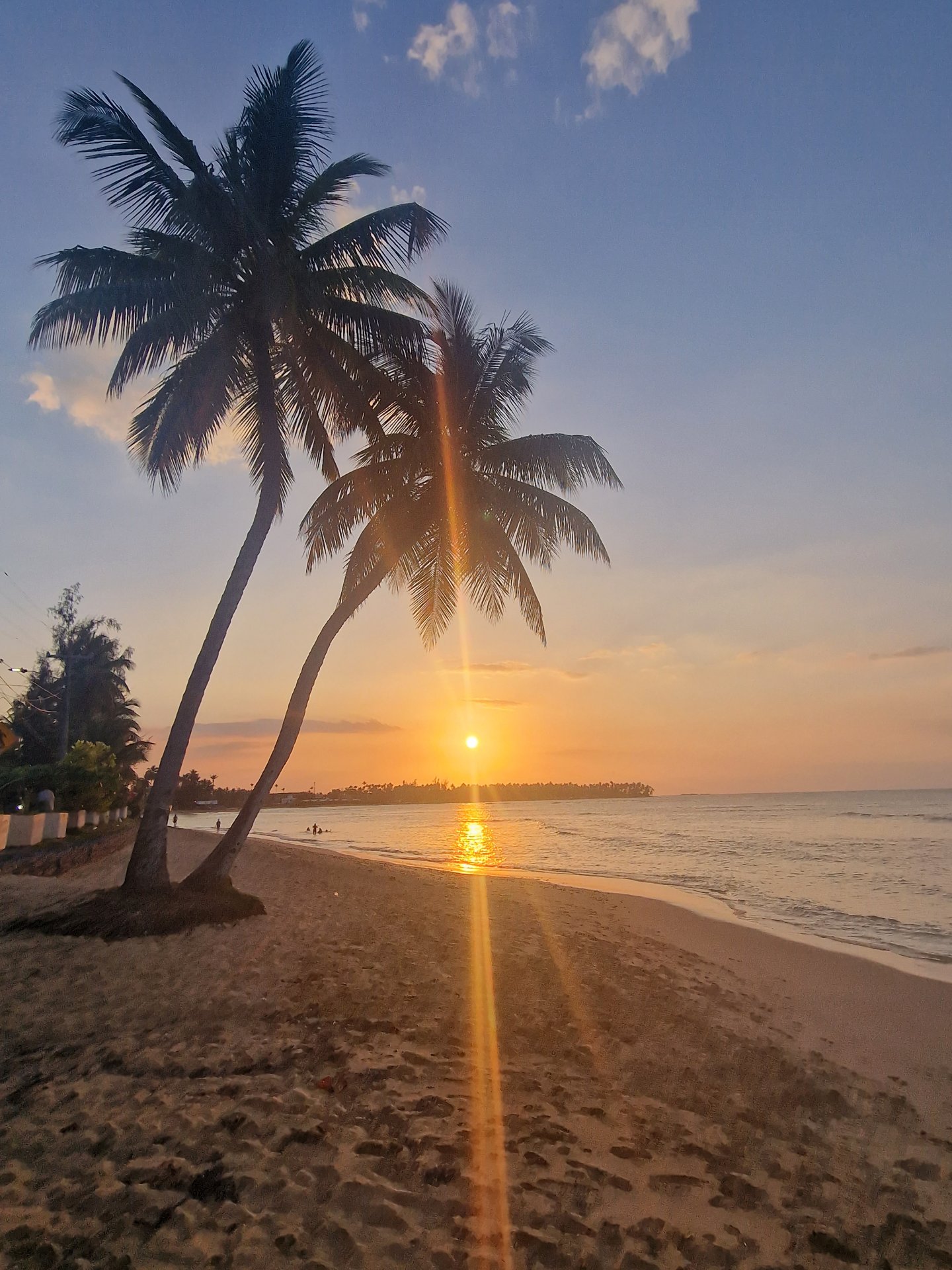
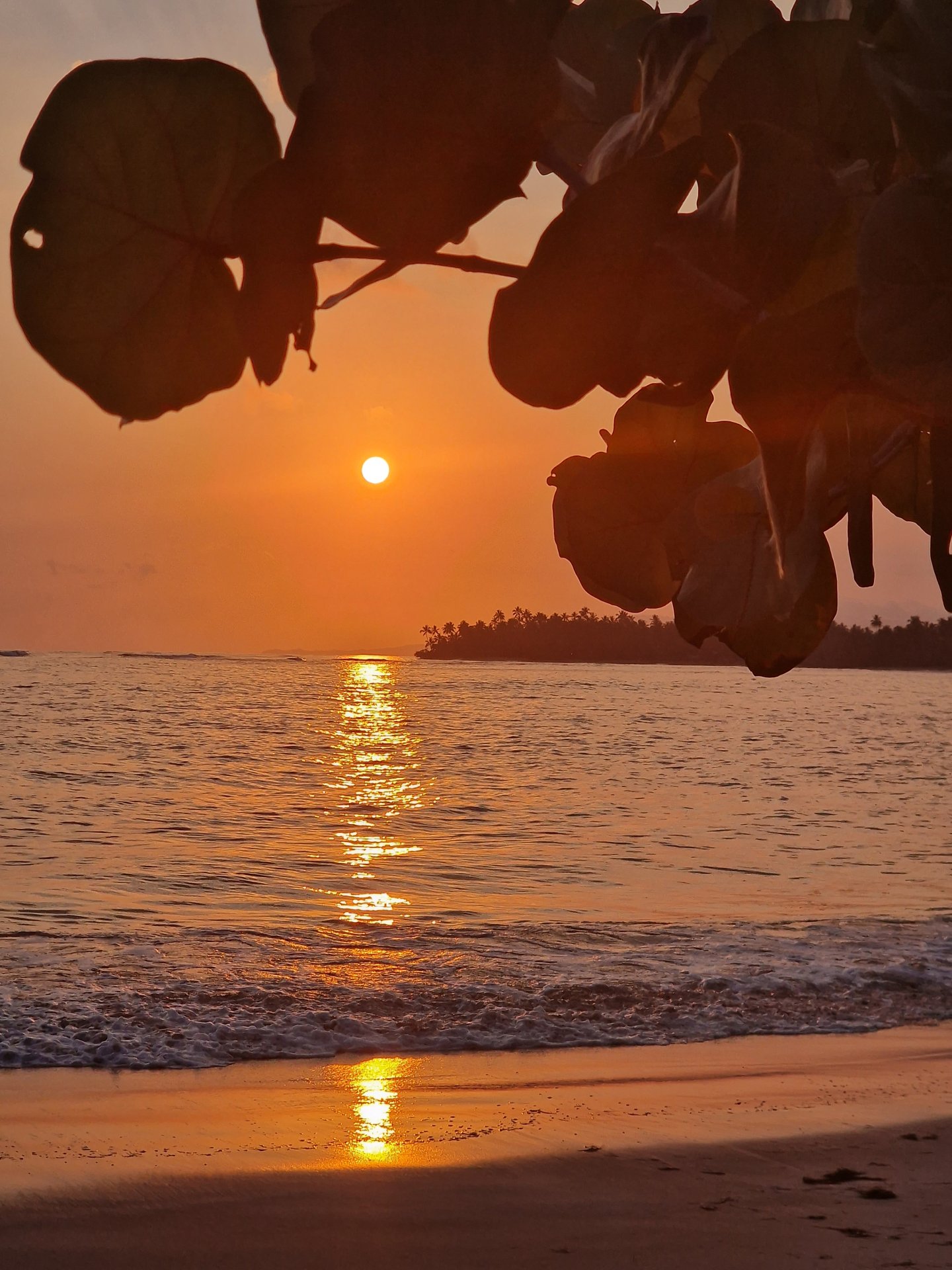
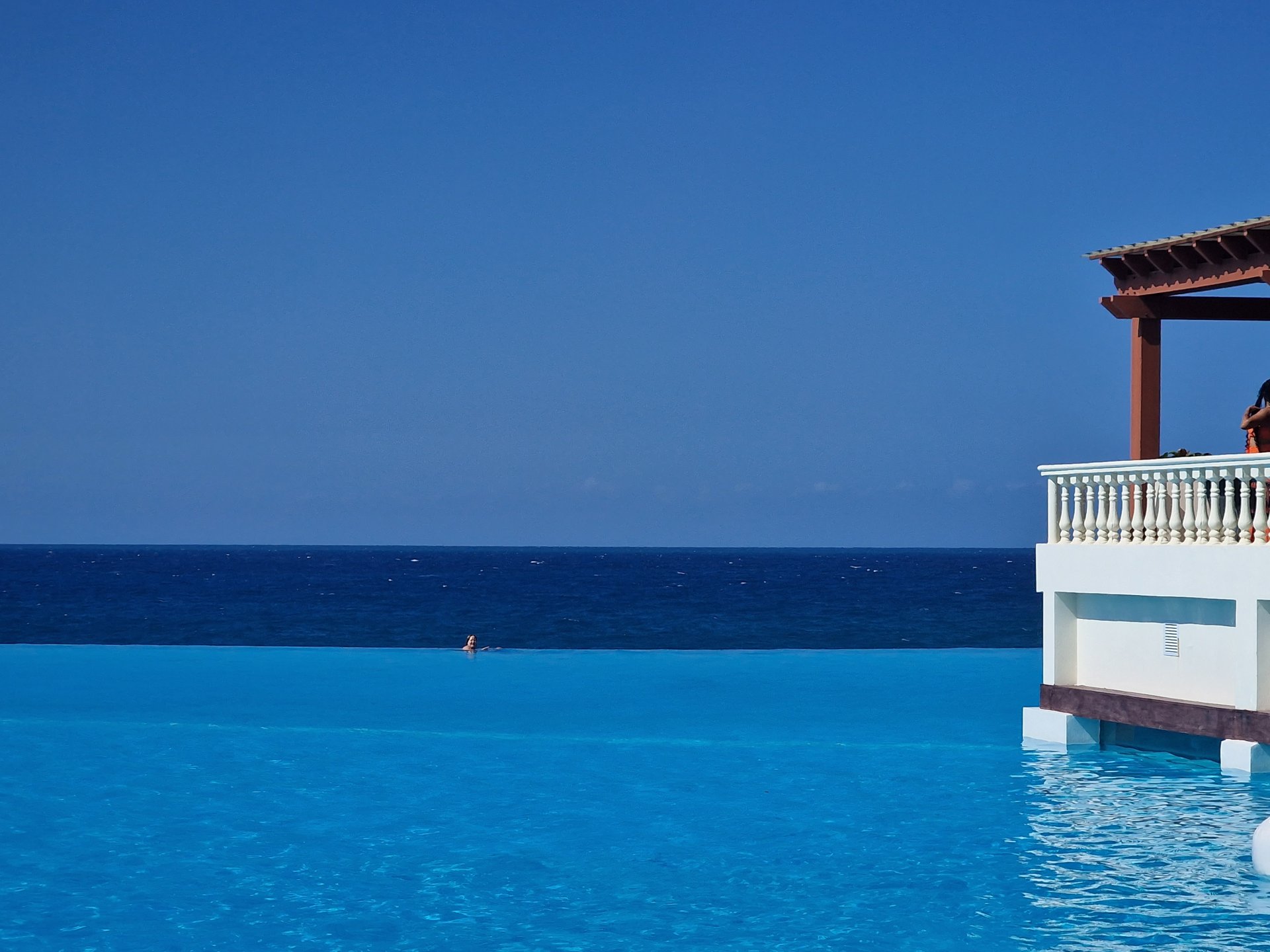
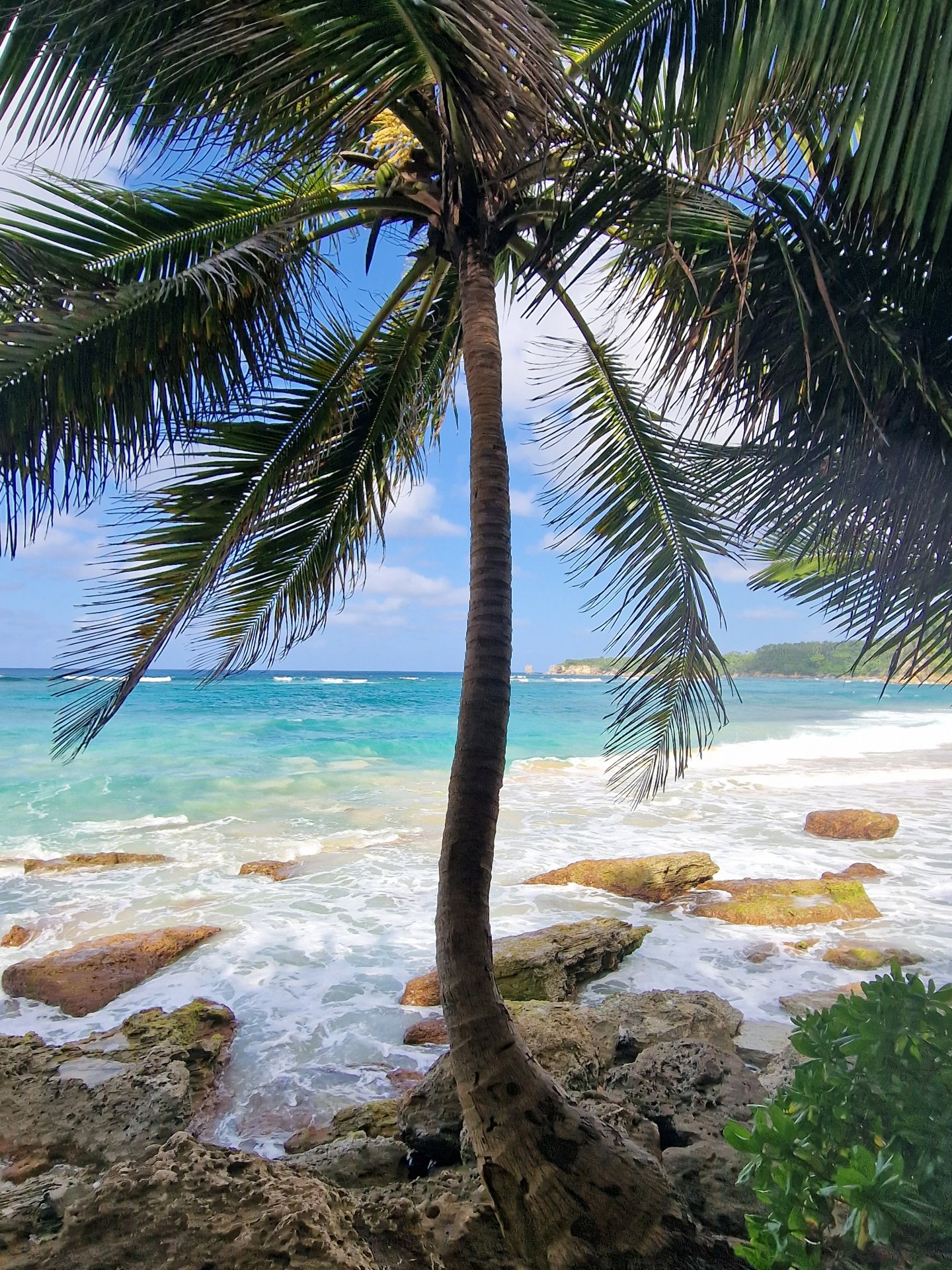
Photos from Juan Dolio
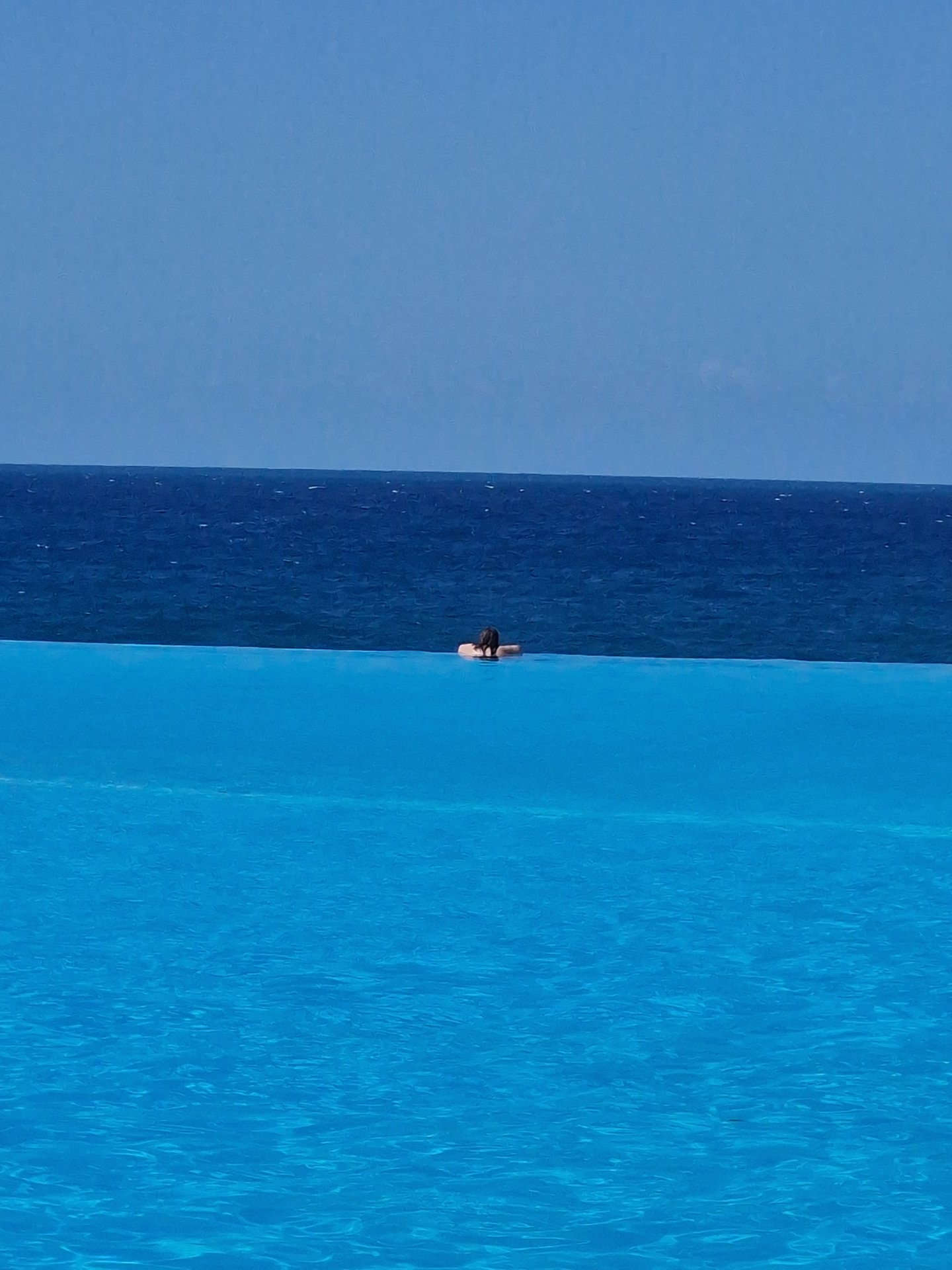
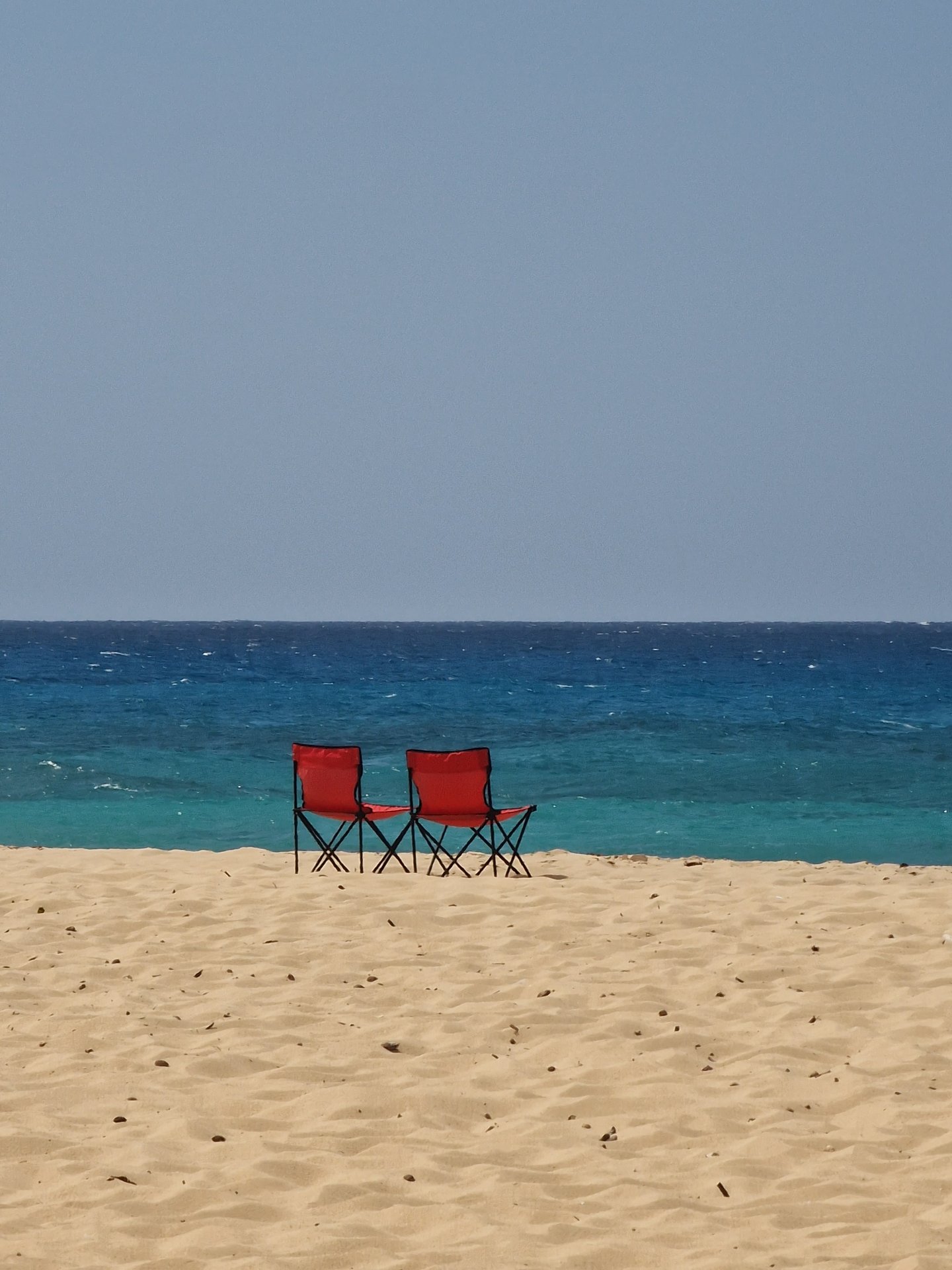
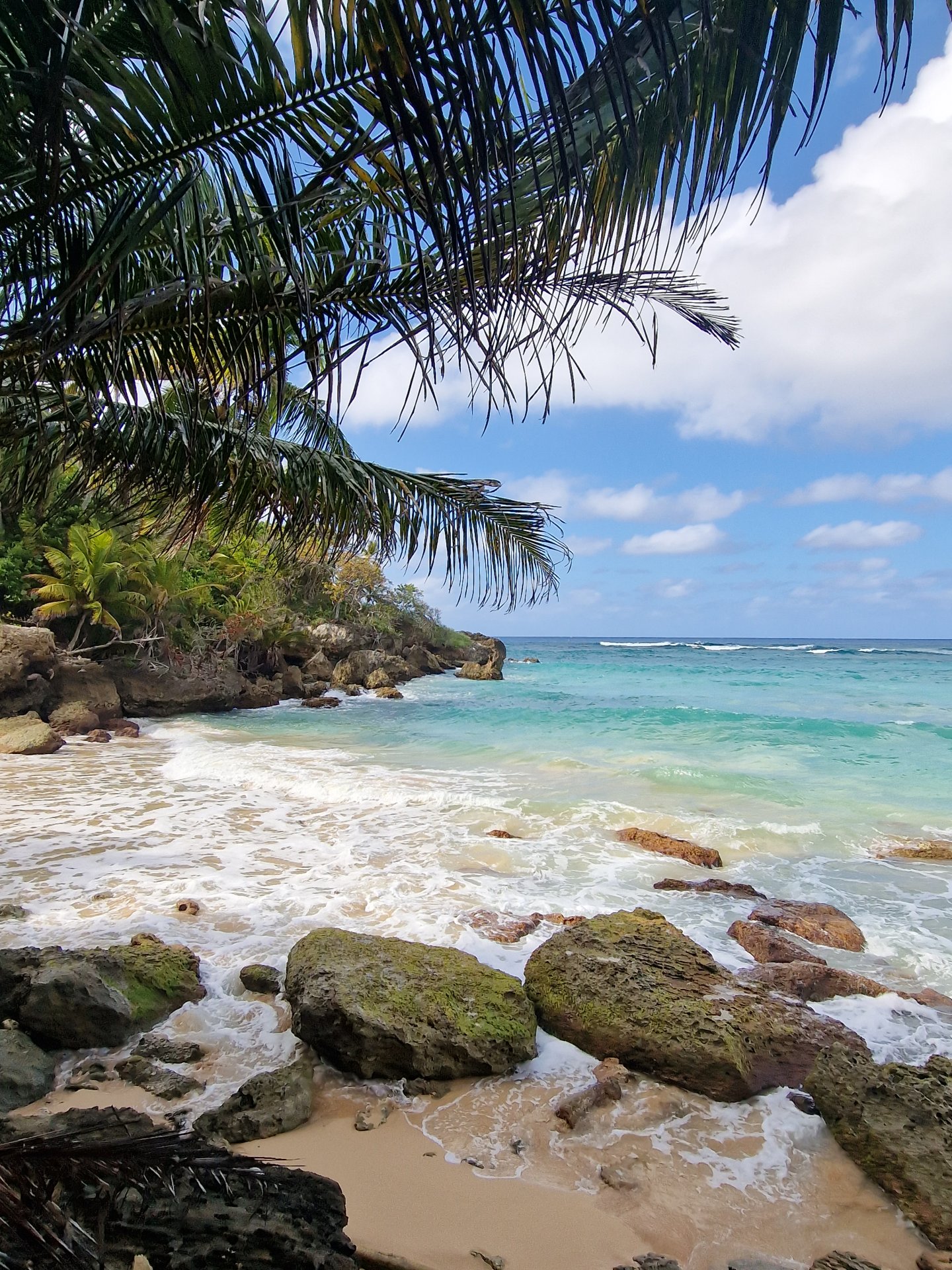
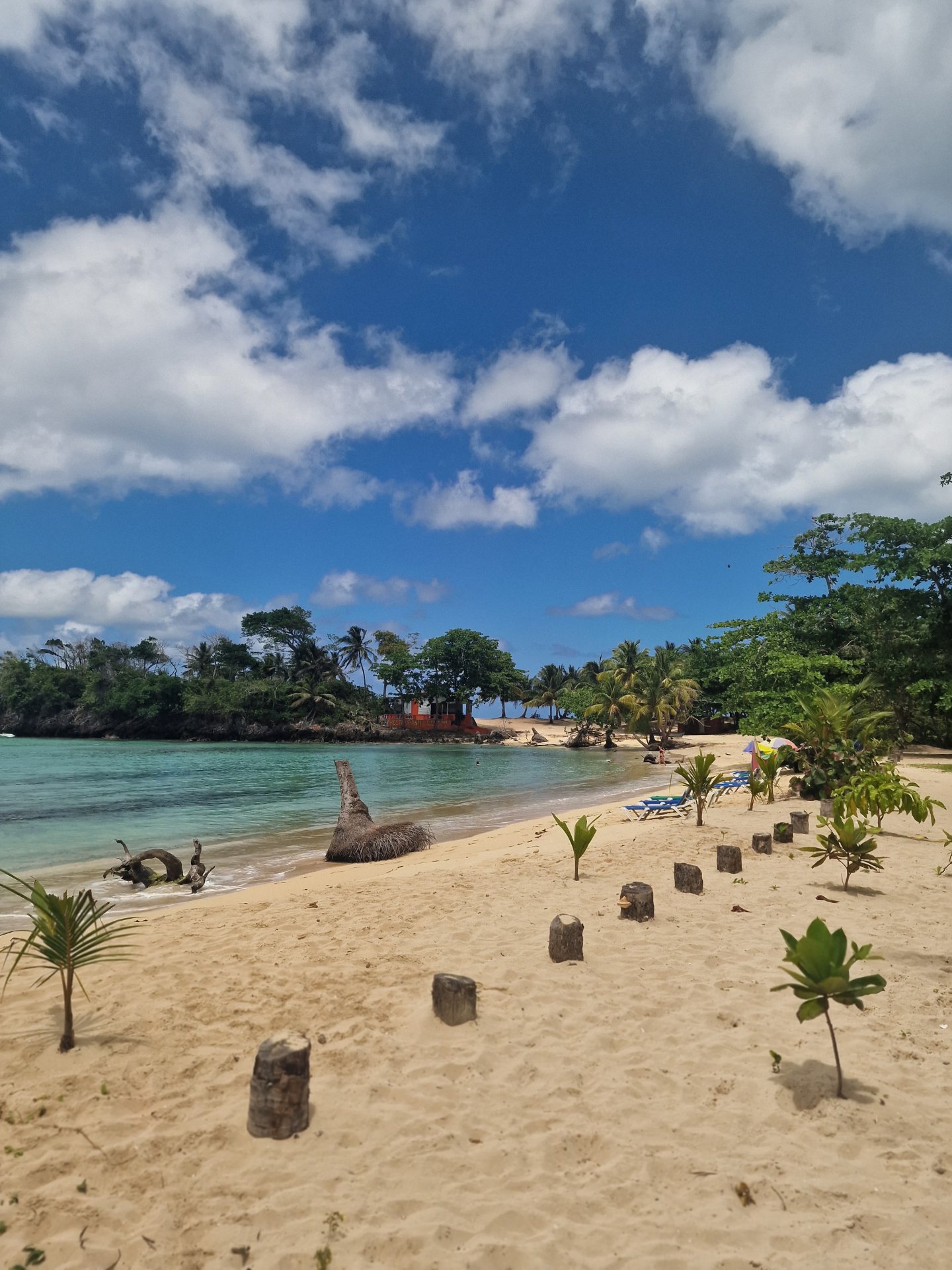
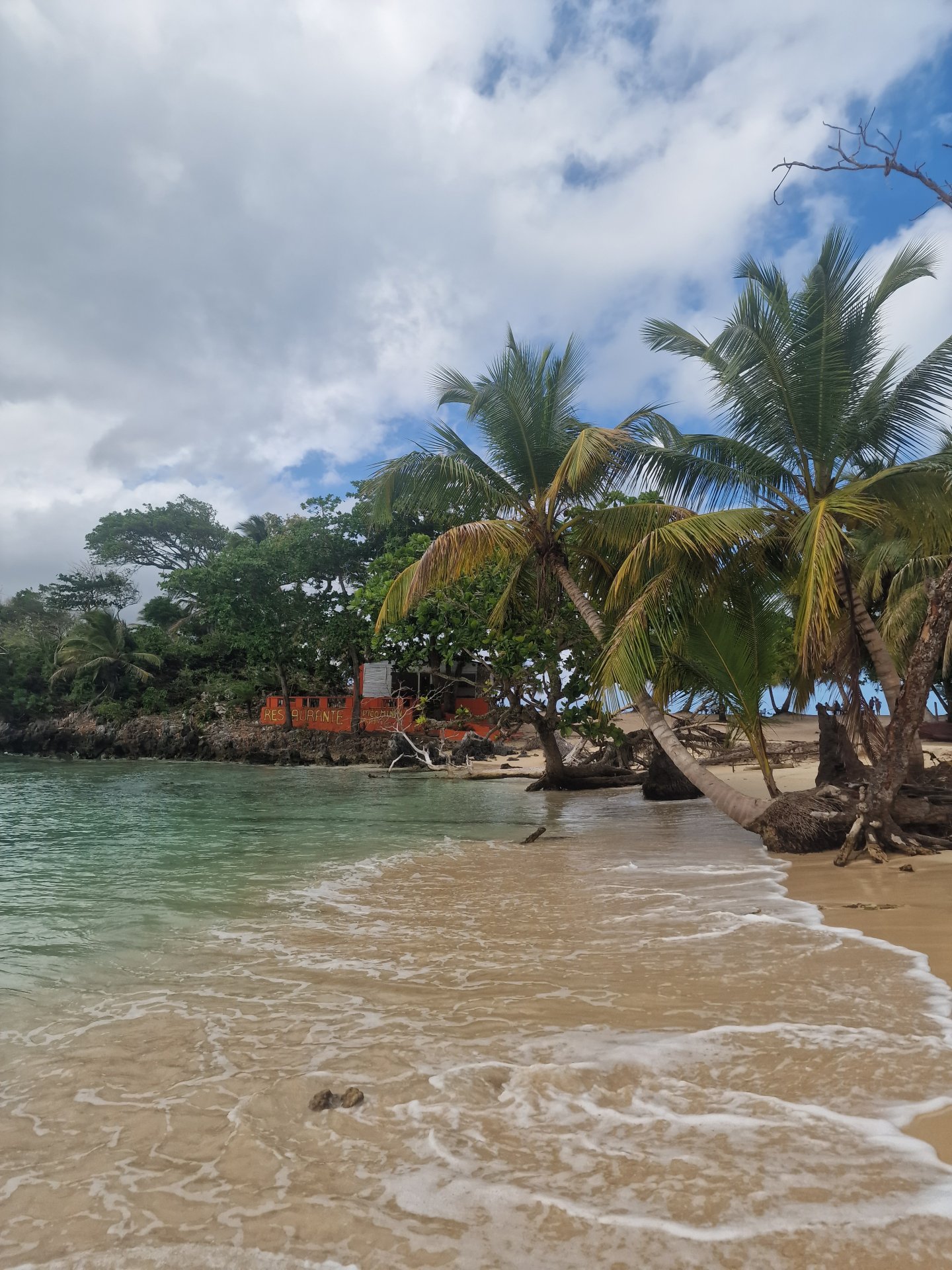
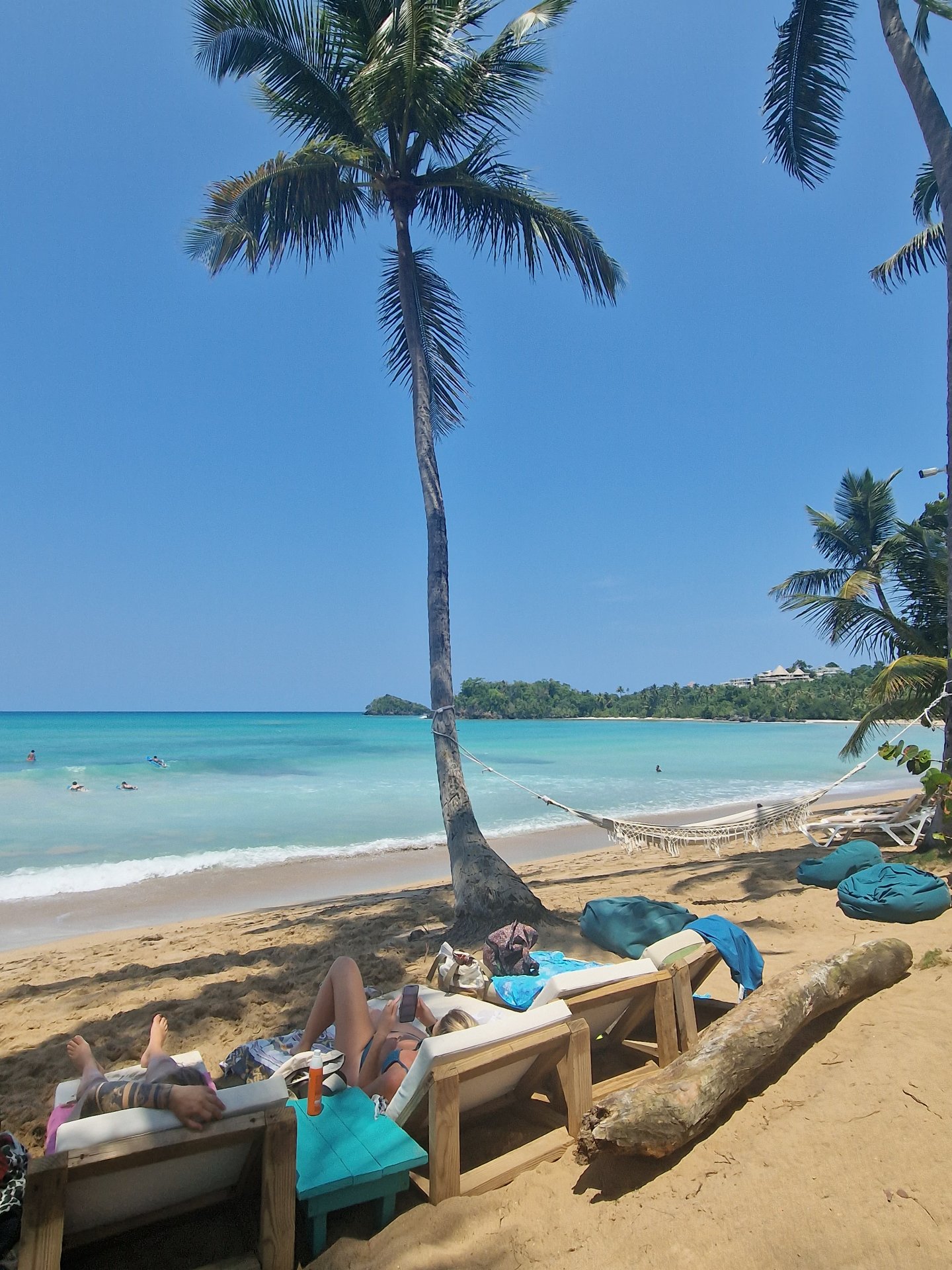

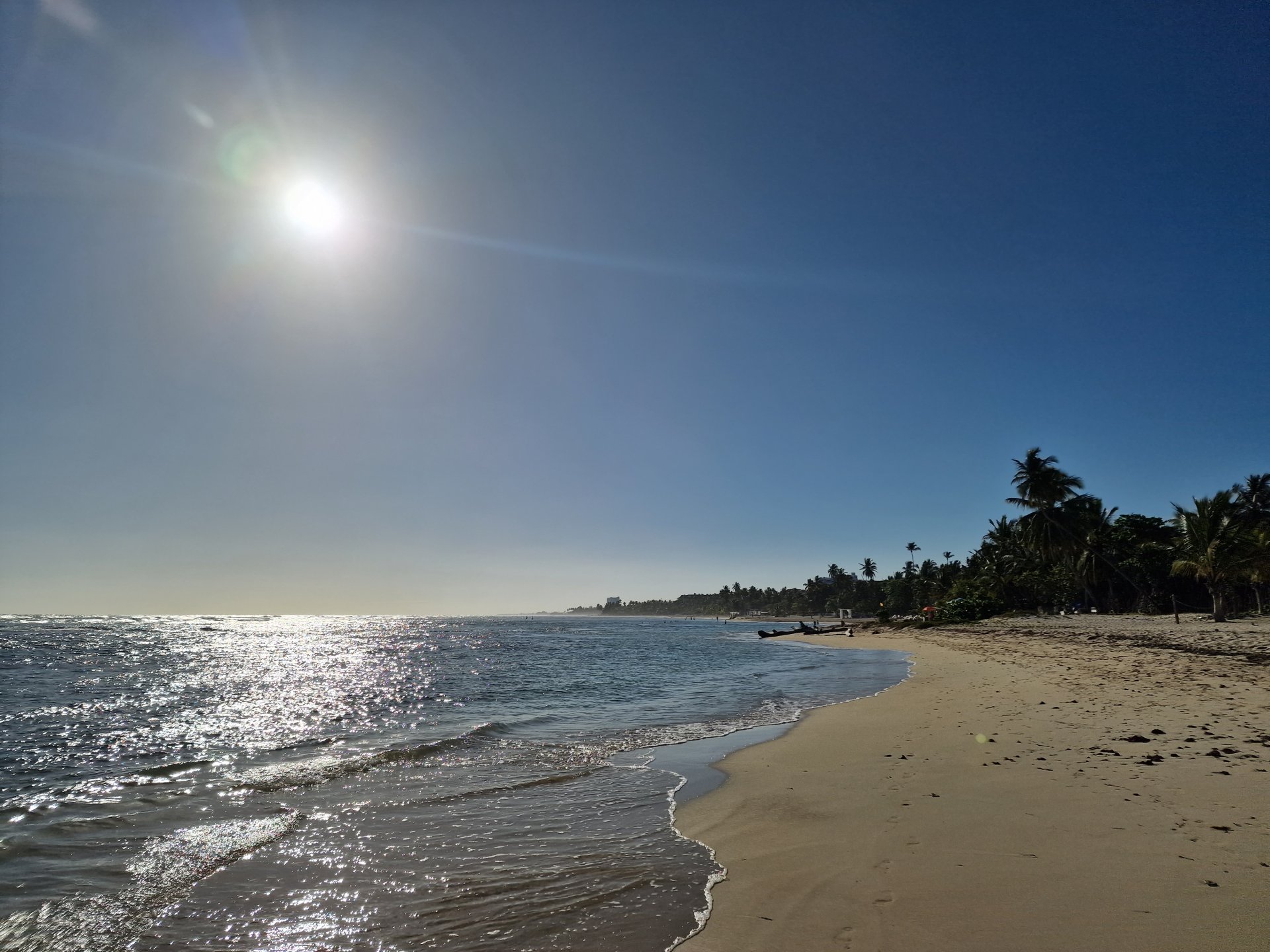
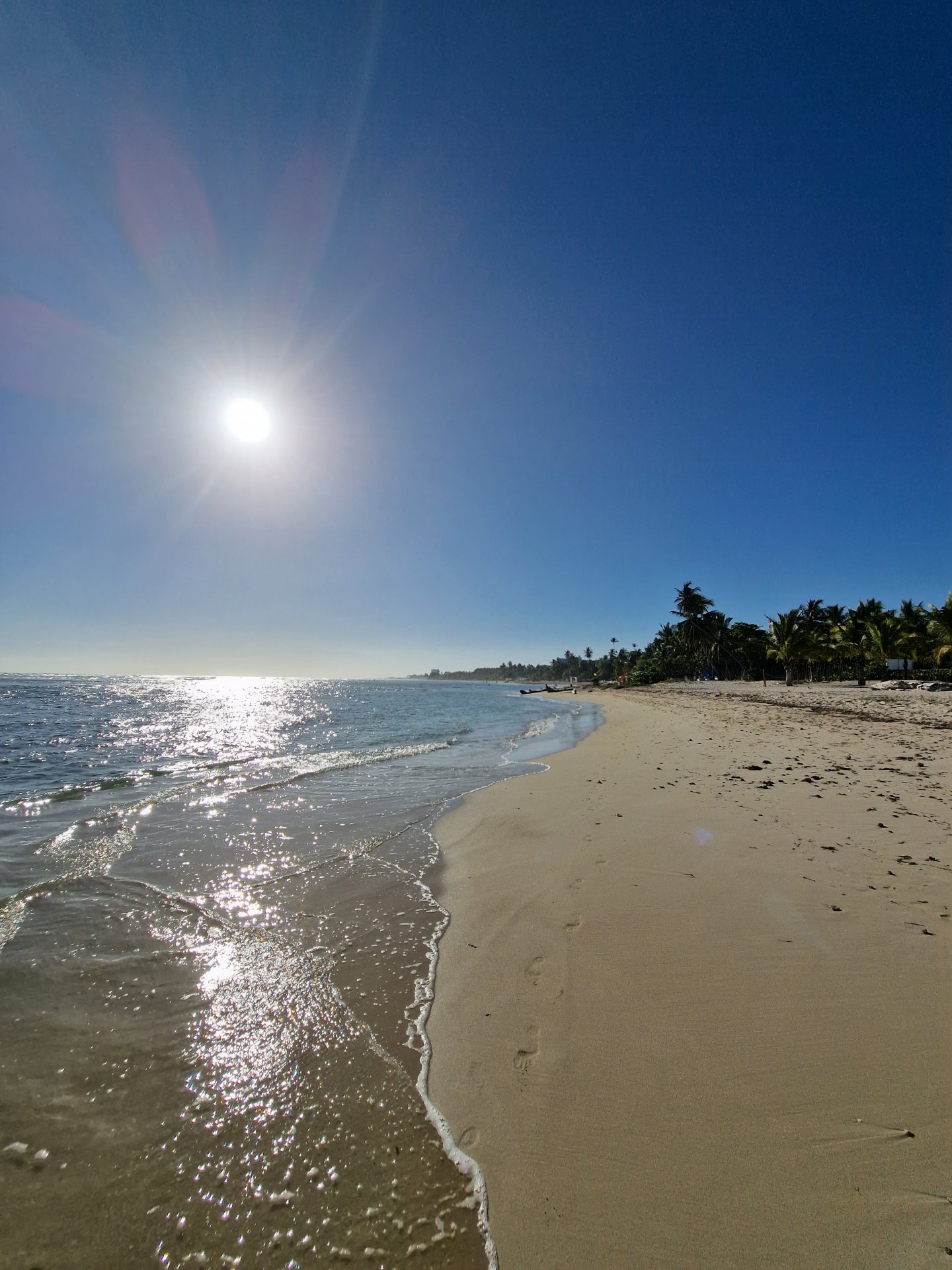
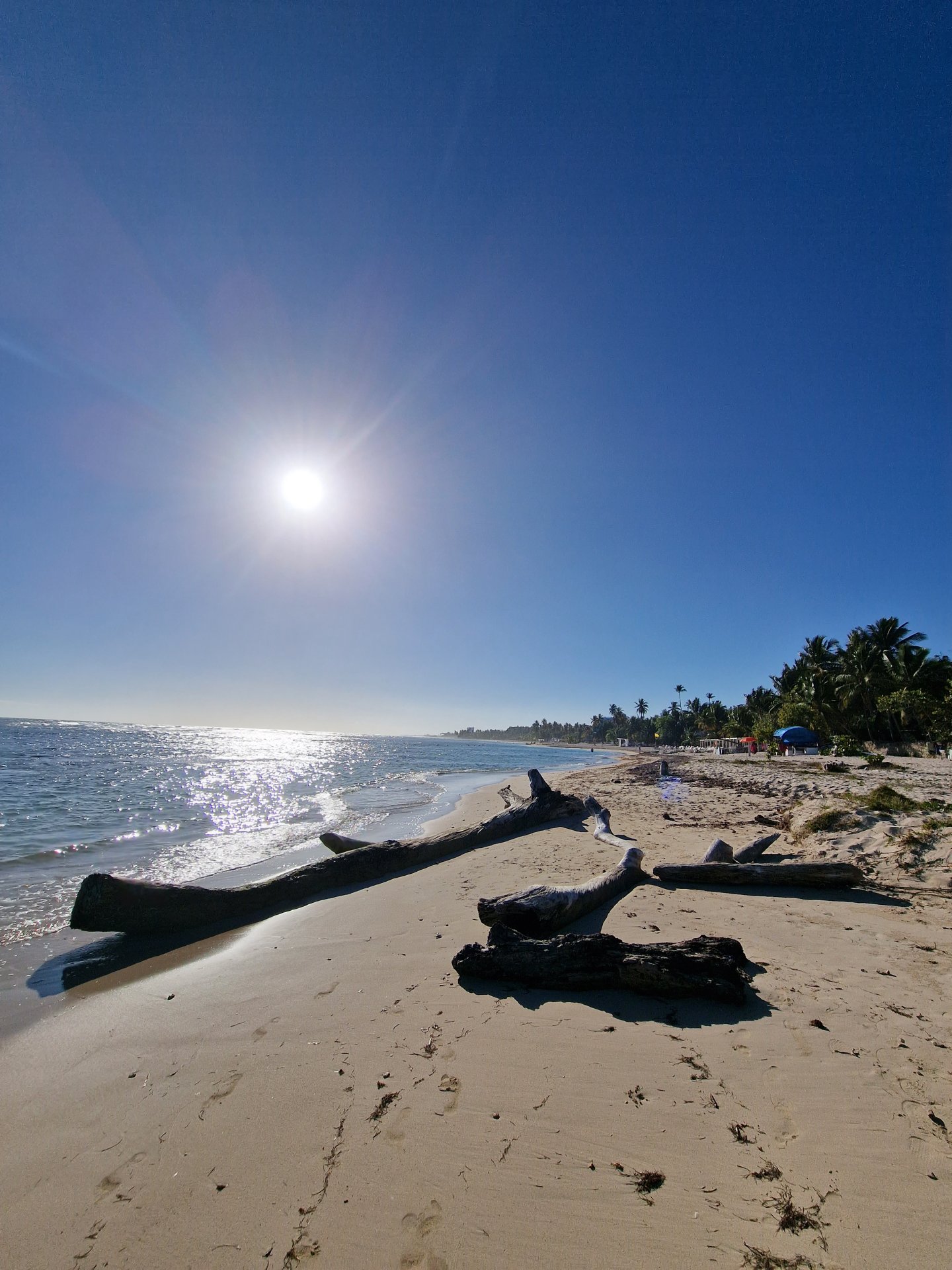
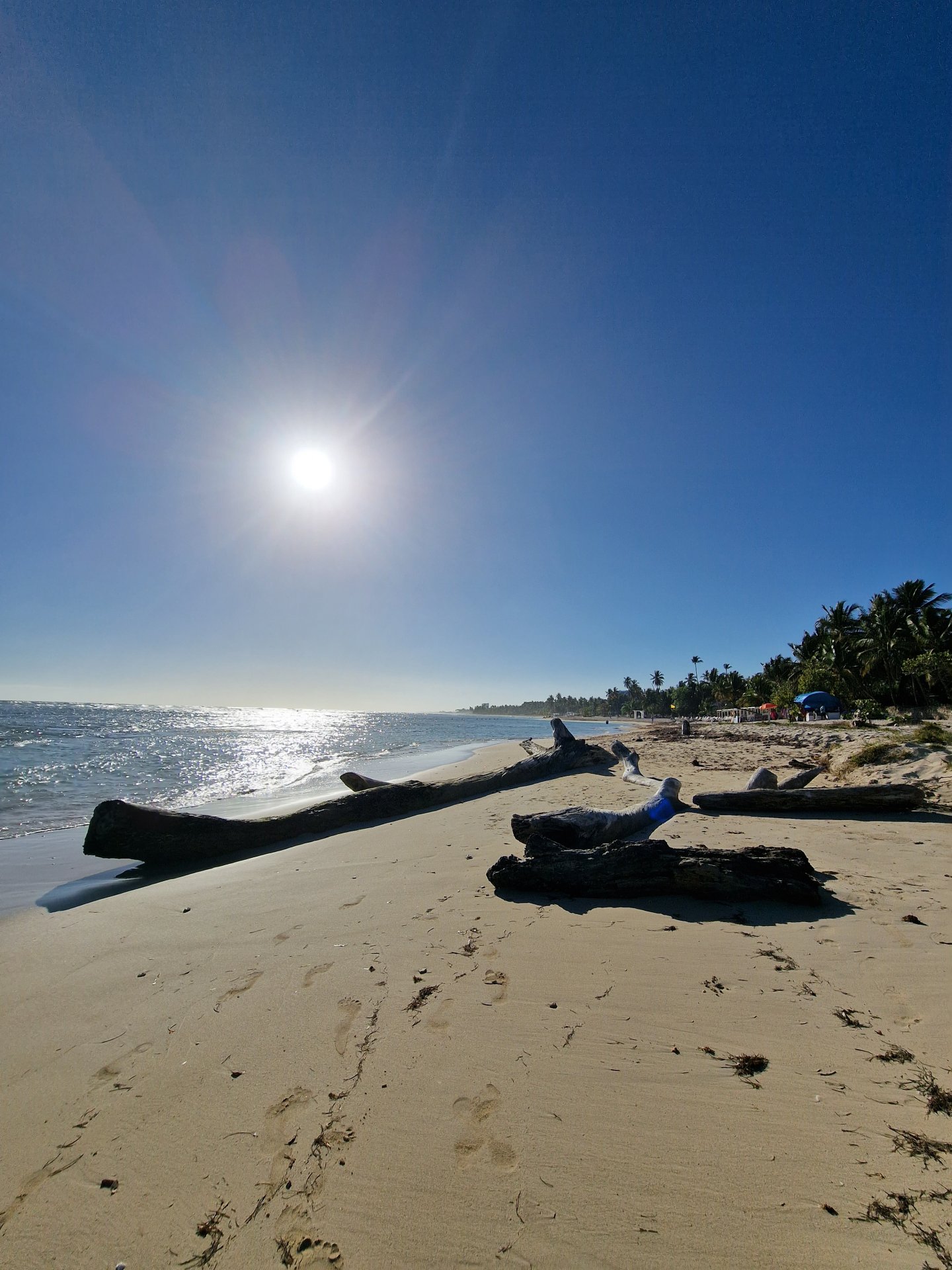
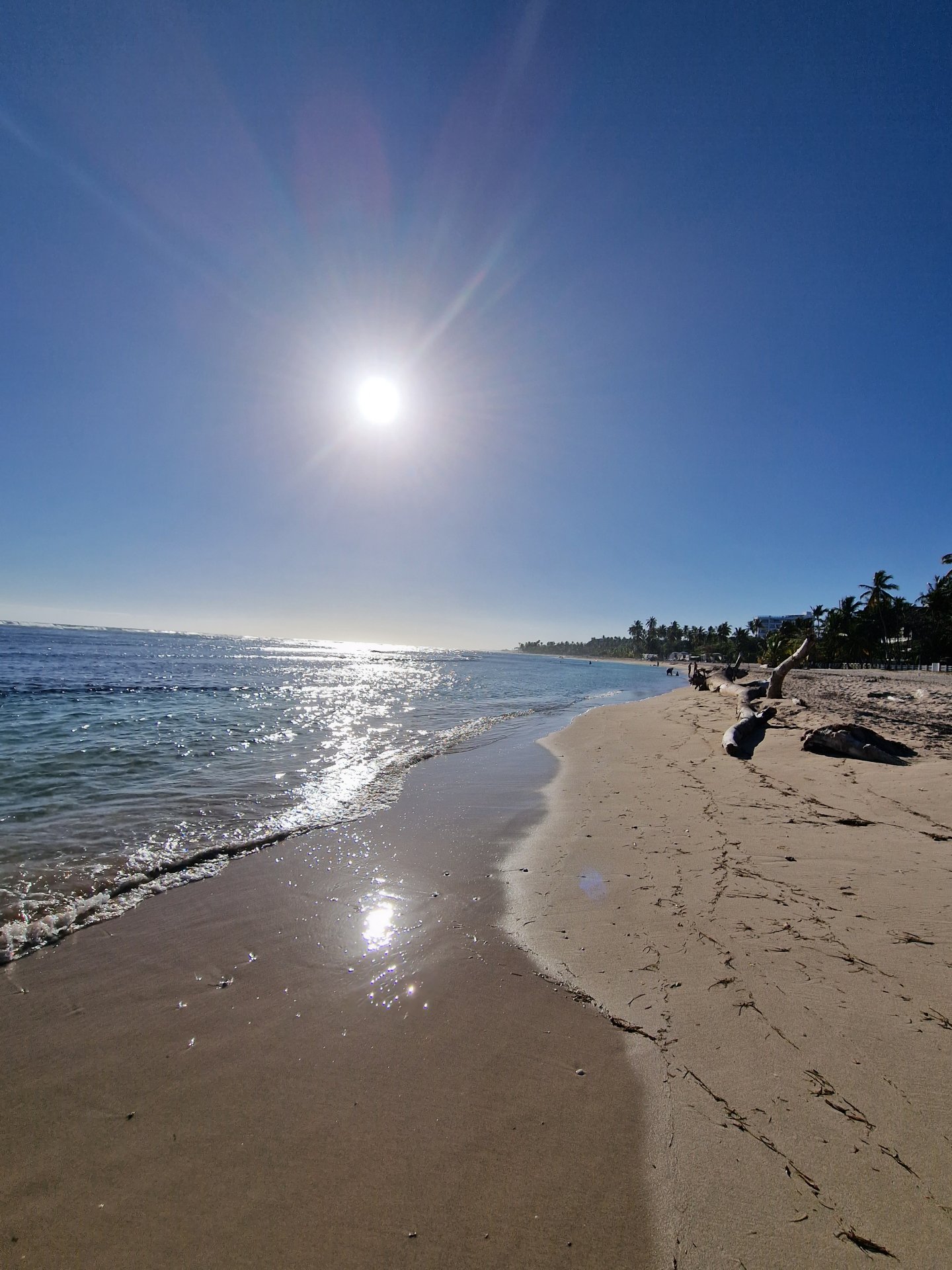
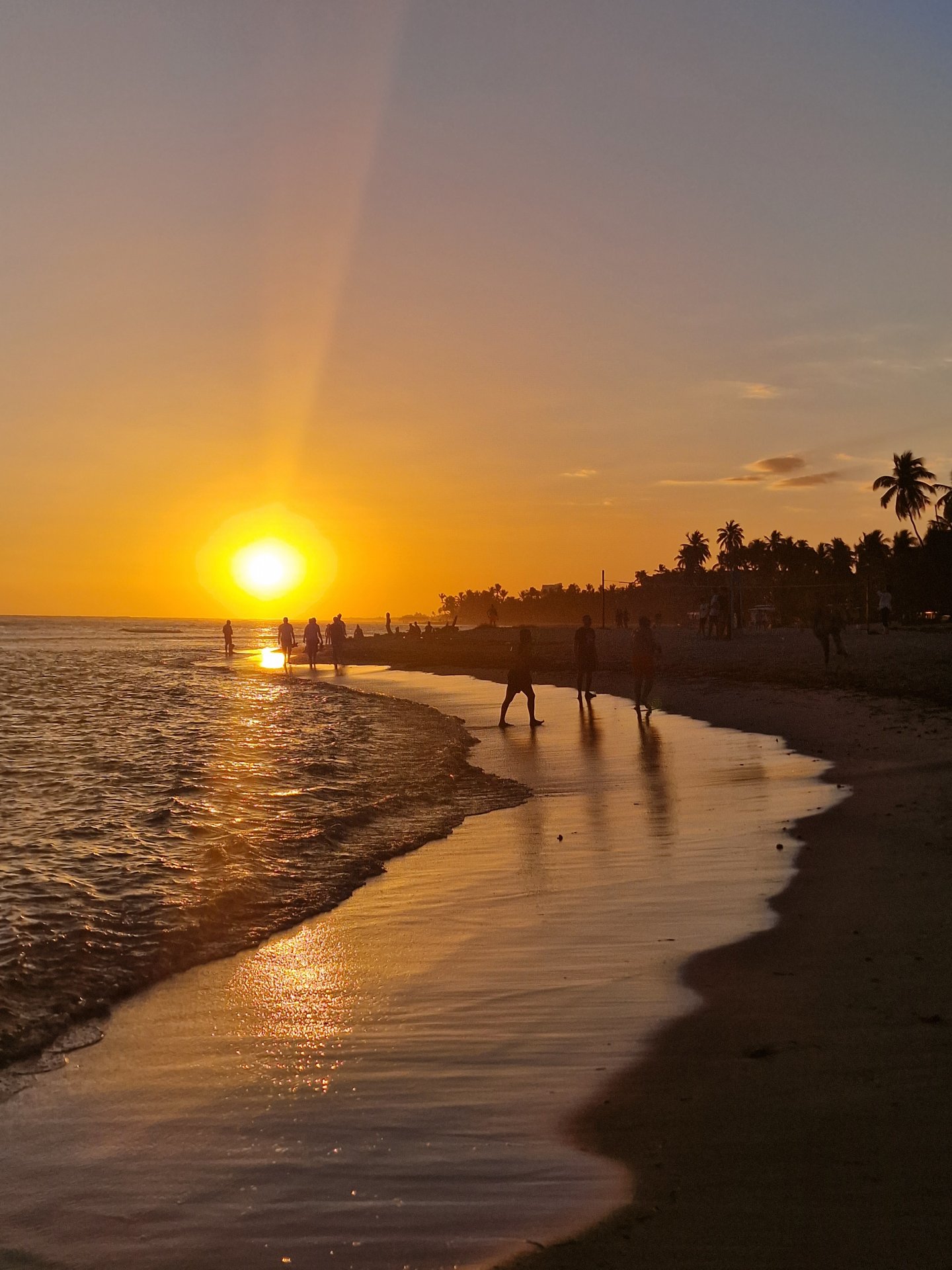
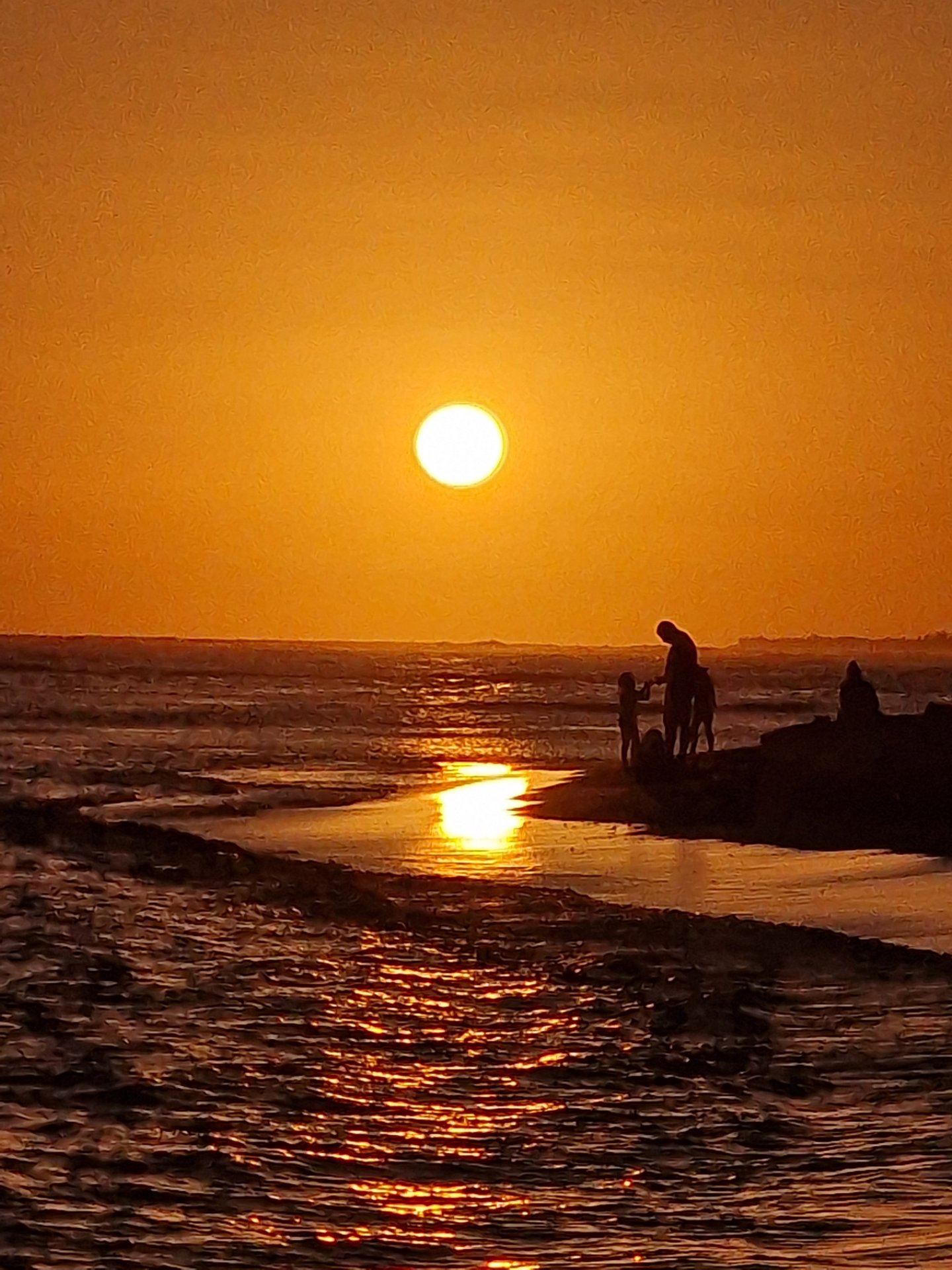
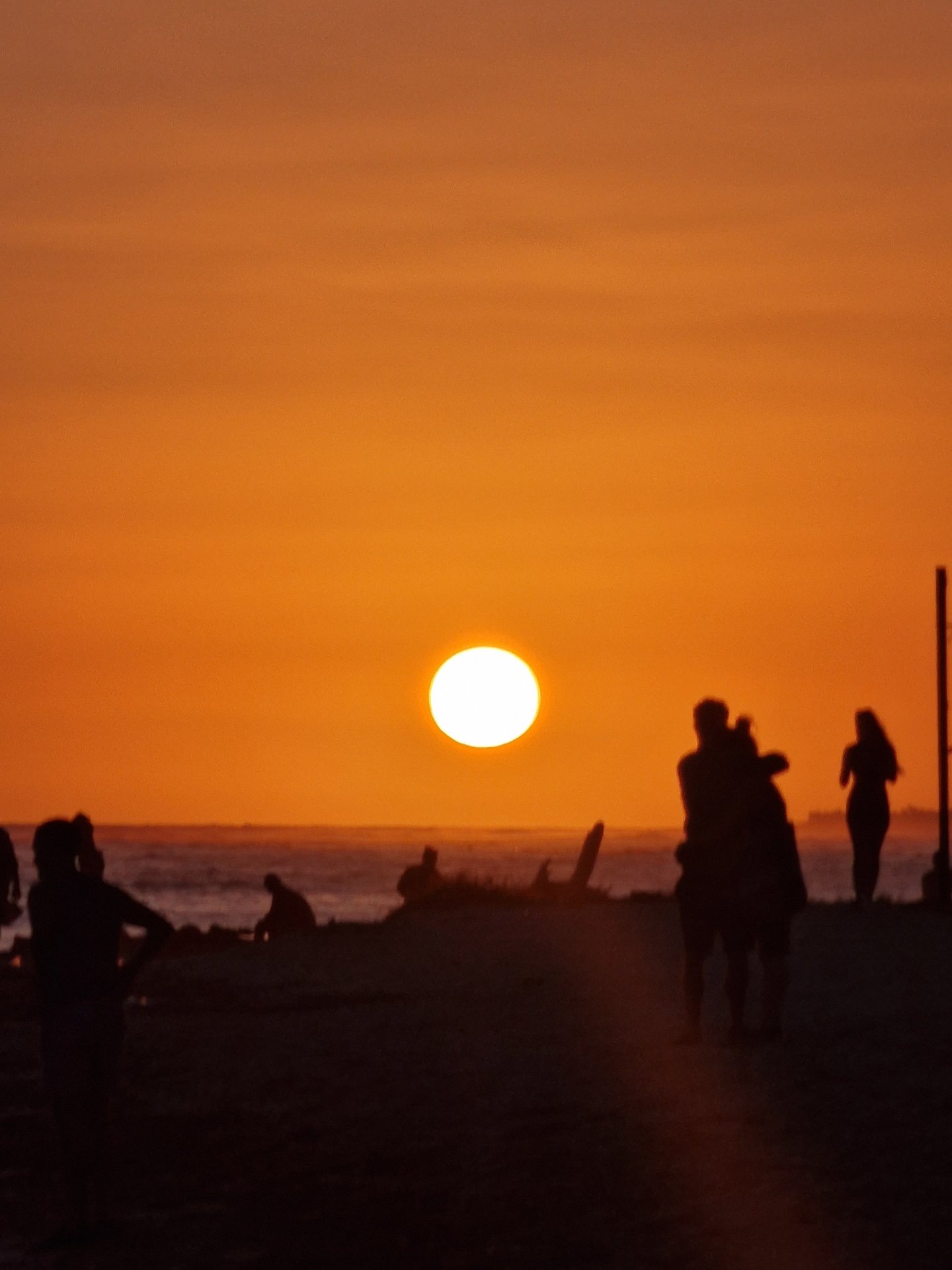
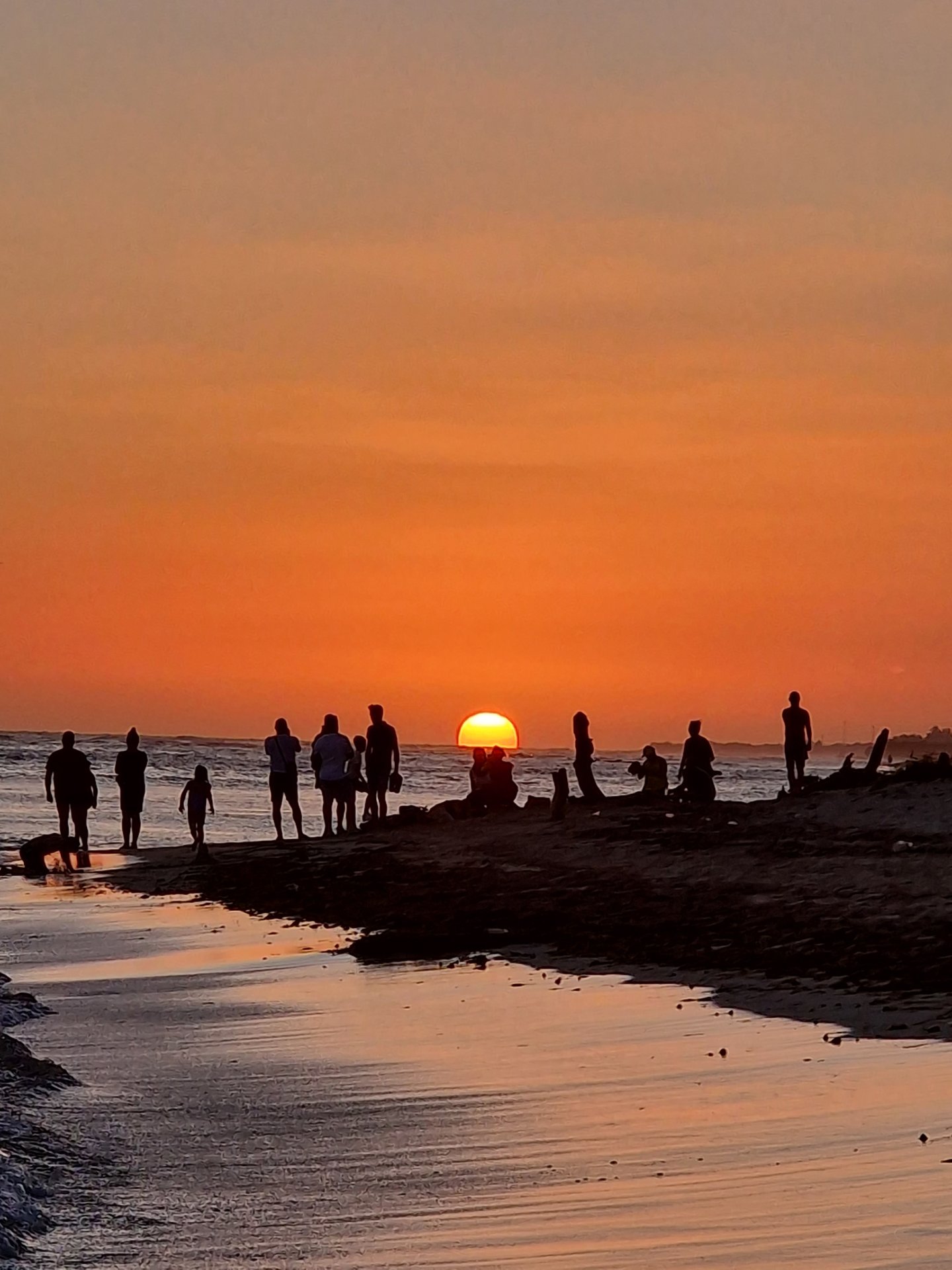
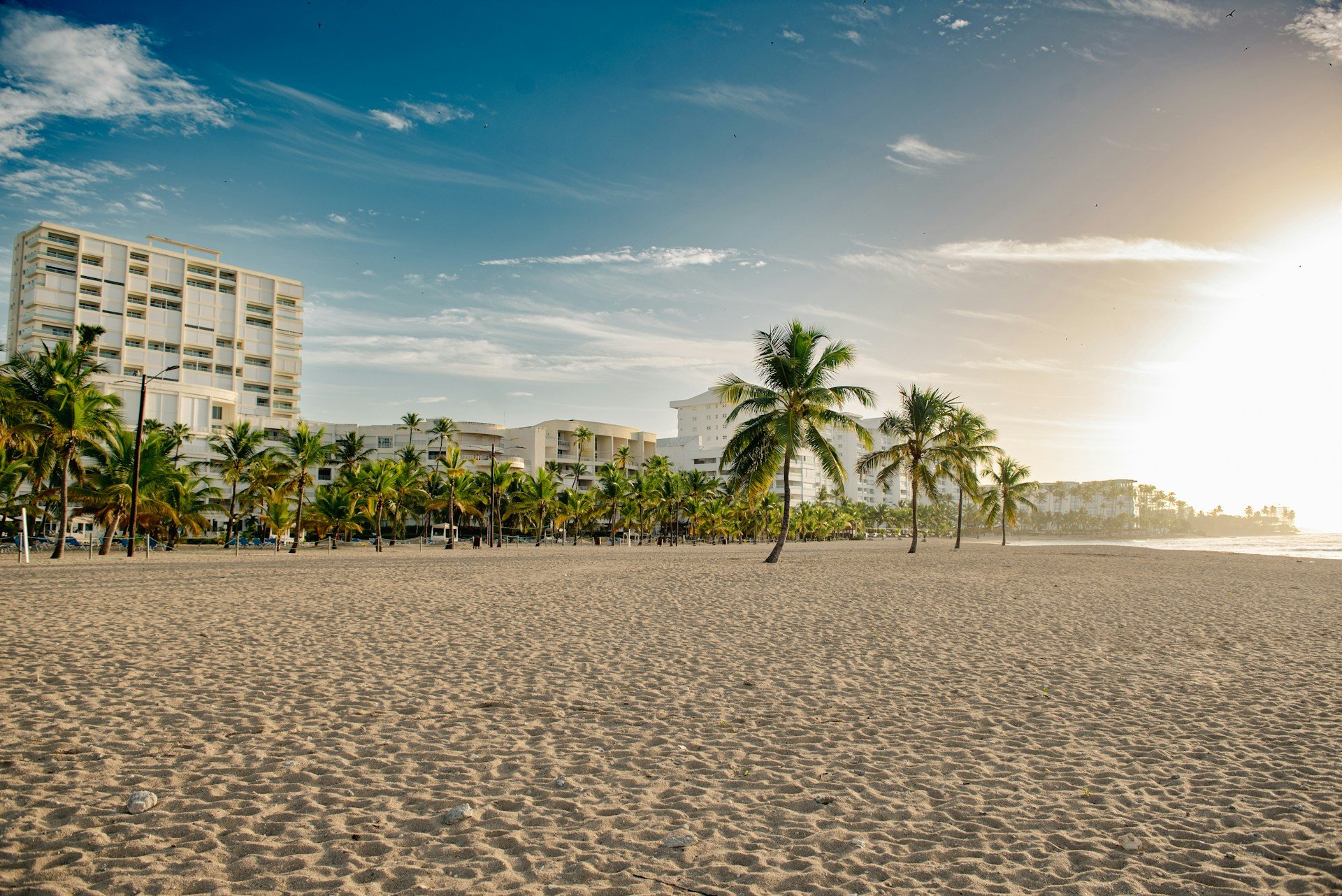
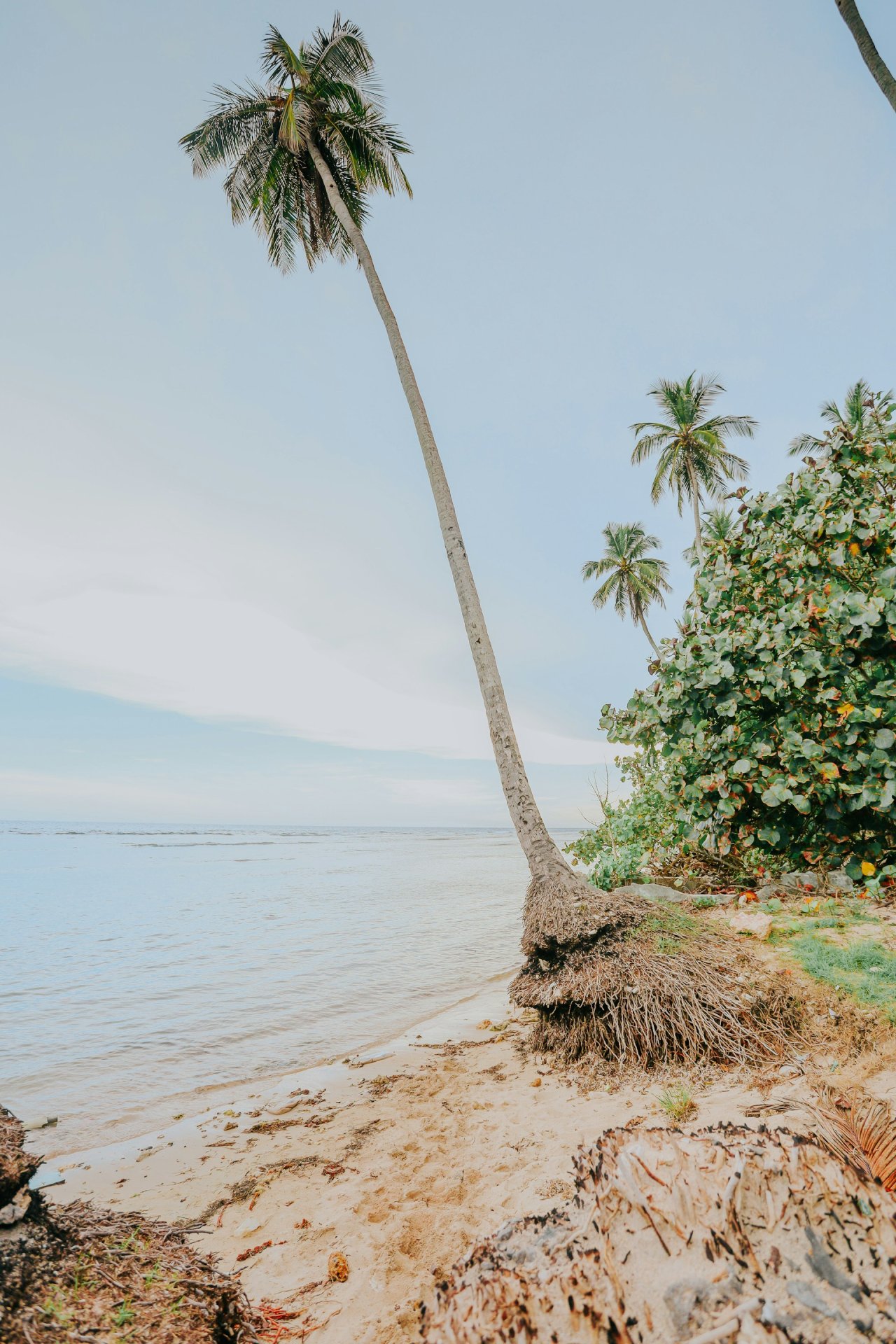
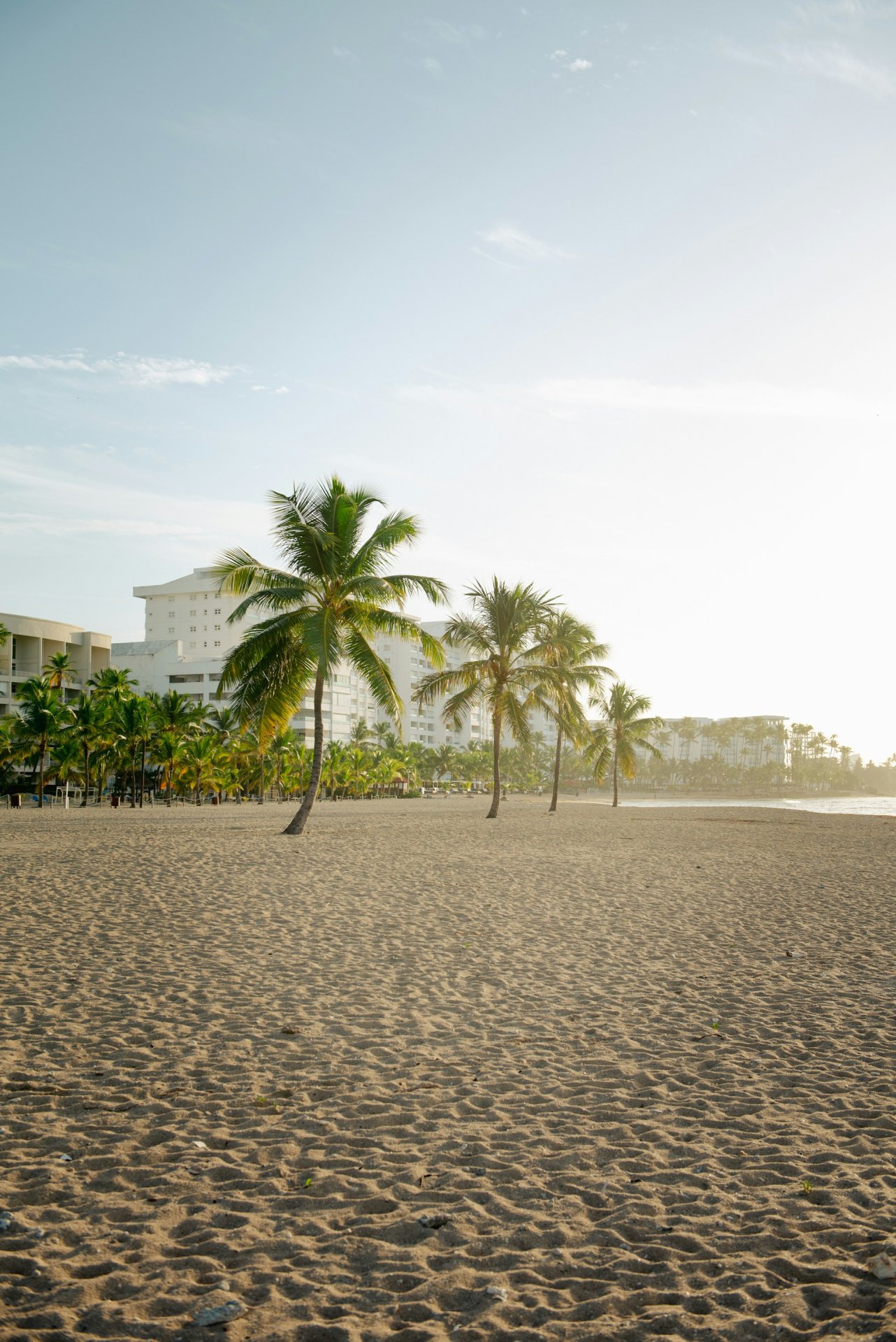
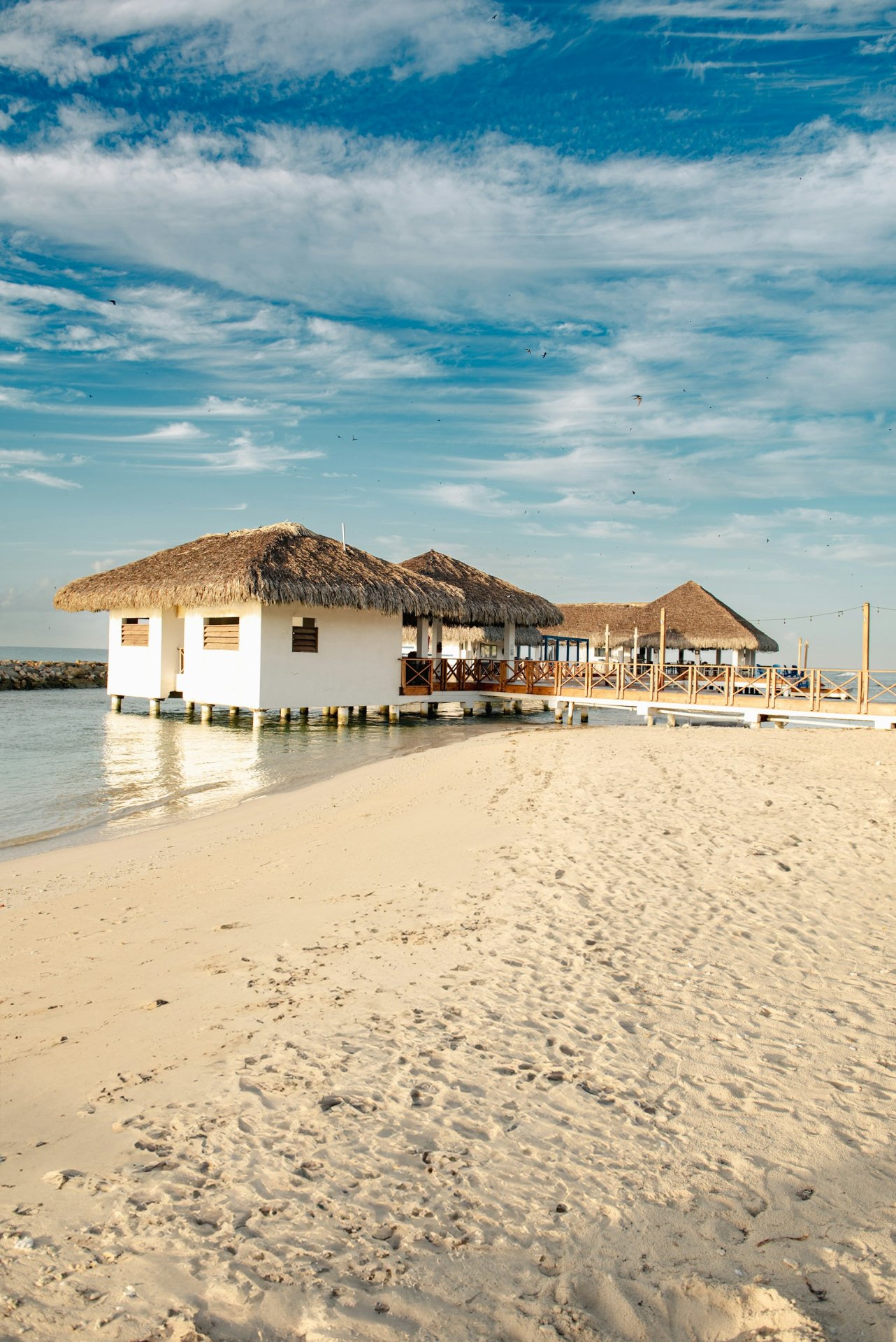
Showing 24 of 25 photos
Frequently asked questions
Yes, for most residents, with the usual DR caveats. Juan Dolio is a quiet residential strip rather than a mass-tourism resort, so it lacks the tourist concentration that draws petty crime in busier spots. Much of the housing is inside gated complexes with 24-hour security, such as Guavaberry and Metro Country Club, which suits anyone who wants a fully secured environment. The incidents the National Police report from the area are opportunistic thefts from villas and hotel safes rather than violent crime. Standard street precautions apply, as in any DR town: pick a secure building, keep valuables out of sight at night, and use agreed-fare taxis or ride apps. The Dominican Republic as a whole carries a US State Department Level 2 advisory (exercise increased caution), the second-lowest of four levels.
Not in Juan Dolio itself, as far as we could find. Families here look to Santo Domingo, home to the country's best-known international schools, including Carol Morgan, Saint George and Ashton. Weigh the school run carefully: traffic into the capital at peak hours can be slow.
People who need regular access to Santo Domingo but want to live by the water. The Autopista del Este and Las Américas highway run straight from Juan Dolio to the capital in about 40 to 50 minutes, depending on traffic, and the airport is about 20 minutes away. It is popular with expats who work in the capital, retirees who want calm beach living close to good hospitals, and people priced out of or uninterested in the Punta Cana resort scene.
Calm Caribbean water, good for swimming, with a reef offshore that takes some of the wave energy. Not the most dramatic beach in the DR but pleasant and accessible. The strip has had some development but is not overwhelmed by resorts. Local beach restaurants and a low-key atmosphere. The water is clearer than Santo Domingo's Malecón but not as clear as the east or north coast.
Small but established: mostly North Americans and Europeans who have been there for years. It is not a social scene like Cabarete but people know each other. There are expat-oriented services including English-speaking real estate agents and a few expat-run restaurants and bars. It has a quiet, settled feel rather than a transient one.
Adequate for day-to-day life. Supermarkets and pharmacies are in the area. Internet is available, better in the newer complexes. For serious shopping, hospitals, or specialist services, you use Santo Domingo. The proximity to the capital is what makes the limited local infrastructure less of an issue than it would be in a more isolated location.
It has not had the same price appreciation as Punta Cana or Las Terrenas. Values are stable rather than rising fast. The proximity to Santo Domingo and airport is a structural advantage for rentals. New developments have come in at higher price points. It is a functional, underrated location rather than a hot market. Worth looking at for value relative to lifestyle.