

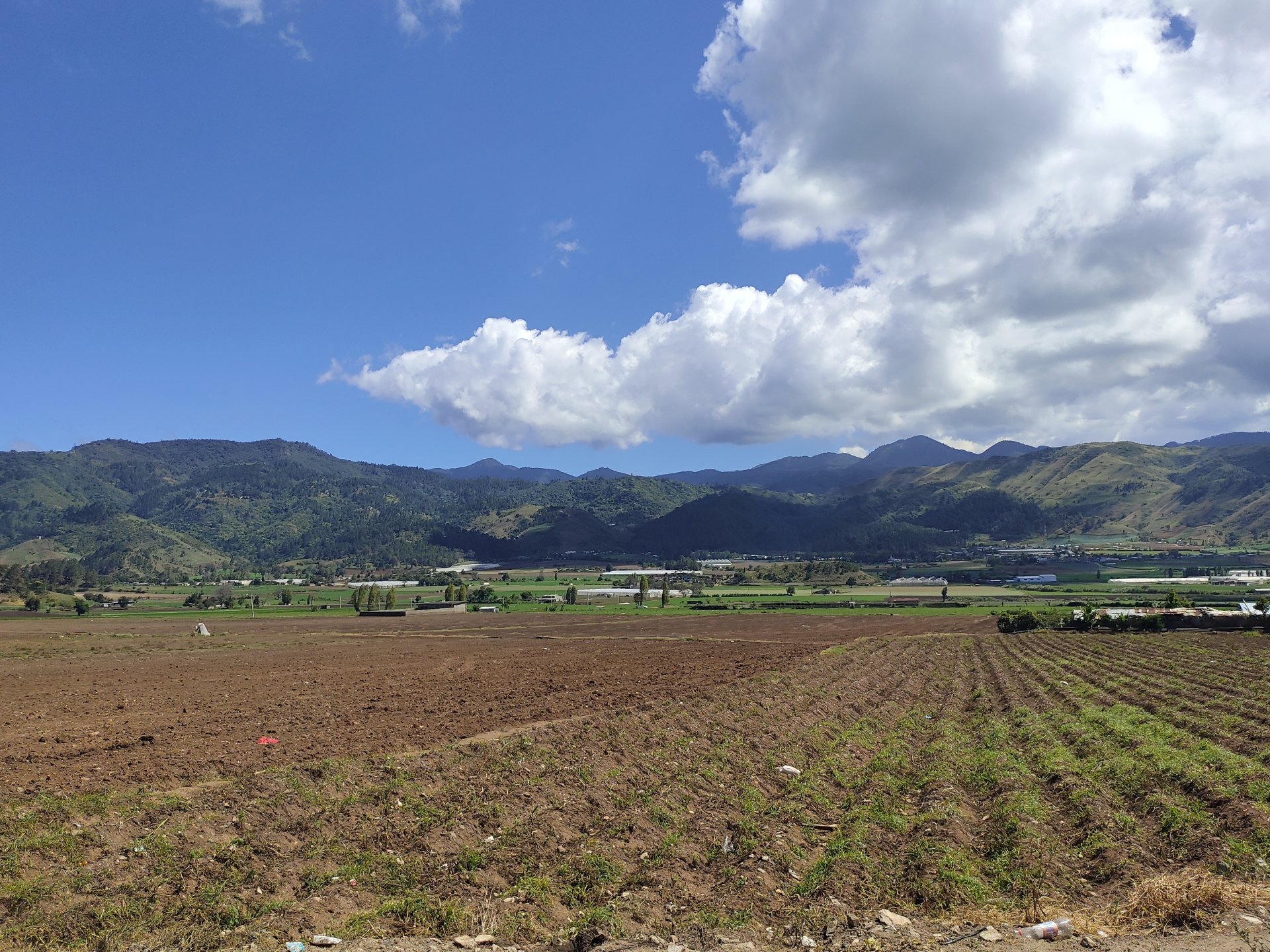
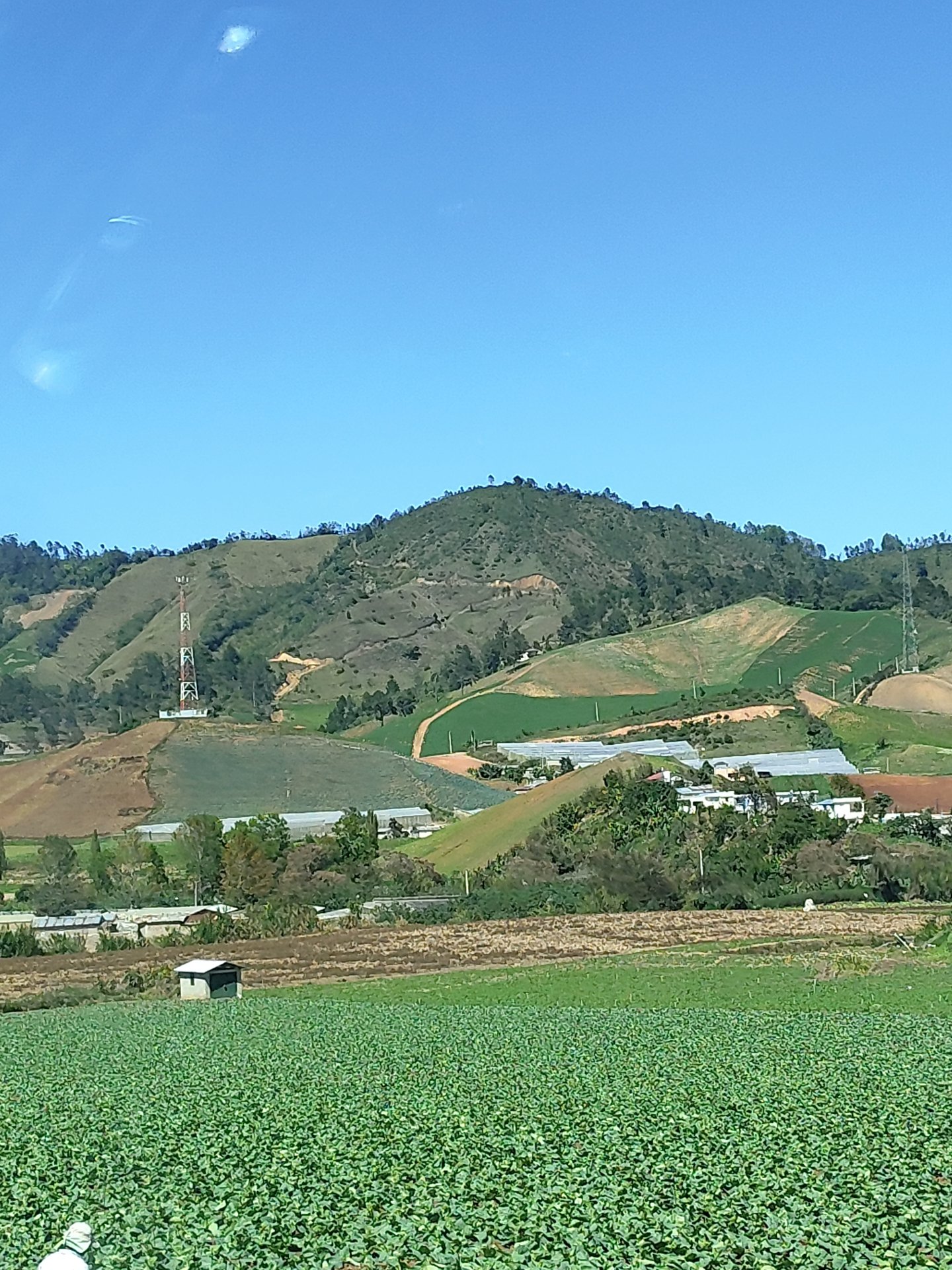
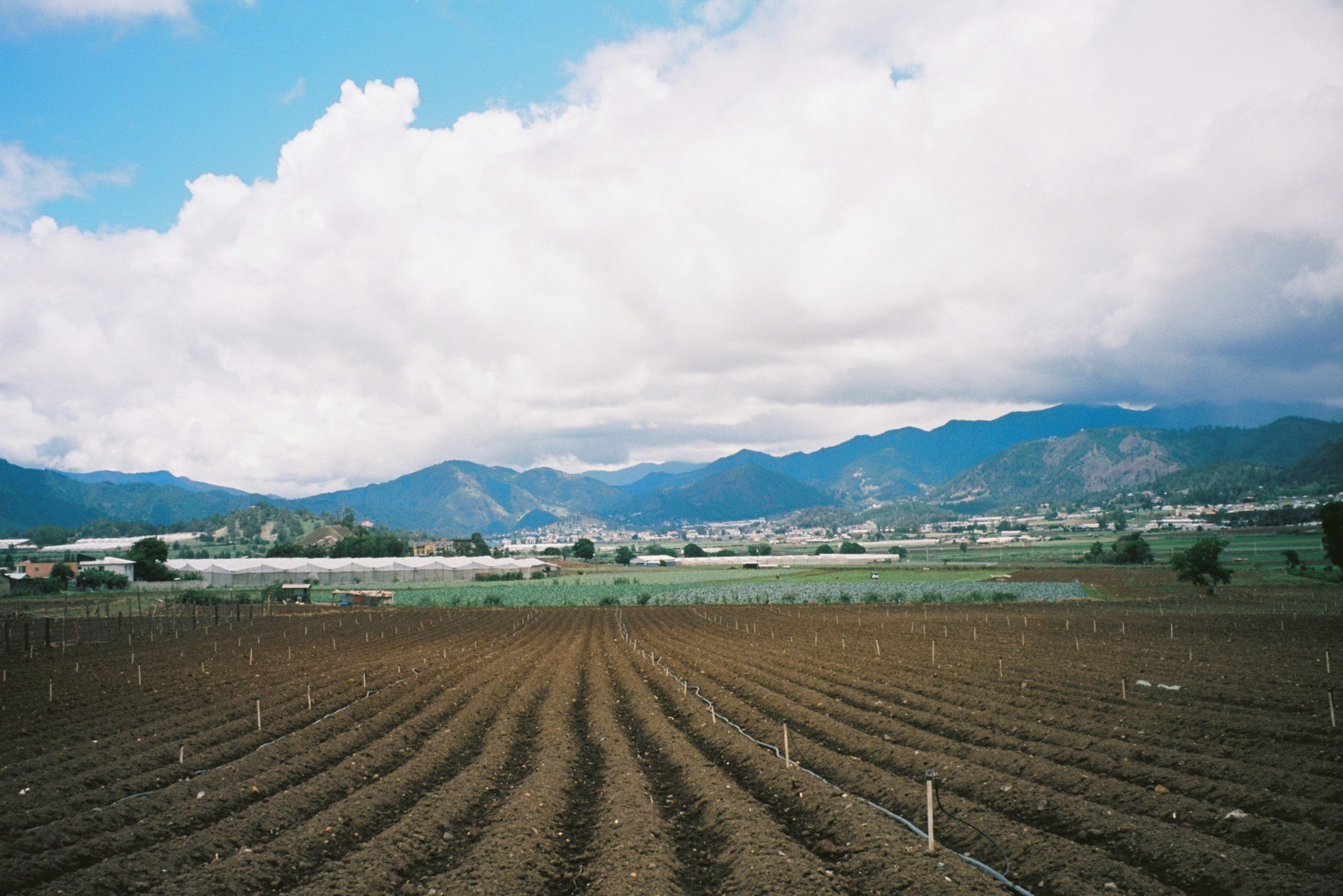
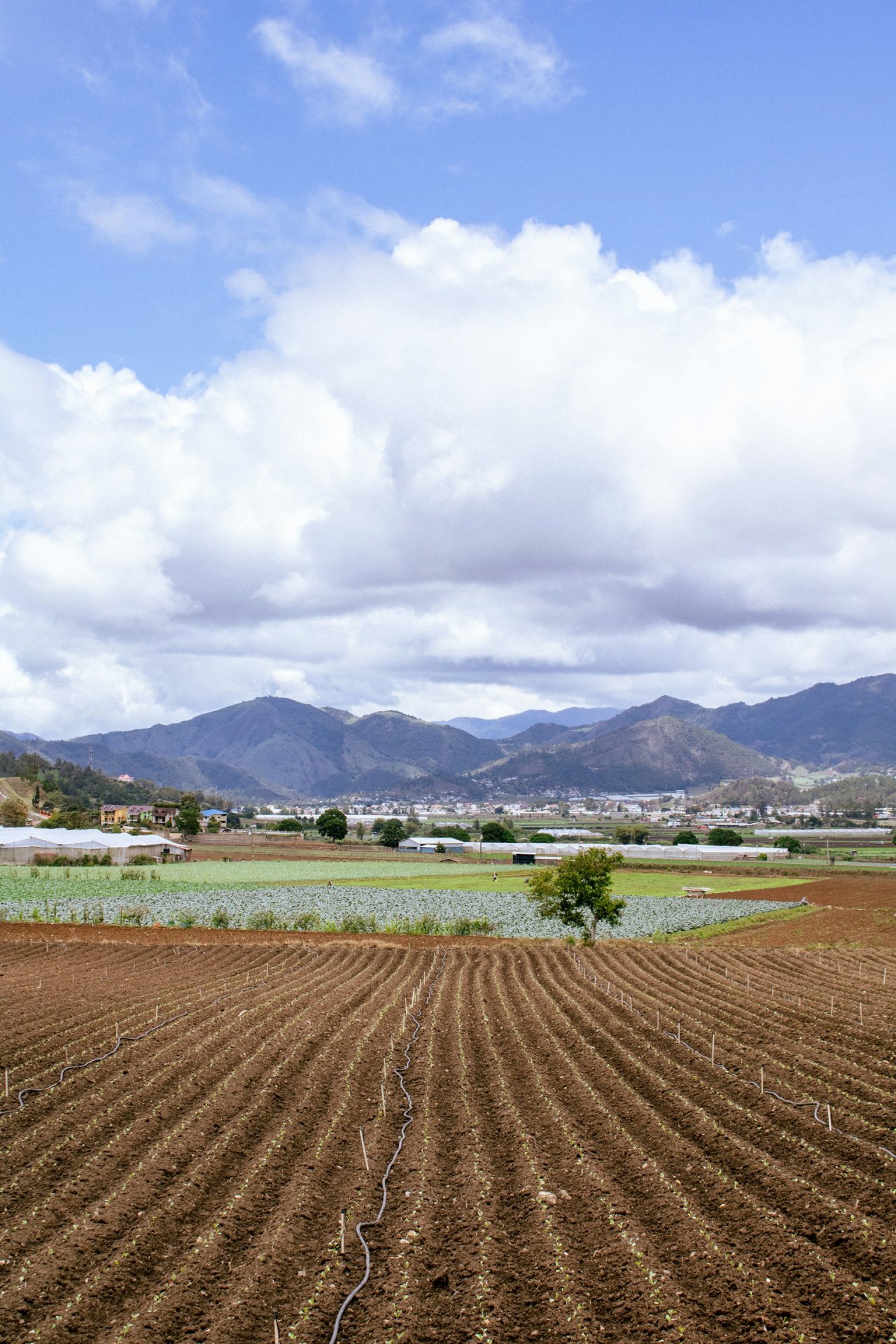
Constanza sits at 1,200 metres elevation in the Cordillera Central, making it the coldest populated place in the Caribbean. Temperatures can drop to 5°C on winter nights and rarely exceed 24°C at the warmest. The town supplies the entire DR with strawberries, vegetables, and flowers grown in the surrounding valley. For expats, the appeal is singular: genuine cool-to-cold mountain climate in the tropics, extraordinary natural scenery, and some of the lowest costs in the country. The trade-offs are equally significant: limited services, minimal English spoken, a 2-hour drive to Santiago for anything major, and a social scene that does not exist in the expat sense.

Is Constanza right for you?
Constanza suits people who specifically want to escape tropical heat, those who want to grow food or live close to agricultural life, retirees who find beach living dull, and adventurous expats who want the most unusual living situation in the Caribbean. It is entirely unsuitable for anyone who needs regular medical access, reliable high-speed internet for demanding work, coastal proximity, or a functioning expat social scene. Visit for at least a week before considering it for longer.
What the scores mean
Constanza is among the cheapest places to live in the DR. Modest houses rent for $300 to $600 per month. Local food, grown in the surrounding farms, is extraordinarily cheap by any standard. The main expense is the regular trip to Santiago (2 hours) for anything the local market cannot supply. The score of 9.0 reflects costs that are genuinely low even by Dominican interior standards.
Constanza is one of the safest towns in the DR. The community is tight-knit, agricultural, and there is almost no tourist economy to attract petty crime. The practical safety risks are the mountain roads (dangerous at night or in heavy rain) and the cold, prepare properly for winter nights. The score of 8.5 reflects a very safe community environment.
Medical provision in Constanza is basic: a small hospital and limited private clinics. For any significant procedure, Santiago is the only realistic option at 2 hours away. This is the critical limitation to understand before committing to living here. The score of 5.0 reflects rural provision only. Named facilities: routine care is limited locally and Constanza sits further from specialist care than most towns. Santiago and its HOMS hospital are the nearest advanced option. Medical evacuation insurance is essential.
Internet in Constanza has improved but remains below urban standards. Fibre is available in parts of the town centre. Speeds of 15 to 50 Mbps are typical, with more variability than the cities. Mobile data can supplement fixed-line when the latter fails. The score of 6.5 reflects workable connectivity for moderate remote work but not demanding professional use.
Constanza offers a lifestyle that exists nowhere else in the Caribbean. Growing your own strawberries in December. Fires at night. Morning mist through the valley. Hiking through cloud forest to Valle Nuevo at 2,500 metres. The local market has fresh vegetables at prices that feel implausible. The score of 8.5 reflects an extraordinary natural environment that, for the right person, is genuinely life-changing.
Constanza covers the essentials, with local supermarkets, banks, pharmacies and an excellent produce scene straight from the surrounding farms. Beyond the basics the options thin out fast, and bigger shopping means a mountain drive to La Vega or Santiago.
Map of Constanza
Neighbourhoods in Constanza
Constanza Town Centre
The main commercial area with markets, restaurants, and the agricultural cooperative offices. Everything you need locally is here.
Valle Nuevo
National park plateau at 2,500m. Hiking, pine forests, and the source of several major rivers. Extraordinary scenery.
La Sabina
Agricultural community south of town. Where the strawberry farms are. Local, very affordable, almost no tourism.
Tireo
Small community northwest of Constanza. Even cooler, even more agricultural. The extreme version of Constanza living.
Las Placetas
Quiet residential area on the western edge of town. Some of the best views of the valley.
Living in Constanza: the honest picture
What works well
- Unique cool climate, the only genuinely cold place in the Caribbean
- Lowest costs in the DR
- Extraordinary natural scenery
- Exceptional fresh produce
- Very safe community environment
Watch out for
- Remote and further from specialist care than most towns, with limited English and a vehicle essential
- 2 hours from Santiago for specialist medical care
- Minimal expat infrastructure or community
- High Spanish requirement
- Cold nights require preparation
- Limited entertainment and dining options
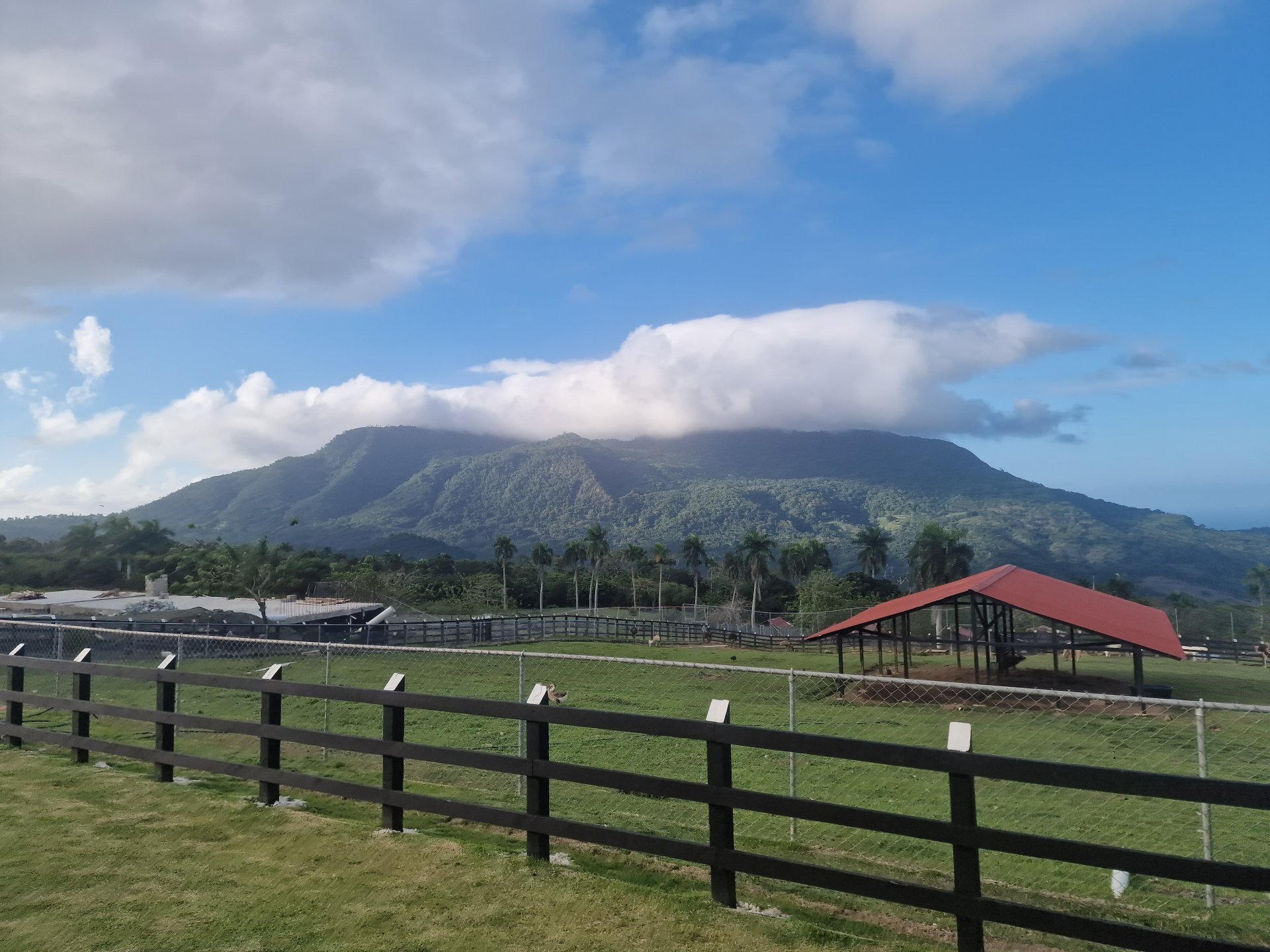
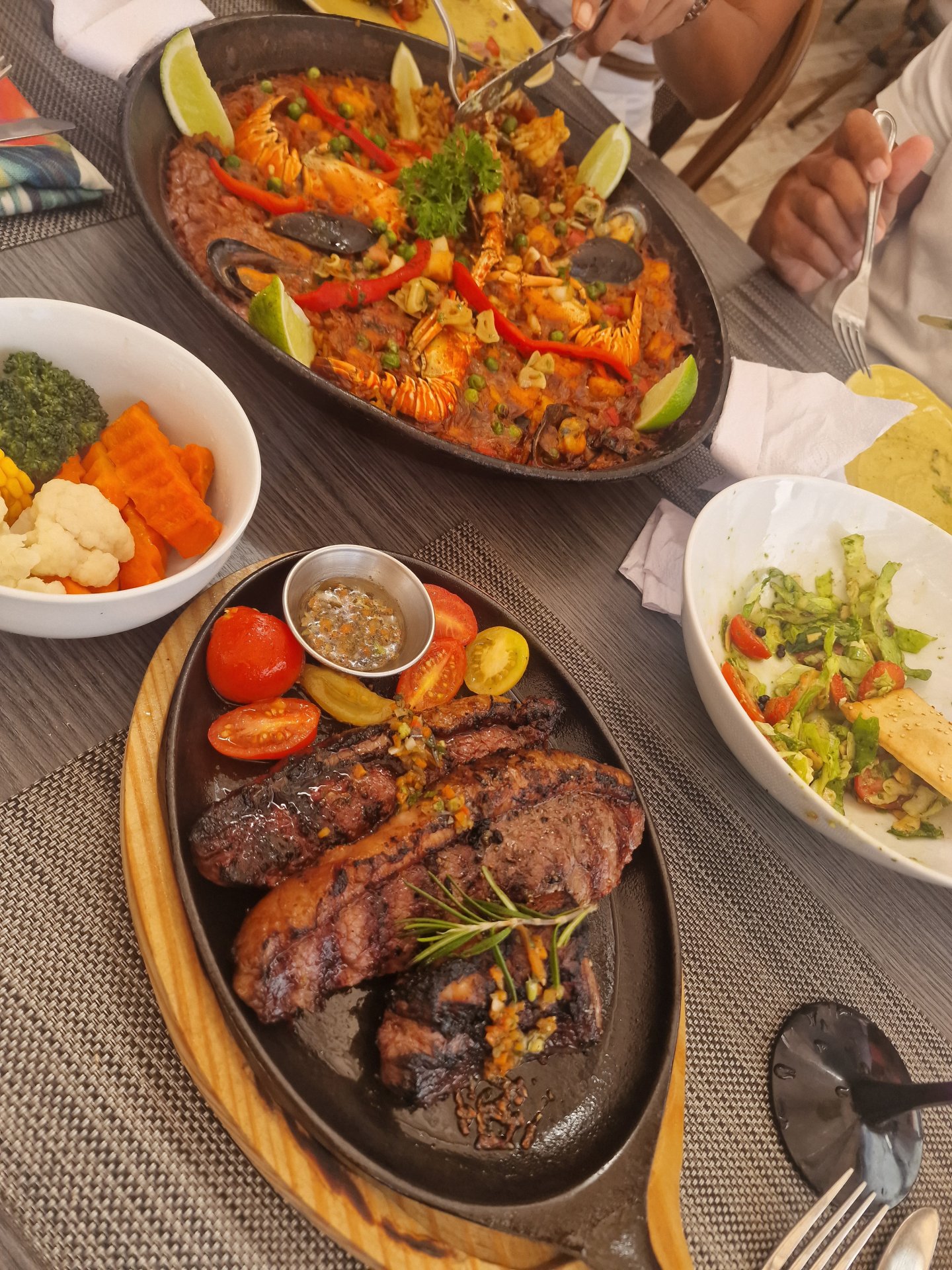
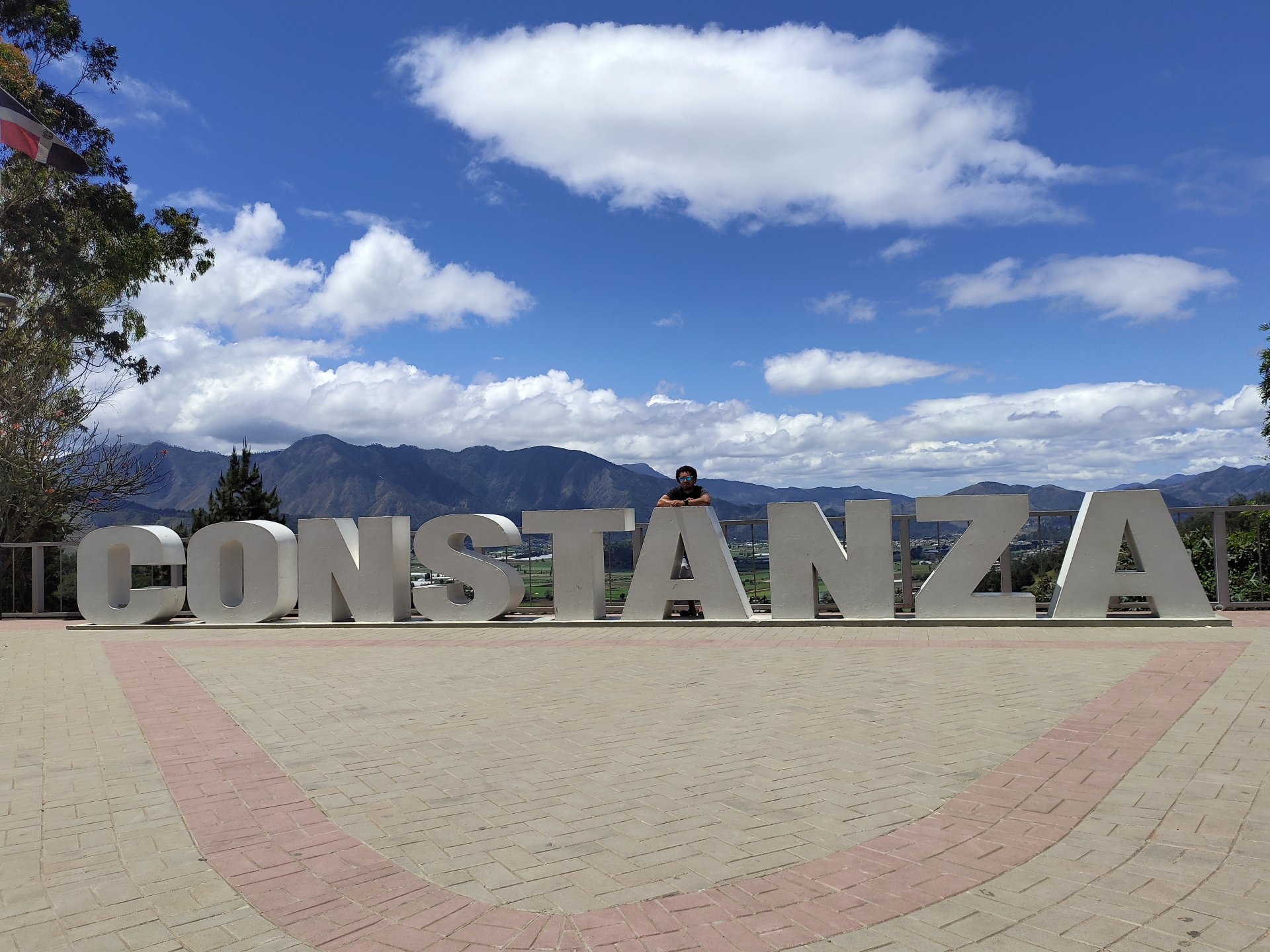
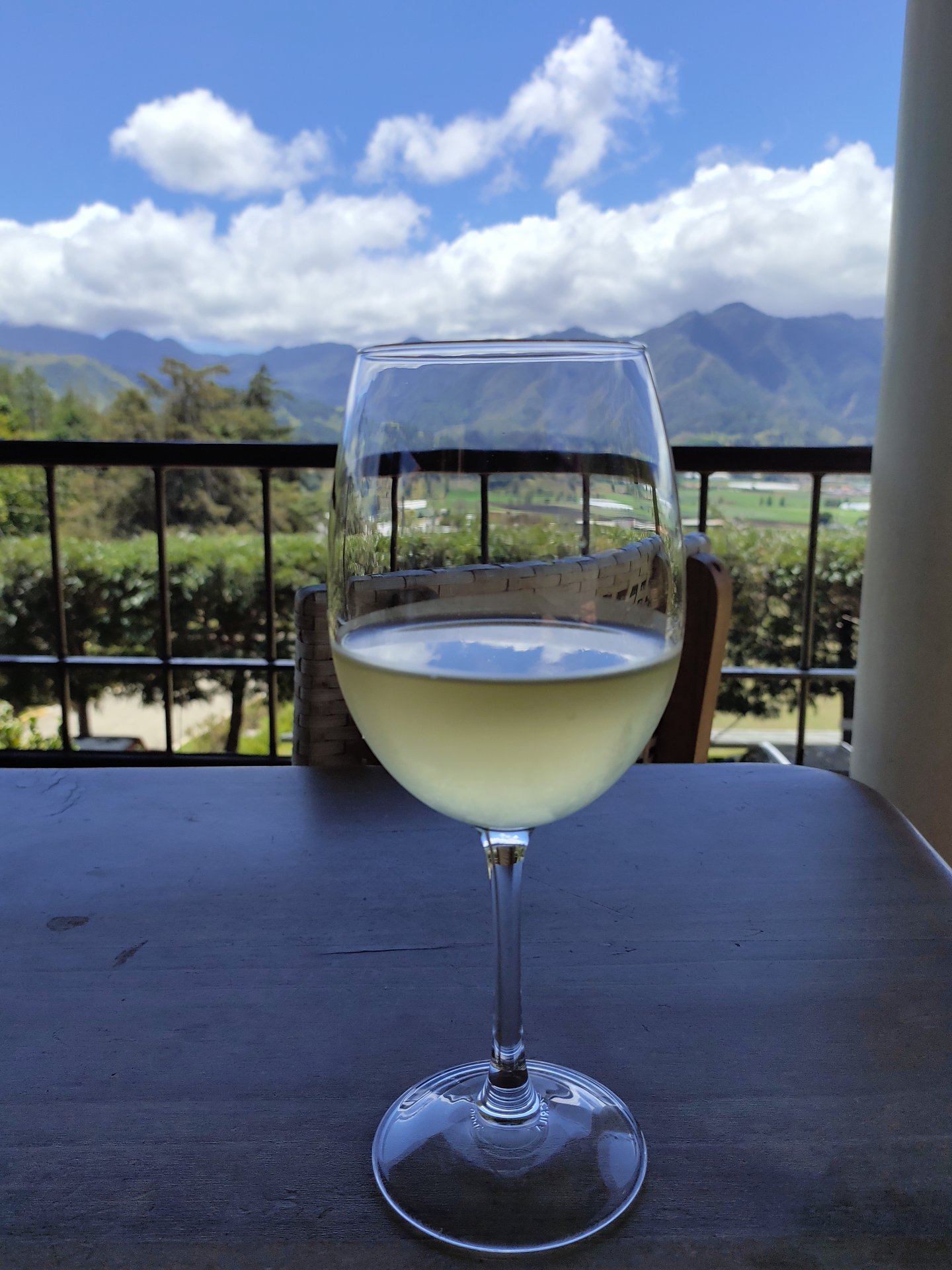
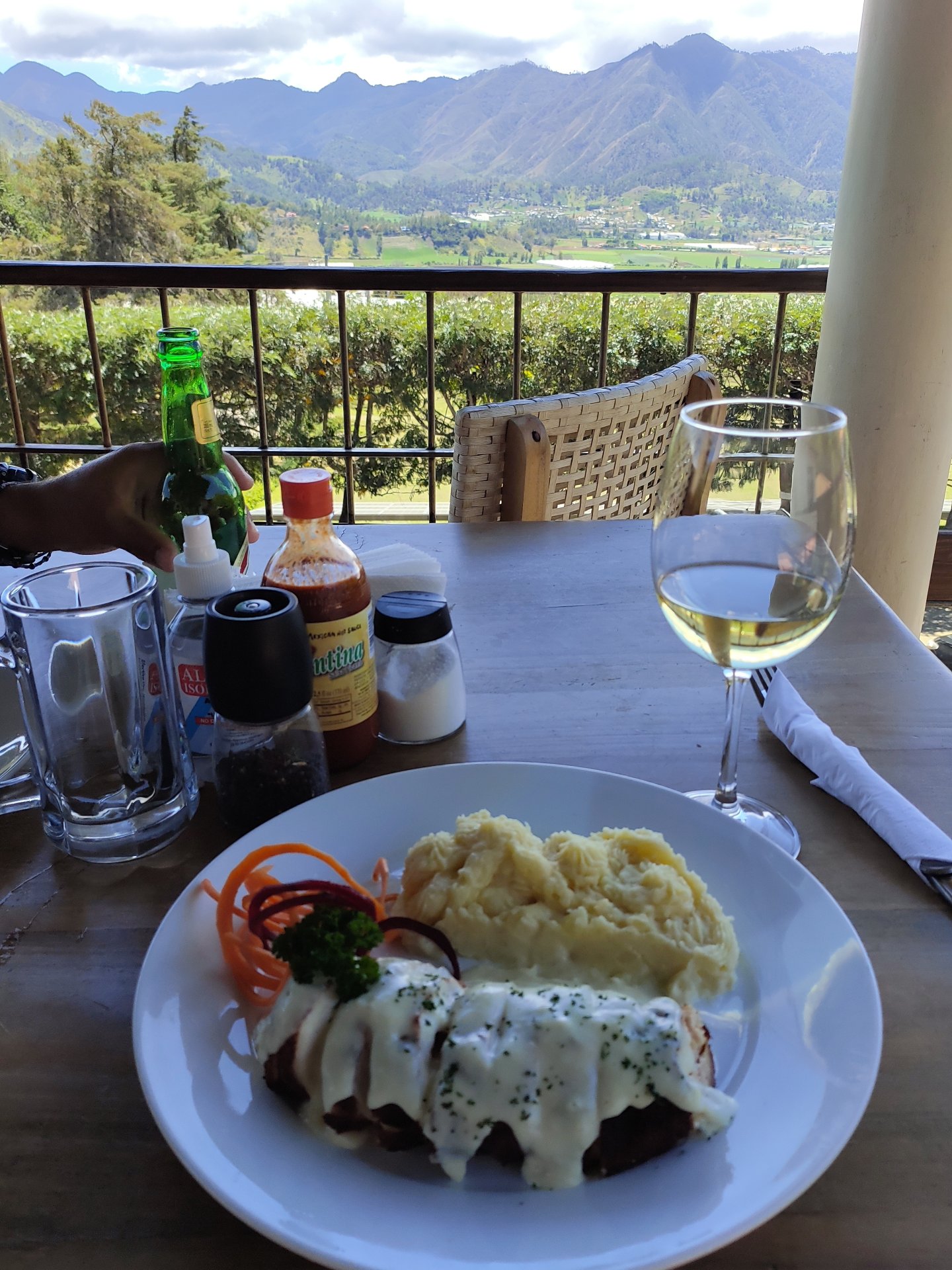
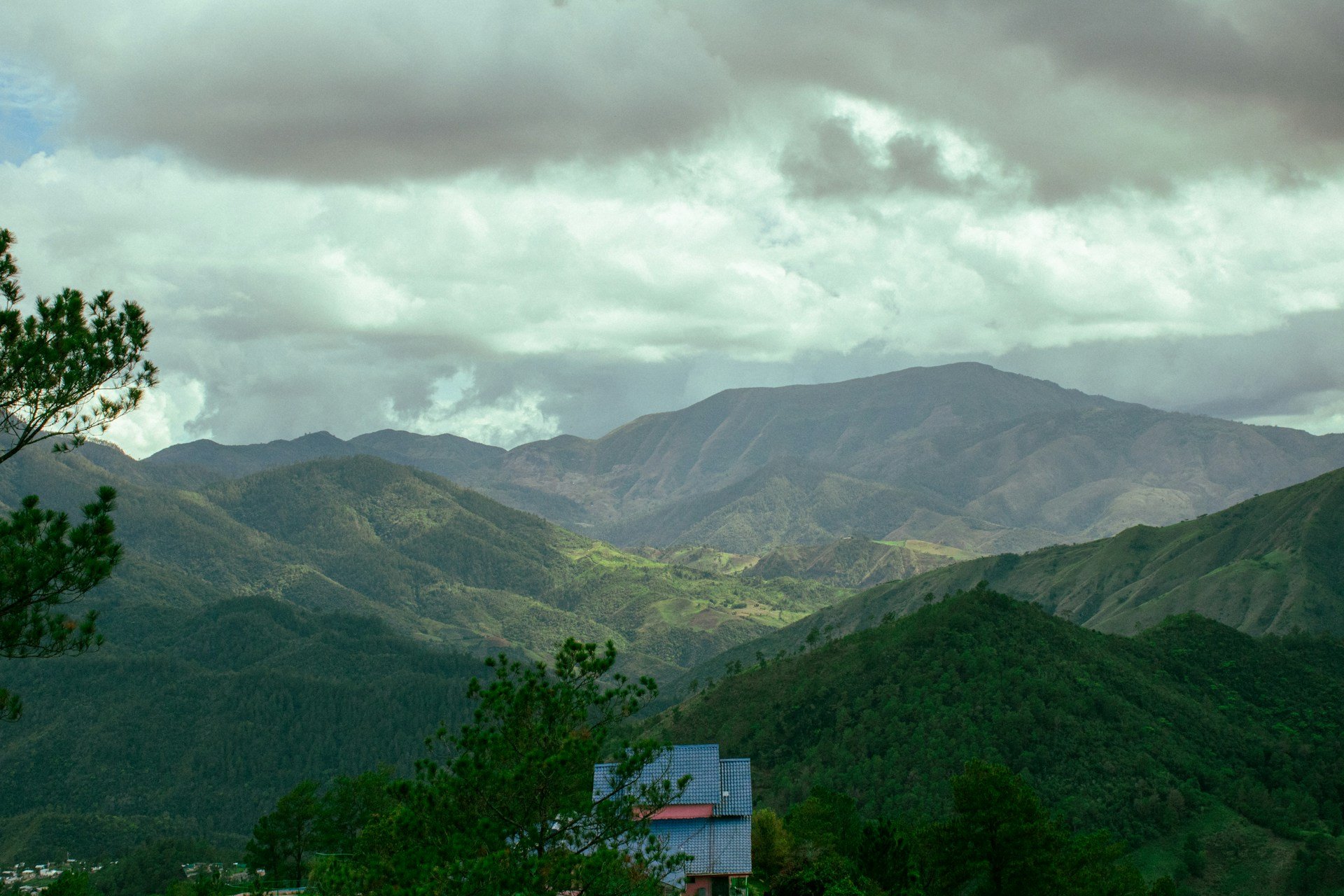
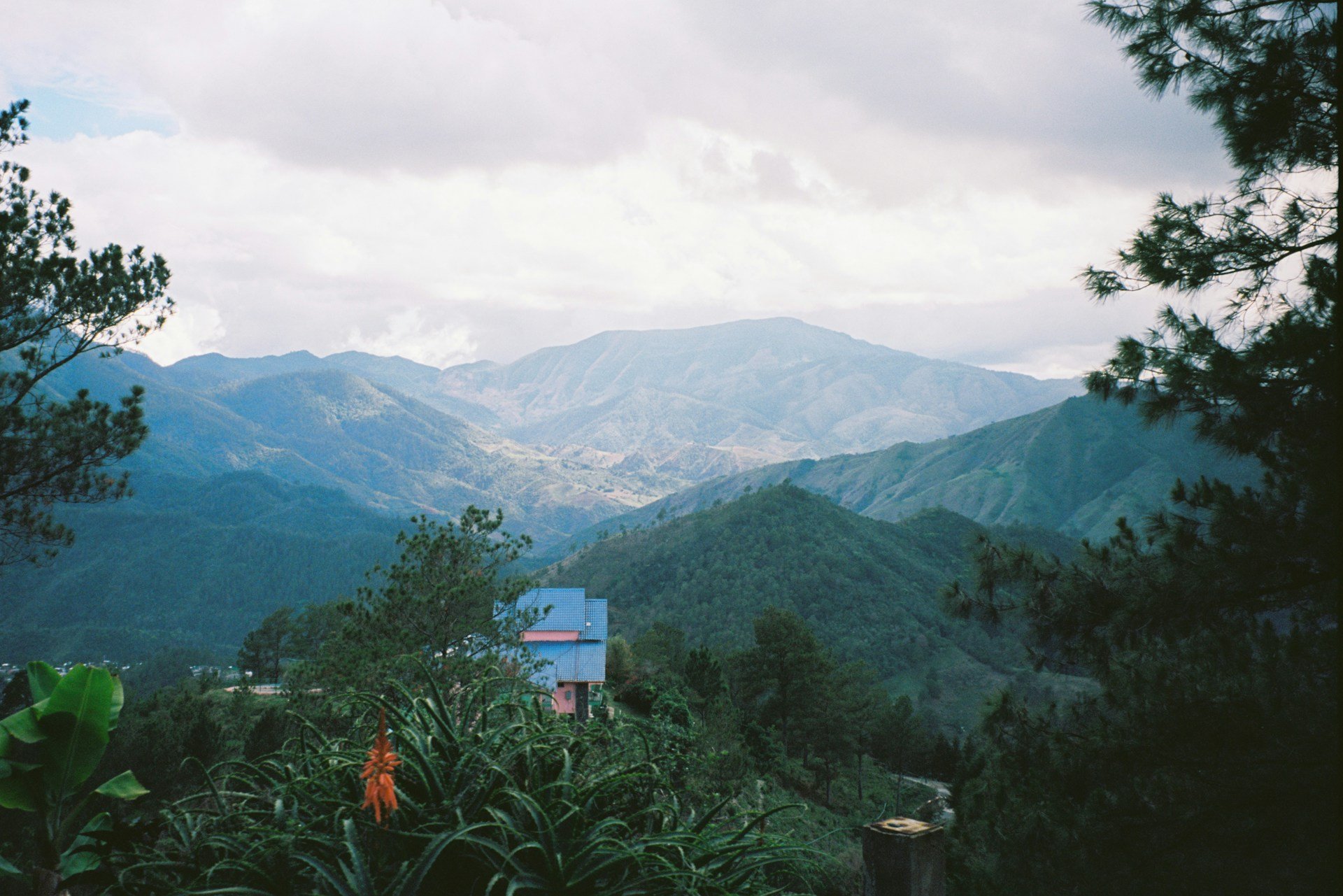
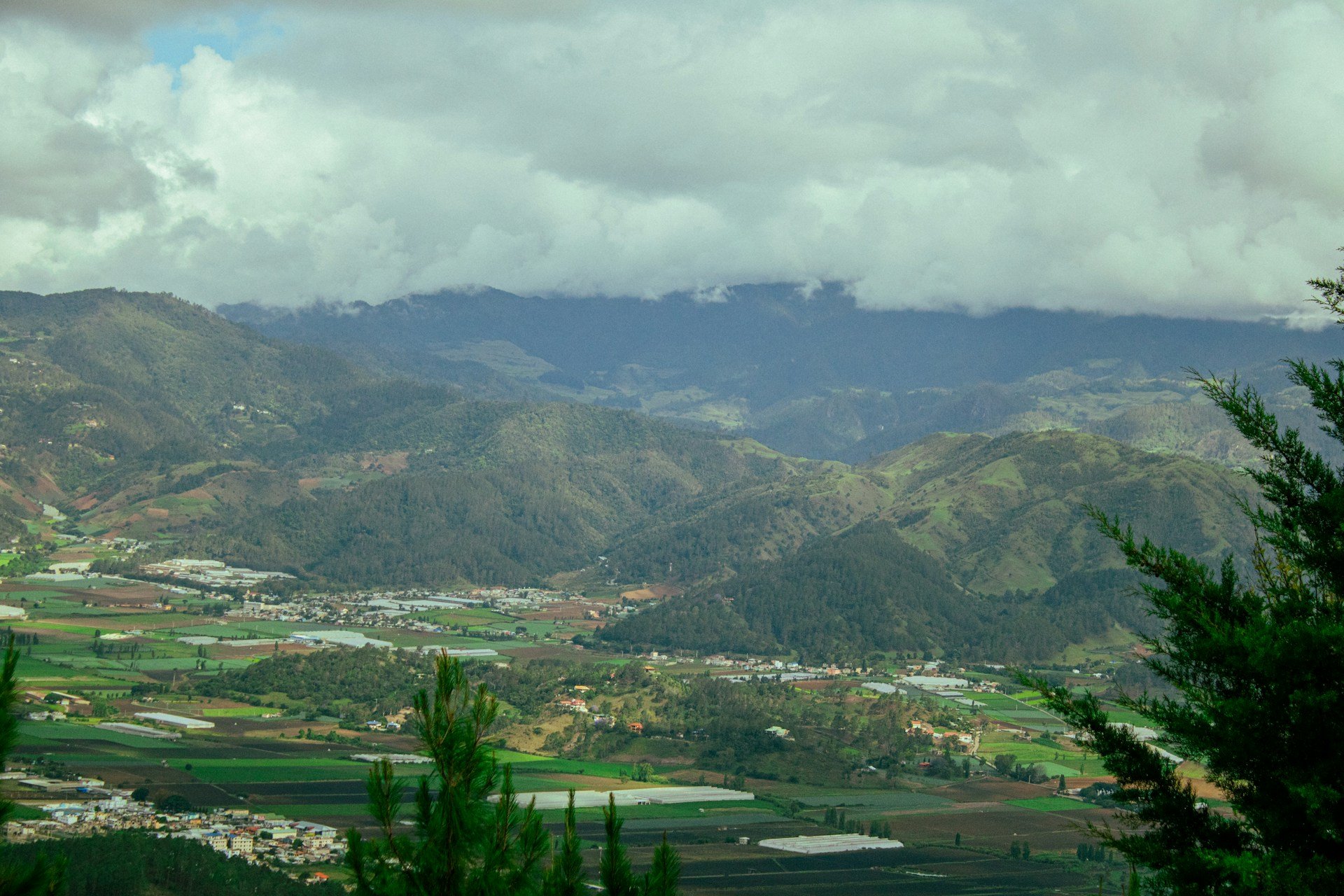
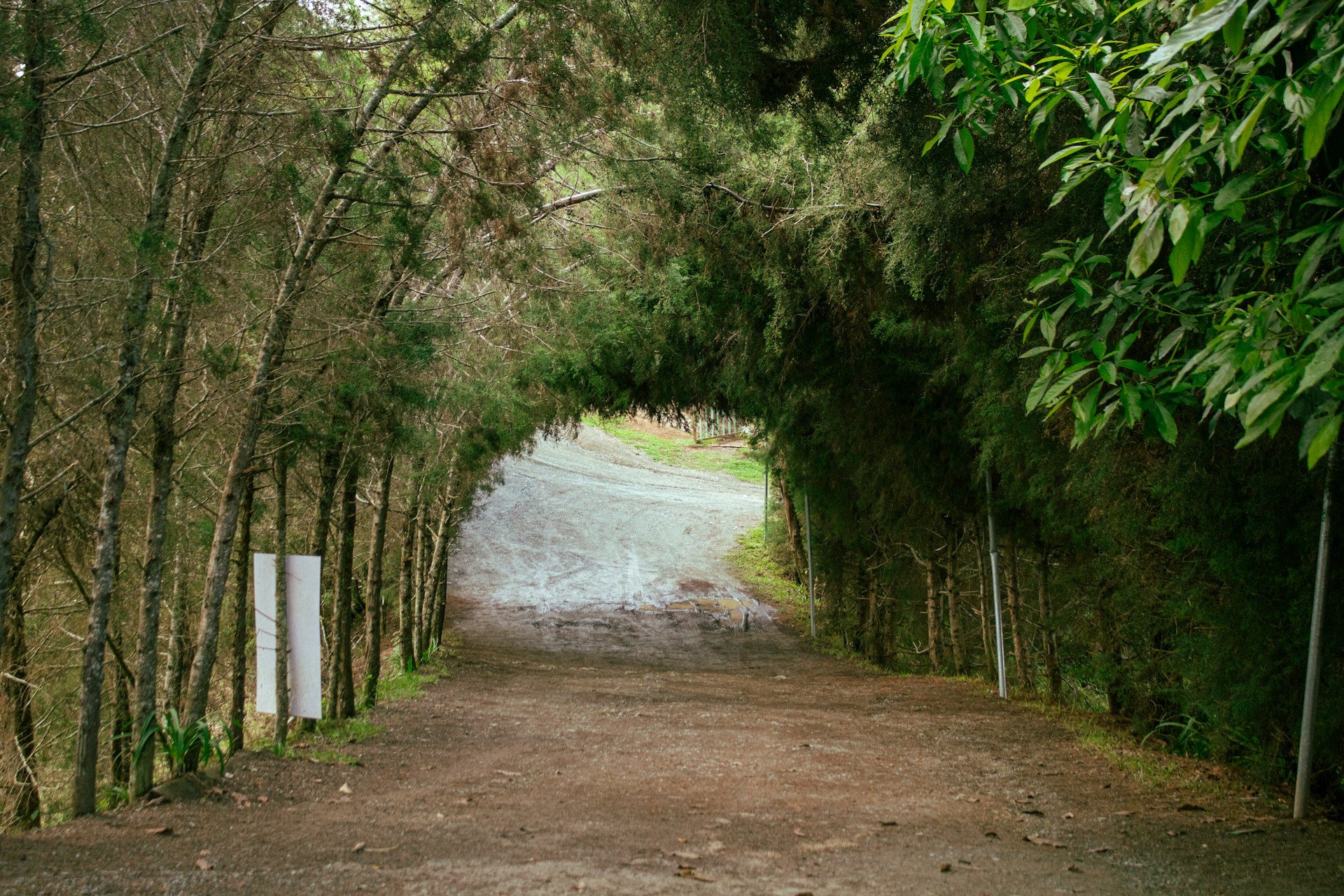
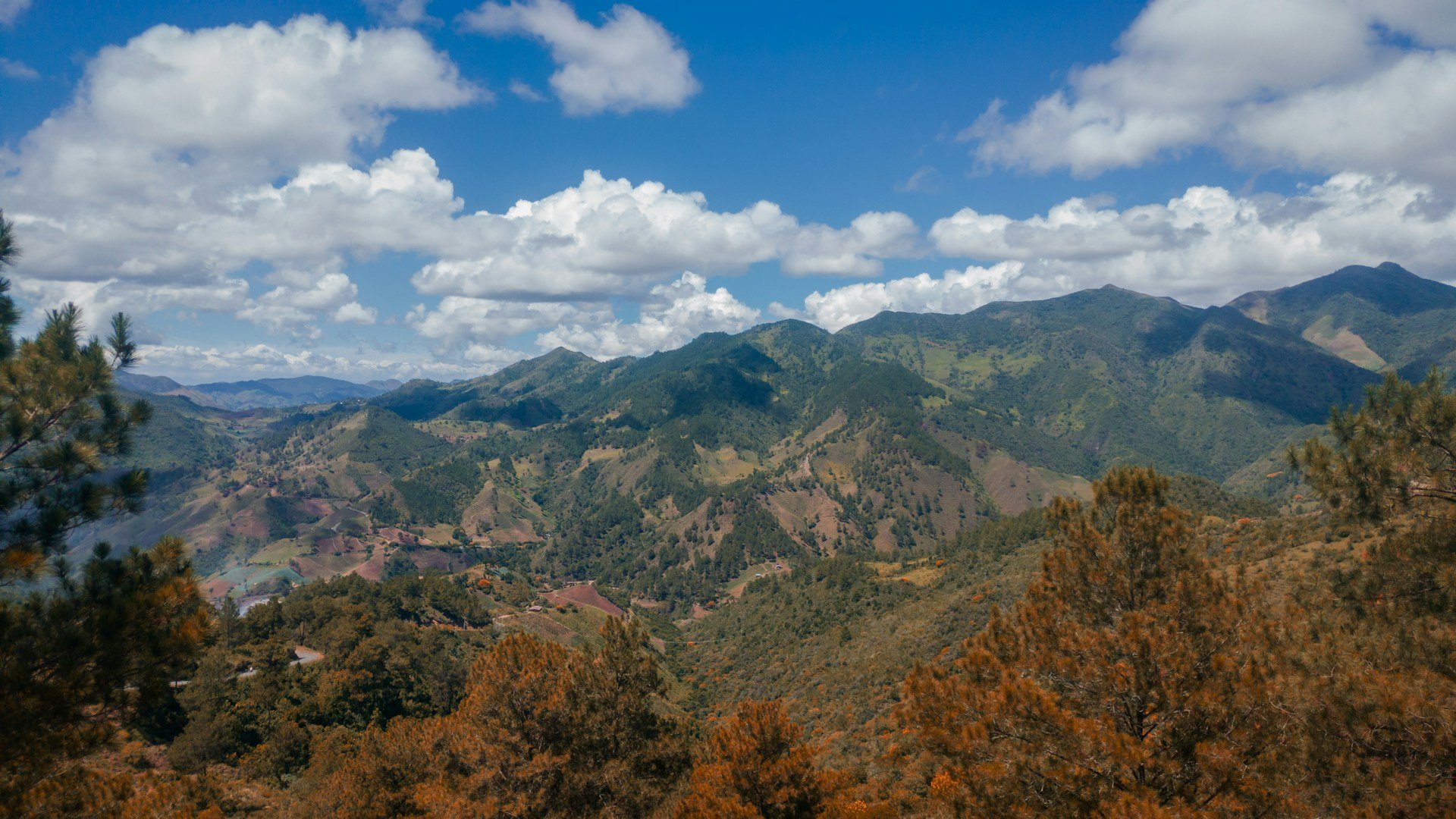
Photos from Constanza

Frequently asked questions
Nights in winter (December to February) drop to 10 to 15°C, occasionally lower. Days are 18 to 22°C. You will need blankets, a proper jacket, and long trousers most evenings year-round. In summer, temperatures are more comfortable, around 20 to 25°C days. For Dominicans, this is considered extreme cold. For people from Northern Europe or North America, it feels like a mild spring.
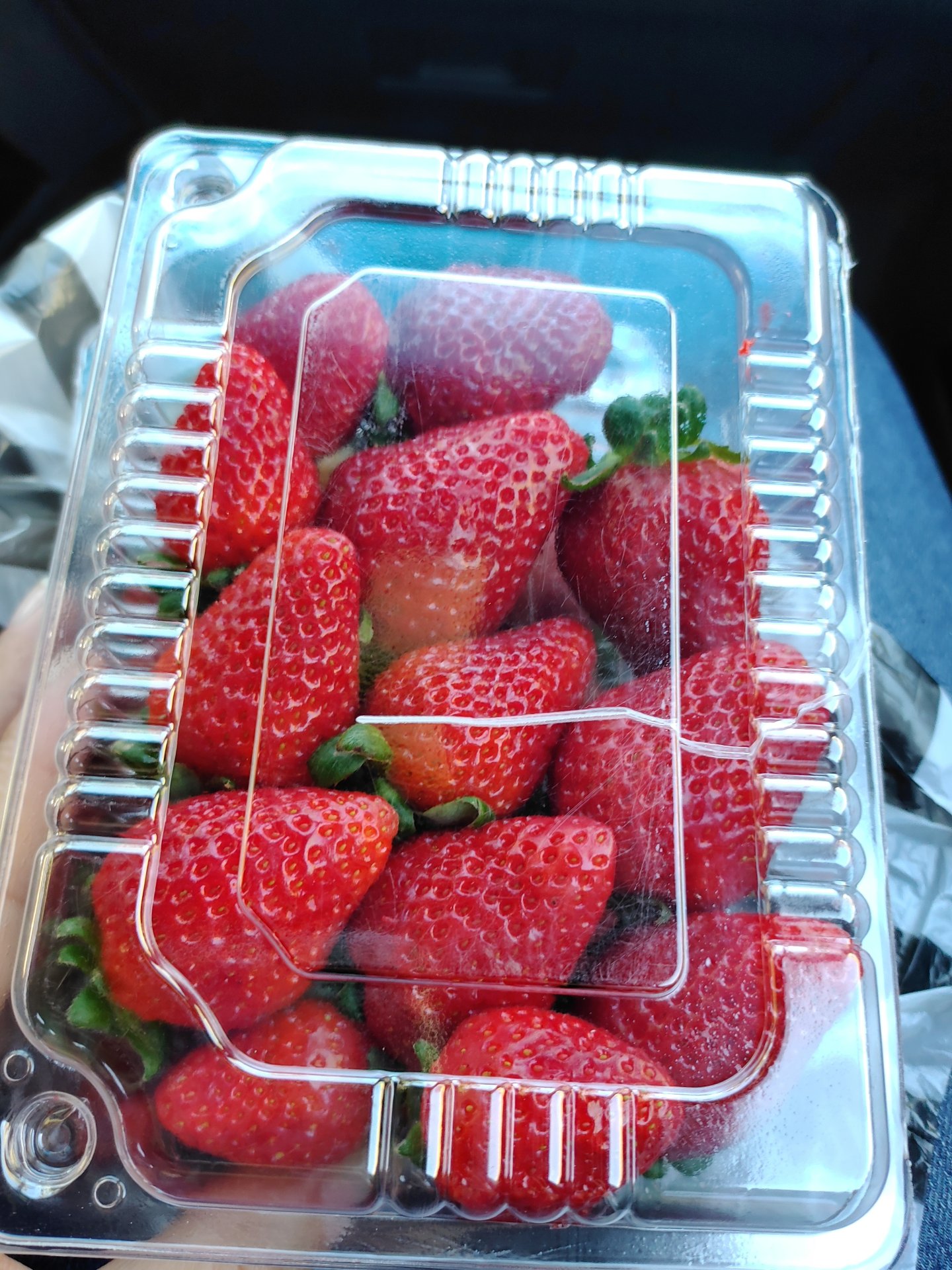
Strawberries, garlic, potatoes, cabbage, and an array of temperate-climate vegetables that simply do not grow on the hot coast. The agricultural valley is genuinely productive and the produce is excellent and cheap at local markets. You can buy strawberries by the kilo for almost nothing. Constanza supplies much of the DR's fresh vegetable production. Eating well and cheaply here is easy.
For the right person, absolutely. It is affordable, spectacularly scenic, cool, and completely authentic Dominican. There are almost no other foreigners. Spanish is essential. Services exist: hospitals, markets, banks. The nearest large city is Santo Domingo, 2.5 hours south. The lack of beaches is the obvious trade-off. People who choose Constanza have actively decided they do not need a coast.
The main route from Santo Domingo via the Valle Nuevo passes through dramatic highland scenery. The road is paved but winding and takes 2.5 hours. From Jarabacoa, about 1.5 hours on a mountain road. The road from the Bonao side via Valle Nuevo was historically rough but has improved. You need a car. Public transport exists but is slow. There is no airport.
Hiking in the Cordillera Central is the main draw. The Valle Nuevo Scientific Reserve has pine forests, cloud forest zones, and a memorial to Trujillo-era opposition fighters at Alto Bandera. The drive through Valle Nuevo passes pine forests that feel genuinely unlike anything else in the Caribbean. Pico Duarte can be accessed from this side of the mountains. Trout fishing is available in local rivers.